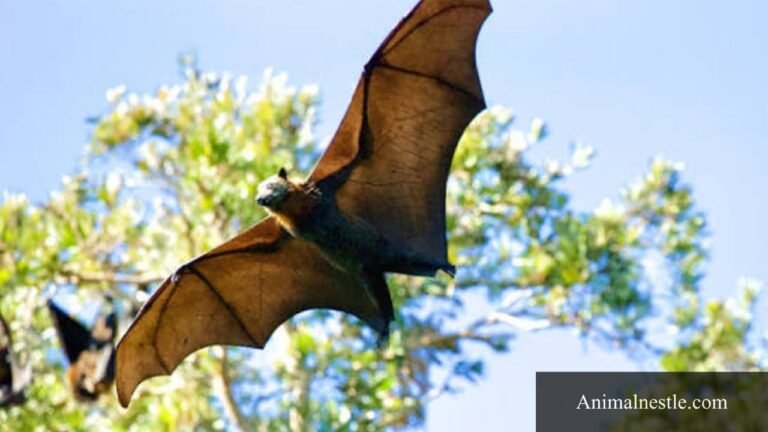
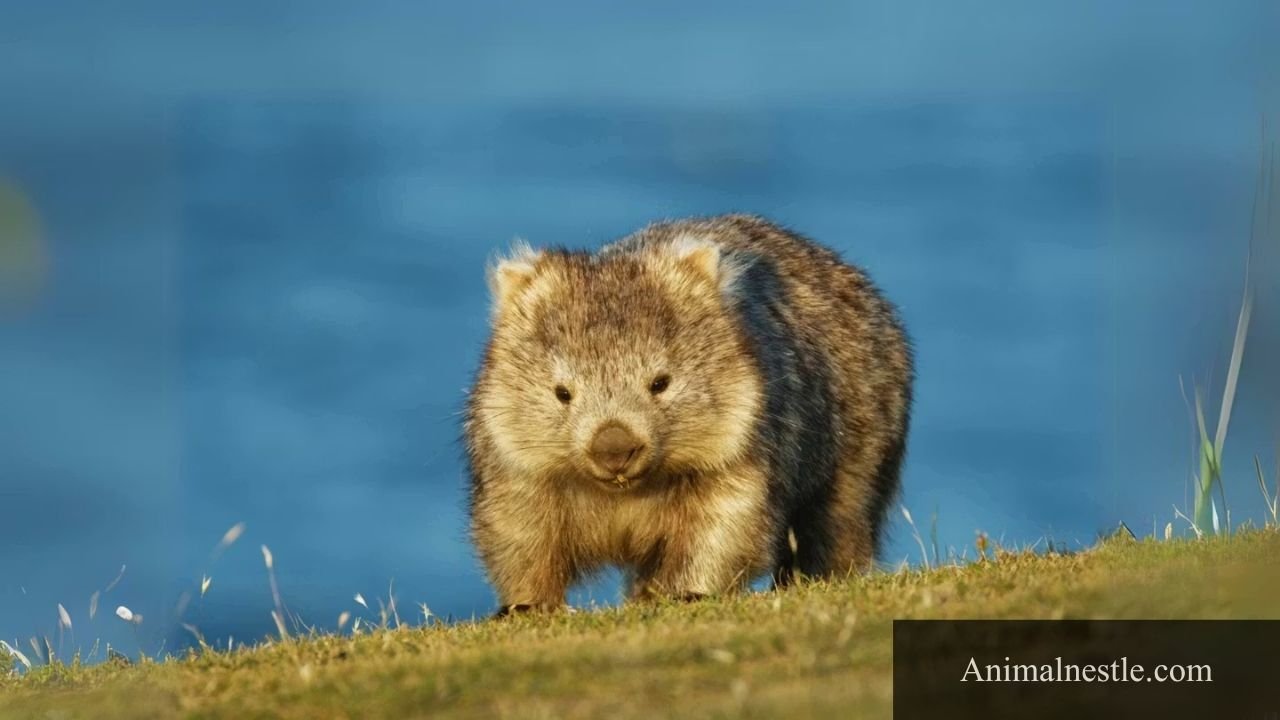
Top 31 Animals With 6 Letters (Images Included)
In this guide to “Animals With 6 Letters,” we will embark on a journey through some of the most unusual and recognizable creatures out there. Understanding these animals not only satisfies your curiosity but also fosters a deeper connection with the natural world. By the end of this article, you’ll be armed with both fun facts and a renewed sense of wonder about the animal kingdom!
List of Animals With 6 Letters
Here is the list of animals with 6 letters:
- Parrot
- Weasel
- Rabbit
- Turtle
- Condor
- Marlin
- Beetle
- Weevil
- Peeper
- Spider
- Osprey
- Mayfly
- Hornet
- Beluga
- Beaver
- Wombat
- Gopher
- Urchin
- Iguana
- Python
- Walrus
- Mussel
- Goanna
- Dugong
- Shrimp
- Minnow
- Oyster
- Toucan
- Badger
- Bedbug
- Turkey
Parrot
Scientific Name: Psittaciformes
Class: Aves
Diet: Omnivore
Parrots are remarkable creatures, showcasing a vivid array of colors and a high degree of intelligence, which often leads to their uncanny ability to mimic human speech and sounds from their surroundings. This mimicry isn’t just a party trick; it serves vital social functions in the wild, as parrots communicate with each other through sounds, establishing bonds and warning of potential threats. Some species, like the African grey parrot, are renowned for their cognitive abilities, demonstrating problem-solving skills that rival those of young children.
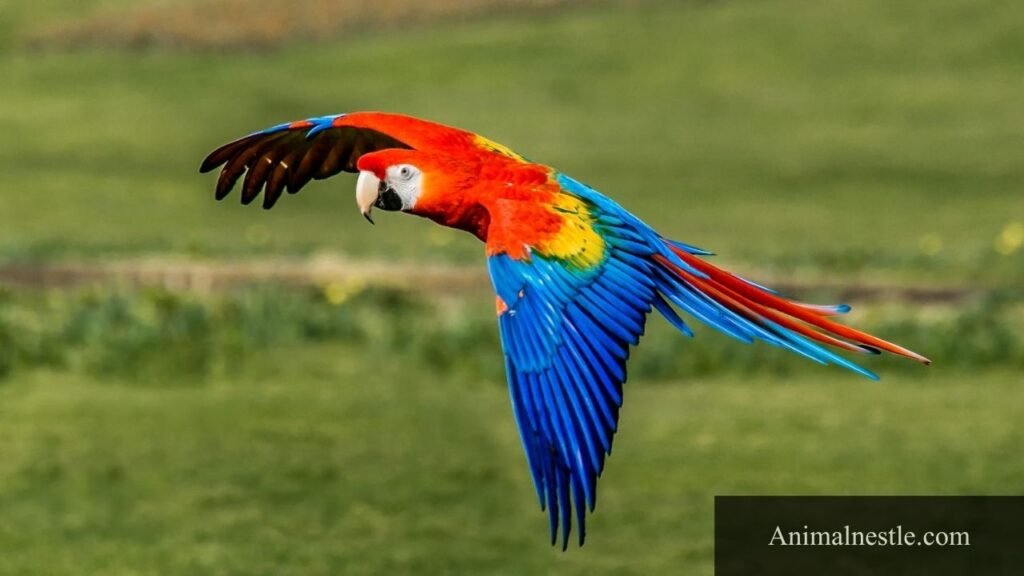
Moreover, their longevity is equally fascinating; many parrots can live for over 50 years in captivity. This impressive lifespan often makes them lifelong companions, raising important considerations for prospective owners regarding commitment and care. Beyond their vibrant personalities, parrots play essential roles in their ecosystems as seed dispersers, helping increase plant diversity in their habitats. Their intelligence and adaptability highlight not only their charm but also their critical position within the balance of nature.
Weasel
Scientific Name: Mustela
Class: Mammalia
Diet: Carnivore
Weasels boast an intriguing set of characteristics that often surprise those unfamiliar with them. These agile creatures are not just small; they exhibit remarkable adaptability, thriving in diverse habitats ranging from woodlands and grasslands to snowy environments. Their elongated bodies and short legs aid in navigating tight spaces, making them exceptional hunters. In fact, weasels can often take down prey larger than themselves, showcasing a level of audacity that’s both fascinating and essential for their survival.
Another remarkable fact about weasels is their seasonal coat change. In colder climates, many species don a white winter coat that provides excellent camouflage against the snow, transitioning back to brown or yellowish tones as the seasons shift. This ability to blend into their surroundings is not just for show; it plays a critical role in their hunting strategy and evasion from predators. Weasels are also known for their playful behavior, often seen frolicking and tumbling — a stark contrast to their fierce hunting reputation. This playful side hints at their intelligence and social structures, suggesting a complexity that belies their small size.
Rabbit
Scientific Name: Oryctolagus cuniculus
Class: Mammalia
Diet: Herbivore
Rabbits possess a fascinating range of adaptations that enable them to thrive in varied environments. Beyond their adorable appearance, these creatures are exceptionally social animals, often forming tight bonds within their groups. Their strong whiskers and large, sensitive ears are not just for show; they are vital tools for navigating their surroundings, helping them detect predators from great distances. Interestingly, rabbits communicate through a complex mix of vocalizations, body language, and even scents, showcasing a level of social intelligence that often goes unnoticed.
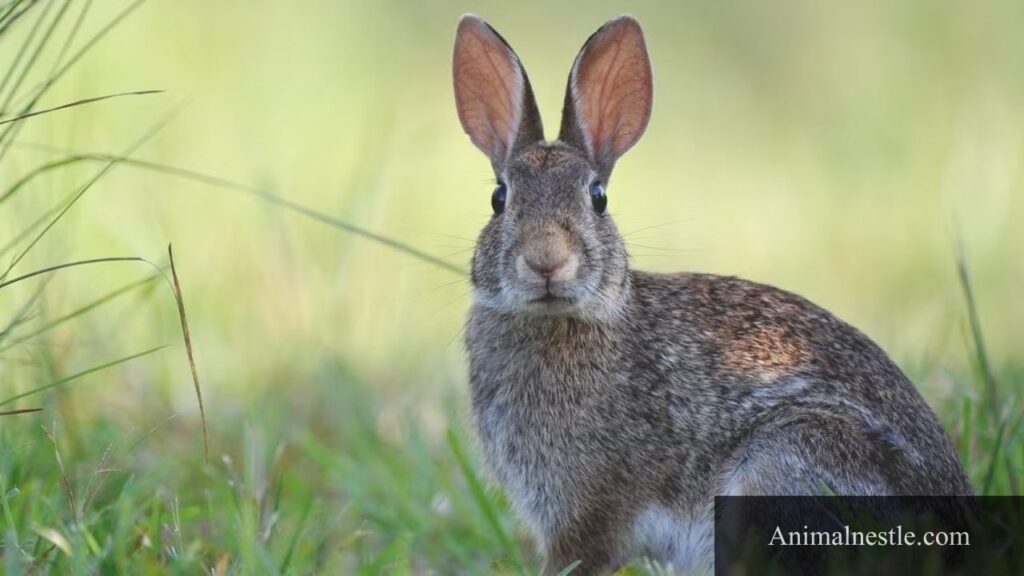
In addition to their social structures, rabbits are unique in their digestive system, which is designed for a high-fiber diet. Their constant need to graze means they spend a significant part of their day munching on grass and leafy greens — this not only keeps their digestive tract healthy but also aids in their natural instinct to forage. Curiously, rabbits have a unique way of coprophagy, meaning they consume their own droppings to extract maximum nutrients. This behavior underlines their efficient use of resources, ensuring that nothing goes to waste in their bid for survival in the wild. Understanding these lesser-known traits not only deepens our appreciation for rabbits but also highlights their complex lives beyond their furry exteriors.
Readmore: Explore Top 21 Animals With 7 Letters.
Turtle
Scientific Name: Testudines
Class: Reptilia
Diet: Omnivore
Turtles, some of the oldest reptiles on Earth, have been around for over 200 million years, surviving mass extinctions and drastic climate changes. Their unique shell, an evolutionary marvel, serves not only as a defensive fortress but also as a vital component of their anatomy, protecting vital organs and providing structural support. This intricate structure is made up of over 50 bones, blending seamlessly with their ribcage and spine, showcasing nature’s ingenuity.
Beyond their iconic appearance, turtles exhibit fascinating behaviors that often go unnoticed. For instance, many species engage in long migrations, traveling thousands of miles to return to their nesting sites — an instinctual journey guided by the Earth’s magnetic fields and the position of the sun. Notably, sea turtles are known for their impressive navigation skills, often diving to depths that would crush ordinary creatures. Moreover, their diets can be surprisingly diverse: while some are strict herbivores, nibbling on seagrasses and algae, others are omnivorous or even carnivorous, indulging in jellyfish or mollusks, showcasing the adaptability that has allowed them to thrive in various ecosystems.
Condor
Scientific Name: Vultur gryphus
Class: Aves
Diet: Carnivore
The condor, one of the largest flying birds in the world, boasts an impressive wingspan that can reach up to 10 feet. These magnificent scavengers primarily inhabit mountainous regions, where their keen eyesight allows them to spot carrion from great distances — often soaring at altitudes of over 15,000 feet. Unlike many birds, condors rely heavily on thermal updrafts to glide gracefully, minimizing energy expenditure and showcasing their masterful adaptation to high altitudes.
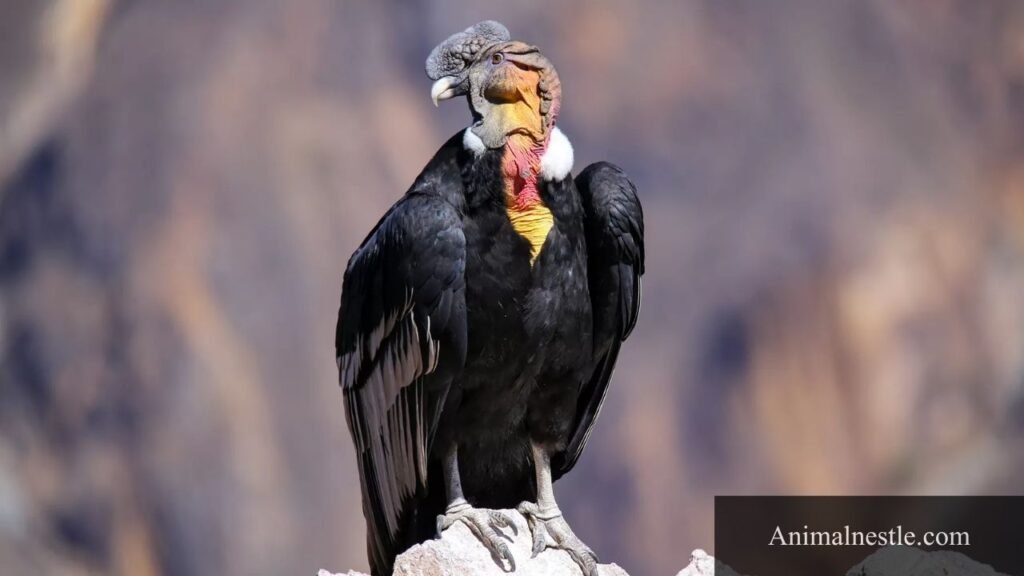
A fascinating aspect of condors is their social behavior. They often engage in communal roosting and feeding, gathering in groups to share meals, which speaks to the intelligence and intricate social dynamics within their species. Condors are also known for their unique courtship rituals, involving elaborate aerial displays and mutual preening that strengthen pair bonds. Sadly, these majestic birds have faced severe population declines due to habitat loss and lead poisoning from ingesting spent ammunition, making conservation efforts critically important. In reversing this trend, innovative programs that seek to educate communities and protect natural habitats offer hope for a brighter future for these extraordinary creatures.
Marlin
Scientific Name: Istiophoridae
Class: Actinopterygii
Diet: Carnivore
Marlin, known for their incredible speed and agility, are among the ocean’s most skilled predators. These magnificent fish can reach speeds of up to 68 miles per hour, making them one of the fastest fish in the sea. Their streamlined bodies and long, pointed bills not only help them slice through water but also aid in hunting, allowing them to strike with precision and force. Interestingly, marlins possess specialized sensory organs that can detect vibrations in the water, helping them locate prey even from great distances.
Another fascinating aspect of marlins is their remarkable migratory behavior. Many species, such as the blue marlin, undertake long migrations across the Atlantic and Pacific Oceans, navigating vast distances to find optimal feeding grounds and spawning sites. This behavior is not only essential for their survival but also plays a crucial role in marine ecosystems, as their movements influence predator-prey dynamics in various ocean regions. Conservation efforts are increasingly focused on these majestic fish due to overfishing and habitat loss, highlighting the importance of addressing human impacts on their populations and the marine environments they inhabit.
Beetle
Scientific Name: Coleoptera
Class: Insecta
Diet: Omnivore
Beetles are some of the most diverse creatures on the planet, with over 350,000 identified species. This remarkable diversity allows them to thrive in almost every habitat, from lush rainforests to arid deserts. What sets beetles apart is their hardened forewings, known as elytra, which protect their delicate hind wings and bodies. This unique adaptation not only shields them from predators but also allows them to be incredibly resilient in various environments.
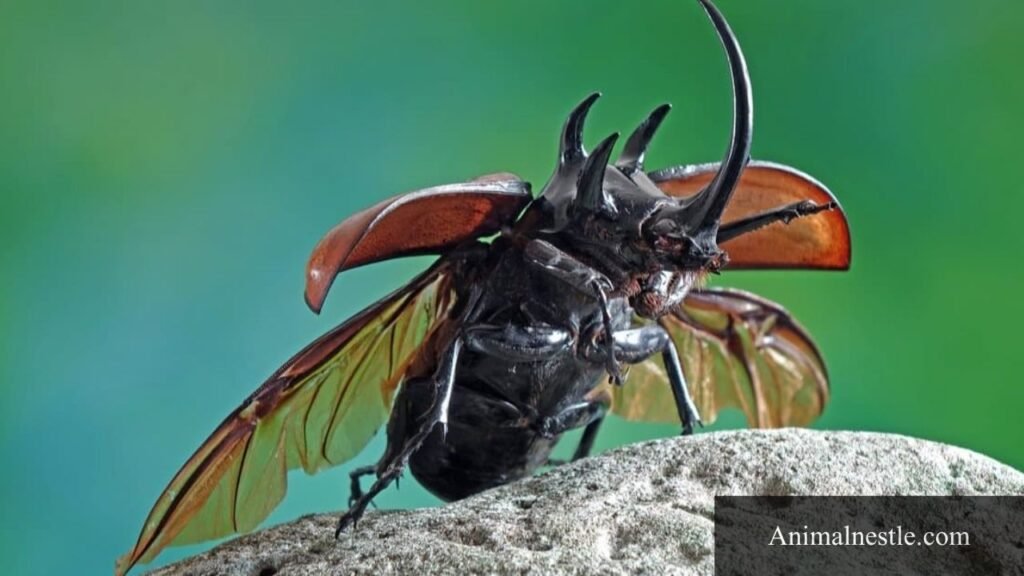
One fascinating aspect of beetle behavior is their role in ecosystems as decomposers. Many beetle species, such as dung beetles, play a critical role in nutrient recycling by breaking down organic matter. Their activities improve soil health and promote plant growth, making them indispensable players in maintaining ecological balance. Furthermore, some beetles exhibit astonishing survival mechanisms; for instance, the bombardier beetle can eject a hot, noxious spray to deter predators, showcasing nature’s ingenuity in self-defense.
You can also read: Explore Top 31 Animals With 5 Letters.
Weevil
Scientific Name: Curculionoidea
Class: Insecta
Diet: Herbivore
Weevils have captured the interest of entomologists and nature lovers alike due to their unique adaptations and ecological roles. With over 95,000 species identified, these fascinating insects can be found in various habitats, from lush forests to arid deserts. Their distinct elongated snouts aren’t just for show; this adaptation allows them to access food sources that many other insects cannot, enabling them to thrive on hard-to-reach seeds, leaves, and even bark.
What’s particularly intriguing is how some weevils have formed symbiotic relationships with plants. For instance, certain species of weevil are known to plant their eggs inside seeds or fruits, providing their larvae with a ready-made food supply once they hatch. While this may seem detrimental to the plants, it actually helps in seed dispersal and genetic diversity. The interaction between weevils and their plant hosts reveals the intricate balance of ecosystems, where even the smallest creatures play a vital role in shaping their environment. As we delve deeper into the world of weevils, we uncover not just their intriguing biology but also their significant impact on agriculture and natural ecosystems.
Peeper
Scientific Name: Pseudacris crucifer
Class: Amphibia
Diet: Carnivore
The peeper is a remarkable amphibian that thrives in the temperate forests of North America. This tiny frog is most famous for its distinctive, melodic call that heralds the arrival of spring, echoing through woodlands and wetlands. What makes their vocalization particularly fascinating is the unique way they produce sound; males have a specialized vocal sac that allows them to amplify their calls, attracting not just mates but also marking territory.
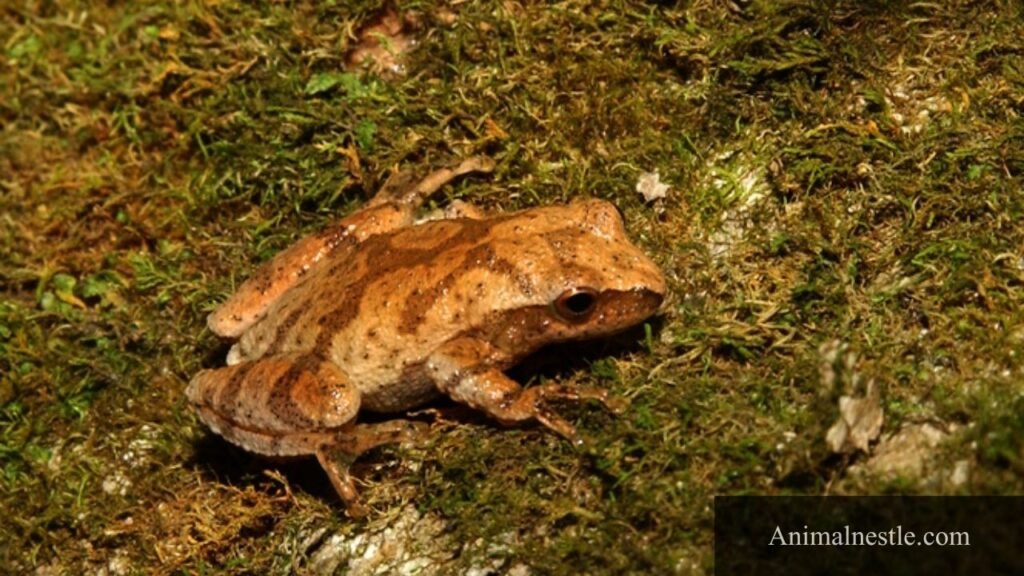
Peeper frogs are intriguingly resilient, capable of surviving cold temperatures by entering a state of suspended animation — essentially freezing during the winter months. This incredible adaptation involves producing natural antifreeze proteins, which prevent ice crystals from forming in their cells. When temperatures rise, they thaw out and reanimate, ready to fulfill their roles in the ecosystem as both predator and prey. These little amphibians serve as important bioindicators, meaning that their health reflects the overall well-being of their environment, capturing the interconnectedness of ecosystems in ways that are often overlooked.
Spider
Scientific Name: Araneae
Class: Arachnida
Diet: Carnivore
Spiders are remarkable creatures with an intricate and varied role in our ecosystems. With over 48,000 known species, these arachnids exhibit incredible adaptability, from the iconic orb-weavers spinning geometric webs to the elusive jumping spiders that possess remarkable vision and agility. Interestingly, spiders have developed unique survival strategies, including mimicry, where they imitate other insects or even flowers to avoid predators or lure prey.
One of the most captivating aspects of spider biology is their silk production. Contrary to popular belief, spider silk is not a simple thread but a complex protein with remarkable tensile strength — stronger than steel of the same diameter. This silk serves a multitude of purposes beyond spinning webs; it’s used for building shelters, creating draglines for safety, and even wrapping prey. Researchers are now exploring the potential of synthetic spider silk in medical applications, such as sutures and tissue engineering, highlighting the intersection of nature and technology. Understanding these unique attributes not only sheds light on the ecological significance of spiders but also encourages appreciation for their role as essential allies in pest control and biodiversity.
Osprey
Scientific Name: Pandion haliaetus
Class: Aves
Diet: Carnivore
The osprey, often heralded as the “sea hawk,” boasts an impressive hunting technique that involves diving at speeds up to 40 miles per hour to snatch fish from the water’s surface. Uniquely adapted for this aquatic lifestyle, their reversible outer toes and specialized talons allow for a powerful grip, ensuring a secure catch. What’s more, their exquisite vision enables them to spot prey from great heights, leading to astonishingly successful hunts.
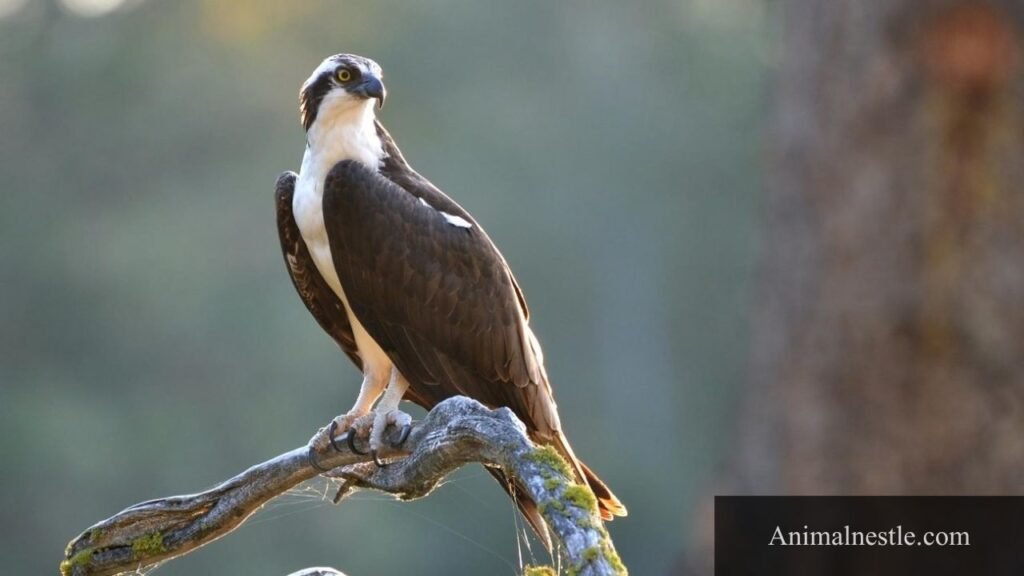
Beyond their remarkable physical traits, ospreys exhibit fascinating migratory patterns. They travel thousands of miles between breeding grounds and wintering sites, often crossing the entire Atlantic Ocean. Interestingly, this bird’s preference for nesting near water bodies not only highlights its dependence on fish but also underscores the health of aquatic ecosystems — an osprey’s presence signals a rich and balanced environment. Moreover, their collaborative breeding habits, where parents share nesting duties, emphasize the strength of teamwork in parenting — an often overlooked aspect of avian life. This duality of individuality and cooperation makes the osprey a captivating study in both biology and behavior.
Also read: Explore Top 39 Animals With 4 Letters.
Mayfly
Scientific Name: Ephemeroptera
Class: Insecta
Diet: Herbivore
Mayflies, often called “dayflies,” hold an intriguing place in the insect world due to their ephemeral lifestyles. With lifespans that can range from just a few hours to a couple of days, these aquatic insects make the most of their brief existence. What makes them particularly fascinating is their unique developmental cycle; most of their lives are spent in a nymph stage underwater, sometimes for years, where they contribute significantly to aquatic ecosystems by serving as a food source for fish and other creatures.
When mayflies finally emerge as adults, they showcase an astonishing transformation. Their translucent wings, which can span up to 3 inches, resemble delicate lace, and they often gather in massive swarms, creating mesmerizing patterns in the sky. This synchronized emergence is not just a breathtaking spectacle but also a strategic survival tactic, allowing them to overwhelm predators in sheer numbers. Furthermore, their mating ritual is a captivating performance; males engage in intricate aerial displays to attract females, emphasizing the importance of visual communication in the animal kingdom. Thus, the mayfly epitomizes the beauty of life’s fleeting moments while playing a crucial role in the intricate web of aquatic life.
Hornet
Scientific Name: Vespa
Class: Insecta
Diet: Omnivore
Hornets, weaponized with an intense sting, play crucial roles in their ecosystems. As apex predators among wasps, they maintain the balance of insect populations, preying on various pest species that threaten crops. This predatory behavior not only benefits agriculture but also minimizes the spread of disease by controlling insect populations that might otherwise proliferate.
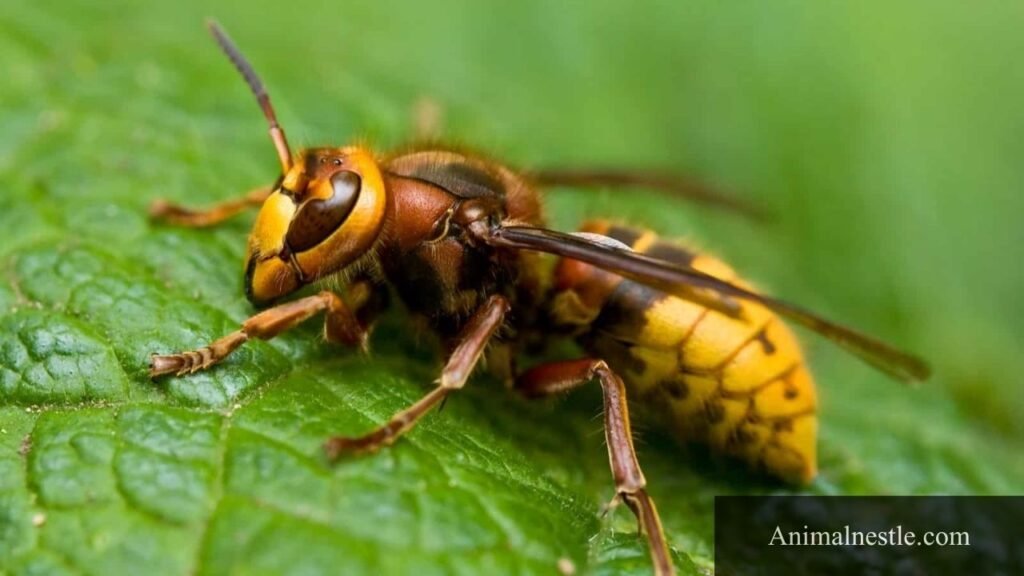
Interestingly, hornets are also social creatures. They live in colonies, structured in a hierarchy that includes a queen, workers, and drones. Unlike their more aggressive relatives, hornets are generally less inclined to attack unless they feel threatened. Their nests, often mistaken for those of bees, are intricate constructions made from chewed wood fibers, which they mix with saliva, creating a paper-like material. Understanding the habits and contributions of hornets can shift our perception of these fascinating insects, revealing their integral role in maintaining environmental balance and agricultural health.
Beluga
Scientific Name: Delphinapterus leucas
Class: Mammalia
Diet: Carnivore
Belugas are renowned for their distinctive vocalizations that can range from clicks to whistles. Their communication skills are not just melodic; they also serve a crucial role in social interactions and navigation under the icy waters of the Arctic and sub-Arctic regions. Fascinatingly, belugas possess the ability to mimic sounds, adapting their calls to interact with various cetacean species they encounter, showcasing their intelligence and adaptability.
These striking white whales are also known for their remarkable physical flexibility, due to their lack of dorsal fin, allowing them to maneuver easily among sea ice. Their skin, which transitions from grayish at birth to striking white as adults, can change texture to aid in social signaling. Equally intriguing is their migratory behavior; belugas travel hundreds of miles annually in search of open water and feeding grounds, embodying resilience in the face of climate change and shifting habitats. Understanding these majestic creatures not only enriches our knowledge of marine ecosystems but also emphasizes the urgent need for their conservation.
Beaver
Scientific Name: Castor
Class: Mammalia
Diet: Herbivore
Beavers are remarkable engineers of the animal kingdom, with the ability to alter entire ecosystems through their dam-building activities. These industrious rodents can create ponds that expand habitats for a variety of species, including amphibians, fish, and birds. A single beaver can fell trees up to 30 centimeters in diameter, using its strong, chisel-like incisors that continuously grow throughout its life. Interestingly, they communicate using a mix of vocalizations and tail slaps on water surfaces, signaling danger or gathering the family around for a team effort.
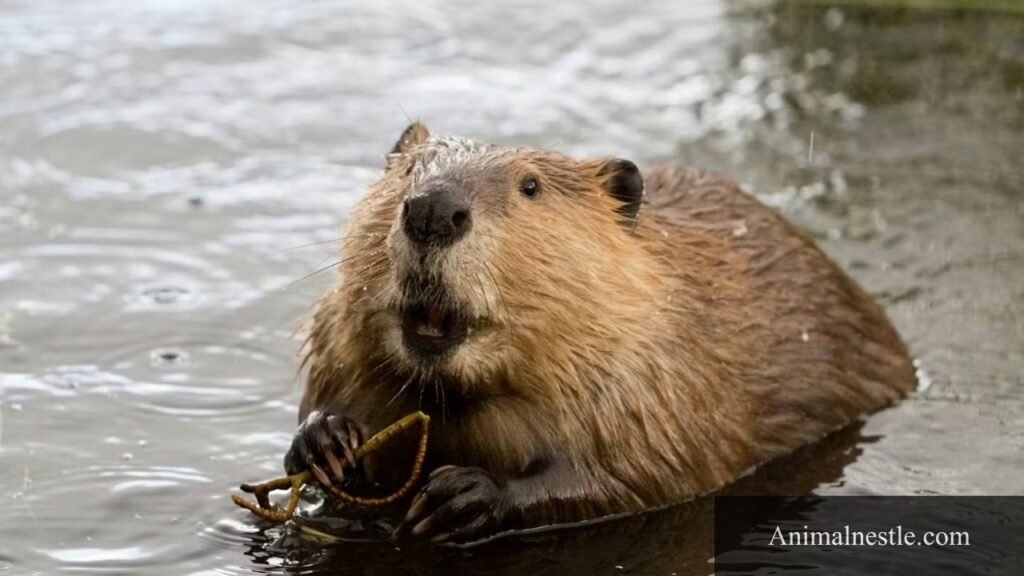
Equipped with webbed feet and a broad, flat tail, beavers are perfectly adapted for both swimming and working on land. Their fur is densely packed and waterproof, allowing them to stay warm even in chilly waters. Beavers have a unique dental adaptation: their incisors are orange, rich in iron, which not only strengthens the teeth but also gives them a distinctive look. Beyond their engineering feats, beavers play a crucial role in mitigating climate change; their ponds help sequester carbon and recharge groundwater supplies, making them unsung heroes in the fight against environmental degradation.
Readmore: Explore Top 23 Animals With 10 Letters.
Wombat
Scientific Name: Vombatidae
Class: Mammalia
Diet: Herbivore
Wombats are fascinating creatures native to Australia, known for their hefty bodies and distinctive burrowing habits. These nocturnal marsupials possess a unique trait: their cube-shaped poop. This curious adaptation helps mark territory and prevents the feces from rolling away, ensuring their scent remains in the area. The design is an evolutionary marvel that showcases the wombat’s adaptability to its environment.
Beyond their quirky excrement, wombats exhibit intriguing social behaviors. Although they are mostly solitary, they communicate through a variety of vocalizations, including grunts and snorts, to express contentment or distress. Their powerful limbs enable them to dig extensive tunnel systems, which can extend over 100 feet in length, offering them refuge from predators and the harsh Australian climate. Sadly, habitat loss and road accidents pose significant threats to their population, highlighting the pressing need for conservation efforts to protect these unique marsupials and their ecosystems.
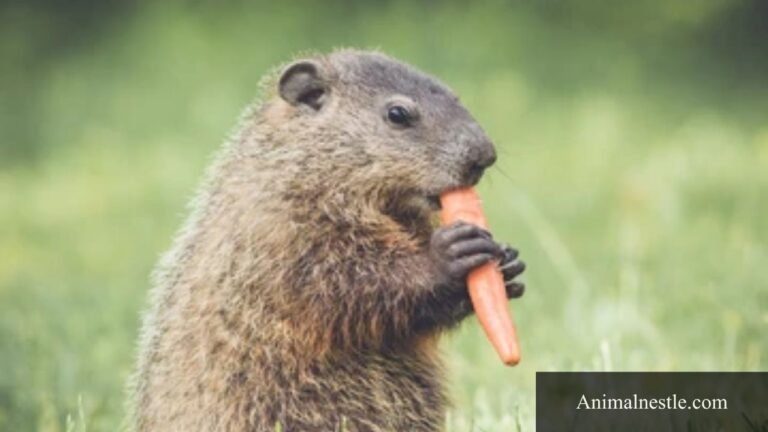
Gopher
Scientific Name: Geomyidae
Class: Mammalia
Diet: Herbivore
Gophers, often seen as mere garden pests, play fascinating roles in their ecosystems. With their extensive burrowing habits, these small, burly mammals aerate the soil, which can enhance water absorption and promote healthier plant growth. Their tunnels create a complex underground network that benefits a variety of other organisms, from insects to larger mammal species, illustrating a remarkable interconnectedness within their habitats.
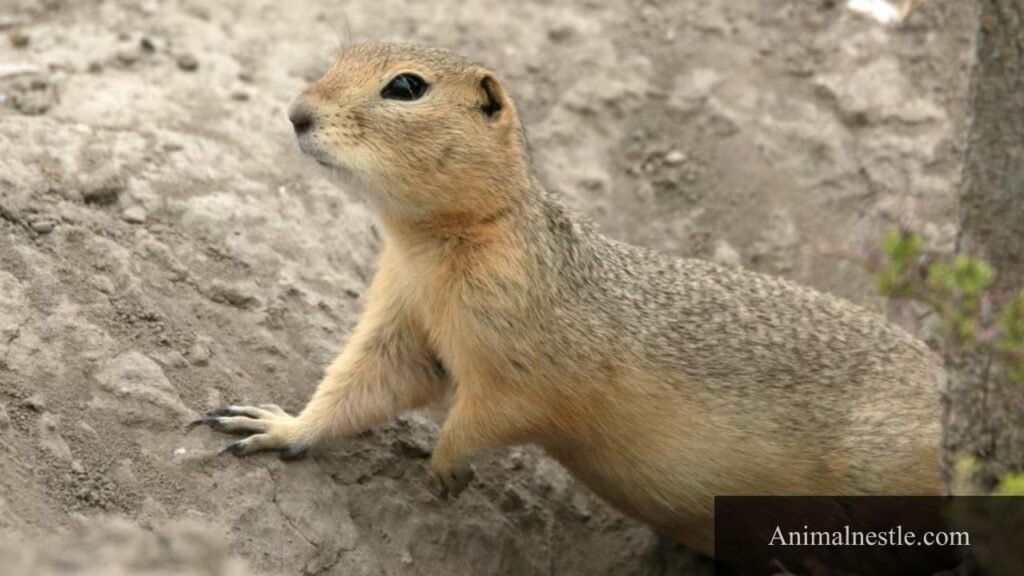
Moreover, gophers are equipped with powerful incisors that allow them to gnaw through tough roots and tubers. Interestingly, their diets vary significantly based on the season and geographical location, showcasing their adaptability. For instance, during the spring, they may feast on tender greens, while in fall they hoard seeds and bulbs to prepare for winter. This behavior not only demonstrates their resourcefulness but also plays a crucial role in seed dispersion, contributing to the biodiversity of their surroundings.
Urchin
Scientific Name: Echinoidea
Class: Echinoidea
Diet: Omnivore
Urchins, often overlooked in marine ecosystems, are fascinating creatures with a unique ecological role. These spiny echinoderms thrive in diverse environments, from rocky shores to deep ocean floors. Their shells, known as tests, are adorned with movable spines that act as both camouflage and defense against predators, while also aiding in locomotion. Interestingly, urchins possess a remarkable ability to regenerate lost spines, showcasing their resilience in the face of environmental adversity.
Beyond their intriguing biology, urchins play a critical role in maintaining the balance of their ecosystems. As herbivores, they graze on algae, preventing overgrowth that could suffocate coral reefs and disrupt marine life. This dietary habit positions them as essential players in the health of oceanic ecosystems, influencing the composition of seagrass beds and coral habitats. However, the rising temperatures and acidification of oceans pose significant threats to urchin populations, leading to concerns about the future health of marine environments. Understanding these humble creatures can illuminate the intricate connections within marine biodiversity and highlight the urgent need for conservation efforts.
Iguana
Scientific Name: Iguanidae
Class: Reptilia
Diet: Herbivore
Iguanas are fascinating reptiles that possess a unique blend of beauty and adaptability. Known primarily for their vibrant green hue, certain species like the Blue Iguana can captivate with stunning colors ranging from bright blue to gray. These lizards can be found in various habitats, from tropical rainforests to arid regions, showcasing their impressive ability to adapt to different environments. Interestingly, they are herbivores, thriving on a diet rich in leaves, flowers, and fruits. This plant-based diet not only influences their coloration but also plays a crucial role in their digestive ecology.
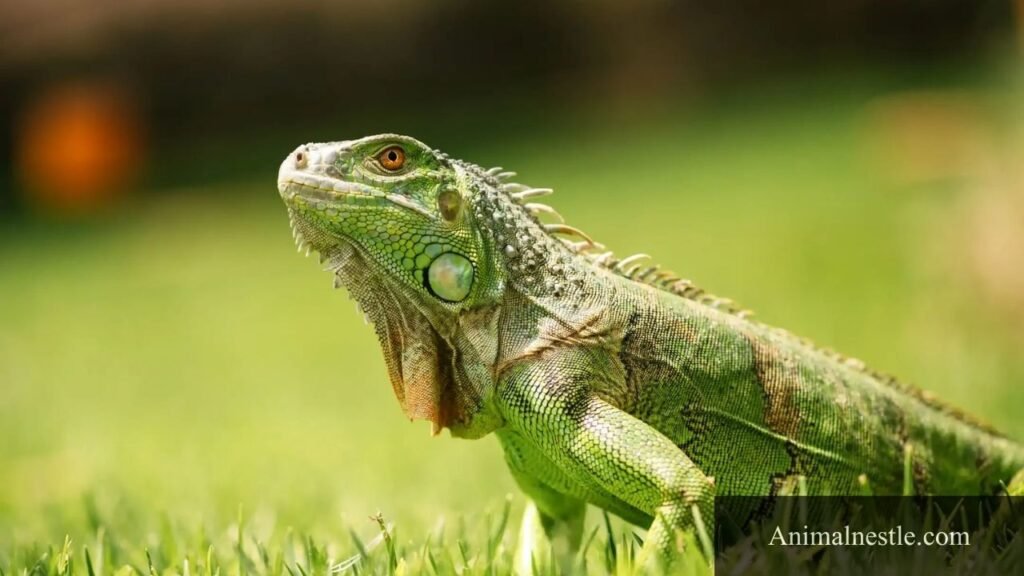
One of the most intriguing characteristics of iguanas is their impressive communication skills. They utilize a repertoire of body language, from head bobs to tail gestures, to convey emotions and establish territory. Furthermore, many iguanas possess a third eye, known as the parietal eye, located on the top of their heads. While it cannot form images like conventional eyes, it helps them detect movement and changes in light, serving as an essential survival tool for spotting predators. As the world changes, habitat destruction poses significant threats, making conservation efforts vital to preserving these incredible creatures and their ecosystems.
You can also read: Explore Top 23 Birds With 6 Letters.
Python
Scientific Name: Pythonidae
Class: Reptilia
Diet: Carnivore
Pythons are remarkable serpents that showcase a fascinating blend of biology and behavior. Characterized by their impressive size, some species can reach lengths of over 20 feet, such as the reticulated python. What sets pythons apart from many other snakes is their unique mode of hunting — utilizing constriction rather than venom to subdue their prey. They have an extraordinary ability to sense heat, thanks to specialized pits on their faces, allowing them to locate warm-blooded animals even in complete darkness.
Beyond their imposing stature, pythons exhibit intriguing social behaviors, often cohabiting in dens during colder months. Their method of reproduction is equally fascinating; females go through a period of ovulation and can even engage in a behavior called “egg-laying communally,” where several females lay eggs in a shared nest. This communal strategy helps protect the eggs from predators and increases survival chances. With their varied habitats ranging from tropical rainforests to savannas, pythons are adaptable creatures, embodying the complex interplay between evolution and environment.
Walrus
Scientific Name: Odobenus rosmarus
Class: Mammalia
Diet: Carnivore
Walruses, with their iconic tusks and blubbery bodies, are more than just unique marine mammals; they play a crucial role in their Arctic ecosystems. Interestingly, these social creatures can weigh up to 2,000 pounds and are known for their remarkable ability to dive to depths of over 300 feet in search of clams and other benthic organisms. Their whiskers, or vibrissae, are highly sensitive tactile hairs that help them locate food on the ocean floor, revealing a nuanced adaptation to their frigid habitat.
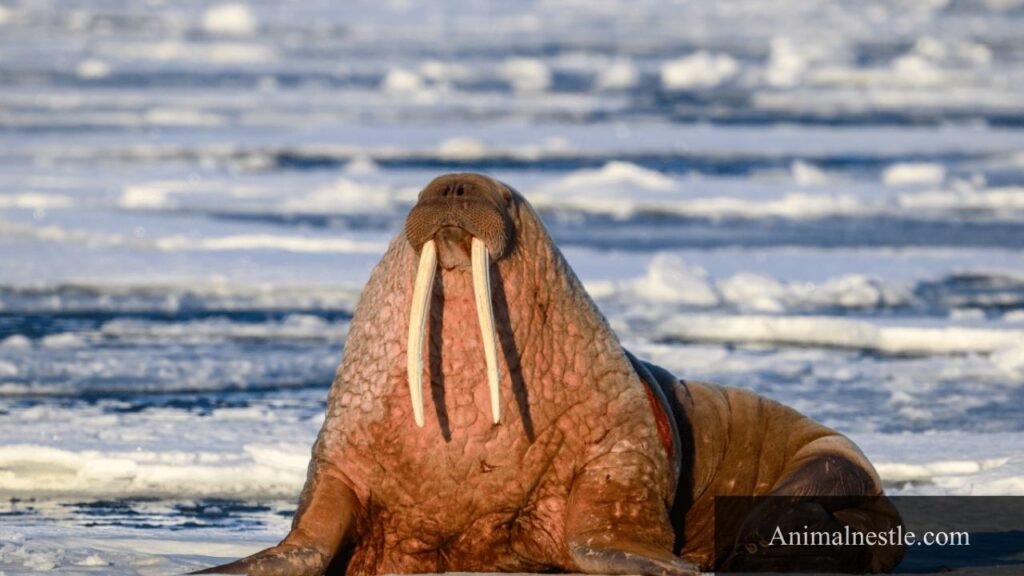
Beyond their physical attributes, walruses exhibit complex social behaviors. They often gather in large herds, sometimes numbering in the thousands, where they engage in vocalizations that resonate through the icy waters — an echo of their social lives. Researchers have noted that these calls serve not just as a means of communication, but also as a way to establish social hierarchies within their groups. As climate change continues to alter their habitat, the walrus’s reliance on sea ice for resting and breeding highlights urgent conservation needs, prompting scientists to explore innovative strategies for protecting these majestic animals and their environments.
Mussel
Scientific Name: Mytilidae
Class: Bivalvia
Diet: Herbivore
Mussels play an essential role as natural water filters. These bivalves can filter up to 20 gallons of water per day, removing algae, bacteria, and detritus, which maintains optimal water quality in their habitats. As bioindicators, their presence and health can reveal the overall state of the environment, offering insight into pollution levels and ecosystem vitality.
Beyond their ecological importance, mussels exhibit fascinating biological adaptations. They possess a unique method of reproduction, where females can store sperm and fertilize eggs throughout the spawning season, maximizing their reproductive success. Interestingly, some species have evolved to rely on fish as hosts for their larvae, attaching their tiny, parasitic offspring to the gills of specific fish species — a relationship that highlights the complex interdependencies of aquatic life.
Goanna
Scientific Name: Varanus
Class: Reptilia
Diet: Carnivore
Goannas, often referred to as monitor lizards, are fascinating creatures that roam across Australia and parts of Southeast Asia. What sets them apart is their keen intelligence and adaptability; they use their sharp claws and strong limbs to burrow into the ground, uncovering hidden prey such as insects, rodents, and eggs. Surprisingly, goannas can also recognize individual humans and often exhibit a curious disposition, approaching with a mix of caution and boldness.
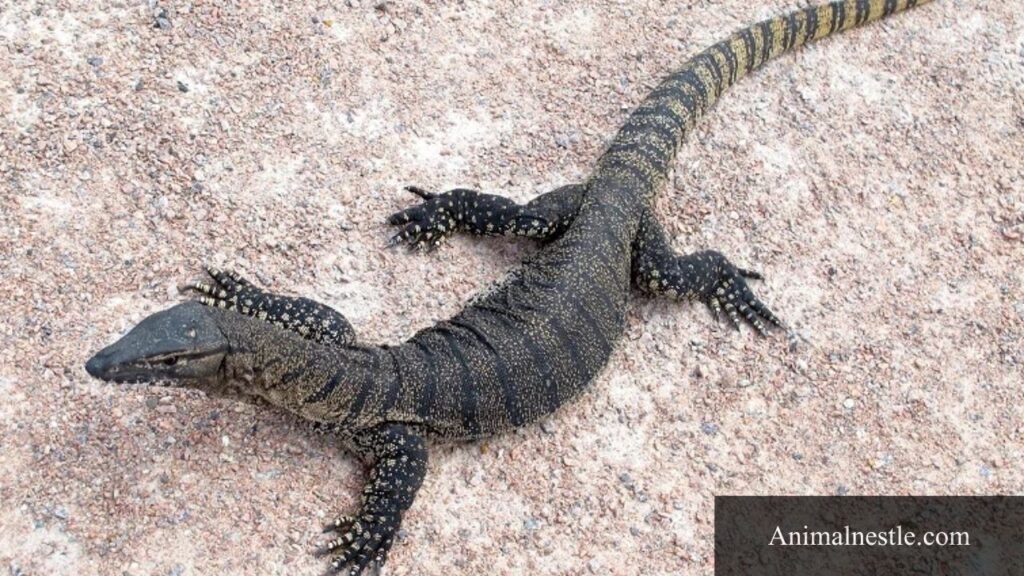
Socially complex, goannas have intricate hierarchical structures, especially in areas where food is plentiful. They use a combination of vocalizations and body language to communicate, signaling their territory or courting potential mates. An intriguing aspect of their behavior is their ability to regulate body temperature through basking, sometimes seen sunbathing on rocks or branches to soak up warmth. This makes them not just survivors, but efficient hunters in the often harsh Australian climate. With their strong connection to the ecosystems they inhabit, goannas play a crucial role in controlling insect populations and maintaining ecological balance.
Also read: Explore Top 27 Animals With 3 Letters.
Dugong
Scientific Name: Dugong dugon
Class: Mammalia
Diet: Herbivore
Dugongs, often referred to as sea cows, are fascinating marine mammals that inhabit warm coastal waters from East Africa to Australia. Unlike their closest relatives, the manatees, dugongs possess a unique, forked tail that propels them gracefully through the water. These gentle herbivores primarily graze on seagrass, playing a crucial role in maintaining the health of underwater ecosystems. Interestingly, seagrass beds thrive in areas where dugongs are present, as their feeding habits promote growth and biodiversity.
Reproduction in dugongs is equally intriguing; females give birth to a single calf after a long gestation period of around 13 months, nurturing a strong bond with their young. This deep maternal connection reflects their intelligent and social nature — dugongs communicate through a variety of vocalizations, conveying emotions and maintaining social ties within small groups. However, despite their charm and ecological importance, dugongs face significant threats from habitat loss, fishing, and climate change, making conservation efforts vital to preserving their population. By learning more about these captivating creatures, we can better appreciate the intricate relationships that exist within our oceans and the urgent need for their protection.
Shrimp
Scientific Name: Caridea
Class: Malacostraca
Diet: Omnivore
Shrimp, often overlooked as mere seafood delicacies, play crucial roles in their ecosystems. With over 2,000 species ranging from the tiny pygmy shrimp to larger varieties like the giant tiger shrimp, they exhibit remarkable adaptability to various marine environments. Notably, some shrimp have developed bioluminescent properties, enabling them to communicate and evade predators in the dark depths of the ocean. This natural glow not only captivates scientists but also has implications in researching bioluminescence for medical and environmental applications.
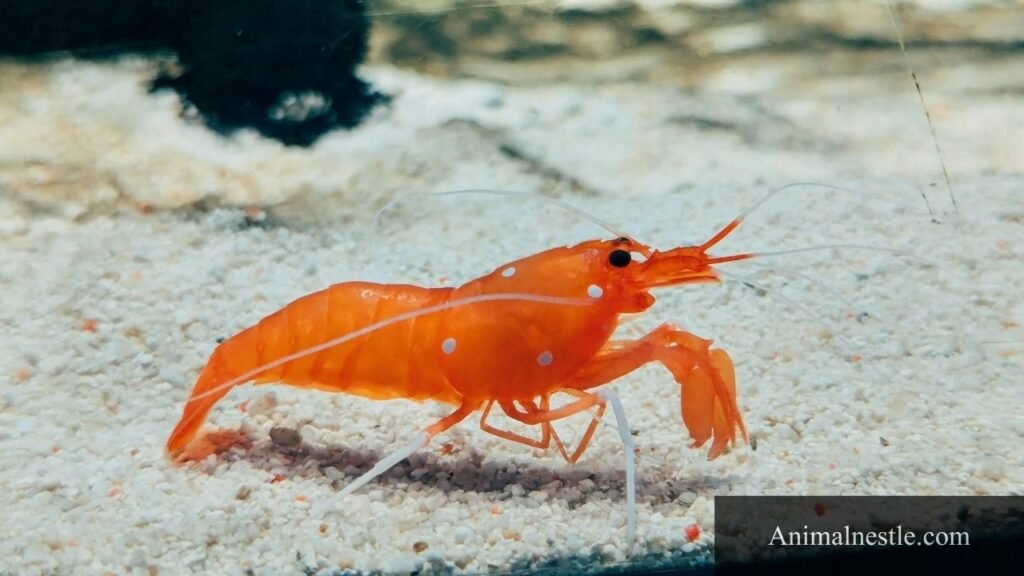
In addition to their ecological significance, shrimp have intricate social behaviors. Many species engage in symbiotic relationships with other marine organisms; for instance, cleaner shrimp set up “cleaning stations” for fish, removing parasites and dead skin in exchange for protection and food. Their complex mating rituals, involving elaborate dances and temporary color changes, highlight an unrecognized layer of their biology that showcases both their beauty and evolutionary adaptiveness. As we delve deeper into shrimp biology, it’s clear that these small crustaceans are not just a culinary treat but vital players in maintaining the health of marine ecosystems.
Minnow
Scientific Name: Cyprinidae
Class: Actinopterygii
Diet: Omnivore
Minnows typically measuring just a few inches in length, serve as a vital food source for larger predators, such as trout and bass. Their presence is an indicator of a healthy ecosystem, thriving in clean, well-oxygenated waters. Interestingly, minnows are not a single species but rather a collective term for various small fish, primarily belonging to the Cyprinidae family. This family includes over 200 genera, each exhibiting unique colors and behaviors that are often stunning yet easily missed in their understated habitats.
From a behavioral standpoint, minnows exhibit fascinating social structures. They are known to form large schools, which not only provides safety in numbers but also facilitates an intricate communication system among them through subtle body language and swimming patterns. Furthermore, certain species possess remarkable adaptive traits, such as the ability to tolerate varying levels of salinity, allowing them to thrive in diverse environments, from freshwater streams to brackish estuaries. As researchers explore the genetic diversity within minnows, they unveil insights into evolutionary adaptation, revealing how these unassuming fish are key players in the grand narrative of aquatic life and biodiversity.
Oyster
Scientific Name: Ostreidae
Class: Bivalvia
Diet: Herbivore
Oysters are not only filter feeders, consuming tiny plankton and nutrients from the water, but they also improve water quality by filtering up to 50 gallons of water per day. This natural filtration process significantly impacts coastal environments, making oysters crucial for shoreline protection and habitat formation, particularly in salt marshes.
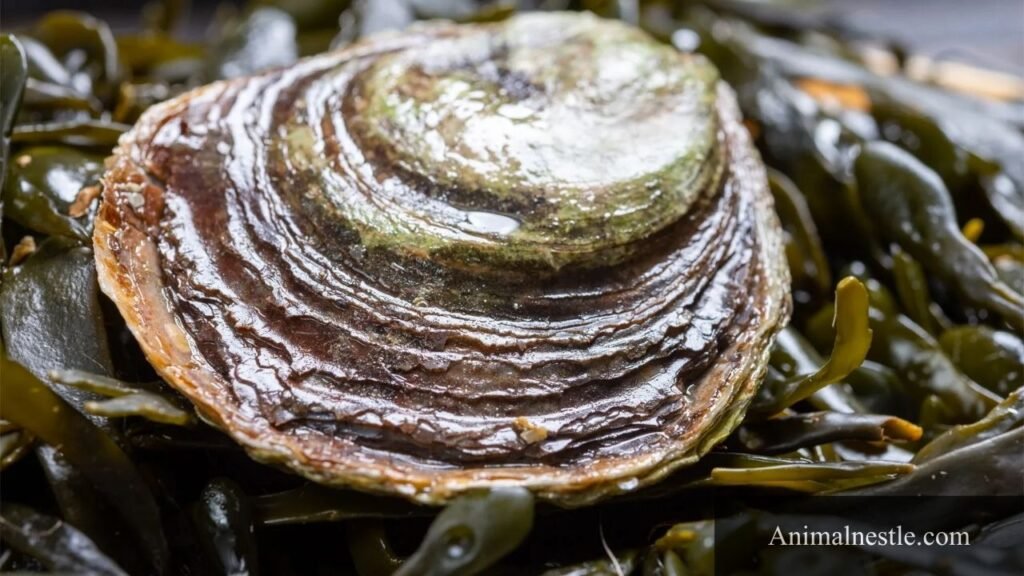
Moreover, oysters possess a unique biological trait known as “biomineralization,” allowing them to create their hard shells from calcium carbonate found in their environment. This shell growth not only provides them with protection but also contributes to the formation of reefs, which serve as vital habitats for countless marine species. Interestingly, these mollusks can also change their sex in response to environmental factors; many start life as males and can transform into females later in life, showcasing their adaptability in an ever-changing ecosystem.
You can also read: Explore Top 37 Birds With 4 Letters.
Toucan
Scientific Name: Ramphastidae
Class: Aves
Diet: Omnivore
Toucans are not just vibrant birds; they serve as critical indicators of ecosystem health in tropical rainforests. Their iconic oversized beaks, which can measure up to half their body length, play a surprising role in thermoregulation. When the sun is high, these unique beaks help release excess body heat, allowing toucans to thrive in their humid environments. Their beaks are adapted for foraging fruits, seeds, and insects, making them essential players in seed dispersal for many tropical plants.
Interestingly, toucans are highly social creatures, often seen in groups known as a “family” or “flock.” These flocks may include anywhere from a handful to over a dozen birds, engaging in cooperative behaviors that enhance foraging success and predator protection. Their playful antics and vocalizations create a lively atmosphere in the canopy, but human encroachment poses significant threats to their habitats. Protecting toucans not only preserves their incredible beauty but also bolsters the intricate web of life that sustains our planet’s rainforests.
Badger
Scientific Name: Mustelidae
Class: Mammalia
Diet: Omnivore
Badgers known for their distinctive black and white stripes, these burrowing mammals are primarily nocturnal, emerging under the cover of darkness to forage for food. Their diet is diverse, ranging from earthworms and insects to fruits and small mammals. Badgers are exceptional diggers, possessing sharp claws that allow them to create complex burrow systems known as setts, which can have numerous entrances and chambers.
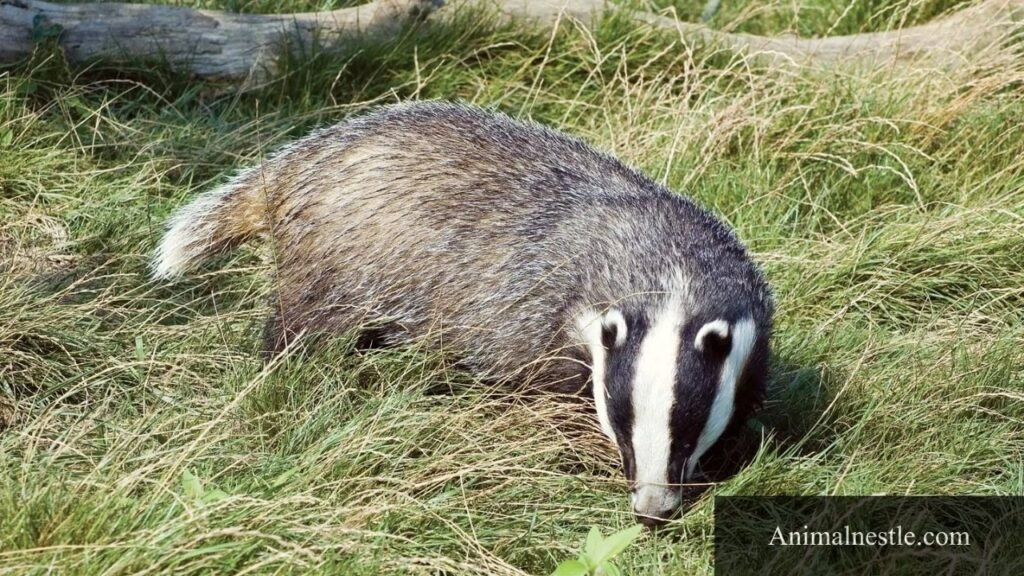
Beyond their impressive digging prowess, badgers exhibit remarkable social behavior. They often live in family groups called clans, which can include several generations living harmoniously. Interestingly, badger fur has evolved to be remarkably resilient, providing them with protection against harsh weather conditions and predators. Furthermore, studies suggest that badgers have a role in natural pest control, as their foraging habits help regulate populations of smaller animals, ultimately benefiting agricultural practices. Engaging with these often-misunderstood animals opens up a window into the intricate balance of nature, highlighting the importance of conservation efforts to protect their habitats.
Bedbug
Scientific Name: Cimex lectularius
Class: Insecta
Diet: Carnivore
Bedbugs, tiny nocturnal parasites, remind us just how resilient nature can be. These elusive critters can survive for several months without a meal, allowing them to thrive in even the most inhospitable environments. They tend to hitch rides on clothing and luggage, turning a weekend getaway into an unexpected nightmare. Their bites may not be painful initially, but the intense itching and allergic reactions can leave unfortunate victims scrambling for relief.
Interestingly, bedbugs have developed a kind of molecular sophistication, which has made them masters of survival. Recent studies suggest they possess a heightened ability to sense carbon dioxide, allowing them to locate sleeping hosts with precision. Their remarkable adaptability has led to increased resistance against common insecticides, posing significant challenges for pest control. Yet, beneath this tenacious exterior, researchers believe there’s an opportunity to study their genetic resilience for insights into combating other more harmful pests, opening a door to innovative pest management strategies that could transform the industry.
Turkey
Scientific Name: Meleagris
Class: Aves
Diet: Omnivore
Turkeys are fascinating creatures that boast a rich array of behaviors and characteristics. Native to North America, wild turkeys can reach speeds of up to 55 miles per hour when flying, showcasing an unexpected agility in the skies despite their large size. Interestingly, they are highly social animals, often seen foraging in flocks and establishing complex social hierarchies, with both males and females participating in communal roosting.
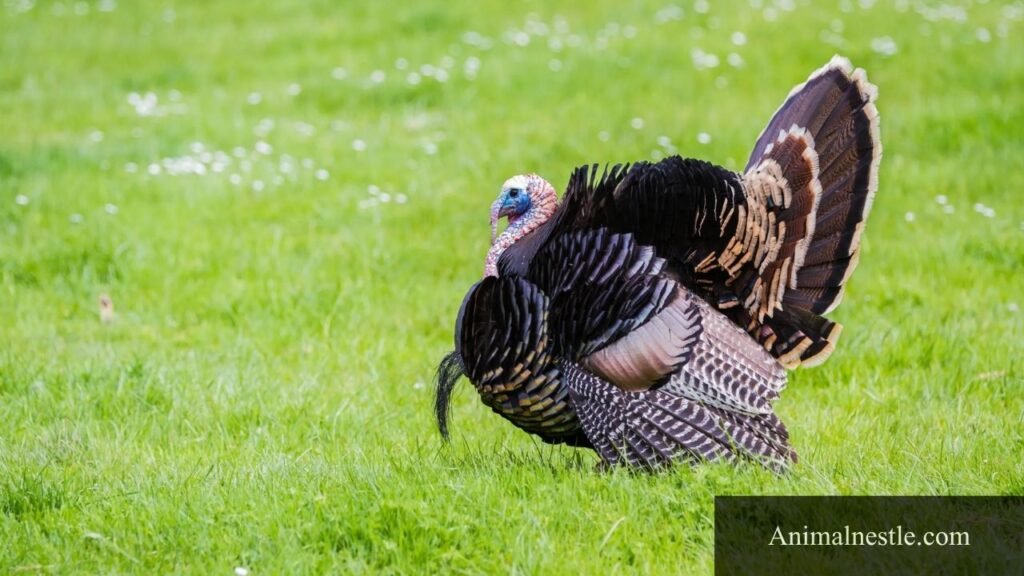
Beyond their culinary association, turkeys possess a keen sense of hearing and sight, making them adept at detecting predators. Their unique vocalizations, including the famous gobble, serve various purposes, from attracting mates to signaling alarm. Turkeys have a remarkable ability to adapt to diverse habitats, thriving in forests, grasslands, and even suburban areas. This adaptability, combined with their intricate social structures, highlights not just their ecological significance but also their resilience in a changing world.
Readmore: Explore 21 Animals With 8 Letters.
Final Thoughts
Exploring the fascinating world of animals with six letters unveils a diverse array of species, each with unique characteristics and contributions to our ecosystem. From familiar pets like rabbits to wild creatures such as jaguars, these animals enrich our lives in countless ways. Understanding their roles in nature can inspire us to protect their habitats and ensure their survival for future generations. As we deepen our appreciation for these six-letter animals, we also acknowledge the broader web of life they represent. Let’s commit to learning more about these creatures and advocate for their conservation today!
FAQs
What are 6 letter animal names?
There are several animals with six-letter names that you might find interesting! Some examples include “monkey,” “rabbit,” “gopher,” and “donkey.” Each of these animals brings something unique to the table, whether it’s their behaviors, habitats, or roles in the ecosystem.
What birds have six letters?
There are several birds with six-letter names. Some common examples include “finch,” “parrot,” and “falcon.” Each of these birds has unique characteristics and habitats, making them fascinating to observe. Beyond these, you can also find birds like “magpie” and “sparrow.” Many of these birds are known for their adaptability and can often be spotted in various environments, from urban areas to rural landscapes.