
Top 39 Animals With 4 Letters (With Images)
In this article, we’ll explore a variety of animals with 4 letters in their names, showcasing their unique traits and characteristics. Understanding these animals not only enriches our appreciation of biodiversity but also highlights their significance in ecosystems. By the end, you’ll have fun facts and insights that will make you view these critters in a whole new light.
List of Animals With 4 Letters
Here is the list of animals with 4 letters:
- Tick
- Crow
- Toad
- Seal
- Vole
- Wasp
- Bear
- Hawk
- Mole
- Wren
- Bass
- Swan
- Pika
- Crab
- Lion
- Flea
- Wolf
- Ibis
- Kiwi
- Duck
- Clam
- Moth
- Rhea
- Orca
- Newt
- Frog
- Deer
- Tuna
- Worm
- Ibex
- Tang
- Mule
- Lynx
- Puma
- Pike
- Carp
- Hare
- Sole
- Dace
Tick
Scientific Name: Ixodida
Class: Arachnida
Diet: Carnivore
Ticks, often vilified for their role as pests, are remarkable creatures with intriguing survival strategies. These tiny arachnids can survive extreme conditions, remaining dormant in dry environments for years, waiting patiently for their next blood meal. Ticks can sense a host’s presence from a remarkable distance, detecting carbon dioxide and body heat, which guides them to their next meal.
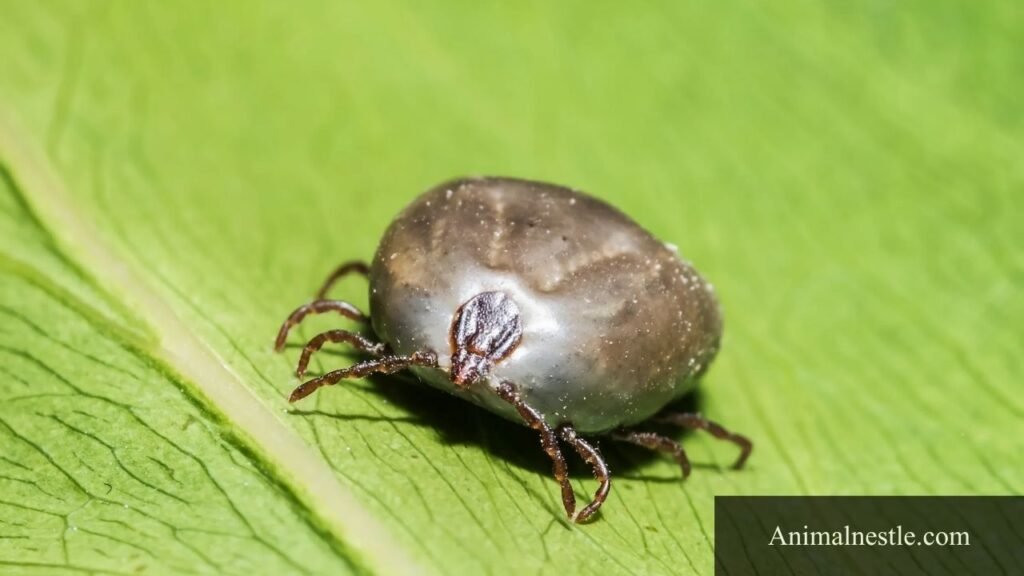
In addition to their resilience, ticks play an unexpected part in ecosystems. By controlling wildlife populations through their parasitic lifestyle, they contribute to a delicate balance. However, their role as vectors of diseases like Lyme disease and Rocky Mountain spotted fever has serious implications for public health, reflecting the complex relationship between nature and human society. Understanding these facets of ticks underscores the necessity of awareness and caution, especially for outdoor enthusiasts who may unwittingly cross paths with these fascinating yet formidable creatures.
Crow
Scientific Name: Corvus
Class: Aves
Diet: Omnivore
Crows are often seen as mere nuisances, but their intelligence sets them apart in the animal kingdom. These avian problem-solvers can use tools, showing the ability to bend twigs to extract insects from tree bark. Remarkably, studies reveal that crows can recognize human faces, remembering those who pose a threat and even passing this knowledge to their peers. This advanced social learning showcases a depth of cognitive abilities previously thought only to exist in primates.
In addition to their intelligence, crows have fascinating communication skills. They use a variety of vocalizations and body language to convey different messages, suggesting a complex social structure within their flocks. Interestingly, crows also engage in play, often seen sliding down snowy rooftops or playing catch with one another. This playful behavior hints at a level of emotional sophistication, revealing that these birds are not just surviving but thriving socially and emotionally in their environments.
Toad
Scientific Name: Anura
Class: Amphibia
Diet: Carnivore
Toads are fascinating creatures that often go unnoticed in the wild. Unlike their close relatives, frogs, toads tend to have dry, bumpy skin and prefer arid environments. This unique adaptation allows them to conserve water, making them incredibly resilient in various habitats. Among the most intriguing aspects of toads is their remarkable ability to secrete toxic substances from their skin, which serve as a defense mechanism against predators. Species like the cane toad, for instance, produce potent toxins that can deter potential threats, showcasing nature’s ingenious survival strategies.
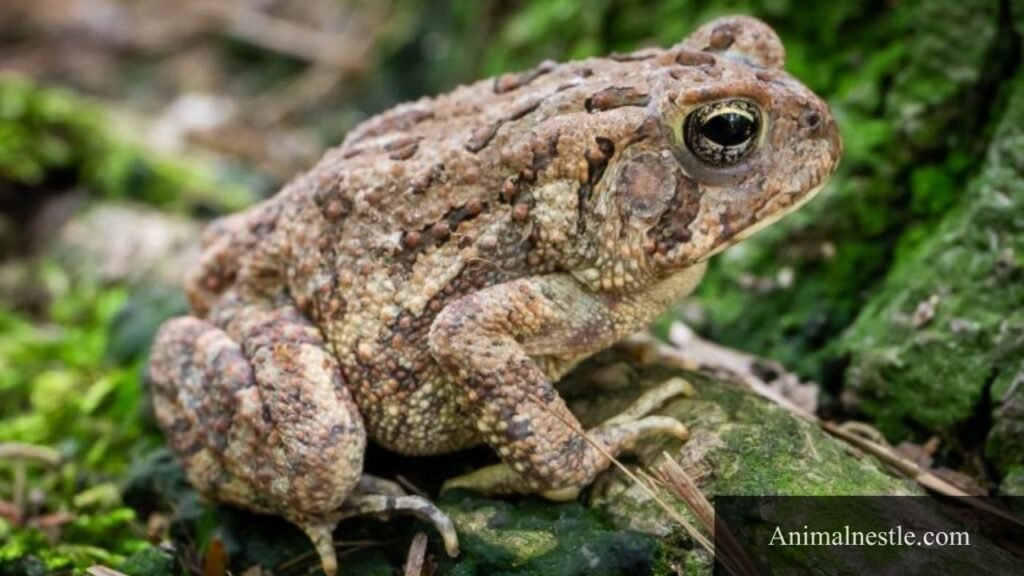
Moreover, toads play a vital role in their ecosystems as both predators and prey. They consume a variety of insects, contributing to the natural pest control balance while also serving as a food source for birds, snakes, and mammals. Interestingly, toads exhibit a fascinating behavior called “cannibalism” when food is scarce, consuming smaller toads to survive. This highlights their adaptability and ensures they can thrive even in challenging circumstances. By understanding the complexities of toad life cycles and their environmental roles, we gain a deeper appreciation for these often-overlooked amphibians and their contributions to biodiversity.
Readmore: Explore Top 31 Animals With 5 Letters.
Seal
Scientific Name: Pinnipedia
Class: Mammalia
Diet: Carnivore
Seals are fascinating marine mammals that exhibit remarkable adaptations both in water and on land. These agile swimmers possess a layer of blubber that not only insulates them in frigid waters but also serves as an energy reserve during fasting periods, especially during breeding seasons when food is scarce. Interestingly, their ability to hold their breath for extended durations — some species can dive for over an hour — demonstrates their efficiency in hunting underwater and avoiding predators.
Social structures among seals can vary significantly across species. For instance, elephant seals gather in massive colonies where males establish dominance through vocalizations and physical confrontations, showcasing not just brute strength but also intricate social hierarchies. In contrast, harbor seals often prefer solitary or small-group living, emphasizing the diversity in lifestyle and behavior across the seal family. Their playful nature is frequently observed as they engage in social games or surf the waves, reminding us of the joyful spirit inherent in these captivating creatures.
Vole
Scientific Name: Cricetidae
Class: Mammalia
Diet: Herbivore
Voles are often overshadowed by their more glamorous rodent relatives, but these small mammals are fascinating in their own right. With over 150 species found across the globe, voles exhibit striking diversity in habitats and behaviors. Unlike their solitary cousins, the field and meadow voles are social creatures that establish complex underground burrow systems, creating intricate networks that serve not just as homes but as highways for fleeting foraging expeditions. Their communal lifestyle fosters a unique dynamic; voles communicate through a series of high-pitched calls, alerting each other to danger or even coordinating group movements.
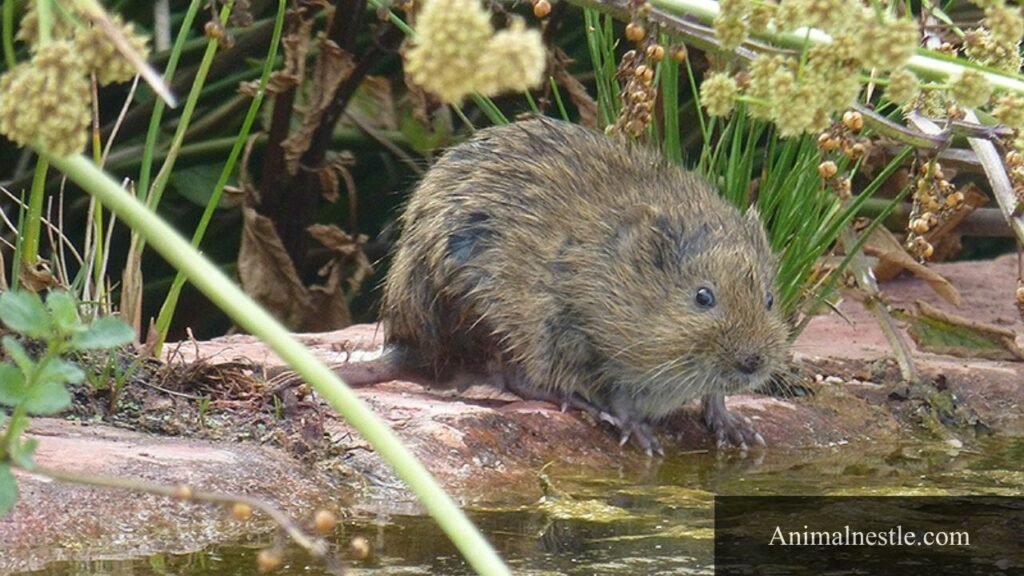
Ecologically, voles play a critical role in their environments, serving as a staple food source for predatory birds, snakes, and small mammals. Their population dynamics are a perfect example of nature’s balance, as their numbers can skyrocket in suitable conditions, providing a boon for local wildlife. Interestingly, the impact of voles extends to agriculture; while often depicted as pests that nibble on crops, they also contribute to soil aeration and seed dispersal, fostering plant diversity. By understanding the multifaceted role of voles, we not only appreciate these unassuming creatures but also gain insight into the intricate web of life that sustains ecosystems.
Wasp
Scientific Name: Vespidae
Class: Insecta
Diet: Omnivore
Wasps are often misunderstood creatures, typically overshadowed by their more infamous cousins, the bees. While bees are celebrated for their role in pollination, wasps also play a crucial ecological role, acting as natural pest controllers. Many wasp species hunt and feed on insects like caterpillars and aphids, helping to keep these populations in check, which in turn supports healthier plant ecosystems. This predatory behavior turns them into unsung heroes in gardens and agricultural settings, where they reduce the need for chemical pesticides.
Moreover, social wasps, such as those in the Vespidae family, exhibit fascinating behaviors that challenge our perceptions. They live in well-structured colonies with complex social hierarchies, complete with queens, workers, and drones. These colonies communicate through pheromones and can even recognize fellow members, displaying a level of social intelligence that many might not expect from such slender, agile insects. As we learn more about these intricate social systems, it becomes clear that wasps are not just pests; they are pivotal players in ecosystems, deserving both curiosity and respect.
Bear
Scientific Name: Ursidae
Class: Mammalia
Diet: Omnivore
Bears, often seen as symbols of strength and resilience, are fascinating creatures that display a complex blend of behavior and adaptability. One striking aspect is their hibernation process, which is not merely a long sleep but an intricate survival strategy. During this period, a bear’s metabolism slows to a staggering degree, allowing it to survive on the fat reserves accumulated throughout the summer and fall. This transformative process also involves the bear’s ability to recycle waste and maintain muscle mass, showcasing nature’s incredible efficiencies.
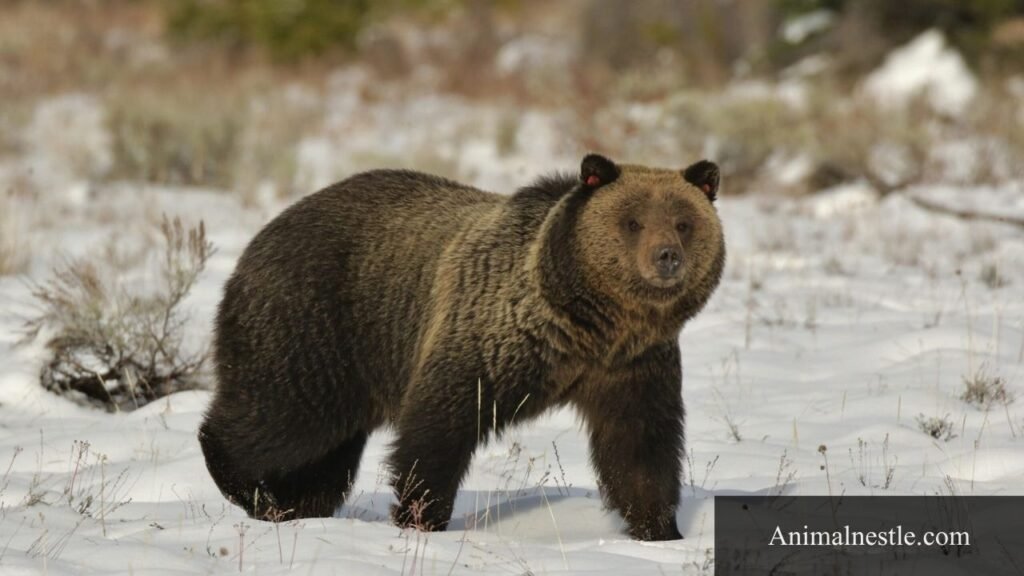
Socially, bears demonstrate a surprising level of intelligence and interaction. Contrary to the solitary image often projected, species like the American black bear exhibit social structures and establish territories that can overlap, leading to intricate dynamics. Their communication methods are equally captivating; bears use a combination of vocalizations, body language, and even scent marking to convey messages to one another, offering a glimpse into their rich social lives. Such insights challenge the traditional perceptions of these majestic animals and remind us of the intricate web of life that exists within even the most seemingly straightforward ecosystems.
You can also read: Explore Top 11 Birds With 3 Letters.
Hawk
Scientific Name: Accipitridae
Class: Aves
Diet: Carnivore
Hawks, belonging to the family Accipitridae, showcase an extraordinary blend of power and grace that captivates both birdwatchers and nature enthusiasts alike. These raptors are equipped with sharp talons and beaks designed for tearing flesh, which makes them formidable hunters in their ecosystems. Their acute vision allows them to spot prey from great heights, enabling them to swoop down with astonishing precision. Interestingly, hawks have a unique hunting strategy; some species, like the Red-tailed Hawk, prefer to soar effortlessly on thermal currents, conserving energy while surveying vast areas for movement.
Moreover, hawks play a significant role in maintaining the balance of their habitats. By preying on small mammals and other birds, they help regulate populations that might otherwise explode, potentially harming vegetation and disrupting ecosystems. Their presence is often a sign of a healthy environment, reflecting biodiversity and ecological balance. Observing a hawk in flight isn’t just a visual treat; it’s a testament to the intricate web of life, where each species, including these magnificent predators, contributes to the vitality of their surroundings.
Mole
Scientific Name: Talpidae
Class: Mammalia
Diet: Carnivore
Moles are fascinating creatures dwelling beneath the earth, showcasing an array of adaptations remarkable for their subterranean lifestyles. With their velvety fur and spade-like hands, they are master diggers, creating intricate tunnel systems that can stretch for miles. This hidden world isn’t just a network of passageways; it’s a dynamic habitat that supports various life forms, from beneficial fungi to tiny invertebrates, illustrating a complex ecosystem often overlooked by the casual observer.
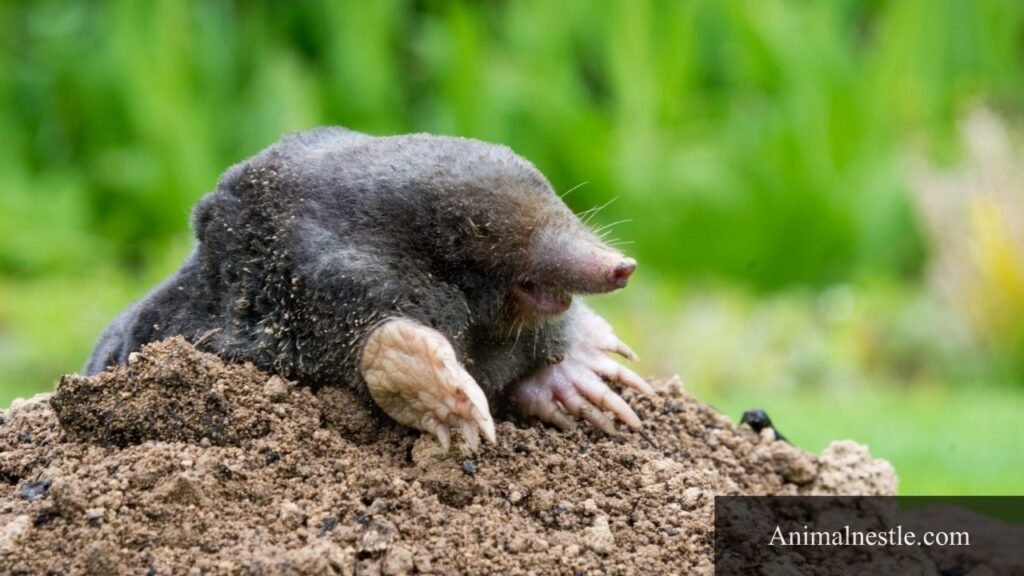
As they tirelessly burrow for earthworms and grubs, moles play a pivotal role in soil aeration and nutrient distribution, enhancing the health of the surrounding environment. Surprisingly, some species, like the star-nosed mole, possess an extraordinary sense of touch, utilizing their specialized snouts to navigate and hunt in the dark underbelly of the earth. This distinctive adaptation sets them apart, allowing them to thrive in conditions that many other animals would find inhospitable. Such traits reveal not only the ingenuity of evolution but also highlight the delicate balance of life existing just beneath our feet, reminding us that there’s a vast and vibrant world hidden in plain sight.
Wren
Scientific Name: Troglodytidae
Class: Aves
Diet: Carnivore
Wren, small yet fiercely spirited, offers a fascinating glimpse into the world of avian behavior. With over 80 species spread across the globe, these birds exhibit remarkable adaptability, thriving in diverse habitats, from lush woodlands to urban gardens. Their distinctive, energetic songs — often described as a flurry of trills — serve not just as courtship calls but also as territorial markers, showcasing the wren’s personality and resilience.
Interestingly, wrens are known for their intricate nesting habits. Many species, such as the House Wren, build numerous nests within their territory, even if they don’t use them all. This behavior may be a strategy to dissuade competitors or attract mates, reflecting an instinctual understanding of survival and reproduction. Moreover, the wren’s curious nature often leads it to explore human habitats, charming birdwatchers with its bold antics — an endearing reminder of the delicate balance between wild and domestic environments.
Bass
Scientific Name: Micropterus
Class: Actinopterygii
Diet: Carnivore
Bass are fascinating fish that captivate anglers and nature lovers alike. These freshwater species, predominantly found in lakes and rivers across North America, are known not just for their size but for their incredible adaptability. Largemouth bass, in particular, can thrive in a range of environments, from murky shallows to clear waters, showcasing their versatility. Their aggressive behavior makes them top predators, often employing ingenious tactics when hunting, such as ambushing smaller fish or reacting quickly to changes in their surroundings.
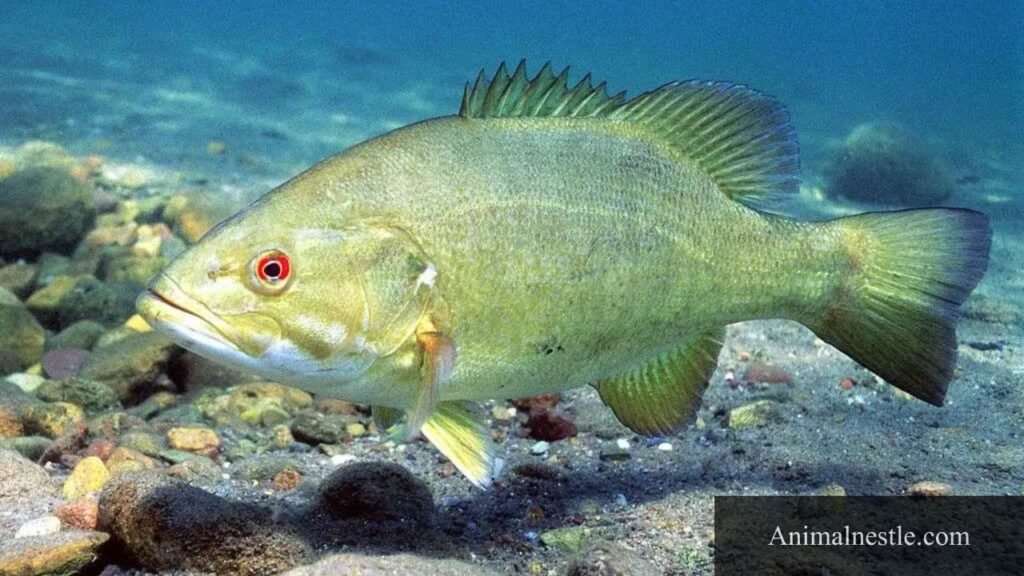
Interestingly, bass also exhibit complex social behaviors. They tend to establish hierarchies within their populations, with larger individuals often dominating feeding spots and breeding areas. This social structure can influence their mating rituals, revealing a cooperative side rarely seen in other fish species. Moreover, bass have an impressive ability to recognize different sounds and vibrations in the water, which aids in both communication and survival. Such sensitivity to their environment not only enhances their hunting skills but also raises questions about their cognitive abilities and the need for conservation efforts to protect their habitats.
Also read: Explore Top 17 Birds With 7 Letters.
Swan
Scientific Name: Cygnus
Class: Aves
Diet: Herbivore
Swans are not just icons of grace and beauty; they are also fascinating mammals with remarkable behaviors that often go unnoticed. Known for their striking white feathers and elegant necks, these birds possess a complex social structure. Swans can exhibit strong pair bonding, often forming lifelong partnerships with their mates, which can be seen as a profound demonstration of loyalty and devotion. Their courtship rituals are elaborate and involve synchronized swimming and graceful displays, showcasing a connection that transcends the mundane.
Moreover, swans are highly territorial, especially during the nesting season. Mating pairs will fiercely protect their nesting sites from intruders, using aggressive displays and hissing sounds to ward off competitors. This territorial nature not only reflects their commitment to their offspring but also highlights the intense survival instincts that drive their behavior. Interestingly, swans are also vocal creatures, with a unique range of sounds that they use to communicate with one another, contributing to the rich tapestry of life in wetland ecosystems.
Pika
Scientific Name: Ochotona
Class: Mammalia
Diet: Herbivore
Pikas, small yet remarkable members of the Ochotonidae family, are often overshadowed by their more famous relatives, the rabbits and hares. These adorable, round-bodied creatures inhabit mountainous regions across North America and Asia, thriving in the rocky alpine terrain. Their squeaky calls and playful antics make them enchanting to observe, but it’s their unique adaptation to extreme environments that truly sets them apart. Unlike many other mammals, pikas are highly sensitive to temperature changes; they don’t hibernate but instead collect and store vegetation to sustain themselves through harsh winters.
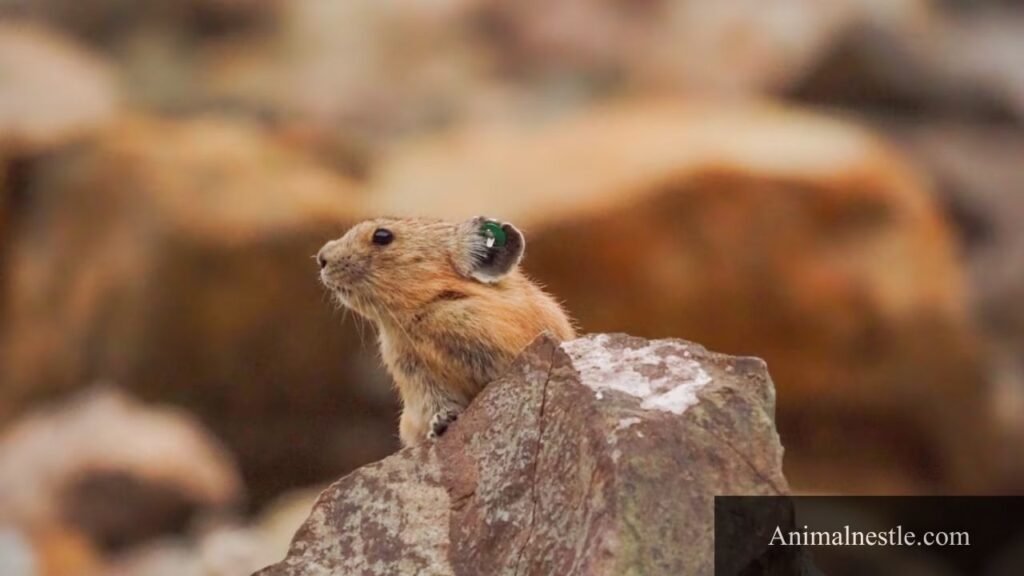
An intriguing aspect of the pika’s lifestyle is their impressive foraging strategy. With a keen sense of time and environmental cues, they meticulously harvest grasses and wildflowers, drying them to create a cache of food known as “haypiles.” This behavior not only showcases their innovative problem-solving skills but also raises fascinating questions about how these gentle creatures might cope with the ongoing climate crisis. As temperatures rise and their habitats begin to shift, understanding pikas’ resilience and adaptability offers valuable insights into the broader impacts of climate change on alpine ecosystems. Observing pikas in their natural habitat encourages a deep appreciation for these overlooked animals, reminding us that even the smallest creatures play a crucial role in the intricate web of biodiversity.
Crab
Scientific Name: Brachyura
Class: Malacostraca
Diet: Omnivore
Crabs are fascinating creatures that exhibit a range of behaviors and adaptations unique to their category. With over 6,800 species, crabs can be found in diverse environments, from tropical coral reefs to the frigid depths of the Arctic. Their ability to thrive in harsh conditions, such as high salinity and varying temperatures, showcases their remarkable adaptability and resilience. Interestingly, crabs prefer to scuttle sideways, a movement that allows them to dodge predators while navigating their often-complex habitats with remarkable agility.
One of the most intriguing aspects of crabs is their social behavior, particularly in species like the Sally lightfoot crab. These crabs gather in large groups on rocky shores, engaging in intricate displays and communication, which involve color changes and physical posturing. This social dynamic not only helps them evade predators but also plays a role in their mating rituals. Furthermore, some crab species engage in a fascinating form of altruism, as seen in the cooperative behaviors of the coconut crab, where individuals work together to assist their kin, showcasing an unexpected layer of complexity in their social structures. Through this lens, crabs emerge not just as crustaceans but as a testament to the diversity and interconnectedness of life on our planet.
Lion
Scientific Name: Panthera Leo
Class: Mammalia
Diet: Carnivore
Lions are remarkable not just for their regal appearance but for their complex social structures. Unlike most big cats, which tend to be solitary, lions live in prides that can range from a few individuals to over twenty. This social dynamic allows them to cooperate in hunting and raising young, showcasing a surprising level of teamwork in the animal kingdom. Female lions, or lionesses, do the majority of the hunting, often working together to take down large prey like wildebeest or zebras, illustrating the incredible precision and strategy that these animals possess.
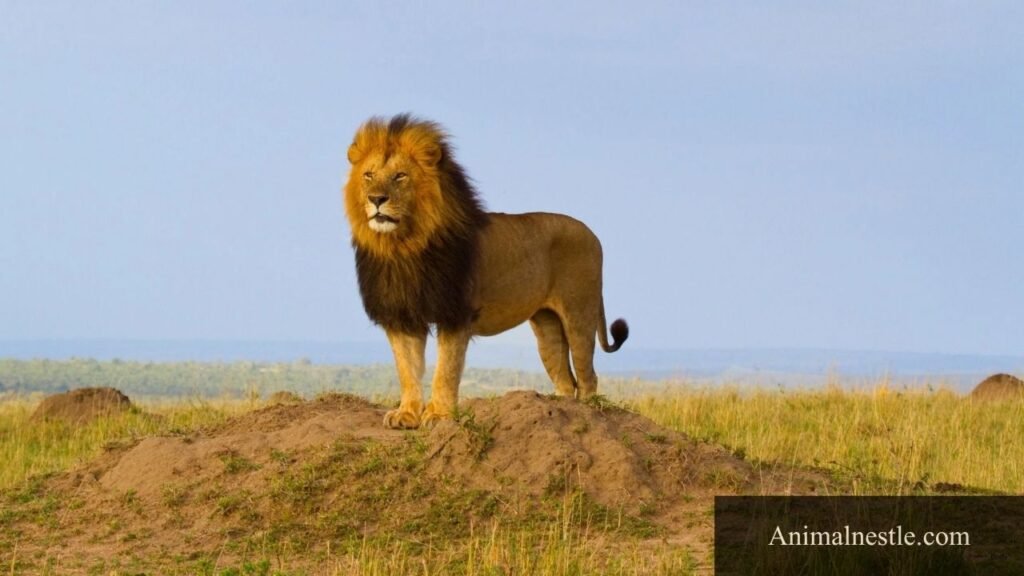
Another fascinating aspect of lion behavior is the role of vocalizations in their social interactions. Their roars can be heard up to five miles away and serve multiple purposes, from establishing territory to strengthening social bonds within the pride. Beyond their commanding presence, lions also have a set of unique non-verbal cues, such as nuzzling and grooming, which reinforce their connections with one another. This intricate communication system paints a picture of lions not only as fierce predators but as deeply social creatures that thrive on relationships and community.
Readmore: Explore Top 23 Birds With 6 Letters.
Flea
Scientific Name: Siphonaptera
Class: Insecta
Diet: Carnivore
Fleas, often dismissed as mere nuisances, exhibit remarkable survival strategies that may surprise many. These tiny, wingless insects are equipped with powerful hind legs, allowing them to leap up to 200 times their body length, making them one of the best jumpers in the animal kingdom relative to size. This astonishing ability not only helps them escape predators but also enables them to easily navigate the furry terrain of their hosts, primarily pets like dogs and cats.
Intriguingly, fleas can survive without food for several months, entering a state of dormancy — an evolutionary trait essential for their survival in fluctuating environments. Their life cycle is also fascinating; they can lay up to 50 eggs daily, which can remain dormant in carpets or bedding until conditions become favorable for hatching. This resilience highlights the need for effective pest management, especially in homes with pets. Understanding these aspects of fleas not only underscores their adaptability but also illustrates the intricate balance between species survival and human intervention.
Wolf
Scientific Name: Canis Lupus
Class: Mammalia
Diet: Carnivore
Wolves are fascinating social creatures, known for their complex pack dynamics that function almost like families. Typically led by an alpha pair, these packs work together to hunt, defend territory, and rear pups, showcasing a level of cooperation that astounds researchers. Unlike the solitary image often portrayed in popular culture, wolves rely heavily on these social structures, which allow them to tackle larger prey and adapt to diverse environments, from the Arctic tundra to dense forests.
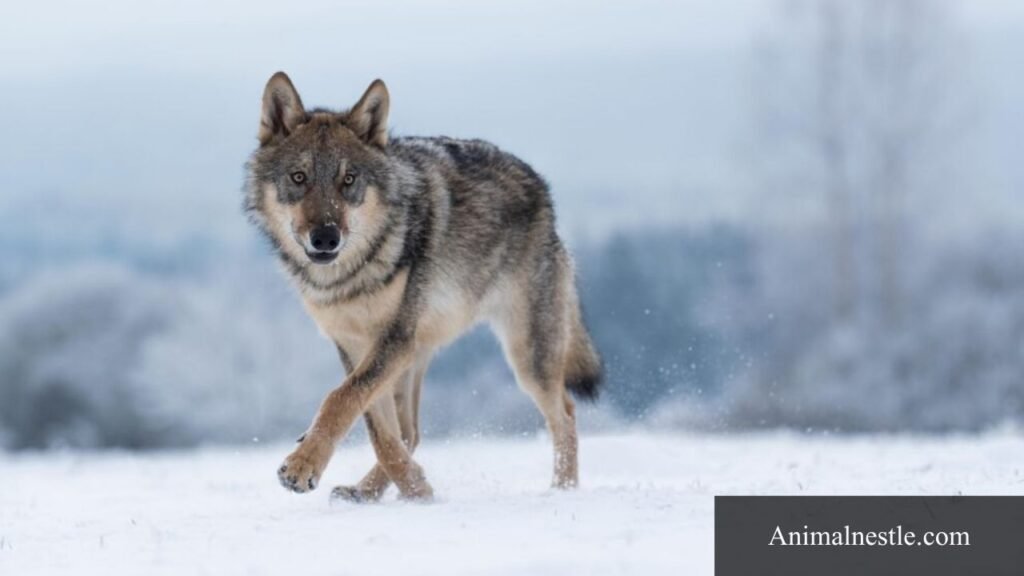
One of the most intriguing aspects of wolves is their communication. They utilize a rich tapestry of vocalizations, body language, and even scent marking to convey messages within the pack and establish their territory. The haunting howl of a wolf is not just a call to gather but also a means to warn rival packs of their presence and coordinate movements during hunts. This sophisticated communication system elevates them above mere instinctual behavior, reflecting a remarkable level of emotional intelligence and social cohesion.
Ibis
Scientific Name: Threskiornithinae
Class: Aves
Diet: Carnivore
The ibis, often recognized by its striking long beak and graceful silhouette, is not just a symbol of beauty but also a testament to ecological resilience. Found in wetlands, marshes, and coastal regions globally, these birds play a crucial role in their ecosystems, controlling invertebrate populations and contributing to nutrient cycling. Their foraging habits, which involve probing mud and shallow waters for crustaceans and insects, make them pivotal in maintaining the balance of their habitats.
Interestingly, different species of ibises exhibit diverse social behaviors that reveal their adaptability. Some, like the sacred ibis, are known for their strong communal nesting, where dozens of pairs converge in aerial displays, while others like the glossy ibis prefer to maintain a more solitary lifestyle. This variance not only showcases their evolutionary versatility but also highlights the impact of environmental changes on social structures within species. As climate change threatens many waterway habitats, the resilience of these birds could inspire conservation efforts aimed at protecting vulnerable ecosystems. Engaging in birdwatching or supporting wetland preservation initiatives can deepen our appreciation of these incredible creatures and their vital role in the natural world.
Kiwi
Scientific Name: Apteryx
Class: Aves
Diet: Omnivore
The kiwi, a flightless bird native to New Zealand, is a fascinating example of evolution’s creativity. With its long, slender beak and unique nocturnal habits, the kiwi has adapted remarkably to its environment. Unlike many birds, it relies on its keen sense of smell, using its nostrils located at the tip of its beak to forage for insects and worms in the forest floor litter. This distinctive feeding strategy sets it apart and showcases the intricate relationship between species and their habitats.
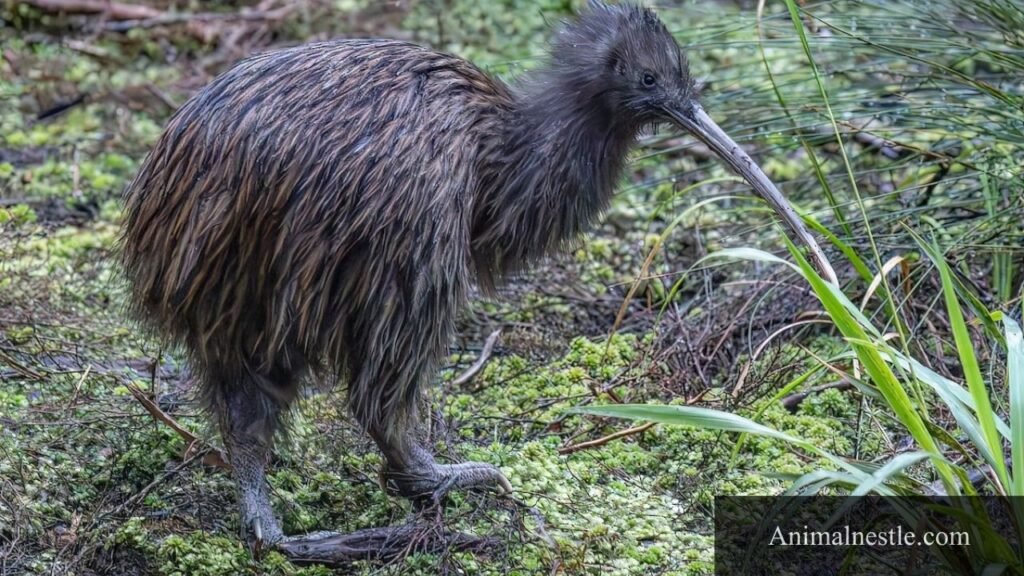
Beyond their peculiar appearance, kiwis play a pivotal role in New Zealand’s ecosystem. As ground-dwellers, they contribute to the health of the soil by aerating it as they dig for food, promoting biodiversity within their native forests. However, these iconic birds face significant threats from habitat loss and introduced predators. Conservation efforts have become crucial, highlighting the importance of protecting not only the kiwi but also the delicate web of life that sustains it. Understanding the kiwi’s role in its environment sheds light on the broader challenges facing wildlife conservation today.
You can also read: Explore Top 31 Animals With 9 Letters.
Duck
Scientific Name: Anatidae
Class: Aves
Diet: Omnivore
Ducks are fascinating creatures that exhibit a unique blend of adaptability and charm. These waterfowl are renowned for their migratory patterns, traveling thousands of miles each year between breeding and wintering grounds. What stands out is their remarkable navigation ability; they can use the Earth’s magnetic fields, the position of the sun, and even landmarks to find their way. This innate skill highlights a complex understanding of their environment that is often overlooked.
Social in nature, ducks thrive in groups, displaying a variety of social interactions that reveal their intelligence. They communicate through a series of quacks, whistles, and grunts, fostering strong bonds within their flocks. Interestingly, some species, like the Mandarin duck, showcase stunning plumage during mating seasons, shifting from their otherwise drab colors. This vibrant appearance isn’t merely for attraction; it plays a vital role in establishing hierarchy and territory, showcasing the fascinating interplay between beauty and survival in the animal kingdom. Observing ducks is not just a leisurely pastime; it’s a window into the intricate workings of ecosystems and social dynamics.
Clam
Scientific Name: Bivalvia
Class: Bivalvia
Diet: Herbivore
Clams, often overlooked in the animal kingdom, play a crucial role in their ecosystems as filter feeders. By sifting through water to extract nutrients, they help maintain water quality and clarity, contributing significantly to the health of marine environments. Some species, like the giant clam, have a unique symbiotic relationship with algae; these vibrant hues not only serve as camouflage but also allow clams to harness sunlight for extra nourishment through photosynthesis.
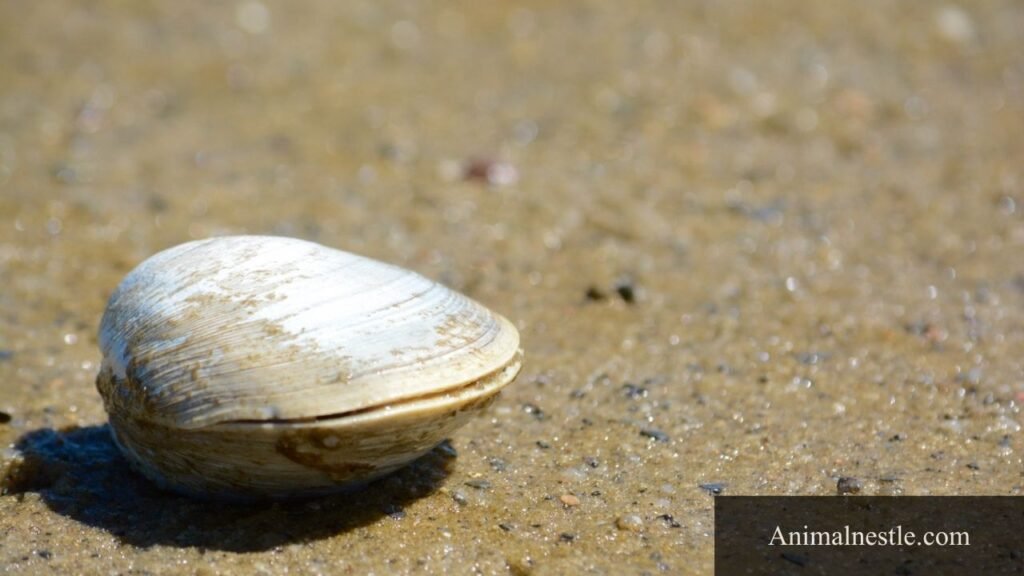
Beyond their ecological impact, clams are fascinating in terms of adaptability. They possess a remarkable ability to survive in varying salinities, making them resilient to environmental changes. Their burrowing behavior not only protects them from predators but also aerates sediment, enhancing the habitat for other marine organisms. This dual role as both a shield and a facilitator highlights the clams’ importance far beyond their culinary appeal, reminding us of the intricate connections between all life forms in the ocean.
Moth
Scientific Name: Lepidoptera
Class: Insecta
Diet: Herbivore
Moths, often overshadowed by their more celebrated cousins, butterflies, are a marvel of evolutionary adaptation and ecological significance. With over 160,000 species worldwide, these nocturnal insects exhibit an astounding diversity in size, color, and behavior. Unlike butterflies, which typically rest with their wings closed, moths often spread their wings wide, enhancing their camouflage against predators. Their muted tones and intricate patterns not only serve as perfect disguises in the dim light but also play roles in thermoregulation, helping them manage body temperature during their midnight escapades.
One of the most fascinating aspects of moths is their incredible sense of smell. Equipped with antennae that can detect pheromones from miles away, male moths are skilled at navigating dark environments to find mates. This olfactory prowess has made them targets in research, helping scientists develop synthetic scents for pest control and conservation strategies. Moths also play crucial roles as pollinators, inadvertently assisting in the reproduction of many night-blooming flowers, thereby contributing to the healthy workings of ecosystems. As we explore their secretive world, we uncover not only the beauty of these enchanting creatures but also their myriad contributions to biodiversity and sustainability.
Rhea
Scientific Name: Rhea
Class: Aves
Diet: Omnivore
Rheas, large flightless birds native to South America, often draw comparisons to ostriches and emus, yet they possess unique traits that set them apart. Measuring up to six feet tall, these fascinating creatures boast long necks and powerful legs, allowing them to sprint at speeds of nearly 40 miles per hour across open grasslands. The rhea’s plumage, a soft blend of gray and brown, provides excellent camouflage, helping them evade predators in their natural habitat.
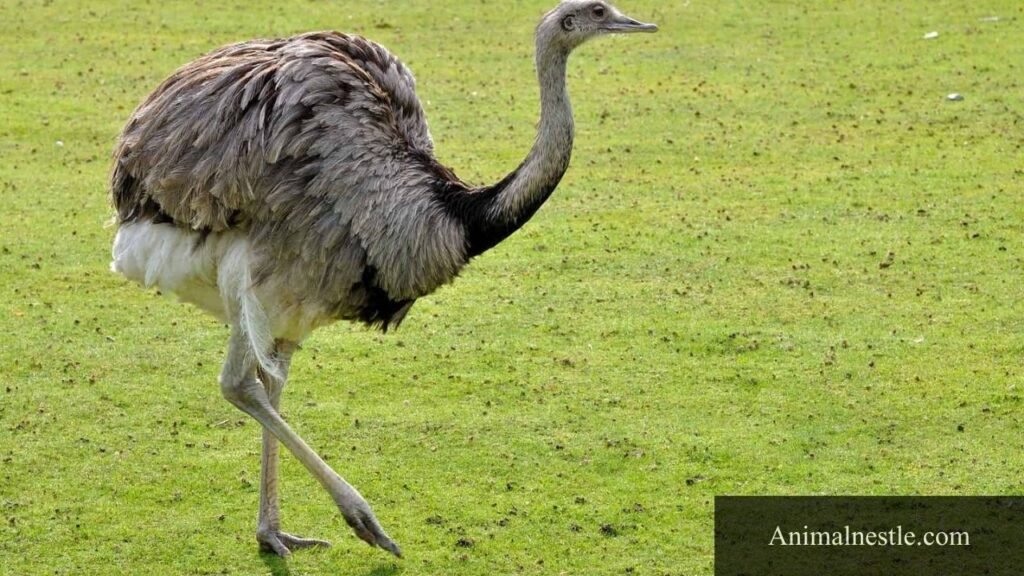
Social creatures, rheas are often seen in small groups or larger flocks, especially during the breeding season when males engage in elaborate courtship displays. Interestingly, it’s the males who take on parental responsibilities, incubating eggs and rearing the chicks once they hatch. This role reversal offers a glimpse into the complexities of avian behavior, where traditional gender roles are turned upside down. Observing rheas in their natural environments not only showcases their distinctive behaviors but also highlights the delicate balance of ecosystems they inhabit, urging conservation efforts to protect their rapidly shrinking habitats.
Also read: Explore Top 37 Birds With 4 Letters.
Orca
Scientific Name: Orcinus Orca
Class: Mammalia
Diet: Carnivore
Orcas, often referred to as killer whales, exhibit a complex social structure that rivals that of many primates. Living in matrilineal pods, these intelligent marine mammals display strong familial bonds and intricate communication methods, utilizing a unique dialect of clicks and whistles. Fascinatingly, orca pods can exhibit distinct hunting techniques, tailored to the environments they inhabit. For example, some groups demonstrate a remarkable ability to create waves to dislodge seals from ice floes, showcasing their adaptability and innovative hunting strategies.
Beyond their impressive hunting skills, orcas are also known for their emotional depth. Observations have documented behaviors that suggest grief, playfulness, and even altruism, particularly in instances where they’re seen helping injured members of their pod. This emotional intelligence challenges long-held perceptions of marine life and invites us to reconsider the ways in which we connect with and protect these majestic creatures. As apex predators, orcas play a crucial role in maintaining the balance of marine ecosystems, reminding us that their health is intrinsically linked to the vitality of our oceans.
Newt
Scientific Name: Pleurodelinae
Class: Amphibia
Diet: Carnivore
Newts are fascinating creatures that belong to the salamander family, and they exhibit an extraordinary life cycle that captivates both scientists and nature enthusiasts alike. Unlike many other amphibians, newts undergo a unique transformation, transitioning from an aquatic juvenile stage, often brightly colored, to a more subdued adult form that thrives on land. This metamorphosis not only reflects their adaptability but also showcases their remarkable ability to navigate both terrestrial and aquatic environments.
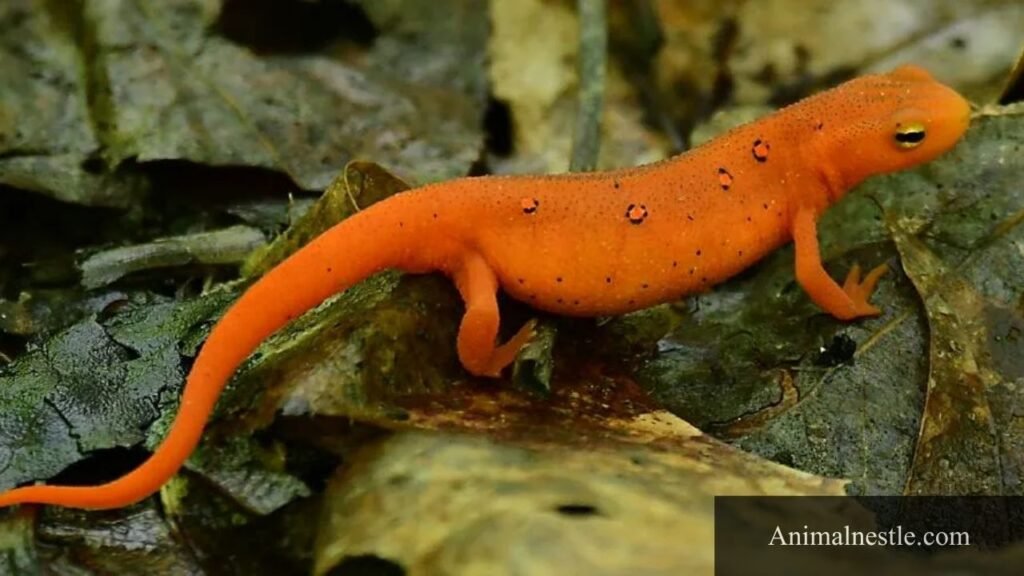
One intriguing aspect of newts is their incredible regenerative capabilities. If they lose a limb or even part of their heart, these amphibians can regrow it — a biological feat that piques the interest of researchers exploring potential applications in regenerative medicine for humans. Moreover, some species can secrete toxins through their skin, which serves as a defense mechanism against predators. This chemical arsenal not only highlights their evolutionary adaptations but also emphasizes the ecological importance of preserving their dwindling habitats, as changes in their environment can have cascading effects on the ecosystems they inhabit.
Frog
Scientific Name: Anura
Class: Amphibia
Diet: Carnivore
Frogs are not just remarkable for their unique life cycle but also for their incredible adaptability across diverse ecosystems. From the vibrant poison dart frogs of the Amazon rainforest to the resilient Arctic species that can withstand freezing conditions, frogs demonstrate an astonishing range of survival strategies. Their permeable skin serves as both a means of respiration and a defense mechanism, absorbing toxins from their environment while simultaneously making them sensitive indicators of ecosystem health.
Moreover, the social behaviors of frogs often go unnoticed. Many species engage in fascinating mating calls, with males competing in a chorus that can echo for miles. Some even exhibit surprising parenting tactics, like the male Surinam toad, which carries fertilized eggs in pockets on its back until they hatch. As climate change and habitat loss threaten their populations, these signals of both environmental change and complex behavior highlight the urgent need for conservation efforts. Frogs are not merely amphibians; they are vital players in their ecosystems, bridging land and water while captivating our imaginations with their diverse characteristics.
Deer
Scientific Name: Cervidae
Class: Mammalia
Diet: Herbivore
Deer are often seen as symbols of grace and tranquility in the wild, but their behaviors and adaptations reveal a much more complex narrative. For instance, many may not know that deer communicate using a sophisticated combination of vocalizations, body language, and scent marking. The distinct sounds they make – from bleats to grunts – can convey everything from alarm to desire, helping them navigate both social structures and predator threats.
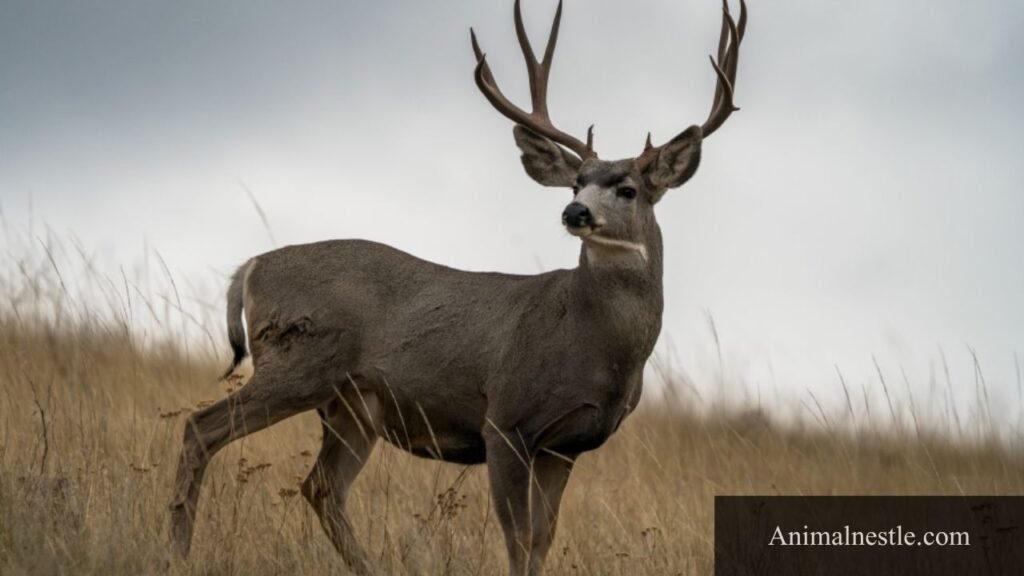
Moreover, the world of deer is intricate when it comes to their seasonal adaptations. During the rutting season, male deer undergo dramatic physical and behavioral changes, intensifying their interactions and territorial displays. This evolutionary process not only ensures the continuation of their lineage but also reflects an intricate balance of nature where dominance, survival, and genetic diversity play crucial roles. Observing these elements offers a glimpse into the ongoing saga of life in the forest, where every sound and movement contributes to an ongoing survival story.
You can also read: Explore Top 27 Examples of Reptiles.
Tuna
Scientific Name: Thunnus
Class: Actinopterygii
Diet: Carnivore
Tuna, a marvel of the ocean, are extraordinary fish that not only boast impressive speed, reaching up to 75 miles per hour, but also have a unique biological adaptation that allows them to maintain a body temperature warmer than the surrounding water. This physiological trait enables them to sustain their high-energy lifestyles in the cold depths of the ocean, making them formidable predators that skillfully hunt smaller fish and squid.
Moreover, the social behaviors of tunas reveal fascinating dynamics in the underwater world. Known for forming large schools, they exhibit a complex communication system through sounds and body movements, enhancing their chances of survival against predators. Interestingly, the various species of tuna, such as the bluefin and yellowfin, adapt distinct feeding strategies and migratory patterns, exhibiting a level of sophistication that challenges our understanding of marine life. As our oceans face increasing challenges from overfishing and climate change, it’s crucial to appreciate not only the ecological role tuna play but also the intricate connections of their existence within the larger marine ecosystem.
Worm
Scientific Name: Lumbricina
Class: Clitellata
Diet: Herbivore
Worms, often relegated to the background of nature’s grandeur, play an essential role in our ecosystem that deserves more spotlight. These unassuming creatures are nature’s recyclers, breaking down organic matter and enriching soil with nutrients. By aerating the ground as they burrow, worms improve water drainage and root health, which supports plant life — vital for agriculture and gardening. Their presence is a sign of a healthy ecosystem; fewer worms usually indicate soil degradation.
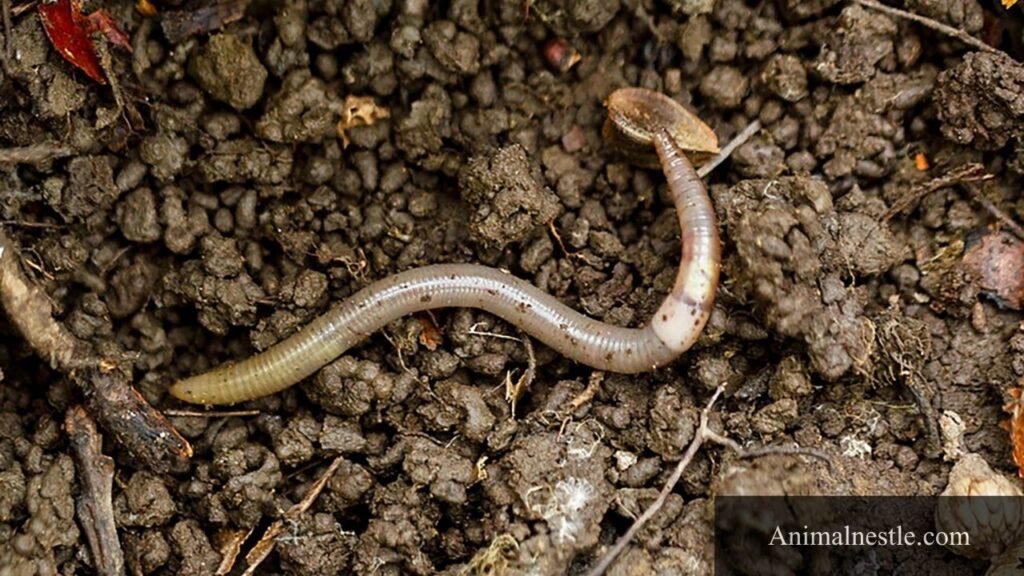
But there’s more to worms than their earth-moving capabilities. Interestingly, they possess fascinating regenerative abilities — certain species can regenerate lost segments of their bodies, a trait that intrigues scientists studying regeneration in more complex organisms. Furthermore, recent studies suggest that worms can even respond to their environment in surprising ways, exhibiting behaviors that challenge our understanding of instinctual responses in invertebrates. With their streamlined bodies and simple gastrointestinal systems, worms may not be glamorous, but they embody resilience and adaptability, teaching us that even the smallest creatures have a substantial impact on our world.
Ibex
Scientific Name: Capra
Class: Mammalia
Diet: Herbivore
The ibex, a remarkable mountain-dwelling goat, showcases stunning adaptations that enable it to thrive in some of the world’s most rugged terrains. Found in the European Alps, the Himalayas, and parts of North Africa, these agile climbers possess curved, elongated horns that can reach impressive lengths, serving both as tools for male competition and as a means of defense against predators. Their unique hooves are specially designed to provide maximum grip on steep, rocky surfaces, allowing them to navigate vertical cliffs with astonishing ease.
Interestingly, ibex are not just solitary creatures; they often form herds, which can include both males and females. This social structure aids in protection and foraging efficiency, as they graze on various alpine grasses and shrubs. Their ability to adapt their diet according to seasonal changes showcases their resilience. Furthermore, recent studies suggest that ibex exhibit remarkable social hierarchies and communication skills, which include a range of vocalizations and posturing, enhancing their group cohesion in the face of environmental challenges.
Tang
Scientific Name: Acanthuridae
Class: Actinopterygii
Diet: Herbivore
The Tang, a vibrant member of the surgeonfish family, is as fascinating as it is colorful. Found predominantly in the warm waters of the Indo-Pacific, its striking hues — from electric blue to bright yellow — serve both as camouflage among coral reefs and as a means of communication with other fish. One intriguing aspect of the Tang is its unique defense mechanism; the sharp spines located at the base of its tail can deliver a painful sting to predators, turning the tables in a perilous ocean encounter.
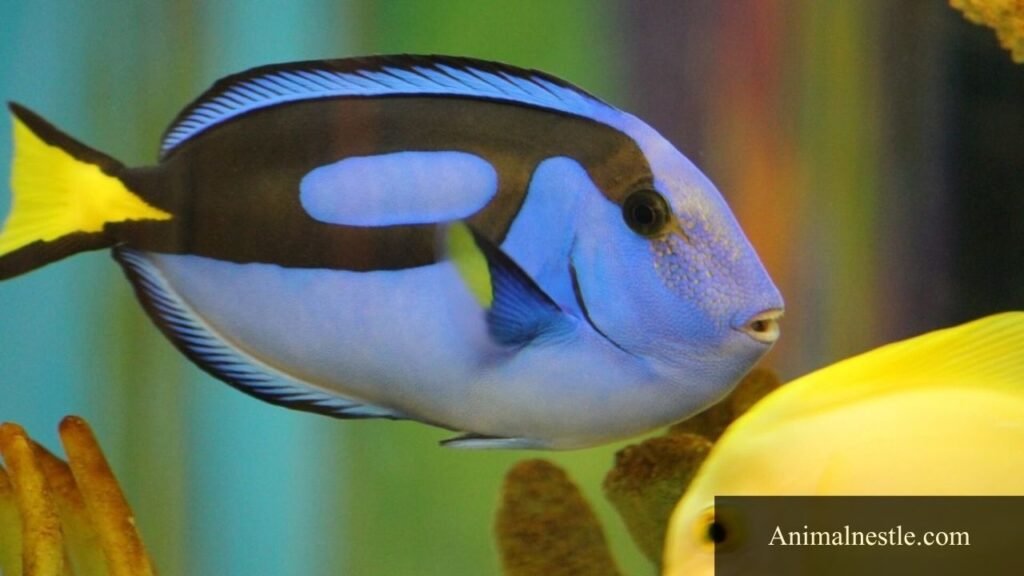
Despite their beauty, Tangs play a crucial role in maintaining the health of coral reefs. Their diet primarily consists of algae, helping to control its growth and prevent overgrowth that could smother coral. This natural balance underscores the importance of Tangs in marine ecosystems, showcasing how even the smallest creatures can have significant impacts on their environments. Furthermore, observing their social interactions within schools offers a glimpse into the complex relationships that underpin life beneath the waves. Whether darting through the reef or grazing on algae, Tangs are a vivid reminder of nature’s intricate tapestry.
Also read: Explore Top 17 Animals That Have Manes.
Mule
Scientific Name: Equus Asinus x Equus Caballus
Class: Mammalia
Diet: Herbivore
Mules, the hybrid offspring of a male donkey and a female horse, are often celebrated for their remarkable resilience and intelligence. These animals inherit the best traits of both parent species, boasting the strength and stamina of horses combined with the sure-footedness and cautious nature of donkeys. This unique blend makes them exceptional companions for work, particularly in rugged terrains where their agility and steady temperament shine.
One fascinating aspect of mules is their longevity; they often live longer than both horses and donkeys, with lifespans exceeding 30 years when well cared for. Their hybrid vigor also grants them a reduced incidence of certain health issues, making them exceptionally hardy. Furthermore, mules are known for their strong aesthetic presence, often exhibiting a striking appearance that blends the grace of horses with the charm of donkeys. In many cultures, they symbolize a strong work ethic and are revered not just for their practicality but also for their quiet, steadfast nature in the face of challenges.
Lynx
Scientific Name: Lynx
Class: Mammalia
Diet: Carnivore
The lynx, a mesmerizing solitary feline, roams the remote woodlands and mountainous regions of the Northern Hemisphere. With its distinct tufted ears and thick fur, adapted to colder climates, this elusive creature embodies both grace and stealth. Unlike many other big cats, lynxes are known for their acute sense of hearing, which allows them to detect the faintest rustle of prey in the underbrush. This remarkable adaptation not only aids in hunting but also highlights the intricate balance of predator and prey in their ecosystem.
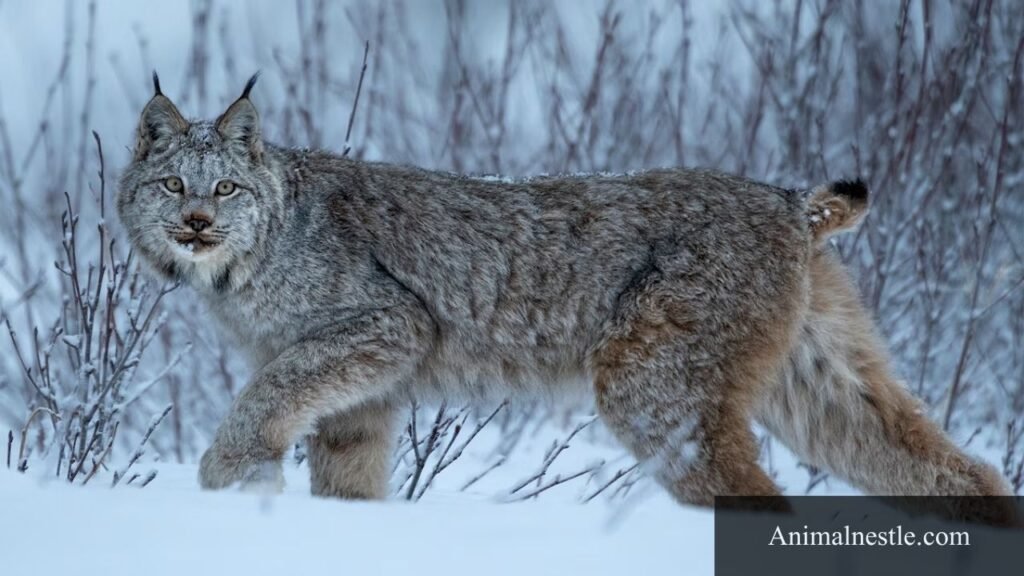
While their primary diet consists of small mammals, such as snowshoe hares, lynxes exhibit fascinating behavioral flexibility. During scarce food periods, they can switch to larger prey, demonstrating a remarkable adaptability that aids their survival. Their solitary nature is equally intriguing; they communicate through a series of vocalizations, ensuring interactions remain discreet to maintain a low profile in their territories. As climate change alters habitats, understanding the lynx’s role as a sentinel species sheds light on the health of entire ecosystems — highlighting the interconnectedness of wildlife and their environments.
Puma
Scientific Name: Puma Concolor
Class: Mammalia
Diet: Carnivore
Pumas, often referred to as cougars or mountain lions, are fascinating felids that boast one of the largest ranges of any terrestrial mammal in the Americas. Spanning from Canadian forests to the southern tip of South America, these elusive creatures are adaptable, thriving in diverse environments — from arid deserts to snow-capped mountains. Their ability to camouflage in various terrains allows them to be both stealthy predators and elusive in the eyes of humans.
What sets pumas apart from other big cats is their solitary nature and vocal communication. Unlike wolves or lions that thrive in packs, pumas are lone hunters, relying on their extraordinary agility and strength to bring down prey like deer and smaller mammals. They communicate through a range of vocalizations, including growls, purrs, and unique scream-like calls that echo through their territory, a reminder of their enigmatic presence. Moreover, their role as apex predators is crucial for maintaining the ecological balance, controlling herbivore populations, and promoting biodiversity.
Pike
Scientific Name: Esox
Class: Actinopterygii
Diet: Carnivore
The pike, a formidable predator lurking in freshwater habitats, boasts an elongated body, sharp teeth, and a distinctive, elongated snout. Found in North America, Europe, and parts of Asia, these fish can grow to impressive lengths, often reaching up to four feet or more. Their camouflage, featuring a mottled green and brown pattern, allows them to blend seamlessly into aquatic vegetation, making them expert ambush hunters. Some might even describe the sensation of encountering a pike as akin to intersecting with a underwater dinosaur, a remnant of the ancient freshwater ecosystems.
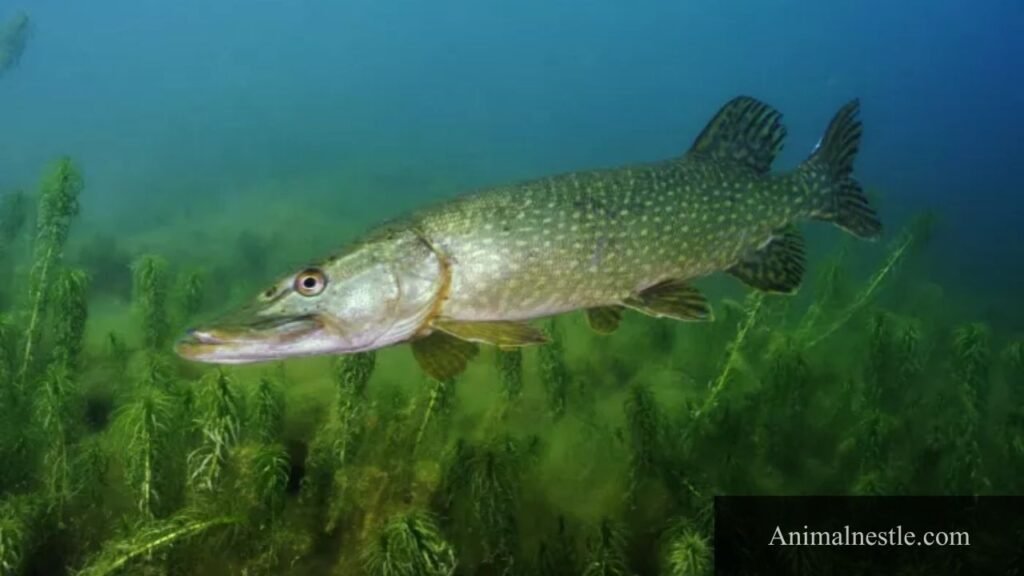
What’s compelling about the pike is not just its predatory prowess but also its adaptability to varying environmental conditions. They thrive in both calm lakes and slow-moving rivers, adjusting their hunting strategies based on the available prey, which can range from smaller fish to frogs and even birds. Interestingly, pike play a significant role in maintaining the balance of their ecosystems; by controlling the populations of other fish, they help ensure the overall health of their aquatic environment. Observing a pike in action offers a glimpse into a world where instinct and adaptability intertwine, revealing the complexities of predator-prey dynamics beneath the water’s surface.
Also read: Explore Top 13 Animals That Live in Fields.
Carp
Scientific Name: Cyprinus Carpio
Class: Actinopterygii
Diet: Omnivore
Carp are fascinating creatures that have adapted to a wide range of environments, from serene lakes to bustling rivers. Known for their robust bodies and colorful scales, these fish come in various species, each with unique characteristics. For example, the koi carp, revered in Japanese culture, is celebrated not just for its beauty but also for its symbolism of perseverance and strength, echoing the legends of koi fish swimming upstream against strong currents.
Interestingly, carp are also integral to many ecosystems, serving as both prey and predator. Their feeding habits contribute to maintaining water quality by uprooting algae and aerating the sediment. However, their presence can also be a double-edged sword; in some areas, invasive carp species have disrupted local habitats, highlighting the delicate balance between natural beauty and environmental impact. This dichotomy fosters a deeper appreciation for these adaptable fish, prompting discussions on sustainable practices and responsible aquatic gardening. Engaging with carp in both their natural habitat and cultural significance adds layers to our understanding of biodiversity and conservation.
Hare
Scientific Name: Lepus
Class: Mammalia
Diet: Herbivore
Hares, often mistaken for rabbits, are fascinating creatures that showcase remarkable adaptations to their environment. Unlike their burrowing cousins, hares are primarily ground dwellers that rely on speed and agility to evade predators. Their long hind legs enable them to leap up to ten feet in a single bound, making them incredibly elusive in the wild. This agility is complemented by their keen eyesight, allowing them to spot potential threats from far away.

Socially, hares exhibit intriguing behavior, often engaging in what some researchers refer to as “boxing.” This behavior, typically observed during mating season, involves males sparring with each other, showcasing not just their strength but also a unique display of courtship rituals. Moreover, hares have a distinctive way of raising their young; unlike rabbits, they create shallow nests on the ground and leave their offspring hidden, returning only a few times a day to nurse them. This strategy minimizes the risk of detection by predators, emphasizing their instinctive parenting tactics. Understanding hares not only broadens our knowledge of biodiversity but also sheds light on their critical role in the ecosystem as both prey and herbivores.
Sole
Scientific Name: Soleidae
Class: Actinopterygii
Diet: Carnivore
Sole, a flatfish found predominantly in the North Atlantic, is a fascinating creature whose unique adaptations and behaviors reflect the complexities of marine life. Its flattened body allows it to blend seamlessly into sandy ocean floors, providing an effective camouflage against predators. Remarkably, sole undergoes metamorphosis; it starts life as a symmetrical fish but eventually develops a marked asymmetry, with both eyes migrating to one side of its body. This transformation is not merely a physical change but an evolutionary strategy that enhances its survival in a predatory environment.
Notably, sole play a significant role in marine ecosystems and the fishing industry. Their diets primarily consist of benthic invertebrates, making them essential for maintaining the balance of the ocean floor’s ecosystem. On the culinary front, sole is also prized for its delicate, mild flavor, making it a staple in many gourmet dishes around the world. However, the demand for sole in cuisine has led to concerns over sustainability, prompting initiatives aimed at promoting responsible fishing practices to ensure that future generations can continue to enjoy this exquisite fish without jeopardizing its populations. Understanding the life cycle and ecological impact of sole could inspire a greater appreciation for this remarkable marine inhabitant.
Dace
Scientific Name: Leuciscus Leuciscus
Class: Actinopterygii
Diet: Carnivore
Dace, belonging to the family Cyprinidae, are small, agile fish found primarily in freshwater environments across Europe and parts of Asia. These silvery creatures often inhabit rivers and streams with moderate to strong currents, where they thrive in schools, darting gracefully among rocks and vegetation. Their streamlined bodies enhance their swimming abilities, making them adept at evading predators while foraging for algae and small invertebrates.
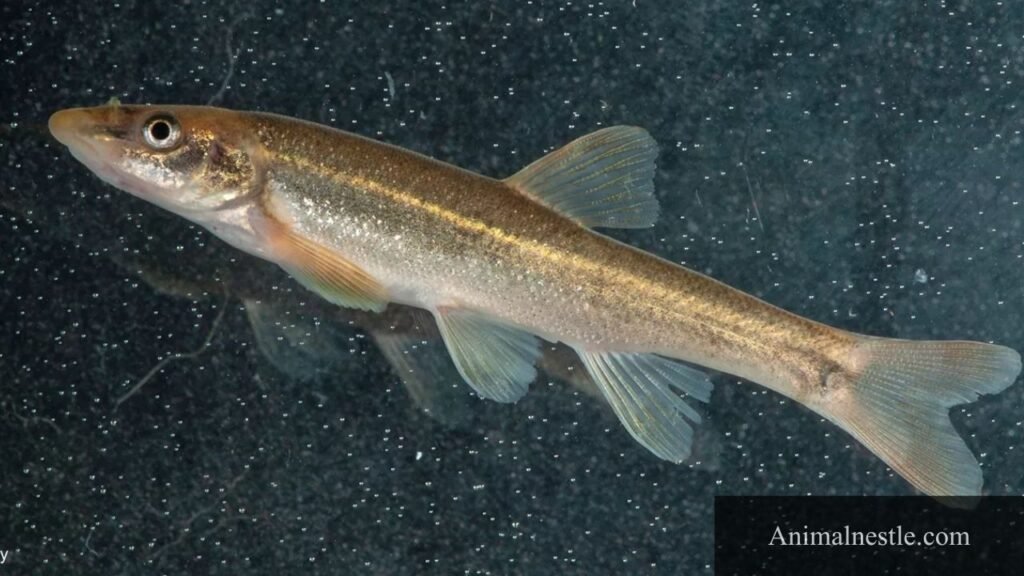
Interestingly, the behavior of dace can vary based on environmental conditions. In spring, during spawning season, these fish exhibit vibrant colors, and males develop pronounced breeding tubercles. This transformation not only attracts females but also signifies their readiness to engage in fierce courtship displays. Beyond their ecological role, dace serve as indicators of water quality; a healthy population can signify a thriving aquatic ecosystem, while declining numbers often hint at environmental degradation. Observing these energetic fish in action offers a glimpse into the delicate balance of river ecosystems, showcasing how interconnected life truly is beneath the water’s surface.
Readmore: Explore 21 Animals With 8 Letters.
Final Thoughts
The fascinating world of animals with four letters offers a rich tapestry of diversity and uniqueness. From the playful “frog” to the majestic “lion,” these creatures not only captivate our imagination but also play crucial roles in their respective ecosystems. Each is a reminder of the incredible variety of life that exists on our planet, urging us to appreciate and protect these species. As we delve deeper into their characteristics and habitats, we unlock a better understanding of our own environment. Explore the wonders of the animal kingdom, and consider how you can contribute to conservation efforts today!
FAQs
What are animals with 4 letters?
There are several animals with four-letter names. Some common examples include “frog,” “hawk,” “bear,” and “lion.” Each of these animals represents a different category of wildlife, from amphibians to mammals and birds. You can find other four-letter animals like “seal,” “wolf,” and “crab.”
What are some four-letter mammals?
Some interesting four-letter mammals include “wolf,” “bear,” and “frog.” Wolves are known for their social structures and hunting abilities, often living and working in packs. Bears, on the other hand, are large, powerful animals that can be found in various habitats across the globe, displaying remarkable adaptability. Another four-letter mammal worth mentioning is “seal.” Seals are fascinating marine mammals known for their playful nature and agility in water.