Top 31 Animals With 5 Letters (With Images)
From the agile horse to the cozy otter, animals with 5 letters often pique our curiosity with their unique traits and behaviors. This article dives into a select list of these intriguing creatures and explores their characteristics, habitats, and roles in our ecosystem. By the end, you’ll not only expand your knowledge of these animals but also gain insights into why such brevity in their names can lead to a deeper appreciation of nature.
List of Animals With 5 Letters
Here is the list of animals with 5 letters:
- Zebra
- Mouse
- Skunk
- Quail
- Coral
- Snail
- Koala
- Robin
- Panda
- Shrew
- Prawn
- Lemur
- Finch
- Guppy
- Aphid
- Betta
- Skink
- Roach
- Otter
- Siren
- Leech
- Tetra
- Porgy
- Snake
- Midge
- Krill
- Gecko
- Perch
- Platy
- Louse
- Coati
Zebra
Scientific Name: Equus Quagga
Class: Mammalia
Diet: Herbivore
Zebras, possess a wealth of fascinating traits that challenge common perceptions. Each zebra’s stripe pattern is as unique as a human fingerprint, serving not only as a form of camouflage against predators but also aiding in social interactions within their herds. Interestingly, these stripes may also play a role in temperature regulation and pest deterrence, as studies suggest they confuse biting flies that are less likely to land on striped surfaces.
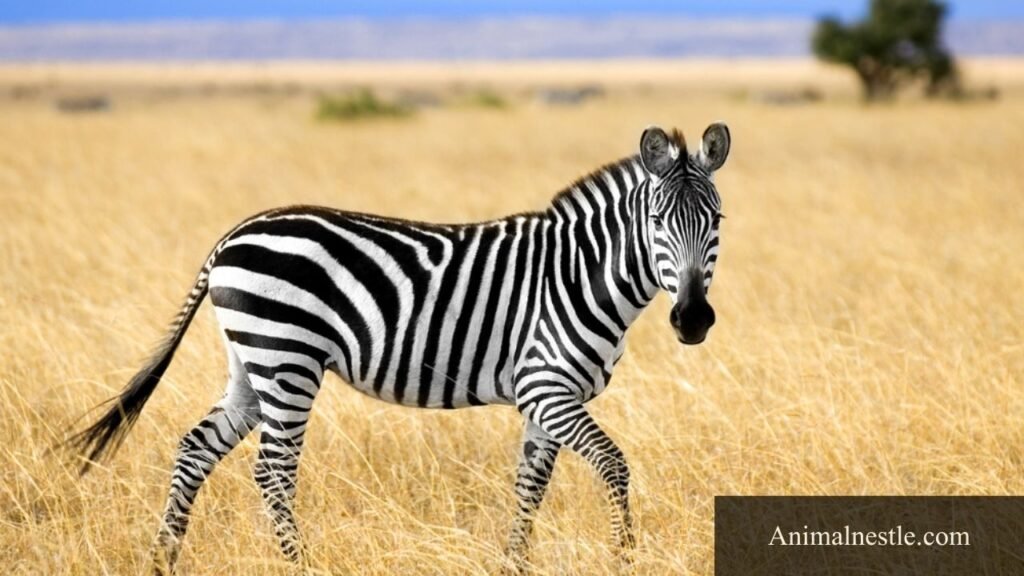
Social creatures at heart, zebras exhibit complex behaviors that reflect deep bonds within their groups. They communicate through a range of vocalizations, body language, and even facial expressions, showcasing intelligence often underestimated in equine species. Zebras have a strong maternal instinct: foals are nurtured and protected collectively, allowing for a supportive environment that enhances their survival in the harsh environments of the savannah. This tight-knit community structure not only highlights their social intelligence but also emphasizes the importance of cooperation in the animal kingdom.
Mouse
Scientific Name: Mus Musculus
Class: Mammalia
Diet: Omnivore
Mice, often overlooked as mere pests, are fascinating creatures teeming with intelligence and adaptability. Did you know that there are over 30 species of mice, with the common house mouse being just one of them? These small mammals exhibit remarkable social behaviors, living in complex communities that rely on communication through ultrasonic vocalizations. Such interactions help them establish hierarchies and foster cooperation when it comes to foraging for food or defending against predators.
Another intriguing aspect of mice is their heightened sense of smell, which is essential for their survival. They can detect pheromones — chemical signals that convey information about food sources, mating, and territory — helping them navigate their environment with impressive precision. This olfactory prowess also makes them invaluable in scientific research; they are commonly used in studies related to genetics, behavior, and even human diseases. Once seen merely as nuisances, mice reveal themselves as essential partners in understanding the intricacies of life itself.
Skunk
Scientific Name: Mephitidae
Class: Mammalia
Diet: Omnivore
Skunks are distinctive not only for their black-and-white coloration but also for their remarkable defense mechanism. Their spray, a potent mixture of sulfur-containing compounds, can be detected from up to a mile away and can cause temporary blindness or irritation in predators. Interestingly, a skunk’s spray can accurately target threats; they possess remarkable control over the range and volume of the spray, allowing them to conserve their resources for when they truly need to defend themselves.
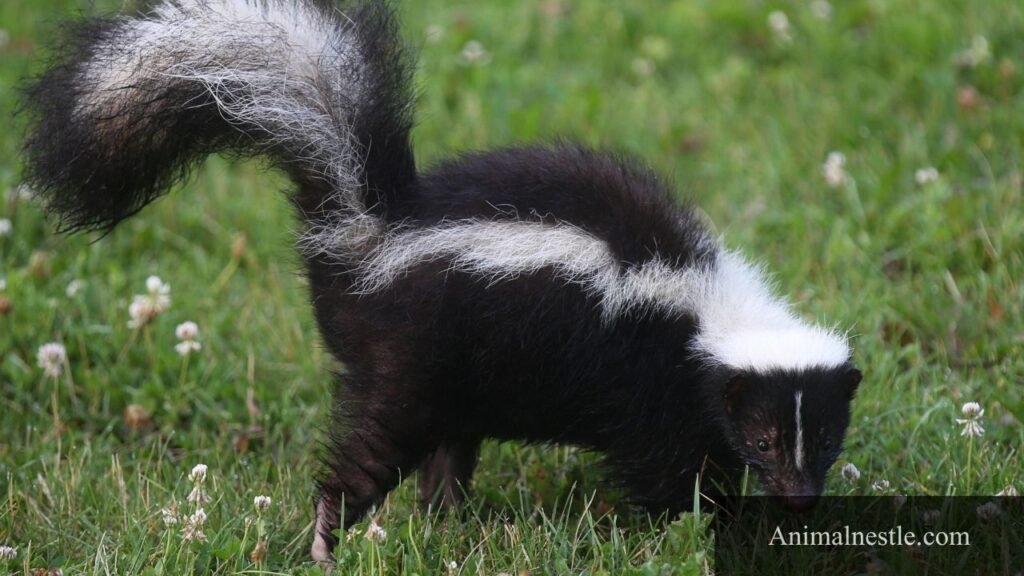
Beyond their odoriferous reputation, skunks play essential roles in ecosystems. As omnivores, they contribute to insect population control by feeding on pests like beetles and crickets, while also aiding in seed dispersal by consuming fruits. Their foraging habits help balance habitats, promoting biodiversity. Furthermore, skunks have developed strategic, social behaviors; during breeding season, female skunks communicate with males using specific scents, which can lead to intriguing courtship displays that echo the complexity of many mammalian rituals. It’s this intricate blend of adaptability and ecological importance that makes skunks far more than just their infamous spray.
Readmore: Explore Top 21 Animals With 7 Letters.
Quail
Scientific Name: Coturnix Coturnix
Class: Aves
Diet: Omnivore
Quails are fascinating creatures that not only captivate birdwatchers but also hold significant cultural and ecological roles. These small, plump birds belong to the pheasant family and are widely distributed across grasslands and woodlands, making them adaptable to various environments. One intriguing aspect of quail behavior is their unique “covey” formation, where they group together in tight flocks — this social dynamic enhances their safety from predators. The harmonious clicks and whistles of their communication add an enchanting soundtrack to their habitats.
Interestingly, quails exhibit a complex breeding system. In many species, males perform elaborate courtship displays to attract females, showcasing their vibrant plumage and engaging in melodious calls. After mating, these birds often engage in shared parental responsibilities, a rarity in the avian world, where the male may assist in incubating eggs and caring for fledglings. Moreover, quail farming has gained traction for both conservation and culinary purposes, underscoring their value beyond mere aesthetics. This duality of being both a beloved wildlife species and a sustainable food source amplifies their significance in ecosystems and human culture alike.
Coral
Scientific Name: Anthozoa
Class: Anthozoa
Diet: Carnivore
Corals, often mistaken for plants or rocks, are actually fascinating marine animals belonging to the phylum Cnidaria. They exhibit a unique symbiotic relationship with microscopic algae called zooxanthellae, which live within their tissues. This partnership is not merely a survival mechanism; it is essential for coral health and the vibrant colors they display. During photosynthesis, these algae provide corals with nutrients in exchange for access to sunlight — a relationship that showcases the intricate balance of ocean ecosystems.

Interestingly, coral reefs, known as the “rainforests of the sea,” not only harbor a stunning array of biodiversity but also serve as natural barriers protecting coastlines from erosion and storm surges. They contribute to the livelihoods of millions around the globe, supporting fisheries and tourism industries. However, coral reefs are increasingly under threat from climate change, pollution, and overfishing, prompting urgent calls for conservation efforts. Recent advancements in coral restoration techniques, such as breeding resilient species and coral gardening, offer hope for revitalizing these vital ecosystems — reminding us that even in the face of adversity, nature has a remarkable ability to adapt and rebound.
Snail
Scientific Name: Gastropoda
Class: Gastropoda
Diet: Herbivore
Often overlooked, snails possess intriguing qualities that reveal their resilience and adaptability. These soft-bodied mollusks can be found in various habitats, from lush gardens to deep ocean floors. One remarkable aspect of their biology is their ability to produce a protective mucus layer, which not only aids in locomotion but also serves as a defense mechanism against predators and dehydration. This mucus can be so effective that some species can survive extended periods of desiccation by entering a state of dormancy, sealing themselves off in their shells until conditions improve.
Another fascinating feature of snails is their unique reproductive strategies. Many species are hermaphroditic, meaning they possess both male and female reproductive organs, allowing for greater flexibility in mating. During the romantic process, snails engage in intricate courtship rituals that can last for hours, involving elaborate dance-like movements and the exchange of love darts — sharp, calcareous structures that can influence mating success. This complexity in their breeding behaviors reflects a level of sophistication that challenges the common perception of snails as simple creatures. Each of these elements highlights the snail’s remarkable adaptability and the rich tapestry of life forms that thrive in our environment.
Koala
Scientific Name: Phascolarctos Cinereus
Class: Mammalia
Diet: Herbivore
Koalas, often recognized for their endearing features and eucalyptus diet, are fascinating creatures that embody Australia’s unique wildlife. These marsupials spend most of their lives in trees, adapting perfectly to their arboreal habitat with strong limbs and sharp claws for climbing. Interestingly, a koala’s social life is more complex than it appears; they communicate through a series of low-frequency bellows that can travel long distances. Each koala has a distinctive “vocal fingerprint,” unique to its individual, enabling them to establish relationships within their community.
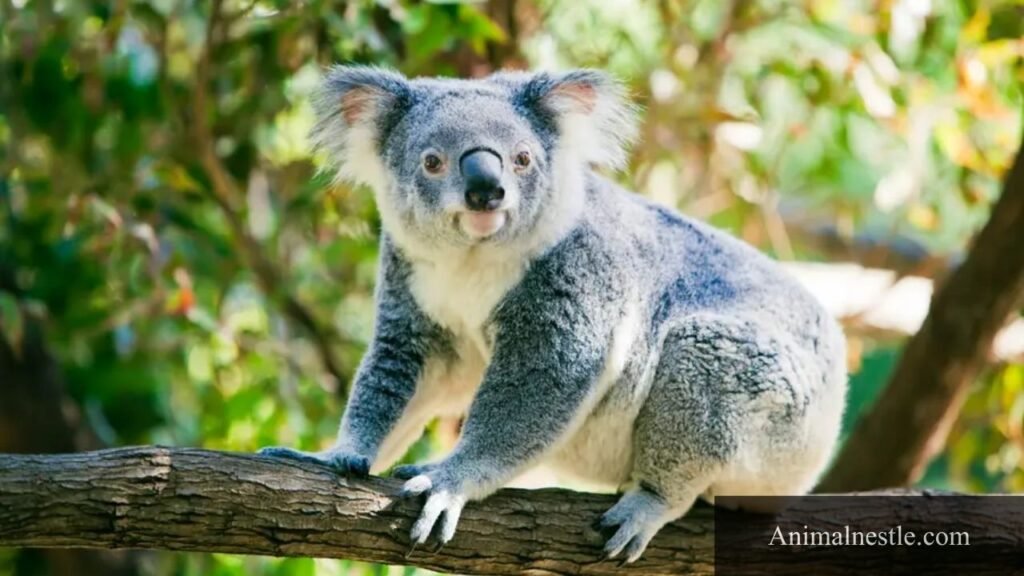
Dietarily specialized, koalas primarily consume eucalyptus leaves, which are low in nutrients and high in fibrous content. To cope with this challenging diet, their digestive systems are equipped with a specially adapted cecum that allows for extensive fermentation and nutrient absorption. This unique adaptation, however, makes them particularly vulnerable to habitat loss, as eucalyptus forests are under increasing threat from urban development and climate change. As a result, understanding and conserving these delightful marsupials is critical — not just for their survival but also for the broader ecosystem they inhabit.
You can also read: Explore Top 39 Animals With 4 Letters.
Robin
Scientific Name: Turdus Migratorius
Class: Aves
Diet: Omnivore
The American Robin, with its vibrant orange-red breast, is often a herald of spring, but there’s more to this beloved bird than meets the eye. Interestingly, robins are not just ground foragers; they possess a remarkable ability to see ultraviolet light, allowing them to detect patterns on fruits and even the trails made by insects in the soil, making them exceptionally adept foragers. This keen vision helps them find food when other birds might struggle, giving them a distinct advantage in their varied habitats.
Beyond their striking appearance and foraging prowess, robins play a crucial role in ecosystems. As an important seed disperser, they help propagate various plant species, contributing to biodiversity. Moreover, their melodious songs serve not only as a territorial claim but also as a means of communication, conveying different messages to potential mates or rivals. Observing their behavior can offer a fascinating glimpse into the complex social structures of these seemingly simple creatures. So next time you spot a robin, remember that this small bird is a vital player in the balance of nature, weaving its song and presence into the intricate tapestry of the environment.
Panda
Scientific Name: Ailuropoda Melanoleuca
Class: Mammalia
Diet: Herbivore
The giant panda, an emblem of conservation efforts worldwide, is fascinating not just for its striking black-and-white fur but also for its unique dietary habits. While categorized as a carnivore, the panda’s diet consists of over 99% bamboo, consuming up to 40 pounds a day to meet its nutritional needs. This herbivorous lifestyle presents an intriguing paradox, as their digestive systems remain optimized for processing meat, leading to inefficient bamboo digestion. This inefficiency means that pandas must eat vast quantities to extract the necessary calories, which shapes their sedentary lifestyle and habitat requirements.

Beyond their eating habits, pandas exhibit social behaviors that challenge their solitary reputation. Although they tend to be reclusive, females communicate through vocalizations and scent markings during mating season, drawing potential mates from miles away. Unexpectedly, these gentle giants have a playful side, showcasing their agility and curiosity in the wild and captivity alike. From rolling down hills to climbing trees, their antics underline a level of intelligence and adaptability that often surprises those who view them solely as cuddly creatures. As conservation efforts continue to evolve, understanding the panda’s unique traits is vital in preserving their habitats and ensuring their survival for future generations.
Shrew
Scientific Name: Soricidae
Class: Mammalia
Diet: Carnivore
Shrews are tiny mammals equipped with an unusual ability — many species possess venomous saliva, which they use to subdue their prey, primarily insects and earthworms. This adaptation not only aids in hunting but also helps them store food, paralyzing potential meals to consume later. Shrews’ incredible metabolism demands a high energy intake, compelling them to eat roughly twice their body weight daily, making them one of nature’s most avid foragers.
Beyond their predatory skills, shrews play a crucial role in their ecosystems. As both predators and prey, they help control insect populations while providing sustenance to a variety of larger animals, including owls and snakes. Moreover, shrews are unique in the animal kingdom for their diverse range of habitats — they thrive in forests, grasslands, and even urban areas. Their secretive nature and rapid movements often leave them unnoticed, yet their ecological impact is significant, making them essential players in maintaining the balance of their environments.
Prawn
Scientific Name: Caridea
Class: Malacostraca
Diet: Omnivore
Prawns are not just delightful seafood but fascinating creatures that boast unique adaptations and behaviors. One of the standout features of prawns is their ability to communicate through a series of complex body movements and color changes, which serve various purposes, from attracting mates to warding off predators. This vibrant display is made possible by specialized cells in their skin called chromatophores, allowing them to blend seamlessly into their environment or flash bold colors when needed.
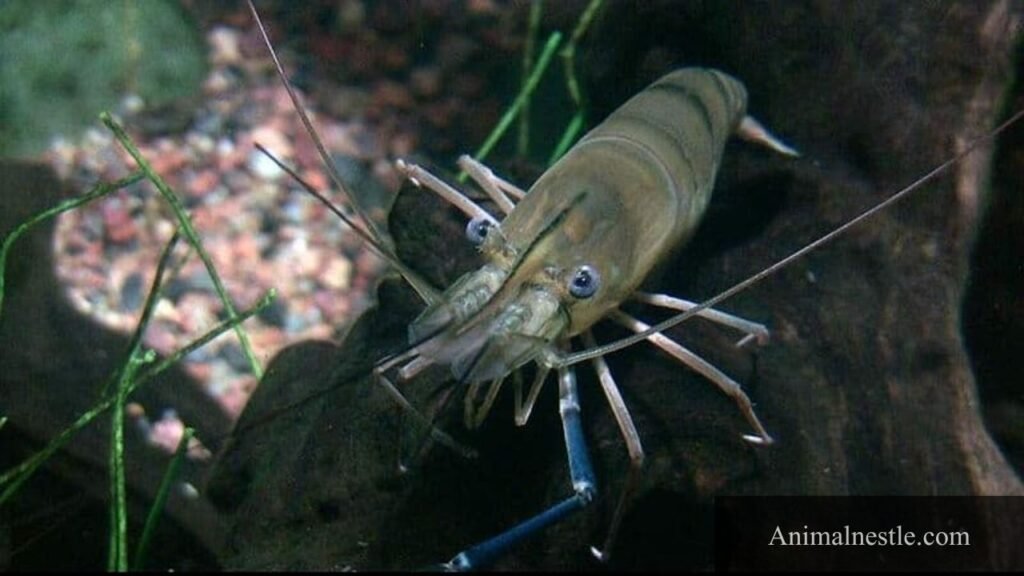
Moreover, prawns exhibit remarkable versatility in their habitats. While many are found in brackish coastal areas, some species thrive in freshwater environments, showcasing their adaptability to different ecological niches. Their diet is equally fascinating; as omnivores, prawns consume a variety of plant materials, algae, and even small fish, playing a crucial role in maintaining the balance of their ecosystems. This omnivorous nature not only helps in nutrient recycling but also positions them as key players in aquatic food webs. Understanding prawns better can deepen our appreciation for these small yet impactful marine creatures.
Also read: Explore Top 23 Animals With 10 Letters.
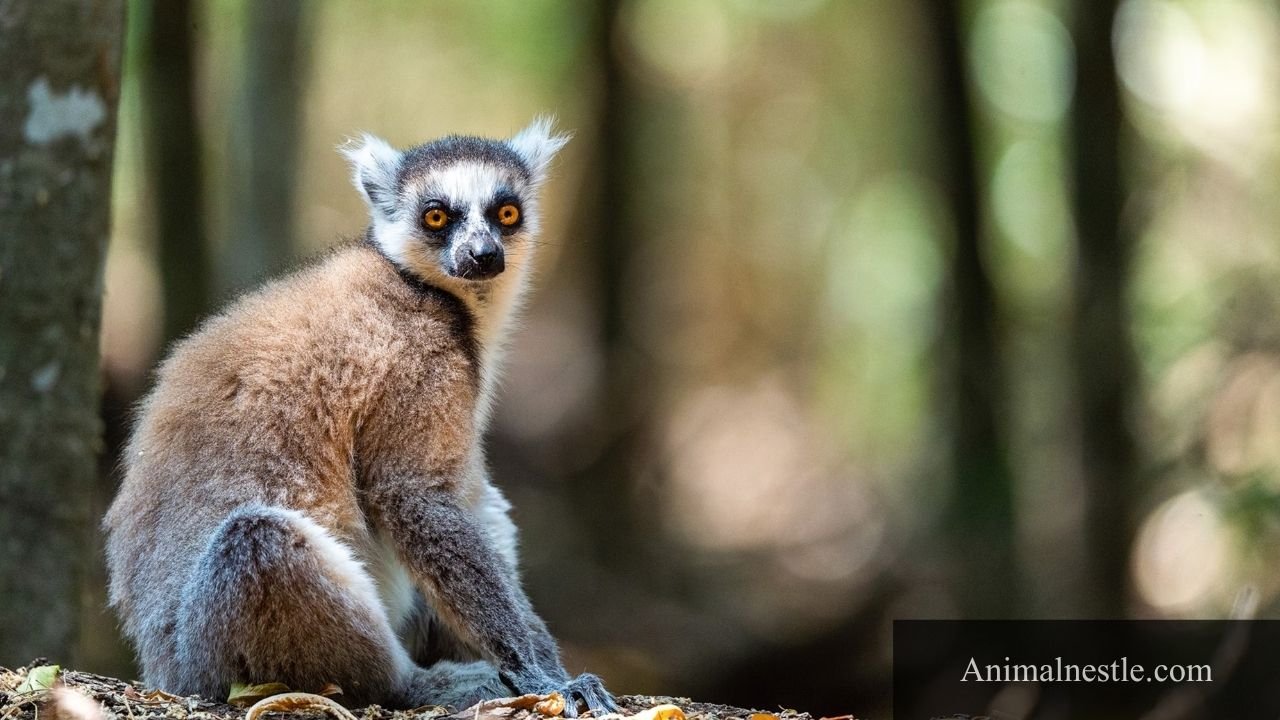
Lemur
Scientific Name: Lemuroidea
Class: Mammalia
Diet: Herbivore
Lemurs are remarkable social creatures known for their impressive vocalizations, utilizing a range of calls that can vary by species and function — ranging from warnings to mate attraction. Social structures in lemur communities are intricate, often matriarchal, defying the typical male-dominated dynamics seen in other primate species. This matriarchal leadership offers a unique glimpse into the potential for complex social behaviors in primates, encouraging further exploration into the evolutionary advantages these dynamics may offer.
Their remarkable adaptations are equally intriguing. For instance, the ring-tailed lemur engages in sunbathing rituals, using its long, striped tail to bask in the sun, which not only warms them but also alters the scent of their pheromones — a clever strategy in marking territory. Lemurs exhibit an unusual form of locomotion called vertical clinging and leaping, showcasing powerful leg muscles that propel them effortlessly through the forest canopy. Sadly, these unique creatures face threats from habitat loss and poaching, underscoring the urgent need for conservation efforts. Understanding their behaviors and ecological roles can help us advocate more effectively for their preservation, highlighting not just their charm, but their essential place in the biodiversity of Madagascar.
Finch
Scientific Name: Fringillidae
Class: Aves
Diet: Herbivore
Finches are small, vibrant birds that belong to the family Fringillidae, consisting of over 200 species worldwide. Characterized by their conical beaks, which are perfectly adapted for cracking seeds, these birds exhibit a fascinating array of colors and patterns, depending on their habitat. Notably, finches have been a subject of extensive study in evolutionary biology. The famous Galápagos finches, for instance, played a pivotal role in Charles Darwin’s formulation of the theory of natural selection, demonstrating how species adapt to their environments.
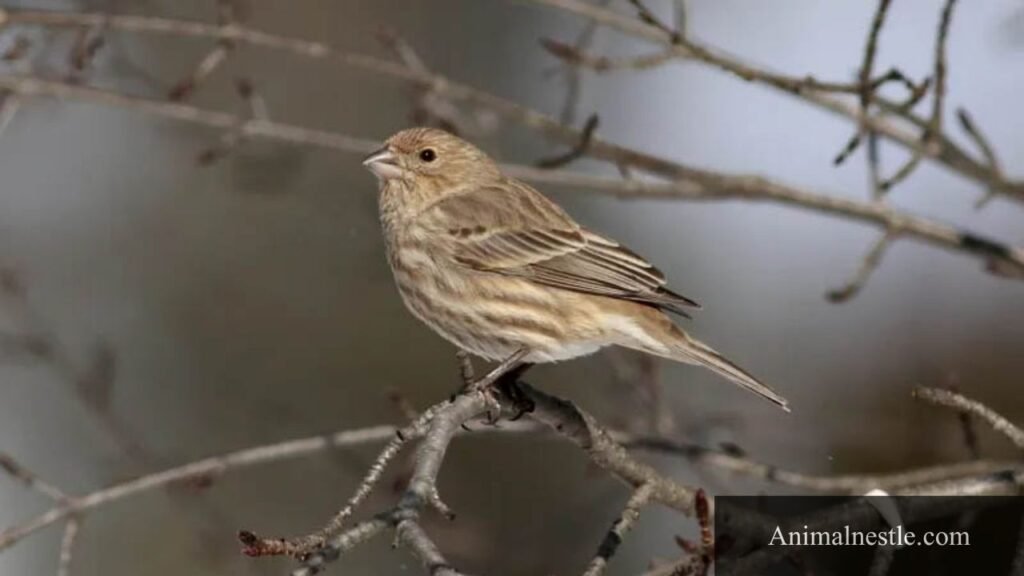
Beyond their ecological significance, finches also display remarkable vocal abilities. Males often engage in complex songs that not only attract mates but also serve as territorial markers. Each species has its own unique call, creating a rich tapestry of sound in their native habitats. Observing these intricate vocal behaviors can deepen our appreciation for their social structures and communication skills. Finches adapt remarkably to urban environments, showcasing their resilience and ingenuity, which raises intriguing questions about animal behavior in changing landscapes.
Guppy
Scientific Name: Poecilia Reticulata
Class: Actinopterygii
Diet: Omnivore
The guppy, often hailed as one of the most colorful freshwater fish, boasts a fascinating range of colors and patterns that can rival even the most vibrant tropical birds. Originally native to the streams and rivers of Venezuela and Trinidad, guppies have adapted so well to captivity that they are now a staple in aquariums around the globe. Their size, typically ranging from one to two inches, belies their striking presence, making them a perfect choice for both novice and experienced aquarists alike.
Beyond their aesthetic appeal, guppies are notable for their incredible breeding capabilities. A single female can drop 20 to 40 fry every month, leading to rapid population growth — a fact that can be both a delight and a challenge for aquarium keepers. Interestingly, the guppy’s vibrant colors and patterns are influenced not just by genetics but also by environmental factors such as diet and habitat. This adaptability not only showcases their resilience but also underscores the importance of creating a stimulating environment to enhance their natural beauty.
Aphid
Scientific Name: Aphidoidea
Class: Insecta
Diet: Herbivore
Aphids are fascinating little creatures that play both beneficial and detrimental roles in ecosystems. Ranging in color from green to black, these tiny sap-sucking insects can reproduce at astonishing rates — some species can produce live young without mating, leading to population explosions in favorable conditions. Their rapid reproduction cycle not only makes them a handful for gardeners but also a compelling example of nature’s adaptability.
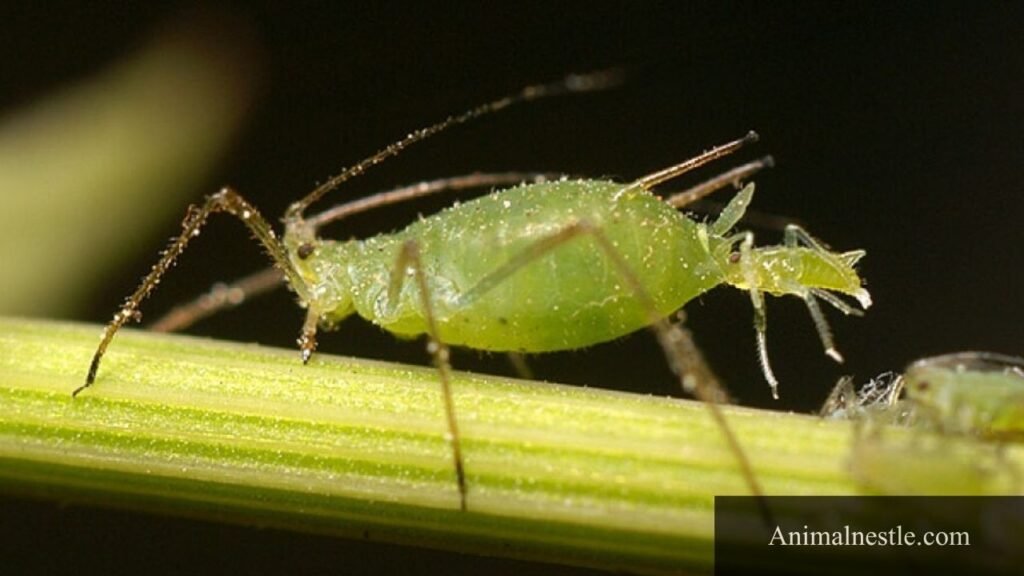
Furthermore, aphids are also known for their role as vectors for plant diseases, transferring pathogens as they move from plant to plant. However, their ability to adapt to various environments and even develop resistance to pesticides can serve as a reminder of nature’s resilience. Understanding these intricate relationships can enrich our perspective on biodiversity, reminding us that such small beings can wield significant impact in the grand tapestry of life.
Readmore: Explore 21 Animals With 8 Letters.
Betta
Scientific Name: Betta Splendens
Class: Actinopterygii
Diet: Carnivore
Betta fish, also known as Siamese fighting fish, are renowned for their vibrant colors and flowing fins, but there’s much more beneath their stunning exterior. These aquatic wonders exhibit fascinating behaviors, particularly their complex social dynamics. Male bettas are territorial, often engaging in dramatic displays of aggression against their own kind, which can involve a symphony of flaring gills and spread fins. Surprisingly, this territorial instinct is balanced by their capability for intricate bubble nest building — a shared trait among many tropical fish.
In addition to their striking appearance and combativeness, bettas possess a unique respiratory system that sets them apart from most fish. Their labyrinth organ allows them to extract oxygen from the surface of the water, making them tolerant of lower oxygen levels. This adaptation enables them to survive in smaller, often less-than-ideal environments. Moreover, bettas are intelligent creatures, displaying behaviors such as recognizing their owners and even learning tricks, showcasing a level of cognitive ability that many aquarium enthusiasts may not expect. Engaging with a betta means appreciating not just their beauty, but the remarkable intricacies of their lives.
Skink
Scientific Name: Scincidae
Class: Reptilia
Diet: Carnivore
Skinks boast a remarkable diversity of over 1,500 species worldwide. Their lizard-like appearance and smooth, shiny scales often lead to them being mistaken for snakes. Interestingly, many skinks are characterized by their elongated bodies and reduced limbs, adaptations that enhance their burrowing lifestyles. Some species, like the common blue-tongued skink, employ a fascinating defense mechanism: they flash their vibrant blue tongues as a warning display to predators.
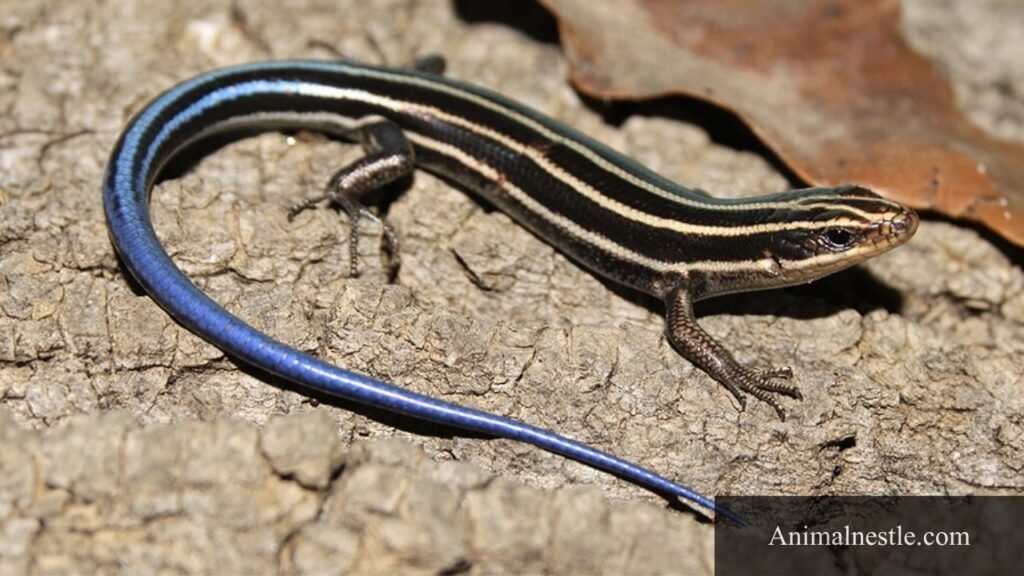
These reptiles play vital roles in their ecosystems, acting as both predator and prey. Skinks primarily feed on insects and small invertebrates, helping maintain ecological balance. Intriguingly, various skinks exhibit unique social behaviors; some species are known to form complex hierarchies within their groups. Certain skinks, such as the viviparous skink, have developed live-birthing traits, showcasing the incredible adaptability of these creatures in response to their environments. Their fascinating reproductive strategies highlight the evolution of nurturing behaviors in reptiles, offering a glimpse into the often-unseen complexities of the animal kingdom.
Roach
Scientific Name: Blattodea
Class: Insecta
Diet: Omnivore
Roaches, widely known as cockroaches, are often perceived as pests, yet these resilient insects have an extraordinary history and fascinating biology. With over 4,500 species identified globally, only a fraction inhabit human spaces; the rest thrive in diverse environments, from tropical rainforests to arid deserts. One intriguing fact is their remarkable adaptability — roaches can survive without food for up to a month and live for weeks without their heads, relying on a unique respiratory system that doesn’t require a central brain for survival.
Beyond their ability to endure, roaches contribute significantly to ecological balance. They play a vital role in decomposition, breaking down organic matter and recycling nutrients back into the soil. This process not only enriches the environment but also supports the growth of various plants, showcasing the intricate web of life that connects even the least appreciated creatures to thriving ecosystems. The next time you spot a roach scuttling away, consider the essential role it plays in nature, transforming waste into life-sustaining resources.
Otter
Scientific Name: Lutrinae
Class: Mammalia
Diet: Carnivore
Otters are widely known for their playful antics and social behaviors. These semi-aquatic mammals are found in diverse habitats, from rivers and lakes to coastal areas. One striking trait of otters is their use of tools; they often use rocks to crack open shellfish, showcasing their intelligence. In fact, sea otters have been observed using specific stones for this purpose, much like how humans select a favorite kitchen knife.
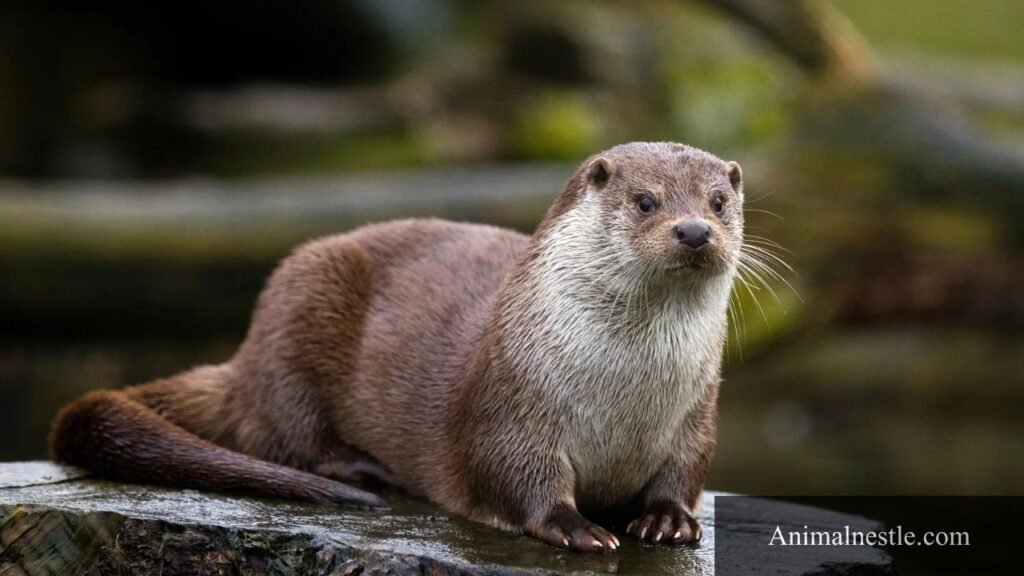
Socially, otters are quite interactive. They often live in family groups called rafts, sometimes consisting of up to 20 individuals. These groups not only offer protection but also play a significant role in nurturing young otters. Interestingly, otters have a unique bonding ritual involving holding paws while floating to prevent drifting apart while they sleep. This charming behavior underscores their strong social connections, making them not only skilled hunters but also deeply relational animals. Whether lounging on their backs or darting through the water, otters remind us of the joy and complexity of the natural world.
You can also read: Explore Top 27 Examples of Reptiles.
Siren
Scientific Name: Sirenidae
Class: Amphibia
Diet: Carnivore
Sirens, a group of aquatic salamanders, possess a unique charm that captivates the imagination. With elongated bodies and lack of hind limbs, these creatures glide gracefully through freshwater environments, primarily in the eastern United States. Their distinctive external gills, resembling delicate filaments, not only enhance their eerie appearance but also play a critical role in their respiration, allowing them to thrive in low-oxygen waters.
What sets sirens apart is their remarkable adaptability. While many amphibians rely on moist conditions, sirens can survive extended periods of drought by entering a state of dormancy, burrowing into the mud until water returns. This resilience highlights their evolutionary prowess. Sirens communicate through a variety of sounds, producing low-frequency calls that resonate through the water, a feature that remains lesser-known but is crucial during mating rituals. Their often-overlooked ecological role as both predators and prey in their aquatic habitats underscores the complex interdependence of ecosystems, inviting observers to appreciate these elusive amphibians beyond their unusual looks.
Leech
Scientific Name: Hirudinea
Class: Clitellata
Diet: Carnivore
Leeches are unfairly maligned creatures that play essential roles in their ecosystems. These segmented worms, belonging to the phylum Annelida, are primarily known for their blood-sucking habits, yet not all leeches are parasitic. In fact, around 60% of them are free-living and contribute to their habitats by preying on small invertebrates, thus helping maintain ecological balance. Some species, like the medicinal leech (Hirudo medicinalis), have been used in traditional and modern medicine for their anticoagulant properties, promoting blood flow and healing.
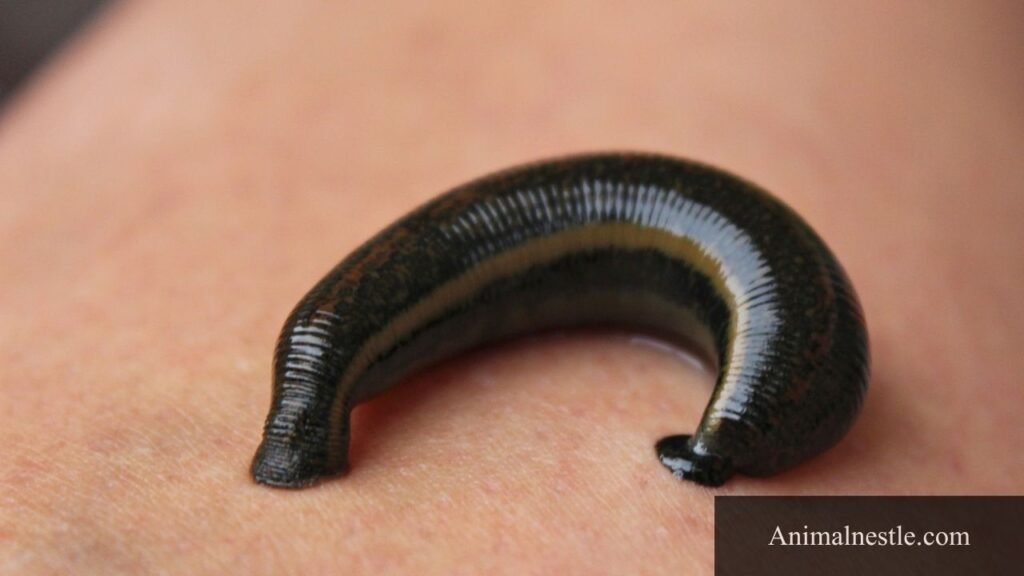
Interestingly, leeches possess a unique adaptability that aids their survival. Their ability to regenerate lost segments makes them resilient in various environments, from freshwater lakes to damp forest floors. Moreover, the unique structure of their suckers allows them to latch onto hosts without causing immediate pain — an evolutionary trait that has helped them thrive alongside numerous species. Embracing these slender marvels can shed light on the interconnectedness of life forms, showcasing how even the most unassuming organisms can have profound impacts on the health and stability of their ecosystems.
Tetra
Scientific Name: Characidae
Class: Actinopterygii
Diet: Omnivore
Tetras are a vibrant group of freshwater fish spanning over 150 species. These small, often colorful fish thrive in densely planted, soft-water environments of South America, particularly in the Amazon Basin. Notably, tetras possess the unique ability to adapt their schooling behavior based on environmental conditions; they may swim tightly together when threatened or disperse slightly while foraging for food. This social structure not only enhances their survival but also showcases their fascinating communication skills through subtle body language and color changes.
One striking feature of tetras is their bioluminescent capabilities, particularly visible in species like the Neon Tetra. Their anatomical structure includes specialized cells known as chromatophores, which reflect and refract light, resulting in their stunning iridescence. This dazzling display serves multiple purposes: it attracts mates, communicates with other tetras, and helps them blend into their lush underwater habitat by mimicking the dappled light filtering through the water. Tetras are often chosen for home aquariums due to their peaceful temperament and compatibility with other species, making them essential players in maintaining a balanced aquatic ecosystem.
Porgy
Scientific Name: Sparidae
Class: Actinopterygii
Diet: Omnivore
Porgy, a vibrant and often colorful fish, found predominantly in warm coastal waters thrive in shallow habitats such as reefs and sandy bottoms, showcasing their adaptability. These social creatures often gather in schools, demonstrating an intricate hierarchy during feeding and social interactions. Their diet primarily consists of benthic invertebrates, crustaceans, and algae, making them important players in their ecosystems.
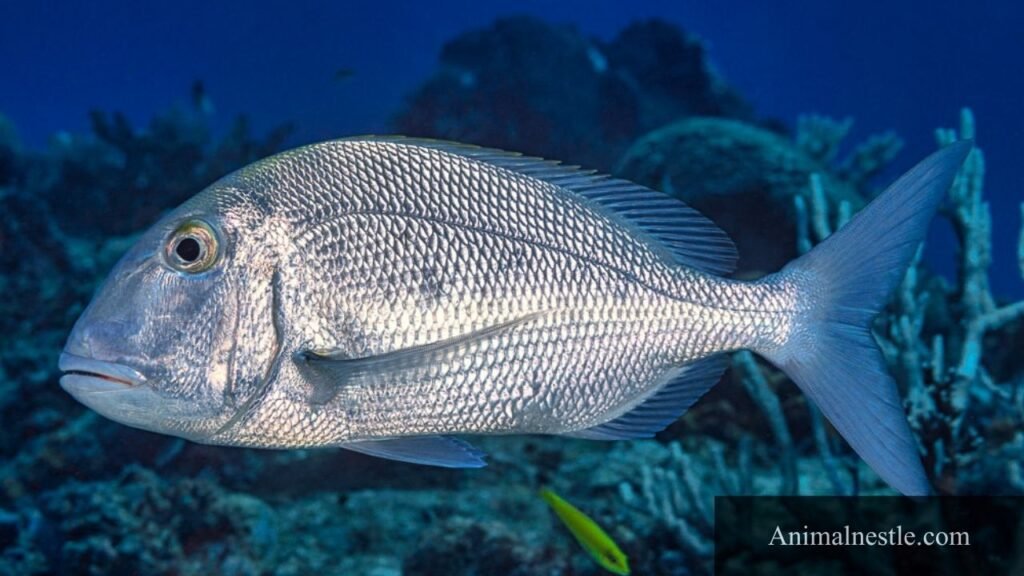
What sets porgy apart is not just their striking appearance, often adorned with shimmering scales and pronounced dorsal fins, but also their remarkable communication skills. They utilize a range of sounds and body language to convey messages within their schools, underscoring a complex social structure not widely recognized. Interestingly, certain species exhibit remarkable parental care, with the males guarding nests and ensuring the survival of their offspring, showcasing an unexpected side of fish behavior that challenges common perceptions of aquatic life. As overfishing threatens their populations in many regions, conservation efforts are increasingly vital to maintain the balance in marine ecosystems where these fascinating fish play a crucial role.
Also read: Explore Top 37 Birds With 4 Letters.
Snake
Scientific Name: Serpentes
Class: Reptilia
Diet: Carnivore
Snakes, often shrouded in fear, possess remarkable adaptations that distinguish them from other reptiles. With over 3,000 species, they exhibit a dazzling variety of colors and patterns, from the vibrant hues of the coral snake to the earthy tones of the rattlesnake. What’s fascinating is their ability to sense heat; many species, such as pit vipers, have specialized organs that allow them to detect the infrared radiation emitted by warm-blooded prey, enabling them to hunt even in total darkness.
Beyond their predatory prowess, snakes play a crucial role in maintaining the balance of ecosystems. By controlling rodent populations, they indirectly support agricultural health and biodiversity. However, misconceptions about these limbless creatures often overshadow their ecological significance. Rather than being mindless threats, snakes are skilled hunters that exhibit complex behaviors and adaptations, such as preemptive shedding of their skin to reduce pests or camouflage, enhancing their survival odds and showcasing the intricate dance of evolution in action.
Midge
Scientific Name: Chironomidae
Class: Insecta
Diet: Herbivore
The midge, a tiny insect often overlooked, plays a significant role in various ecosystems. Primarily found in wetlands and stagnant waters, these remarkable creatures thrive in diverse environments, from lush marshlands to transient puddles. Contrary to popular belief that all midges are pests, many species are harmless and contribute significantly to the food web, serving as a vital food source for fish, birds, and other wildlife.
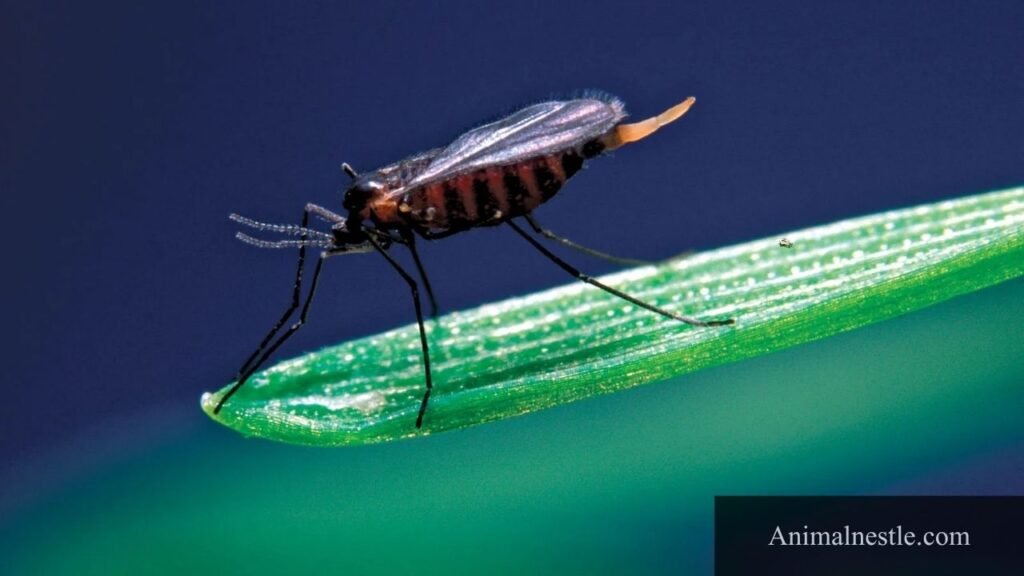
What sets midges apart is their incredible adaptability, tying them closely to the health of their habitats. Their larvae, which can survive in harsh conditions, are crucial bioindicators, reflecting water quality and ecological changes. Interestingly, adult midges are known for their swarming behavior, which can create mesmerizing clouds that attract both predators and curious onlookers alike. These swarms, often seen at dusk, provide an enchanting display of nature’s interconnectedness, reminding us of the unseen wonders bustling around us.
Krill
Scientific Name: Euphausiacea
Class: Malacostraca
Diet: Omnivore
Krill are fascinating crustaceans that play a pivotal role in the oceanic ecosystem. These tiny shrimp-like creatures, primarily found in the icy waters of the Antarctic, form massive swarms that can number in the billions. In fact, it’s estimated that their biomass exceeds that of all the world’s whales combined! This incredible density allows krill to serve as a fundamental food source for a diverse array of marine life, including seals, penguins, and even blue whales, which can consume over 4 tons of krill in a single day.
Beyond their ecological importance, krill also have intriguing biochemical properties that have caught the attention of scientists and researchers. Rich in omega-3 fatty acids and antioxidants like astaxanthin, krill oil is emerging as a popular dietary supplement touted for its potential health benefits, from improving heart health to enhancing brain function. Their ability to thrive in extreme conditions, such as the freezing temperatures of the Southern Ocean, showcases their remarkable adaptability, making them a subject of ongoing research in climate change studies. As the oceans face increasing threats, understanding and protecting these tiny giants could hold the key to maintaining the balance of marine ecosystems.
Gecko
Scientific Name: Gekkota
Class: Reptilia
Diet: Carnivore
Geckos are known for their remarkable adaptations and behaviors. One of their most intriguing features is their ability to cling to surfaces effortlessly, thanks to millions of tiny setae — hair-like structures on their toe pads that exploit molecular forces for grip. This extraordinary adhesion enables geckos to scale vertical walls and even navigate upside-down, making them adept hunters of insects and other small prey.
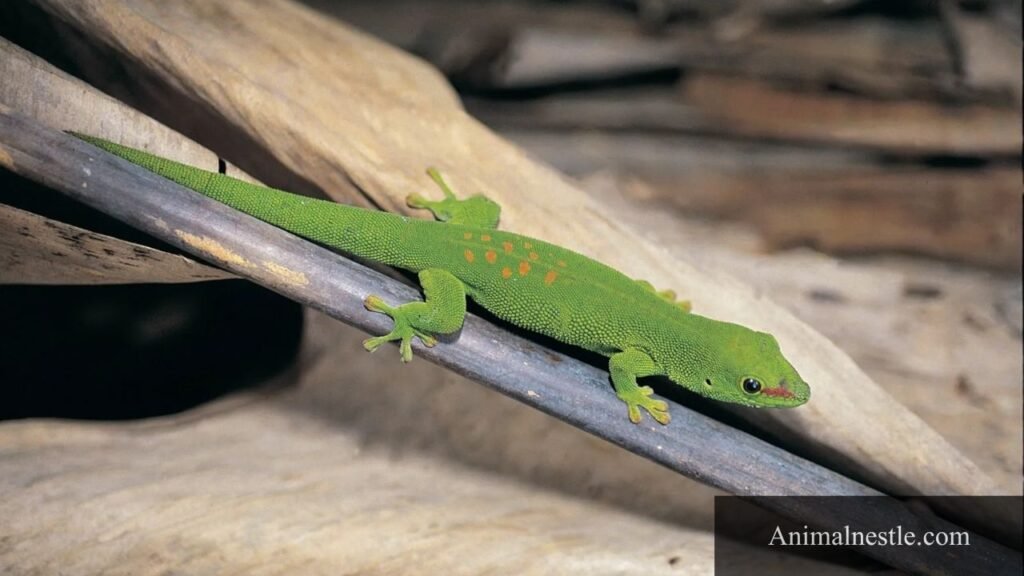
Another captivating aspect of geckos is their vocal communication. Unlike many reptiles, these lizards are quite vocal, producing a variety of sounds that serve purposes ranging from mating calls to territorial warnings. Some species, like the adorable Crested Gecko, even have the ability to shed their tails as a defense mechanism; this autotomic tail can regenerate over time, although the new tail may differ in appearance. With their vibrant colors and diverse habitats ranging from tropical rainforests to arid deserts, geckos continue to inspire curiosity and fascination among scientists and nature enthusiasts alike.
You can also read: Explore Top 31 Animals With 9 Letters.
Perch
Scientific Name: Perca
Class: Actinopterygii
Diet: Carnivore
The perch, a popular freshwater fish, is often found in lakes and rivers across Europe, Asia, and North America. Known for its striking greenish body adorned with vertical black stripes, the perch has become the centerpiece of many recreational fishing endeavors. What many don’t realize is that these fish are not just prized for their taste; they play a significant role in their ecosystems. Acting as both predator and prey, perch help maintain the balance by controlling the populations of smaller fish while offering sustenance to larger species, including birds and mammals.
Interestingly, perch are social creatures that thrive in groups called schools. Young perch tend to stay together for protection against predators, showcasing a fascinating display of synchronized swimming. As they mature, however, their social structures can diversify; adult perch may split off to establish their territories. During spawning season, which typically occurs in spring, they engage in remarkable behaviors to attract mates, often creating nests in shallow waters where the female lays her eggs. It’s a captivating dance of survival and reproduction that highlights the adaptability and communal nature of these resilient fish species.
Platy
Scientific Name: Xiphophorus Maculatus
Class: Actinopterygii
Diet: Omnivore
Platies are not just your typical aquarium fish; they embody a fascinating blend of colors and personalities that can enliven any tank. Originating from the freshwater rivers and lakes of Central America, these small, lively fish are often overlooked in favor of more exotic species. Yet, their adaptability and peace-loving nature make them an excellent choice for community tanks. With a variety of color morphs, from neon blues to vivid oranges, platies can truly be a visual delight.
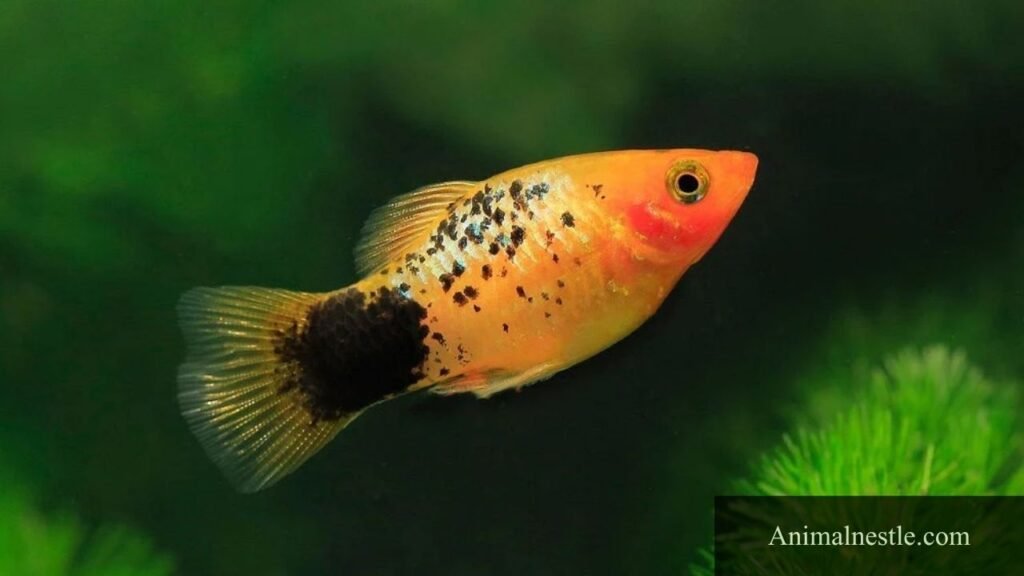
One of the most intriguing aspects of platies is their reproductive strategy. They are livebearers, meaning they give birth to fully-formed young rather than laying eggs, which adds a unique dynamic to maintaining their populations in a home aquarium. This reproductive trait allows hobbyists to witness the miracle of life firsthand, with baby platies often darting through the waters shortly after birth. Furthermore, platies thrive in water conditions that many other fish struggle with, making them not only resilient but also beginner-friendly for new aquarists.
Louse
Scientific Name: Phthiraptera
Class: Insecta
Diet: Carnivore
Lice, tiny parasitic insects that often invoke a shudder at the mere mention, are far more fascinating than many might assume. These creatures are remarkably adapted to their environments, with specialized claws that allow them to cling tightly to their host’s hair or feathers. Interestingly, lice have very specific host preferences, largely due to their evolutionary path; head lice prefer humans, while body lice can be found in clothing and are often associated with unsanitary conditions. This host specificity not only showcases their evolutionary uniqueness but also highlights the intricate relationships that exist within ecosystems.
What’s more intriguing is their reproductive cycle. Female lice can lay up to 10 eggs, or “nits,” each day, gluing them near the base of hair follicles. This rapid breeding is often what leads to outbreaks, especially in close-knit communities like schools. But lice aren’t just a nuisance; they also serve as critical indicators of environmental health. An increase in lice populations can signal changes in human behavior or shifts in cleanliness standards. As these minuscule parasites continue to adapt and evolve, they remind us of the complex interplay between animals and their environments, challenging our perceptions of them as merely pests.
Coati
Scientific Name: Nasua Nasua
Class: Mammalia
Diet: Omnivore
Coatis, often mistaken for their raccoon relatives, are fascinating creatures that roam the forests and grasslands of Central and South America. These omnivorous mammals possess an elongated snout and a long, ringed tail, which they use skillfully for balance as they navigate through trees. A unique aspect of their social behavior is their matriarchal family structure; females often lead packs, which can include up to 30 individuals. This social dynamic not only fosters cooperation but also enhances foraging success, as they work together to uncover food ranging from fruits to insects.
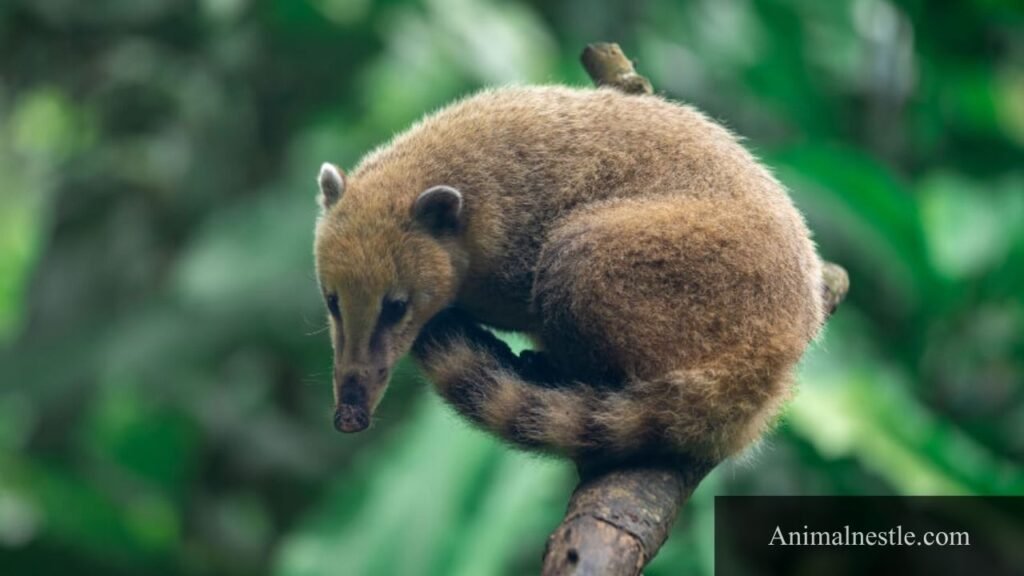
Unlike many solitary mammals, coatis are active during the day, showcasing a playful side as they climb and explore their environment. They have an impressive olfactory sense, allowing them to detect food buried beneath the forest floor. Interestingly, coatis have a remarkable way of communicating; they use a variety of vocalizations, from whistles to grunts, ensuring their social bonds and territorial claims are clearly defined. As adaptable creatures, coatis thrive in diverse habitats, but they are imperiled by habitat destruction and hunting, highlighting the importance of conservation efforts to protect their unique lifestyles and ecosystems.
Readmore: Explore Top 31 Animals With 6 Letters.
Final Thoughts
Exploring the fascinating world of animals with five letters reveals a diverse array of creatures, each with unique characteristics and adaptations. From the playful otter to the majestic tiger, these animals enrich our planet’s biodiversity and capture our imagination. Understanding their habitats and behaviors can foster a deeper appreciation for wildlife and the ecological balance they maintain. As we learn more about these intriguing creatures, it’s crucial to support conservation efforts to protect their environments. Let’s take a moment to observe and respect the wonders of nature around us.
FAQs
What are 5 letter animal names?
There are several animals with five letter names that are both interesting and varied. For example, “zebra” is a well-known animal recognized for its distinctive black and white stripes. These social creatures are native to Africa and are closely related to horses and donkeys. Another example is “tiger,” the largest wild cat, admired for its beauty and powerful presence in the animal kingdom. You can find animals like “sloth,” known for their slow-moving lifestyles and unique adaptations to tree-dwelling. These creatures are fascinating due to their habits and the ecosystems they inhabit.