Top 13 Animals That Live in Fields (With Images)
From tiny insects to enormous mammals, animals that live in fields play crucial roles in maintaining ecological balance. This article invites you to discover their remarkable adaptations, behaviors, and the challenges they face in a rapidly changing world. By the end, you’ll have a deeper appreciation for the animals that share our landscapes.
List of Animals That Live in Fields
Here is the list of animals that live in fields:
- Rabbits
- Skunks
- Voles
- Deer
- Raccoons
- Turkeys
- Chipmunks
- Field Mice
- Foxes
- Moles
- Groundhogs
- Squirrels
- Opossums
Rabbits
Scientific Name: Sylvilagus
Class: Mammalia
Diet: Herbivore
Rabbits are often depicted as cute, cuddly creatures, but their lives in fields are rich with fascinating behaviors and adaptations. In the wild, they construct intricate burrows known as warrens, which serve as both homes and safe havens from predators. These underground networks are a testament to their social nature, often housing multiple families. The soft earth of fields provides the perfect landscape for these shelters, allowing rabbits to thrive in diverse environments.
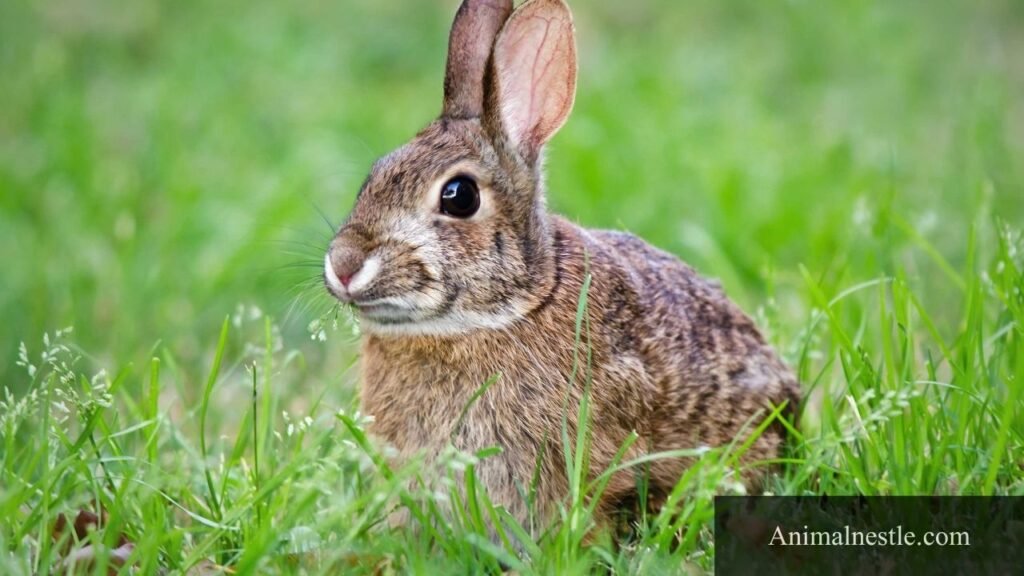
Rabbits exhibit complex social behaviors. They communicate through body language and vocalizations, establishing hierarchies within their groups. Observing them in their natural habitat reveals a dynamic community driven by survival instincts: from playful chases that keep them agile to the subtle shifts in their eating habits that Delta with seasonal changes in available forage. Their diet, primarily consisting of grasses and clovers, plays a crucial role in maintaining the ecosystems they inhabit, as their grazing helps to promote new plant growth and biodiversity in the fields.
Skunks
Scientific Name: Mephitidae
Class: Mammalia
Diet: Omnivore
Skunks, often seen as mere pests, play a vital role in grassland ecosystems. These nocturnal foragers are skilled hunters, primarily dining on insects, small mammals, and even carrion, contributing to natural pest control. Their foraging habits also help aerate the soil, an often-overlooked aspect of their ecological impact, as they dig through the earth in search of food.
Skunks have evolved unique social structures that set them apart from other solitary foragers. During the breeding season, these creatures form temporary pairs, fostering a surprising level of parental cooperation. Mothers fiercely protect their young, imparting vital survival skills. Their famous spray — often viewed solely as a defense mechanism — serves more than just a warning; it’s a social tool, allowing them to avoid unnecessary confrontations while still asserting dominance when necessary. Understanding these creatures reveals a nuanced picture of their life in fields — one that challenges us to rethink our instincts to avoid them.
Voles
Scientific Name: Microtus
Class: Mammalia
Diet: Herbivore
Voles play a pivotal role in their ecosystems, acting as both prey and seed dispersers. These small rodents, with their robust bodies and short tails, thrive in meadows, grasslands, and agricultural fields, where they create intricate tunnel systems beneath the soil. This subterranean network not only provides shelter from predators but also aerates the soil, promoting healthier plant growth above.
Voles have a unique social structure that varies by species. Some, like the prairie vole, form monogamous pairs, often raising their young together, while others are more solitary. This behavioral diversity highlights their adaptability to different environments and underscores how social dynamics can influence their survival. Furthermore, as they feast on grasses, roots, and seeds, voles inadvertently support the delicate balance of their habitats by encouraging plant diversity, making them unsung heroes in maintaining the health of fields and meadows.
Readmore: Explore Top 6 Animals With Tusks.
Deer
Scientific Name: Odocoileus
Class: Mammalia
Diet: Herbivore
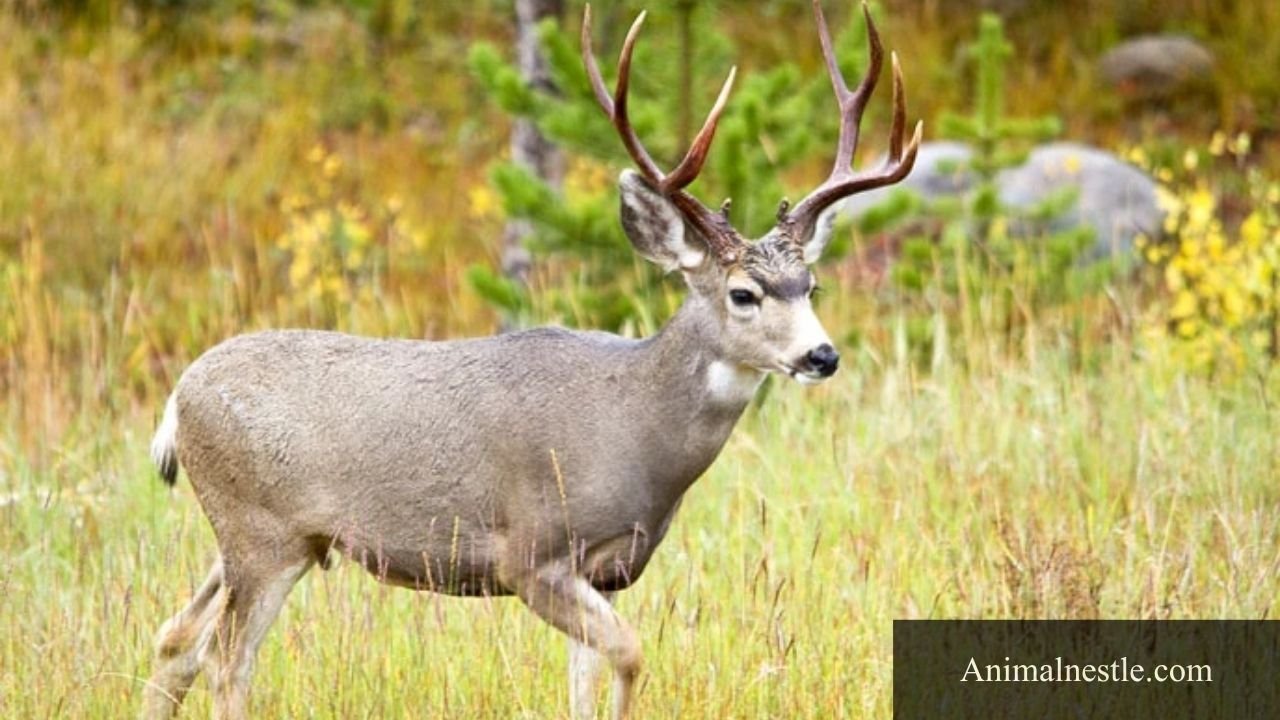
With wildflowers and tall grasses, Fields are excellent habitats for deer. Their graceful movements, often seen during dawn or dusk, reveal the intricate dance of survival in open spaces. These gentle herbivores are not merely grazers; they play a crucial role in the ecosystem by maintaining plant health and influencing the growth of vegetation.
Deer are social creatures with complex social structures. Fawns rely on their mothers for sustenance and protection, often hiding in dense cover within the field until they grow stronger. Moreover, their ability to adapt to changing environments, including agricultural areas, allows them to find food sources and shelter, making them a common sight in regions where fields meet woodlands. This adaptability showcases their resilience, reminding us of the delicate balance in nature and the impact of habitat changes on wildlife.
Raccoons
Scientific Name: Procyon lotor
Class: Mammalia
Diet: Omnivore
Raccoons possess a unique adaptability that allows them to thrive in the fields. Their dexterous front paws, resembling tiny hands, enable them to forage for a diverse diet, from insects and fruits to the occasional nest of unsuspecting small animals. As omnivores, they play a significant ecological role, aiding in seed dispersal and controlling insect populations, all while maintaining the delicate balance of the field ecosystem.
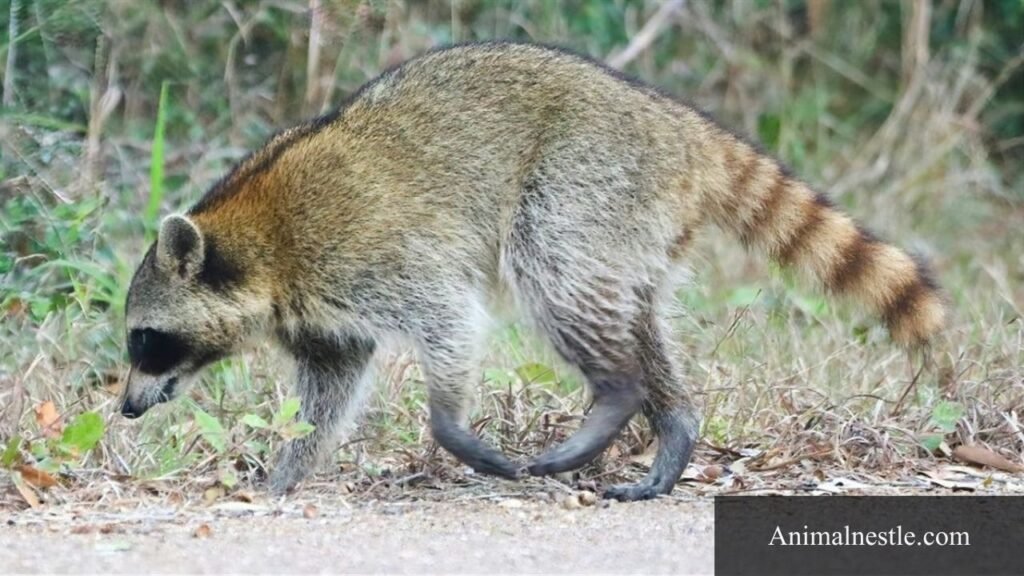
One remarkable aspect of raccoons in these open environments is their entrance into the world of agriculture. Farmers may view them as pests due to their love for crops, but their presence can be a double-edged sword. On one hand, they can cause damage; on the other, they are indicators of a healthy ecosystem. Their foraging habits often attract other wildlife, enriching the biodiversity of the fields. Observing raccoons can deepen our understanding of nature’s intricate web and inspire a more nuanced view of coexistence with wildlife.
Turkeys
Scientific Name: Meleagris gallopavo
Class: Aves
Diet: Omnivore
Turkeys are fascinating creatures that thrive in the open fields, showcasing a remarkable adaptability that often goes unnoticed. Beyond their well-known association with Thanksgiving, these birds play a significant role in maintaining the ecological balance of their habitats. In fields, turkeys engage in foraging for seeds, insects, and berries, which not only nourishes them but also helps disperse plant seeds, contributing to the regeneration of their environment.
Social creatures by nature, turkeys engage in complex communication through a series of clucks, purrs, and even gobbles, which serve not just to attract mates but also to maintain flock cohesion. This social dynamic reveals a hierarchy and a sophisticated understanding of their environment. Each turkey plays a role, whether it’s leading the flock to food sources or signaling danger. Observing their interactions provides a unique glimpse into the rich tapestry of life in fields that goes unnoticed amidst the hustle of daily life. Embracing the presence of turkeys reminds us that even familiar animals hold secrets waiting to be discovered.
Chipmunks
Scientific Name: Tamias
Class: Mammalia
Diet: Omnivore
Chipmunks are often underestimated when considering the vibrant ecosystems of fields. These tiny, striped mammals are not just charming critters but also play a vital role in their habitats. With their remarkable ability to camouflage among grass and wildflowers, chipmunks can evade predators while foraging for seeds, nuts, and fruits. Their agile movements and sharp senses help them maximize foraging efficiency, allowing them to gather and store food for the winter months.
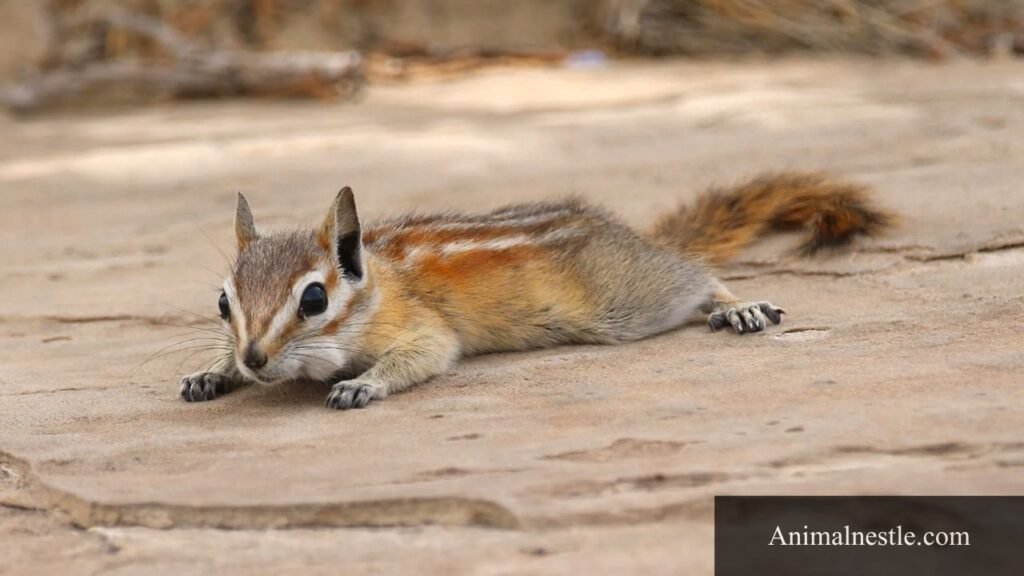
Unlike many solitary animals, chipmunks are interesting in their foraging techniques. They utilize cheek pouches to transport food, often gathering more than they can consume immediately. This behavior not only aids in their survival but also inadvertently contributes to the ecosystem. The seeds they scatter during their looting help to promote plant growth, enabling a rich tapestry of flora that supports various other species. In this way, chipmunks serve as unintentional farmers of the fields, demonstrating how even the smallest creatures can have a substantial impact on their environment.
Field Mice
Scientific Name: Apodemus sylvaticus
Class: Mammalia
Diet: Omnivore
Field mice play a crucial role in their ecosystems. These small rodents are not just a common sight among the grasses and wildflowers; they are industrious seed gatherers, helping to maintain the balance of local vegetation. Their relentless activity in cultivating the soil leads to increased biodiversity, as their foraging encourages the growth of diverse plant species.
Beyond their ecological contributions, field mice are fascinating in their adaptability. They possess remarkable skills in navigating their environments, employing a series of tunnels and nests artfully concealed beneath the brush. These protections not only shield them from predators, but also create microhabitats for other organisms, showcasing the intricate interdependence of field life. Observing their behavior during twilight hours reveals their playful yet cautious nature — an enchanting dance of survival amidst the field’s lush expanse.
Foxes
Scientific Name: Vulpes
Class: Mammalia
Diet: Omnivore
Foxes are some of the most adaptable creatures in the field ecosystems, seamlessly blending into the diverse landscapes they inhabit. With their keen senses and remarkable agility, these cunning canines navigate the open terrain in search of small mammals, birds, and even fruits. Their striking russet fur helps them remain camouflaged among the golden grasses, giving them an edge as both predator and prey.
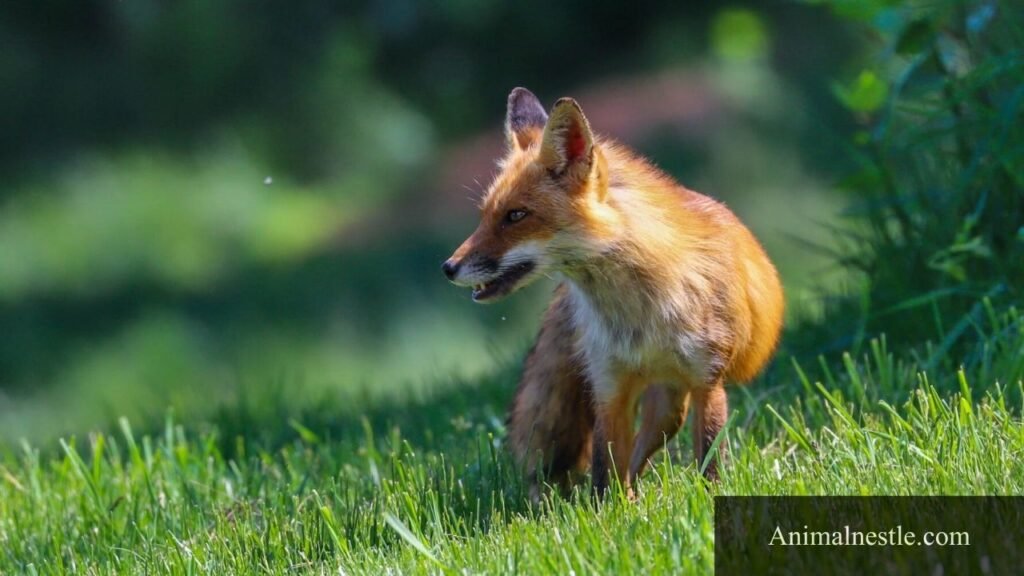
What sets foxes apart is their unique hunting strategy; they often employ a combination of stealth and sudden pouncing to catch their meals. This method highlights their exceptional hearing, allowing them to detect the faint rustling of potential prey hidden beneath vegetation. Interestingly, their vocalizations, ranging from barks to screams, contribute to their versatility in communicating with one another, enhancing their survival in the open fields.
Moles
Scientific Name: Talpidae
Class: Mammalia
Diet: Carnivore
Moles are fascinating residents of the fields. These small mammals, with their cylindrical bodies and velvety fur, spend most of their lives underground, creating an intricate network of tunnels. Their remarkable digging abilities, aided by powerful forelimbs, not only help them evade predators but also aerate the soil, enhancing its health. As they burrow, moles consume a diet rich in earthworms and grubs, playing a vital role in controlling pest populations and contributing to the ecosystem’s balance.
Moles possess a unique adaptation in their sensory capabilities. Their eyes are tiny and covered with skin, as sight is less crucial in their dark underground world. Instead, they rely on their highly sensitive snouts to navigate and detect vibrations from soil movements. Furthermore, moles have a specialized structure in their mouths that allows them to eat while digging — a truly efficient feeding strategy! Despite their somewhat solitary lifestyle, these remarkable creatures demonstrate how even the smallest animals can have profound impacts on the environment.
Groundhogs
Scientific Name: Marmota monax
Class: Mammalia
Diet: Herbivore
Groundhogs possess a fascinating world of their own beneath the surface of the fields they inhabit. These creatures, also known as woodchucks, dig elaborate burrows that can extend up to 30 feet, complete with multiple entrances for swift escapes from predators. This underground network serves not only as a shelter but as a strategic defense mechanism that highlights their adaptability to environmental threats. Their intricate burrows also play a crucial role in aerating the soil, promoting healthier plant growth in the fields around them.
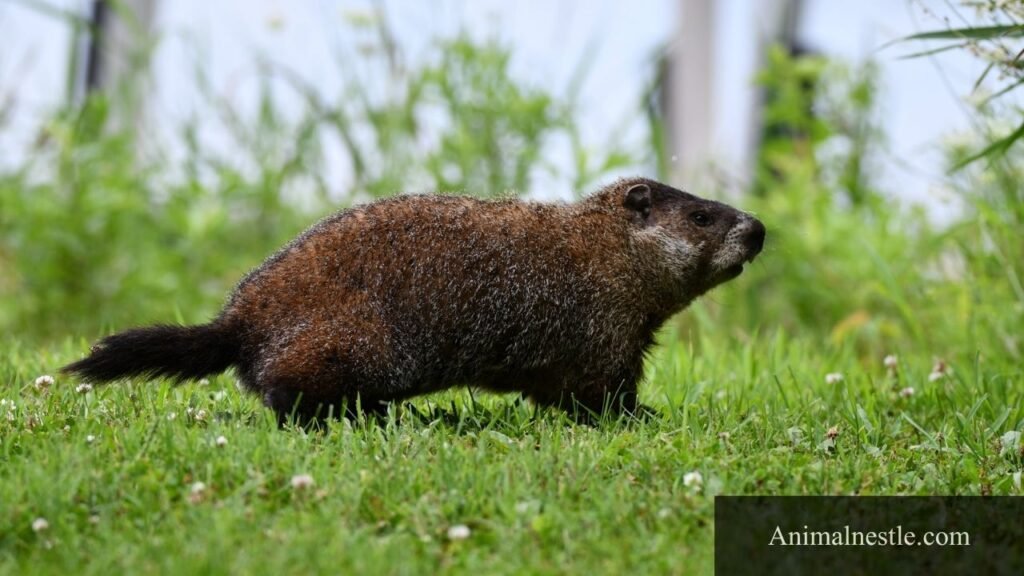
Groundhogs impact the ecosystem in more ways than one. As herbivores, they munch on a variety of vegetation, contributing to seed dispersal and influencing the plant life composition in their habitats. Interestingly, groundhogs enter a state of hibernation during the colder months, which allows them to conserve energy and survive when food sources are scarce. This semi-torpor phase means they have a unique rhythm that syncs with the changing seasons, showcasing their remarkable adaptation to fluctuating climates. Observing their playful and inquisitive nature in the sunny fields, one might come to appreciate groundhogs not just as simple inhabitants of the landscape, but as vital players in maintaining the delicate balance of their ecosystems.
Squirrels
Scientific Name: Sciuridae
Class: Mammalia
Diet: Omnivore
Squirrels are fascinating inhabitants of fields, showcasing adaptability. Their agile bodies and sharp claws enable them to navigate the terrain skillfully as they forage for nuts, seeds, and berries. What’s particularly intriguing is how their foraging behavior plays a vital role in maintaining the ecosystem; buried nuts can sprout into new trees, shaping the landscape and providing habitats for countless other organisms.
Field-dwelling squirrels, like the Eastern Gray, possess remarkable spatial memory that allows them to locate their hidden food supplies throughout the seasons. This innate ability underscores a level of intelligence that often goes unnoticed, as they identify landmarks and even use the position of the sun to re-find their stashes. Their vocalizations, often consisting of chirps and alarms, serve as communication tools, signaling the presence of predators to others in the area. Their blend of agility, intelligence, and ecological impact makes them not just residents of fields, but vital contributors to the health and sustainability of their habitats.
Opossums
Scientific Name: Didelphidae
Class: Mammalia
Diet: Omnivore
Opossums are remarkable creatures that play a crucial role in the ecosystems of fields. Their foraging habits make them natural pest controllers, as they feed on a variety of insects, rodents, and even ticks — the latter being significant in combating Lyme disease. By keeping these populations in check, opossums contribute to a healthier environment, highlighting their unexpected value in agricultural and natural settings.
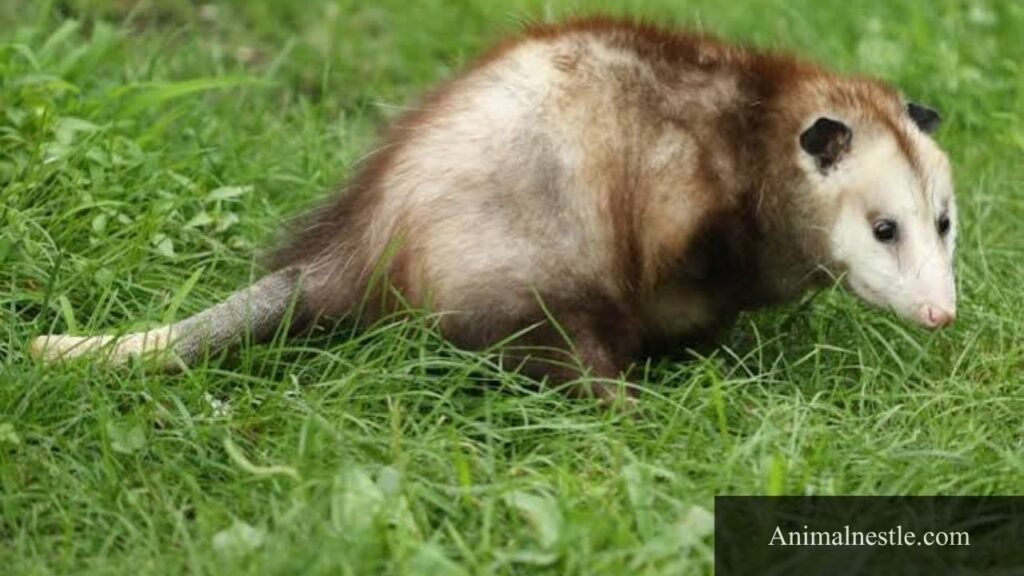
One fascinating aspect of opossums is their unique immune system. They carry a natural resistance to rabies, a trait that benefits both themselves and humans. This resilience allows them to coexist in close proximity to human habitation without posing a significant threat, making them allies in pest management. Furthermore, their solitary nature means they wander great distances in search of food, which leads to the spread of seeds and the potential for new plant growth — a hidden benefit to their seemingly solitary existence in fields.
Readmore: Explore Top 18 Jumping Animals.
Final Thoughts
The diverse array of animals that live in fields plays a crucial role in maintaining the ecosystem’s balance. From playful rabbits to industrious moles, each creature contributes uniquely to the habitat they call home. Understanding these animals and their interactions can deepen our appreciation for nature and the intricate web of life. Protecting their environments is essential not only for their survival but for the health of our planet. Let’s commit to preserving these vital spaces for future generations to enjoy.
FAQs
What animals live in a field?
Fields are home to a variety of animals, both large and small. Common residents include rabbits, field mice, and various types of insects like grasshoppers and beetles. Birds such as sparrows and finches often nest in the grass or nearby bushes. In addition to these, you might spot larger animals like deer or foxes, especially at dawn or dusk. Fields also attract a range of predators, including hawks that hunt for rodents.
Do lions live in fields?
No, lions do not live in fields. They primarily inhabit grasslands, savannas, and open woodlands in sub-Saharan Africa. These environments provide the necessary space for hunting and the cover they need for protection and stalking prey.