Top 6 Animals With Tusks (With Pictures)
Some of the largest land animals with tusks have them not only for show, but as a crucial tool. From elephants to walruses, these fascinating creatures use their tusks for survival, social interactions, and even combat. In this article, we’ll explore the diverse world of tusked animals, delving into their habitats, behaviors, and the roles their tusks play in their lives. Get ready to discover the surprising significance of these striking features!
List of Animals With Tusks
Below is the list of animals that have tusks:
- Warthog
- Elephant
- Walrus
- Narwhal
- Babirusa
- Wild boars
Warthog
Scientific Name: Phacochoerus africanus
Class: Mammalia
Diet: Omnivore
Warthogs are fascinating creatures that embody the wild spirit of the African savanna. Their tusks are not merely for show; these sharp, curved extensions serve as both tools and weapons. Males use them to establish dominance during fierce battles for mates, often engaging in spectacular displays of strength. Meanwhile, females wield their tusks as a means of protection, guarding their young against predators lurking in the tall grass.
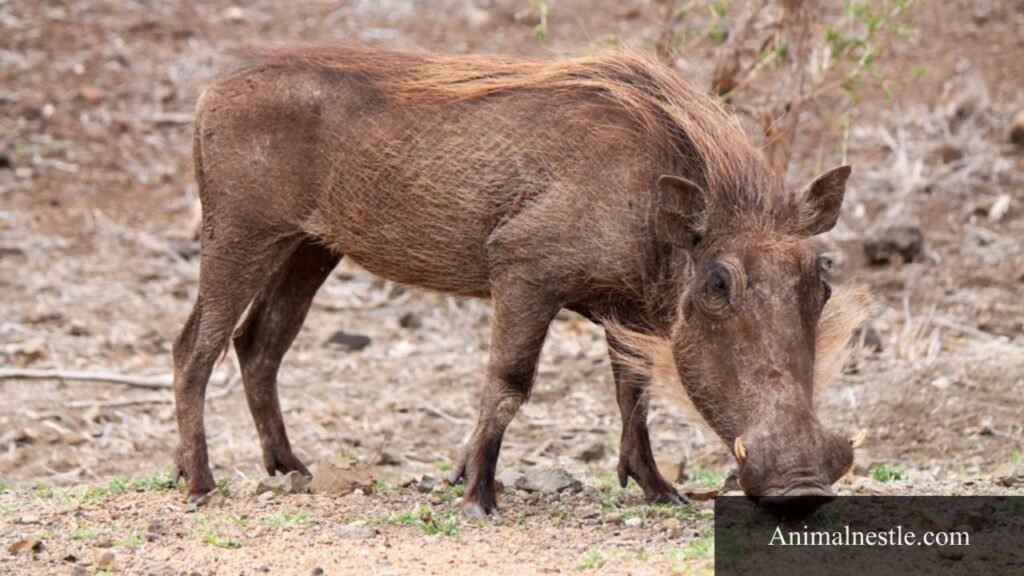
What sets warthogs apart is their unique behavior, such as how they root around for food, using their tusks to dig up tubers and bulbs. Their rugged look coupled with their surprisingly agile movements creates a captivating contrast. Moreover, these animals have a remarkable social structure; they often form small groups, showcasing a level of cooperation unseen in many other species. Whether it’s their playful antics or their fierce loyalty to one another, there’s much more to warthogs than meets the eye.
Elephant
Scientific Name: Elephantidae
Class: Mammalia
Diet: Herbivore
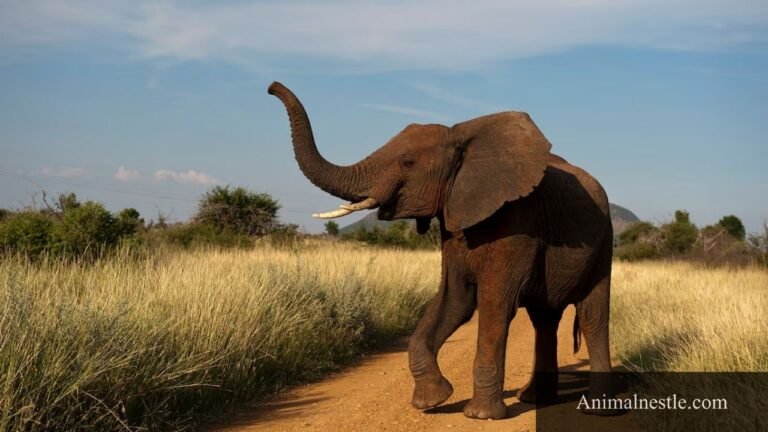
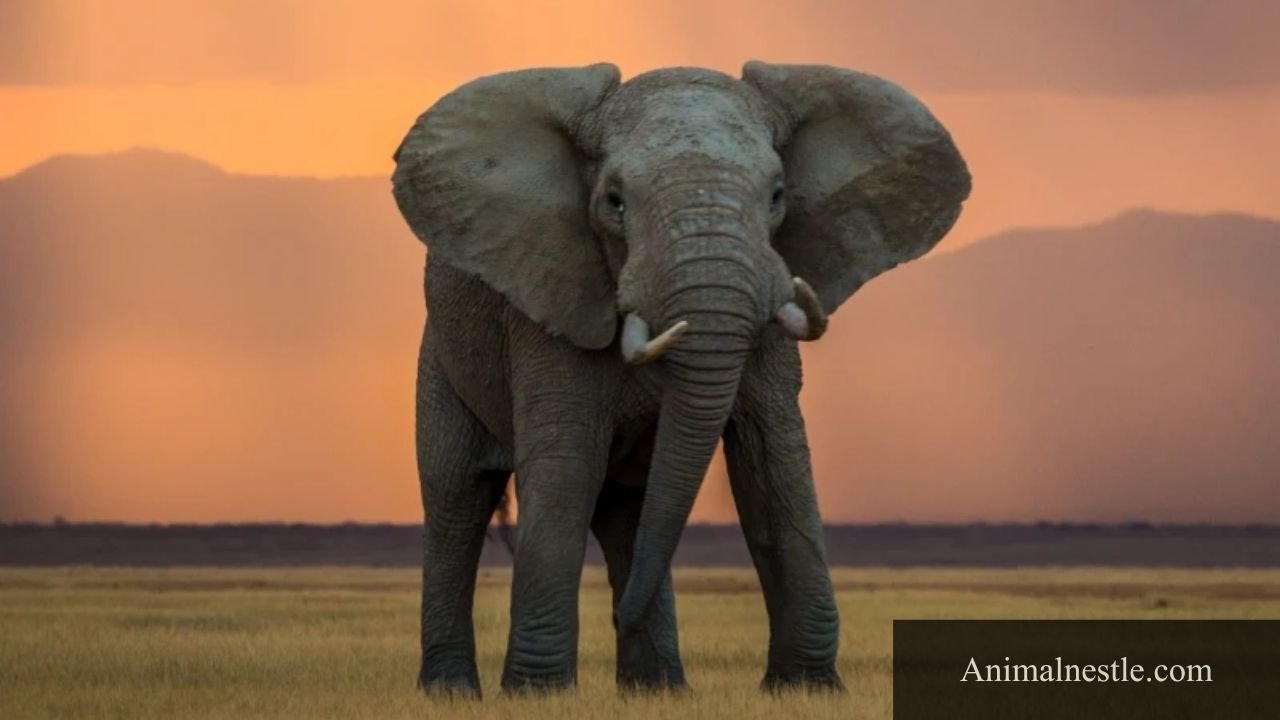
Elephants, the gentle giants of the animal kingdom, showcase their stunning tusks not just as tools of survival but as symbols of their complex social structures. These elongated ivory extensions serve multiple purposes: they dig for water, strip bark from trees, and even defend against predators. But beyond their practical uses, tusks play a crucial role in communication and social bonding. Elephants use them in subtle displays of affection and dominance, reinforcing their hierarchies within herds.
Recent studies reveal that elephants with larger tusks may have greater social influence, shaping group dynamics and decision-making. These magnificent creatures are not just lone wanderers; they are part of intricate family units, with matriarchs guiding their kin through vast landscapes. As their tusks grow, so too does their ability to nurture and protect. Unfortunately, the demand for ivory threatens their existence, leading to a race against time to preserve these majestic beings and the wisdom they carry. Understanding elephants and their tusks gives us a glimpse into a world rich in empathy and intelligence, urging us to act for their future.
Readmore: Explore Top 18 Jumping Animals.
Walrus
Scientific Name: Odobenus rosmarus
Class: Mammalia
Diet: Carnivore
Walruses are one of the most fascinating tusked animals, showcasing an intriguing blend of strength and social complexity. Their long, ivory tusks can grow up to three feet and serve multiple purposes. While often associated with defense against predators, these tusks are surprisingly crucial for social interactions and establishing dominance within their herds. The sight of a massive walrus using its tusks to haul itself onto ice floes highlights not just physical prowess but also adaptive ingenuity in harsh Arctic environments.
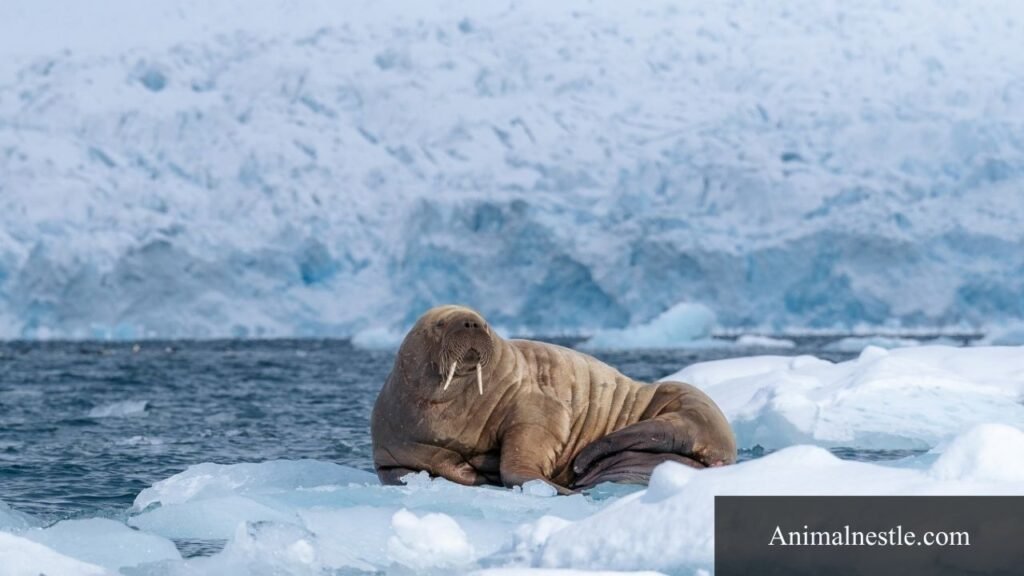
Beyond their imposing appearance, walruses have a social side that captivates researchers and wildlife enthusiasts alike. They gather in large groups called herds, where social hierarchies emerge, often dictated by tusk size and strength. These interactions offer a glimpse into their complex social structures, reminiscent of human societies in their layers of communication and hierarchy. As climate change threatens their icy habitats, understanding the behavior and social structure of walruses becomes increasingly vital, not just for their survival but for the health of the ecosystems they inhabit.
Narwhal
Scientific Name: Monodon monoceros
Class: Mammalia
Diet: Carnivore
The narwhal, often dubbed the “unicorn of the sea,” is a fascinating creature known for its long, spiral tusk, which is actually an elongated tooth. This unique feature can grow up to ten feet long and serves various mysterious purposes. While some marine biologists speculate that it aids in mating rituals or social interactions, others suggest it functions as a sensory organ, helping narwhals detect changes in their environment.
These tusks are not just for show; they have been found to contain sensory nerves that react to changes in temperature and pressure, providing insight into the narwhal’s underwater realm. Furthermore, the narwhal’s reliance on thick sea ice for habitat adds another layer of complexity to its life. With climate change dramatically impacting Arctic ecosystems, the future of these tusked wonders hangs in the balance, prompting a global call to protect their icy homes. As we delve deeper into the mysteries of the narwhal, we’re reminded of the intricate connections between species and their environments, urging us to advocate for conservation efforts that preserve these remarkable animals and their habitats.
You can also read: Explore Top 27 Examples of Reptiles.
Babirusa
Scientific Name: Babyrousa
Class: Mammalia
Diet: Omnivore
The babirusa, often called the “deer pig,” offers a fascinating glimpse into the quirks of evolution. Native to the islands of Indonesia, these unique animals are adorned with elongated tusks that curve dramatically back toward their own faces. Unlike the more typical use of tusks for defense, babirusas wield theirs in a complex dance of social dynamics and mating rituals. Males engage in a ritualistic display, showcasing their impressive tusks to attract females and deter rivals, a striking example of sexual selection driving evolutionary traits.
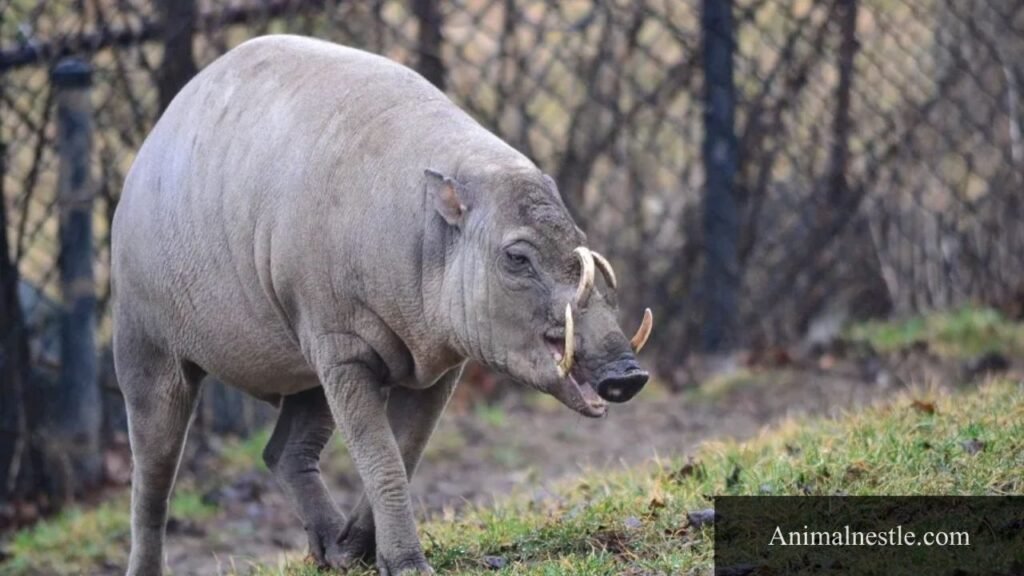
What’s truly captivating is how these tusks continue to grow throughout a babirusa’s life, potentially piercing through their own skin if not worn down. This bizarre consequence highlights the balance between beauty and danger in nature — a constant reminder that magnificence often carries an inherent risk. Moreover, the babirusa’s habitat is under threat from deforestation and hunting, emphasizing the urgent need for conservation efforts. Protecting this curious species not only preserves a remarkable piece of biodiversity but also serves as a living testament to the complexities of evolutionary adaptation, reminding us of the delicate interdependence of nature.
Wild Boars
Scientific Name: Sus scrofa
Class: Mammalia
Diet: Omnivore
Wild boars, with their rugged appearance and formidable tusks, are often underestimated in their ecological role. These fearsome-looking animals use their impressive teeth not just for defense but also to root through the earth in search of food. This rooting behavior aerates the soil and helps promote plant growth, acting as natural tillers of their environment. By digging up roots and seeds, they indirectly help to create habitats for other wildlife species, fostering a dynamic ecosystem.
In social groups, known as sounders, the boar’s tusks play a crucial role in establishing hierarchy and dominance. While they may seem intimidating, these interactions are essential for maintaining social structure which, in turn, influences foraging efficiency and survival rates within the group. Furthermore, their tusks continue to grow throughout their lives, a unique feature that offers a glimpse into their age and health. This makes wild boars not just survivors of their habitat, but key players in maintaining the delicate balance of the ecosystems they inhabit.
Readmore: Explore Top 11 Animals That Eat Their Young.
Final Thoughts
Animals with tusks play a vital role in their ecosystems, showcasing the fascinating adaptations that have evolved over millions of years. From the majestic elephants to the formidable walruses, these animals utilize their tusks for various purposes, including foraging, defense, and establishing social hierarchies. Unfortunately, many tusked species are facing significant threats, such as poaching and habitat loss, which puts their existence at risk.
By raising awareness and supporting conservation efforts, we can help ensure that these magnificent creatures continue to thrive for future generations. Let’s take action now to protect their habitats and preserve the incredible biodiversity of our planet.
FAQs
Which animals have tusks?
The most well-known tusked animals include elephants, which possess large ivory tusks that serve various purposes, such as foraging, digging, and social interactions. Walruses are another example, showcasing prominent tusks used for dominance displays, hauling themselves onto ice, and fighting predators.