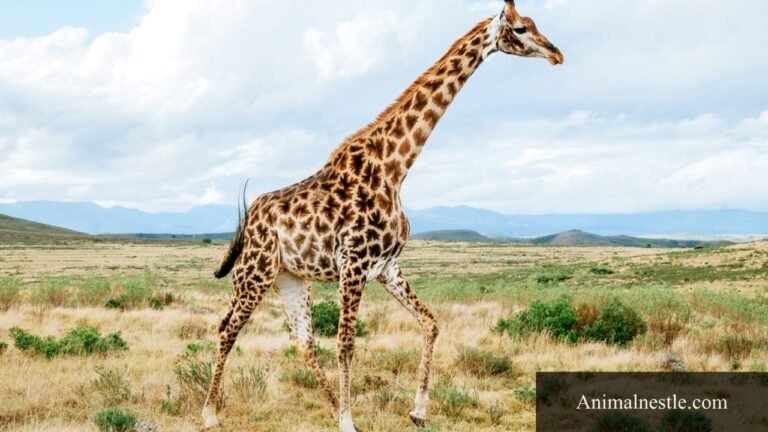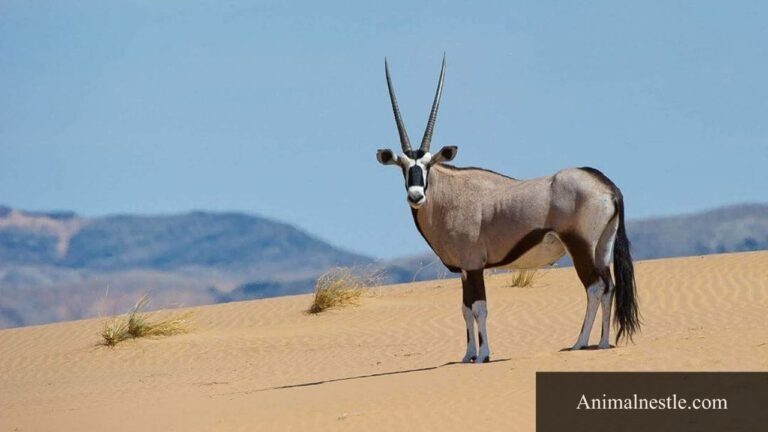
Explore Top 18 Jumping Animals (With Images)
Jumping animals demonstrate more than just impressive physical prowess; they challenge our perceptions of movement and survival. This article will introduce you to some of the most fascinating members of the jumping animal kingdom, examining their unique adaptations and the ecological significance they hold. By the end, you’ll appreciate not only their beauty but also their essential roles in maintaining the balance of nature.
List of Jumping Animals
Below is the list of jumping animals:
- Mountain goat
- Flea
- Frogs
- Rabbits
- Jumping Mice
- Jerboa
- Wallabies
- Kangaroos
- Crickets
- Klipspringer
- Grasshoppers
- Bharal
- Mountain lion
- Jumping spiders
- Leafhoppers
- Kangaroo rats
- Hares
- Gazelle
Mountain Goat
Scientific Name: Oreamnos americanus
Class: Mammalia
Diet: Herbivore
Mountain goats are the masters of high-altitude living and remarkable acrobats of the animal kingdom. With their specialized hooves — broad and rough-textured — these agile creatures can navigate rocky terrains with breathtaking ease. It’s not uncommon to witness a mountain goat leaping effortlessly from one cliff edge to another, showcasing their incredible strength and balance. Each jump appears almost choreographed, a testament to their evolutionary adaptations that protect them from predators while allowing them to access sparse vegetation in their rugged habitats.
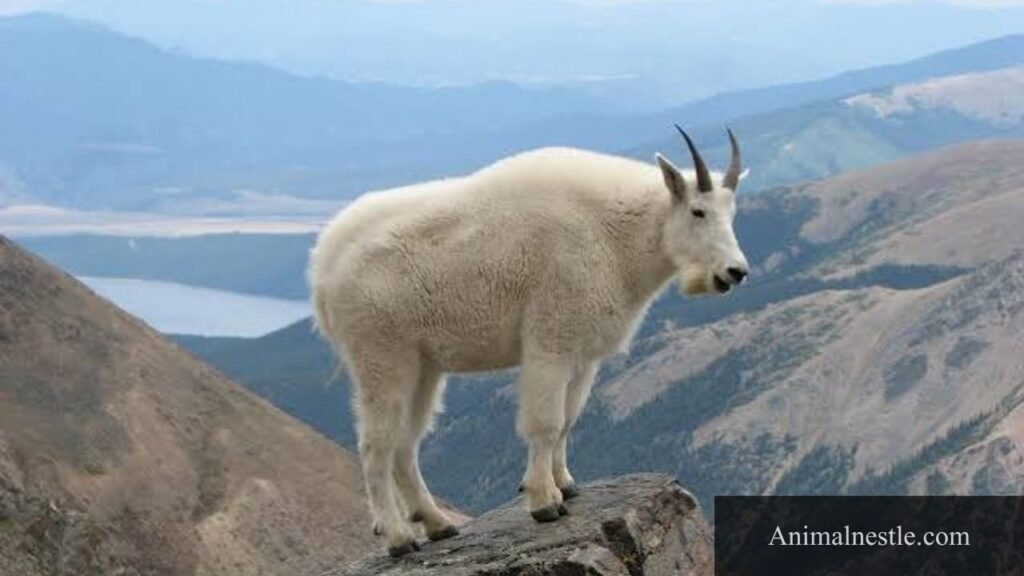
Their jumps are not merely instinctual; they are strategic maneuvers. Mountain goats employ both visual and spatial awareness to gauge distances, often choosing paths that minimize risk while maximizing resource access. This skill is crucial, as a miscalculated leap can lead to a perilous tumble down the steep slopes. Observing these animals in their natural environment reveals a blend of grace and power, drawing viewers into the dramatic dance of survival played out against towering backdrops. Each leap tells a story of resilience and the quest for life on the edge of the world.
Flea
Scientific Name: Siphonaptera
Class: Insecta
Diet: Parasite
Fleas, are miniature marvels of evolutionary engineering that can jump up to 200 times their body length. This incredible ability is attributed to their unique biology; a structure in their legs called the resilin acts like a spring, storing energy as they crouch before taking off. This spring-loaded mechanism allows them to execute astounding leaps, which is crucial for both escaping predators and finding hosts to feed on. Imagine a creature the size of a grain of rice being able to clear a meter-long gap — that’s the equivalent of a human leaping over a skyscraper!
Beyond their remarkable jumping prowess, fleas have adapted to thrive in diverse environments, showcasing nature’s ingenuity. They possess specialized mouthparts designed to pierce skin and consume blood, effectively evolving alongside their hosts through millennia. This adaptability not only highlights the resilience of these tiny insects but also underscores their role in the ecosystem. Fleas serve as food for many small mammals and birds, playing a critical part in various food webs. By examining fleas through this lens, one can appreciate how even the smallest creatures contribute to the intricate balance of life on Earth.
Frogs
Scientific Name: Anura
Class: Amphibia
Diet: Carnivore
Frogs are nature’s acrobats, showcasing extraordinary jumping abilities that go far beyond mere survival. Their powerful hind legs can propel them up to 20 times their body length, a feat that not only aids in escaping predators but also in navigating their often treacherous habitats. Interestingly, this remarkable agility is attributed to both muscle strength and a unique skeletal structure that allows for explosive takeoff. The biomechanics of their jumps reveal a fascinating interplay between muscle contraction and elastic energy stored in their tendons, hinting at the sophisticated adaptations honed through evolution.
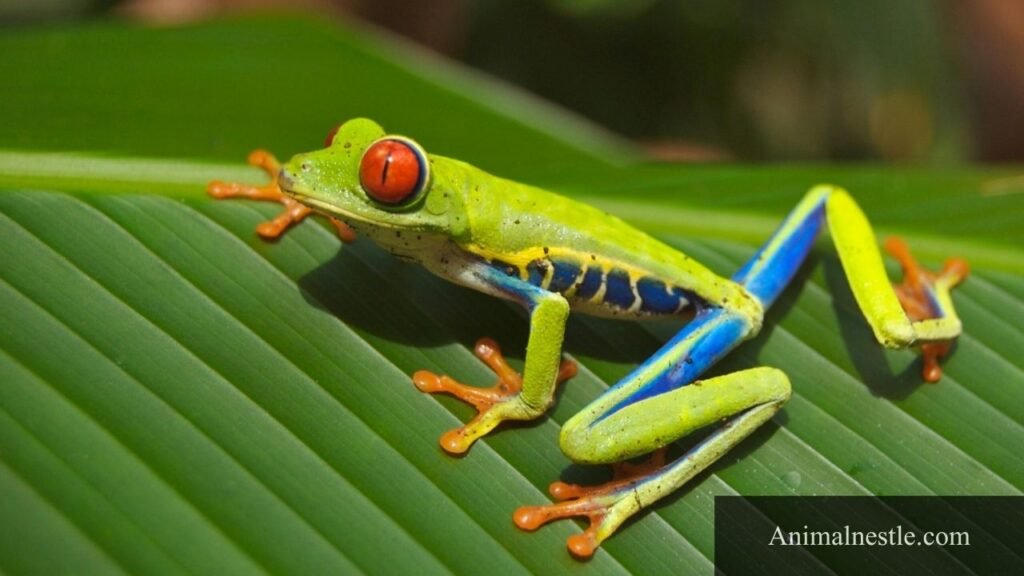
Moreover, the diverse world of frogs unveils a stunning array of jumping styles tailored to their environments. For instance, tree frogs leverage their adhesive toe pads to cling to vertical surfaces before launching off, transforming their leap into a graceful aerial display. In contrast, the agile wood frog excels at quick, bounding strides over uneven terrain — a skill vital for evading lurking threats in the underbrush. This versatility not only highlights the evolutionary genius of these amphibians but also underscores their vital role in ecosystems. Their dynamic leaps serve as a metaphor for resilience in nature, reminding us that adaptability can lead to survival in an ever-changing world.
Readmore: How Strong Are Elephants?
Rabbits
Scientific Name: Leporidae
Class: Mammalia
Diet: Herbivore
Rabbits they are one of the most remarkable athletes in the animal kingdom. With powerful hind legs that can propel them up to three feet high and cover distances of up to ten feet in a single leap, these creatures are nature’s gymnasts. This extraordinary jumping ability is not merely for show; it serves vital survival purposes. When threatened, rabbits can make sharp, high jumps to evade predators, showcasing agility that’s crucial in the wild.
Moreover, rabbits exhibit an intriguing social aspect to their jumping behavior. In playful settings, they often engage in “binky” jumps, where they spring into the air and twist mid-leap, expressing sheer joy and excitement. This not only highlights their physical prowess but also emphasizes their emotional well-being. Observing a rabbit’s jubilant leaps offers a unique glimpse into the complexities of their social interactions — showing us that play isn’t just for humans, but is a fundamental part of many species’ lives. These jumping marvels remind us of the sheer wonder of nature’s design and the evolutionary advantages that physical prowess can provide.
Jumping Mice
Scientific Name: Zapodinae
Class: Mammalia
Diet: Omnivore
Jumping mice showcase extraordinary adaptations that set them apart from their more conventional relatives. Native to North America, these small rodents are not just known for their impressive leaping abilities but also for their unique survival strategies. Equipped with elongated hind legs, they can leap distances up to ten times their body length, a feat that helps them evade predators and traverse the open spaces of their arid habitats. Their acrobatic prowess is complemented by a keen sense of hearing, which plays a crucial role in detecting threats from above.
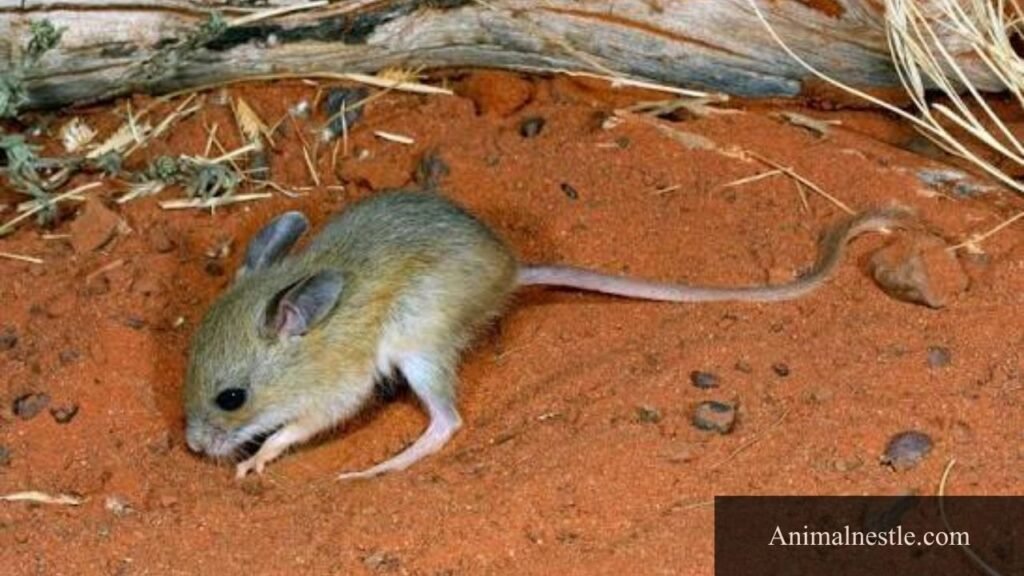
What’s even more fascinating is their nocturnal lifestyle; these animals are largely active at night, aiding their camouflage against potential dangers. Jumping mice possess a remarkable hibernation instinct, allowing them to survive harsh winters by entering a state of torpor that can last several months. This dual adaptability — being both agile during the night and resilient against the elements — highlights the intricate balance of their ecosystem. Observing their energetic leaps not only reveals the wonders of animal evolution but also serves as a reminder of the delicate interplay between life, survival, and adaptation in the wild.
Jerboa
Scientific Name: Dipodidae
Class: Mammalia
Diet: Omnivore
The jerboa, a small rodent native to the deserts of Asia and northern Africa, captivates with its remarkable leaping prowess. These extraordinary creatures can jump up to 10 feet in a single bound — an astonishing feat that allows them to navigate their arid environments with agility and grace. The long hind legs are adapted for rapid movement, reminiscent of a miniature kangaroo, which serves a dual purpose: evasion from predators and efficient travel in search of scarce food resources.
What sets jerboas apart is not merely their athletic ability but also their unique adaptations to desert life. With large ears that dissipate heat and enhance their hearing, these creatures can detect the slightest rustle in the sands, alerting them to potential dangers. They have also mastered the art of burrowing, creating complex underground networks to escape the harsh midday sun and store food. This combination of agility and strategic living illustrates the wonders of evolution — how species creatively adapt to thrive in their specific niches. Watching a jerboa spring gracefully across the desert landscape offers a glimpse into a world where survival hinges on both physical prowess and innovative problem-solving.
You can also read: Explore Top 17 Viviparous Animals.
Wallabies
Scientific Name: Macropodidae
Class: Mammalia
Diet: Herbivore
Wallabies, the smaller cousins of kangaroos, possess an unparalleled grace as they navigate their lush, often rugged habitats. With powerful hind legs designed for explosive jumps, they can cover impressive distances with each bound, making them masters of both speed and agility. Their distinctive hopping gait not only conserves energy but also allows them to adapt adeptly to varying terrains, a fascinating evolutionary trait that underscores their survival in the wild.
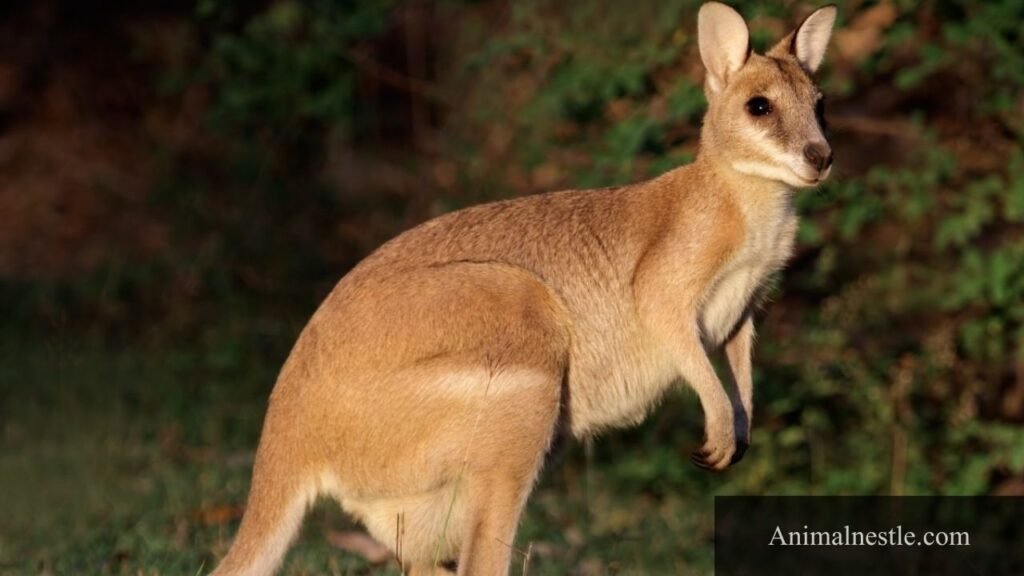
But beyond their athletic prowess lies a deeper social structure. Wallabies are known for their playful behavior, often engaging in elaborate games that serve to strengthen bonds within their groups. This social interaction is crucial, particularly among young wallabies, as it prepares them for future challenges in the wild. Observing these interactions can offer a unique window into their emotional intelligence, suggesting a rich inner world that often goes unnoticed.
Kangaroos
Scientific Name: Macropus
Class: Mammalia
Diet: Herbivore
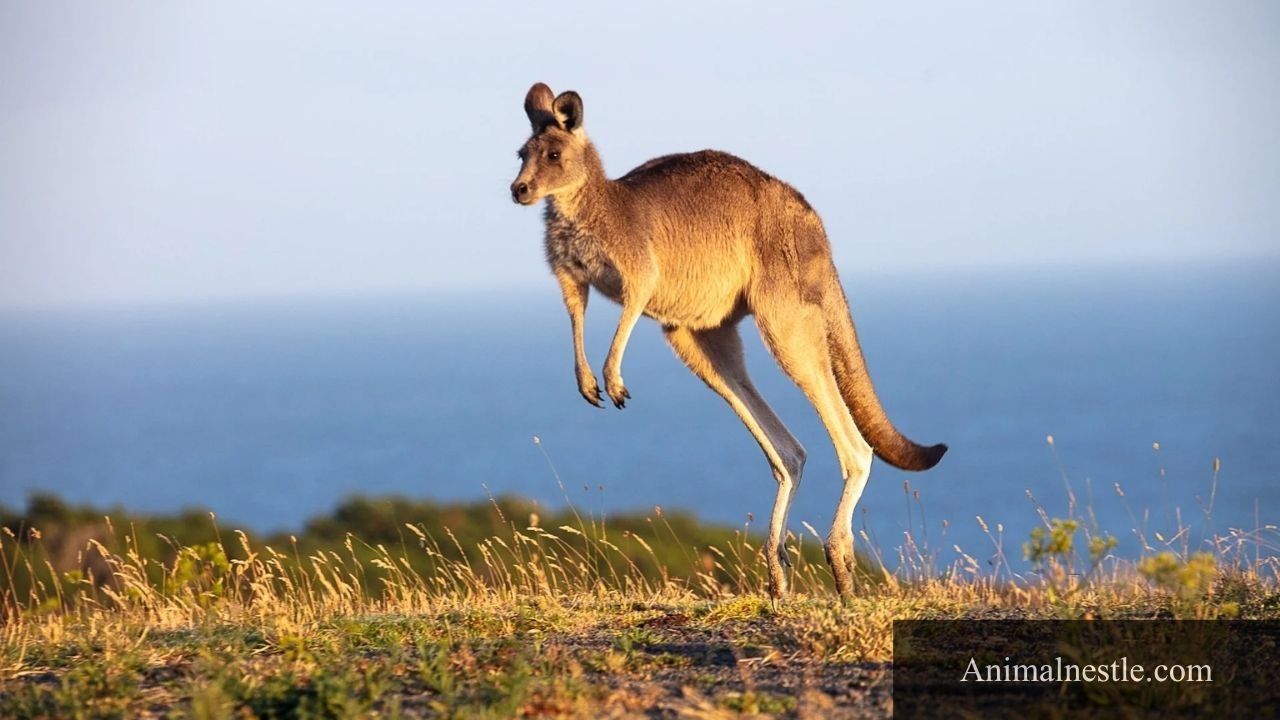
Kangaroos, the iconic marsupials of Australia, possess an extraordinary form of locomotion that is as fascinating as it is efficient. With powerful hind legs designed for leaping, a kangaroo can cover over 25 feet in a single bound. This remarkable ability allows them to traverse vast distances in search of food and water, showcasing an adaptation that not only conserves energy but also minimizes ground contact — a crucial advantage in their often arid habitat.
What truly sets kangaroos apart, however, is their unique social structure. These animals exhibit a fascinating form of social behavior known as “mob mentality,” wherein groups of kangaroos work together, often alerting each other to potential dangers. While hopping through the bushlands, they communicate with a variety of sounds and body language, creating a dynamic social network. The kangaroo’s ability to leap combines both physical prowess and social intelligence, demonstrating that in the world of the natural, strength and community can coexist harmoniously. Through their leaps, kangaroos embody a perfect blend of survival strategy and social interaction that continues to intrigue researchers and animal enthusiasts alike.
Crickets
Scientific Name: Gryllidae
Class: Insecta
Diet: Omnivore
Crickets are remarkable jumpers with a unique blend of agility and power. Their jumps can reach heights of up to three feet, an astounding feat given their small size. This ability is not merely for show; it serves vital survival functions, helping them evade predators and navigate their often complex habitats. The biomechanics behind their leaps is fascinating, involving a highly specialized structure in their hind legs that stores energy like a coiled spring before releasing it in a burst of explosive motion.
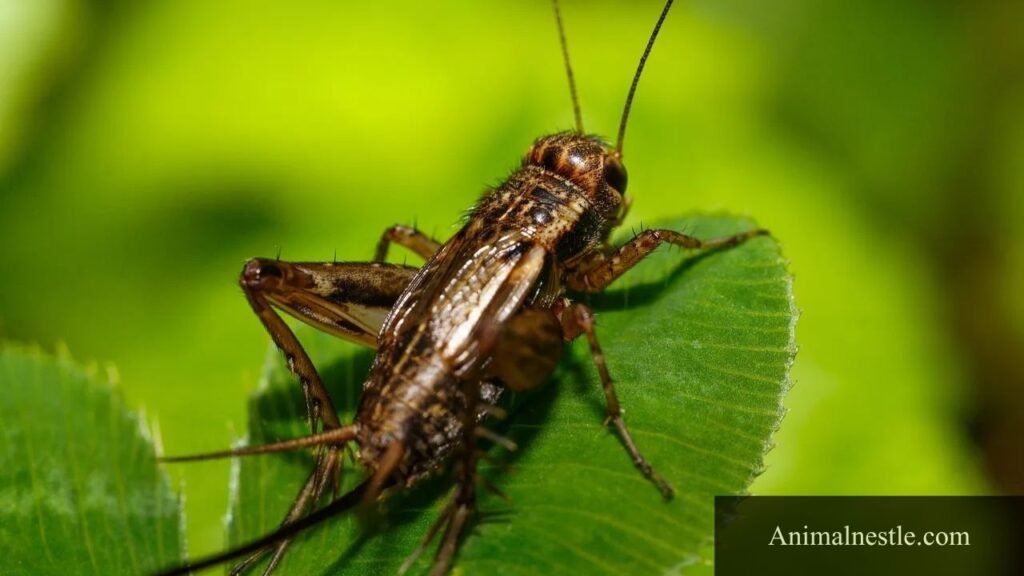
Moreover, crickets utilize their jumps not only for evasion but also in the context of communication and courtship. Males often leap to impress potential mates, demonstrating their vitality and strength through acrobatic displays. This behavior adds a rich layer to their social interactions, making them both physiologically impressive and socially intriguing. Observing these creatures can transform our understanding of natural selection, highlighting how essential traits evolve not just for survival, but also for reproductive success. In essence, crickets are more than just the background buzz of summer nights; they are sophisticated athletes, playing a vital role in the ecological tapestry around us.
Also read: Explore Top 13 Animals That Live in Fields.
Klipspringer
Scientific Name: Oreotragus oreotragus
Class: Mammalia
Diet: Herbivore
The klipspringer, a small antelope native to the rocky outcrops of Africa, is a true marvel of agility and resilience. These enchanting creatures are experts at leaping up steep cliffs and rocky terrains, showcasing a surprising combination of strength and grace. With their specialized hooves, which are uniquely adapted to grip uneven surfaces, klipspringers can navigate precarious landscapes that would challenge even the most seasoned mountaineers. Their impressive jumps can reach heights of over ten feet, enabling them to evade predators and explore their rugged habitats with finesse.
Beyond their physical capabilities, klipspringers hold fascinating ecological roles. By foraging on grasses and leaves found in high-altitude environments, they contribute to maintaining the balance of these unique ecosystems. Moreover, their remarkable agility doesn’t merely serve a survival function; it weaves into the cultural fabric of the regions they inhabit. Local folklore often celebrates these animals as symbols of determination and adaptability, inspiring admiration and respect. Observing a klipspringer in motion is a reminder of nature’s incredible ingenuity, as these small beings embody the spirit of resilience and the beauty of life in challenging terrains.
Grasshoppers
Scientific Name: Caelifera
Class: Insecta
Diet: Herbivore
Grasshoppers are masters of propulsion, showcasing a remarkable blend of biology and physics. With their powerful hind legs, they can leap up to 20 times their body length, transforming seemingly mundane grass and fields into arenas of acrobatic prowess. This incredible ability isn’t just for escaping predators; it’s a vital part of their mating ritual, where the most acrobatic performers attract the best partners.
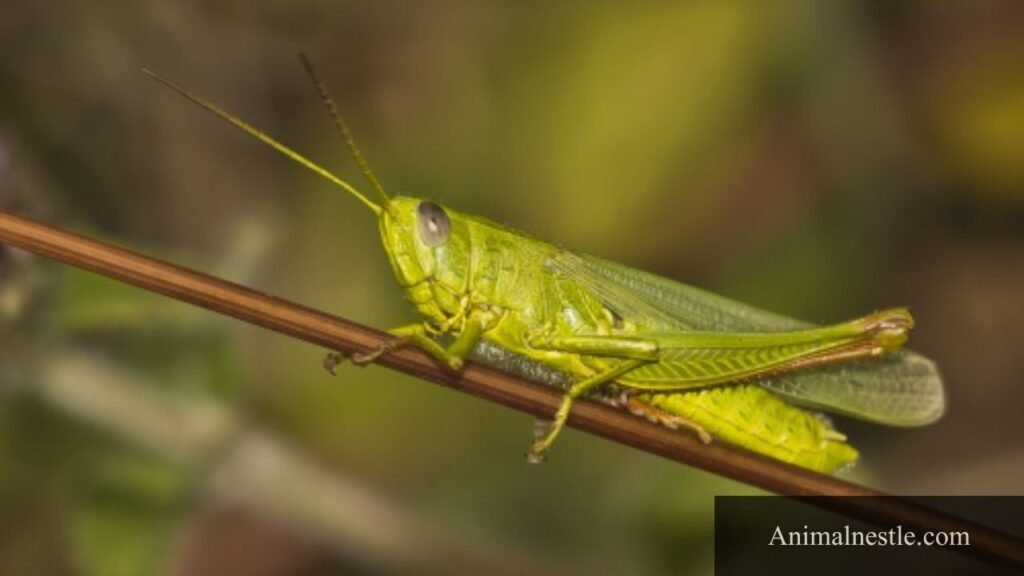
These insects rely on an intricate build-up of elastic energy in their leg muscles, akin to a spring mechanism, allowing them to launch themselves with astonishing speed and precision. Their vibrant colors and intricate patterns not only serve as a visual feast for observers but also play a role in camouflage, blending them into the varied landscapes they inhabit. Moreover, grasshoppers exemplify nature’s efficiency, using their jumping ability to traverse vast territories in search of food, further demonstrating the interconnectedness of survival and adaptation. Their jumps not only propel them through life but also encapsulate the essence of resilience in the natural world.
Bharal
Scientific Name: Pseudois nayaur
Class: Mammalia
Diet: Herbivore
Bharal, also known as the Himalayan blue sheep, are fascinating creatures that epitomize the art of agility in rugged terrains. With their remarkable ability to leap across rocky slopes, these animals are often found navigating some of the steepest inclines in the Himalayas. Their specialized hooves, marked by a unique cloven structure, enhance grip and balance, allowing them to perform astonishing jumps that appear almost effortless. Observing a bharal springing from one cliff to another evokes a sense of wonder about nature’s design.
Interestingly, bharal play a vital role in their ecosystem beyond mere survival. Their grazing habits help maintain the delicate balance of alpine flora, promoting biodiversity in these challenging environments. Their impressive leaps serve as a fascinating evolutionary trait, helping them evade predators while forging safe pathways through treacherous landscapes. As climate change alters habitats, understanding the adaptability of bharal could offer insights into how species cope with shifting ecosystems, making their behavior a captivating subject for ecological study.
Readmore: Explore Top 17 Animals That Have Manes.
Mountain Lion
Scientific Name: Puma concolor
Class: Mammalia
Diet: Carnivore
Mountain lions, also known as cougars or pumas, are not just agile predators; they are masters of vertical movement. Capable of leaping up to 18 feet high in a single bound, these big cats showcase an astonishing blend of muscle and finesse that allows them to navigate rugged terrains with ease. Their powerful hind legs act like springs, enabling them to cover vast distances quickly as they hunt or evade threats. This remarkable jumping ability is not merely a showcase of strength; it plays a crucial role in their survival, allowing them to leap from cliff edges or over logs in pursuit of prey.
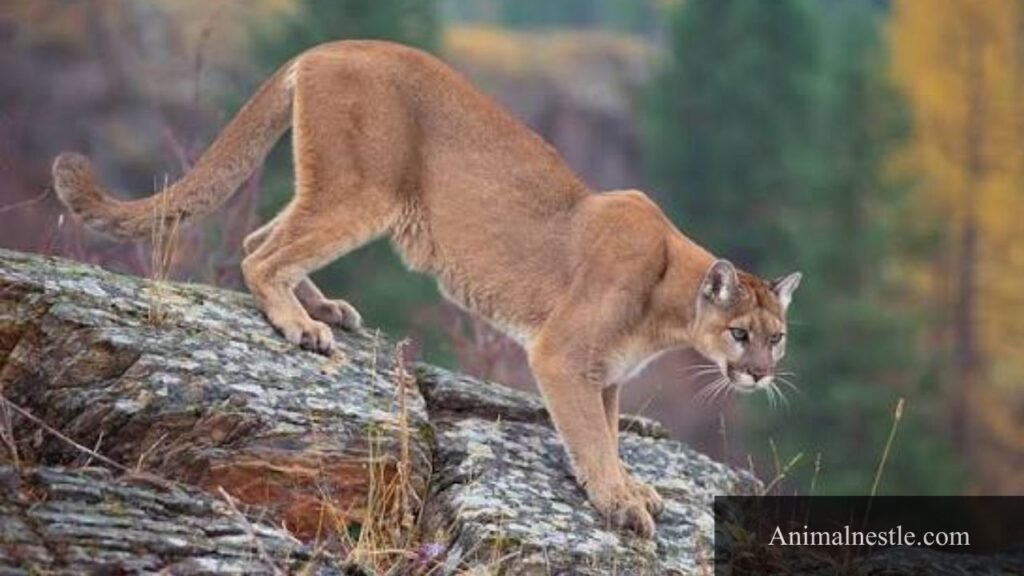
The mountain lion’s ability to assess and control its environment adds an intriguing layer to its jumping prowess. Unlike many other animals, these cats rely on their extraordinary spatial awareness, ensuring that each jump is calculated and purposeful. When stalking prey, they can silently close the distance before making a powerful leap, often surprising their target. This combination of stealth and agility makes them formidable hunters, underscoring the evolutionary advantages conferred by their jumping skills in the wild. As we explore the dynamics of their movement, it becomes clear that the mountain lion’s leap isn’t just a physical feat; it embodies the essence of adaptability in nature.
Jumping Spiders
Scientific Name: Salticidae
Class: Arachnida
Diet: Carnivore
Jumping spiders are among the most fascinating arachnids. Unlike their more timid relatives, these hunters possess an extraordinary ability to leap up to 50 times their body length, akin to a human jumping over a building. Their keen eyesight, boasting eight forward-facing lenses, enables them to accurately judge distances and identify potential prey, showcasing a level of hunting strategy that rivals that of many mammals.
What sets jumping spiders apart is not only their incredible physical prowess but also their intriguing courtship rituals. Males perform intricate dances, often incorporating vivid displays and sensory signals to impress females. This elaborate courtship, coupled with their often bright and varied coloring, reflects a world where survival hinges not just on strength but on the art of attraction. Observing these small creatures can reveal much about the subtle complexities of nature, reminding us that beauty and brutality coexist in the microcosm of their lives.
Leafhoppers
Scientific Name: Cicadellidae
Class: Insecta
Diet: Herbivore
Leafhoppers may be small, but their jumping prowess is nothing short of extraordinary. Equipped with powerful hind legs, these insects can leap over 100 times their body length, similar to a human jumping over a skyscraper. This impressive feat not only aids in evading predators but also helps them traverse vast spaces in search of food. Their swift, acrobatic movements are a marvel of nature, showcasing evolutionary adaptation in action.
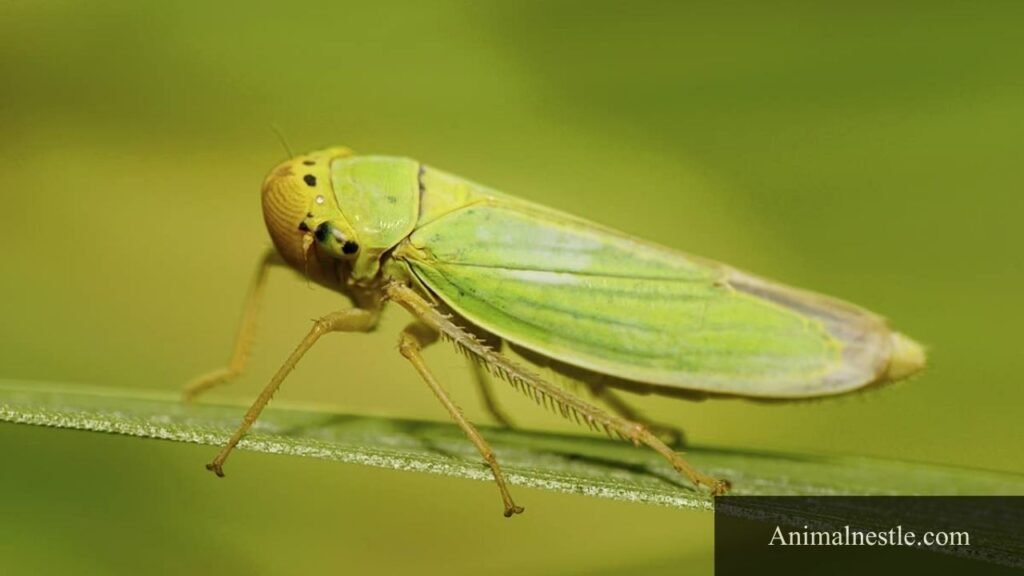
What sets leafhoppers apart from other jumping insects is their unique use of muscles and hydraulic systems. When they launch into the air, they build up energy by compressing specialized tissues, which then rapidly propel them forward. This mechanism offers a fresh perspective on biomechanics, illustrating how nature often innovates solutions that emulate sophisticated engineering principles. Furthermore, the vibrant colors and patterns of many leafhopper species not only serve as camouflage but also engage in complex signaling, making them fascinating subjects for study in both ecology and evolutionary biology.
You can also read: Explore Top 19 Animals That Eat Carrots.
Kangaroo Rats
Scientific Name: Dipodomys
Class: Mammalia
Diet: Granivore
Kangaroo rats, native to the arid landscapes of North America, are marvels of evolution, perfectly adapted to life in the desert. Their name hints at their uncanny ability to hop, much like their kangaroo counterparts, though these small rodents possess unique adaptations that set them apart. With powerful hind legs, they can leap up to nine feet in a single bound, a skill that serves not just for speed but also for evading predators. Their remarkable agility allows them to navigate through densely packed sand and brush, making them elusive prey.
What truly sets kangaroo rats apart isn’t just their jumping prowess; it’s their incredible water conservation methods. Living in harsh desert conditions, they have developed highly efficient kidneys that allow them to extract moisture from the seeds they consume, often going their entire lives without drinking liquid water. This adaptation speaks to a greater survival narrative — the ability to thrive in an unforgiving environment through ingenious biological engineering. Furthermore, their nighttime activities minimize water loss from their bodies, showcasing a remarkable synchrony with their arid habitat. The kangaroo rat is not just a symbol of resilience but also a testament to nature’s ingenuity.
Hares
Scientific Name: Lepus
Class: Mammalia
Diet: Herbivore
Hares, often mistaken for rabbits, are fascinating creatures that embody both grace and strength in their powerful leaps. Unlike their burrowing relatives, hares prefer to live above ground, relying on their remarkable agility to evade predators. With powerful hind legs, they can propel themselves over great distances — some species can leap up to ten feet in a single bound! This impressive ability not only enables them to escape danger but also plays a crucial role in their mating rituals, where rapid movements can attract potential partners.
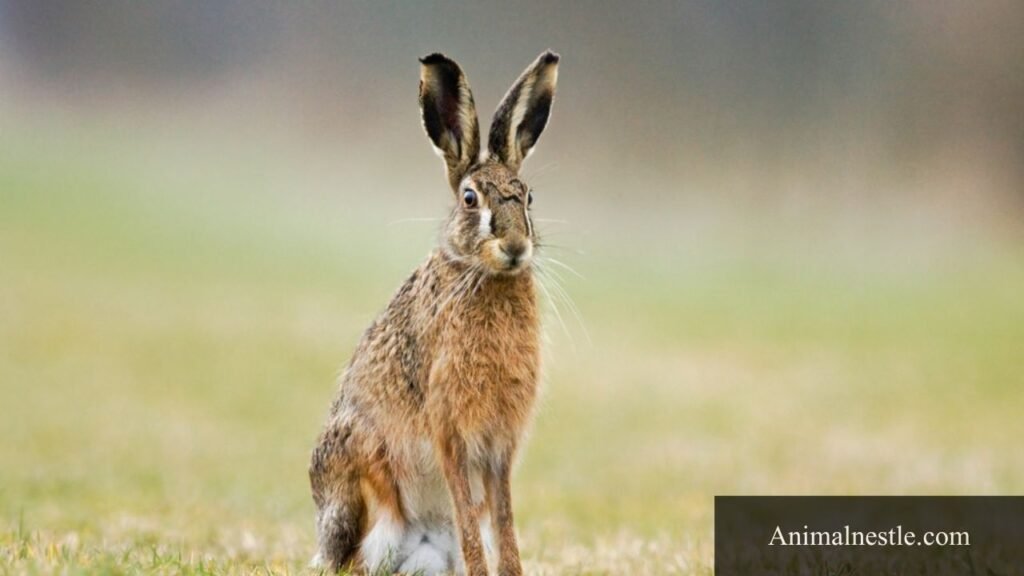
Beyond their athletic prowess, hares exhibit intriguing social behaviors. While typically solitary, they can sometimes be seen in pairs or small groups, especially during the breeding season. Their unique “boxing” behavior, where two hares engage in a spirited sparring match, serves as both a display of vigor and a playful way to establish dominance. These dynamic interactions illuminate how closely their survival strategies are tied to their social instincts, challenging the notion that these animals are simply lonesome wanderers in the wild. The enchanting world of hares continues to reveal the intricate connections between movement, survival, and social interaction in nature.
Gazelle
Scientific Name: Gazella
Class: Mammalia
Diet: Herbivore
The gazelle epitomizes the art of jumping with its extraordinary agility and speed. These elegant creatures can leap over obstacles that would stump many other animals, reaching heights of up to 10 feet in a single bound. This remarkable ability isn’t just for show; it plays a crucial role in evading predators. Their high jumps create a disorienting effect, causing confusion and making it difficult for hunters to focus on their target.
Beyond their physical prowess, gazelles communicate through their leaps, engaging in a behavior known as “stotting.” When gazelles sense danger, they may bound high into the air, showcasing their fitness and strength to potential predators. This displays an intriguing aspect of animal behavior: the leap isn’t merely an escape tactic but also a declaration of confidence, potentially discouraging the chase. Observing these animals in their natural habitat reveals not only the elegance of their leaps but also the intricate survival strategies in the circle of life. Each jump is a testament to their resilience and adaptability, leaving us in awe of nature’s design.
Readmore: Explore Top 6 Animals With Tusks.
Final Thoughts
Jumping animals showcase an incredible diversity of adaptations that allow them to thrive in their respective environments. From the powerful leaps of kangaroos in Australia to the agile tree frogs that navigate dense forests, each species exemplifies the wonders of evolution. These creatures not only exhibit unique physical characteristics but also contribute significantly to their ecosystems. By understanding and appreciating the fascinating mechanics behind their jumps, we can foster a deeper respect for wildlife. Let’s take action to protect their habitats and ensure future generations can marvel at these extraordinary animals.
FAQs
What animals are good jumpers?
Several animals are recognized for their impressive jumping abilities. Frogs, particularly the common green frog, are known for their powerful leaps, allowing them to escape predators and traverse their habitats. They can jump over 20 times their body length, showcasing remarkable agility.
Kangaroos are iconic jumpers, using their powerful legs to cover large distances in one bound. Adult kangaroos can leap up to 10 feet high and travel over 30 feet in a single jump. Their strong hind legs are perfectly adapted for long, sustained jumps, making them one of the best jumpers in the animal kingdom.
What animal can jump the highest?
The animal that can jump the highest is the puma, also known as the cougar or mountain lion. These agile big cats can leap up to 18 feet in a single bound, which is impressive considering their size. Their powerful legs and muscular build are perfect for both short bursts of speed and high vertical jumps, allowing them to navigate rugged terrain with ease.