Top 27 Animals That Start With C (With Images)
From curious cats to colossal crocodiles, the animal kingdom is teeming with fascinating creatures that you might not have considered. In this article, we’ll explore a diverse range of animals that start with C, shedding light on their unique characteristics and habitats. By the end, you’ll discover how these creatures play vital roles in their ecosystems and learn a few fun facts to share with friends.
List of Animals That Start With C
Below is the list of animals that start with C:
- Capybara
- Cobra
- Chameleon
- Cheetah
- Crocodile
- Cat
- Chimpanzee
- Coyote
- California Condor
- Cockatoo
- Common octopus
- Cougar
- Colossal squid
- California grizzly bear
- Chipmunk
- Chinchilla
- Caribou
- Common Snapping Turtle
- Crow
- Cane toad
- Copperhead
- Caracal
- Cockatiel
- Common Raven
- Corn Snake
- Crane
- Chicken
Capybara
Scientific Name: Hydrochoerus hydrochaeris
Class: Mammalia
Diet: Herbivore
The capybara, often dubbed the “gentle giant” of the rodent world, can weigh up to 150 pounds, making it the largest rodent on the planet. These sociable creatures are native to South America, where they thrive in diverse environments ranging from grassy plains to forested wetlands. One remarkable aspect of their behavior is their strong social structure; capybaras live in groups that can range from 10 to 20 individuals, fostering a sense of community and cooperation. They are known for their calm demeanor and even display endearing grooming rituals among one another, reinforcing bonds within the group.
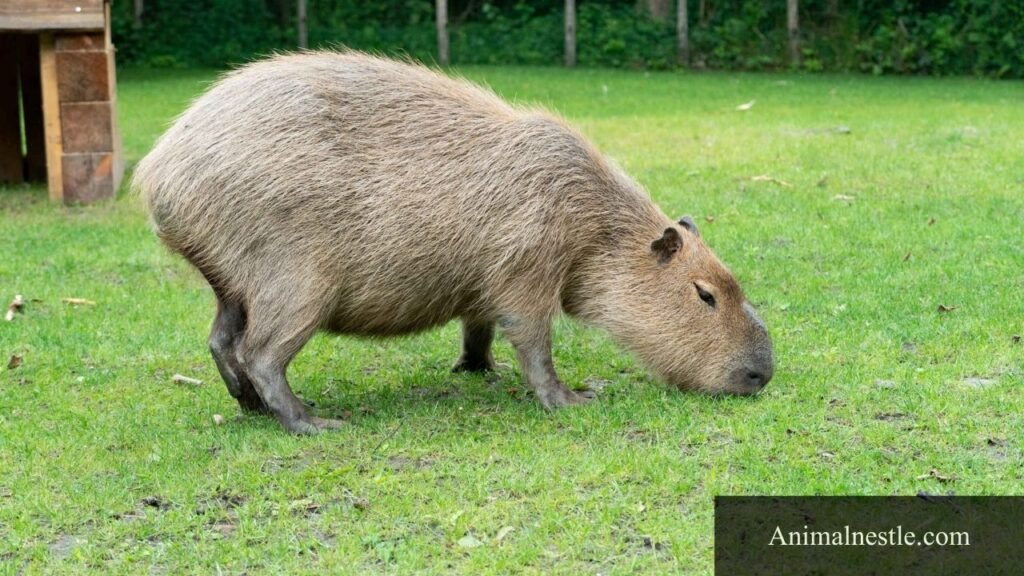
Capybaras also possess unique adaptation in the form of webbed feet that sets them apart from other rodents. This feature allows them to be graceful swimmers, capable of holding their breath underwater for up to five minutes as they evade predators. Interestingly, these semi-aquatic mammals are often found basking in the sun, which is quite contradictory to the behavior of many rodents that rely heavily on burrowing for safety. Their diet primarily consists of grasses and aquatic plants, highlighting their role as vital herbivores that help maintain the ecology of their habitat.
Cobra
Scientific Name: Naja
Class: Reptilia
Diet: Carnivore
The cobra stands out in the animal kingdom, not only for its striking appearance but also for its fascinating behavioral traits. With a hood that flares when threatened, these serpents exude an aura of both danger and beauty. The intricate patterns on their skin, which range from earthy browns to vibrant blacks and whites, serve not only as camouflage but also as a captivating reminder of nature’s artistry.
What many people might not realize is the cobra’s remarkable intelligence. They display problem-solving abilities and adaptability that are uncommon in reptiles. For example, cobras can learn to navigate their environments, seeking out the best hiding spots or potential prey. This adaptability helps them thrive in various habitats, from arid deserts to lush forests, showcasing their evolutionary success over millions of years. Engaging with these creatures, whether through documentary films or wildlife tours, offers an opportunity to appreciate the complexity of their lives, fostering a deeper connection to the intricate web of life on our planet.
Chameleon
Scientific Name: Chamaeleonidae
Class: Reptilia
Diet: Carnivore
Chameleons are often celebrated for their incredible ability to change color, a skill that goes beyond mere camouflage. This vibrant transformation serves various purposes, such as regulating body temperature, communicating with other chameleons, and signaling mood changes. Unlike popular belief, their color change isn’t solely a response to their surroundings but also reflects their emotional state, making them fascinating emotional barometers of the animal kingdom.
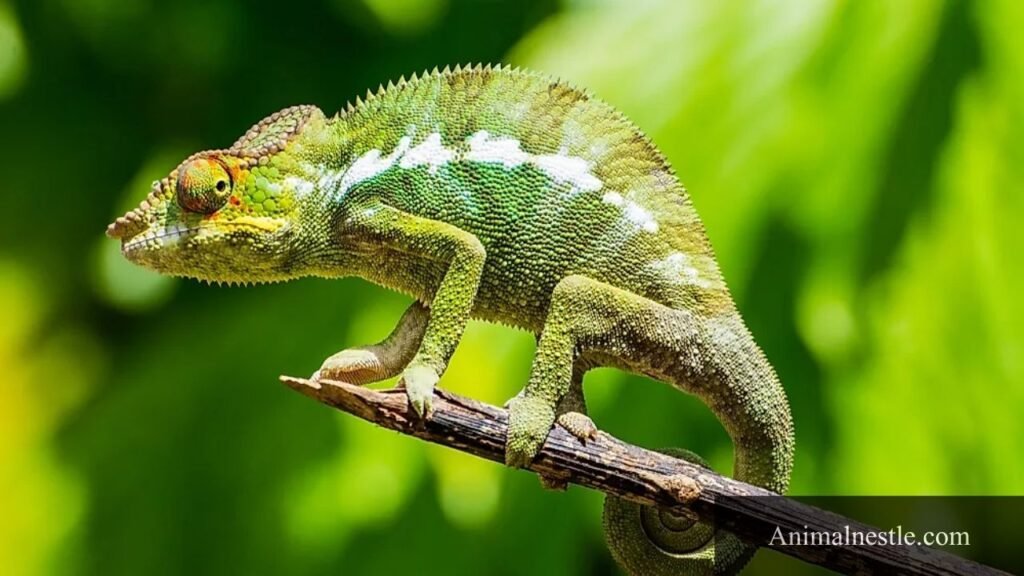
What sets chameleons apart is their unique vision. Possessing independently moving eyes, they can focus on two different objects simultaneously, allowing for a panoramic view of their environment. This remarkable adaptation helps them spot both prey and predators, showcasing nature’s ingenuity in survival strategies. Their prehensile tails and zygodactylous feet enable them to navigate through trees with remarkable agility, transforming them into expert climbers in their often arboreal habitats. Such adaptations not only highlight their evolutionary niche but also paint a vivid picture of the complexity and beauty of life in diverse ecosystems.
Readmore: Explore Top 23 Animals That Start With E.
Cheetah
Scientific Name: Acinonyx jubatus
Class: Mammalia
Diet: Carnivore
The cheetah stands as a stunning example of evolutionary perfection, having adapted in remarkable ways to thrive as the fastest land animal on Earth. Unlike their big cat relatives, cheetahs possess a lightweight frame, long legs, and a flexible spine that allows them to reach speeds of up to 75 mph in short bursts. This extraordinary speed is complemented by unique adaptations, such as oversized nasal passages for increased oxygen intake and specialized pads on their feet that enhance grip during high-speed chases.
The cheetah’s prowess on the plains comes at a cost. Unlike lions or leopards, cheetahs have a relatively fragile physique and are particularly susceptible to stress, which affects their hunting success and overall survival. This vulnerability has led to alarming declines in their population, with habitat loss and human-wildlife conflict posing severe threats. Conservation efforts are now focusing on creating protected corridors and fostering coexistence with local communities, emphasizing the delicate balance between preservation and the realities of human expansion. By understanding the cheetah’s unique challenges, we can better appreciate their role in the ecosystem and the urgent need to protect these magnificent creatures.
Crocodile
Scientific Name: Crocodylidae
Class: Reptilia
Diet: Carnivore
Crocodiles are surprisingly complex creatures that reveal much about the resilience of life. With some species dating back to the time of the dinosaurs, these reptiles are living time capsules, showcasing evolutionary adaptations that have allowed them to thrive in diverse environments. Their tear-like eye glands, often mistaken for crying, serve to flush out salt, highlighting their remarkable ability to survive in both freshwater and saline habitats.
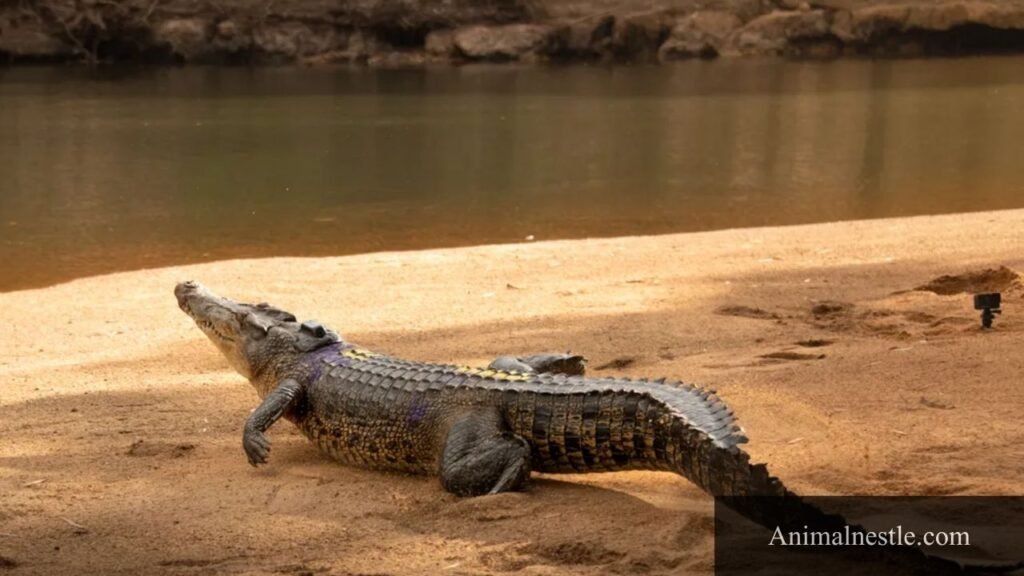
Beyond their fearsome reputation, crocodiles exhibit fascinating social behaviors, particularly during the nesting season. Female crocodiles are attentive mothers, meticulously caring for their eggs and even helping hatchlings reach the water. This nurturing instinct contrasts sharply with their predator image, offering a glimpse into a world where even the fiercest hunters can possess tender familial bonds. Their vocalizations, ranging from growls to bellows, communicate not just aggression but also facilitate social interactions and territory marking, revealing a complexity in their social structures that often goes unnoticed.
Cat
Scientific Name: Felis catus
Class: Mammalia
Diet: Carnivore
Cats possess an intriguing blend of independence and affection, making them one of the most fascinating companions in the animal kingdom. Unlike dogs, which have been selectively bred for obedience and social behavior, cats maintain a strong connection to their wild ancestors. This innate independence allows them to express unique personalities, often oscillating between moments of playful antics and serene solitude. Their purring, often considered a sign of contentment, serves not only as a comfort to their human companions but also has been shown to promote healing in bones and tissues — an astonishing trait reflecting their remarkable biology.
Cats are masterful communicators, utilizing an extensive repertoire of vocalizations, body language, and even facial expressions to convey their mood and needs. A slow blink from a cat can be a gesture of trust and affection — a feline “kiss” that can deepen the bond with its owner. Interestingly, studies suggest that cats may even adapt their vocalizations to elicit specific responses from humans, showcasing an astonishing level of emotional intelligence. This ability allows them to navigate the complexities of human interaction, making them not just pets, but intricate partners in the dance of daily life.
Chimpanzee
Scientific Name: Pan troglodytes
Class: Mammalia
Diet: Omnivore
Chimpanzee, our closest living relatives, share about 98% of their DNA with humans, which offers fascinating insights into our evolutionary history. Beyond genetic similarities, their social structures exhibit a complex blend of cooperation and competition, showcasing behaviors that can mirror human society. For instance, they engage in tool use, such as crafting sticks to extract termites, demonstrating not only intelligence but also cultural learning, as different groups have distinct techniques passed down through generations.
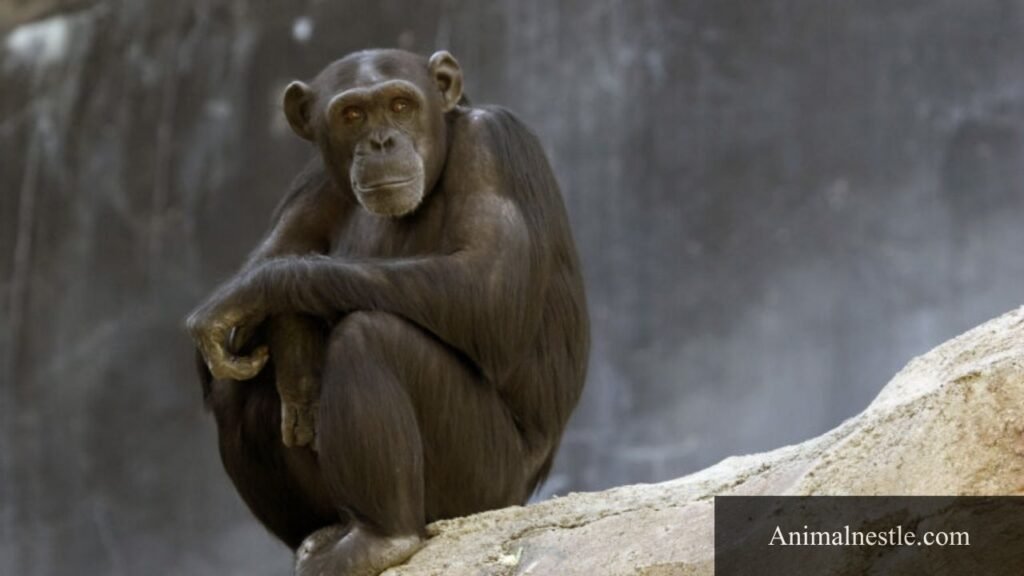
Chimpanzees display a range of emotions that include joy, empathy, and even grief. Observations reveal that they comfort each other during distressing times, reinforcing social bonds and highlighting their emotional depth. Conservation efforts for these remarkable primates are critical, as habitat loss and poaching threaten their populations. By understanding their rich social lives and the intricacies of their emotional world, we not only learn about chimpanzees but also gain insights into the very essence of what it means to be human.
Coyote
Scientific Name: Canis latrans
Class: Mammalia
Diet: Omnivore
Coyotes are often perceived as mere scavengers or pests, but they are incredibly adaptable and cunning creatures, thriving in diverse environments from urban areas to remote wilderness. Their adaptability is not just physical; it reflects their social structures as well. Unlike their wolf counterparts, coyotes exhibit a more fluid social organization, frequently forming loose packs that can change in size and composition based on available resources and environmental conditions. This flexibility allows them to retrieve food from various sources, whether through cooperative hunting or opportunistic scavenging.
What truly sets coyotes apart is their vocal communication. Their distinct assortment of yips, howls, and barks facilitates a wide-ranging dialogue among pack members, which not only strengthens social bonds but also aids in territory establishment and resource location. Beyond their vocal prowess, coyotes have also garnered attention for their intelligence. Studies show that they can learn to navigate urban landscapes with impressive skill, using parks and green spaces to their advantage, uncovering new feeding opportunities that many other wildlife species overlook. This remarkable adaptability challenges our preconceived notions of wilderness and survival, reminding us that nature continuously evolves, often right under our noses.
California Condor
Scientific Name: Gymnogyps californianus
Class: Aves
Diet: Carnivore
The California condor, one of North America’s most iconic and endangered birds, boasts an impressive wingspan of up to 10 feet, making it one of the largest flying birds in the world. These magnificent creatures possess not only physical grandeur but also a unique ecological role as scavengers. By consuming carrion, they help maintain the health of their ecosystems, preventing the spread of disease. Despite their crucial role, the species faced near extinction in the 1980s, with fewer than 30 individuals remaining in the wild due to habitat destruction, lead poisoning, and microtrash ingestion.
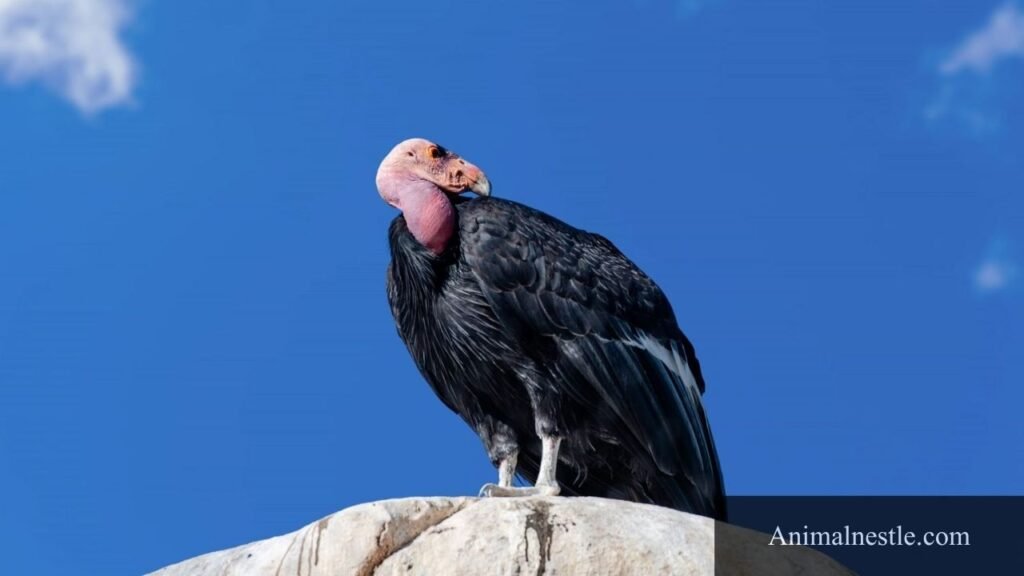
Remarkably, conservation efforts have led to a gradual recovery, with their numbers now surpassing 500, including both wild and captive populations. However, the journey is fraught with challenges. These birds have a slow reproductive rate, often raising only one chick every two years. As they return to the skies, their story offers a compelling glimpse into resilience and the importance of environmental stewardship. Watching these majestic birds soar effortlessly against the backdrop of California’s rugged landscapes serves as a poignant reminder of the delicate balance between human activity and wildlife preservation.
Cockatoo
Scientific Name: Cacatuidae
Class: Aves
Diet: Herbivore
Cockatoos are not just beautiful birds; they are also incredibly social creatures. Found primarily in Australia and nearby islands, these birds form strong bonds with their flock, showcasing intricate communication skills through vocalizations and body language. Interestingly, cockatoos are known to use tools, a trait not commonly associated with avian species, demonstrating their remarkable intelligence.
The varied species of cockatoos, from the elegant Galah to the imposing Sulphur-crested Cockatoo, have adapted to diverse habitats, displaying unique feeding habits and social structures. What sets them apart is their ability to mimic sounds, including human speech and environmental noises, often using this skill to bond with their human companions. Their playful nature requires mental stimulation, making them not only fascinating pets but also challenging ones, as they thrive on interaction and can become bored easily.
Common Octopus
Scientific Name: Octopus vulgaris
Class: Cephalopoda
Diet: Carnivore
The common octopus, is a marvel of adaptability and intelligence in the underwater world. Renowned for its remarkable ability to change color and texture, this creature can seamlessly blend into its surroundings, evading predators with extraordinary finesse. This camouflage isn’t merely a survival tactic; it’s a form of communication among octopuses, allowing them to express emotions or signal to potential mates.
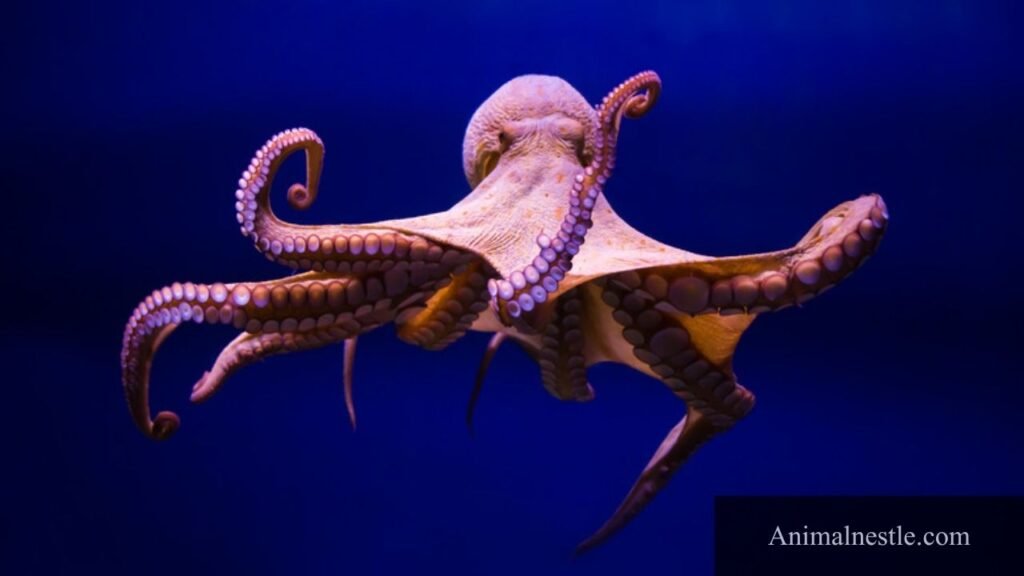
What truly sets the common octopus apart is its advanced problem-solving capabilities. Studies have shown that they can open jars to access food and navigate complex mazes, showcasing a level of cognition that rivals that of many mammals. Despite their solitary nature, these creatures exhibit a surprising range of behaviors, including play, which researchers argue indicates a deeper understanding of their environment. With a short lifespan averaging just a few years, the fleeting existence of the common octopus prompts a deeper appreciation for the ephemeral beauty of their intellect and adaptability.
Cougar
Scientific Name: Puma concolor
Class: Mammalia
Diet: Carnivore
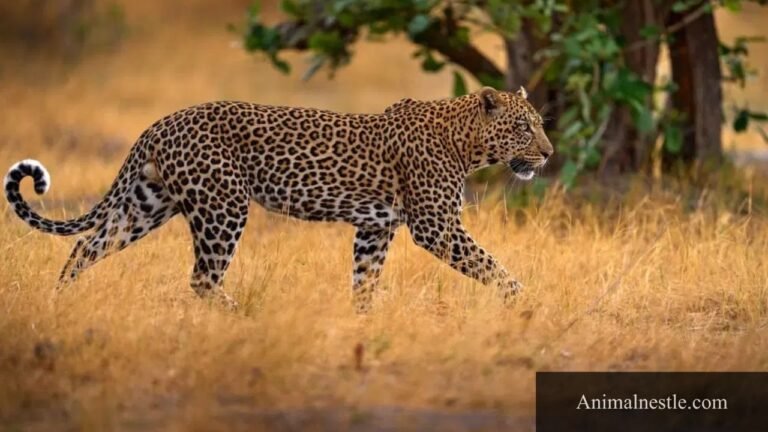
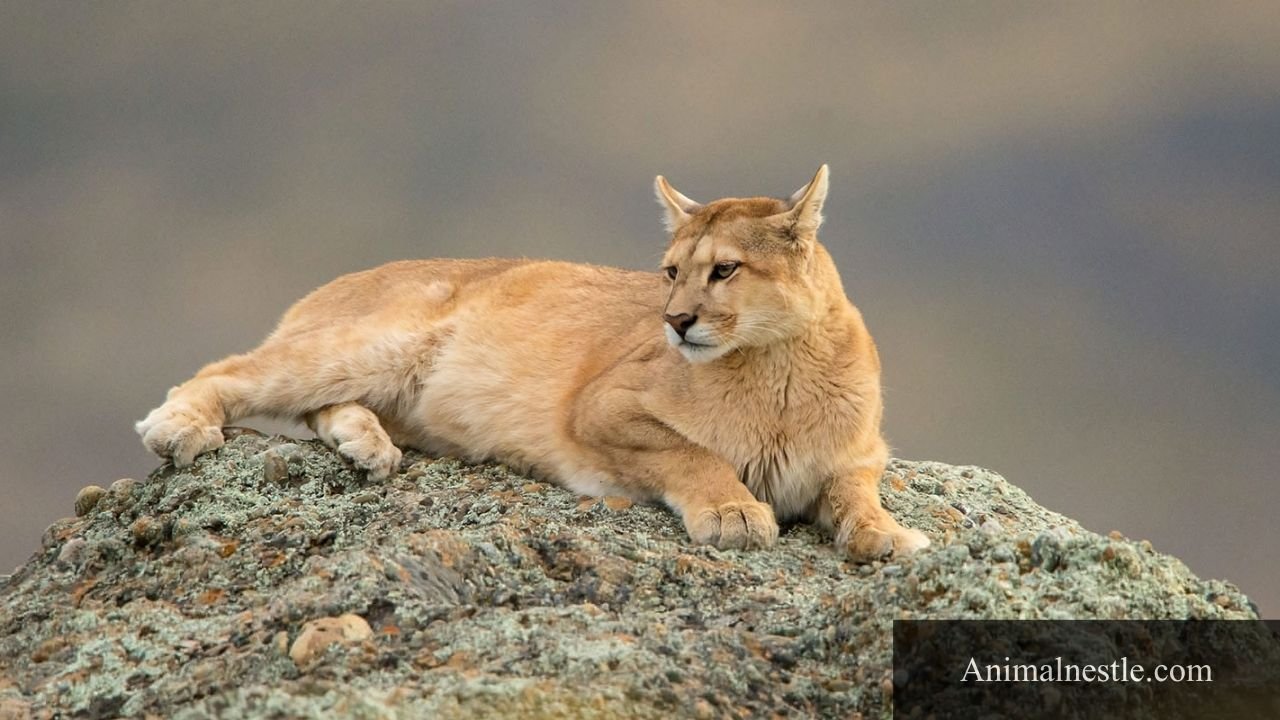
The cougar, also known as the mountain lion or puma, is a remarkable and adaptable apex predator found across a diverse range of habitats in North and South America. Unlike some big cats that are confined to specific regions, cougars have an impressive ability to thrive in forests, deserts, and even urban fringes. Their elusive nature makes them fascinating subjects of study; they can leap up to 20 feet in a single bound and are capable of running at speeds exceeding 40 miles per hour in short bursts. This agility not only aids in hunting but also allows them to navigate through varied terrains seamlessly.
What’s intriguing about cougars is their social structure; unlike lions, they are solitary animals. They communicate through a variety of vocalizations, which can be surprisingly varied — from growls to the chilling screams that sometimes echo through the night, leaving an air of mystery around their presence. Cougars also play a crucial role in their ecosystems by controlling deer populations, which helps maintain a balance in the environment. With their waning habitats and increasing human encroachment, conservation efforts have become vital to ensure these magnificent creatures continue to roam the wild — an enduring symbol of wilderness and resilience.
Colossal Squid
Scientific Name: Mesonychoteuthis hamiltoni
Class: Cephalopoda
Diet: Carnivore
The colossal squid, remains one of nature’s most enigmatic creatures, thriving in the depths of the Southern Ocean. Growing up to 14 meters (46 feet) in length, this giant cephalopod is not just notable for its sheer size; its large eyes are among the biggest in the animal kingdom, adapted to the dark abyss where light seldom penetrates. These enormous adaptations allow the colossal squid to be a formidable predator, preying on deep-sea fish and even other squids.
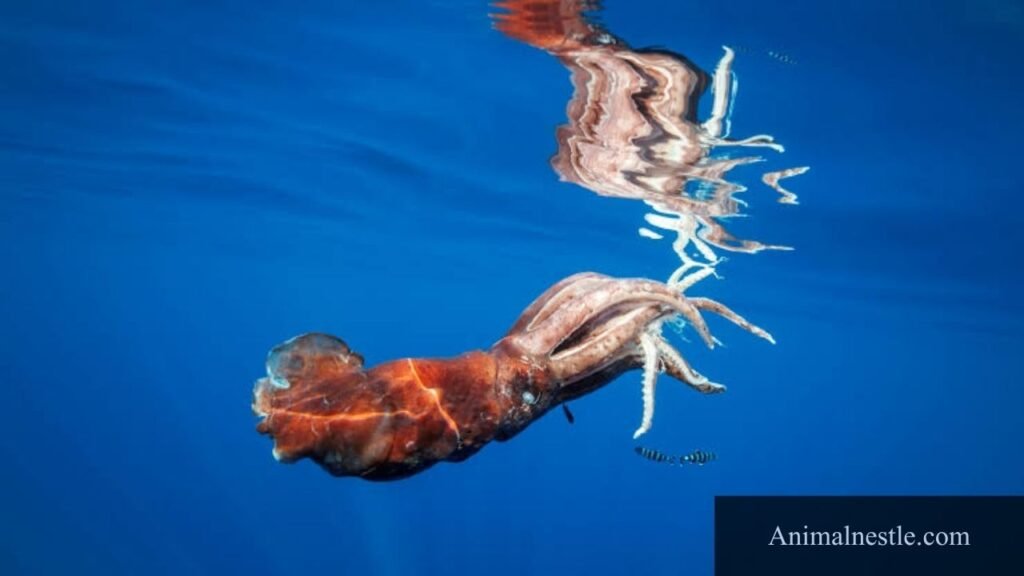
Much of what we know about the colossal squid has been gleaned from examining their remains found in the stomachs of sperm whales, their primary natural predator. This unique predator-prey relationship sheds light on the complex dynamics of deep-sea ecosystems, where creatures engage in a delicate ballet of survival. The colossal squid’s ability to produce bioluminescent ink adds a fascinating twist to its already extraordinary biology, enabling it to confuse predators while making a swift escape into the inky blackness of the ocean. As scientists continue to explore the mysteries of the deep, the colossal squid remains a tantalizing symbol of the unexplored wonders hidden beneath the waves.
California Grizzly Bear
Scientific Name: Ursus arctos californicus
Class: Mammalia
Diet: Omnivore
The California Grizzly Bear, once roaming the diverse landscapes of the state, is a symbol of strength and resilience. These majestic creatures were primarily found in the coastal and mountainous regions of California. Unlike their more solitary relatives in other parts of the world, California Grizzlies were known for their robust social structures, often seen foraging in family units. This social behavior not only aided in their survival but enriched the ecosystem by fostering a balance between plant and animal life.
The California Grizzly exhibited a unique diet that varied with the seasons. In spring, their palette included tender grasses and wildflowers, while summer saw them indulging in berries and insects. As omnivorous as they were, their acute sense of smell enabled them to locate food sources from miles away, showcasing their adaptability. The California Grizzly was also distinguished by its impressive size and fur, which provided essential insulation against temperature fluctuations, particularly in mountainous areas. Though now extinct, this awe-inspiring animal leaves behind a rich legacy, reminding us of the need for conservation and the impact humans can have on wildlife.
Chipmunk
Scientific Name: Tamias
Class: Mammalia
Diet: Omnivore
Chipmunks, often mistaken for their larger squirrel cousins, are small, striped wonders found primarily in North America. What sets them apart is their remarkable foraging behavior; these tiny creatures are known for their cheeks — capable of expanding to extraordinary sizes — where they store an impressive stash of food. During autumn, a chipmunk can gather and hoard an array of nuts, seeds, and even fungi, ensuring their survival through the winter months when resources become scarce.
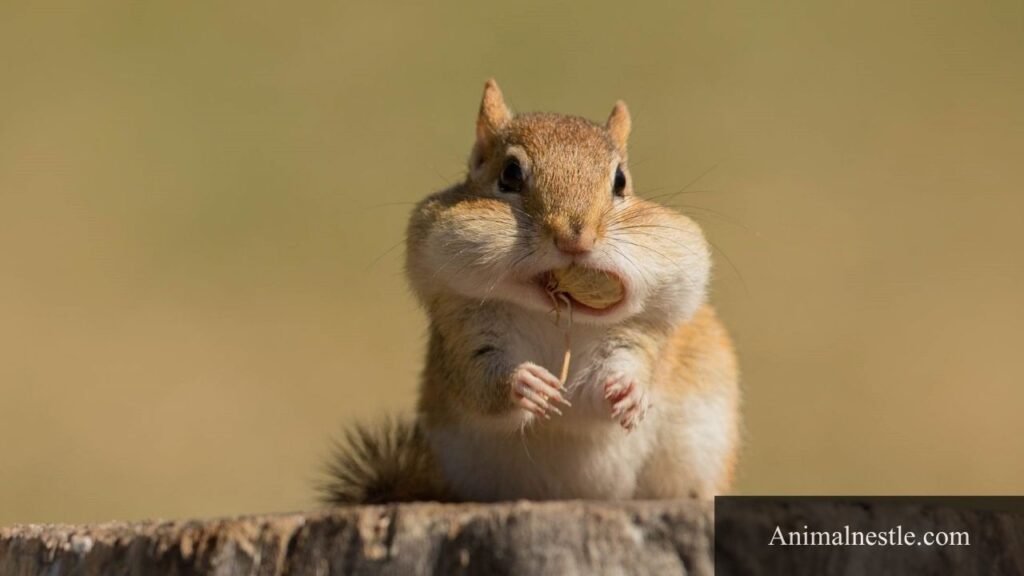
Their intricate burrow systems reflect an extraordinary level of intelligence and adaptability. Chipmunks create expansive underground homes complete with separate chambers for sleeping, nesting, and food storage. These burrows not only provide shelter from predators but also play a crucial role in the ecosystem, as chipmunks inadvertently aid in seed dispersal, promoting forest growth. Observing a chipmunk darting across your yard may seem mundane, yet these creatures serve as vital links in their habitats, demonstrating how even the smallest animals can have a significant impact on the environment.
Chinchilla
Scientific Name: Chinchilla
Class: Mammalia
Diet: Herbivore
Chinchillas, native to the Andes mountains, are not just adorable fur balls; they possess some fascinating biological traits that make them truly unique. Their fur is one of the densest in the animal kingdom, with up to 60 hairs growing from a single follicle, an adaptation that prevents heat loss in their high-altitude habitat. This luxurious coat makes them susceptible to overheating in warm environments, which is why they thrive in cooler surroundings and require dust baths rather than water baths to keep their fur clean.
Social creatures by nature, chinchillas often live in colonies in the wild, forming intricate social bonds that offer them protection from predators. When raised in captivity, they display similar social behaviors, becoming affectionate companions eager for interaction. Interestingly, chinchillas have a remarkable level of intelligence, capable of learning tricks and recognizing their owners, which adds depth to their relationships with humans. These charming little creatures remind us of the importance of social dynamics and suitable environments both in the wild and at home.
Caribou
Scientific Name: Rangifer tarandus
Class: Mammalia
Diet: Herbivore
Caribou, known as reindeer in Europe, are fascinating creatures that exhibit remarkable adaptations for survival in their harsh, Arctic habitats. Unlike many other species within the deer family, both male and female caribou grow antlers, which can span almost four feet wide. This unique feature plays a crucial role during mating season, as males compete for mates and dominate feeding rights. Interestingly, caribou also undergo seasonal migrations that can cover thousands of miles, showcasing their extraordinary endurance and navigational skills.
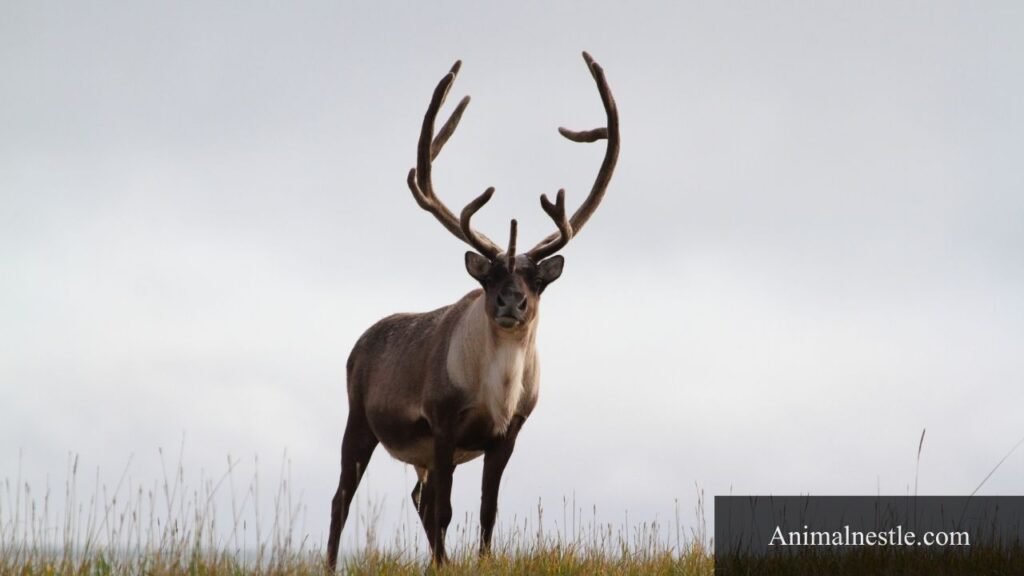
Their diet consists primarily of lichens during the winter months, a food source few other animals can efficiently digest, allowing caribou to thrive where others might struggle. They possess specialized adaptations in their hooves, which expand to provide traction on snow and ice, reminiscent of snowshoes. Socially, these mammals often congregate in large herds, providing protection from predators and enhancing their chances of survival through collective movement. As climate change continues to impact their migratory patterns and habitats, understanding caribou’s ecological role becomes ever more critical for conservation efforts, urging us to appreciate these resilient symbols of the tundra.
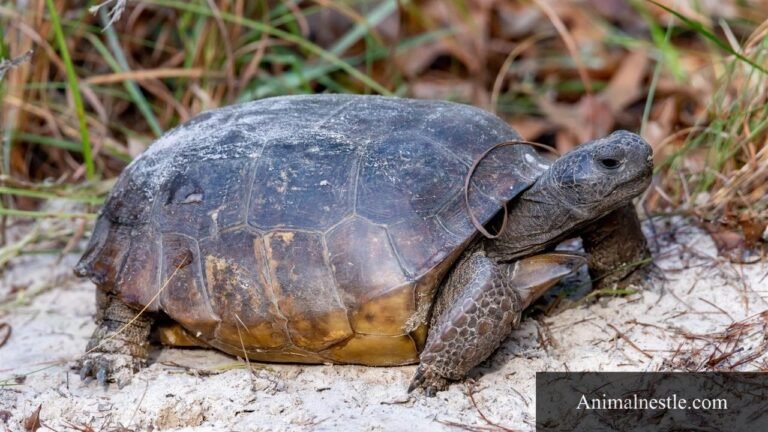
Common Snapping Turtle
Scientific Name: Chelydra serpentina
Class: Reptilia
Diet: Omnivore
The common snapping turtle, a prehistoric-looking creature, is fascinating not only for its rugged appearance but also for its unique behavior and ecological role. With powerful jaws that can snap with incredible force, these turtles are often misunderstood as aggressive, yet they exhibit a more nuanced personality. Observing a snapping turtle in its natural habitat reveals a surprisingly adept swimmer, using its long tail and webbed feet to navigate through watery environments with grace.
Snapping turtles play a critical role as scavengers, helping to maintain the balance in freshwater ecosystems. They consume a variety of organic materials, from aquatic plants to decaying fish, which keeps the environment healthy and clean. Interestingly, they are also known for their opportunistic feeding habits; studies have shown that they can even assist in seed dispersal, promoting plant diversity in their habitats. As climate change alters their ecosystems, understanding their adaptability and behaviors can provide insights into the resilience of freshwater biodiversity.
Crow
Scientific Name: Corvus
Class: Aves
Diet: Omnivore
Crows are among the most intelligent birds in the animal kingdom, exhibiting cognitive abilities that rival those of some primates. Research has shown that they can solve complex problems, use tools, and even recognize human faces. This sharp intelligence is complemented by their impressive communication skills. Crows have a diverse range of calls, each conveying different meanings — whether warning of danger or signaling the presence of food. This intricate social structure allows them to thrive in varied environments, from urban areas to dense forests.
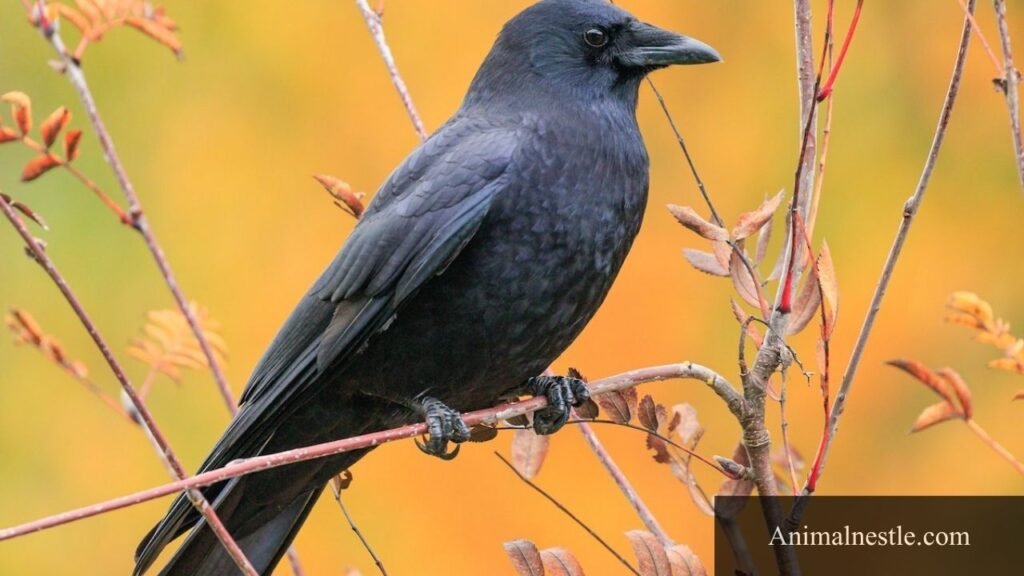
Crows are also known for their remarkable adaptability, which can teach us a lot about resilience in changing circumstances. For instance, they have learned to navigate human landscapes, often scavenging in city parks and adapting their diets based on available resources. Their ability to remember locations of food caches and even the people who pose threats underscores their sophisticated mental maps, making them not just survivors, but savvy cohabitants of human spaces. In many cultures, crows are symbols of mystery and intelligence, reflecting our fascination with these enigmatic birds.
Cane Toad
Scientific Name: Rhinella marina
Class: Amphibia
Diet: Carnivore
The cane toad, originally hailing from Central and South America, has made its mark as a controversial inhabitant in various parts of the world, including Australia and Hawaii. Introduced in the 1930s to combat pests in sugarcane fields, these amphibians have thrived, showcasing an astonishing adaptability that belies their initial purpose. Unfortunately, their rapid proliferation has led to serious ecological consequences, as they are voracious eaters with few natural predators in their introduced habitats. Local wildlife has suffered; many native species aren’t equipped to handle the cane toad’s toxic skin, leading to shocking declines in population.
Beyond their adaptability, cane toads possess unique reproductive strategies that further aid their invasive success. A single female can lay up to 35,000 eggs at once, allowing for explosive population growth in favorable conditions. However, scientists are exploring innovative methods to manage their spread, including biological control and ecological restoration efforts to boost native species resilience. On the flip side, there’s a growing interest in understanding how these toads can survive in such diverse environments, giving insights into climate change resilience.
Copperhead
Scientific Name: Agkistrodon contortrix
Class: Reptilia
Diet: Carnivore
The Copperhead snake, known for its distinctive coppery-brown coloration, is a marvel of adaptability among North American reptiles. Found primarily in the eastern and central United States, these vipers possess a unique blend of beauty and camouflage, thriving in diverse habitats from woodlands to swamps. Their triangular heads and striking patterns serve not only to ward off potential threats but also to blend seamlessly into their environments, making them an adept predator.
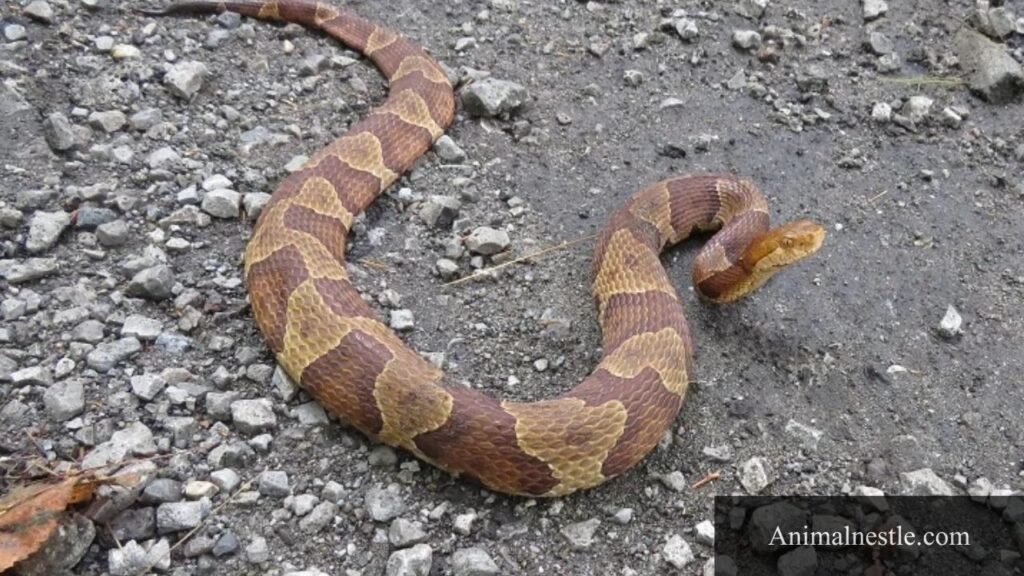
Copperheads exhibit a unique form of parental care that’s rare among snakes. Females remain with their young for a short time post-birth, a behavioral trait that suggests a level of nurturing not typically associated with reptiles. While their venom is indeed potent, it’s generally mild compared to other pit vipers, and bites rarely result in severe injury due to their reluctance to strike unless provoked. This fascinating mix of characteristics makes the copperhead not just a creature of fear, but a vital player in maintaining ecological balance. Understanding these nuances invites us to appreciate the complexity and beauty of this often-misjudged serpent.
Caracal
Scientific Name: Caracal caracal
Class: Mammalia
Diet: Carnivore
The caracal, a medium-sized wild cat native to Africa and parts of the Middle East, is most recognizable for its tufted ears and striking appearance. These sleek hunters are masters of agility and can leap up to 3 meters in the air to catch birds mid-flight, showcasing their incredible athleticism. Unlike many felids that rely heavily on terrain, caracals thrive in varied habitats, from savannas to dry forests, demonstrating an adaptability that piques the curiosity of wildlife enthusiasts.
What sets the caracal apart is its social behavior; they are often solitary but occasionally form loose associations during mating season. Their vocalizations range from hisses to grunts, expressing a fascinating array of emotions. Caracals possess superb night vision that allows them to navigate and hunt effectively in low-light conditions, hinting at a lifestyle finely tuned to nocturnal activity. Conservation efforts are essential as habitat loss threatens these extraordinary creatures, yet their elusive presence continues to intrigue researchers and nature lovers alike, reminding us of the rich tapestry of life in our ecosystems.
Cockatiel
Scientific Name: Nymphicus hollandicus
Class: Aves
Diet: Herbivore
Cockatiels are more than just charming companions; they are remarkable communicators known for their ability to mimic human sounds and even melodies. These petite parrots possess distinct personalities, often displaying a range of emotions that can be as vibrant as their plumage. With their crest feathers that express their moods — standing tall when excited or flattened when happy — cockatiels offer a unique glimpse into avian behavior and social interaction.
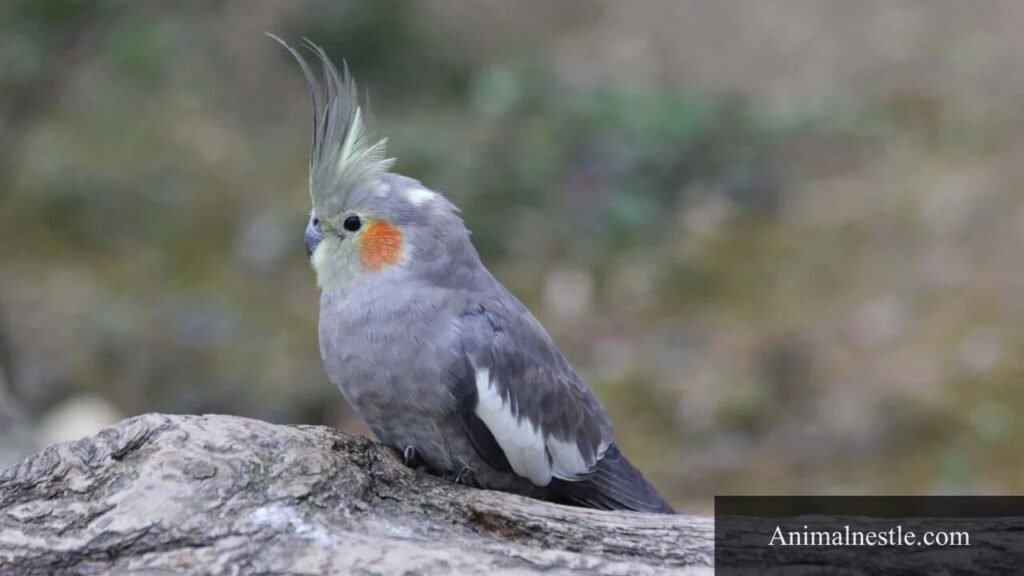
In their natural habitat of Australia, cockatiels thrive in flocks, showcasing their love for social dynamics. This instinctual behavior translates into their need for companionship, making them exceptionally interactive pets. They thrive on routine and enjoy engaging in play, often forming strong bonds with their human caretakers. Interestingly, research suggests that their emotional intelligence can enhance the emotional well-being of their owners, creating a mutually beneficial relationship that transcends mere pet ownership.
Common Raven
Scientific Name: Corvus corax
Class: Aves
Diet: Omnivore
Common Ravens are fascinating creatures known for their intelligence and adaptability. These birds, with their glossy black feathers and distinctive wedge-shaped tails, boast remarkable problem-solving skills that often surpass those of many other avian species. Studies have shown that Common Ravens can use tools, demonstrate planning for future needs, and even engage in play. Observations of their social interactions reveal complex relationships, with ravens forming tight bonds and exhibiting behaviors that suggest empathy and cooperation.
Their vocalizations are another intriguing aspect of their nature. Capable of producing an impressive range of sounds, including mimicking other species and even human-made noises, they communicate in nuanced ways, enhancing their social structures. While often associated with dark mythologies, these birds play a crucial ecological role as scavengers, helping to maintain healthy ecosystems by cleaning up carrion. In different cultures, they represent both wisdom and trickery, revealing the duality of their intelligence and adaptability.
Corn Snake
Scientific Name: Pantherophis guttatus
Class: Reptilia
Diet: Carnivore
The corn snake is a fascinating species native to the southeastern United States. Often lauded for its striking patterns and colors, which can range from deep oranges to rich browns, these snakes are not only visually stunning but also highly adaptable. Their ability to thrive in diverse habitats — from pine forests to abandoned buildings — demonstrates their resilience and resourcefulness. This adaptability has made them a popular choice among reptile enthusiasts and pet owners alike.
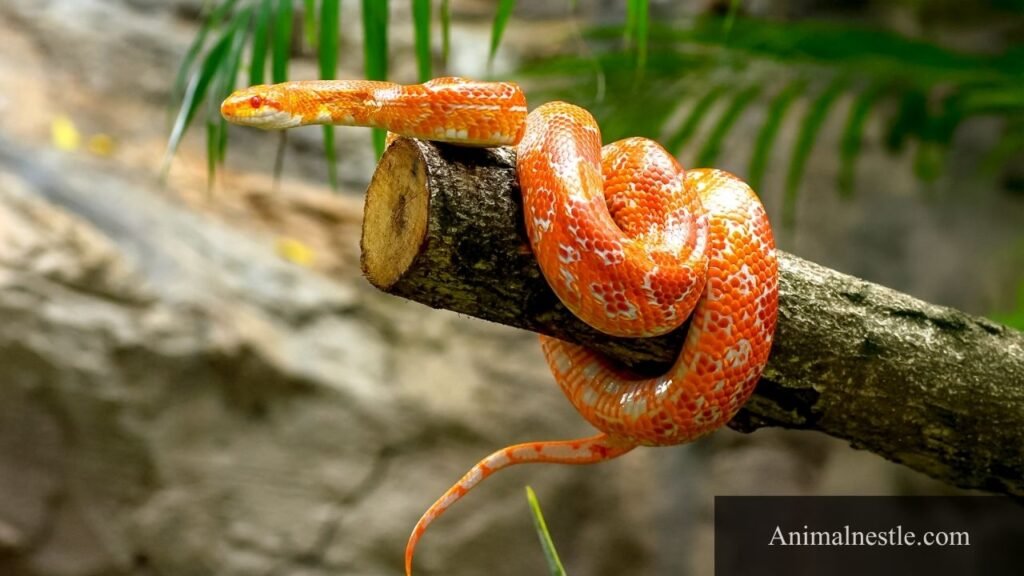
What truly sets corn snakes apart is their captivating behavior. Unlike many other snakes, corn snakes are generally docile and enjoy human interaction, allowing for a unique bond between them and their owners. They are exceptional climbers, often found basking in trees or shrubs, showcasing their agility. This skill not only aids in their foraging habits but also adds an element of surprise for those who may encounter them in the wild. By understanding their natural behaviors and needs, one can appreciate these elegant serpents as more than mere pets; they are intricate elements of our ecosystem.
Crane
Scientific Name: Gruidae
Class: Aves
Diet: Omnivore
The crane, a graceful bird often seen in wetlands around the world, showcases remarkable adaptability in both habitats and behaviors. With long legs and elongated necks, these birds are masterful foragers, utilizing their sharp beaks to probe the mud for aquatic insects and plants. Interestingly, cranes are known for their elaborate courtship dances, which involve synchronized jumping and wing flapping, captivating onlookers and strengthening pair bonds in the process.
Beyond their striking appearance and behaviors, cranes also play a crucial role in their ecosystems. As both predators and prey, they help maintain the balance of populations within their environments. Moreover, their migratory patterns are a marvel of endurance, with some species traveling thousands of miles between breeding and wintering grounds. This journey not only facilitates gene flow between populations but also highlights the crucial need for conservation efforts, as habitat destruction threatens their survival. By understanding the role of cranes in their ecosystems, we can appreciate the intricate web of life they represent.
Chicken
Scientific Name: Gallus gallus domesticus
Class: Aves
Diet: Omnivore
Chickens possess an array of fascinating traits that showcase their complex social structures and unique behaviors. These birds communicate through an extensive vocabulary of over 30 distinct sounds, each conveying different messages ranging from alarm calls to food alerts. This rich communication system underscores their intelligence, suggesting that chickens may have social lives as intricate as some mammals.
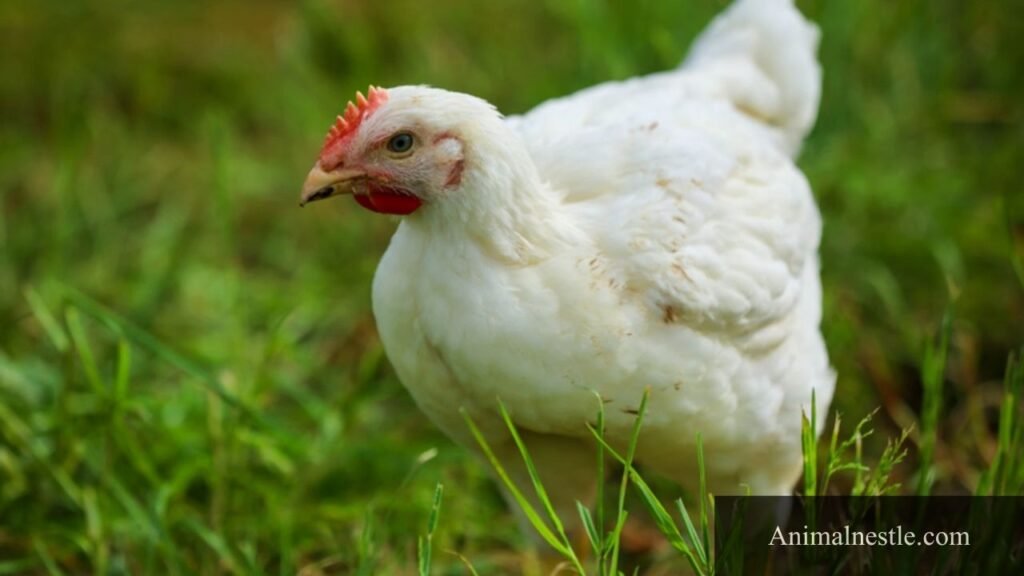
The social hierarchy among chickens, known as the pecking order, plays a crucial role in their well-being. Each bird knows its place within the group, which can affect everything from feeding access to mating opportunities. Interestingly, studies have shown that chickens can recognize their peers and remember their past interactions, highlighting their sophisticated memory capabilities. This insight into their social dynamics not only enhances our understanding of chicken behavior but also reflects the broader complexities of avian intelligence.
Readmore: Explore Top 31 Animals That Start With A.
Final Thoughts
The animal kingdom boasts a remarkable array of animals that start with C, from the majestic cheetah to the charming capybara. Each of these animals plays a vital role in their ecosystems, showcasing the incredible diversity of life on our planet. Whether living in the water, on land, or in the trees, they all contribute uniquely to the balance of nature. As we explore the various characteristics and habitats of these fascinating species, we deepen our appreciation for biodiversity. Let’s continue to learn about and protect these wonderful animals, ensuring they thrive for generations to come.
FAQs
What animals begin with C?
There are several fascinating animals that start with the letter “C.” For instance, the Cheetah is well-known for being the fastest land animal, capable of reaching speeds up to 75 mph in short bursts. Then there’s the Camel, which is uniquely adapted to survive in harsh desert environments, storing fat in its hump for nourishment. Other notable mentions include the Crocodile, a powerful reptile found in tropical regions, and the Capybara, the largest rodent in the world, often spotted lounging near water bodies.
What mammals begin with C?
There are several mammals that begin with the letter C. A few notable examples include the cat, cow, and camel. Cats are popular pets known for their agility and companionship, while cows play a crucial role in agriculture for their milk and meat. Camels, on the other hand, are fascinating creatures adapted to desert environments. Other mammals like capybaras, caribou, and chimpanzees also fit the bill. Capybaras are the largest rodents in the world, often found near water. Caribou, known for their impressive migrations, are key players in Arctic ecosystems. Lastly, chimpanzees are our closest relatives and are known for their intelligence and social structures.