Top 16 Animals That Start With Q (With Pictures)
Surprisingly, there are a few unique species that fit this criteria, each with fascinating characteristics and habitats. In this article, we’ll dive into the intriguing world of animals that start with Q, uncovering their importance in ecosystems and cultures. Whether you’re a trivia enthusiast or simply curious, you’ll discover fascinating facts that might just inspire you to learn more about the wonders of wildlife.
List of Animals That Start With Q
Below is the list of animals that start with Q:
- Quahog Clam
- Quoll
- Queen Angelfish
- Quokka
- Queen Parrotfish
- Quacking Frog
- Quillback
- Queen Alexandra’s Birdwing Butterfly
- Quetzal
- Queensland Grouper
- Quiscalus
- Queen Triggerfish
- Quail
- Queensland Lungfish
- Queen Snake
- Quokka Frog
Quahog Clam
Scientific Name: Mercenaria mercenaria
Class: Bivalvia
Diet: Omnivore
Quahog clams are fascinating creatures that reflect the rich biodiversity of coastal ecosystems. Known for their hardy shells ranging in color from light beige to dark purple, these clams can live for over 400 years, making them one of the longest-lived marine animals. Their incredible lifespan offers researchers a unique glimpse into environmental changes over centuries, often serving as indicators of ocean health.
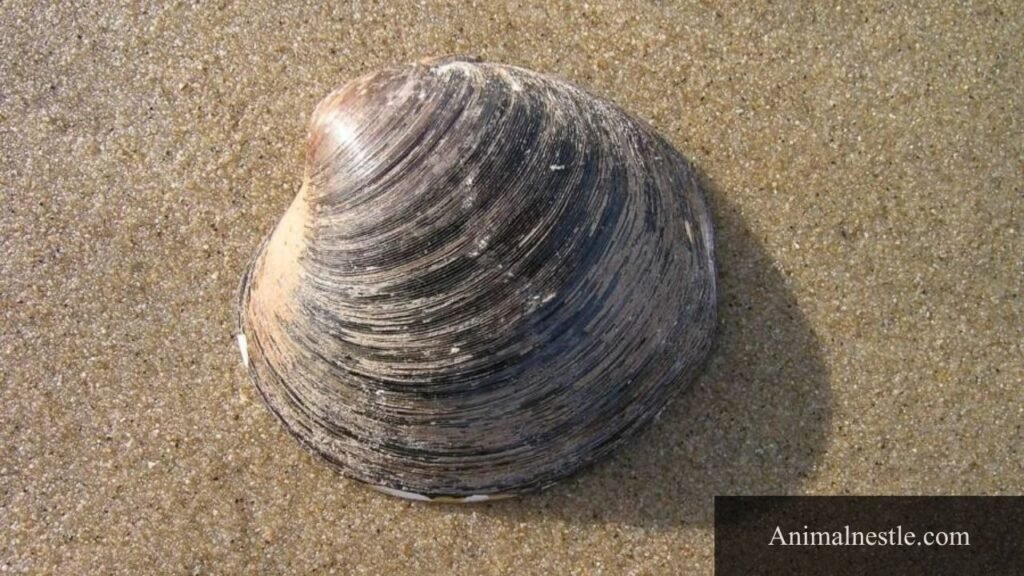
Quahogs play a crucial role in their habitats. As filter feeders, they help maintain water clarity by removing phytoplankton and sediments, which in turn supports a vibrant underwater ecosystem. Surprisingly, the age of a quahog can be determined not just by counting the growth rings in their shells, but also by studying the isotopes in their composition. This information gives scientists insight into past oceanic conditions, enriching our understanding of climate fluctuations and marine life resilience. Their cultural significance also resonates through history, as Native American tribes traditionally relied on quahogs, not just for sustenance, but as a medium of exchange, highlighting their economic and social value.
Quoll
Scientific Name: Dasyurus
Class: Mammalia
Diet: Carnivore
Quolls are fascinating marsupials native to Australia and New Guinea. These small, nocturnal hunters showcase a stunning coat pattern of white spots against a rich brown or black fur, which perfectly camouflages them in the dense underbrush. Their keen sense of smell and sharp claws make them effective predators, primarily feasting on insects, small mammals, and reptiles. Unlike many of their marsupial relatives, quolls are solitary and fiercely territorial, showcasing a unique social structure rare among similar species.
One intriguing aspect of quolls is their reproductive strategy; female quolls possess a peculiar breeding habit known as ‘semelparity,’ meaning they reproduce only once before dying shortly thereafter. Post-mating, the female invests all her energy into raising her young, which she carries in her pouch until they’re fully developed. This remarkable life cycle highlights the delicate balance of survival versus reproduction in their harsh habitats. Unfortunately, quolls face significant threats from habitat loss and competition with invasive species, making conservation efforts vital for their survival. By understanding these captivating creatures, we can appreciate the rich tapestry of biodiversity they contribute to our ecosystems.
Queen Angelfish
Scientific Name: Holacanthus ciliaris
Class: Actinopterygii
Diet: Omnivore
The Queen Angelfish is a true marvel of the Caribbean reefs. Known for its regal beauty, this marine gem showcases a striking royal blue body complemented by a golden-yellow ring around its face, making it a standout among its peers. These fish thrive in coral-rich environments, where they not only enhance the underwater scenery but also play a crucial role in maintaining reef health by grazing on algae. Their diet consists primarily of sponges, which, interestingly, helps control their populations and encourages biodiversity.
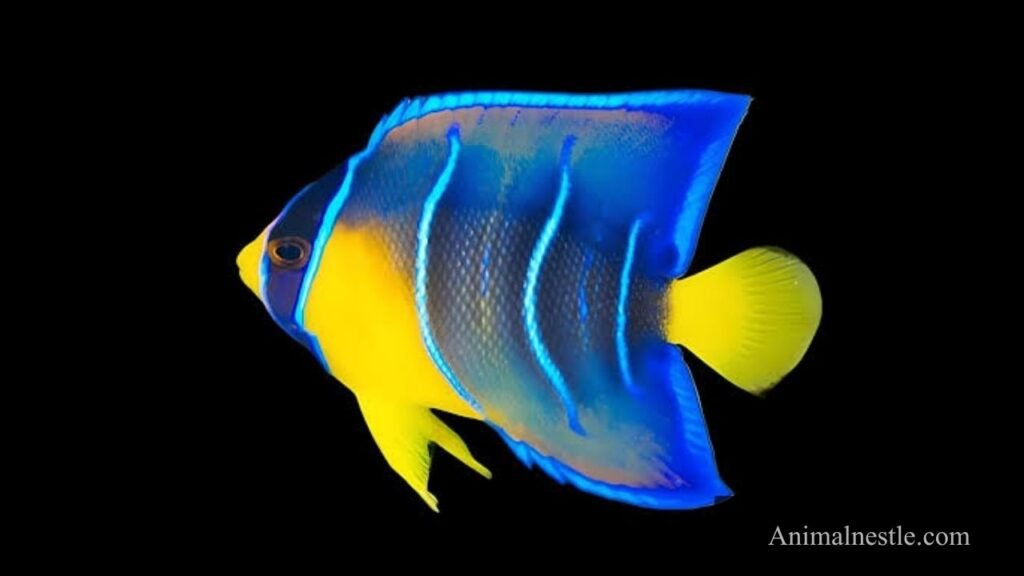
Beyond their stunning appearance, Queen Angelfish possess fascinating behavioral traits. They are known for their complex social structures and often engage in cleaning relationships with other fish, where they remove parasites and dead skin, benefiting both parties. These fish exhibit a remarkable degree of territoriality, especially males during breeding seasons, showcasing vibrant displays to attract mates and ward off rivals. Observing a pair courtship — a delicate dance of circling and color changes — offers a rare glimpse into the intricate lives of these aquatic monarchs, making them a favorite for divers and marine enthusiasts alike.
Readmore: Explore Top 31 Animals That Start With G.
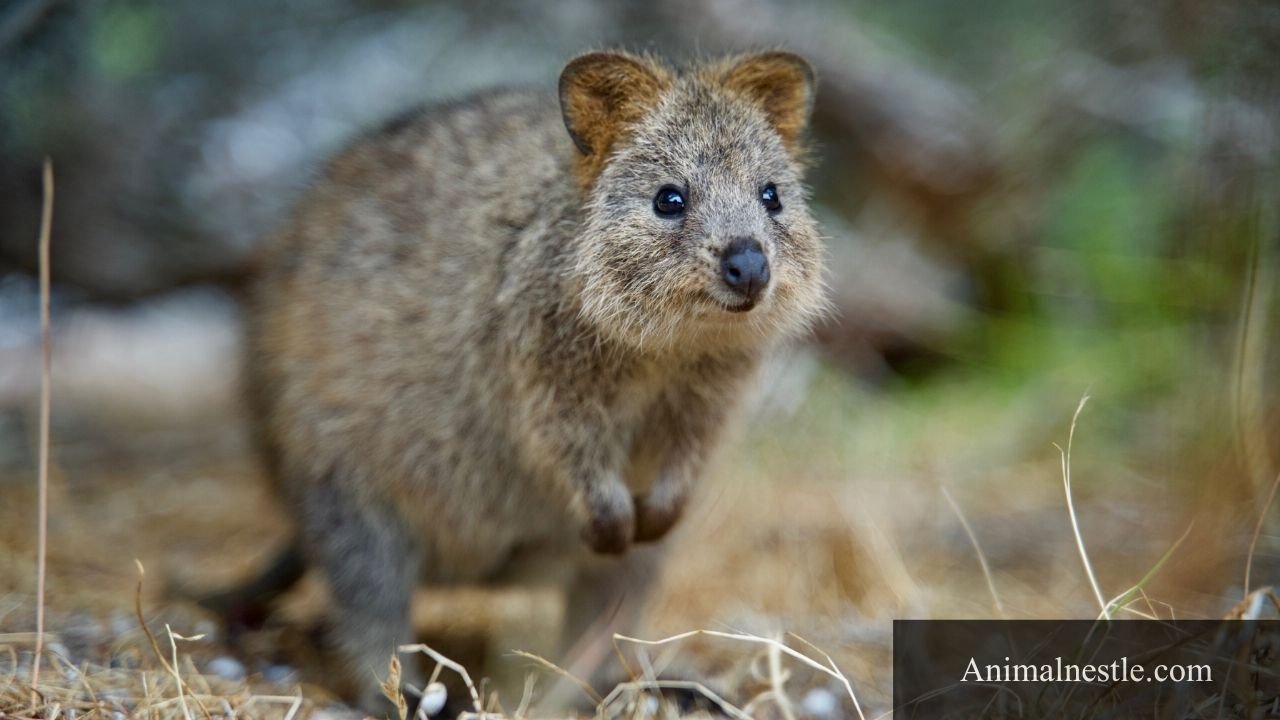
Quokka
Scientific Name: Setonix brachyurus
Class: Mammalia
Diet: Herbivore
The quokka, often dubbed the “world’s happiest animal,” hails from Australia, specifically the biodiversity-rich islands off Western Australia. These small marsupials, closely related to kangaroos and koalas, have a wide, perpetually smiling face that has made them internet sensations; their charm is accentuated by their playful nature. Quokkas reside in dense vegetation, primarily feeding on grasses, leaves, and fruits, showcasing their adaptability to semi-arid environments.
Quokkas engage in nocturnal activities but are also known to bask in the warm sun during the day, demonstrating a unique balance between being social and solitary. Their curious personalities often lead them to approach humans, fostering unforgettable encounters that contribute to their growing appeal as a tourist attraction. However, their natural habitats are increasingly threatened by climate change and habitat loss, prompting conservationists to call attention to their plight. By protecting these joyful creatures and their ecosystems, we can ensure that future generations will delight in the smile of a quokka.
Queen Parrotfish
Scientific Name: Scarus vetula
Class: Actinopterygii
Diet: Herbivore
The Queen Parrotfish stands out not only for its striking appearance but also for its fascinating behavioral traits. This vibrant fish showcases a stunning array of colors, primarily blues and greens, which can shift depending on its mood and environment. What truly sets the Queen Parrotfish apart is its unique dental structure, equipped with specialized beak-like teeth that allow it to graze on algae and coral, thus playing a vital role in maintaining reef health.
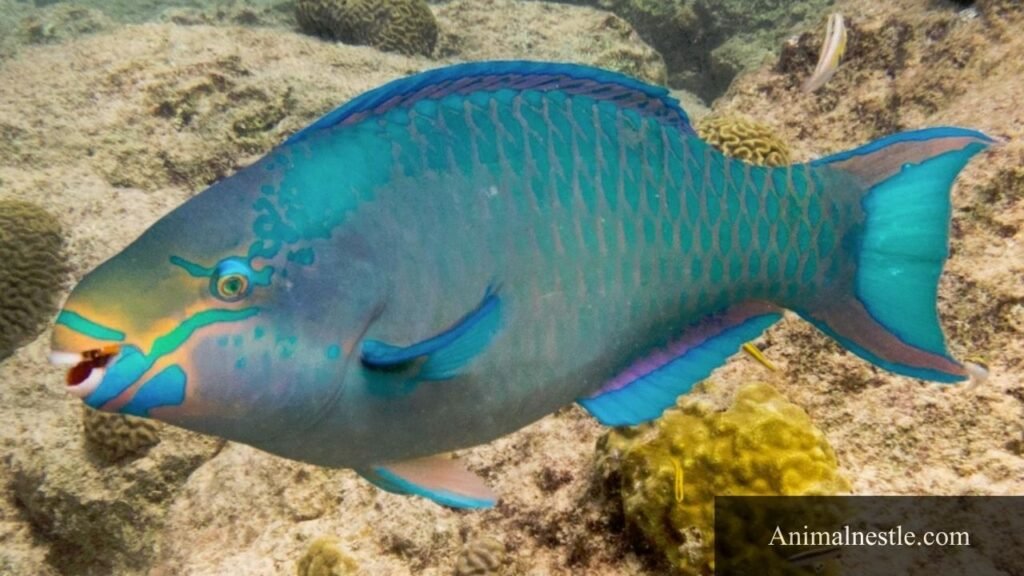
Queen Parrotfish exhibit remarkable social behaviors. They often form intricate schools, communicating with each other through a series of clicks and whistles. Interestingly, they are also known for their ability to change sex; mature females can transform into males in response to the social hierarchy of their group. This adaptive trait not only enhances their reproductive success but also contributes to the stability of their populations in fluctuating reef environments. Understanding the complex lives of these fish unveils a greater appreciation for the interdependence of marine ecosystems.
Quacking Frog
Scientific Name: Crinia georgiana
Class: Amphibia
Diet: Carnivore
The Quacking Frog is a fascinating amphibian native to the wetlands of southeastern Australia. Unlike most frogs that rely on croaks or ribbits, this unique species emits an unusual quacking sound reminiscent of a duck, which aids in its mating rituals and territorial claims. This distinctive call not only sets them apart from their more conventionally vocal cousins but also serves as a reminder of the diverse adaptations within amphibian communication.
Beyond their quirky vocalizations, Quacking Frogs possess remarkable camouflage abilities, blending seamlessly into their wetland environments. Their skin texture and coloration allow them to evade predators while remaining inconspicuous to both prey and potential threats. This adaptability is crucial in a world where habitat loss poses a significant challenge to many frog species. As climate change exacerbates these pressures, understanding the ecological role of the Quacking Frog becomes increasingly vital, reminding us of the intricate balance in ecosystems and the importance of preserving biodiversity for future generations.
Quillback
Scientific Name: Carpiodes cyprinus
Class: Actinopterygii
Diet: Omnivore
The Quillback is a striking freshwater fish that can be found in North America’s rivers and lakes, particularly in the Great Lakes region. This species is easily recognizable by its elongated body and prominent dorsal spines, which resemble quills and are a clear evolutionary advantage for warding off predators. Unlike many fish that use colorful patterns for camouflage, the Quillback opts for a more subdued palette, blending seamlessly into rocky riverbeds.
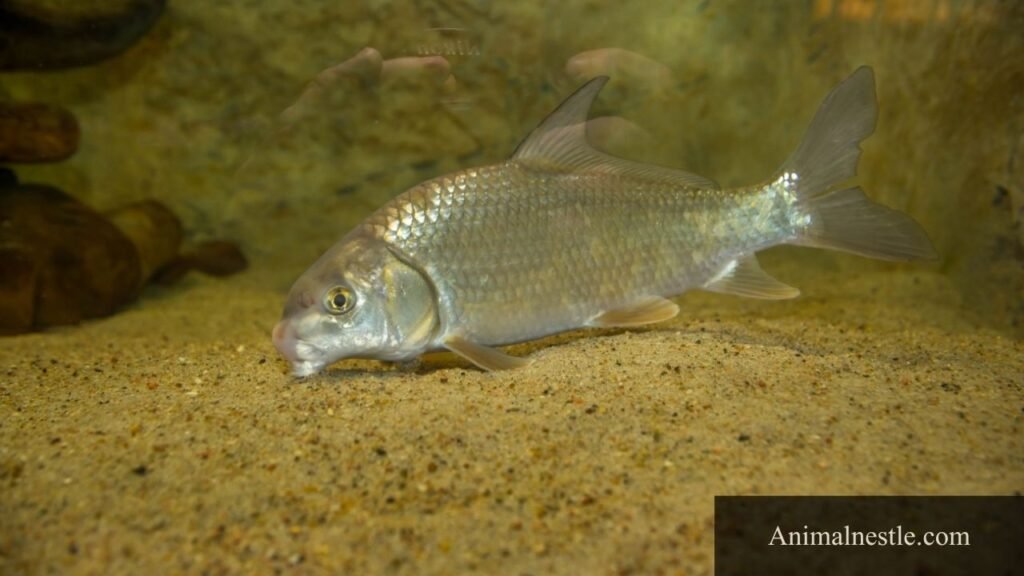
What makes the Quillback particularly fascinating is its unique feeding behavior. It possesses specialized pharyngeal teeth that allow it to graze on algae, detritus, and small invertebrates, playing a crucial role in the health of freshwater ecosystems by controlling algae growth. This herbivorous diet highlights the interconnectedness of aquatic life; when Quillbacks thrive, they contribute to a balanced ecosystem, supporting various species, including those that rely on clear water for spawning. Furthermore, their adaptability to different habitats underscores their resilience, making them an intriguing subject for studies related to environmental changes and conservation efforts.
Queen Alexandra’s Birdwing Butterfly
Scientific Name: Ornithoptera alexandrae
Class: Insecta
Diet: Herbivore
The Queen Alexandra’s Birdwing Butterfly, one of the largest butterflies in the world, boasts a wingspan that can reach up to a remarkable 25 centimeters. Native to the rainforests of Papua New Guinea, this magnificent creature showcases stunning iridescent colors, with males flaunting vibrant blues and greens that shimmer in sunlight, while females display more muted tones of brown and gold. This striking contrast not only highlights sexual dimorphism but also offers a glimpse into the complex mating rituals of these butterflies, where visual appeal plays a pivotal role in attracting partners.
What truly sets the Queen Alexandra’s Birdwing apart, however, is its unique ecological role. As a pollinator, it contributes significantly to the health of its rainforest habitat, aiding the reproduction of numerous plants. Furthermore, the butterfly’s life cycle is a testament to the delicate balance of ecosystems: its larvae depend on specific host plants, which in turn rely on rainforests that are increasingly threatened by deforestation and climate change. Understanding the significance of this species not only underscores the urgency of conservation efforts but also illuminates the intricate connections that sustain biodiversity in our natural world.
Quetzal
Scientific Name: Pharomachrus
Class: Aves
Diet: Omnivore
The Quetzal, a vibrant avian of Central America’s cloud forests, is as captivating as it is elusive. Adorned with iridescent green plumage and a striking red breast, this bird is not just a feast for the eyes but also holds a significant place in various cultures. Ancient civilizations revered the Quetzal as a symbol of freedom and beauty, often associating it with the god Quetzalcoatl. Today, it is a national symbol of Guatemala and embodies the rich biodiversity of its homeland.
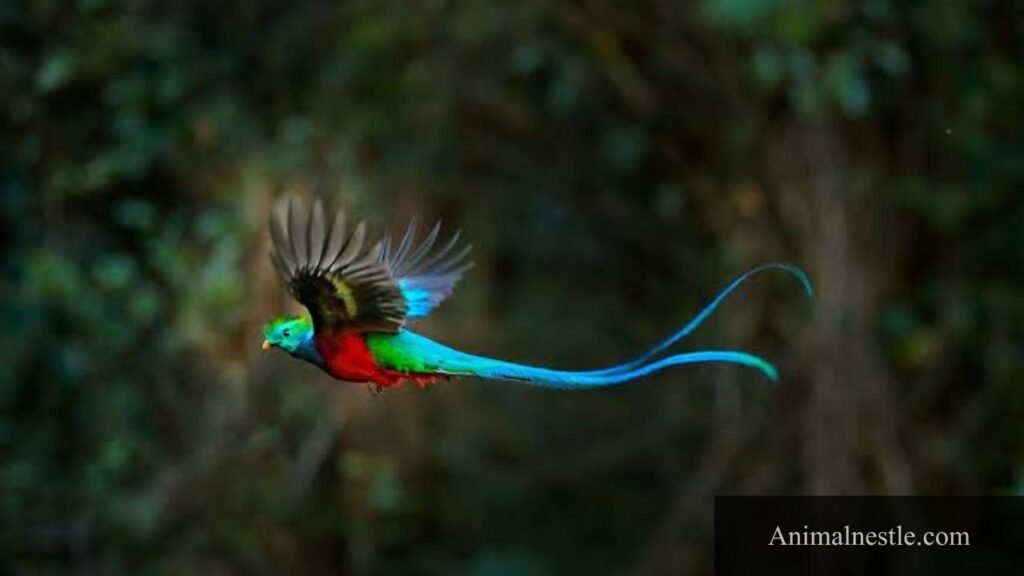
The Quetzal is also remarkable for its unique nesting behavior. Unlike many birds, it prefers to make its home in tree cavities, often abandoning nests that are disturbed by human activity, which puts its population at risk. As insectivores, they play a crucial role in controlling insect populations and maintaining the ecological balance in their habitats. The Quetzal’s diet often features the fruit of the wild avocado tree, making it a vital seed disperser for several species, contributing to the lush, verdant landscapes of its cloud forest environment. This interdependence highlights the intricate relationships within ecosystems that are easily overlooked.
Queensland Grouper
Scientific Name: Epinephelus lanceolatus
Class: Actinopterygii
Diet: Carnivore
The Queensland grouper, also known as the giant grouper, is a marvel of the underwater world, often reaching lengths of up to 8 feet and weighing over 600 pounds. Found predominantly along the warm coasts of Australia, this colossal fish is not only a striking presence but also an essential part of its ecosystem. Their impressive size and unique coloring, featuring a mottled pattern of browns and greens, help them blend seamlessly into their coral reef habitats, providing them an edge as ambush predators.
Queensland grouper also possess fascinating social behavior; known to form strong bonds with local divers. Many experienced divers have reported sightings of these gentle giants approaching them curiously, often mimicking their movements. This interaction highlights a remarkable aspect of their behavioral ecology, showcasing their intelligence and capacity for social recognition, which is rare among fish. Their conservation status is a growing concern, as overfishing and habitat destruction threaten their populations, prompting initiatives aimed at preserving these magnificent creatures and their surrounding environments.
Quiscalus
Scientific Name: Quiscalus
Class: Aves
Diet: Omnivore
Quiscalus, commonly known as the grackle, is a fascinating bird that often captivates observers with its striking appearance and intriguing behaviors. These birds, part of the Icteridae family, display a stunning iridescent plumage that shifts in color from deep blues to vibrant greens, especially when caught in sunlight. Their presence is often felt in urban and rural environments alike, where they thrive, showcasing adaptability that speaks to their intelligence.
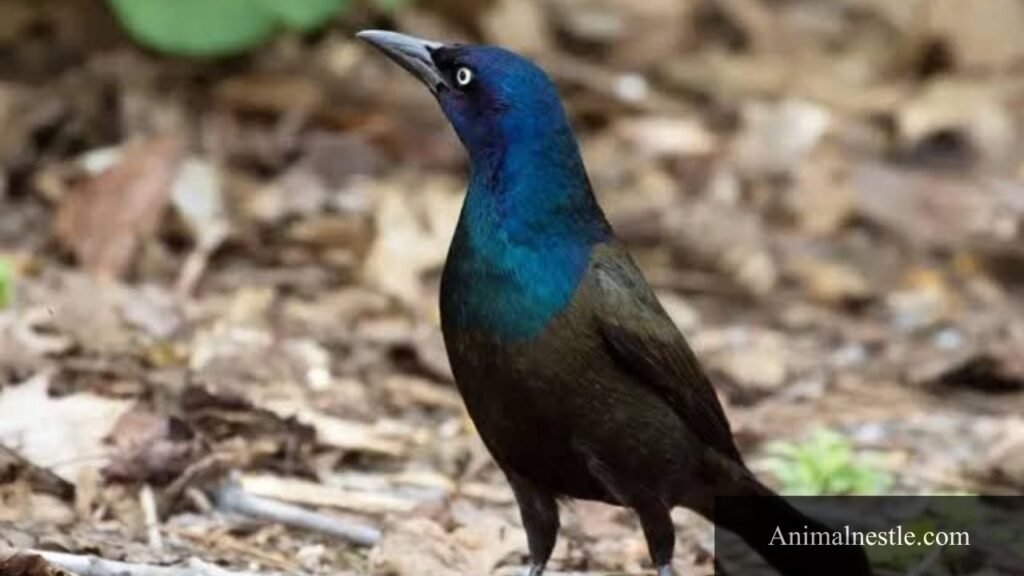
One of the most remarkable aspects of grackles is their complex social structure. They are known for forming large, raucous flocks, particularly during winter months, creating a symphony of chatter that can be both enchanting and overwhelming. Interestingly, their vocalizations aren’t just random noise; they communicate nuanced messages through a diverse range of calls, from alarm signals to social interactions, demonstrating a level of social awareness that adds depth to their communal lives. This intelligence extends to their foraging techniques as well, as grackles have been noted for their problem-solving skills, often employing innovative methods to access food resources.
Queen Triggerfish
Scientific Name: Balistes vetula
Class: Actinopterygii
Diet: Carnivore
The Queen Triggerfish, notable for its vibrant hues and distinctive shape, inhabits the warm waters of the Caribbean and the surrounding regions. These fish exhibit a fascinating behavior known as “nest guarding,” where the males fiercely defend their nests against intruders. Their bright coloration serves a dual purpose; not only does it attract potential mates, but it also acts as a warning to predators and rival fish about the male’s formidable presence.
Queen Triggerfish possess unique adaptations that make them formidable hunters. Their powerful jaws can crush the shells of crustaceans and mollusks, showcasing their versatility as opportunistic feeders. Their ability to change color when threatened is astonishing; they can shift from bright patterns to more muted tones, allowing them to blend seamlessly with their environment. Understanding such adaptations invites deeper appreciation for the complexity of marine ecosystems, where survival often depends on both physical prowess and behavioral intelligence.
Quail
Scientific Name: Coturnix coturnix
Class: Aves
Diet: Omnivore
Quail are fascinating creatures with a rich history and unique behaviors. These small game birds belong to the pheasant family and are known for their distinctive, melodic calls that echo through the brush. Unlike some of their more glamorous cousins, quail exhibit a strong sense of family loyalty; they often stay in tight-knit groups or coveys, utilizing teamwork to evade predators. This social structure not only enhances their survival but also provides an intriguing glimpse into the complexities of avian communication and collaboration.
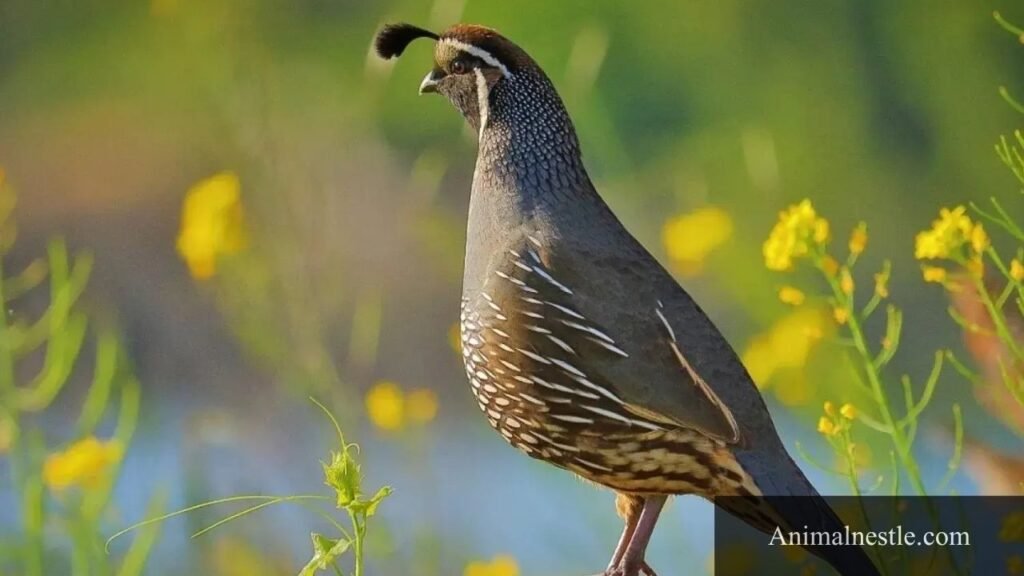
Quails exhibit remarkable adaptability, thriving in diverse habitats ranging from dense forests to arid grasslands. Their foraging habits are particularly noteworthy; they primarily feed on seeds and insects, and their ability to scratch and dig for food demonstrates their resourcefulness. Moreover, quail possess a unique reproductive strategy: the female lays a clutch of eggs hidden in the underbrush, giving her young a better chance of survival against predators. This clever nesting behavior highlights the bird’s instinctual understanding of environmental threats, showcasing yet another layer to their intriguing life cycle.
Queensland Lungfish
Scientific Name: Neoceratodus forsteri
Class: Sarcopterygii
Diet: Omnivore
The Queensland lungfish, a living fossil, offers a fascinating glimpse into the ancient waters of Australia. With origins tracing back over 380 million years, this unique fish possesses both gills and lungs, allowing it to survive in oxygen-poor environments. This adaptation is not merely a survival mechanic; it showcases the evolutionary crossroads where water and land creatures have emerged. Scientists have found the lungfish to be a biological marvel, as it helps illuminate the evolutionary pathways of tetrapods — the ancestors of all land vertebrates.
The Queensland lungfish plays a crucial role in maintaining river ecosystems, often acting as an indicator species for environmental health. Their diet primarily consists of aquatic plants, detritus, and small invertebrates, which facilitates nutrient cycling within their habitats. However, their survival is threatened by habitat destruction and climate change, making conservation efforts imperative. Beyond their ecological significance, studies of the lungfish’s regenerative abilities hold promise for advancements in medicine, as they possess the capability to heal their injured fins — insightful for researchers exploring tissue regeneration.
Queen Snake
Scientific Name: Regina septemvittata
Class: Reptilia
Diet: Carnivore
The Queen Snake is a strikingly elegant reptile that thrives in freshwater ecosystems across the eastern United States. What sets this species apart is its unique dietary preference; Queen Snakes primarily feasts on freshly molted crayfish, showcasing a specialized feeding strategy that highlights the intricate balance of aquatic ecosystems. This diet not only makes them fascinating predators but also underscores their role in controlling crayfish populations, thus maintaining ecological stability.
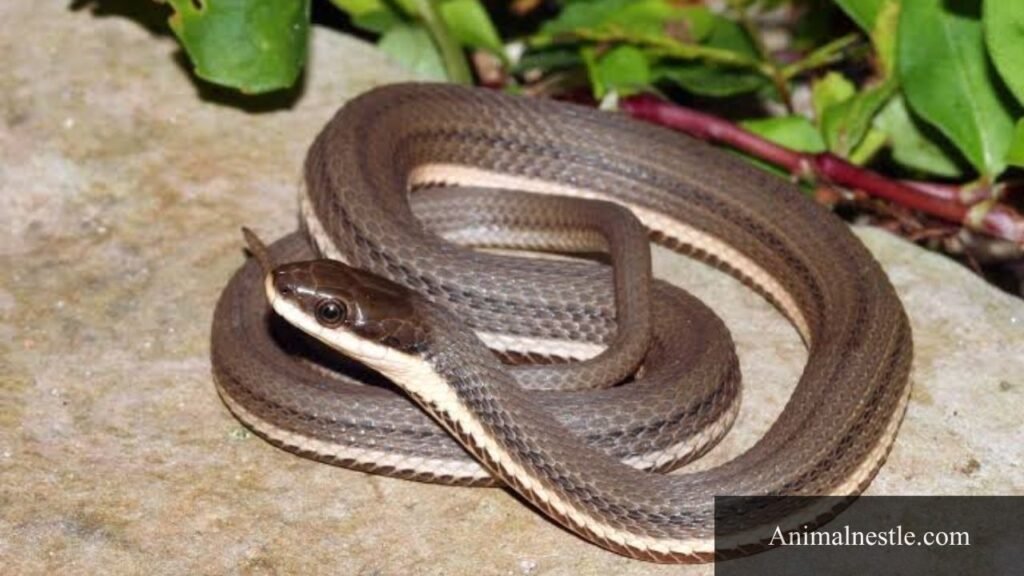
Interestingly, the Queen Snake’s stunning coloration ,often characterized by distinct yellow stripes running along its body, serves as both camouflage and a warning signal to potential predators. This duality in coloring is a classic example of nature’s artistry, where beauty often intertwines with survival strategies. Despite their often-misunderstood reputation, Queen Snakes are non-venomous and exhibit a gentle disposition, making them a captivating subject for nature enthusiasts and researchers alike.
Quokka Frog
Scientific Name: Anura
Class: Amphibia
Diet: Carnivore
The quokka frog, a remarkable and lesser-known amphibian, dazzles with its unique adaptations and striking appearance. Found predominantly in the marshy wetlands of Australia, this small, vibrantly colored frog draws attention not just for its looks but also its exceptional resilience to changing habitats. Their specialized skin allows them to thrive in both terrestrial and aquatic environments, making them a true dual athlete of the amphibian world.
The quokka frog exhibits a fascinating communal behavior during breeding seasons. Males engage in intricate vocal performances to attract mates, echoing through the wetlands like a mesmerizing symphony. This vocal prowess not only reflects their health and vitality but also serves as a critical indicator of the surrounding ecosystem’s health. Observing their mating rituals offers insight into the interdependence of species and highlights the importance of preserving their wetlands, which are vital not just for the quokka frog but for a multitude of organisms sharing their habitat.
Readmore: Explore Top 35 Animals That Start With B.
Final Thoughts
The world of animals that start with the letter Q is surprisingly diverse, showcasing unique and fascinating creatures such as the quokka and quail. Each of these animals plays an essential role in their respective ecosystems, contributing to biodiversity and the balance of nature. By exploring the characteristics and habitats of these creatures, we gain a deeper appreciation for the variety of life on our planet. Let’s commit to supporting wildlife conservation and protecting the unique wonders our world has to offer!
FAQs
What animals begin with Q?
Some animals that begin with the letter “Q” include the quail, a small bird known for its distinctive call and ground-nesting habits. Quails are often found in grasslands and forests and are popular in hunting and cuisine.
Another example is the quokka, a small marsupial from Australia, known for its friendly demeanor and photogenic smile. These animals are primarily herbivorous and thrive in coastal habitats. Lastly, there’s the quoll, a carnivorous marsupial native to Australia and New Guinea, recognized for its spotted coat and agile hunting skills.
Is there a Q animal that is a mammal?
Yes, there is a mammal that starts with the letter “Q” — the quokka. Native to Australia, quokkas are small marsupials that belong to the macropod family, which also includes kangaroos and wallabies. They are known for their friendly demeanor and are sometimes referred to as “the world’s happiest animal” due to their perpetual smiles.