Top 23 Animals That Start With E (With Pictures)
From majestic elephants to enigmatic echidnas, animals that start with E are often overlooked, yet they play vital roles in their ecosystems. This article will not only introduce you to these unique species but also explore their behaviors, habitats, and conservation needs. By the end, you’ll appreciate the diversity and importance of these extraordinary animals.
List of Animals That Start With E
Below is the list of animals that start with E:
- Eastern Diamondback Rattlesnake
- Edible Frog
- European Hedgehog
- Elk
- Emperor Penguin
- Elephant Shrew
- European Badger
- Eurasian Nuthatch
- Eastern Box Turtle
- Emu
- Eastern Kingbird
- Eastern Screech Owl
- Elephant Seal
- Echidna
- Egyptian Vulture
- European Starling
- Eland
- Eurasian Lynx
- Electric Eel
- Eastern Coral Snake
- Elephant
- European Eel
- Ethiopian Wolf
Eastern Diamondback Rattlesnake
Scientific Name: Crotalus adamanteus
Class: Reptilia
Diet: Carnivore
The Eastern Diamondback Rattlesnake, often regarded as one of North America’s most fascinating serpents, boasts an impressive array of adaptations that ensure its survival in diverse habitats. Known for its striking diamond-patterned scales, this snake not only captivates the eye but also serves as an effective camouflage against the sandy, leaf-strewn floors of its southeastern U.S. territory. With a potential length exceeding six feet, it stands as the largest rattlesnake species, embodying both majesty and menace.
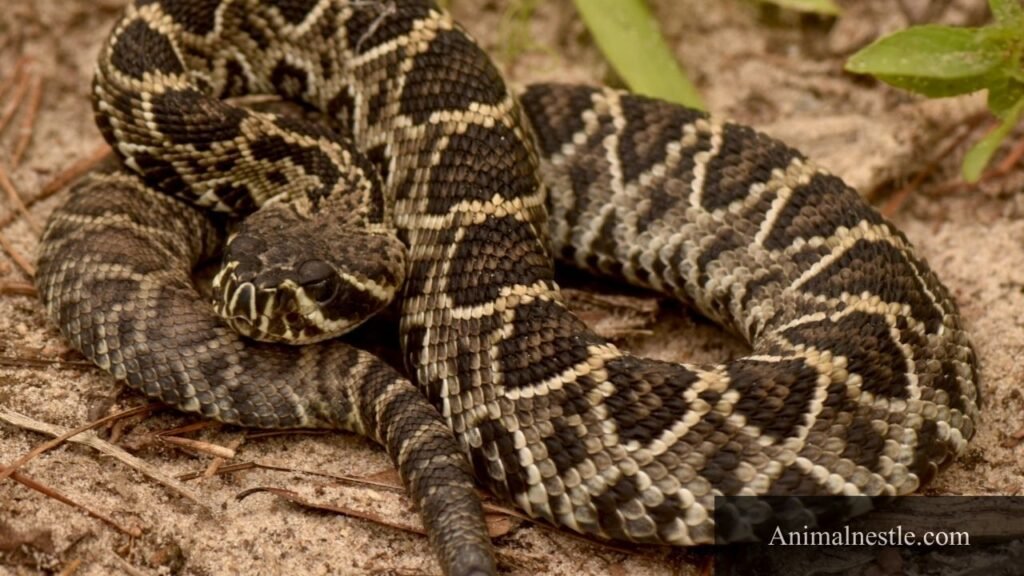
What sets the Eastern Diamondback apart is its complex social behavior, particularly during mating season. Unlike many reptiles that lead solitary lives, male Eastern Diamondbacks engage in elaborate combat rituals to win the attention of females, showcasing their strength and agility. Their venom is another marvel, equipped with enzymes that rapidly break down tissues in their prey, primarily small mammals. However, these snakes are often misunderstood and face threats from habitat loss and human encounters, leading to a declining population in some areas. By fostering a deeper appreciation for these extraordinary creatures, we can help ensure their protection for future generations.
Edible Frog
Scientific Name: Pelophylax esculentus
Class: Amphibia
Diet: Carnivore
The edible frog, known scientifically as Pelophylax kl. esculentus, is a fascinating amphibian that thrives in freshwater environments across Europe. This remarkable creature is not just a culinary curiosity; it plays a critical role in its ecosystem. As both predator and prey, the edible frog helps maintain the balance of aquatic habitats, consuming insects and serving as a food source for larger animals, including birds and mammals.
A striking feature of the edible frog is its ability to adapt to various environments. Its vibrant green and brown coloration allows it to blend seamlessly into its surroundings, providing effective camouflage from predators. Interestingly, these frogs have a remarkable jumping ability, which they utilize not only for escaping threats but also for traversing their habitats with agility. By exploring their world through leaps and bounds, edible frogs navigate the rich tapestry of life found in wetlands and marshes, showcasing the beauty of nature’s resilience.
European Hedgehog
Scientific Name: Erinaceus europaeus
Class: Mammalia
Diet: Omnivore
The European Hedgehog, often seen foraging in gardens and hedgerows, offers a fascinating glimpse into the delicate balance of urban and rural ecosystems. These nocturnal creatures are more than just cute face and prickly spines; they play a crucial role in controlling pest populations. By feasting on insects, snails, and even small vertebrates, hedgehogs serve as a natural form of pest management, reducing the need for chemical interventions in gardens.
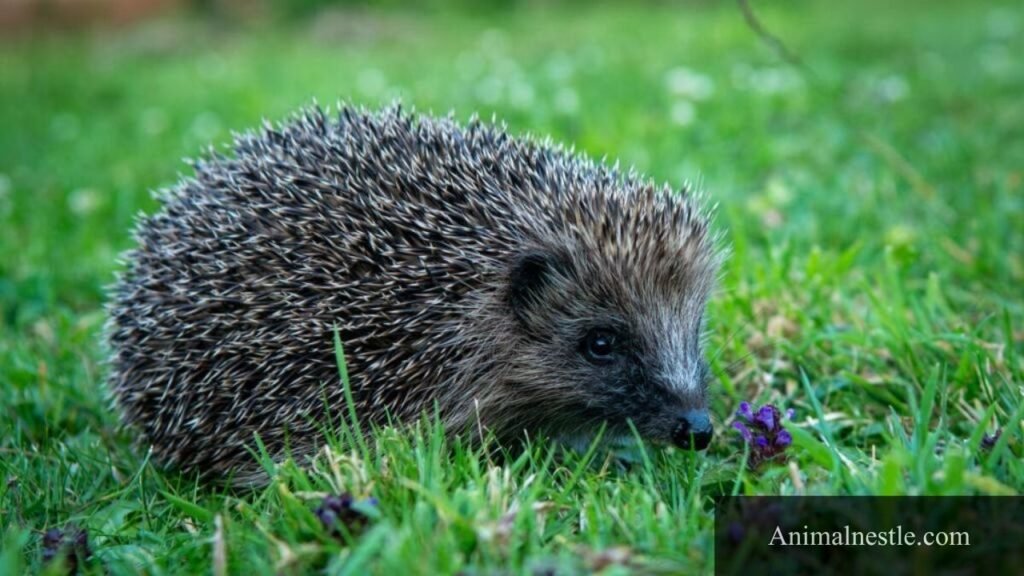
Hedgehogs possess a unique form of hibernation during colder months, entering a state of torpor that can last for weeks. This adaptation not only conserves energy but also highlights their resilience in the face of climate variations. As urbanization continues to encroach upon their habitats, the European hedgehog is increasingly vulnerable to threats such as habitat loss and road fatalities. Conservation efforts are becoming essential, showcasing how simple backyard changes, like creating hedgehog highways or providing shelters, can foster a safe haven for these charming nocturnal wanderers. Embracing the hedgehog means embracing the delicate balance of our ecosystems and the wonders of wildlife flourishing alongside us.
Readmore: Explore Top 31 Animals That Start With A.
Elk
Scientific Name: Cervus canadensis
Class: Mammalia
Diet: Herbivore
Elk, often overshadowed by their larger relatives like moose, are fascinating creatures with intriguing social structures and ecological roles. Found primarily in North America and parts of Asia, these majestic herbivores thrive in diverse habitats, from dense forests to open grasslands. Their adaptability is remarkable; they can forage for food in challenging environments and even modify their feeding behaviors based on seasonal changes.
One striking aspect of elk behavior is their complex social dynamics. During the mating season, known as rut, males display impressive antlers in a dramatic display of dominance, competing for the attention of potential mates. This spectacle draws wildlife enthusiasts and photographers alike, illustrating the raw beauty of nature’s cycles. Moreover, elk play a critical role in their ecosystems, as their grazing habits help maintain the balance between various plant species, promoting biodiversity.
Emperor Penguin
Scientific Name: Aptenodytes forsteri
Class: Aves
Diet: Carnivore
The Emperor Penguin is not just a visual marvel but a symbol of endurance in one of Earth’s harshest climates. These majestic birds are the tallest of all penguin species, reaching heights of about four feet, and they possess remarkable adaptations that allow them to thrive in subzero temperatures. Their unique breeding cycle is a testament to their resilience; males incubate eggs by balancing them on their feet, sheltered beneath a flap of skin, while the females venture out to sea for nourishment. This devoted partnership showcases a level of commitment rarely seen in the animal kingdom.
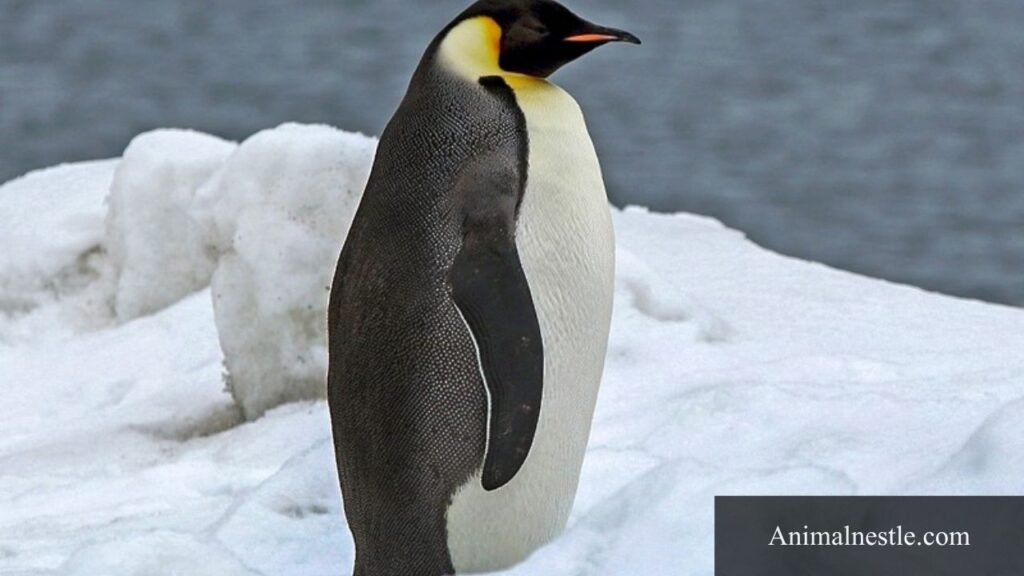
The social structure of Emperor Penguins is intriguing. Living in large colonies, they engage in complex vocal communications to recognize their mates and chicks amidst the cacophony of thousands. This bonding is crucial during the long Antarctic winters, where blizzards can last for days and food sources are scarce. Observing their cooperative behaviors, such as huddling together for warmth, not only illustrates their survival instinct but also highlights the importance of community in the face of adversity. As climate change poses new challenges to their habitat, understanding and protecting these charismatic birds becomes increasingly vital, inspiring efforts to safeguard the delicate ecosystems they inhabit.
Elephant Shrew
Scientific Name: Rhynchocyon cirnei
Class: Mammalia
Diet: Carnivore
The elephant shrew, despite its name, is not a shrew at all but a unique mammal that holds a fascinating position in the animal kingdom. This small creature, native to Africa, is more closely related to elephants and manatees than to its namesake. With its elongated snout and large ears, the elephant shrew is a charming sight, often mistaken for a miniature anteater or a cross between a rodent and an insectivore. Their agile bodies allow them to navigate through dense vegetation, making them elusive but intriguing to observe.
What sets elephant shrews apart is their remarkable sense of hearing and speed; they can reach incredible bursts of speed to escape predators. They possess an acute ability to bounce back from threats, often performing erratic jumps to confuse potential chasers. This extraordinary evasion strategy is complemented by a fascinating social dynamic: while generally solitary, some species exhibit social behaviors and pair bonding during the breeding season. Understanding these creatures can deepen our appreciation for biodiversity and the intricate connections that tie different species together in the vast tapestry of life. The elephant shrew is more than just a whimsical name; it’s a testament to nature’s creativity and adaptability.
European Badger
Scientific Name: Meles meles
Class: Mammalia
Diet: Omnivore
The European badger, a fascinating creature that roams woodlands and meadows across Europe, is often misunderstood as merely a nocturnal scavenger. These social animals live in intricate systems of underground burrows, known as setts, which they maintain with impressive engineering skills. Each sett can house multiple badgers, creating a communal living environment where family bonds are forged and strengthened over generations.
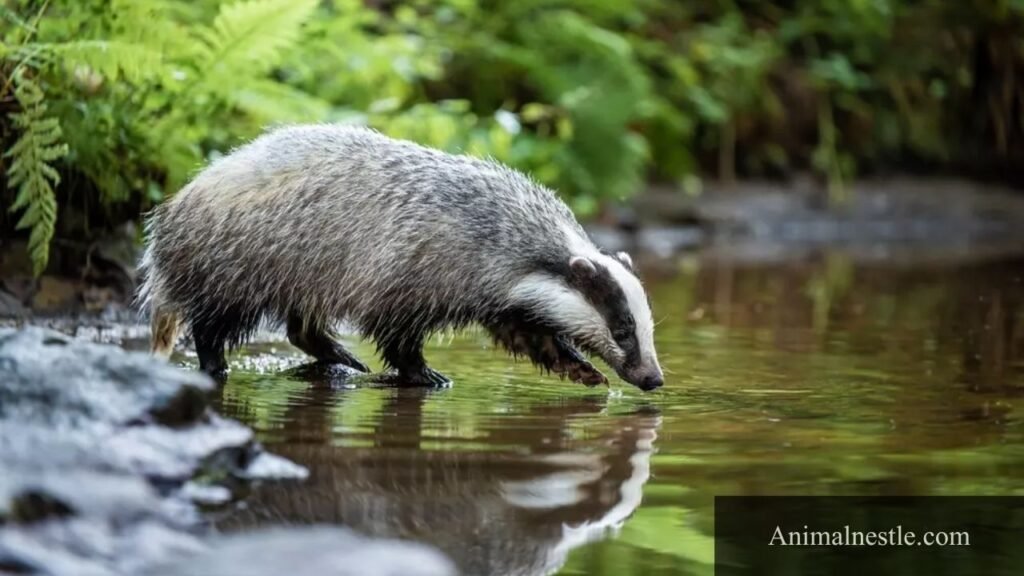
One of the most captivating aspects of European badgers is their role as ecosystem engineers. By burrowing and foraging, they aerate the soil and promote the growth of various plant species, directly shaping the landscape they inhabit. Their diet is an eclectic mix of earthworms, insects, and berries, showcasing their adaptability and the intricate web of life that they support. Observing a badger in the wild is a rare treat, as they are primarily active at dusk and dawn, emphasizing the importance of preserving their natural habitats to appreciate the wild beauty of these elusive mammals.
Eurasian Nuthatch
Scientific Name: Sitta europaea
Class: Aves
Diet: Omnivore
The Eurasian Nuthatch, a small yet striking bird, showcases a unique adaptability that sets it apart from its peers. With its distinctive blue-grey wings and a chestnut-colored belly, this avian gem is often seen scuttling headfirst down tree trunks in a charming display of agility. Unlike many birds that rely solely on flight, the Nuthatch cleverly navigates its environment by using its agile claws to cling to bark and reach hidden insects, displaying an impressive blend of acrobatics and precision.
What truly makes the Eurasian Nuthatch fascinating is its robust vocal repertoire. It communicates through a variety of calls that serve not only as territorial markers but also as social cues among flock members. This ability to convey different messages through sound underscores the complexity of their social structures. Moreover, their behavior reflects a level of intelligence; they often cache food in tree crevices, showcasing foresight that rivals that of some larger mammals. Observing these birds can inspire a deeper appreciation for the intricate roles each species plays in its ecosystem.
Eastern Box Turtle
Scientific Name: Terrapene carolina carolina
Class: Reptilia
Diet: Omnivore
The Eastern Box Turtle is known for its unique ability to withdraw completely into its shell for protection. Unlike many other turtle species, the Eastern Box Turtle has a hinged plastron, allowing it to close tightly and create a nearly impenetrable fortress against predators. This fascinating adaptation showcases not only their defensive strategy but also reflects their ancient lineage, surviving for millions of years in various ecosystems.
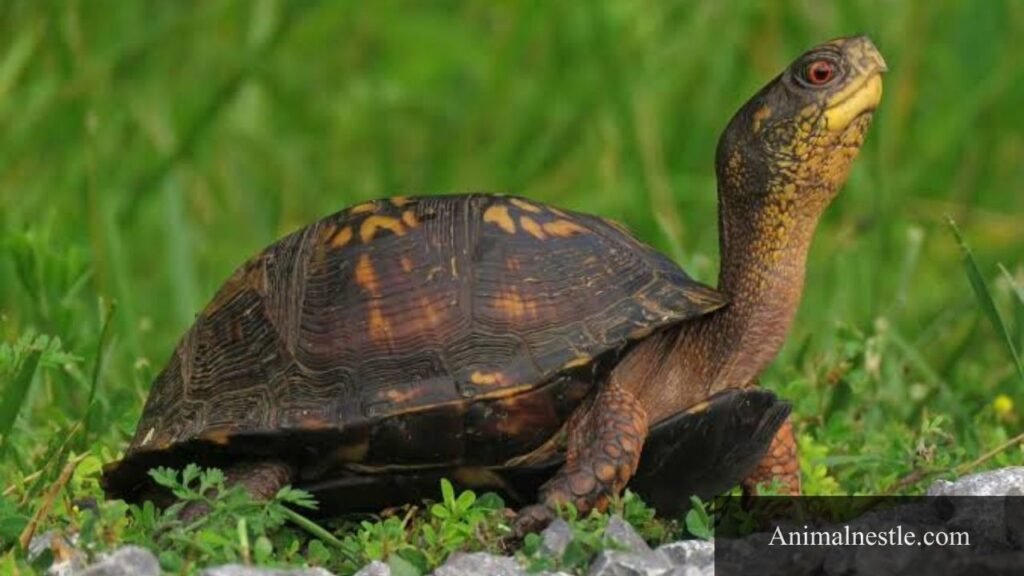
Eastern Box Turtles are known for their vibrant patterns and colors, which can vary widely depending on their habitat. From the lush woodlands of the East Coast to the grassy meadows, these turtles exhibit a spectrum of earthy tones that help them blend seamlessly into their environment. Their slow-paced lifestyle encourages a profound connection with their surroundings, as they often savor the simple pleasures of foraging for fruits, mushrooms, and insects.
Emu
Scientific Name: Dromaius novaehollandiae
Class: Aves
Diet: Omnivore
The emu, a flightless bird native to Australia, is one of the largest avian species in the world, standing at nearly six feet tall. Its long neck and powerful legs create a striking silhouette, but it’s the emu’s unique behavior that truly captivates observers. Unlike many animals, emus are known for their endearing curiosity and playful nature, often seen engaging in social interactions with fellow emus and even other species. Their distinctive booming calls echo through the Australian landscape, serving as a reminder of their presence.
Emus play a significant role in their ecosystem, aiding in seed dispersal as they forage on a variety of fruits and plants. This not only supports plant diversity but also helps maintain the health of their native habitats. Emus possess an extraordinary sense of direction, often traveling long distances in search of food and water, and can be seen migrating across vast expanses. Their resilience and adaptability further illustrate their importance in Australia’s biodiversity, making them more than just a quirky bird but a vital part of the natural world.
Eastern Kingbird
Scientific Name: Tyrannus tyrannus
Class: Aves
Diet: Carnivore
The Eastern Kingbird showcases not just beauty but also an intriguing behavior that captivates birdwatchers. Its sleek black cap and grayish body create a stunning contrast against the green backdrop of its preferred habitats, which range from open fields to the edges of woodlands. Known for its fearless demeanor, this bird often takes on much larger aerial foes, fiercely defending its territory with acrobatic displays that tantalize observers.
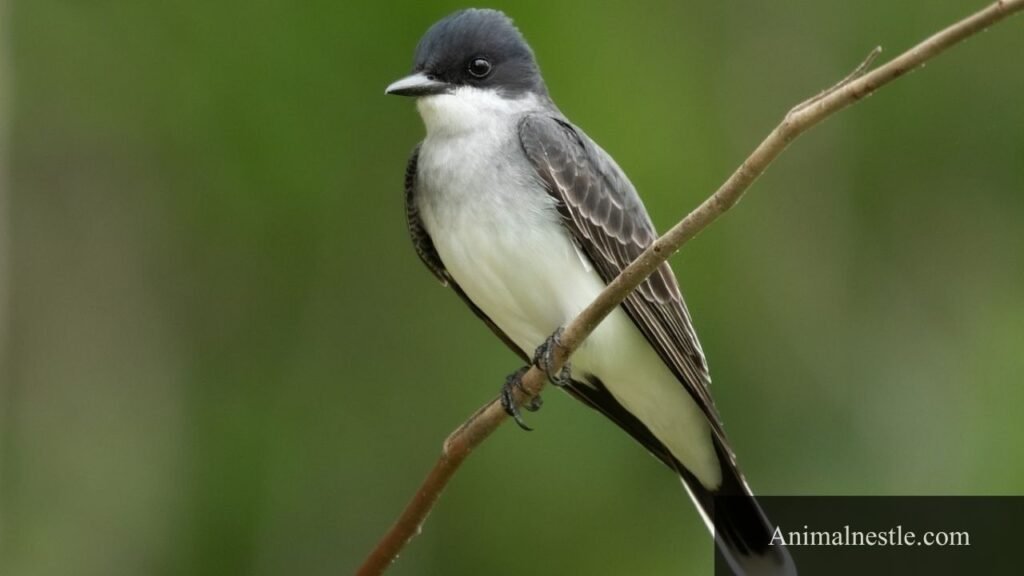
One particularly fascinating aspect of the Eastern Kingbird is its migration patterns. Each year, these birds embark on an extensive journey from North America to Central America, flying thousands of miles. Along the way, they exhibit a remarkable adaptability, adjusting their diets to include not only insects but also fruits when necessary. This versatility highlights their resilience in the face of environmental changes, reminding us of the importance of preserving their habitats amidst increasing urbanization and climate fluctuations.
Eastern Screech Owl
Scientific Name: Megascops asio
Class: Aves
Diet: Carnivore
The Eastern Screech Owl, a small but striking bird native to the eastern United States, captivates with its unique vocalizations and remarkable adaptability. Their enchanting calls, often resembling trills or whistles, echo through the woodlands at dusk, intertwining with the mystery of night. This owl’s plumage, which ranges from a vibrant gray to a rich reddish-brown, acts as perfect camouflage against tree bark, allowing it to blend seamlessly into its surroundings.
What sets the Eastern Screech Owl apart is not just its appearance but also its diverse diet. Unlike many of its larger counterparts, this pint-sized predator thrives on a varied menu, including insects, small mammals, and even the occasional amphibian. Their ability to hunt effectively in both urban and rural settings showcases resilience and adaptability, allowing them to coexist harmoniously with humans. Observing one perched silently, scanning its territory, or hearing its distinctive call as twilight descends is a gentle reminder of nature’s beauty and the delicate balance we share with these mysterious creatures.
Elephant Seal
Scientific Name: Mirounga leonina
Class: Mammalia
Diet: Carnivore
The elephant seal, with its remarkable size and distinctive features, commands attention both on land and sea. Adult males can weigh over 4,000 pounds, often flaunting their massive size with a large, inflatable snout that resembles a trunk. This impressive appendage is not just for show; it plays a crucial role during mating seasons, where it’s used to create loud vocalizations that echo across the shores, asserting dominance and attracting females.
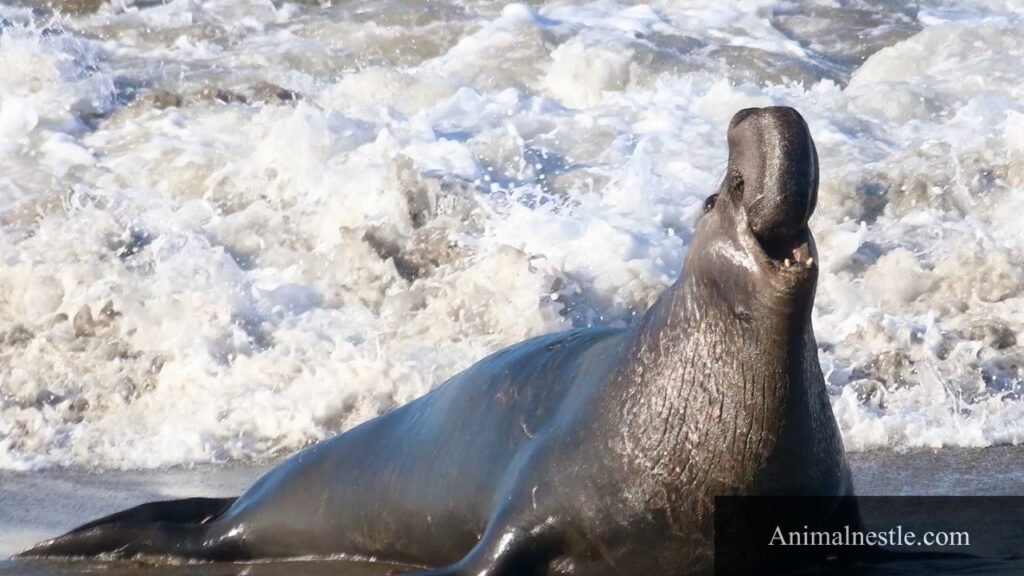
Elephant seals are surprisingly agile in the water. They are adept divers, capable of descending to depths of over 5,000 feet in search of food, primarily relying on squid and fish. Their incredible physiological adaptations — like the ability to hold their breath for over an hour — allow them to thrive in the deep ocean, showcasing a primal connection between their terrestrial and aquatic lives. Conservation efforts have been pivotal in helping populations rebound, providing a glimpse into the resilience of nature and the importance of shoreline protection for these magnificent mammals.
Echidna
Scientific Name: Tachyglossus aculeatus
Class: Mammalia
Diet: Carnivore
The echidna, often affectionately referred to as the spiny anteater, is a fascinating creature that defies typical mammalian traits. Unique among monotremes — egg-laying mammals — echidnas boast a distinctive set of adaptations. Their prickly spines, which serve as a defense mechanism against predators, contrast strikingly with their soft, furry underbelly, highlighting nature’s whimsical design.
Echidnas possess an advanced sense of smell, allowing them to detect underground ants and termites from afar. This olfactory prowess, combined with their long, sticky tongues, makes them expert foragers in their arid habitats. Unlike many animals, echidnas have a lower metabolic rate, enabling them to survive in environments where food may be scarce. The echidna’s unique method of reproduction — laying eggs that incubate in a pouch — adds to its allure, showcasing the diverse strategies of life in the animal kingdom. Their gentle demeanor and slow movements often evoke a sense of tranquility, inviting us to appreciate the quieter, often overlooked aspects of nature.
Egyptian Vulture
Scientific Name: Neophron percnopterus
Class: Aves
Diet: Carnivore
The Egyptian Vulture, known scientifically as Neophron percnopterus, is a remarkable bird that embodies both beauty and resilience. This striking species flaunts a unique appearance with its pale yellow face, contrasting black wing tips, and an impressive tuft of feathers on its head that resembles a crown. More than just a visual marvel, these vultures possess a fascinating behavioral trait: they are one of the few bird species known to use tools. They have been observed using rocks to crack open eggs, showcasing a level of intelligence that challenges stereotypes about scavengers.
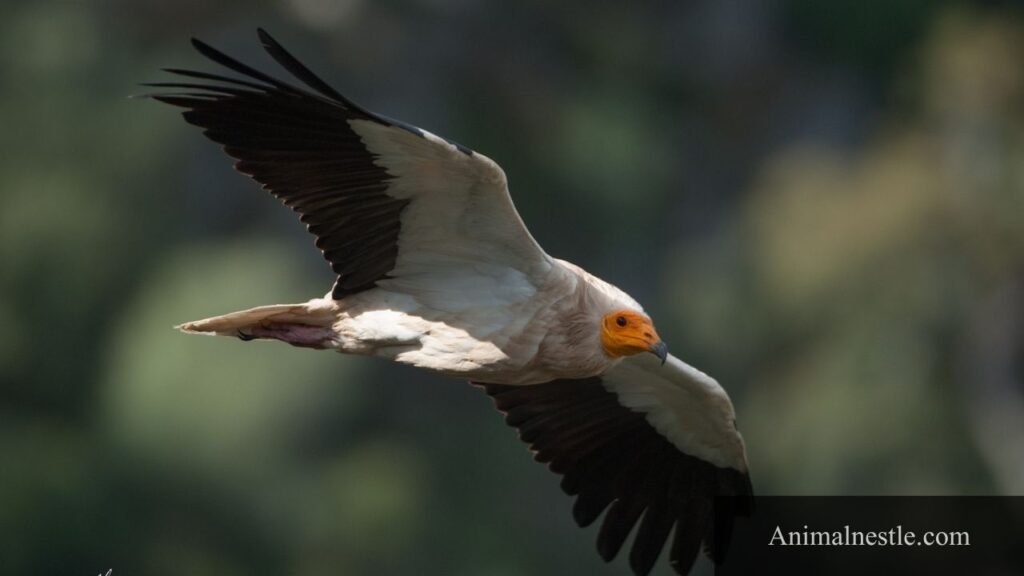
Beyond their impressive skills, Egyptian Vultures play a crucial role in their ecosystems as scavengers, helping to recycle nutrients and maintain health within their habitats. Unfortunately, their populations are declining due to habitat loss and poisoning. Conservation efforts are essential to protect these remarkable birds, which also feature prominently in ancient Egyptian culture, symbolizing the divine and the afterlife. Their ability to adapt to diverse environments — from rocky cliffs to open plains — reminds us of nature’s remarkable ingenuity and the intricate balance within ecosystems that we must strive to preserve.
European Starling
Scientific Name: Sturnus vulgaris
Class: Aves
Diet: Omnivore
The European Starling, with its glossy black feathers speckled with vibrant white spots, is a true marvel of adaptability. Originally from Europe, these birds have ventured far across continents, showcasing their ability to thrive in diverse environments — from bustling urban centers to serene countryside. Their remarkable vocal skills allow them to mimic sounds from their surroundings, captivating passersby with an eclectic array of whistles, calls, and even other bird songs.
European Starling also possesses remarkable social behavior. These birds often gather in massive flocks, creating mesmerizing murmurations that dance through the sky at dusk. This phenomenon not only serves as a visually stunning spectacle but also acts as a protective mechanism against predators. Furthermore, their role in ecosystems extends beyond beauty; starlings are voracious insectivores, helping control pest populations, while their foraging habits contribute to seed dispersal, aiding plant growth. In observing the European Starling, we witness the intricate interplay of nature, urban life, and ecological balance.
Eland
Scientific Name: Taurotragus oryx
Class: Mammalia
Diet: Herbivore
The eland, a majestic antelope found primarily in the savannas and woodlands of Africa, stands out not just for its size but for its remarkable adaptability. Weighing up to 2,200 pounds, they are the largest of all antelope species, yet their graceful demeanor can often deceive onlookers. These remarkable creatures have a striking appearance with spiral horns that can reach lengths of up to 3 feet, creating a silhouette that many wildlife enthusiasts find captivating.
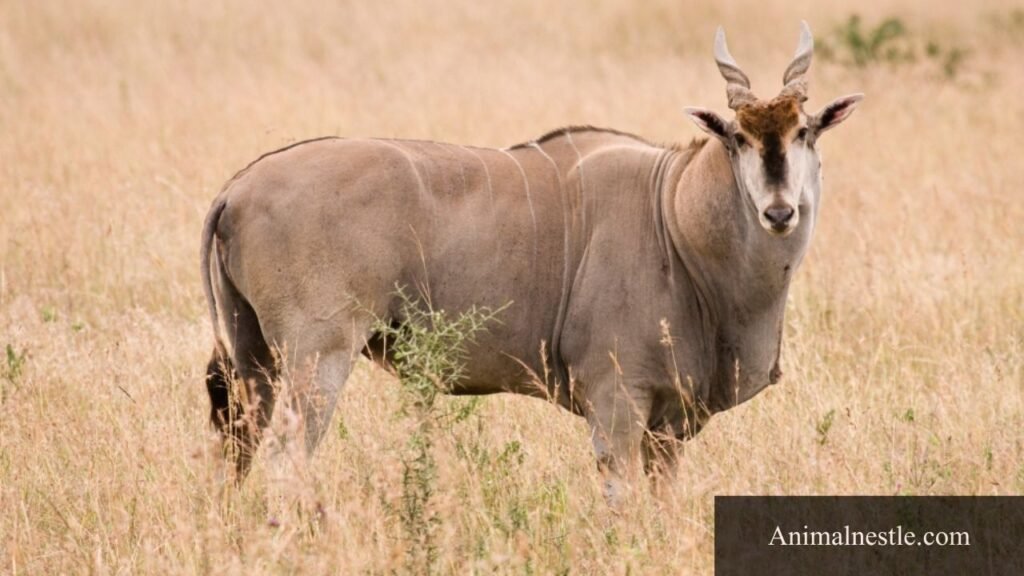
One of the most fascinating aspects of the eland is its behavior in complex social structures. They often form herds that are matriarchal, allowing females to lead and guide their young. This social dynamic fosters a nurturing environment, where protection and the sharing of knowledge, such as locating fresh water sources, are crucial for survival. Moreover, their unique ability to survive on tough vegetation, including thorny bushes, showcases their resilience and adaptability to harsh environments, making them a symbol of strength in the wild.
Eurasian Lynx
Scientific Name: Lynx lynx
Class: Mammalia
Diet: Carnivore
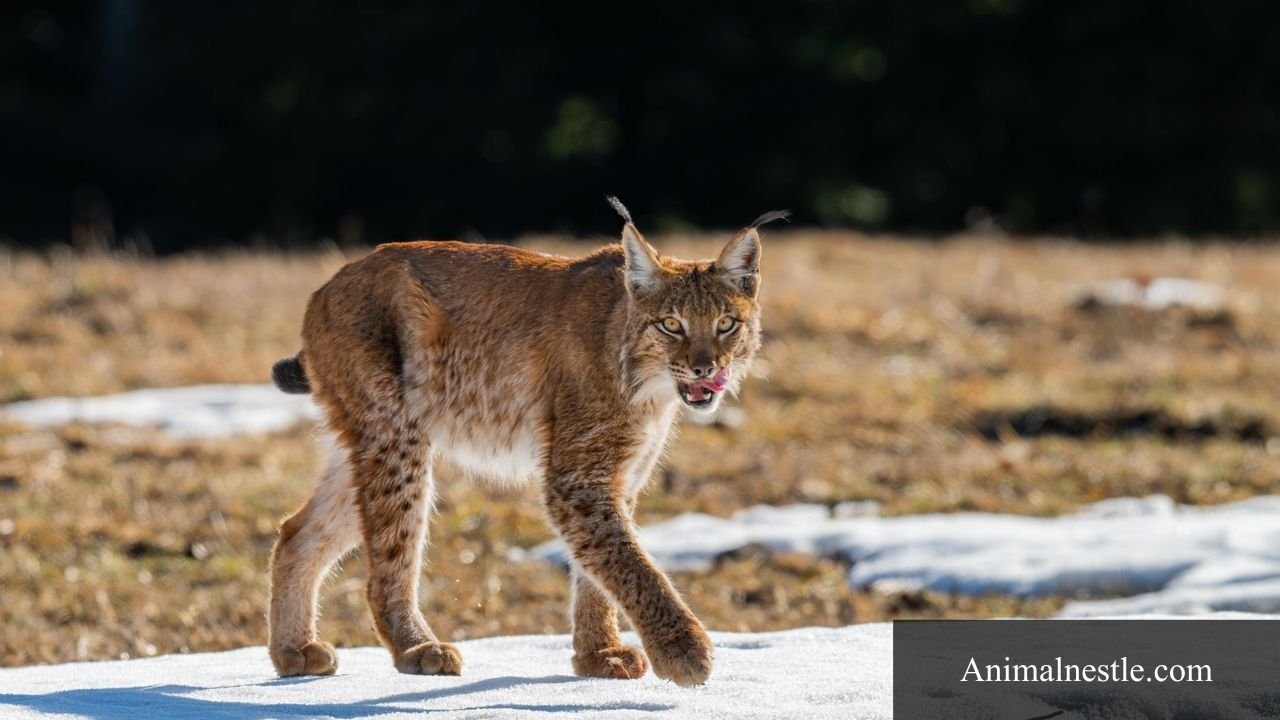
The Eurasian Lynx is a majestic feline that inhabits the dense forests and rugged landscapes of Europe and Asia. With its tufted ears, bushy tail, and striking spotted coat, this elusive predator is well-adapted for camouflage within its woodland realm. Unlike many other big cats, the Eurasian Lynx prefers solitude. This social distance plays a crucial role in its hunting strategy, allowing it to ambush prey like deer and hares with patient precision.
The Eurasian Lynx serves as a vital keystone species, helping to balance local ecosystems by controlling herbivore populations. Their presence indicates a healthy environment; where Lynx roam, biodiversity thrives. Moreover, these lynxes have been the subject of intriguing conservation efforts, demonstrating how ecosystems can recover when apex predators are reintroduced. Observing a lynx silently navigating its habitat offers more than just a glimpse of wildlife; it’s a reminder of the intricate web of life that sustains our planet.
Electric Eel
Scientific Name: Electrophorus electricus
Class: Actinopterygii
Diet: Carnivore
The electric eel, despite its name, is not technically an eel but rather a knifefish that can deliver a shocking jolt of electricity. Found primarily in the murky waters of the Amazon and Orinoco river basins, these fascinating creatures are more than just conduits of electrical energy; they are complex hunters and social animals. Equipped with specialized electrosensitive cells, they can generate voltages of up to 600 volts — enough to stun prey like fish and even deter predators. This remarkable adaptation not only aids in hunting but also serves as a means of communication with other electric eels in their environment.
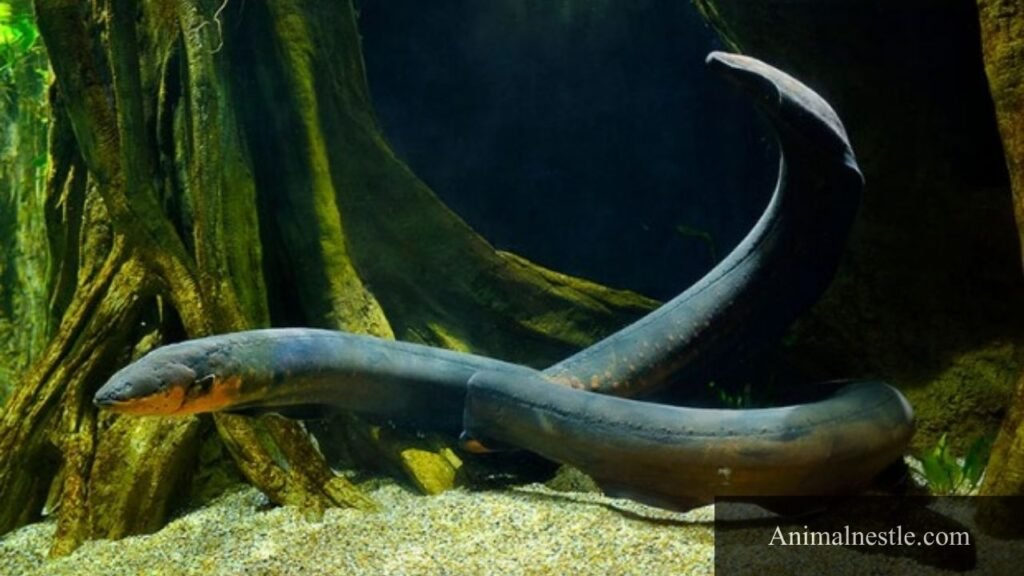
What truly elevates the electric eel’s status in the animal kingdom is its extraordinary ability to thrive in low-oxygen environments. As they skim through the water, they utilize their ability to rise to the surface for air, coming up every 15 to 20 minutes. Interestingly, their reliance on oxygen extends beyond hunting; they have also developed a complex social structure that allows them to form transient groups while exhibiting curious behaviors during mating rituals. This blend of intelligence and adaptability ensures that electric eels are not merely captivating due to their shocking abilities, but they also symbolize the intricate balance of life in their ecosystem.
Eastern Coral Snake
Scientific Name: Micrurus fulvius
Class: Reptilia
Diet: Carnivore
The Eastern Coral Snake is a fascinating marvel of nature. With its vibrant bands of red, yellow, and black, this snake leaves a lasting impression, but its beauty belies a potent venom that is among the most toxic in North America. Unlike many of its nonvenomous look-alikes, the Eastern Coral Snake delivers its venom through a unique mechanism — its small fangs, positioned at the front of the jaw, are designed to inject venom deep into its prey, which predominantly consists of small reptiles and amphibians.
Despite its fearsome reputation, encounters with humans are rare. This reclusive creature prefers to dwell in sandy or loose soil environments, often hiding beneath leaf litter or inside rotting logs. It possesses a cryptic nature, usually retreating at the slightest disturbance, which contributes to its enigmatic allure. Moreover, the Eastern Coral Snake plays a crucial role in its ecosystem, controlling populations of its prey and maintaining ecological balance. Its striking appearance and vital ecological function remind us that beauty and danger often intertwine in the world of wildlife.
Elephant
Scientific Name: Loxodonta africana
Class: Mammalia
Diet: Herbivore
Elephants are not just the largest land mammals; they are also intelligent beings with complex social structures. These gentle giants exhibit remarkable emotional depth, forming strong familial bonds that can last a lifetime. Often seen mourning their dead, elephants demonstrate behaviors akin to grief, showcasing a level of empathy that few other species can match. Their vibrant communities are led by matriarchs, wise females who guide their herds through the challenges of the African savanna or the dense jungles of Asia.
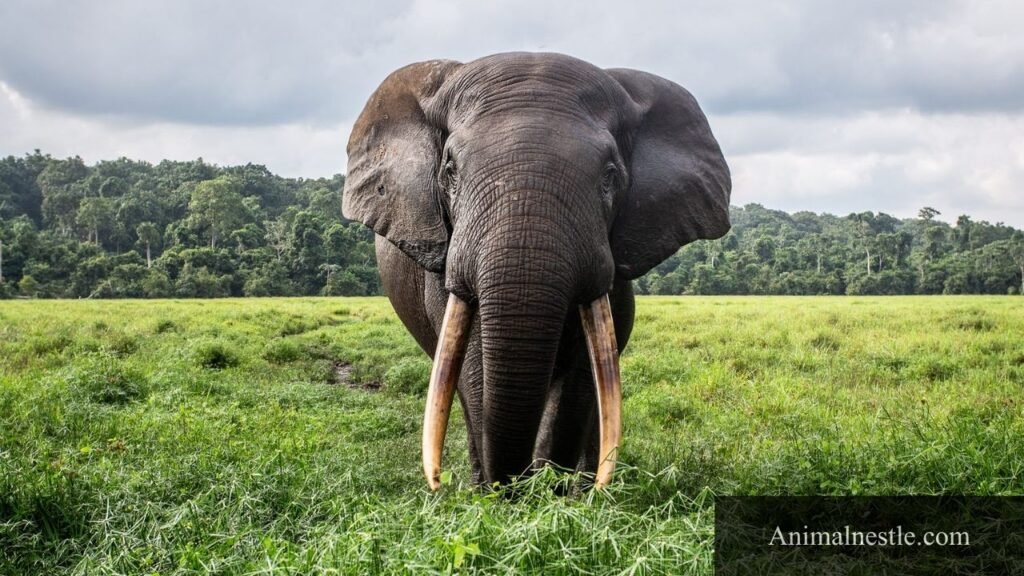
In addition to their emotional intelligence, elephants play a crucial role in their ecosystems. As keystone species, they help shape their environment by maintaining the landscape – creating water holes that benefit other animals and dispersing seeds through their dung. Their foraging habits promote plant diversity, which ultimately supports the entire ecosystem. This interconnectedness highlights not only their importance but also the urgent need for conservation efforts to protect these magnificent creatures and the habitats they sustain.
European Eel
Scientific Name: Anguilla anguilla
Class: Actinopterygii
Diet: Carnivore
The European eel possesses a life cycle that has captivated researchers for centuries. This remarkable fish embarks on an extraordinary journey, migrating thousands of kilometers from its freshwater habitats in Europe and North Africa to the Sargasso Sea for spawning. The mystery surrounding their exact breeding grounds only deepens the intrigue, as no one has ever observed their spawning in the wild.
What sets the European eel apart is not just its migration but also its remarkable adaptability. Found in rivers, lakes, and estuaries, these eels can thrive in diverse habitats, adapting to both freshwater and brackish environments. Their ability to survive out of water for extended periods, thanks to a unique skin that helps absorb oxygen, is a testament to their resilience. However, over the years, the European eel has faced numerous threats, from overfishing to habitat loss, leading to significant declines in their populations. Conservation efforts are now more critical than ever to ensure that this ancient and fascinating species continues to grace our waterways.
Ethiopian Wolf
Scientific Name: Canis simensis
Class: Mammalia
Diet: Carnivore
The Ethiopian wolf roams the alpine moorlands of Ethiopia, preferring the cool, high-altitude grasslands. With its striking rust-colored fur and elongated snout, this canid is tailored for its rugged habitat, where it hunts primarily for small mammals like rodents. One of its most remarkable features is its social structure; Ethiopian wolves often live in packs, fostering a tight-knit community that balances cooperation with fierce competition for resources.
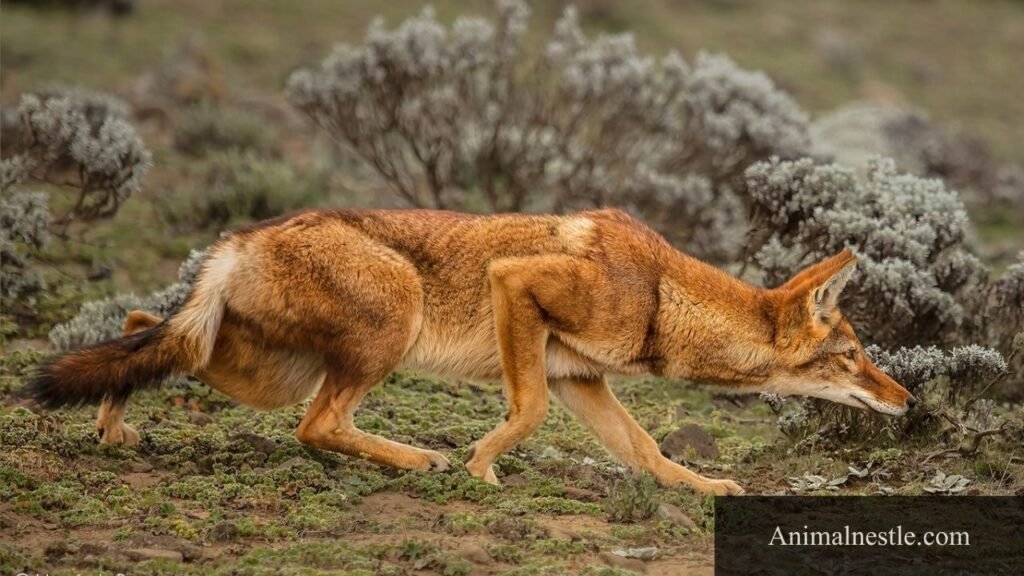
What sets the Ethiopian wolf apart not only lies in its physical adaptability but also in its precarious status in the wild. With fewer than 500 individuals remaining, it stands as one of the world’s most endangered canids, primarily due to habitat loss and disease. Conservation efforts have become essential not just for the survival of the species but also for maintaining the unique ecosystems they inhabit. Thus, these wolves symbolize a critical intersection of biodiversity and human impact, urging us to reconsider our role in safeguarding the natural world.
Readmore: Explore Top 31 Animals With 5 Letters.
Final Thoughts
The animals beginning with the letter E illustrate the rich tapestry of nature that surrounds us. Whether it’s the elegant emu or the elusive echidna, these species play vital roles in their ecosystems and contribute to our planet’s health. Learning about them not only enhances our understanding but also fosters a sense of responsibility toward their conservation. As we continue to discover and appreciate the animal kingdom, let us pledge to support efforts that ensure their survival. Join the movement to protect wildlife and create a brighter future for all living creatures.
FAQs
What animals start with e?
Some of the most notable include the elephant, which is known for its massive size and intelligence. Elephants can be found in Africa and Asia and play a crucial role in their ecosystems. Another interesting animal is the emu, a large flightless bird native to Australia. Emus are known for their long legs and swift running abilities. Lastly, the eel is a fascinating creature that lives in both freshwater and saltwater environments and is known for its elongated, snake-like body.
What sea animal starts with e?
One sea animal that starts with “E” is the eel. Eels are elongated fish that can be found in both freshwater and saltwater. They have a unique slithering motion and play vital roles in their ecosystems, often serving as both predators and prey. Another example is the elephant seal. These large marine mammals are known for their impressive size and distinctive physical features. They can be found along coastlines, where they breed and haul out on beaches.
Which bird name starts with e?
One bird name that starts with “E” is the Emu. Native to Australia, it’s the second-largest living bird after the ostrich. Emus are flightless and known for their long legs and distinctive, fluffy plumage. Another example is the Eurasian Eagle-Owl. This impressive owl is one of the largest species and is found across Europe and Asia. It has striking orange eyes and excellent night vision, making it a formidable nocturnal predator.