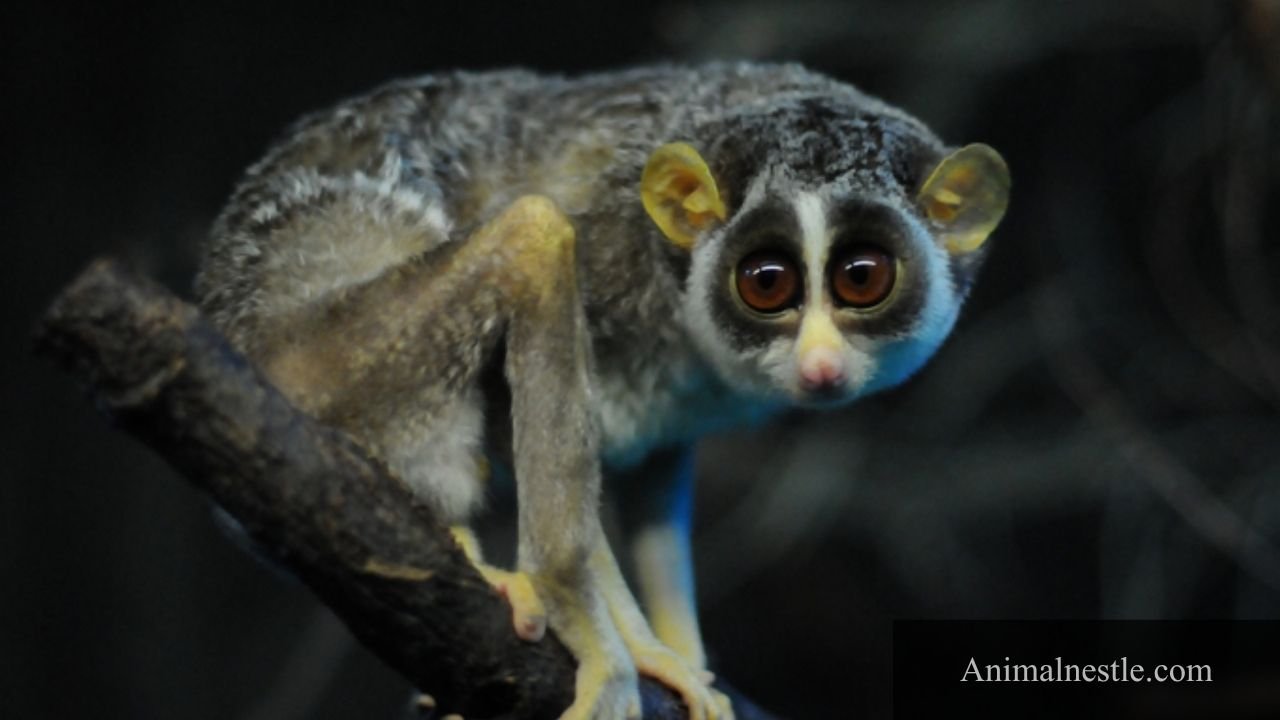
Top 23 Animals With 10 Letters (With Pictures)
The animals with 10 letters isn’t just a fun trivia fact; it highlights the diverse species that share our planet. This article takes you on a journey through the animal kingdom, unveiling species you might never have heard of while shedding light on their ecological significance. Get ready to enrich your understanding of nature and discover the intriguing stories behind these ten-lettered wonders.
List of Animals With 10 Letters
Here is the list of animals with 10 letters in the world:
- Leatherback
- Budgerigar
- Timberwolf
- Bloodhound
- Copperhead
- Chinchilla
- Rhinoceros
- Woodpecker
- Cottontail
- Salamander
- Springbuck
- Angwantibo
- Abyssinian
- Coatimundi
- Wildebeest
- Pomeranian
- Jaguarundi
- Cuttlefish
- Rottweiler
- Chimpanzee
- Shrewmouse
- Bottlenose
- Kingfisher
Leatherback
Scientific Name: Dermochelys coriacea
Class: Reptilia
Diet: Carnivore
The leatherback sea turtle, known for its unique leathery shell rather than a hard one, is a marvel of evolutionary adaptation. Weighing up to 2,000 pounds, they are the largest of all sea turtles and can dive to depths of over 4,000 feet, making them unparalleled explorers of the ocean. Their exceptional ability to maintain body temperature allows them to thrive in the cold waters, far beyond the reach of most marine reptiles.
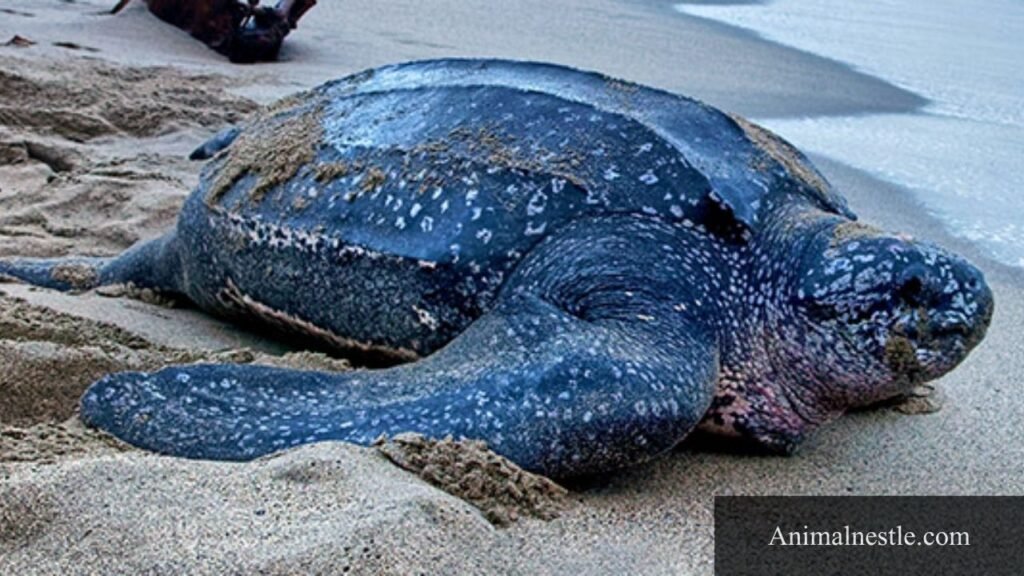
In an intriguing twist, leatherbacks play a crucial role in ocean ecosystems. By feasting primarily on jellyfish, they help regulate jellyfish populations, which can explode in numbers and disrupt marine food webs if left unchecked. Sadly, these gentle giants face numerous threats, from climate change affecting their nesting sites to accidental capture in fishing gear. Protecting leatherbacks is not merely about conserving a single species; it’s about safeguarding an intricate web of marine life that depends on their existence.
Budgerigar
Scientific Name: Melopsittacus undulatus
Class: Aves
Diet: Herbivore
Budgerigars are more than just colorful companions; they are fascinating creatures with remarkable social and cognitive traits. Originating from the grasslands of Australia, these small parrots thrive in flocks, which significantly influences their behavior. Their natural inclination towards socialization makes them one of the best-suited pets for families, as they thrive on interaction and companionship. Interestingly, budgies are known for their ability to mimic human speech and sounds, showcasing their intelligence and adaptability.
Beyond their charming chirps and vibrant feathers, budgies exhibit a unique form of communication through body language and vocalizations. Each budgie has its own personality, which can be influenced by factors such as environment, companionship, and enrichment activities. Providing them with toys, foraging opportunities, and social interactions can enhance their well-being and happiness. Observing a budgie interact with its surroundings reveals a complex emotional world; they express joy, curiosity, and even jealousy, much like humans. Their presence can be a delightful reminder of the beauty of nature’s diversity, teaching us about the importance of social bonds and the impact of a stimulating environment on overall health and behavior.
Timberwolf
Scientific Name: Canis lupus
Class: Mammalia
Diet: Carnivore
Timberwolves, are remarkable creatures that embody the essence of wildness in North America. Renowned for their striking appearance, these wolves sport a thick double coat that can range in color from pure white to deep black, providing them with excellent insulation in their rugged habitats. Their keen sense of smell and acute hearing make them proficient hunters, capable of locating prey from great distances — often working collaboratively in packs to strategize and execute their hunts, showcasing a sophisticated social structure rarely seen in the animal kingdom.
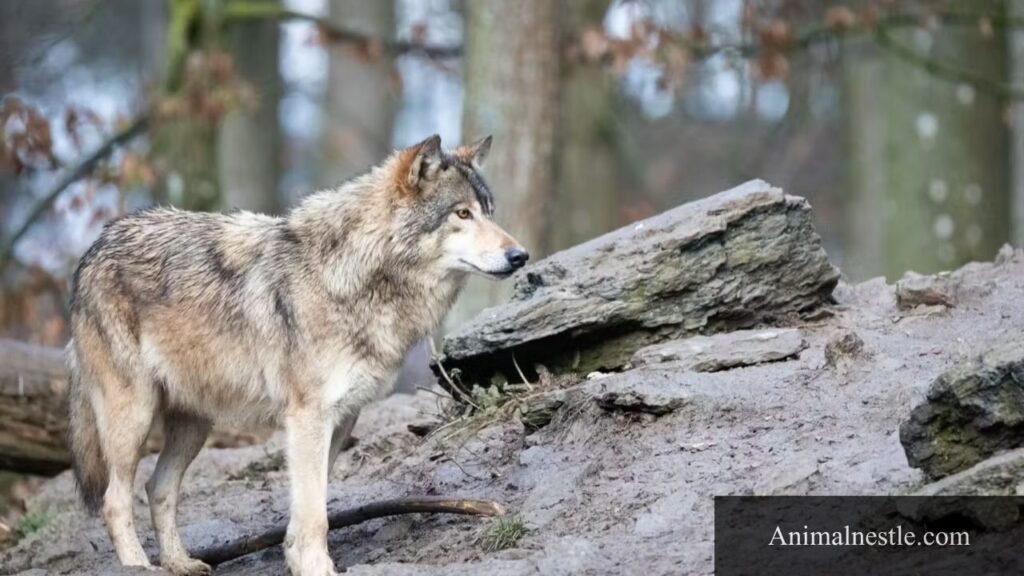
Despite their formidable image, timberwolves play a critical role in maintaining ecosystem balance. By controlling deer populations, they indirectly support the growth of vegetation, which in turn benefits countless other species. However, timberwolves face numerous threats from habitat loss and human encroachment, raising significant conservation concerns. Their enigmatic presence continues to captivate wildlife enthusiasts, prompting ongoing research into their behaviors and pack dynamics, revealing not only their adaptability but also the intricate bonds formed among pack members for survival. Understanding the timberwolf is not just about protecting an apex predator; it’s about preserving the intricate tapestry of life that they help sustain.
Readmore: Explore Top 31 Animals With 5 Letters.
Bloodhound
Scientific Name: Canis lupus familiaris
Class: Mammalia
Diet: Carnivore
The Bloodhound, renowned for its extraordinary sense of smell, can track scents that are days or even weeks old — making it an invaluable ally in search-and-rescue and law enforcement operations. With approximately 300 million scent receptors, their olfactory abilities surpass those of most other breeds, allowing them to distinguish between hundreds of different smells at once. This incredible scenting prowess is rooted in their unique skin, which is loose and wrinkled, enabling them to trap and hold odors effectively.
Beyond their tracking talents, Bloodhounds possess a gentle, friendly demeanor that makes them excellent family pets. Despite their rugged, working dog origins, they thrive on human companionship and are known for their playful yet stubborn nature. Training a Bloodhound can be a rewarding challenge; they respond best to positive reinforcement techniques, which harness their natural curiosity and eagerness to please. This combination of intelligence, loyalty, and affectionate temperament reveals why they hold such a special place in both the hearts of dog lovers and the practical realms of scent work.
Copperhead
Scientific Name: Agkistrodon contortrix
Class: Reptilia
Diet: Carnivore
The copperhead, a striking snake with a distinctive coppery hue, is more than just a beautiful creature of the wild. Found primarily in the eastern United States, these semi-venomous serpents are masters of camouflage, blending seamlessly into the forest floor or underbrush. Their unique hourglass patterns provide not only aesthetic allure but also an evolutionary advantage, helping them evade predators and ambush unsuspecting prey. Unlike more aggressive species, copperheads generally exhibit a calm demeanor when encountered, relying on their cryptic coloration to stay hidden rather than resorting to flight or confrontation.
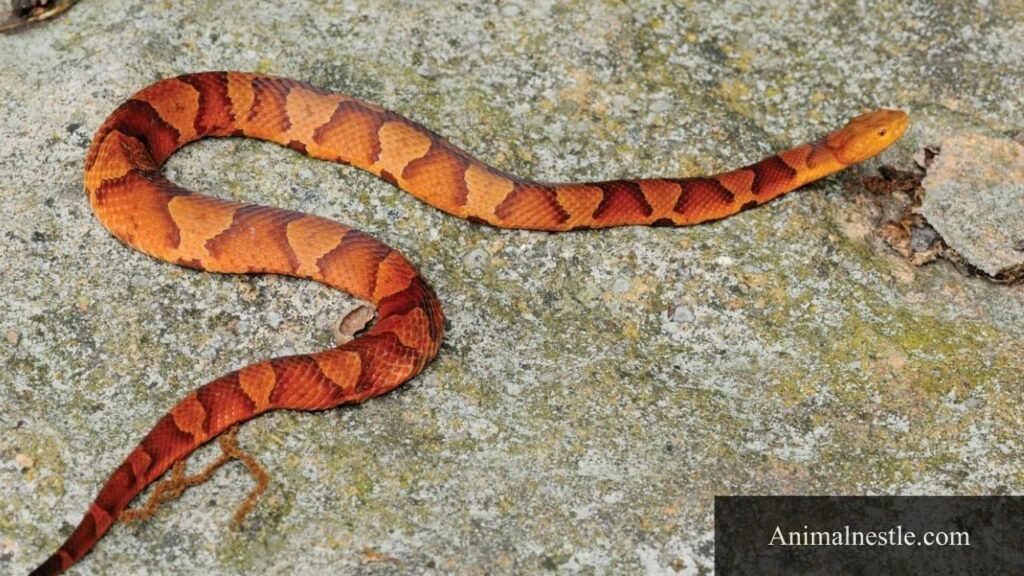
Interestingly, copperheads play a crucial role in their ecosystems, acting as both predators and prey. They primarily feed on small mammals, birds, and amphibians, helping to control populations of these species. Ironically, their presence also supports the survival of various predators, such as hawks and larger snakes, who see the copperhead as a valuable part of their diet. Moreover, their venom, while potentially dangerous to humans, is primarily designed to immobilize their prey; thus, copperheads become pivotal players in the delicate balance of their habitats. By understanding these fascinating creatures, we gain insight into the intricate web of life that sustains both wildlife and human environments.
Chinchilla
Scientific Name: Chinchilla lanigera
Class: Mammalia
Diet: Herbivore
Chinchillas, with their luxuriously soft fur, are fascinating creatures native to the Andes mountains in South America. Unlike many rodents, they are nocturnal, which means their peak activity occurs during the night. This behavior has evolved as a means to escape the heat of the day and evade predators. At home, they require ample space to hop and explore, as well as social interaction, making them a delightful companion for those who understand their needs.
Interestingly, chinchillas have a unique grooming routine that sets them apart from other pets. Instead of water baths, they prefer dust baths, rolling in fine volcanic ash to keep their dense fur clean and free of oils. This adaptation not only maintains their hygiene but also plays a pivotal role in their temperature regulation, as their thick fur can trap heat quickly. Their gentle, inquisitive nature makes them endearing pets, but prospective owners should be mindful of their specific dietary and environmental requirements to ensure a happy, healthy life for these enchanting mammals.
Rhinoceros
Scientific Name: Rhinocerotidae
Class: Mammalia
Diet: Herbivore
Rhinoceroses are among the most fascinating and complex creatures on the planet, often misunderstood due to their imposing size and formidable horns. Despite their bulk, these gentle giants are herbivores, subsisting mainly on a diet of grasses, leaves, and shrubs. Their skin, reminiscent of armor, is not only tough but incredibly sensitive; it can feel the slightest touch, which is crucial for social bonding and communication within their herds.
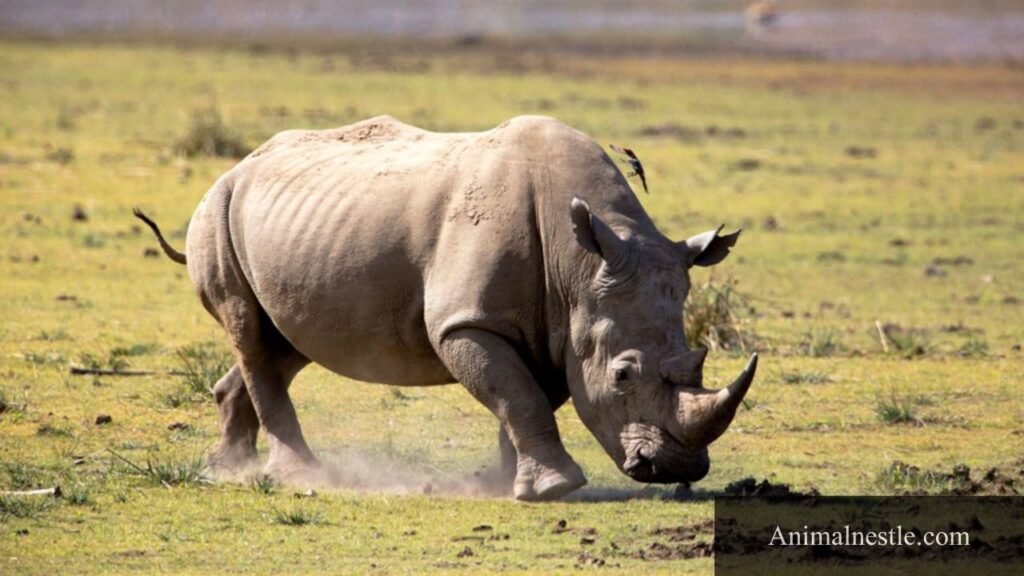
What truly sets rhinoceroses apart is their rich social structure. Different species exhibit unique behaviors; for instance, the social connectivity of the white rhino contrasts starkly with the solitary nature of the black rhino. Their horns, made of keratin like human hair and nails, have sparked a lucrative black market, leading to their rapid decline. Conservation efforts are turning to innovative technologies, such as GPS tracking and anti-poaching drones, which highlight the evolving strategies needed to protect these majestic beings from extinction. Understanding the rhinoceros not only enriches our appreciation of biodiversity but also calls for urgent collective action to ensure their survival.
You can also read: Explore Top 31 Animals With 6 Letters.
Woodpecker
Scientific Name: Picidae
Class: Aves
Diet: Omnivore
Woodpeckers are remarkable avian specialists, not just for their distinctive drumming sounds but also for their unique adaptations that allow them to thrive in various habitats. With over 200 species worldwide, these birds have developed specialized tongues that can extend up to three times the length of their beaks, perfectly designed for extracting insects nestled deep within tree bark. Their resilient skull structure protects their brains from the impacts of pecking, showcasing an extraordinary evolutionary response to their feeding habits.
Beyond their impressive drilling abilities, woodpeckers play a crucial ecological role by creating nesting cavities that benefit countless other species. When they carve out holes in trees, they inadvertently offer safe havens for owls, bats, and an array of small mammals seeking refuge. Furthermore, their foraging habits promote forest health by contributing to dead wood decomposition and allowing for new growth, illustrating the interconnectedness of ecosystems. Observing these skilled artisans can provide a deeper appreciation for the intricate balance of nature, reminding us of the vital roles each species plays in maintaining biodiversity.
Cottontail
Scientific Name: Sylvilagus
Class: Mammalia
Diet: Herbivore
Cottontails are more than just adorable garden visitors; they play a crucial role in their ecosystems. These nimble creatures, belonging to the Sylvilagus genus, are a food source for various predators, including foxes, owls, and hawks. Their presence helps maintain the balance of local wildlife populations, showcasing their integral role in the food chain. Interestingly, cottontails are highly adaptable, thriving in diverse habitats, from fields and forests to suburban backyards.
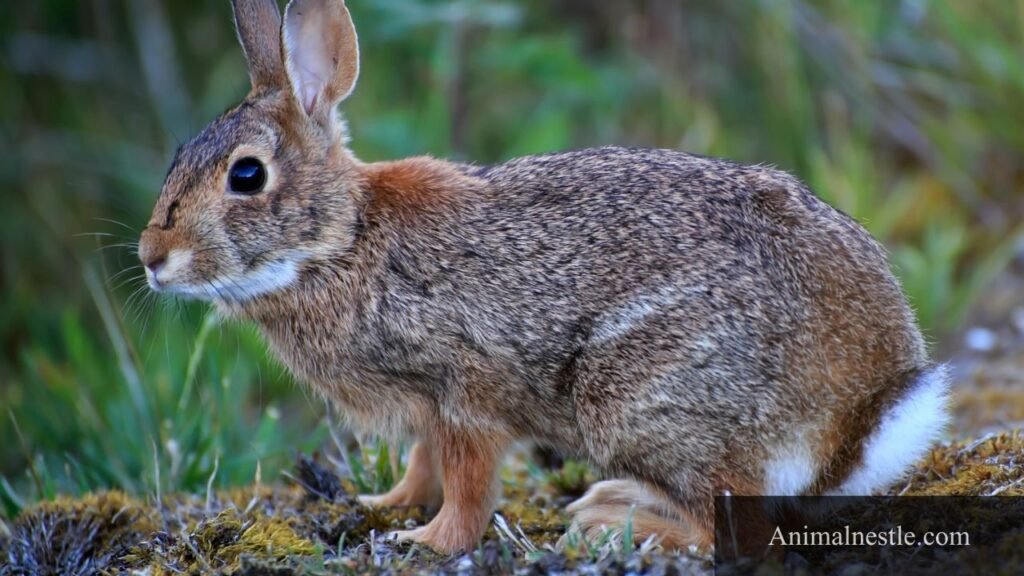
One fascinating aspect of the cottontail’s behavior is its unique breeding strategy. Female cottontails, also known as does, can produce multiple litters each year, with as many as six bunnies per litter. This prolific reproduction is a survival mechanism, ensuring that despite the high mortality rates they face, their populations remain stable. Furthermore, their ability to quickly switch their diet — ranging from grass and clover to twigs and bark — exemplifies their adaptability to environmental changes. By observing cottontails in their natural habitat, one can gain deeper insights into the delicate interplay of nature, resilience, and survival strategies in small mammals.
Salamander
Scientific Name: Caudata
Class: Amphibia
Diet: Carnivore
Salamanders, often overlooked in the grand tapestry of wildlife, are remarkable amphibians displaying an astonishing range of adaptability and resilience. With over 700 species worldwide, these creatures inhabit diverse environments, from lush forests to arid deserts, showcasing their evolutionary prowess. Unlike their more commonly known amphibian cousins, frogs, many salamanders retain juvenile features throughout their lives in a phenomenon known as neoteny. This adaptation allows them to thrive in aquatic environments, where gills remain functional in adulthood.
Their vibrant colors and diverse patterns serve not just aesthetic purposes but play a vital role in survival. Many salamanders possess toxic secretions that deter predators, a dazzling example of nature’s defense mechanisms. Interestingly, recent studies reveal that some species can regenerate lost limbs, highlighting their potential as a focal point for medical research in regenerative medicine. By understanding these unique capabilities, scientists may unlock new pathways for healing in humans, revealing how closely intertwined our species are with these enchanting amphibians.
Springbuck
Scientific Name: Antidorcas marsupialis
Class: Mammalia
Diet: Herbivore
The springbuck, a striking antelope native to southern Africa, is renowned for its exceptional agility and unique behavior known as “pronking.” This remarkable display occurs when the springbuck leaps high into the air with all four hooves off the ground, showcasing its vibrant white underside and engaging in a dance of sorts. This behavior is not merely for show; it serves as a means of communication and a tactic to evade predators, allowing the antelope to signal to others when danger is near.
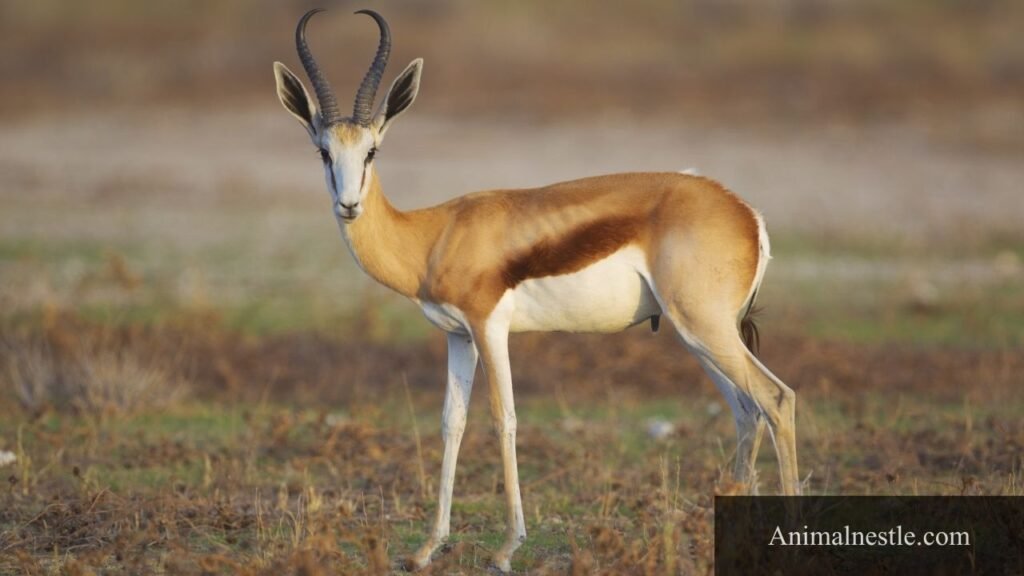
These animals inhabit arid and semi-arid regions, showcasing their remarkable adaptability. They have evolved to thrive in environments where water is scarce and rely on moisture from the vegetation they consume. Interestingly, springboks are also known for their migratory patterns, often traveling in herds to locate the best grazing areas, which helps them maintain a balance within their ecosystem. Observing a herd in motion, punctuated by their elegant pronks, is a breathtaking reminder of nature’s intricate tapestry. Their social structure and life in the wild — intertwined with survival and cooperation — offer profound insights into the dynamics of herd life and the delicate interplay between species in their habitat.
Also read: Explore Top 21 Animals With 7 Letters.
Angwantibo
Scientific Name: Arctocebus calabarensis
Class: Mammalia
Diet: Omnivore
The Angwantibo, a lesser-known primate native to the dense rainforests of Central and West Africa, presents a striking blend of curiosity and elusiveness. These small, nocturnal creatures, belonging to the family Lorisidae, boast large eyes adapted for their nighttime foraging. Their unique appearance, characterized by a small body and a long, grasping tail, enables them to navigate their arboreal habitat with agility, making them adept at evading potential predators.
What sets the Angwantibo apart is its fascinating social behavior and vocalizations. Unlike many solitary nocturnal species, these primates often form small groups and communicate through a range of calls, from soft whistles to more complex sounds. This social structure not only enhances their foraging efficiency but also contributes to their playful interactions, which can be a captivating sight for anyone fortunate enough to observe them in the wild. As they increasingly face threats from habitat loss and hunting, understanding the Angwantibo’s ecological role and behaviors becomes crucial for conservation efforts, highlighting the urgent need to protect the intricate web of life within their rainforest home.
Abyssinian
Scientific Name: Felis catus
Class: Mammalia
Diet: Carnivore
The Abyssinian cat is a captivating blend of grace and energy, often recognized for its distinctive ticked coat that showcases a spectrum of warm tones. This striking fur pattern, where each hair has multiple bands of color, harkens back to ancient Egypt, hinting at a royal pedigree that has intrigued feline enthusiasts for centuries. But beyond their beauty lies a personality that is equally striking; Abyssinians are known for their playful and curious nature, thriving on interaction and mental stimulation, making them excellent companions for active households.
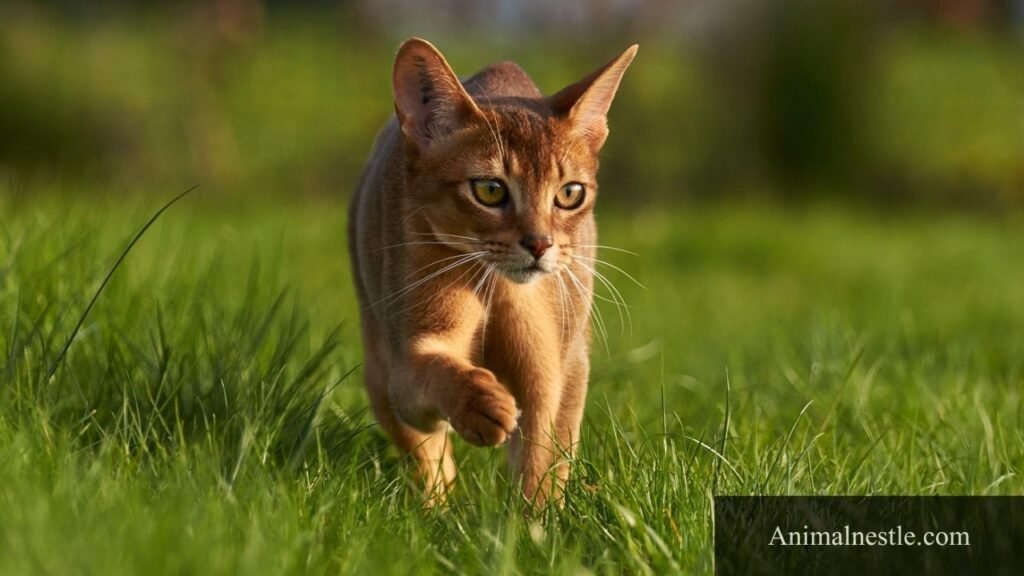
An often overlooked aspect of these cats is their intellect. Abyssinians are not just affectionate; they are also problem solvers. Whether it’s opening cabinet doors or figuring out complex toys, their high intelligence can lead to entertaining antics that constantly keep their owners guessing. Engaging them with puzzle feeders or interactive play can provide both mental exercise and bonding opportunities, ensuring they remain happy and content. Their social nature also means they usually get along well with other pets, adding to their versatility as family companions.
Coatimundi
Scientific Name: Nasua nasua
Class: Mammalia
Diet: Omnivore
Coatimundis, often affectionately called “coatis,” are fascinating members of the raccoon family, primarily found in the lush, tropical jungles of Central and South America. With a distinctive long nose and bushy tail, these agile creatures are not just visually unique; they possess an impressive array of social behaviors. Living in groups, coatis exhibit a charming hierarchy, allowing younger members to learn vital survival skills from older, more experienced individuals. This intricate social structure reflects their intelligence, as they use teamwork to navigate complex environments while foraging for fruits, insects, and small vertebrates.
One of the most captivating aspects of coatis is their adaptability. While they are predominantly arboreal, showcasing remarkable climbing abilities, they also feel at home on the ground, where they search for food. This dual lifestyle aids them in evading predators and maximizing their diet. Interestingly, coatis are known for their unique vocalizations, which convey various messages within their groups, from alerts about danger to expressions of excitement. Their playful antics and unbridled curiosity make them a delight to observe in their natural habitat, reminding us of the intricate connections and behaviors that define life in the wild.
Wildebeest
Scientific Name: Connochaetes taurinus
Class: Mammalia
Diet: Herbivore
Wildebeest, or gnu as they are colloquially known, are remarkable creatures that embody the spirit of the African plains. These herbivores are known for their incredible migrations, gathering in herds that can number in the hundreds of thousands. This annual trek, primarily driven by seasonal changes in grazing availability, showcases their instinctual response to survival. However, it’s not just about the numbers; the synchronized movements of a wildebeest herd create a mesmerizing spectacle, drawing in predators as well as awe-struck observers.
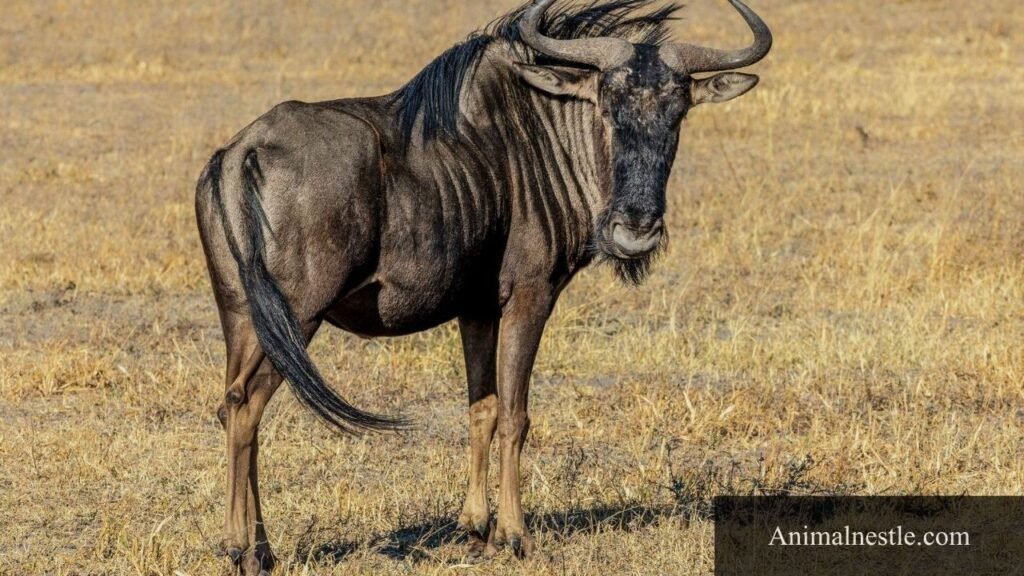
Beyond their migratory patterns, wildebeests possess distinct social structures that play a pivotal role in their survival. Males, for example, fiercely compete for dominance during the breeding season, showcasing remarkable physical vigor and determination. Each species — blue wildebeest and black wildebeest — has adapted to unique environmental niches, influencing their behaviors and interactions within the ecosystem. Furthermore, their foraging habits help maintain the grasslands, making them crucial players in sustaining the biodiversity of their habitats. These attributes reflect not just survival, but a complex dance of interdependence within the African ecosystem, inviting us to appreciate the subtle intricacies of nature’s design.
Readmore: Explore 21 Animals With 8 Letters.
Pomeranian
Scientific Name: Canis lupus familiaris
Class: Mammalia
Diet: Omnivore
The Pomeranian, often celebrated for its vivacious personality and fluffy coat, is much more than just a cute companion. This breed, part of the Spitz group, is known for its intelligence and inquisitive nature, making them quick learners with the potential for impressive tricks. Their spirited demeanor can be traced back to their ancestral roots as working dogs in the Arctic, where they were employed for herding and pulling sleds. This heritage adds a depth to their character that goes beyond merely being a household pet.
In social settings, Pomeranians thrive on interaction and can display a remarkable range of emotions, which can be both entertaining and challenging for their owners. Their boldness often makes them unaware of their small size, leading to behaviors that can border on fearless. Despite their compact stature, they possess a commanding presence, often seen engaging with larger dogs with an assertive attitude. This unique blend of confidence and charisma makes them fascinating companions, capable of bringing joy and laughter into daily life.
Jaguarundi
Scientific Name: Herpailurus yagouaroundi
Class: Mammalia
Diet: Carnivore
The jaguarundi, a lesser-known feline, captivates with its sleek, elongated body and vibrant coat that can range from reddish-brown to grayish hues. Unlike many of its larger relatives, the jaguarundi is more akin to a small housecat, but its agile and powerful physique makes it a formidable hunter in the wild. Primarily found in the dense jungles and scrublands of Central and South America, this elusive creature has an intriguing way of adapting to its environment; it is primarily diurnal, taking advantage of daylight hours to hunt small mammals and birds, setting it apart from its more nocturnal cousins.
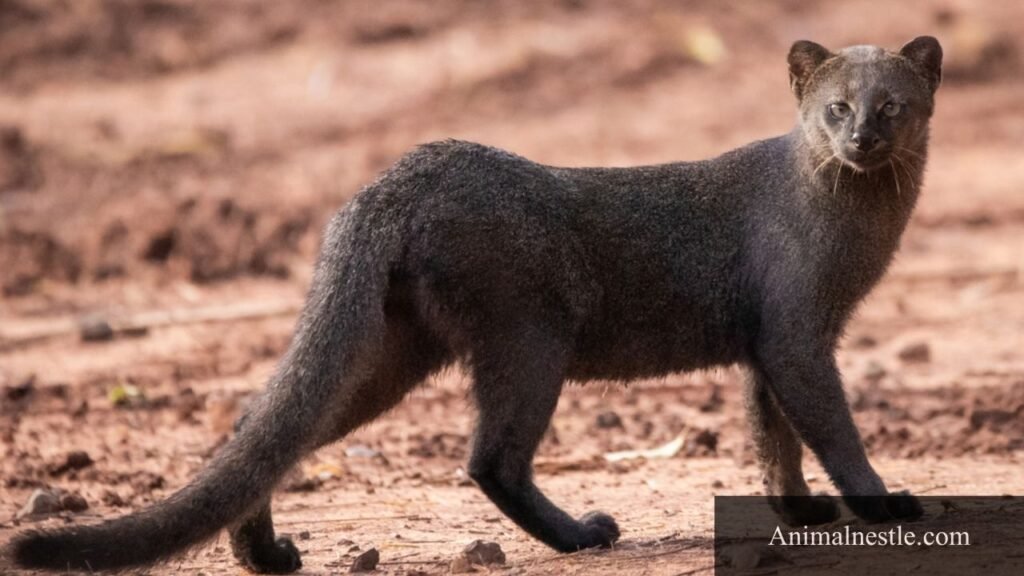
One fascinating aspect of the jaguarundi is its vocalization, which can go far beyond the typical cat sounds. This feline produces a variety of calls — screeches, whistles, and even chirps — that echo through its habitat, suggesting a complex social structure often overlooked. Conservation efforts are increasingly important, as habitat destruction and poaching threaten its existence. By understanding the jaguarundi’s unique traits and role within its ecosystem, we can appreciate the delicate balance of life in the wild and the importance of preserving such irreplaceable species.
Cuttlefish
Scientific Name: Sepiida
Class: Cephalopoda
Diet: Carnivore
Cuttlefish are remarkable marine creatures, often overshadowed by their more famous cephalopod relatives, like octopuses and squids. Their ability to change color and texture in an instant is not merely for camouflage; it also serves as a sophisticated form of communication. Using specialized cells called chromatophores, cuttlefish can display a dazzling array of patterns, signaling everything from courtship displays to warnings against predators. This responsive camouflage makes them one of the ocean’s most skilled artists, capable of blending seamlessly with their surroundings or dazzling potential mates with vibrant displays.
Beyond their visual prowess, cuttlefish possess an intriguing cognitive complexity. Recent studies suggest they display problem-solving abilities similar to those of octopuses, showcasing behaviors such as tool use and sophisticated hunting strategies. They utilize their keen intelligence not only to evade predators but also to ambush prey, employing clever tactics like mimicry and surprise attacks. This blend of intelligence and artistry paints a vivid picture of a creature that thrives in the underwater world, challenging our perceptions of what defines animal intelligence and adaptability.
Rottweiler
Scientific Name: Canis lupus familiaris
Class: Mammalia
Diet: Carnivore
The Rottweiler, often recognized for its impressive strength and loyalty, carries a rich history that dates back to ancient Roman times. Originally bred to herd cattle and pull carts, these dogs were essential companions for farmers and merchants. Today, they are transforming into versatile family pets and service animals, proving their adaptability beyond their working roots. Their intelligence and trainability make them excellent candidates for various canine sports and obedience training.

Beyond their physical prowess, Rottweilers possess a complex emotional intelligence that deepens the bond with their owners. Engaging them in interactive play and consistent training not only stimulates their minds but also enhances their protective instincts, allowing them to flourish as loving guardians of the family. Despite the common misconception that they are inherently aggressive, a well-socialized Rottweiler is typically gentle and affectionate, debunking the myth that a powerful breed can’t also be loving. Understanding their nuanced needs and personalities can lead to a rewarding relationship, with these magnificent dogs playing a pivotal role in the wellbeing of their human companions.
You can also read: Explore Top 27 Examples of Reptiles.
Chimpanzee
Scientific Name: Pan troglodytes
Class: Mammalia
Diet: Omnivore
Chimpanzees, our closest living relatives in the animal kingdom, share about 98% of their DNA with humans, offering a unique window into our own evolutionary history. Their complex social structures are fascinating; these primates form tight-knit communities, often engaging in cooperative behaviors like tool use and hunting. Recent studies have shown that they possess a rich emotional life, exhibiting empathy and even mourning their dead, challenging the long-held belief that such behaviors are uniquely human.
Beyond their social prowess, chimpanzees also demonstrate remarkable cognitive abilities. They can learn sign language and have been observed using tools in varied and innovative ways — from using sticks to extract termites to crafting spears for hunting. This intelligence not only underscores their adaptability but highlights the urgent need to protect their habitats, as deforestation and poaching threaten their very existence. Observing these incredible animals in the wild is a powerful reminder of the intricate web of life and our shared responsibility to preserve it.
Shrewmouse
Scientific Name: Sorex
Class: Mammalia
Diet: Omnivore
The shrewmouse, often overshadowed by its more famous relatives, is an intriguing blend of characteristics that defies typical categorization. The creature, native to various regions, combines traits of both shrews and mice, making it a fascinating subject for naturalists. Its small size, paired with sharp, elongated snouts, allows it to forage efficiently in thick underbrush, where it hunts for insects and other small invertebrates. This unique ecological niche plays a crucial role in maintaining balance in its habitat, as the shrewmouse helps control insect populations.
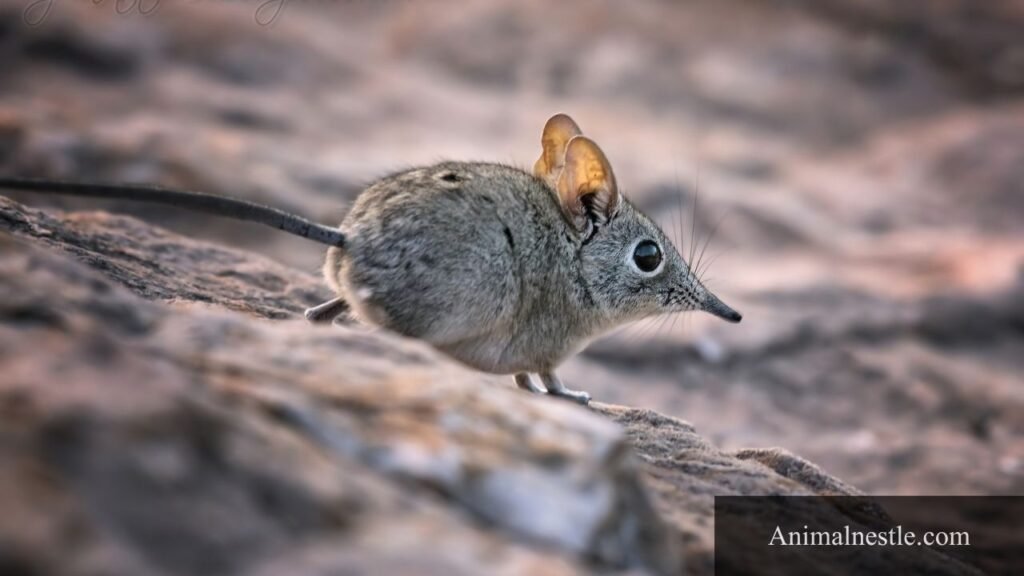
One of the most captivating aspects of shrewmice is their complex social behavior. They often live in small groups, showcasing a community-oriented lifestyle rarely observed in other small mammals. This social structure promotes cooperative foraging and enhances their ability to evade predators, illustrating an evolutionary advantage that is both clever and adaptive. Researchers are beginning to uncover their remarkable sensory adaptations; shrewmice possess an acute sense of smell and specialized hearing capabilities, allowing them to thrive in environments filled with potential threats. This extraordinary blend of traits makes the shrewmouse not just a survivor, but also a key player in its ecosystem.
Bottlenose
Scientific Name: Tursiops truncatus
Class: Mammalia
Diet: Carnivore
Bottlenose dolphins are more than just charismatic marine mammals; they are intricate social beings with a complex vocabulary that defies our understanding of communication. Research has shown that these dolphins employ a range of clicks, whistles, and body language to convey emotions and information, forming a sophisticated social network. Their intelligence is not just limited to communication; bottlenose dolphins have been observed using tools, such as sponges, to protect their snouts while foraging on the ocean floor. This unique behavior illustrates not only their resourcefulness but also the cultural transmission of knowledge from one generation to the next.
Moreover, bottlenose dolphins exhibit remarkable altruism, often helping injured or sick companions, displaying a level of empathy that challenges the notion of self-preservation in the animal kingdom. Such behaviors can inspire us to rethink our relationship with the natural world, highlighting the interconnectedness of social bonds not only among dolphins but in many species. As scientists continue to study these fascinating creatures, they provide powerful insights into the social complexities of marine life, urging us to advocate for their conservation and the protection of their habitats. In a world becoming increasingly disconnected, the behaviors of bottlenose dolphins remind us of the importance of empathy, cooperation, and the power of communication.
Kingfisher
Scientific Name: Alcedinidae
Class: Aves
Diet: Carnivore
Kingfishers are more than just strikingly beautiful birds; they embody the vivid colors of nature’s palette, featuring iridescent feathers that shimmer in the sunlight. Their vibrant blues, greens, and oranges serve a dual purpose: not only do they attract mates, but they also function as effective camouflage against the shimmering waters where they hunt. Beyond aesthetics, kingfishers exhibit remarkable adaptations for their hunting prowess. With sharp eyesight that enables them to spot prey from incredible distances, these birds dive with precision, capturing fish with their keenly hooked beaks.

Interestingly, kingfishers are not limited to aquatic environments; they thrive in various habitats, from dense forests to open grasslands. Each of the nearly 100 species across the globe displays unique behaviors and traits. For instance, the giant kingfisher, native to Africa, is known to hunt not only fish but also small mammals, illustrating a versatility that challenges the stereotype of a fish-only diet. This adaptability showcases their evolutionary success, inviting us to reconsider our perceptions of what defines a bird’s ecological niche. The kingfisher, with its vibrant presence and complex behaviors, serves as a splendid reminder of nature’s interconnectedness and the myriad forms life can take.
Readmore: Explore Top 39 Animals With 4 Letters.
Final Thoughts
Exploring the fascinating world of animals with ten letters not only broadens our understanding of biodiversity but also piques our curiosity about the unique adaptations these creatures possess. From the majestic ‘Rhinoceros’ to the elusive ‘chimpanzee,’ each animal plays a vital role in its respective ecosystem, underscoring the importance of conservation efforts. Learning about these diverse species encourages appreciation for wildlife and the need to protect their habitats. As we continue to uncover the wonders of the animal kingdom, let us remember that knowledge breeds responsibility. Join us in advocating for wildlife conservation and fostering a deeper connection with nature.
FAQs
What animals have 10 letters?
There are several fascinating animals with names that consist of exactly ten letters. One such example is the kingfisher, a vibrant bird known for its stunning plumage and exceptional fishing skills. These birds are often found near rivers and lakes, where they dive to catch fish with remarkable speed and precision. Another interesting animal with a ten-letter name is the chinchilla. These small, fluffy rodents are native to the Andes mountains and are prized for their incredibly soft fur. Chinchillas are social creatures that live in large colonies in the wild, but they also make affectionate pets when cared for properly.