Top 17 Most Ambitious Animals (With Pictures)
Did you know that some animals will travel thousands of miles just to ensure their survival and success? In this article, we delve into the world of the most ambitious animals, exploring how their relentless pursuits for food, shelter, and mates shape their ecosystems. Understanding these remarkable creatures not only highlights the tenacity of the natural world but also sheds light on our own ambitions. Get ready to discover the extraordinary lengths these animals go to as we celebrate their incredible journeys.
List of Most Ambitious Animals
Here is the list of most ambitious animals:
- Arctic Tern
- Mountain Goat
- Ants
- Honeybee
- Camels
- Wolf
- Bowerbirds
- Salmon
- Sea turtles
- Beavers
- African Wild Dogs
- Whales
- Buffalo
- Octopus
- Cheetah
- Arctic Fox
- Chimpanzee
Arctic Tern
Scientific Name: Sterna paradisaea
Class: Aves
Diet: Carnivore
The Arctic Tern, a master of migration, embarks on an astonishing journey that spans an incredible 70,000 kilometers round-trip from the cold Arctic breeding grounds to the warm coastlines of Antarctica. This dedication to travel isn’t merely about survival; it reflects a profound instinct that drives it to experience the extremes of our planet. This bird spends more time in daylight than any other creature, basking in the endless summer sun, a phenomenon that can lead to a remarkable lifespan of up to 30 years.
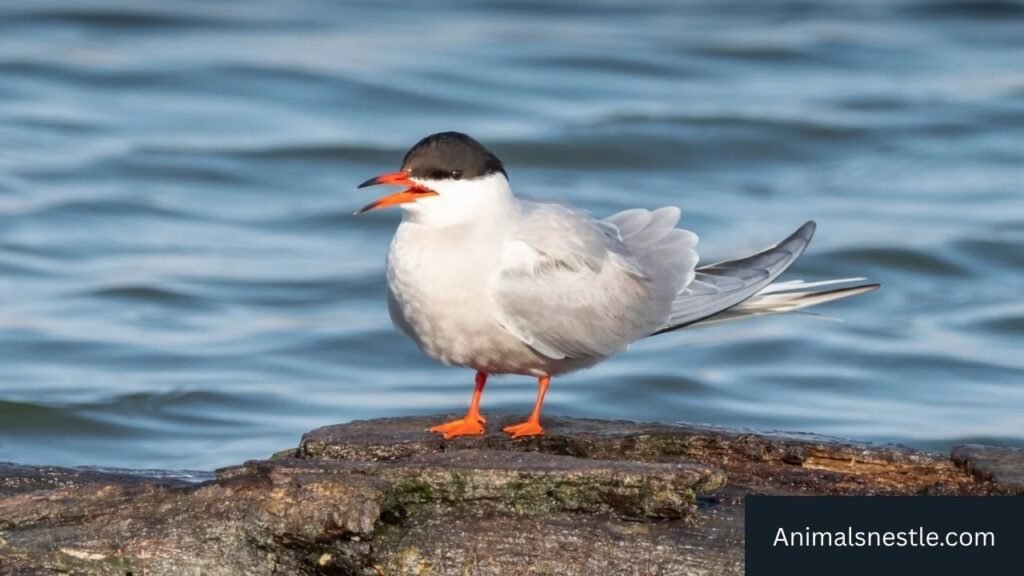
What’s particularly fascinating is not just the distance traveled, but the adaptability the Arctic Tern shows throughout its life stages. Young terns undertake their maiden voyage with an innate knowledge of the migratory route, demonstrating an instinctual understanding that challenges our conventional notions of learning. Their journey is steeped in competition and danger — from storms to predators — yet they navigate these challenges with remarkable finesse, showcasing resilience that can inspire us in our own ambitious endeavors.
Mountain Goat
Scientific Name: Oreamnos americanus
Class: Mammalia
Diet: Herbivore
The mountain goat, with its impressive hooves and robust build, embodies the spirit of ambition in the animal kingdom. These agile climbers navigate steep, rocky terrains with a blend of grace and tenacity, showcasing not just their physical prowess but also a strategic adaptability. Their specialized hooves — wide, with hard outer edges and a rubbery inner lining — allow them to grasp precarious ledges and steep cliffs, demonstrating an evolutionary masterpiece designed for survival in some of nature’s most challenging environments.
Their relentless pursuit of higher altitudes isn’t merely about safety from predators; it reflects an innate drive for exploration and resourcefulness. During late spring and summer, these mountain sentinels move to higher elevations in search of fresh vegetation, reveling in the abundance found at these altitudes. This ambition to reach the summit is not just about sustenance but also social hierarchies, where the strongest males establish dominance, showcasing their strength and resilience.
Ants
Scientific Name: Formicidae
Class: Insecta
Diet: Omnivore
Ants are the ultimate embodiment of ambition in the animal kingdom, showcasing an unparalleled dedication to teamwork and community-building. With species numbering in the thousands, their social structures range from simple family units to complex societies that rival human cities. For instance, leafcutter ants engage in sophisticated agriculture, meticulously cultivating fungus that serves as their primary food source. This agricultural prowess exemplifies not just survival, but a remarkable ability to innovate and adapt.
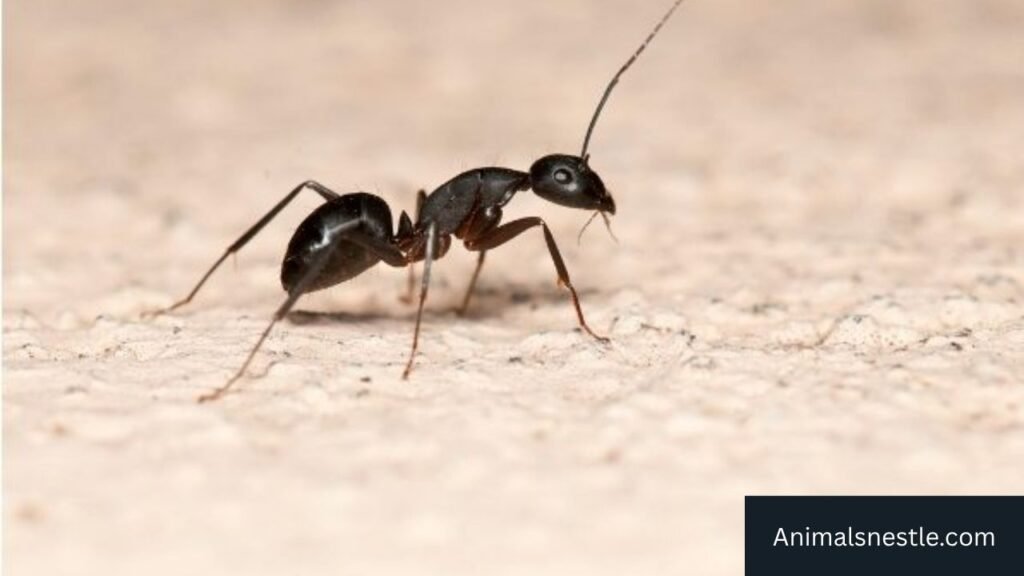
Moreover, ants display an impressive level of problem-solving skills, often collaborating to overcome obstacles in their environment. Their instinct for division of labor means that some ants are scouts, while others specialize in foraging or tending to the queen. This specialization allows them to optimize their efforts, making their collective strength far greater than any individual’s. Such strategic thinking and relentless drive not only ensure the survival of their colony but also illustrate the incredible potential of ambition when harnessed through collaboration.
Readmore: Explore Top 31 Animals With 6 Letters.
Honeybee
Scientific Name: Apis mellifera
Class: Insecta
Diet: Herbivore
The honeybee is a marvel of ambition, embodying the perfect blend of community and individual purpose. Each bee within the hive operates with relentless determination, driven by an unspoken pact of mutual survival. This tiny architect of nature doesn’t just pollinate flowers; it shapes entire ecosystems by facilitating the growth of various plants that sustain countless other species. As they flit from blossom to blossom, honeybees engage in a unique dance — each waggling movement communicating vital information about food sources, distance, and quality, showcasing an extraordinary level of social intelligence that rivals any human endeavor.
Intriguingly, the hive’s structure mirrors that of a high-functioning business, where roles are clearly defined yet fluid. Worker bees, drones, and the queen each embody their responsibilities with unwavering focus, underscoring a collective ambition that goes beyond individual survival. The queen, despite her royal status, still relies on her workers for nourishment and maintenance, exemplifying a model of shared ambition that prioritizes the whole over the individual. Furthermore, honeybees demonstrate exceptional resilience — adapting to environmental changes and threats, showcasing an innate drive to persevere, innovate, and maintain their vital role in our natural world.
Camels
Scientific Name: Camelus
Class: Mammalia
Diet: Herbivore
Camels are often perceived merely as the “ships of the desert,” but their incredible adaptability and resilience make them some of the most ambitious animals on the planet. With the ability to go without water for days, these remarkable creatures have evolved to navigate the harshest of environments. Their unique physiology allows them to withstand extreme temperatures, ranging from scorching daytime heat to the frigid nights of the desert. This remarkable adaptability not only highlights their survival instincts but also their crucial role in the economies of desert communities, where they have been vital for trade and transport for centuries.
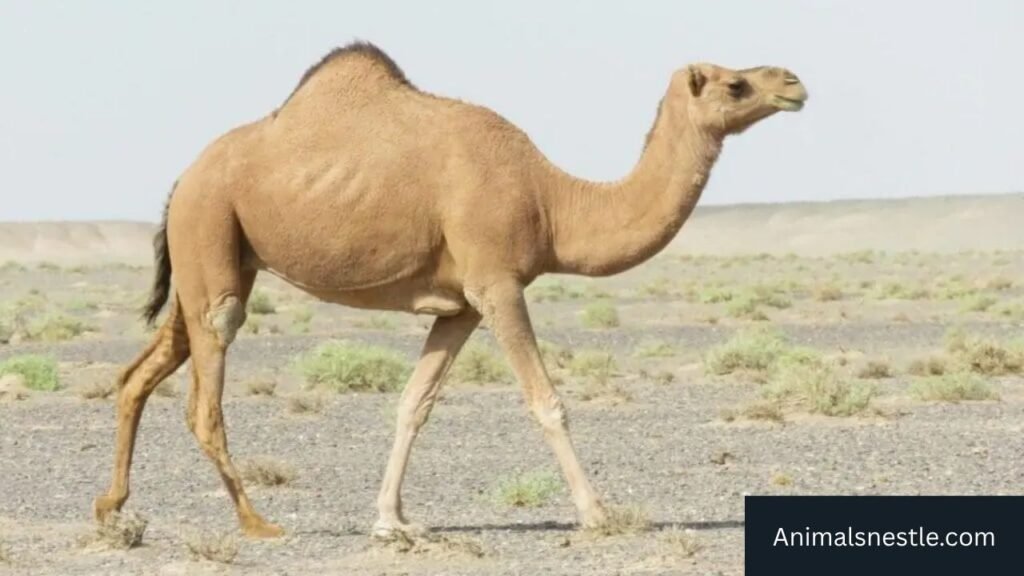
But it’s not just their endurance that captivates; it’s their social dynamics as well. Camels exhibit strong familial bonds and hierarchies within their herds, showcasing a level of social ambition that enhances their survival. Female camels, in particular, display nurturing behaviors that extend beyond their young, often adopting orphaned babies and ensuring the collective strengthening of the group. This sense of community among camels transcends mere survival; it’s a testament to their ambitious spirit, highlighting how collaboration can thrive even in the most unforgiving landscapes.
Wolf
Scientific Name: Canis lupus
Class: Mammalia
Diet: Carnivore
Wolves epitomize ambition within the animal kingdom through their intricate social structures and relentless pursuit of survival. These highly intelligent pack animals exemplify teamwork in a way that few others do; each member plays a distinct role that contributes to their collective success. This communal effort not only enhances their hunting skills but also fosters deep social bonds, showcasing a level of emotional intelligence that rivals that of many humans.
What’s particularly fascinating is how wolves adapt their hunting strategies based on their environment and prey. They exhibit a remarkable capacity for innovation; when faced with challenges like dwindling food sources or increased competition, wolves are known to change their tactics, demonstrating flexibility that keeps them at the top of the food chain. Moreover, their ability to communicate through complex vocalizations and body language allows them to coordinate successfully even in the most chaotic scenarios, underscoring their ambitious nature to thrive against all odds. The wolf’s tenacity and strategic mindset not only allow them to hunt effectively but also highlight a profound understanding of the ecosystem they inhabit, marking them as true survivors in a world full of challenges.
You can also read: Explore Top 15 Animals That Eat Celery.
Bowerbirds
Scientific Name: Ptilonorhynchidae
Class: Aves
Diet: Omnivore
Bowerbirds are the unsung architects of the animal kingdom, embodying a unique blend of artistry and ambition. Unlike many species that rely solely on instinct for mating, male bowerbirds dedicate themselves to creating elaborate structures called bowers — meticulously designed to woo potential mates. These structures aren’t just functional; they are stunningly aesthetic, adorned with colorful objects like shells, feathers, and even bits of plastic. This is an evolutionary strategy that underscores the importance of visual appeal in the animal world.
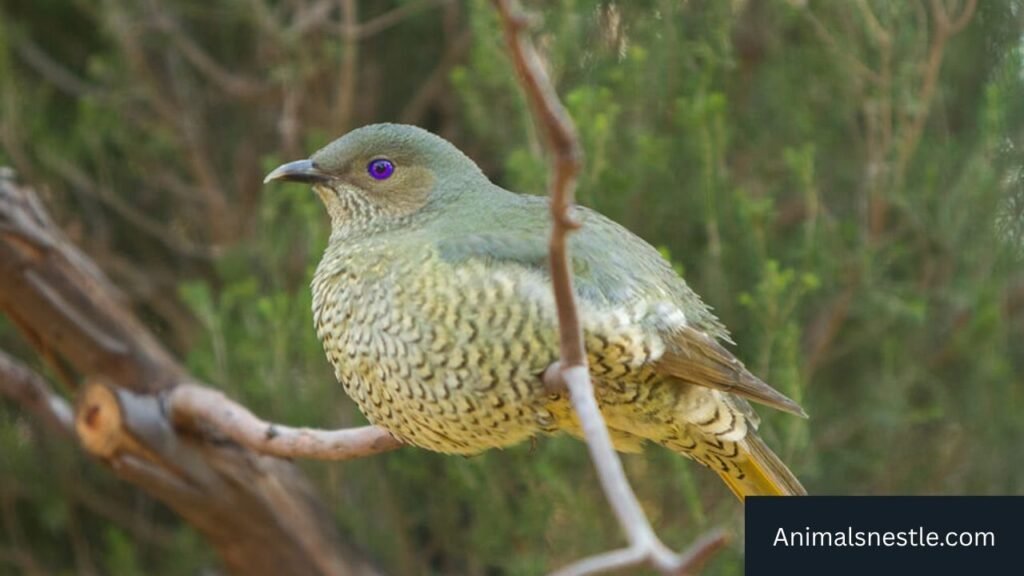
What sets bowerbirds apart is their knack for innovation and creativity. Each species has a distinctive bower style, reflecting a unique cultural repository passed down through generations. Males invest countless hours into decorating and maintaining their bowers, often competing with one another. This drive showcases not only their artistic skills but also their understanding of the female’s preferences. By personalizing their bowers, they tap into a deep social dynamic, demonstrating that ambition in the wild isn’t just about survival — it’s about thriving through beauty and charm.
Salmon
Scientific Name: Salmo salar
Class: Actinopterygii
Diet: Carnivore
Salmon are remarkable not just for their remarkable life cycles but for their sheer determination. Each year, these fish embark on an incredible journey, traveling hundreds of miles from the ocean back to the rivers where they were born. This relentless trek isn’t merely a quest for survival; it’s a testament to their instinctual drive to reproduce. When conditions become challenging, like navigating through rapids or evading predators, salmon display extraordinary resilience, showcasing their status as nature’s true champions.
Beyond their physical prowess lies an intriguing aspect of their behavior. Salmon are equipped with an incredible ability to detect their home waters using an acute sense of smell. This keen olfactory skill allows them to distinguish their birthplace amidst vast stretches of river — an instinctive GPS that draws them back against the current. Scientists believe that this remarkable homing ability reflects an evolutionary adaptation that ensures species survival, making salmon not just ambitious but also intricately connected to their ecosystem.
Sea turtles
Scientific Name: Chelonioidea
Class: Reptilia
Diet: Omnivore/Herbivore
Sea turtles embody a unique blend of grace and resilience in their ambitious pursuits. From the moment they hatch, these remarkable creatures undertake a treacherous journey towards the ocean — a journey that can be fraught with danger. Despite the odds stacked against them, hatchlings instinctively navigate their way through sandy dunes to the surf, driven by an innate desire to survive and thrive.
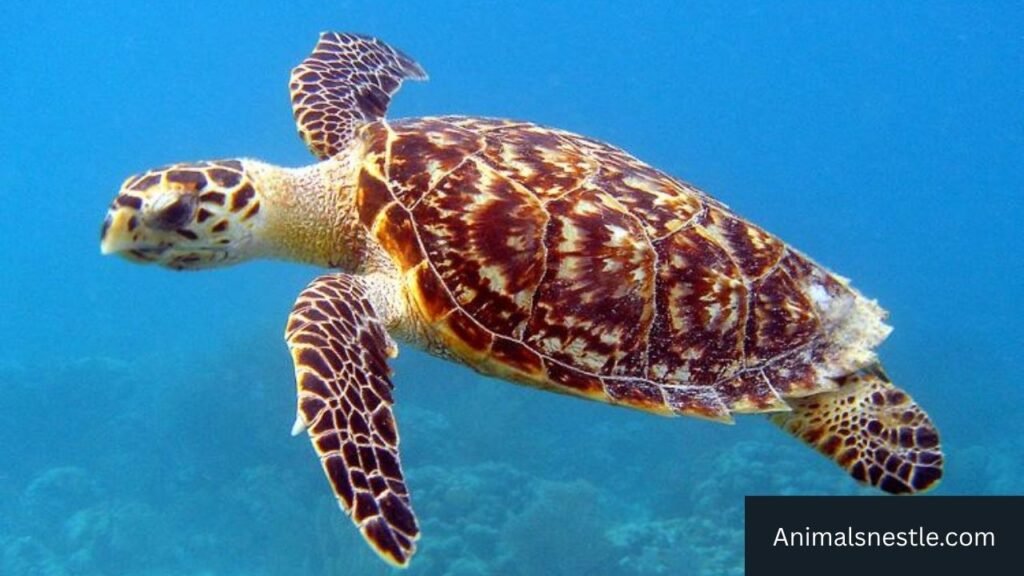
Their ambition doesn’t end in the water, however. Sea turtles are known for their awe-inspiring migrations, often traveling thousands of miles between nesting and feeding grounds. This incredible voyage is not merely a quest for sustenance; it underscores their role in marine ecosystems, contributing to the health of seagrass beds and coral reefs through their feeding behaviors.
Also read: Explore Top 19 Animals That Eat Carrots.
Beavers
Scientific Name: Castor canadensis / Castor fiber
Class: Mammalia
Diet: Herbivore
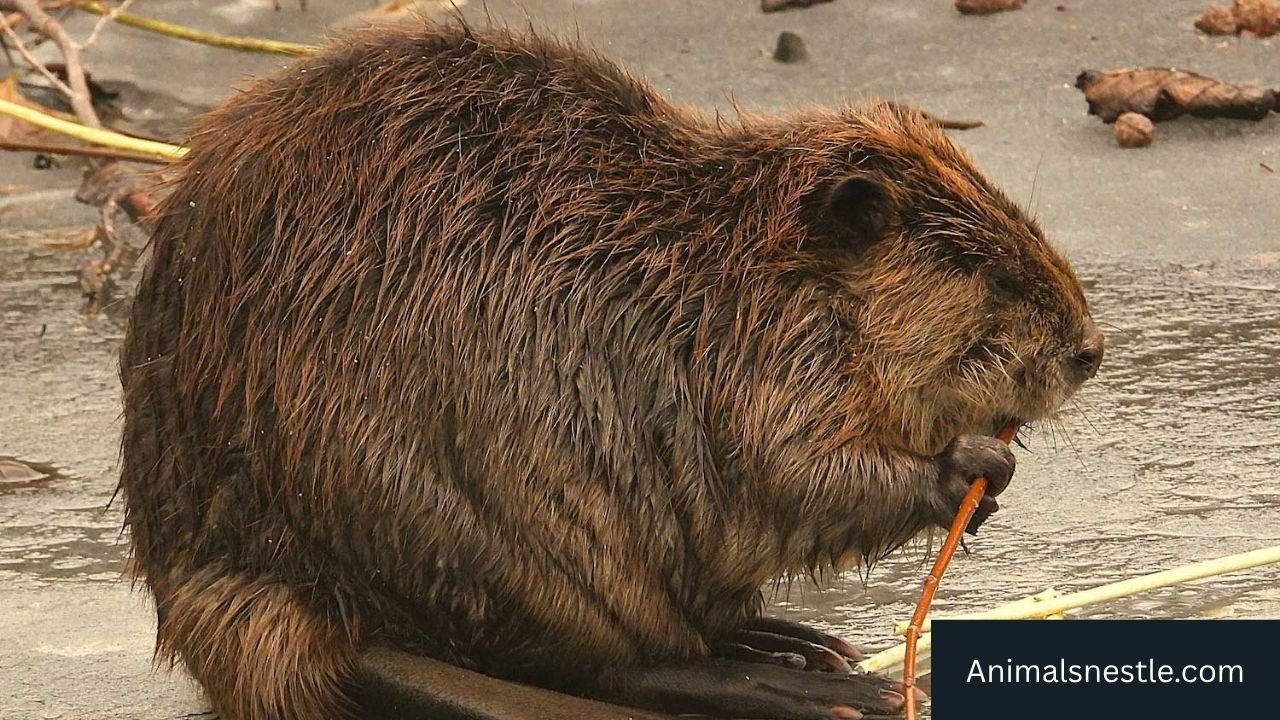
Beavers are nature’s engineers, crafting intricate ecosystems that benefit countless species. These industrious rodents embody determination, gnawing through timber with their ever-growing incisors to construct dams that fundamentally transform their environments. Their strategic building creates ponds that serve as protective sanctuaries for fish and amphibians, while also supporting lush wetlands that filter pollutants and nurture biodiversity.
What’s particularly fascinating is the beaver’s innate ability to adapt to their surroundings. They utilize local materials, ingeniously incorporating debris and mud to ensure their dams withstand the test of time. This creativity doesn’t solely reflect ambition; it reveals a sophisticated understanding of environmental balance, showcasing how one species can actively shape its habitat. In an age where ecological systems are increasingly under threat, beavers remind us of the potential for resilience and the profound impact of even the smallest architects in nature’s grand design.
African Wild Dogs
Scientific Name: Lycaon pictus
Class: Mammalia
Diet: Carnivore
African wild dogs exemplify ambition in the animal kingdom through their exceptional hunting techniques and social structures. Known for their impressive teamwork, these canines utilize strategic planning, coordinating their actions to maximize efficiency during hunts. Their ability to bring down prey that is much larger than themselves showcases not only their physical prowess but also their unparalleled group dynamics. Unlike many solitary hunters, African wild dogs thrive in packs, demonstrating that collaboration is a key ingredient for success in the wild.
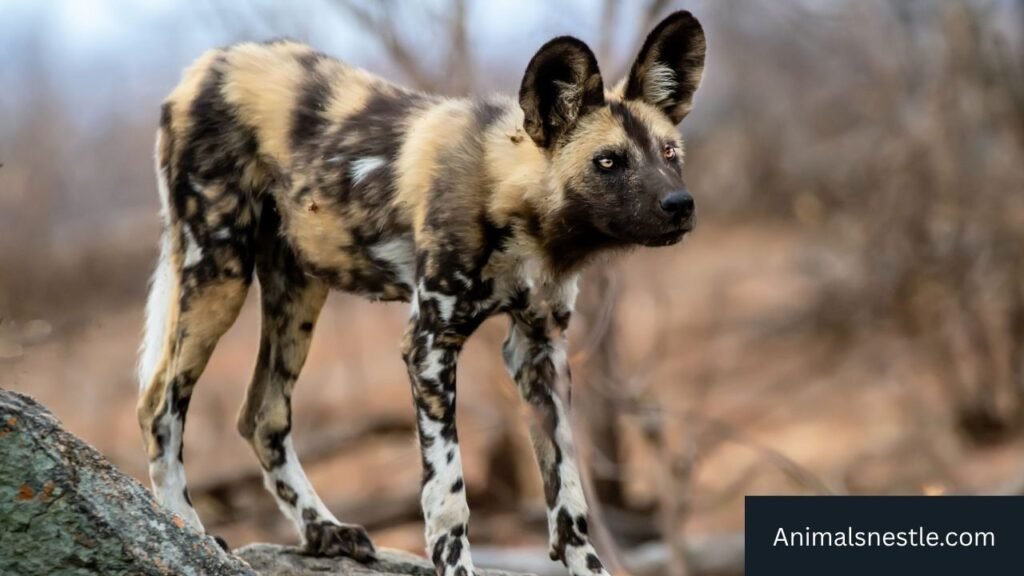
But it’s not just their hunting skills that set them apart; their social bonds are equally fascinating. The hierarchical structure within the pack fosters a nurturing environment where members share responsibilities, from caring for the young to taking turns in leadership during hunts. This deep sense of loyalty and collective ambition can create a powerful resilience against external threats, illustrating a model of community that transcends mere survival.
Whales
Scientific Name: Cetacea
Class: Mammalia
Diet: Carnivore
Whales, the gentle giants of the ocean, embody ambition not only in their sheer size but in their migratory patterns and intricate social structures. Every year, certain species embark on epic journeys spanning thousands of miles, navigating treacherous waters with an instinctual precision that astounds researchers. This remarkable behavioral drive is fueled by an inherent need to reach breeding grounds, demonstrating a commitment to their survival and species propagation that rivals any human ambition.
Moreover, whales exhibit complex social dynamics that reflect a rich tapestry of familial bonds and communication. Within pods, they engage in sophisticated vocalizations that some scientists believe serve not just as a means of navigation but also as a method for sharing knowledge and maintaining relationships. This form of communal intelligence highlights their ambitious nature — not merely striving to survive but thriving through cooperation and emotional connections, showcasing a depth of social interaction that invites us to reconsider our understanding of animal intelligence and empathy.
Buffalo
Scientific Name: Syncerus caffer / Bubalus bubalis
Class: Mammalia
Diet: Herbivore
Buffalo are often seen as symbols of strength, but their ambitious nature goes much deeper. These massive creatures possess an unwavering determination, traversing vast landscapes in search of food, water, and safety. Their migratory instincts drive them to cover hundreds of miles, showcasing not just resilience but an intrinsic motivation to thrive in tough environments. In essence, each journey is a testament to their relentless pursuit of survival.
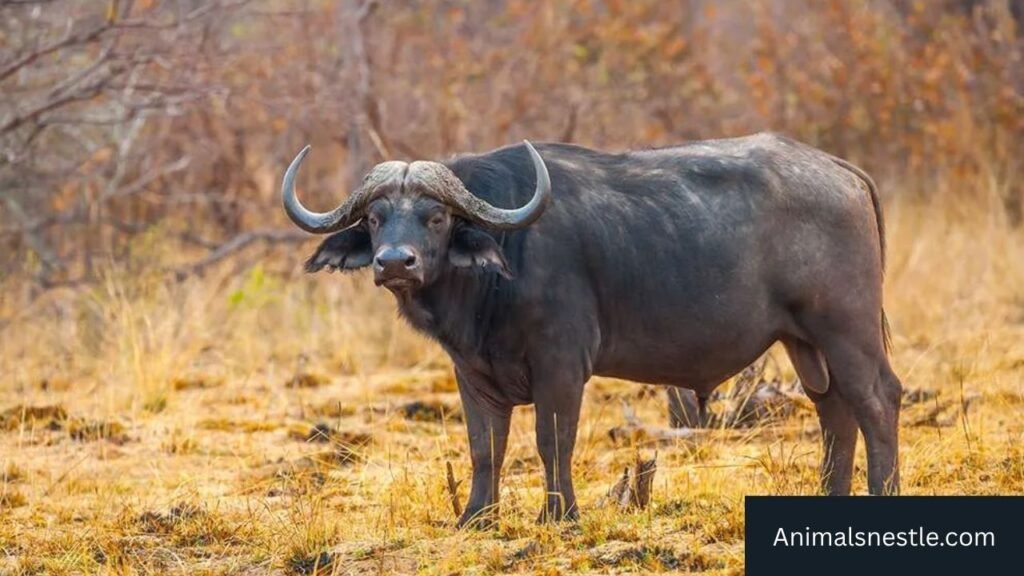
Yet, it’s not just their physical achievements that impress. Buffalo exhibit remarkable social structures, working in synergy to protect one another from predators. This communal ambition highlights an intelligence that often goes unnoticed. They communicate through a complex system of vocalizations and body language, reflecting commitment not just to individual well-being but to the herd’s overall success.
Readmore: Explore Top 6 Animals With Tusks.
Octopus
Scientific Name: Octopus vulgaris
Class: Cephalopoda
Diet: Carnivore
The octopus, a creature often painted as a tranquil denizen of the sea, is, beneath its soft exterior, an embodiment of ambition. With eight flexible arms lined with over 200 suckers, it demonstrates an extraordinary capacity for problem-solving and exploration. Unlike many animals that are bound to single habitats, the octopus thrives in a variety of underwater environments — coral reefs, rocky crevices, and even deep-sea vistas — showcasing its adaptability and desire for discovery.
What truly sets the octopus apart, however, is its intellect. Recent studies reveal their ability to use tools, hide in plain sight through remarkable camouflage, and even escape from enclosures, all tactics that point to a sophisticated understanding of their surroundings.
Cheetah
Scientific Name: Acinonyx jubatus
Class: Mammalia
Diet: Carnivore
The cheetah, often celebrated as nature’s speedster, embodies ambition through its relentless pursuit of prey. Unlike other big cats, the cheetah relies on explosive sprints rather than stealthy ambush tactics. This strategy reveals not only their physical prowess but also a unique approach to problem-solving. Imagine the agility of a creature that can go from zero to sixty miles per hour in mere seconds — each chase is a testament to their ambition to survive in the fiercely competitive savannah ecosystem.
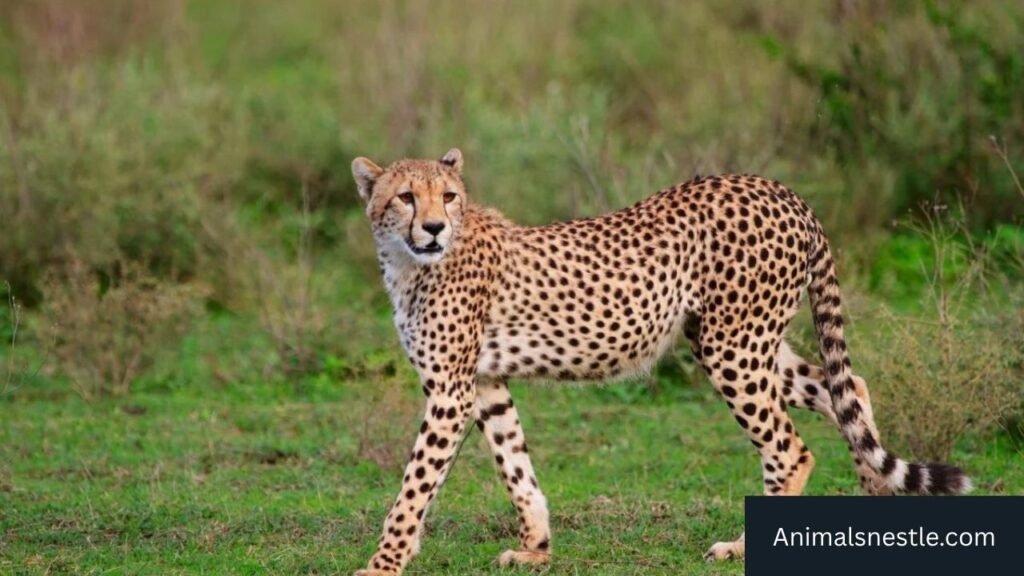
Yet, the cheetah’s narrative is more than just speed; it’s also about adaptability. With habitats shrinking and prey populations dwindling, these big cats have demonstrated remarkable resilience, honing their hunting skills and social structures. Interestingly, they often employ a mix of collaboration and solitary tactics, showcasing their ability to innovate based on environmental pressures.
You can also read: Explore Top 19 Animals That Eat Bamboo.
Arctic Fox
Scientific Name: Vulpes lagopus
Class: Mammalia
Diet: Omnivore
The Arctic fox is a master of survival, showcasing a remarkable ability to adapt to one of the planet’s harshest environments. With its thick, white fur that seamlessly blends into the snowy landscape, it not only eludes predators but also ingeniously masks its presence from unsuspecting prey. This chameleon-like ability serves as a testament to the fox’s strategic camouflage, but what’s even more fascinating is its diverse diet, which includes birds, small mammals, and even scavenged remains of larger animals. This opportunistic foraging behavior highlights the fox’s resourcefulness and adaptability, demonstrating an ambitious will to thrive where few others can.
Yet, the ambition of the Arctic fox extends beyond mere survival; it displays intricate social behaviors that hint at a complex emotional intelligence. During the harsh Arctic winters, these foxes often form monogamous pairs that work together to raise their young, sharing the responsibilities of hunting and nurturing. Their collaborative approach extends to their foraging, as they have been observed cooperating when hunting for food, showcasing an unexpected level of social sophistication. Intriguingly, these ambitious animals also exhibit playful behaviors, engaging in frolicsome antics that seemingly serve to build social bonds, proving that even in the frostbitten expanse of the Arctic, the pursuit of connection is a driving force in their lives.
Chimpanzee
Scientific Name: Pan troglodytes
Class: Mammalia
Diet: Omnivore
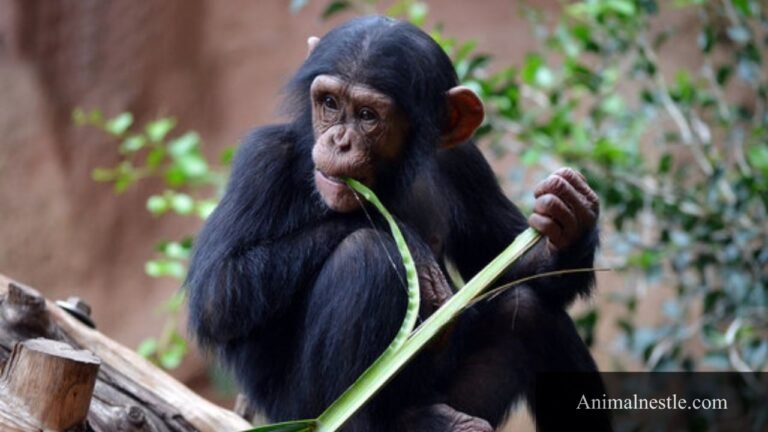
Chimpanzees are the ultimate embodiment of ambition in the animal kingdom, showcasing a blend of intelligence, social structure, and problem-solving abilities that mirror our own aspirations. In the wild, they engage in intricate social dynamics, forming alliances that enhance their chances of survival. These alliances are not mere survival tactics; they represent a form of strategic planning that demonstrates complex understanding, often leading to shared resources and mutual support. This sophisticated social fabric allows chimpanzees to manipulate their environment, reminding us that ambition isn’t just about individual success but also about teamwork and collaboration.
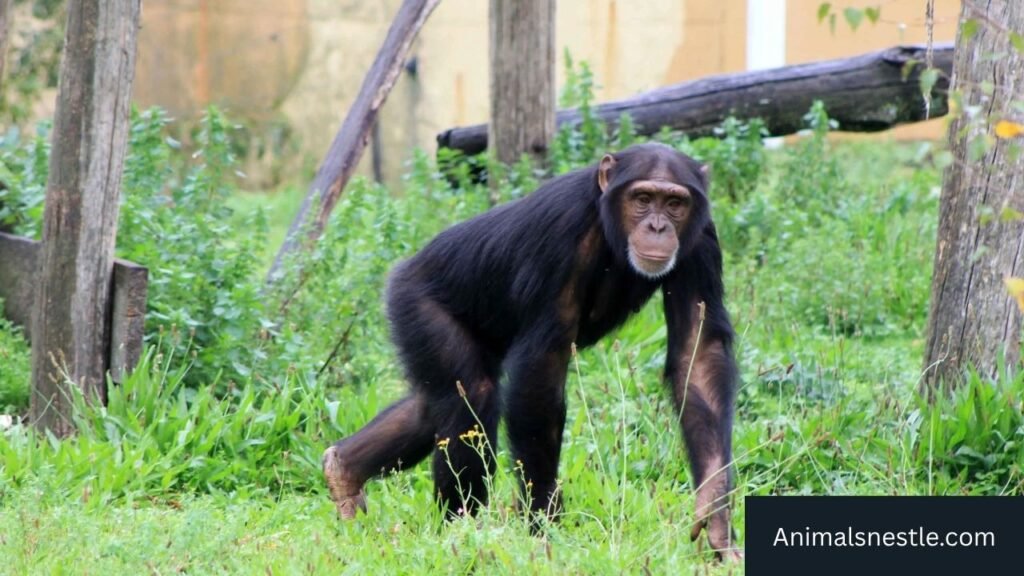
In captivity, researchers have observed chimpanzees showcasing innovative problem-solving techniques, such as using tools in novel ways to access food. These instances reveal not only their cognitive capabilities but also a palpable sense of ambition to overcome obstacles. Each interaction with their environment — be it bending branches to reach fruit or working together to navigate challenges — echoes a drive that seems almost human. This ambition is interwoven with their emotional lives, as they express joy, frustration, and even envy, drawing us closer to understanding the roots of ambition within our own species.
Readmore: Explore Top 39 Animals With 4 Letters.
Final Thoughts
The world of ambitious animals is filled with remarkable stories of perseverance and determination. From the industrious beaver building intricate dams to the clever octopus navigating complex puzzles, these creatures demonstrate that ambition transcends species. Their instincts drive them to overcome challenges, adapt to their environments, and strive for survival in ways that often mirror human ambition. By observing the determination of these animals, we not only gain insight into their lives but also reflect on our own aspirations and goals. Let their stories inspire you to pursue your ambitions, no matter how big or small.
FAQs
Which animal is the most ambitious?
Ants are often considered some of the most ambitious animals on the planet. They work tirelessly to build complex colonies, forage for food, and defend their territory. Their ability to collaborate in large numbers allows them to tackle tasks that would be impossible for a single individual. From constructing intricate tunnels to organizing massive food raids, ants demonstrate a level of ambition that is truly remarkable. Ants display impressive adaptability. They can thrive in diverse environments, from rainforests to deserts, and will adjust their strategies based on available resources and threats.
Which animal is most self-aware?
Determining which animal is most self-aware is complex, but many researchers point to the great apes, especially chimpanzees, bonobos, and orangutans. These species have demonstrated the ability to recognize themselves in mirrors, a classic test for self-awareness. They also show empathy, problem-solving skills, and the ability to engage in sophisticated social interactions.