Top 17 White Birds in The World (With Pictures)
In this article, “White Birds in The World,” we’ll delve into the captivating realm of these ethereal creatures, showcasing their diversity and significance across various cultures and environments. As we uncover the stories behind their beauty, you’ll appreciate not only their aesthetic appeal but also their crucial roles in our ecosystems. Join us on this avian journey and discover what makes these birds so extraordinary.
List of White Birds in The World
Below is the list of white birds:
- Snowy Egret
- Mute Swan
- Wood Stork
- Great Egret
- Snow Bunting
- Mississippi Kite
- Cattle Egret
- White-Breasted Nuthatch
- Trumpeter Swan
- Tundra Swan
- Whooping Crane
- White Ibis
- Royal Tern
- Snowy Owl
- American White Pelican
- Snow Geese
- Herring Gull
Snowy Egret
Scientific Name: Egretta thula
Class: Aves
Diet: Carnivore
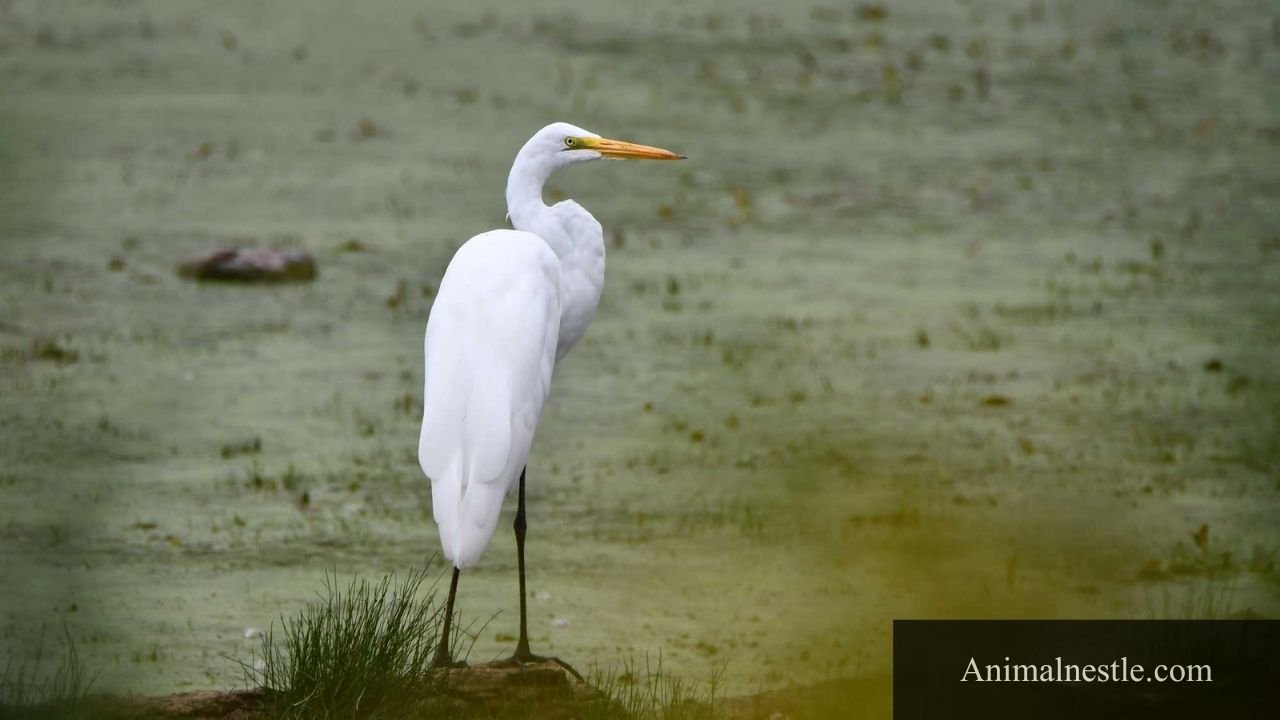
The Snowy Egret, with its slender legs, often seen wading through shallow waters, is not just a remarkable adaptation for hunting but also a stunning visual contrast against the shimmering surfaces of the wetlands. Observing this bird in action is a ballet of sorts; the way it deftly uses its feet to stir up fish reveals a unique foraging technique that is as captivating as it is effective.
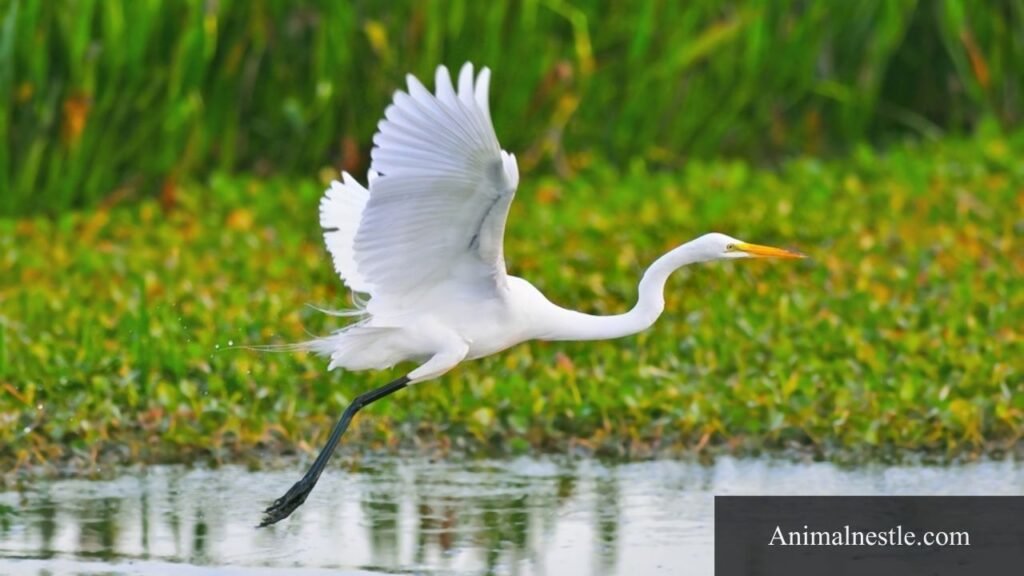
Beyond its beauty, the Snowy Egret plays an essential role in its ecosystem, serving as both predator and prey. Its presence signals a healthy marshland — these birds thrive in environments rich in biodiversity. However, their reliance on these habitats makes them vulnerable to environmental changes. Recent conservation efforts aim not only to protect these stunning birds but also to preserve the intricate ecosystems they represent, allowing us to recognize the intimate connections that bind us to nature. Each sighting of a Snowy Egret serves as a reminder of the delicate balance we must maintain in our wetlands, inspiring a renewed appreciation for the natural world.
Mute Swan
Scientific Name: Cygnus olor
Class: Aves
Diet: Herbivore
The Mute Swan, known for its striking elegance and serene presence, is often found gliding gracefully across tranquil lakes. Unlike many of its relatives, this species is not mute in the traditional sense; it communicates through a series of soft honks and melodious whistles that resonate with the tranquility of their surroundings. Their iconic S-curve neck adds a touch of majesty, often drawing the eyes of those who venture near their habitats.
What sets the Mute Swan apart is its intricate social structure. These birds are monogamous, often forming lifelong partnerships that manifest in synchronized swimming displays and courtship rituals. During nesting season, they become fiercely protective over their cygnets, demonstrating a nurturing side that highlights the complexity of avian parenting. Moreover, their adaptations for living in water, such as webbed feet and specialized feathers, equip them for both foraging and graceful movement, showcasing the remarkable evolution of this elegant bird.
Wood Stork
Scientific Name: Mycteria americana
Class: Aves
Diet: Carnivore
The Wood Stork, with its striking white plumage and unique black head, is a fascinating species that embodies the delicate balance of wetlands. Unlike many other storks, Wood Storks have a unique way of feeding that relies on tactile foraging — sweeping their open bills through shallow waters to catch fish and invertebrates. This behavior not only showcases their adaptability but also highlights the importance of healthy, shallow wetland ecosystems.
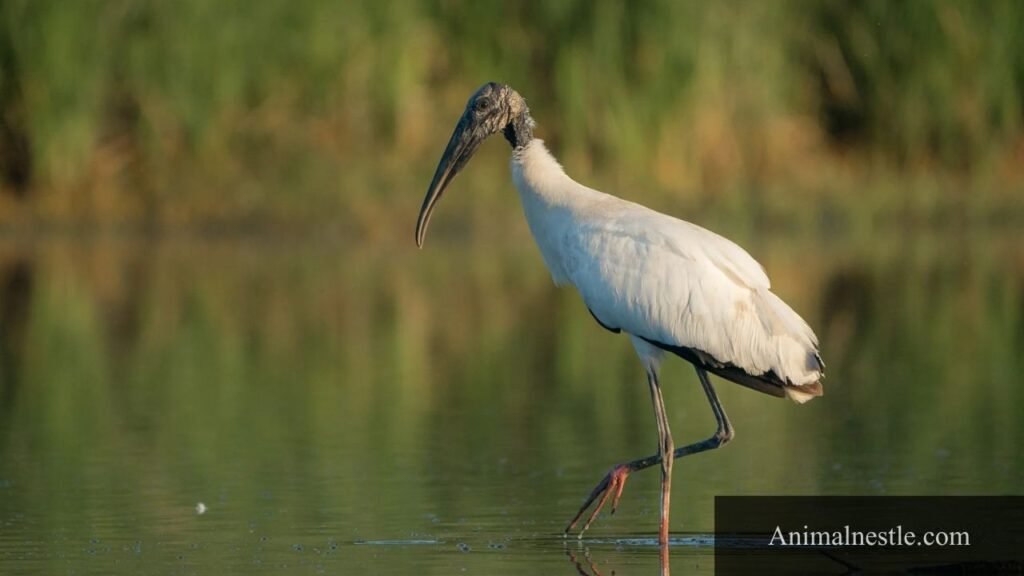
Wood Storks are known to have a complex social structure often seen in large nesting colonies that can reach hundreds of pairs. These communal roosts serve not just as breeding grounds but also as social networks for young storks learning essential survival skills. The colony’s dynamics can also reflect environmental changes; for instance, a decline in nesting success often signals shifting ecological conditions, alerting conservationists to broader concerns.
Readmore: Explore Top 37 Birds With 4 Letters.
Great Egret
Scientific Name: Ardea alba
Class: Aves
Diet: Carnivore
The Great Egret, with its striking elegant stature, is a marvel of avian grace. These birds can reach up to four feet in height and sport a stunning wingspan that can extend nearly six feet. Their long necks and legs enable them to wade through shallow waters with ease, where they hunt for fish, crustaceans, and other aquatic prey. Observing a Great Egret in action as it strikes swiftly with its sharp beak can be nothing short of mesmerizing, a dance of precision and patience.
Great Egrets play a crucial role in their ecosystems, acting as indicators of wetland health. Their sensitivity to environmental changes makes them pivotal in studying the impacts of climate change and habitat loss. Interestingly, these birds also exhibit a fascinating behavior during mating season; males undergo elaborate courtship displays, puffing out their feathers and performing ritualistic movements to attract females. This combination of ecological importance and captivating behavior makes the Great Egret not only a visual delight but also a species worthy of our attention and conservation efforts.
Snow Bunting
Scientific Name: Plectrophenax nivalis
Class: Aves
Diet: Omnivore
The Snow Bunting, a striking winter visitor, captivates watchers with its stark white plumage that contrasts beautifully against snowy landscapes. These resilient birds thrive in harsh Arctic environments, where they nest on cliffs and tundra. Their ability to adapt to extreme cold is remarkable; rather than migrating to warmer climates, they stay and forage for seeds in the snow, forming tight-knit flocks that flutter in enchanting patterns across the frozen terrain.
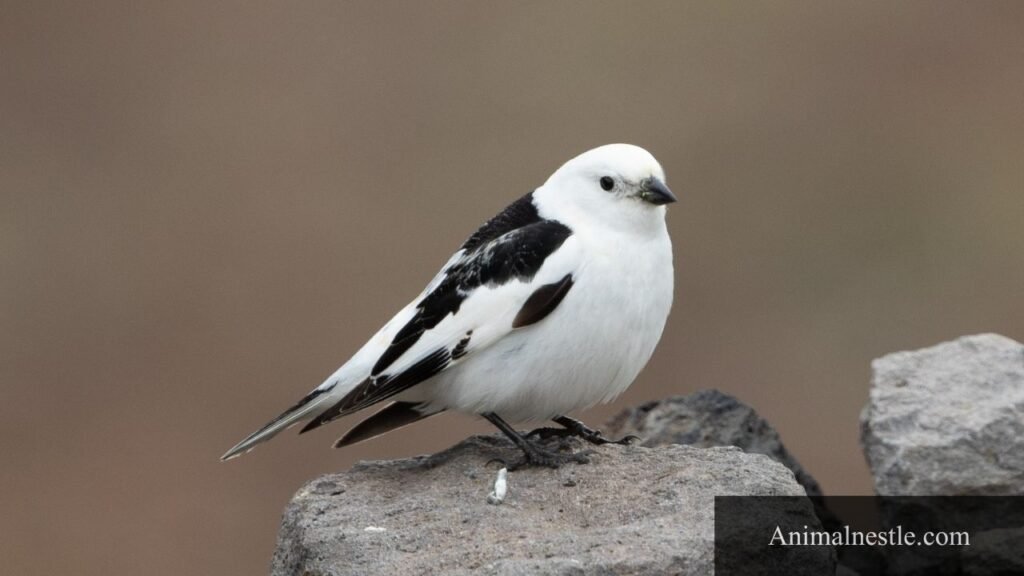
Snow Buntings are not just mere survivors of the cold; they are also masters of communication. Their melodious calls, often described as a series of whistles and trills, echo across the frigid air, playing a vital role in mating rituals and flock cohesion. During the breeding season, males engage in elaborate aerial displays, showcasing their fitness and attracting females. Observing these behaviors offers a deeper appreciation for their intricate social structures, illuminating the beauty of avian life in some of the planet’s most inhospitable regions. The Snow Bunting stands as a testament to nature’s resilience, embodying the stark elegance of winter while reminding us of the delicate balance that sustains life in extreme conditions.
Mississippi Kite
Scientific Name: Ictinia mississippiensis
Class: Aves
Diet: Carnivore
The Mississippi Kite, a sleek and graceful raptor, is a marvel of adaptation and agility. With a wingspan that stretches nearly three feet, this bird is often seen gliding effortlessly across the skies of the southeastern United States during the warmer months. What sets the Mississippi Kite apart is its unique hunting technique; rather than relying solely on speed and strength, these birds display remarkable aerial acrobatics, capturing insects mid-flight with precision. This behavior not only highlights their specialized diet but also underscores their pivotal role in maintaining the ecological balance in their habitats.
In addition to their impressive hunting skills, Mississippi Kites are known for their striking appearance, featuring a slate-gray body contrasted by white underparts and bold, black wingtips. Their vocalizations add another layer to their charm; the soft, whistling calls echo through the air, creating a serene atmosphere during their nesting season. As they build their nests high in trees using sticks and twigs, their nurturing side emerges — both parents share in the responsibility of caring for their young, ensuring that the next generation of kites can continue to thrive. Observing these incredible birds offers a glimpse into the interconnected web of life, reminding us of the beauty and complexity of nature right above our heads.
You can also read: Explore Top 17 Birds With 7 Letters.
Cattle Egret
Scientific Name: Bubulcus ibis
Class: Aves
Diet: Carnivore
The Cattle Egret, easily recognizable by its striking white plumage contrasted with golden buff feathers during breeding season, has a fascinating symbiotic relationship with livestock. Unlike many other egret species that prefer wetlands, the Cattle Egret thrives in farmlands and pastures, often following herds of cattle. By doing so, they benefit from the disturbances created by the grazing animals, which flush out insects and small rodents, providing an easy meal for these agile foragers.
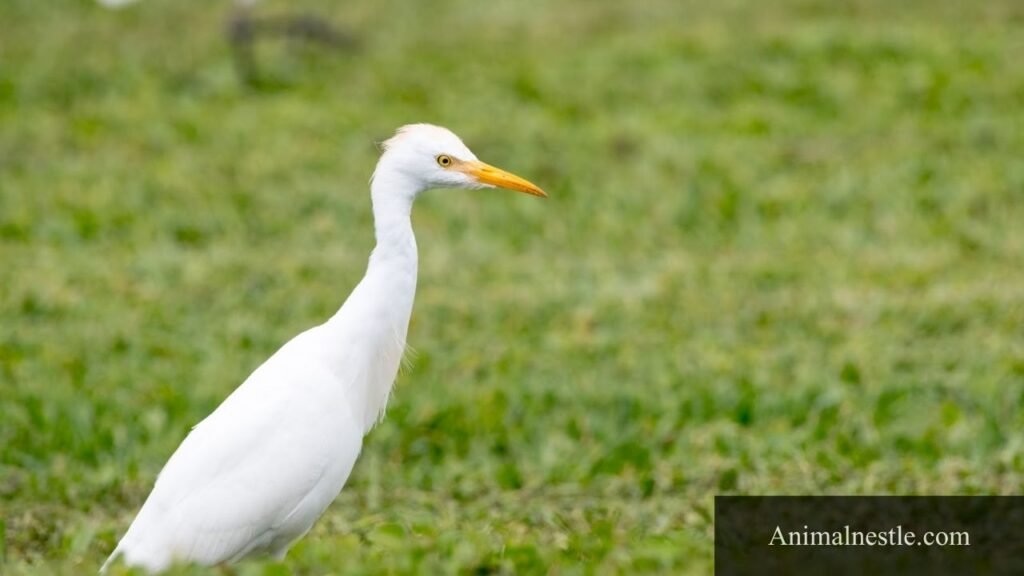
Cattle Egrets have expanded their range across continents, demonstrating remarkable resilience in changing environments. Initially native to Africa, they have successfully colonized parts of Europe, Asia, and the Americas, often hitching rides on the backs of trucks or planes, a testament to their opportunistic nature. Furthermore, during the breeding season, males display elaborate courtship behavior, puffing out their feathers and parading in front of potential mates, which adds a colorful touch not just to their physical appearance but to the ecological drama unfolding within their habitats. This blend of beauty, adaptability, and ecological role makes the Cattle Egret a captivating subject for both birdwatchers and ecologists alike.
White-Breasted Nuthatch
Scientific Name: Sitta carolinensis
Class: Aves
Diet: Omnivore
The White-Breasted Nuthatch, easily identifiable by its striking blue-grey plumage and bold white breast, embodies agility and adaptability in the avian world. These small songbirds are unique in their ability to navigate vertically down tree trunks, a behavior not commonly seen among their fellow birds. This upside-down foraging technique allows them to find insects and seeds that others might miss, showcasing their remarkable adaptability to different habitats.
White-Breasted Nuthatches often form mixed-species foraging flocks during the winter months, joining forces with chickadees and woodpeckers. This behavior not only enhances foraging efficiency but also provides a social dynamic that underscores the complexity of their relationships with other species. Their characteristic call — a distinctive nasal “nasal yank” — is a delightful reminder of their presence, echoing through wooded areas as they communicate not just with one another, but also as part of their call-and-response with the environment. This interaction with their surroundings highlights the intricate web of life in which they play a vital role.
Trumpeter Swan
Scientific Name: Cygnus buccinator
Class: Aves
Diet: Herbivore
The Trumpeter Swan, renowned for its majestic size and striking appearance, is one of North America’s largest waterfowl. With a wingspan that can exceed 10 feet and a pure white plumage, these swans create a stunning spectacle as they glide gracefully across lakes and rivers. Yet, beyond their beauty lies a story of resilience; once teetering on the brink of extinction due to hunting and habitat loss, conservation efforts have attentively brought their numbers back, sparking renewed interest in their ecology and behavior.
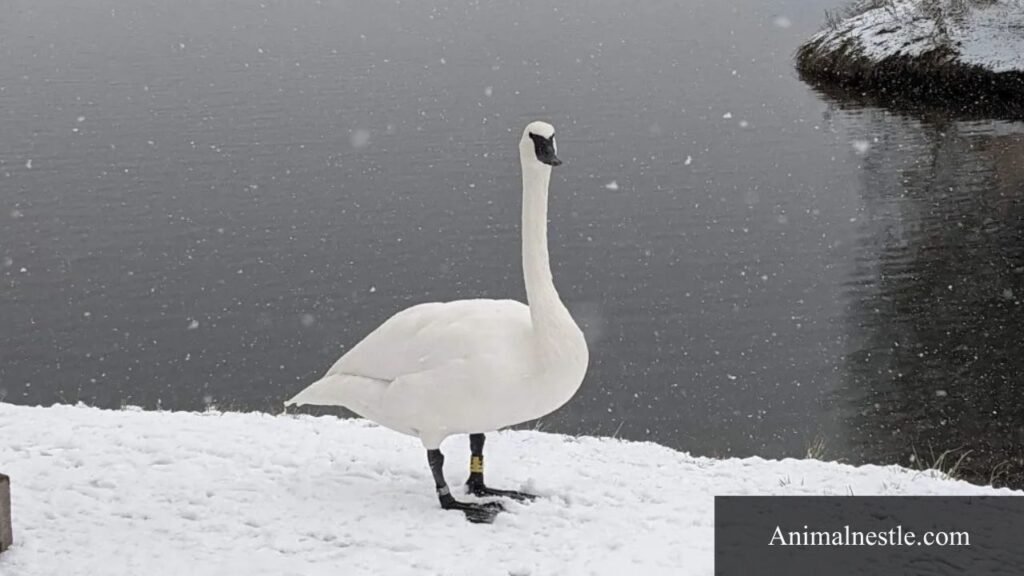
These swans aside from being visually captivating, hold a significant place in various ecosystems. Their diet primarily consists of aquatic vegetation, which they forage by dipping their long necks underwater. This feeding behavior not only sustains them but also influences the health of the aquatic plants, promoting biodiversity in their habitats. Moreover, their distinctive trumpeting calls resonate across the wetlands, a sound that adds to the enchanting atmosphere of their native landscapes. As they return to breeding grounds, observing their intricate courtship rituals can reveal the depth of their social bonds, offering a glimpse into the complexity of their familial structures.
Also read: Explore Top 11 Birds With 3 Letters.
Tundra Swan
Scientific Name: Cygnus columbianus
Class: Aves
Diet: Herbivore
The Tundra Swan, with its elegant white plumage and striking black bill, is a captivating sight against the backdrop of northern landscapes. These majestic birds undertake one of the longest migrations of any swan species, traveling thousands of miles from their breeding grounds in Alaska and Canada to wintering spots in the United States. What sets them apart is their unique vocalization; their calls carry a haunting grace, echoing through the icy air, enchanting anyone who is lucky enough to hear them.
More than just a visual marvel, Tundra Swans play a crucial role in their ecosystem. Their feeding habits — primarily foraging on submerged aquatic vegetation — help maintain the health of wetlands, promoting biodiversity and stability in these fragile environments. Interestingly, they form lifelong pair bonds, a characteristic that highlights their deep social structures. Observing a pair in flight, synchronized in their graceful movements, offers a glimpse into their commitment beyond mere survival, revealing a beautiful tapestry of connection and partnership in the natural world.
Whooping Crane
Scientific Name: Grus americana
Class: Aves
Diet: Omnivore
The Whooping Crane, renowned for its striking white plumage and graceful stature, stands as a symbol of conservation success in North America. These majestic birds, with their impressive wingspan of up to seven feet, are not just a marvel of nature; they hold a fascinating place in Native American culture, often seen as messengers between the earth and the spirit world. Their distinct, trumpeting calls echo across the wetlands, creating a hauntingly beautiful landscape of sound that enchants both birdwatchers and casual observers alike.
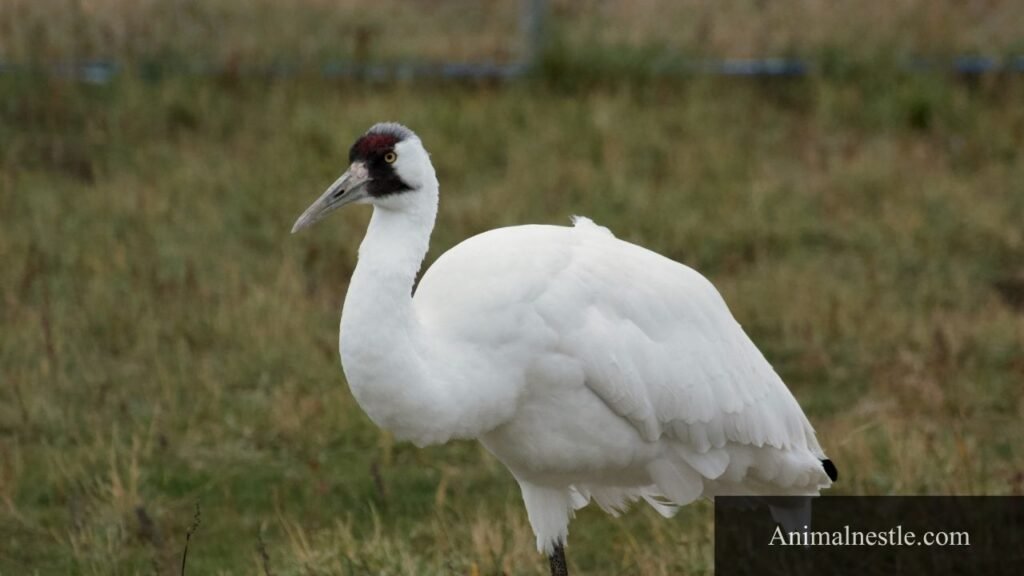
One of the most compelling aspects of Whooping Cranes is their unique migratory habits. They embark on a remarkable journey of over 2,500 miles each year, traveling from their breeding grounds in Canada to wintering sites in Texas. This annual pilgrimage serves as a reminder of the delicate balance of ecosystems, underscoring the importance of preserving their habitats. Conservation efforts have made strides in increasing their population, yet the Whooping Crane’s future still hinges on our collective action to protect wetlands and combat climate change, highlighting the interconnectedness of all species and the environments they inhabit. Each sighting of this elegant bird is not just a visual treat but a reminder of our responsibility toward safeguarding the natural world.
White Ibis
Scientific Name: Eudocimus albus
Class: Aves
Diet: Carnivore
The White Ibis, characterized by its striking white contrast and long, curved bill, is a fascinating study in adaptability. Often spotted foraging along marshes and estuaries, these birds use their sensitive, elongated bills to probe mud and shallow waters for crustaceans, insects, and small fish. Interestingly, they possess a communal foraging behavior that highlights their social nature — sometimes, hundreds can be seen together, a behavior that not only aids in locating food but also enhances their protection from predators.
In addition to their foraging prowess, the White Ibis plays a critical role in its ecosystem. By turning over soil and cycling nutrients, they contribute to maintaining the health of their wetland habitats. What’s particularly captivating is their breeding behavior; these birds often engage in complex courtship displays involving intricate flying patterns and mutual preening. This not only strengthens pair bonds but also showcases their vibrant personalities, revealing that beneath the serene exterior lies a dynamic social structure. As we learn more about the White Ibis, it becomes increasingly clear that these birds are not merely inhabitants of wetlands; they are vital participants in a delicate ecological dance.
Readmore: Explore Top 16 Animals That Start With Q.
Royal Tern
Scientific Name: Thalasseus maximus
Class: Aves
Diet: Carnivore
The Royal Tern stands out as a true marvel of coastal avian life. Often found in large colonies along sandy shores, these seabirds are not just picturesque; they exhibit intriguing social behaviors. During breeding season, males showcase their aerial prowess, engaging in elaborate courtship displays that include acrobatic dives and elegant swoops, reinforcing their status within the ranks of the colony.
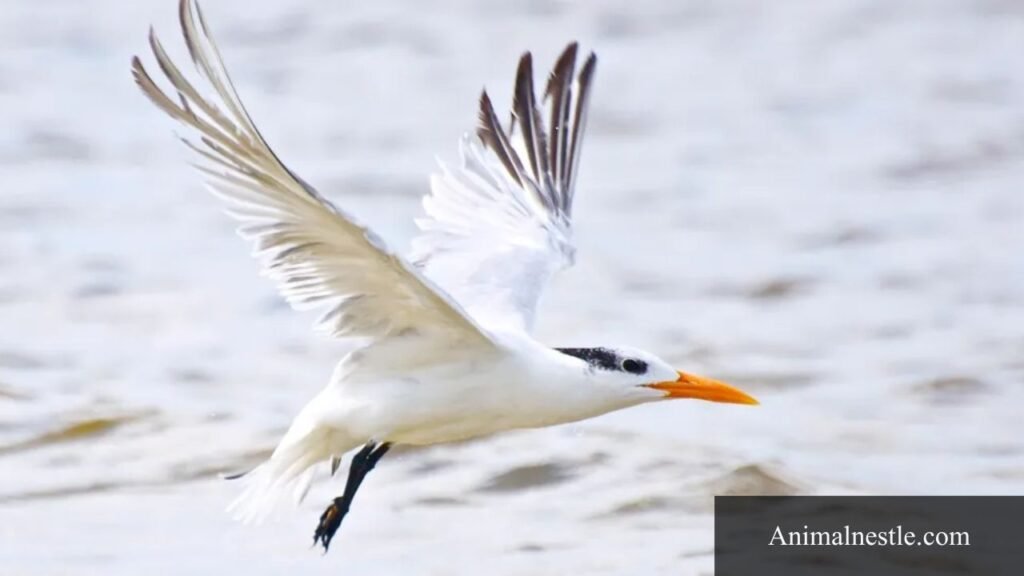
Beyond their visual allure, Royal Terns also play a vital ecological role. As adept fishers, they hunt by plunging into the water with incredible precision, helping to maintain a balance in marine environments. Observing them in action reveals a fascinating synergy between predator and prey, highlighting the delicate interconnectedness of coastal ecosystems. Their vocalizations, often a mix of sharp cries and whistles, contribute to the soundscape of their habitats and serve as a communication tool within their social structures. As you explore the shorelines they inhabit, you can’t help but appreciate the sheer beauty and complexity these birds bring to the coastal tapestry.
Snowy Owl
Scientific Name: Bubo scandiacus
Class: Aves
Diet: Carnivore
Snowy owls, distinguished by their striking white bodies and piercing yellow eyes, are not just captivating to look at; they are also remarkable in their adaptations to harsh Arctic environments. Unlike many owls, which are primarily nocturnal, snowy owls exhibit a more diurnal lifestyle, hunting during the day to maximize their opportunities in the limited daylight of their tundra habitats. Their diet mainly consists of lemmings, and a single snowy owl can consume several dozen of these small rodents in a day, showcasing their crucial role in controlling prey populations and contributing to the ecological balance.
What sets the snowy owl apart is their incredible ability to thrive in frigid temperatures, thanks to a suite of adaptations. Their feathers are densely packed and serve not only for insulation but also for silent flight, allowing them to sneak up on unsuspecting prey. Interestingly, snowy owls exhibit a unique phenotypic variation; some individuals retain a mottled brown coloration even as adults, providing them with camouflage among the tundra’s landscape. This versatility in appearance echoes their ability to adapt to rapidly changing climates, making them a symbol of resilience in an era of environmental uncertainty. Observing these majestic creatures in the wild can be a transformative experience, as they remind us of the delicate balance of nature and the importance of conservation efforts to protect their habitats.
American White Pelican
Scientific Name: Pelecanus erythrorhynchos
Class: Aves
Diet: Carnivore
The American White Pelican is a majestic bird that captivates watchers with its stunning size and unique behaviors. Unlike most pelicans, which rely primarily on fishing in saltwater, the American White Pelican is a freshwater specialist, often found gliding over lakes, rivers, and wetlands. Its iconic white feathers contrast starkly with its black-tipped wings, making it easily recognizable during flight. These pelicans can have wingspans of up to 9 feet, allowing them to soar gracefully on thermal currents, adding an element of drama to the skies they inhabit.
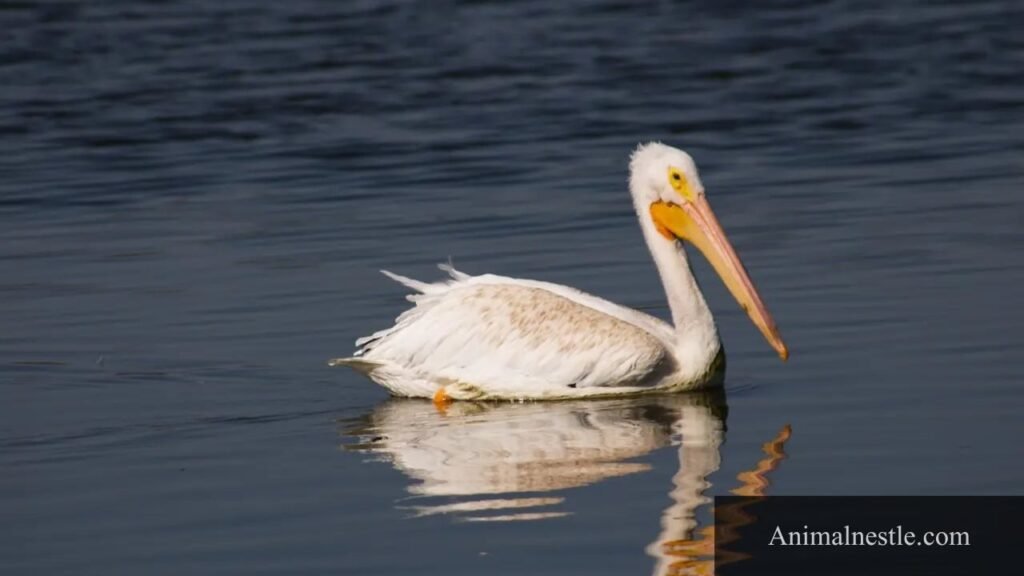
One of the most fascinating aspects of the American White Pelican is its cooperative feeding strategy. Unlike the more solitary hunting habits of other birds, these pelicans gather in large groups, using their immense bills to scoop up fish and other aquatic prey. This method not only showcases their social nature but highlights the intricate balance of ecosystems they support, as their presence affects fish populations and the overall health of water bodies. As they dive-bomb into the water, creating ripples that shimmer under the sun, they remind us not only of nature’s beauty but also its interconnectedness, urging us to appreciate and protect the delicate web of life they exemplify.
Also read: Explore Top 27 Animals That Start With N.
Snow Geese
Scientific Name: Anser caerulescens
Class: Aves
Diet: Herbivore
Snow Geese are fascinating avian travelers, renowned not just for their striking white plumage but also for their remarkable migratory journeys. Each fall, these dedicated birds undertake a breathtaking trek from their breeding grounds in the Arctic tundra to wintering areas in the southern United States and Mexico. Weighing in at about 3 to 5.5 pounds, they travel in flocks that can number into the thousands, creating a stunning visual display as they carve intricate patterns across the sky.
One of the most intriguing aspects of Snow Geese behavior is their foraging habits. These geese primarily graze on vegetation, such as grasses and grains, but they have a unique adaptation: their ability to thrive in various environments, including farmland and wetlands. This flexibility has allowed them to exploit agricultural landscapes, often leading to conflicts with farmers as they decimate crops. Yet, their significant role in the ecosystem as grazers stimulates the growth of certain plants, showcasing a complex relationship with the habitats they inhabit. The Snow Goose is not merely a wanderer; it is a dynamic player in ecological interactions, reminding us of the intricate balance within nature.
Herring Gull
Scientific Name: Larus argentatus
Class: Aves
Diet: Omnivore
The Herring Gull, with its striking grey wings and distinctive yellow beak, is more than just a coastal companion; it embodies adaptability in a rapidly changing environment. Often found scavenging along beaches and harbors, these birds have developed a keen ability to exploit human activities for food. Their vocalizations — harsh, laughter-like calls — reflect not just communication among species but also serve to establish territory, showcasing their intelligence in social dynamics.
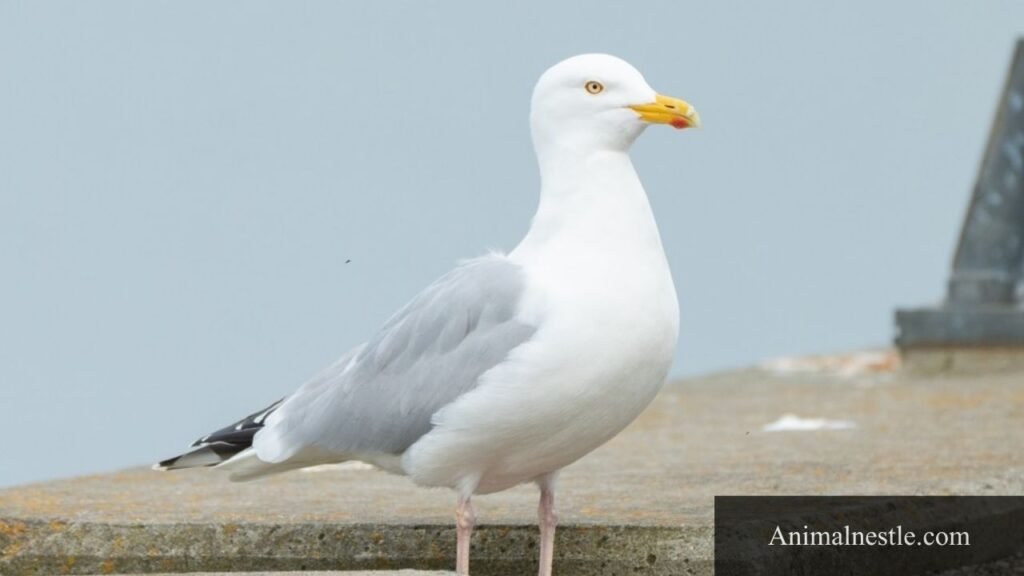
Herring Gulls are known for their impressive problem-solving skills. They can use tools, like dropping shellfish onto rocks to crack them open, exhibiting a level of ingenuity that rivals some primates. Their migratory patterns are shifting; as climate change alters their habitats and food sources, these gulls are increasingly venturing further inland, which raises intriguing questions about how urban landscapes could adapt to support this resilient bird. Through the lens of the Herring Gull, we witness a fascinating narrative of survival and adaptation amidst the complexities of modern life.
Readmore: Explore Top 23 Birds With 6 Letters.
Final Thoughts
White birds symbolize purity, peace, and beauty across various cultures and landscapes. Their presence in ecosystems serves not only as a reminder of nature’s diversity but also as an indicator of environmental health. From the majestic swan gliding on serene lakes to the graceful egret wading through marshlands, these birds add a unique elegance to our world. As we witness their flights and calls, it becomes vital to protect their habitats and ensure their survival for generations to come. Let us actively participate in conservation efforts and foster a deeper appreciation for these incredible creatures.
FAQs
What type of bird is white?
There are several types of birds that can be predominantly white. One of the most recognizable is the snowy egret, known for its striking white plumage and grace as it hunts in shallow waters. Another common example is the white ibis, which has a long curved beak and is often found in wetlands. In addition, various species of gulls, like the western gull, display white feathers, particularly in their adult forms. Not to forget the majestic swans, such as the mute swan, which are entirely white and often seen gliding on lakes and ponds. Each of these birds has unique characteristics that make them stand out in their respective habitats.
What is the name of white bird with yellow beak?
The bird you’re likely thinking of is the Western Gull. This bird has a striking white body with grey wings and a distinct yellow beak. Another possibility could be the American White Pelican, known for its large size and prominent yellow bill, especially during breeding season.