Top 19 Animals That Eat Bamboo (With Pictures)
While pandas are the most famous bamboo enthusiasts, many other species depend on this plant for survival. In this article, we’ll delve into the diverse range of animals that eat bamboo, showcasing their unique survival strategies and ecological roles. Join us to uncover how these animals interact with their environments and why bamboo is essential to their existence.
List of Animals That Eat Bamboo
Here is the list of animals that eat bamboo:
- African elephant
- Guinea pig
- Bamboo rat
- Rabbit
- Powderpost beetle
- Bamboo partridge
- Giant panda
- Chimpanzee
- Mountain bongo
- Zebra
- Termite
- Red panda
- Gorilla
- Bamboo lemur
- Parrot
- Golden monkey
- Bamboo borer
- Bamboo worm
- Giraffe
African Elephant
Scientific Name: Loxodonta
Class: Mammalia
Diet: Herbivore
The African elephant are commonly associated with savannas and grasslands, but these gentle giants also indulge in bamboo when the opportunity arises. With their massive size, elephants consume large quantities of vegetation daily, and bamboo — a nutrient-rich grass — becomes a surprising, albeit occasional, choice on their menu. This adaptability highlights their resourcefulness in varying habitats, showcasing how diverse their diets can be.
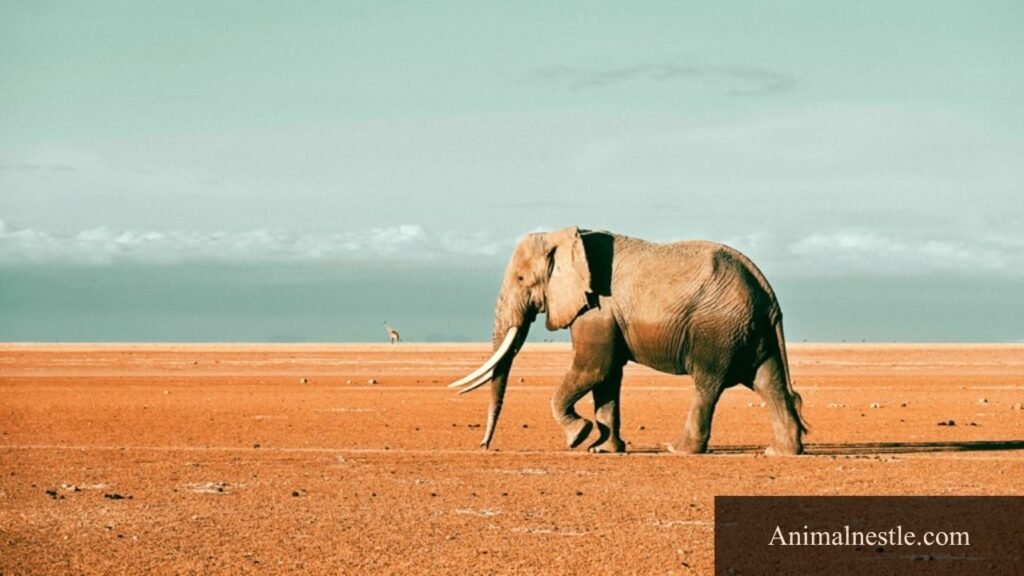
What’s fascinating is how elephants play a crucial role in shaping their ecosystems, even when munching on bamboo. By uprooting or breaking bamboo stalks, they create openings for other plants to thrive. This behavior not only underlines their status as a keystone species but also serves as a reminder of biodiversity’s intricate web, where even the largest herbivores can influence the growth patterns of less dominant flora. As they roam, elephants help maintain balance, making them essential guardians of their habitats, whether they’re foraging in dense forests or wide-open plains.
Guinea Pig
Scientific Name: Cavia porcellus
Class: Mammalia
Diet: Herbivore
Guinea pigs have a surprisingly deep connection to bamboo. While they primarily munch on hay and pellets, their natural instinct for foraging means they can enjoy the occasional bamboo treat. This crunchy delicacy not only adds variety to their diet but also supports their dental health, helping to wear down their continuously growing teeth.
Beyond nutrition, bamboo offers a stimulating enrichment opportunity. When guinea pigs nibble on bamboo, they engage in instinctual behaviors that mimic their wild counterparts, promoting mental and physical health. Providing bamboo in different forms — like sticks or leaves — can captivate their attention and keep boredom at bay.
Bamboo Rat
Scientific Name: Rhizomyinae
Class: Mammalia
Diet: Herbivore
The bamboo rat plays a pivotal role in the ecosystems of Southeast Asia. Unlike its more famous bamboo-consuming counterparts, this burrowing rodent thrives in subterranean environments, using its remarkable digging abilities to create extensive tunnel systems in bamboo forests. These hidden passages not only help the bamboo rat evade predators, but they also aerate the soil and promote new plant growth, illustrating a symbiotic relationship with its habitat.
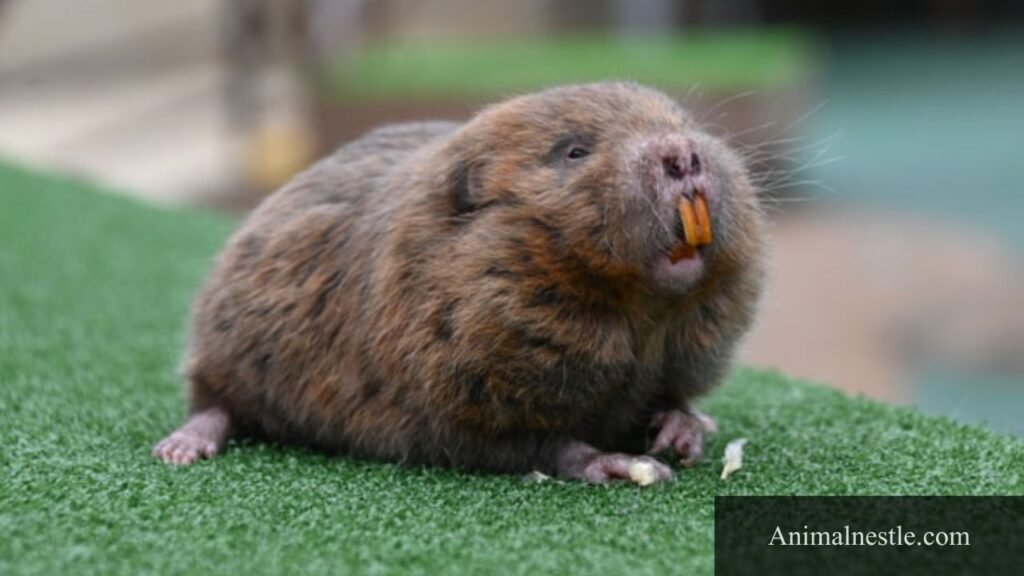
Interestingly, bamboo rats are not picky eaters when it comes to bamboo. They favor the tender shoots and leaves, which are rich in moisture and nutrients. However, their impact goes beyond simply munching on the green stalks; they also help disperse seeds through their droppings, contributing to the regeneration of bamboo forests. This unique blend of foraging and habitat engineering makes them essential players in maintaining the ecological balance of their environment, ensuring that bamboo remains a thriving resource for various species.
Readmore: Explore Top 13 Ovoviviparous Animals in The World.
Rabbit
Scientific Name: Leporidae
Class: Mammalia
Diet: Herbivore
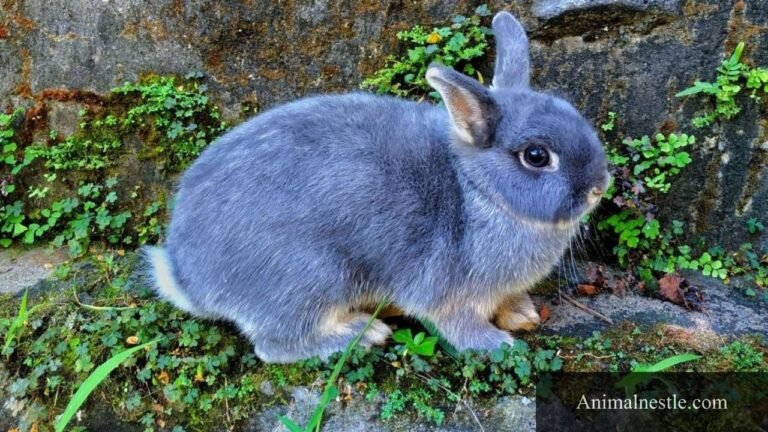
Rabbits, often associated with lush gardens and grassy lawns, have a unique relationship with bamboo that might surprise many. While they primarily nibble on tender greens and flowers, these little herbivores can also enjoy bamboo shoots as a crunchy, nutritious treat. The young, tender shoots are not only palatable but also pack a punch in terms of fiber, essential for maintaining the healthy digestive systems that rabbits are known for.
What’s fascinating about rabbits and bamboo is their ability to instinctively recognize which parts of the plant to eat. Unlike many animals that could consume tougher, woody segments, a rabbit’s sensitive palate guides it toward the softer, more edible portions of bamboo. This selective feeding behavior showcases their adaptability, a feature that allows them to thrive in varied environments. So, while bamboo may not be their primary food source, it serves as an intriguing snack that contributes to their diverse diet and promotes their health in surprising ways.
Powderpost Beetle
Scientific Name: Lyctinae
Class: Insecta
Diet: Herbivore
The powderpost beetle plays a crucial role in the bamboo ecosystem. These tiny insects have a ravenous appetite for the hard, fibrous stalks of bamboo, cleverly transforming it from a formidable barrier into a nutritious feast. Their unique digestive systems break down cellulose, a type of plant fiber that many creatures struggle to process, thereby promoting the decay of dead or dying bamboo. This decomposition is essential for maintaining the health of bamboo forests, enriching the soil with nutrients that support a diverse range of plant and animal life.
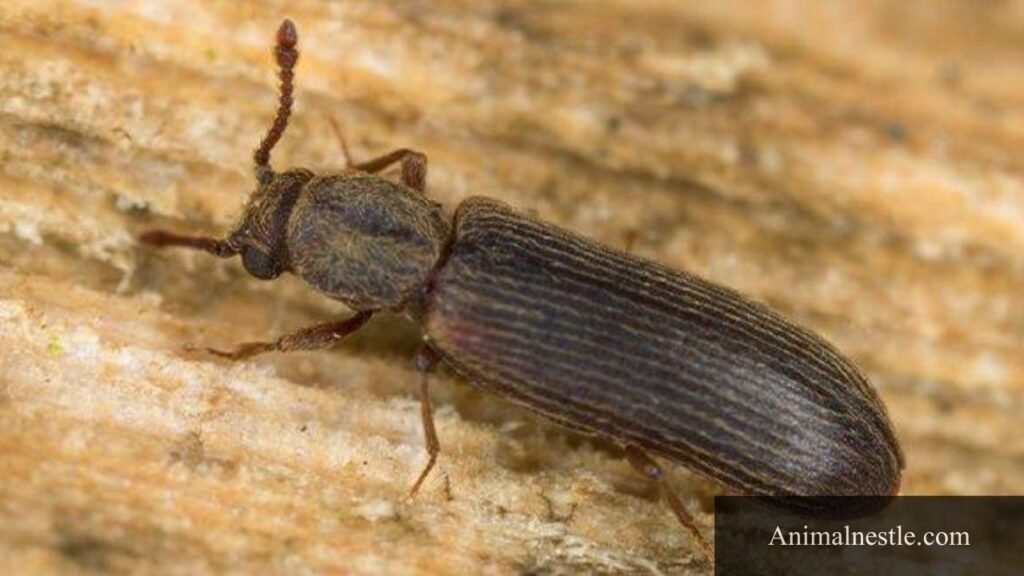
Interestingly, the powderpost beetle also showcases remarkable adaptation strategies that allow it to thrive in a habitat dominated by such tough vegetation. Their ability to burrow into bamboo not only provides a safe haven from predators but also makes them critical agents of change within the ecosystem. As they munch their way through the stems, they create tunnels that aerate the bamboo and improve water penetration, facilitating a more balanced environment for other inhabitants. In this way, the powderpost beetle is not just a bamboo consumer; it is a silent architect, significantly influencing the dynamics of its habitat and promoting biodiversity in the process.
Bamboo Partridge
Scientific Name: Bambusicola
Class: Aves
Diet: Omnivore
The Bamboo Partridge showcases a remarkable adaptation to its bamboo-rich habitat. Unlike many birds that rely on a varied diet, this species has tailored its feeding habits to thrive primarily on bamboo shoots, seeds, and leaves. Their reliance on bamboo not only defines their diet but also influences their behavior and social dynamics. Often found in small family groups, they utilize the dense bamboo thickets for protection against predators, demonstrating a unique synergy between their diet and habitat.
What’s fascinating is how the Bamboo Partridge contributes to the ecosystem. As they forage through the undergrowth, they help in the dispersal of bamboo seeds, promoting new growth in their surroundings. This relationship highlights a reciprocal dynamic where the partridges benefit from the foliage’s shelter while also aiding the regeneration of their primary food source. Their vocalizations, which resonate through the bamboo groves, play a crucial role in establishing territory and attracting mates, adding to the vibrant soundscape of their habitat. Observing these birds in their natural setting not only fascinates birdwatchers but also emphasizes the intricate connections within ecosystems.
You can also read: Explore Top 19 Animals That Eat Carrots.
Giant Panda
Scientific Name: Ailuropoda melanoleuca
Class: Mammalia
Diet: Herbivore
The giant panda, often viewed as a symbol of conservation, has a diet that revolves almost exclusively around bamboo, consuming up to 40 pounds daily. This herbaceous plant, a grass rather than a tree, is not just a food source — it’s a vital part of the panda’s identity. Surprisingly, despite their classification as carnivores, pandas have evolved to thrive on a diet that offers little nutritional value. This adaptation is fascinating, prompting scientists to study their unique digestive systems and the role of gut bacteria in breaking down cellulose.
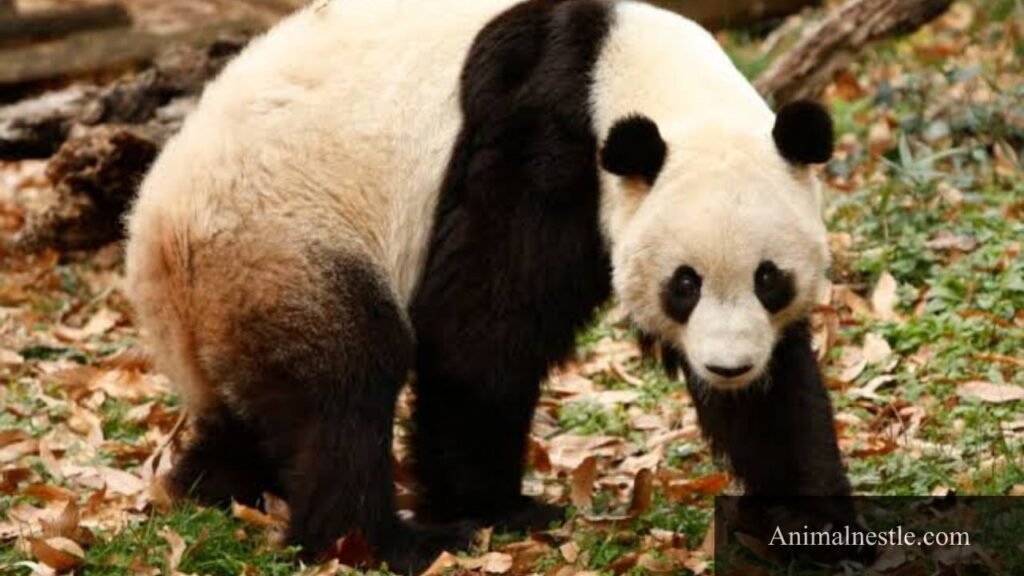
The giant panda’s reliance on bamboo has shaped their behavior and habitat preferences. They roam vast areas in search of different bamboo species, effectively turn their foraging habits into a delicate dance with nature, reliant on the seasonal growth of their food source. Climate change and habitat loss threaten this delicate balance, making conservation efforts critical. Understanding the intricacies of the panda’s life helps highlight the importance of preserving not just the species, but the ecosystems that sustain them. Each bamboo stalk is a testament to their resilience, encapsulating both the beauty and fragility of life in the wild.
Chimpanzee
Scientific Name: Pan troglodytes
Class: Mammalia
Diet: Omnivore
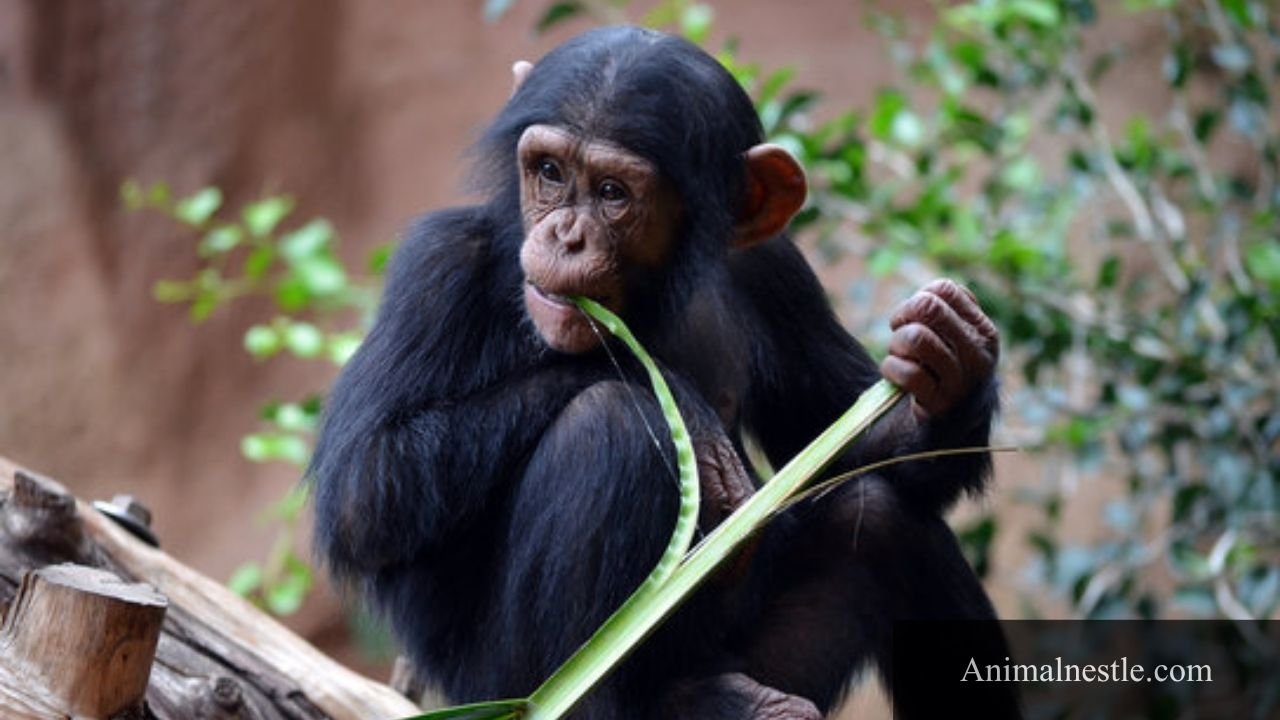
Chimpanzees showcase surprising dietary versatility, including a fondness for bamboo shoots. While they are often celebrated for their use of tools and complex social systems, their occasional bamboo consumption underscores their adaptability in the wild. These intelligent primates can often be seen skillfully stripping the tough outer layers of bamboo, revealing the tender, nutritious core that sustains them, particularly during lean seasons when other food sources are scarce.
Interestingly, bamboo isn’t just a filler in a chimpanzee’s diet; it plays a significant role in their nutritional strategy. Rich in vitamins and minerals, bamboo shoots provide essential nutrients and hydration. Observations reveal that chimpanzees can even distinguish between different bamboo species, selectively targeting those with the highest nutritional value. This selective feeding behavior highlights their cognitive prowess and ability to make informed dietary choices, reinforcing their status as one of the most sophisticated non-human primates.
Mountain Bongo
Scientific Name: Tragelaphus eurycerus
Class: Mammalia
Diet: Herbivore
The Mountain Bongo has a unique dietary preference that makes it one of the more intriguing herbivores in its ecosystem. These shy creatures are primarily browsers, favoring leaves, fruits, and, notably, bamboo shoots when available. Interestingly, their long, spiral horns are not just for display; they play a crucial role in navigating their mountainous habitat, allowing them to thrive in the steep, rugged terrain where bamboo often flourishes.
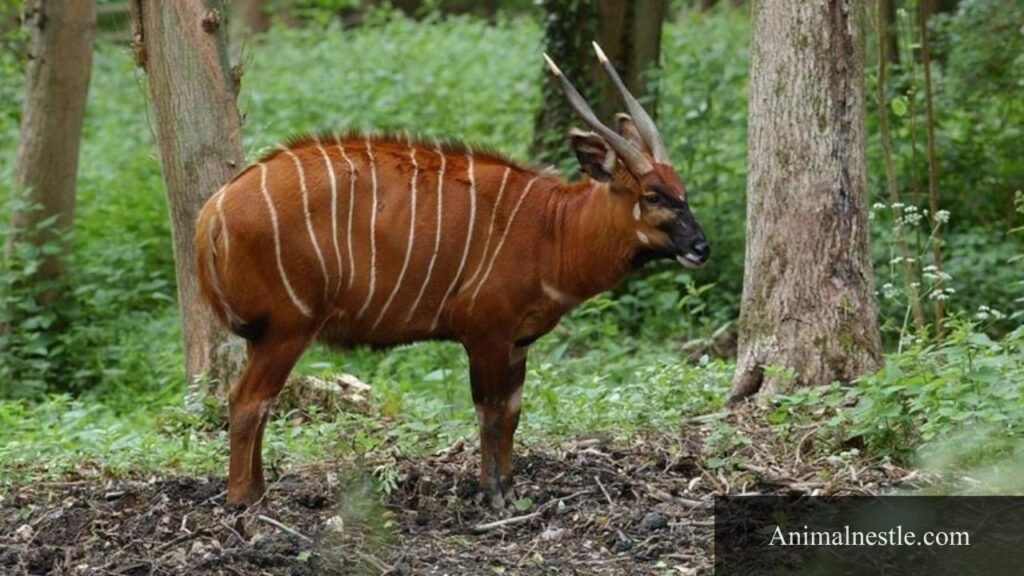
What sets the Mountain Bongo apart is its remarkable ability to adapt its diet based on seasonal changes in food availability. In the lush, humid forests, bamboo emerges as a crucial resource during certain times of the year, offering essential nutrients. Researchers have found that this adaptability may contribute to their survival, especially as habitats face pressures from deforestation and climate change. Observing these graceful animals in their natural habitat highlights the intricate balance of the ecosystem and the vital role that bamboo plays — not just for the Mountain Bongo, but for the myriad species that share its environment.
Also read: Explore Top 15 Animals That Eat Celery.
Zebra
Scientific Name: Equus quagga
Class: Mammalia
Diet: Herbivore
While zebras are primarily known for their grazing habits, their occasional bamboo consumption showcases their adaptability in the wild. Found in select regions where bamboo intermingles with their native grasses, zebras have discovered that this resilient plant can serve as a supplementary food source. Unlike many herbivores that strictly focus on one type of vegetation, zebras display a remarkable versatility in their diet, enabling them to thrive in diverse habitats.
Interestingly, the fibrous nature of bamboo helps zebras maintain dental health. The constant chewing required to break down the tough plant aids in natural wear on their teeth, which can be essential for their longevity. Moreover, in times of food scarcity, the ability to switch to bamboo not only supports their nutritional needs but also reflects a survival strategy that underscores the complexity of their ecological interactions. Embracing such behaviors invites us to reconsider the broader implications of herbivore dietary flexibility in the context of changing environments.
Termite
Scientific Name: Isoptera
Class: Insecta
Diet: Herbivore
Termites play a surprisingly crucial role in bamboo ecosystems. While they might not be the first animals that spring to mind when thinking about bamboo consumption, these industrious insects have a unique relationship with the plant. Certain species of termites specifically target bamboo for its rich cellulose, breaking it down into a digestible form. This digestive process not only sustains the termites but also benefits the surrounding environment. As they consume and decompose bamboo, they contribute to nutrient cycling, enriching the soil for future growth.
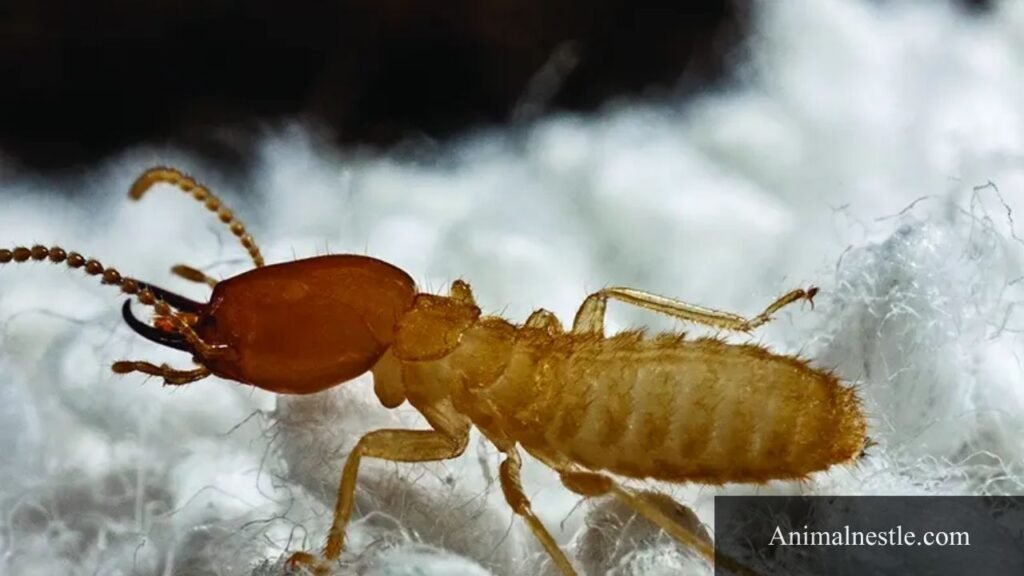
What’s particularly fascinating is how termites exhibit a powerful teamwork dynamic. Unlike solitary bamboo eaters, these social insects work in colonies, creating intricate nests and tunnels within the bamboo stalks. This communal effort not only maximizes their feeding efficiency but also enhances the structural integrity of their habitat. In a sense, termites are nature’s recyclers, ensuring that bamboo forests are thriving by facilitating decomposition, which ultimately supports a diverse array of life around them. Through their diligent work, these tiny creatures help maintain the health of bamboo ecosystems, revealing a complex web of interdependence that often goes unnoticed.
Red Panda
Scientific Name: Ailurus fulgens
Class: Mammalia
Diet: Herbivore
Red pandas, with their striking reddish-brown fur and charming faces, are true connoisseurs of bamboo. Unlike their giant panda counterparts, which are vastly larger and rely exclusively on bamboo, red pandas have a more varied diet. While they primarily feast on bamboo, they also savor fruits, acorns, and even insects, showcasing their adaptability in the wild. This diverse diet enables them to thrive in different habitats across the temperate forests of the Himalayas and southwestern China.
Their unique digestive system is tailored to process bamboo, but not without challenges. Red pandas typically consume large quantities — up to 20,000 bamboo leaves a day — to compensate for the low nutritional value of this grass. Interestingly, their keen sense of smell and selective feeding habits allow them to identify the most nutritious parts of the bamboo, ensuring they get the best possible nutrients. Despite their cute demeanor, red pandas face serious threats from habitat loss and climate change, making conservation efforts crucial for their survival. By studying their feeding habits and habitats, researchers are gaining valuable insights that could help protect these fascinating creatures and their bamboo-rich ecosystems.
Readmore: Explore Top 6 Animals With Tusks.
Gorilla
Scientific Name: Gorilla
Class: Mammalia
Diet: Herbivore
Gorillas have a surprisingly gentle diet that centers around bamboo, among other vegetation. These grand primates, particularly the mountain gorilla, have developed a unique relationship with bamboo ecosystems, relying on tender shoots and leaves to sustain their massive bodies. What’s fascinating is their selective feeding habits; they often skillfully strip the bamboo of its fibrous exterior to access the nutritious inner part, showcasing both their intelligence and dexterity.
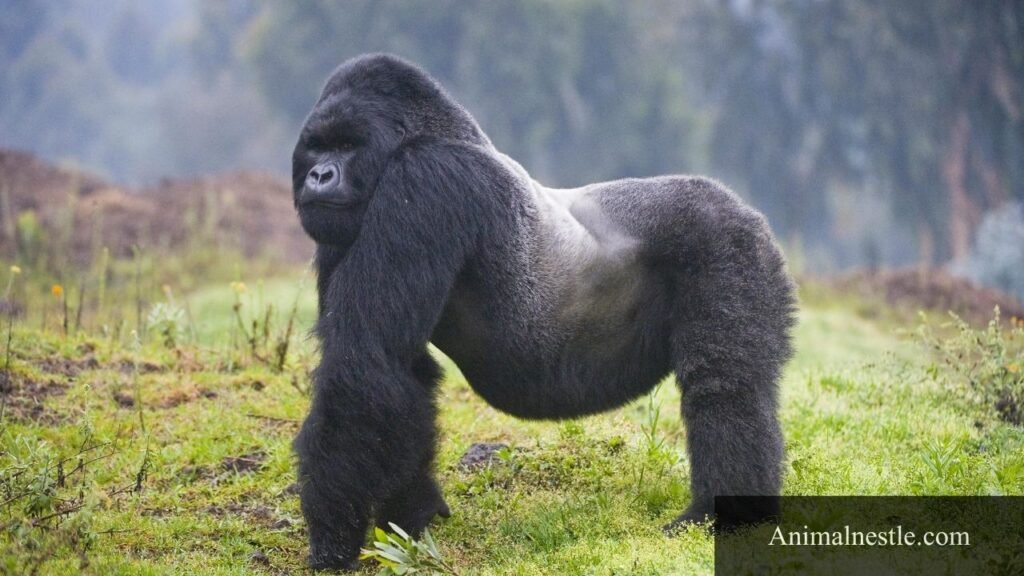
Bamboo also plays a significant role in the social structures of gorilla groups. When foraging together, gorillas exhibit behaviors that highlight their social bonds, such as sharing food or playfully tussling among the bamboo stalks. This interaction fosters a complex, nurturing environment essential for their communal upbringing. Consequently, the presence of bamboo not only impacts their diet but also shapes the dynamics and cohesion of their groups, allowing these remarkable creatures to thrive in their lush, forested habitats.
Bamboo Lemur
Scientific Name: Hapalemur
Class: Mammalia
Diet: Herbivore
The Bamboo Lemur is a fascinating inhabitant of Madagascar’s lush forests, uniquely adapted to thrive on a diet primarily consisting of bamboo. What sets these curious creatures apart is their remarkable ability to consume bamboo shoots that are toxic to most other animals. This is largely thanks to their specialized digestive systems, which allow them to detoxify the cyanide present in the plant. Observing these lemurs as they forage reminds us of nature’s intricate web of specialization and adaptation.
Not only do Bamboo Lemurs showcase extraordinary dietary resilience, but they also offer insights into the delicate balance of their ecosystem. By feeding on bamboo, they play a critical role in maintaining plant health and promoting forest regeneration. Their feeding habits can influence the growth patterns of bamboo forests, highlighting the interconnectedness of species and their environment. In a world increasingly challenged by climate change and habitat loss, understanding the Bamboo Lemur’s role is crucial for conservation efforts and preserving Madagascar’s unique biodiversity.
Parrot
Scientific Name: Psittaciformes
Class: Aves
Diet: Omnivore
Parrots have surprisingly developed a unique relationship with bamboo. While many would associate bamboo primarily with pandas, certain parrot species, like the budgerigar and the macaw, have found nutrition in this hardy grass. The softer, younger shoots of bamboo provide vital nutrients, and parrots skillfully strip away the tough outer layers to access the tender inner core, showcasing their remarkable adaptability.
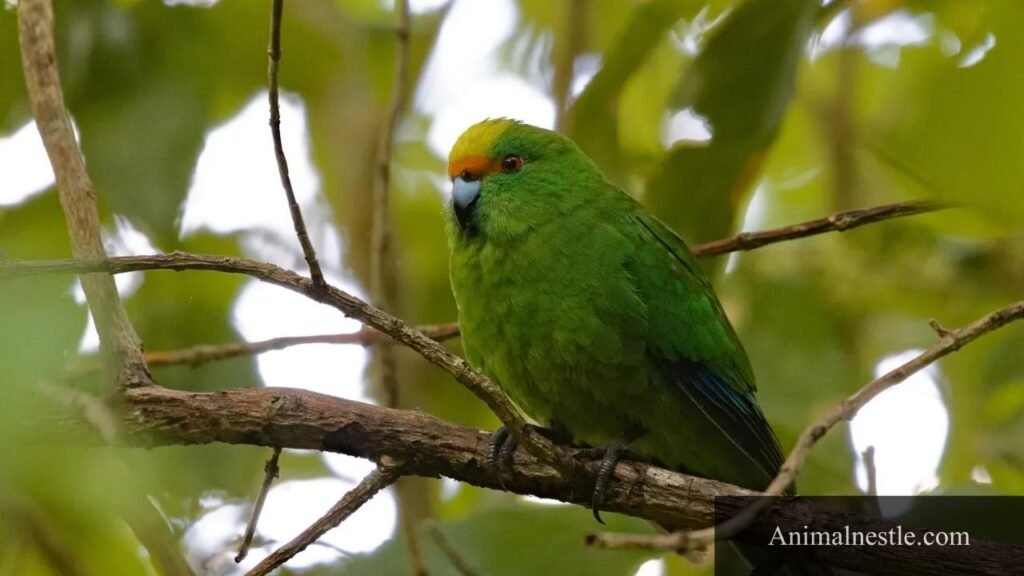
In their natural habitats, these birds play an essential role in ecosystem dynamics. By consuming bamboo, they help control its growth, ensuring a balance that allows other plant species to thrive. This interaction underscores the interconnectedness of species, where the seemingly simple act of eating has profound implications for biodiversity. Plus, the high fiber content in bamboo aids digestion, making it a beneficial choice for parrots in the wild, further emphasizing their evolutionary ingenuity. As we witness the delicate dance of nature, we come to appreciate not just parrots’ beauty, but their critical role in sustaining their habitats.
Also read: Explore Top 13 Animals That Live in Fields.
Golden Monkey
Scientific Name: Cercopithecus kandti
Class: Mammalia
Diet: Herbivore
The golden monkey has a special affinity for bamboo, which makes up a significant part of its diet. Found primarily in the mountainous regions of East Africa, particularly in the Virunga Mountains, these primates have adapted beautifully to their bamboo-rich environment. Their dexterity and intelligence allow them to skillfully navigate the forests, using their keen sense of smell and vision to locate the freshest bamboo shoots and leaves.
One fascinating aspect of the golden monkey’s interaction with bamboo is its social structure. Living in small groups, these monkeys rely on cooperative foraging, where individuals communicate and strategize for the best feeding spots. This not only strengthens their bonds but also showcases an impressive level of social intelligence seldom seen in other herbivores. The golden monkey plays an essential role in the ecosystem by dispersing seeds and promoting plant growth, making them crucial players in their mountainous habitats.
Bamboo Borer
Scientific Name: Dinoderus minutus
Class: Insecta
Diet: Herbivore
The bamboo borer, a lesser-known inhabitant of bamboo groves, plays a surprisingly intricate role within its ecosystem. These industrious larvae, primarily from the species Dinoplatyptilia species, feed on the tough inner fibers of bamboo stalks, breaking down the plant’s structure and facilitating nutrient cycling. While many insects are vilified for their destructive tendencies, the bamboo borer’s actions contribute to maintaining the balance within bamboo forests, converting dense stands into more diverse habitats.
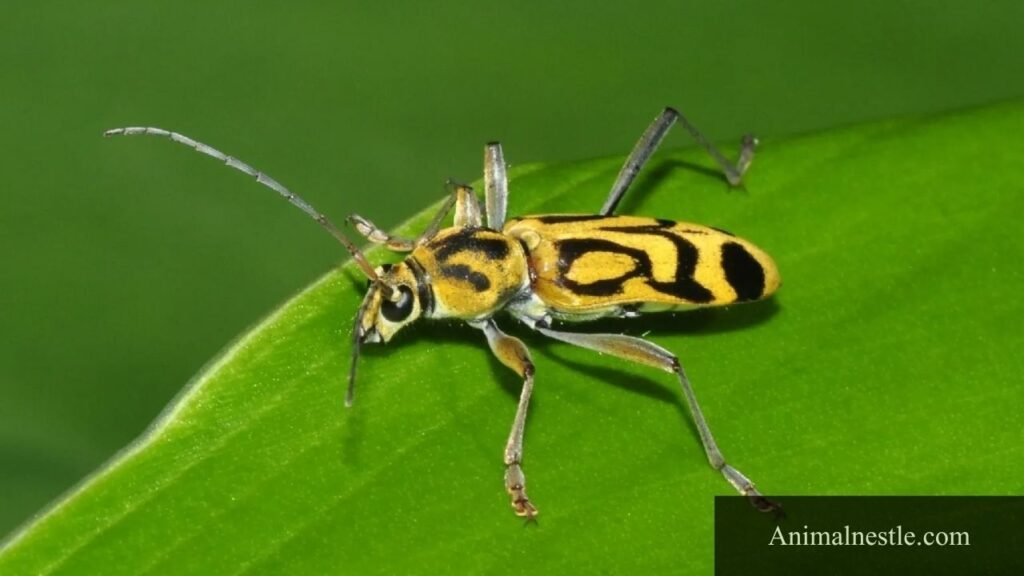
Beyond their ecological functions, these larvae offer a fascinating glimpse into the intricate relationships found in nature. As they tunnel through the bamboo, they create microhabitats that can support various microorganisms and other insects, enhancing biodiversity. Their symbiotic relationships with fungi channel essential nutrients, prompting new growth in the bamboo that benefits both the plants and the surrounding wildlife. Observing how a creature so small can wield such influence is a reminder of the interconnectedness of life — the bamboo borer may be a humble artisan, but its work shapes the very fabric of its environment.
Bamboo Worm
Scientific Name: Omphisa fuscidentalis
Class: Insecta
Diet: Herbivore
Bamboo worms are a fascinating larvae that thrive in the dense foliage of bamboo plants, showcasing an extraordinary relationship with one of the world’s most resilient plants. As they excavate their homes within bamboo stalks, they help decompose the material, contributing to soil health and promoting new growth. The bamboo worm’s life cycle remains a captivating subject for entomologists, given its specialized living environment and the distinctive ecological niche it occupies.
Their ability to consume bamboo is not just about survival; it highlights an evolutionary marvel. These larvae possess enzymes that allow them to break down cellulosic fibers found in bamboo, a feat not easily replicated by many other organisms. This specialization grants them a unique role in their ecosystem, turning what could be considered a mere nuisance for the bamboo into a sustainable source of nutrition. Observing how bamboo worms thrive where few can, one is reminded of the intricate balance in nature and the hidden wonders that thrive in often overlooked environments.
Giraffe
Scientific Name: Giraffa
Class: Mammalia
Diet: Herbivore
Giraffes are often associated with acacia and other leafy trees, they too have a surprising affinity for bamboo, particularly in areas where it flourishes. Their long necks are not just for reaching high foliage; they give giraffes an advantage in navigating through dense bamboo thickets. This unique feeding behavior showcases their adaptability in various habitats. Interestingly, the fibrous texture of bamboo is ideal for their specialized digestive systems, designed to process tough plant material efficiently.
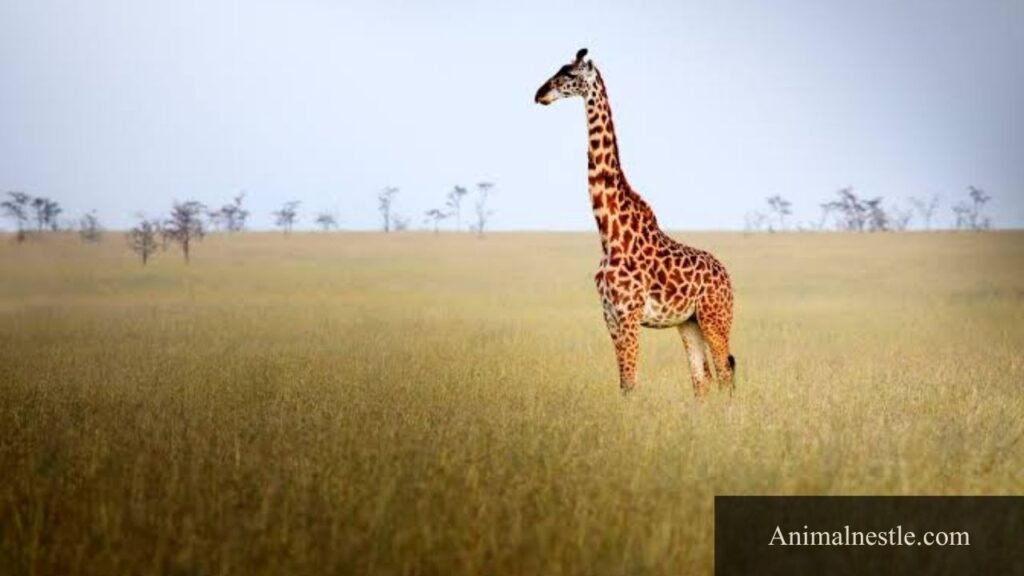
Giraffes eat bamboo as a strategic dietary supplement during the dry season when other vegetation may be scarce. This unexpected choice enables them to thrive where other herbivores might struggle, illustrating the giraffe’s resilience and instinct to exploit available resources. As they munch quietly on bamboo shoots, the gentle giants play a crucial role in their ecosystems, helping to manage bamboo populations and contribute to the biodiversity of their habitat. Their interactions with bamboo also highlight how interconnected species are within the food web, revealing the importance of preserving such environments.
Readmore: Explore Top 17 Most Ambitious Animals.
Final Thoughts
Animals that eat bamboo play a vital role in their ecosystems, with species like the giant panda and various lemurs demonstrating the intricate relationships between dietary habits and habitat preservation. These animals have evolved remarkable adaptations that allow them to extract nutrients from bamboo, showcasing nature’s ability to thrive in specialized niches.
However, the challenges posed by habitat loss threaten the survival of these unique species and their food sources. It is essential that we recognize the importance of bamboo in the lives of these creatures and take steps to safeguard their habitats. Join us in advocating for conservation initiatives to protect both the animals and the bamboo forests they depend on.
FAQs
Do giraffes eat bamboo?
Bamboo isn’t a preferred food for giraffes due to its tough structure and low nutritional value compared to the leaves they usually consume. Even though they might nibble on bamboo if it’s available, it’s not a significant part of what they eat in the wild.
What animals eat bamboo?
Several animals primarily eat bamboo, with the giant panda being the most famous. These black-and-white bears rely heavily on bamboo for their diet, consuming up to 40 pounds a day. Their unique digestive system is adapted to process this fibrous plant, allowing them to extract necessary nutrients. Other animals that eat bamboo include the red panda, which shares a similar diet, and certain species of lemurs and tortoises. Even some insects like bamboo beetles and various species of caterpillars feed on bamboo.