
Top 35 Animals That Start With B (With Pictures)
From the majestic brown bear to the intriguing blue whale, these creatures play vital roles in their ecosystems. In this article, we’ll explore fascinating animals that start with B, highlighting their unique characteristics and why they matter to our planet. By the end, you’ll have newfound appreciation for the diversity of life on Earth and perhaps even discover a few animals you never knew existed.
List of Animals That Start With B
Below is the list of animals that start with B:
- Black Widow Spider
- Binturong
- Basking Shark
- Bald Eagle
- Blobfish
- Box Turtle
- Beaver
- Blue Whale
- Bandicoot
- Bengal Tiger
- Barnacle
- Bactrian Camel
- Bobcat
- Bumblebee
- Black Rhinoceros
- Box Jellyfish
- Bilby
- Bat-Eared Fox
- Black Mamba
- Baboon
- Bison
- Blue Jay
- Badger
- Bottlenose Dolphin
- Bloodhound
- Barn Owl
- Ball Python
- Beluga Sturgeon
- Bighorn Sheep
- Bat
- Bonobo
- Bullfrog
- Barracuda
- Brown Bear
- Bee
Black Widow Spider
Scientific Name: Latrodectus
Class: Arachnida
Diet: Carnivore
The black widow spider, easily recognized by its glossy black body and striking red hourglass marking, is less a monster of terror and more a marvel of nature. These spiders are often misunderstood; while their venom is potent and can cause serious health issues, fatalities are rare, especially with prompt medical attention. Interestingly, the venom is primarily used to subdue prey, usually insects, and is not specifically aimed at humans unless provoked.
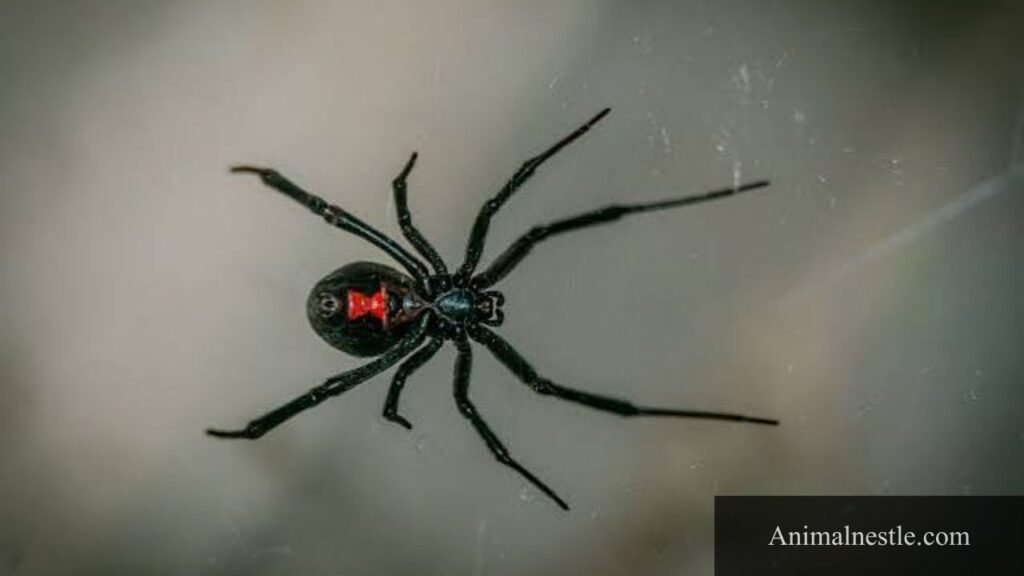
Black widows also display intriguing behaviors, particularly in their mating rituals. Females are known for occasionally consuming their male counterparts post-mating, a behavior that has sparked theories about its evolutionary advantages. This phenomenon raises questions about survival strategies — are males simply sacrificing themselves for the continuation of their genes? Moreover, these spiders are adept at constructing silk webs that serve not only as traps for prey but also as intricate communication signals. Their web patterns can reveal a wealth of information about their health and mating status, making them surprisingly sophisticated architects of their world.
Binturong
Scientific Name: Arctictis binturong
Class: Mammalia
Diet: Omnivore
The binturong is a fascinating creature native to the dense forests of Southeast Asia. This mammal boasts a unique appearance, with its shaggy black fur and long, prehensile tail that can grasp branches like an extra limb. What truly sets the binturong apart is its captivating scent; many describe it as reminiscent of buttered popcorn. This delightful aroma is due to the presence of an aromatic compound called 2-acetyl-1-pyrroline, which serves various purposes, including marking territory.
With a surprisingly complex social structure, binturongs are mostly solitary but engage in vocalizations that communicate their mood and intentions. Given their primarily nocturnal lifestyle, these creatures have adapted remarkable sensory capabilities, relying heavily on their keen sense of smell and hearing to navigate their lush environments. Unfortunately, binturongs face numerous threats, primarily due to habitat loss from deforestation and the illegal pet trade. Conservation efforts are vital, not only to protect this intriguing species but also to maintain the biodiversity of the ecosystems in which they play a crucial role. Their fascinating ways remind us that every creature, no matter how obscure, holds a unique key to understanding our planet’s ecological balance.
Basking Shark
Scientific Name: Cetorhinus maximus
Class: Chondrichthyes
Diet: Carnivore
The basking shark, known as the second-largest fish in the ocean, can reach lengths of up to 40 feet. Unlike its notorious cousin, the great white shark, the basking shark is a gentle giant that poses no threat to humans. With its massive mouth, which can stretch almost three feet wide, it filters plankton and small fish from the water, showcasing a unique feeding style that is both mesmerizing and essential to marine ecosystems. This incredible filter-feeding mechanism demonstrates nature’s ingenuity in allowing even the largest creatures to find sustenance in the smallest of organisms.
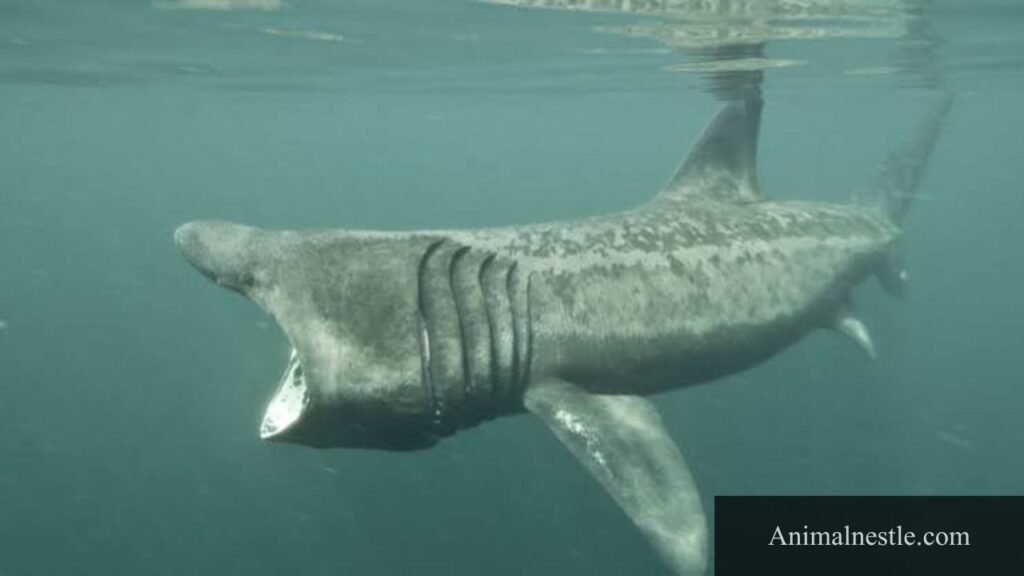
One fascinating aspect of the basking shark is its migratory behavior. These sharks travel vast distances, often following the seasonal blooms of plankton, drawing them into new waters and highlighting their adaptability to environmental changes. Recent research indicates that basking sharks may even exhibit social behaviors, forming temporary groups that allow for shared feeding opportunities — similar to the behaviors seen in some whale species. Such interactions raise intriguing questions about their social structures and how they might respond to changes in their habitats driven by climate change.
Readmore: Explore 21 Animals With 8 Letters.
Bald Eagle
Scientific Name: Haliaeetus leucocephalus
Class: Aves
Diet: Carnivore
The bald eagle, a magnificent symbol of strength and freedom, boasts a wingspan that can reach up to seven feet, making it one of the largest birds of prey in North America. These majestic creatures are not just visually striking; they possess remarkable hunting skills. With keen eyesight that allows them to spot prey from nearly two miles away, they primarily hunt fish but will also scavenge or prey on small mammals when necessary. Their unique hunting technique involves swooping down with incredible speed, showcasing their agility and precision.
Beyond their captivating physical attributes and hunting prowess, bald eagles play a vital role in their ecosystems. As top predators, they help regulate fish populations and maintain a balanced environment. Their resurgence from the brink of extinction in the 20th century is a testament to successful conservation efforts, providing hope for other endangered species. Observing these powerful birds in their natural habitat serves as a reminder of the resilience of wildlife and the importance of preserving our planet’s diverse ecosystems.
Blobfish
Scientific Name: Psychrolutes marcidus
Class: Actinopterygii
Diet: Carnivore
Blobfish, often cited as one of the world’s ugliest creatures, possesses an unexpected allure beneath its gelatinous surface. Living at depths of approximately 2,000 to 4,000 feet in the deep waters off Australia and New Zealand, this unique fish has adapted to high-pressure environments with a body made mostly of a jelly-like substance that allows it to float effortlessly above the ocean floor. This adaptation not only conserves energy but also provides a camouflage of sorts, helping the blobfish evade predators while it awaits a meal of small crustaceans and sea creatures.
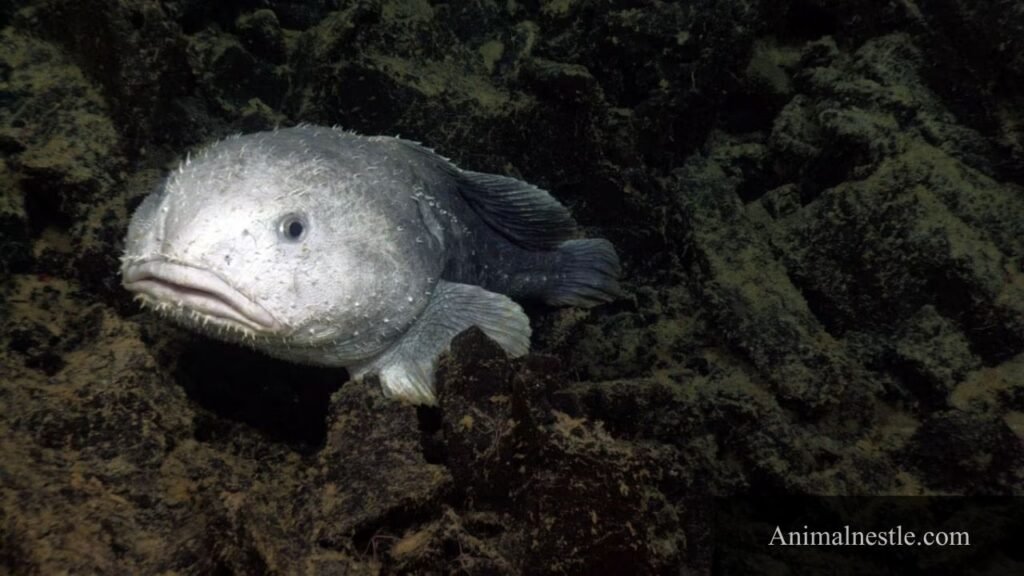
The blobfish’s peculiar appearance is largely a result of being brought to the surface during fishing expeditions. Out of water, its once-inflated body appears droopy and sagging, which contributes to its unflattering reputation. However, in its natural habitat, it is far less grotesque, exhibiting a unique form that suits its environment perfectly. Beyond its appearance, blobfish play a crucial role in the marine ecosystem, serving as a reminder of the rich biodiversity found in the deep sea, often overlooked in favor of more charismatic species. As marine conservation efforts gain momentum, the blobfish stands as an emblem of the ongoing battle to protect these fascinating and vulnerable undersea communities.
Box Turtle
Scientific Name: Terrapene
Class: Reptilia
Diet: Omnivore
Box turtles, belonging to the family Emydidae, are fascinating creatures known for their unique ability to completely close their shells, providing them with an effective defense mechanism against predators. Unlike many turtles that rely on their speed or aquatic habitats to evade threats, the box turtle’s retractable limbs and hinged shell allow it to shield itself in a safe haven. This distinctive feature not only protects them but also symbolizes their slow, deliberate approach to life.
These reptiles are remarkable not just for their defenses but also for their longevity; many box turtles can live well beyond 50 years in the wild, with some individuals even surpassing a century! This impressive lifespan invites reflection on the impacts of habitat preservation and climate change, as these turtles are increasingly threatened by urban development and environmental shifts. Interestingly, box turtles display a wide range of colors and patterns, which can vary significantly based on their habitat. This diversity is more than just aesthetic; it can play a role in thermoregulation and camouflage, demonstrating the intricate connections between an animal and its environment.
Beaver
Scientific Name: Castor canadensis
Class: Mammalia
Diet: Herbivore
Beavers are fascinating architects of the animal kingdom, known for their impressive dam-building skills that create wetlands, which play a vital role in their ecosystems. These industrious mammals possess specialized teeth that continuously grow, allowing them to gnaw through wood and gather the materials necessary for constructing their elaborate habitats. Beyond just their own survival, beaver dams foster biodiversity by creating ponds that provide essential habitats for various aquatic and terrestrial species, from fish to amphibians and countless plant forms.
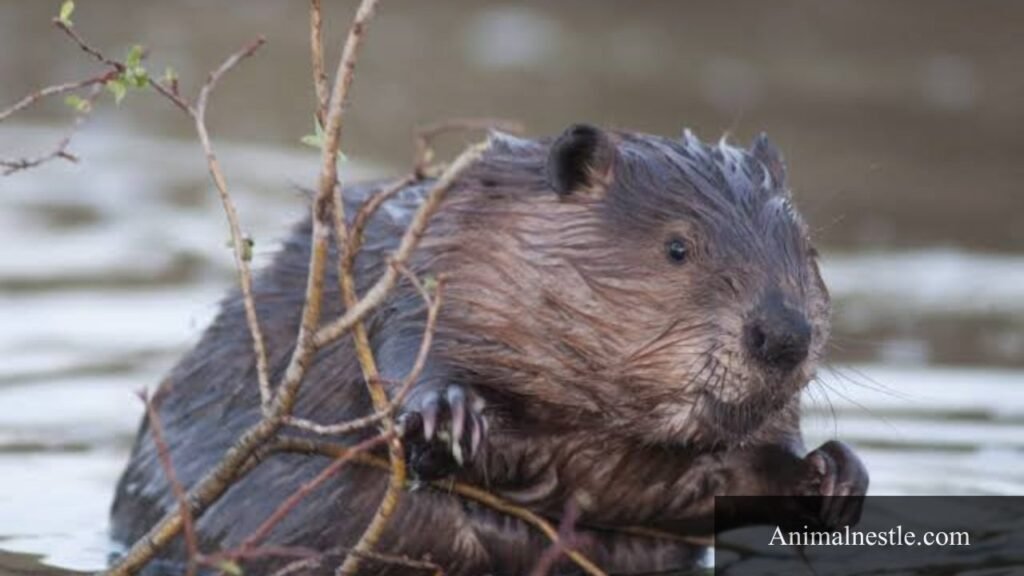
Beavers are essential players in the fight against climate change. Their dams help to regulate water flow, mitigate flooding, and recharge groundwater supplies, acting as natural water filters that improve overall water quality. Interestingly, studies have shown that beaver-created wetlands can sequester carbon, making these magnificent creatures not just builders but also guardians of their environments. In recognizing the impacts of beavers, we can appreciate how their work resonates through the larger narrative of ecological health, prompting a reconsideration of how we view and manage natural landscapes.
Blue Whale
Scientific Name: Balaenoptera musculus
Class: Mammalia
Diet: Carnivore
The blue whale, known as the largest animal to have ever existed, can reach lengths of up to 100 feet and weigh as much as 200 tons. Despite its massive size, its diet consists almost entirely of tiny shrimp-like organisms called krill. During feeding season, a single blue whale can consume around 4 tons of krill each day, showcasing the incredible efficiency of nature’s design.
What truly captivates many marine biologists is the blue whale’s communication. Their songs, which can travel vast distances underwater, are believed to play a crucial role in navigation and social interaction among these majestic giants. Some scientists theorize that these songs might even have varied regional dialects, much like human languages, hinting at a complex social structure and cultural richness in these creatures. As they glide through the ocean, their sheer presence reminds us of the breathtaking diversity of life that thrives within our blue planet, urging us to protect these awe-inspiring giants and their oceanic habitats.
Bandicoot
Scientific Name: Peramelemorphia
Class: Mammalia
Diet: Omnivore
The bandicoot, a small marsupial native to Australia and New Guinea, is a fascinating creature in its own right. These nocturnal foragers are remarkable for their adaptability; they thrive in diverse habitats ranging from forests to urban areas. With their long snouts and keen sense of smell, bandicoots expertly root through the soil to unearth insects and tubers, playing an essential role in aerating the earth and dispersing seeds, thus contributing to the health of their ecosystems.
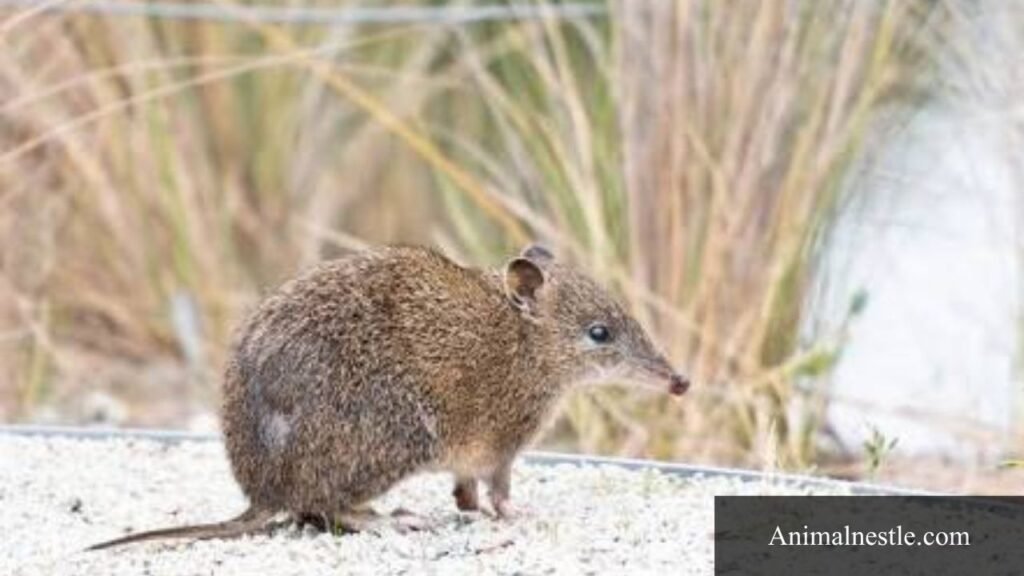
Bandicoots also exhibit a unique reproductive strategy. Female bandicoots possess a short gestation period of only 12 days, after which they give birth to miniature, underdeveloped young that crawl to their mother’s pouch for further development. This rapid reproductive rate allows them to respond quickly to environmental changes, a trait that could be crucial as their habitats face pressures from climate change and habitat loss. As we reconsider our relationship with wildlife, these resilient little marsupials remind us of the delicate balance within ecosystems and the urgent need for conservation efforts to protect even the lesser-known inhabitants of our planet.
Bengal Tiger
Scientific Name: Panthera tigris tigris
Class: Mammalia
Diet: Carnivore
The Bengal tiger is not just a marvel of nature; it plays a crucial role in its ecosystem as an apex predator. Found primarily in the lush forests and mangroves of India, Bangladesh, Nepal, and Bhutan, these majestic creatures are vital for maintaining the balance in their habitats by controlling prey populations. Interestingly, their distinctive coat isn’t just for show; the unique pattern of stripes allows them to camouflage seamlessly within their natural surroundings, an adaptation crucial for both hunting and avoiding detection.
Bengal tigers exhibit a remarkable level of social intelligence, often using cooperative strategies when hunting. Their social structures, albeit solitary, can reveal insights into familial bonds, especially among mothers and their cubs. Furthermore, conservation efforts have led to innovative projects that engage local communities in tiger preservation, illustrating the profound connection between human activity and wildlife survival. By understanding the complexities of the Bengal tiger’s life, we not only gain insight into this iconic species but also highlight the pressing need for conservation in the face of habitat loss and poaching.
Barnacle
Scientific Name: Cirripedia
Class: Maxillopoda
Diet: Omnivore
Barnacles are one of nature’s fascinating marvels. These crustaceans, belonging to the subclass Cirripedia, showcase remarkable adaptability in their life cycle. After hatching from their larval form, which resembles tiny shrimp, they undergo a metamorphosis that leads them to attach firmly to hard surfaces like rocks, ship hulls, and even whales. This commitment to their chosen spot comes with both advantages and challenges, as life in a tidal zone demands resilience against the relentless forces of waves and predators.
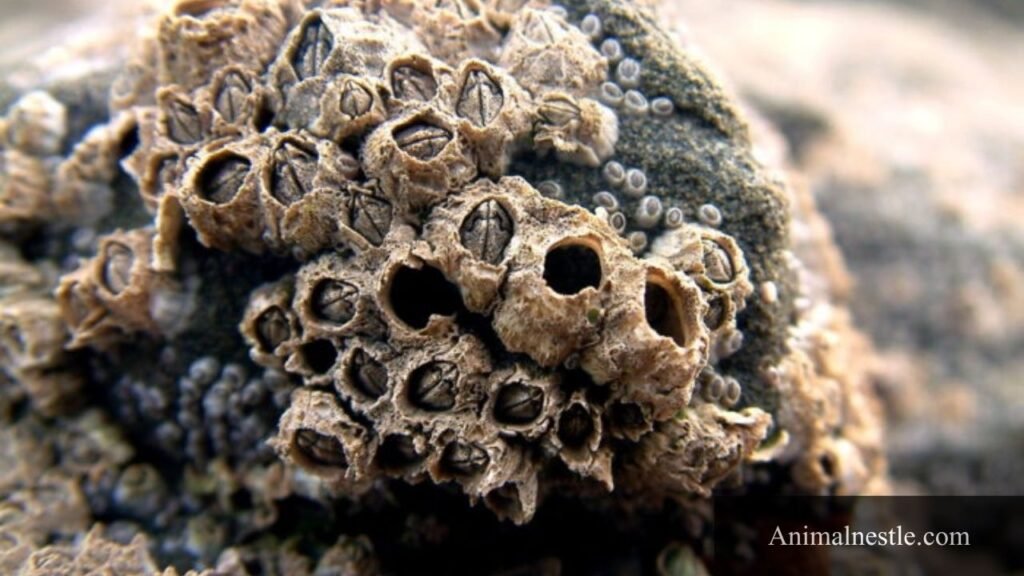
What truly sets barnacles apart, however, is their unique method of feeding. Once anchored, they open up their calcareous shells to extend feathery appendages called cirri, which sweep plankton and microscopic particles from the water. This intricate filtration system not only highlights their efficiency as filter feeders, but also underscores their ecological role in marine environments. Beyond their biological significance, barnacles are an example of life’s tenacity, showcasing how even the smallest creatures can lead rich lives filled with complexity.
Bactrian Camel
Scientific Name: Camelus bactrianus
Class: Mammalia
Diet: Herbivore
The Bactrian camel, with its distinctive double hump, is an emblem of resilience in the harsh environments of Central Asia. Unlike their single-humped cousins, these camels are well-adapted to frigid winters and arid summers, showcasing an extraordinary capacity to thrive in extreme climates. Their humps store fat, which can be converted to water and energy, sustaining them through long stretches of scarcity, a fascinating adaptation that speaks volumes about survival strategies in the animal kingdom.
Beyond their physical endurance, Bactrian camels also possess a remarkable social structure. They often form close-knit herds led by a dominant female, exhibiting strong familial bonds. This social behavior aids in the survival of the group, as they collaboratively navigate the challenges of their arid habitat. Moreover, their unique ability to go for long periods without water has made them invaluable to nomadic cultures, serving not just as beasts of burden but also as vital lifelines for trade and transport across the Silk Road. In this way, the Bactrian camel embodies both a symbol of survival and a bridge in human history, connecting cultures and facilitating exchange over millennia.
Bobcat
Scientific Name: Lynx rufus
Class: Mammalia
Diet: Carnivore
The bobcat, with its distinctive tufted ears and short tail, is a master of adaptation, thriving in diverse environments across North America. These agile predators favor a variety of habitats, from dense forests to arid deserts, demonstrating remarkable versatility. What sets bobcats apart is not just their physical prowess but their keen sense of territory. They can maintain a range spanning several square miles, marking their presence through scent markings and vocalizations. This territoriality is a crucial part of their survival strategy, enabling them to secure food resources and avoid competition.
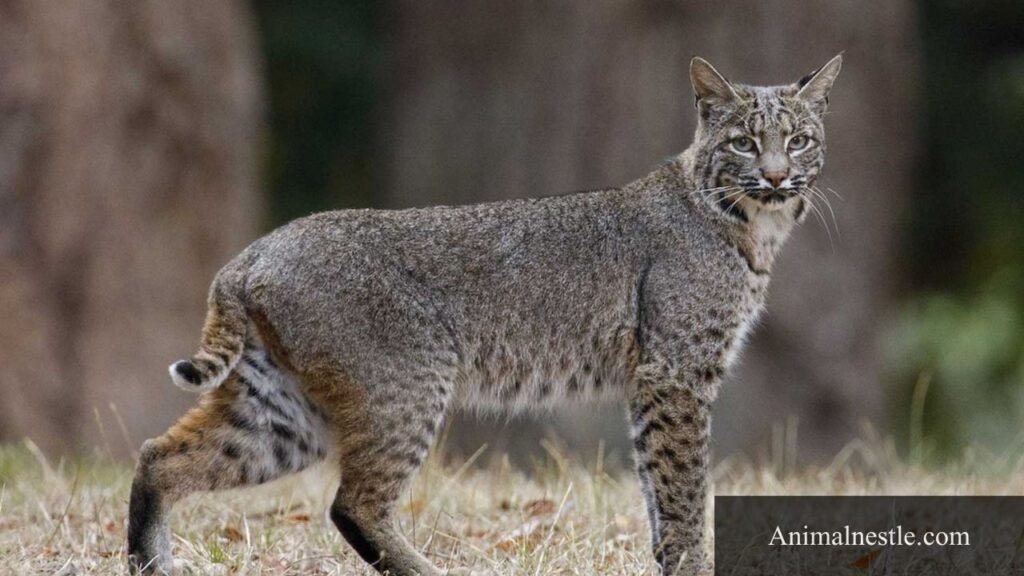
Bobcats exhibit a fascinating blend of independence and subtle social structures. While primarily solitary, they engage in complex communication with each other through a series of growls, hisses, and even a distinctive scream during the mating season. Their diet is equally diverse, consisting of small mammals, birds, and even the occasional deer, showcasing their adaptability in prey selection. Interestingly, bobcats have a unique hunting technique; they often employ a “stalk and pounce” strategy, using their keen eyesight and stealth to get as close as possible before launching an attack. This blend of adaptability and keen hunting skills not only makes them effective predators but also fascinating subjects for wildlife enthusiasts and conservationists alike.
Bumblebee
Scientific Name: Bombus
Class: Insecta
Diet: Herbivore
Bumblebees play a crucial role in our ecosystems. These fuzzy, plump insects are remarkable pollinators, responsible for the fertilization of over 80 types of fruits and vegetables. Their ability to undertake “buzz pollination” – vibrating their bodies to release pollen from certain flowers – allows them to access nectar from plants that other pollinators might miss. This unique adaptation not only makes them essential for agriculture but also supports the diversity of wild plant communities.
Bumblebees have a social structure that can vary significantly among species. Some species live in small colonies with a single queen and a few hundred workers, while others form larger, more complex societies. Their life cycle is also fascinating; bumblebee colonies thrive during the warm months, but only the queens survive the harsh winters to establish new colonies the following spring. As climate change alters their habitats and foraging behaviors, understanding and protecting these vital creatures becomes ever more urgent; their decline could ripple through ecosystems and ultimately impact human food sources as well.
Black Rhinoceros
Scientific Name: Diceros bicornis
Class: Mammalia
Diet: Herbivore
The black rhinoceros, a fascinating yet endangered species, showcases a remarkable blend of resilience and vulnerability. Unlike their larger white counterparts, black rhinos possess a more compact stature and a pronounced hooked upper lip, perfectly adapted for grasping leaves and twigs from shrubs and bushes. This herbivorous diet plays a crucial role in maintaining the ecological balance of their savanna and forest habitats by controlling bush encroachment, ultimately benefiting other wildlife and plant species.
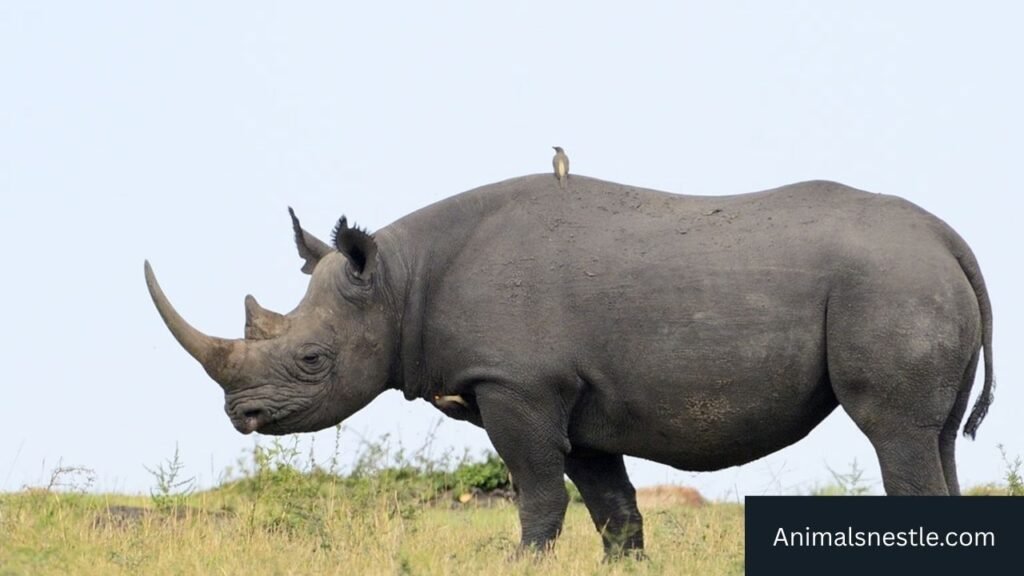
On the social front, black rhinos are surprisingly solitary, with females often raising their young alone. However, they can exhibit complex social behaviors, including friendships and territorial disputes that highlight their intelligence. Their keen sense of smell often compensates for poor eyesight, allowing them to detect threats from afar. Unfortunately, the dire consequences of poaching and habitat loss have drastically reduced their numbers; conservation efforts are now more critical than ever. It’s not just about saving the black rhino; it’s about preserving an entire ecosystem deeply intertwined with their survival.
Box Jellyfish
Scientific Name: Cubozoa
Class: Cubozoa
Diet: Carnivore
The Box Jellyfish is often regarded as one of the most venomous creatures in the ocean, and for good reason. This remarkable marine animal, found primarily in the warm waters of the Pacific and Indian Oceans, possesses tentacles that can reach up to 10 feet in length. Each tentacle is equipped with thousands of specialized cells called nematocysts, which deliver a venom capable of causing excruciating pain and, in severe cases, even death within minutes. Its transparent, cube-shaped bell makes it difficult to spot in murky waters, turning it into a silent yet deadly predator.
What’s fascinating is how the Box Jellyfish uses its venom strategically. While it can incapacitate prey — like small fish and shrimp — its sting is also a defense mechanism against larger predators. Yet, despite its fearsome reputation, researchers are increasingly intrigued by its potential in medicine. The venom contains compounds that could lead to groundbreaking treatments for pain management and even cancer therapies. As scientists delve deeper into the biology of this enigmatic jellyfish, the interplay between its lethal capabilities and potential benefits offers a tantalizing glimpse into the complexity of ocean life.
Bilby
Scientific Name: Macrotis lagotis
Class: Mammalia
Diet: Omnivore
The bilby, a nocturnal marsupial native to Australia, has a fascinating mix of adaptations that make it a true survivor in its arid habitat. Its long ears, reminiscent of a rabbit’s, not only enhance its hearing but also help regulate body temperature in the harsh Australian heat. While often overshadowed by the more famous kangaroo, the bilby plays a crucial ecological role, aerating the soil as it digs for insects, tubers, and seeds, thereby fostering the health of its ecosystem.
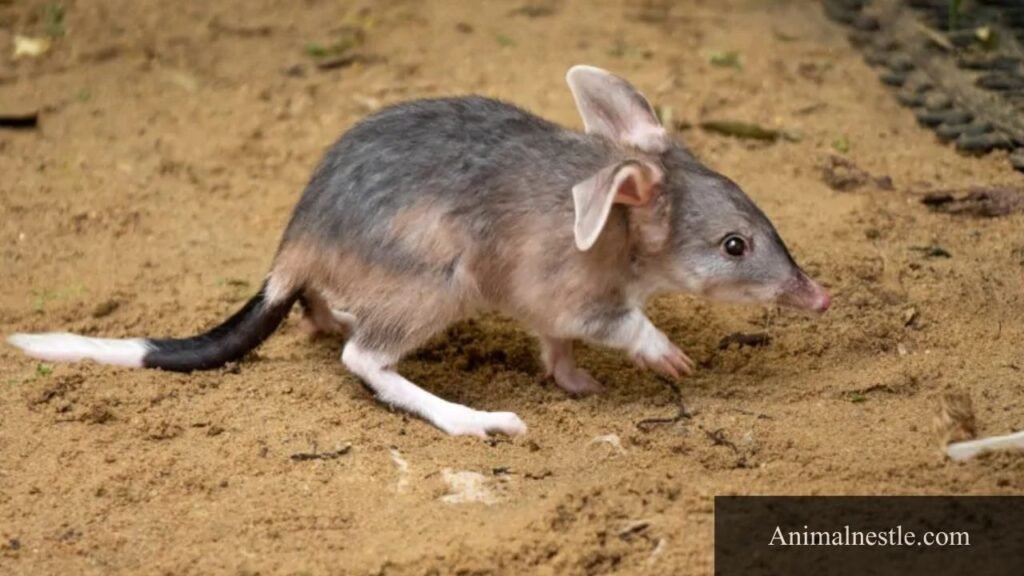
Despite its charming appearance and ecological importance, the bilby faces significant threats from habitat loss and introduced predators like foxes and cats. Conservation efforts have gained momentum over the years, with breeding programs and habitats being restored to help revitalize their populations. Interestingly, bilbies are often marketed as “Easter bilbies” in Australia, providing a unique alternative to the traditional Easter bunny, which helps raise awareness about their conservation needs. These small, endearing creatures serve as a reminder of the fragile balance within ecosystems and the importance of protecting biodiversity for future generations.
Bat-Eared Fox
Scientific Name: Otocyon megalotis
Class: Mammalia
Diet: Omnivore
The Bat-Eared Fox, with its strikingly large ears and nimble body, is a fascinating example of adaptation in the African savanna. These ears, measuring up to five inches long, serve not only to hear the faintest sounds of their insect prey but also to help regulate body temperature in the sweltering heat. This dual function showcases nature’s ingenuity, allowing the fox to thrive in a challenging environment where food resources can be sparse.
Bat-Eared Foxes display unique social behaviors that set them apart from many other canid species. Typically found in small family groups, they engage in cooperative foraging and play, enhancing their survival strategies. Their diet primarily consists of termites and other insects, making them crucial players in their ecosystem by helping control insect populations and aerate the soil through their digging habits. Observing these foxes in the wild reveals their quirky personalities, as they often communicate through a series of chattering sounds and playful antics, captivating the hearts of wildlife enthusiasts.
Black Mamba
Scientific Name: Dendroaspis polylepis
Class: Reptilia
Diet: Carnivore
The Black Mamba is often regarded as one of the deadliest snakes in the world, not just for its potent venom, which can kill a human in under an hour, but also for its astonishing speed. Capable of reaching speeds up to 12 mph, these snakes are ambush predators, using their agility to swiftly strike at prey. Their venom contains a cocktail of neurotoxins that can lead to rapid paralysis, highlighting the fascinating yet terrifying balance of nature — this elegant creature is both a predator and a potential victim in the wild.
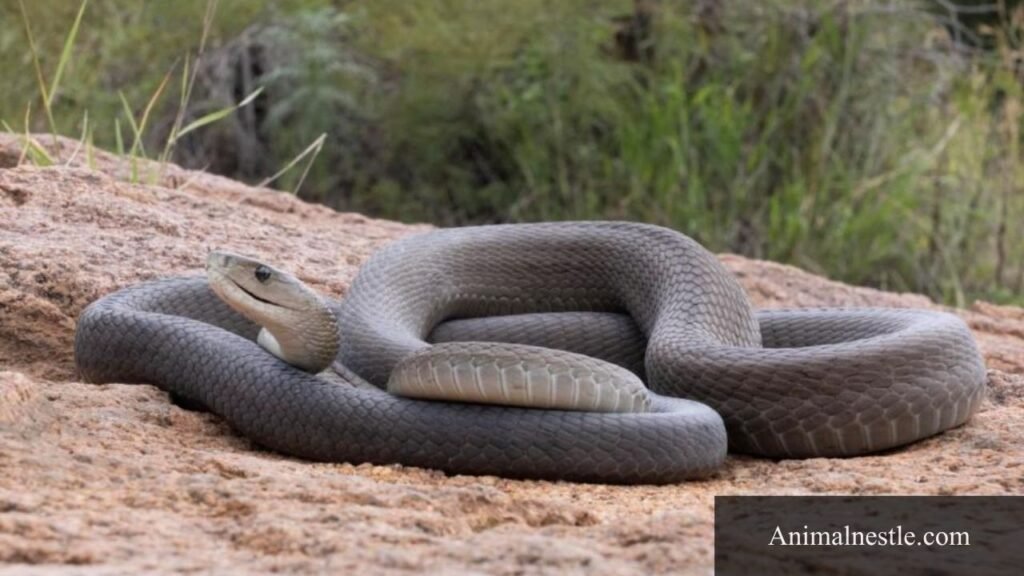
Despite its fearsome reputation, the Black Mamba’s behavior is often misunderstood. They prefer to avoid human confrontation and will typically only attack when threatened. Their remarkable ability to coexist with other species showcases the complex dynamics within their ecosystem — each mamba plays a role in controlling rodent populations, indirectly benefiting local agriculture. Furthermore, studies of their venom have sparked interest in medical research, revealing potential breakthroughs in pain management and anticoagulant therapies, thus proving that even the most feared creatures can contribute to human health in unexpected ways.
Baboon
Scientific Name: Papio
Class: Mammalia
Diet: Omnivore
Baboons are fascinating primates known for their complex social structures and impressive adaptability. Unlike many animals that thrive in isolation, baboons live in troops that can range from 10 to over 100 individuals, demonstrating intricate social dynamics. Each troop is led by a dominant male, but females often hold significant power, establishing essential social networks that benefit the troop’s overall health and stability. This matriarchal influence emphasizes the notion that cooperation and collaboration are critical for survival in their often harsh environments.
In addition to their remarkable social systems, baboons are astute foragers with diverse diets, ranging from fruits and seeds to insects and small animals. Their dietary flexibility allows them to thrive in various habitats, from savannas to mountainous regions. Not just survival experts, these animals also exhibit remarkable intelligence, using tools and demonstrating problem-solving skills. In studies, baboons have shown the ability to learn from experience, suggesting a cognitive depth that further enriches our understanding of primate behavior and evolution. As such, baboons challenge our perceptions of intelligence, prompting us to reconsider the cognitive capacities of animals we often underestimate.
Bison
Scientific Name: Bison bison
Class: Mammalia
Diet: Herbivore
Bison, often mistaken for buffalo, are the largest land mammals in North America, embodying the spirit of the open plains. With their shaggy coats and massive frames, these majestic creatures have adapted remarkably to their environments. They can weigh up to 2,000 pounds, yet they are surprisingly agile, capable of running at speeds up to 35 miles per hour. This remarkable speed, combined with their powerful horns, allows them to defend themselves effectively against predators, although human encroachment has historically posed the greatest threat.
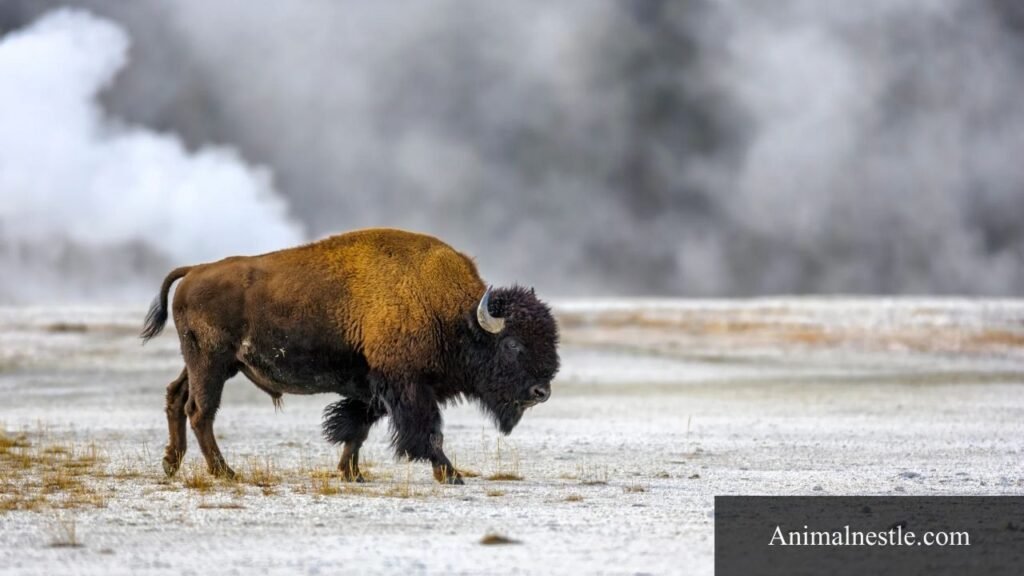
Bison are social animals, typically found in herds that can number in the hundreds. Interestingly, these herds are often matriarchal, led by the oldest females. Their communal lifestyle plays a crucial role in their survival, allowing them to efficiently graze and detect threats. Bison play a vital ecological role; by grazing, they maintain grassland habitats and promote biodiversity, allowing various plant species to flourish. This unique relationship with their environment reminds us of the interconnectedness of all living things and underscores the importance of conservation efforts to protect these formidable giants of the American frontier.
Blue Jay
Scientific Name: Cyanocitta cristata
Class: Aves
Diet: Omnivore
The Blue Jay is not just a strikingly beautiful bird; it plays a vital role in maintaining the ecological balance of its habitat. With their bright azure plumage and distinctive crest, these birds are easily recognizable. However, it’s their intelligence and social behavior that truly set them apart. Known for their problem-solving skills, Blue Jays can mimic the calls of other birds and even humans, showcasing their adaptability in varied environments. This mimicry serves a dual purpose: it can deceive predators and communicate with their kin.
Blue Jays are critical seed dispersers. They often bury acorns in the ground, forgetting many of their hiding spots. This behavior inadvertently fosters the growth of oak trees, highlighting their importance in forest ecosystems. Interestingly, Blue Jays have a keen memory that aids them in foraging, allowing them to recover their buried treasures later. Their social structure is complex; they often form tight-knit family groups and exhibit strong bonds, displaying behaviors that suggest they might even grieve when a member of their group is lost. The multifaceted nature of Blue Jays redefines them not just as colorful birds, but as integral players in their ecosystems, symbolizing intelligence and community in the avian world.
Badger
Scientific Name: Meles meles
Class: Mammalia
Diet: Omnivore
Badgers are fascinating creatures that deserve more attention. With their distinctive black-and-white striped faces and stout bodies, these nocturnal mammals possess not only charm but also an intriguing social structure. Living in groups called “cetes,” badgers exhibit complex social behaviors, including cooperative breeding. This means that young from previous litters often help rear new offspring, a unique trait among wildlife that speaks to their familial bonds and social cooperation.
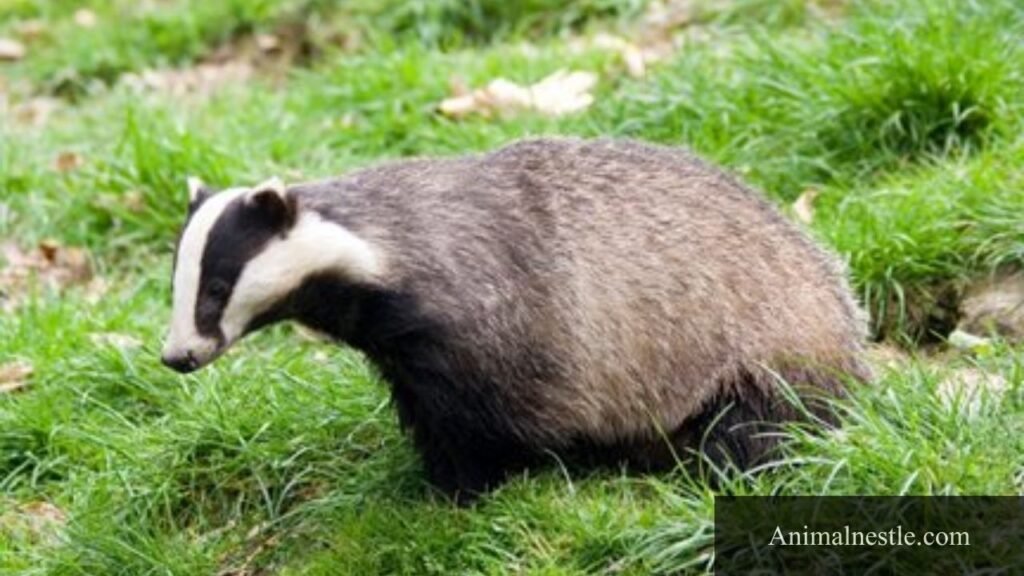
Their underground burrows, known as setts, are masterpieces of engineering, with multiple chambers and entrances ensuring safety from predators. Badgers play a critical role in their ecosystems by aerating the soil and controlling pest populations, such as insects and small rodents. Interestingly, they are also known for their remarkable sense of smell, which allows them to unearth food sources like earthworms and grubs even from several inches below the surface. This adaptability highlights their role as vital contributors to ecological balance and encourages us to appreciate these often-misunderstood mammals.
Bottlenose Dolphin
Scientific Name: Tursiops truncatus
Class: Mammalia
Diet: Carnivore
Bottlenose dolphins are not just renowned for their playful nature; they embody a remarkable intelligence that sets them apart in the animal kingdom. These intelligent beings can communicate through a complex system of clicks, whistles, and body language, showcasing a social structure that rivals many human communities. Researchers have discovered that they possess distinct “signature whistles,” akin to names, which they use to identify one another, hinting at an intricate cultural network within their pods.
Bottlenose dolphins are known for their remarkable problem-solving skills. They have been observed working together to catch fish, employing techniques such as herding and using their echolocation to navigate and strategize. What’s particularly fascinating is their ability to mimic behaviors from other species, including humans — demonstrating their adaptability and sharp observational skills. This unique blend of intelligence and social interaction not only enhances their survival in the ocean’s complex ecosystem but also prompts us to rethink our relationship with these magnificent creatures, encouraging a deeper understanding of their emotional and cognitive lives.
Bloodhound
Scientific Name: Canis lupus familiaris
Class: Mammalia
Diet: Carnivore
The Bloodhound is renowned not just for its impressive sense of smell but also for its unique place in the lineage of scent hounds. With a history dating back over a thousand years, these dogs were originally bred by monks in Belgium for tracking purposes, demonstrating remarkable loyalty and persistence. Their olfactory capabilities are so acute that they can follow a scent trail that is days or even weeks old, making them indispensable in search and rescue operations as well as tracking down fugitives.

Beyond their nose, Bloodhounds possess an endearing personality marked by gentle stubbornness and an affectionate nature. The iconic droopy ears and wrinkled skin, while charming, serve practical purposes by maximizing scent absorption. When a Bloodhound is on the trail, the combination of its inherent drive and physical characteristics transforms it into a living compass, guiding authorities through challenging terrains. This breed’s determination and strong work ethic reflect a fascinating interaction between canine prowess and the environment, showcasing how adaptation shapes not just survival, but also our understanding of companionship.
Barn Owl
Scientific Name: Tyto alba
Class: Aves
Diet: Carnivore
The Barn Owl possesses a unique heart-shaped facial disc that amplifies its hearing capabilities, making it one of nature’s most adept hunters. Unlike many owls, its silent flight is facilitated by specialized feather structures that minimize turbulence, allowing it to swoop down on unsuspecting prey almost soundlessly. This adaptation is not just a marvel of evolution; it reflects the Barn Owl’s nocturnal lifestyle, where sound is often the difference between a successful hunt and a missed meal.
In addition to their impressive hunting skills, Barn Owls also play a crucial role in agriculture. By naturally controlling rodent populations, they help reduce the need for chemical pesticides, promoting a healthier ecosystem. If you’re lucky enough to spot one in the wild, you’ll notice their striking plumage — a pristine, almost ethereal combination of whites, yellows, and browns — that allows them to blend seamlessly into their surroundings during the day. Observing these elegant creatures in their natural habitat not only offers a glimpse into the intricacies of predator-prey dynamics but also deepens our appreciation for the delicate balance of our ecosystem.
Ball Python
Scientific Name: Python regius
Class: Reptilia
Diet: Carnivore
Ball pythons, known for their striking patterns and docile nature, are increasingly popular pets among reptile enthusiasts. Originating from the grasslands and forests of sub-Saharan Africa, these small constrictors use their distinctive coloration for both camouflage and social signaling. Their ability to “ball up” when stressed or threatened adds to their charm, creating a striking visual as they coiling themselves into a protective sphere.
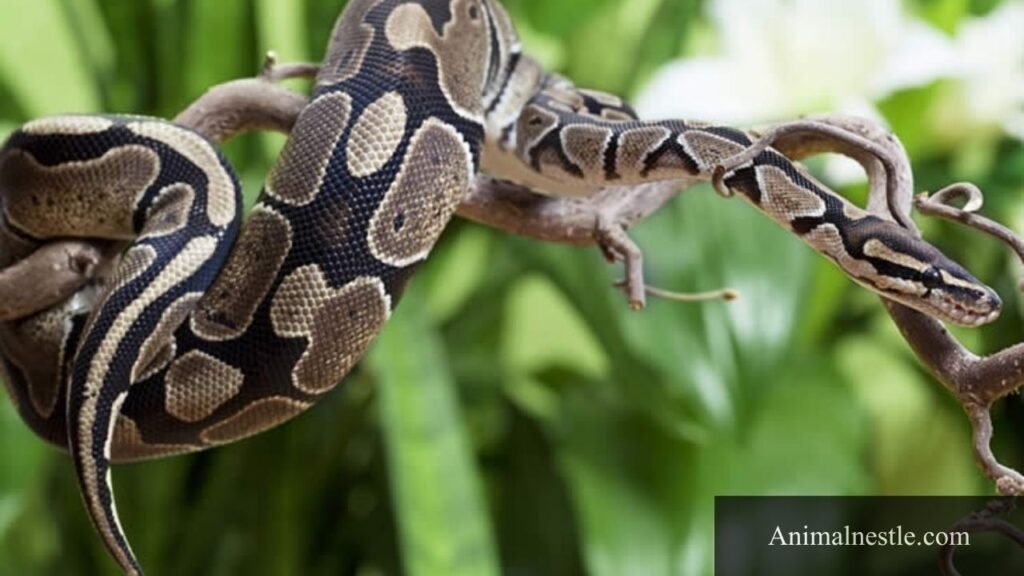
Interestingly, ball pythons exhibit remarkable adaptability to their environment. In the wild, they hunt small mammals like rodents, utilizing heat-sensing pits to detect warm-blooded prey. Their ability to thrive in captivity adds to their allure, with the right care and diet leading to long, healthy lives. As they continue to capture the hearts of reptile lovers worldwide, learning about their natural behaviors and needs fosters a deeper appreciation for these extraordinary serpents.
Beluga Sturgeon
Scientific Name: Huso huso
Class: Actinopterygii
Diet: Carnivore
The Beluga sturgeon, one of the largest freshwater fish, can grow up to 20 feet long and weigh over 3,000 pounds. This ancient species, which has been around for more than 200 million years, is renowned not just for its size but also for its exquisite roe, often regarded as the finest caviar in the world. Unfortunately, its population has drastically declined due to overfishing and habitat loss, making it a symbol of the urgent need for conservation efforts.
The Beluga plays a vital role in its environment, helping maintain the health of river ecosystems by contributing to nutrient cycling. Interestingly, it can live for more than 100 years, allowing it to witness significant ecological changes over its lifespan. The fascinating migration patterns of the Beluga sturgeon, where they journey upstream to spawn, highlight their reliance on the natural flow of rivers. Protecting and restoring these migratory pathways is crucial not only for the survival of the species but also for preserving the biodiversity of freshwater habitats.
Bighorn Sheep
Scientific Name: Ovis canadensis
Class: Mammalia
Diet: Herbivore
Bighorn sheep, recognizable by their impressive curved horns, are not only a marvel of nature but also a study in adaptation. These resilient creatures thrive in rugged mountain terrains, employing their incredible agility to navigate steep cliffs. Living in herds led by a dominant ram, they exhibit fascinating social behaviors, from intricate courtship displays to hierarchical interactions. Notably, the males engage in dramatic head-butting battles during mating season, a spectacle that showcases both strength and strategy.
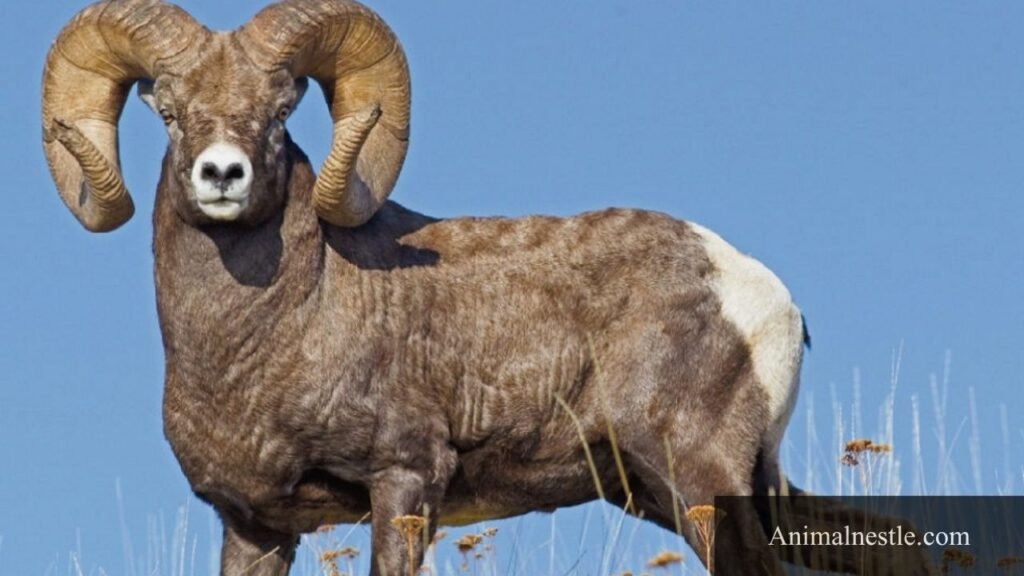
Beyond their striking physical features, bighorn sheep play a vital role in their ecosystems. Their grazing habits contribute to the health of alpine meadows, promoting growth and diversity in plant life. Furthermore, their presence in the wild serves as a key indicator of environmental changes, alerting us to shifts that might affect other species. As these majestic animals face threats from habitat loss and climate change, understanding their role and significance becomes essential. Observing bighorn sheep in their natural habitat not only enchants wildlife enthusiasts but also highlights the intricate web of life that sustains them.
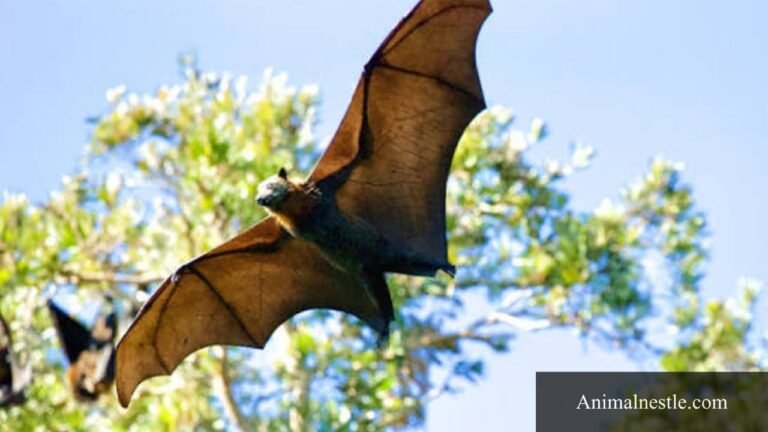
Bat
Scientific Name: Chiroptera
Class: Mammalia
Diet: Omnivore
Bats are often unfairly portrayed as creepy nocturnal creatures, but they play a vital role in our ecosystems. With over 1,400 species worldwide, bats are the second-most diverse group of mammals, and their adaptations are nothing short of remarkable. For instance, some species can consume up to 1,200 mosquitoes in an hour, making them natural pest controllers that help keep insect populations in check. This ability is particularly crucial in agricultural areas, where bats contribute significantly to pest management.
Bats are exceptional pollinators. Fruit bats, for example, are responsible for pollinating several tropical plants, including the agave plant, which is essential for tequila production. Their feeding habits facilitate the reproduction of many fruit-bearing trees, thus supporting biodiversity. By dispersing seeds over large distances, bats also enhance forest regeneration and contribute to the health of entire ecosystems. Understanding bat behavior and ecology can transform our appreciation for these oft-misunderstood animals, revealing their significance far beyond the shadows in which they dwell.
Bonobo
Scientific Name: Pan paniscus
Class: Mammalia
Diet: Omnivore
Bonobos are a fascinating example of the diversity within the great ape family. These primates, native to the rainforests of the Congo, are not just remarkable for their striking physical similarities to humans but also for their complex social structures. Unlike their more aggressive counterparts, bonobos are known for their matriarchal societies, where females often hold the power, promoting harmony through social bonding and sexual behaviors. This unique dynamic challenges traditional views of primate hierarchies and raises intriguing questions about gender roles in both animal and human societies.
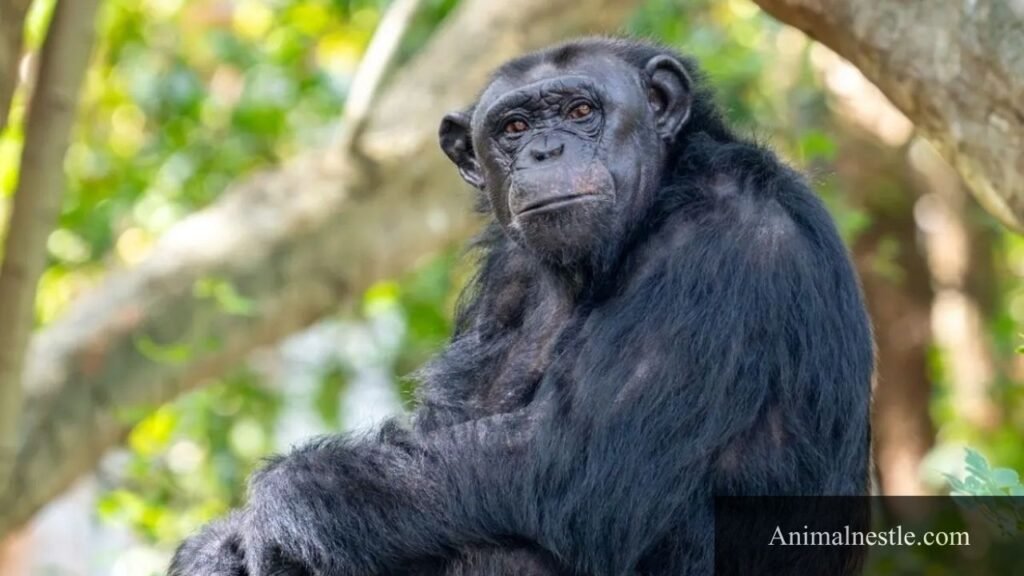
The bonobo’s methodology for conflict resolution is particularly noteworthy; they engage in a dance of affection that can involve intimate behaviors, which serve to diffuse tensions rather than escalate them. This peaceful coexistence fosters a community rooted in cooperation and empathy, providing a fresh lens through which to examine emotional intelligence in non-human species. Moreover, bonobos possess advanced communication skills, using a range of vocalizations, gestures, and facial expressions to convey their thoughts and feelings, hinting at the evolutionary origins of our own complex languages.
Bullfrog
Scientific Name: Lithobates catesbeianus
Class: Amphibia
Diet: Carnivore
The bullfrog, a remarkable amphibian, is well-known for its impressive vocal abilities, with males producing deep, resonating croaks that echo through wetlands, especially at night during their breeding season. These calls serve multiple purposes, from attracting females to warding off rival males, creating a vibrant auditory landscape that defines their habitats. Unlike many other frog species, bullfrogs have a voracious appetite, often consuming not just insects but also small birds, fish, and even other amphibians, making them formidable predators in their ecosystems.
One fascinating aspect of bullfrogs is their adaptability; they can thrive in various freshwater environments, from ponds to rivers. They exhibit a unique behavior called “heterochrony,” allowing them to vary their growth rates based on environmental pressures. For instance, in warmer climates, bullfrog tadpoles may develop more quickly, circumventing dangers like predation and scarcity of resources. This ability to adapt not only allows them to maintain a stable population but also reflects the broader resilience of amphibian life in the face of changing ecosystems. As wetland environments continue to be threatened, the bullfrog’s story unfolds — offering a lens through which to examine ecological shifts and the ongoing balance between adaptation and survival.
Barracuda
Scientific Name: Sphyraena
Class: Actinopterygii
Diet: Carnivore
Barracudas are some of the ocean’s most charismatic predators, known for their sleek, elongated bodies and voracious appetites. With their razor-sharp teeth and remarkable speed, these fish can swim at speeds of up to 36 mph, making them formidable hunters in the aquatic realm. Interestingly, barracudas possess excellent vision, allowing them to detect prey even in low light conditions. Their keen sight is complemented by a unique hunting strategy; they often ambush schools of smaller fish, darting in and out with precision.
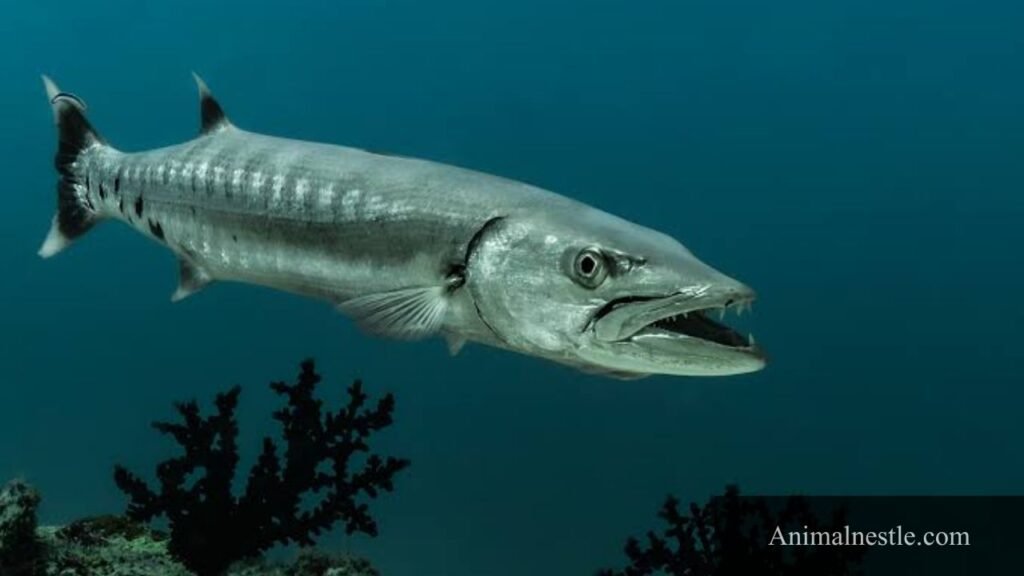
Beyond their hunting prowess, barracudas play an essential role in the marine ecosystem. By controlling the populations of their prey, they help maintain a balanced food web. However, these fish face threats from overfishing and habitat loss, which can disrupt local ecosystems. Fascinatingly, barracudas also exhibit intriguing social behaviors, often forming small schools that enhance their hunting effectiveness and offer protection against larger predators. Understanding these dynamics not only enriches our appreciation of barracudas but also emphasizes the importance of marine conservation.
Brown Bear
Scientific Name: Ursus arctos
Class: Mammalia
Diet: Omnivore
The brown bear is a remarkable species that exhibits immense adaptability across various habitats, from the lush forests of North America to the rugged mountains of Europe and Asia. One of the most fascinating aspects of brown bears is their seasonal behavior, particularly their impressive ability to hibernate for up to seven months. During this period, their metabolic rates drop significantly, allowing them to conserve energy while relying on their fat reserves, which they build during the summer months by feasting on berries, fish, and even small mammals.
Socially, brown bears are often viewed as solitary creatures, but they display complex social dynamics, especially in areas with abundant food sources. They engage in a range of interactions, from playful sparring among siblings to more serious confrontations over territory or food. Interestingly, their communication extends beyond physical displays; they utilize vocalizations, body language, and even scent marking to convey messages to one another. This rich tapestry of social behavior reveals that these giants of the forest are more than mere solitary hunters; they are nuanced characters in an intricate ecological drama, playing vital roles in maintaining their habitats and influencing the population dynamics of other species.
Bee
Scientific Name: Anthophila
Class: Insecta
Diet: Herbivore
Bees, often celebrated for their honey production, play far more critical roles in our ecosystems than most people realize. These industrious insects are vital pollinators, responsible for facilitating the reproduction of about 75% of flowering plants globally, including many of our staple crops. This intricate relationship not only sustains biodiversity but also supports food systems across the planet. In fact, without bees, our diets would drastically shrink, affecting everything from fruits and vegetables to some of the nuts and legumes we take for granted.
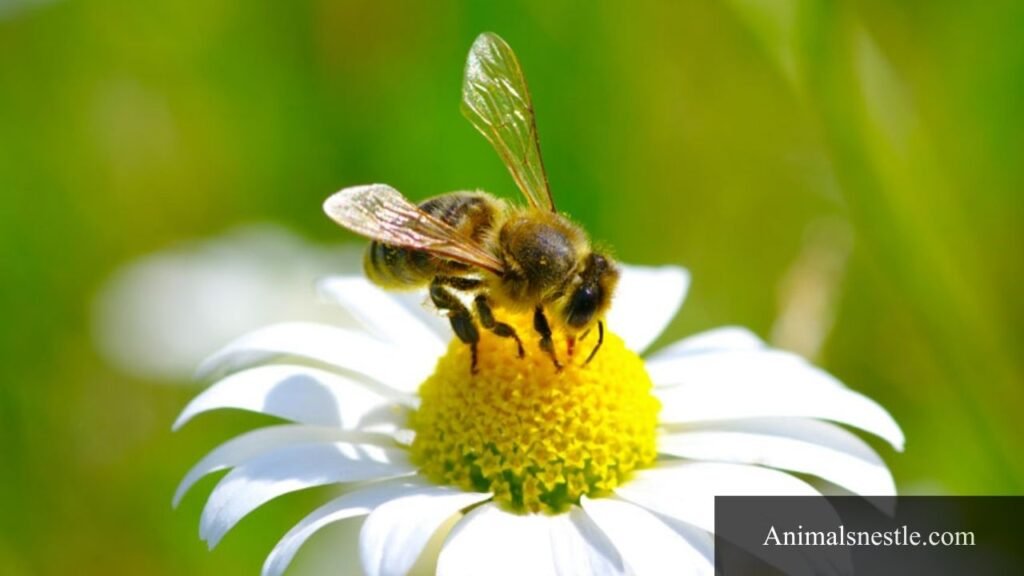
The social structure of bee colonies presents a fascinating glimpse into cooperative behavior and communication. Honeybees, for instance, utilize a complex system of dances to convey information about resources to their hive mates. The “waggle dance” is a remarkable behavior that informs others about the direction and distance of food sources. This remarkable ability highlights their intelligence and suggests that these creatures possess a form of social networking long before humans even conceptualized it. As we face global challenges like climate change and habitat loss, conserving bee populations is not just an ecological concern but a crucial step in ensuring our future food security and environmental health.
Readmore: Explore Top 21 Animals With 7 Letters.
Final Thoughts
The fascinating world of animals that start with the letter B showcases the rich diversity of life on our planet. From the majestic bison to the playful bottlenose dolphin, these creatures captivate our imagination and highlight the importance of biodiversity. By learning about their unique traits and behaviors, we not only gain insight into their ecosystems but also our own role in preserving them. Each of these animals contributes to the delicate balance of nature, reminding us of the interconnectedness of all living things. Let’s take the time to explore, admire, and protect these incredible beings that share our world.
FAQs
What animals start with the letter B?
Some well-known examples include bears, which are large mammals found in various habitats around the world. Then there are birds like the bald eagle, known for its impressive size and striking appearance. Other interesting options include the blue whale, the largest animal on the planet, and the bison, which has a strong presence in North America. Insects like butterflies and beetles also make the list.
What birds start with B?
There are several birds that start with the letter “B.” Some popular examples include the Blue Jay, known for its striking blue feathers and intelligent behavior. Then there’s the Barn Owl, famous for its heart-shaped face and silent flight, making it an effective hunter. Another notable mention is the Baltimore Oriole, which boasts vibrant orange and black plumage.