Top 31 Animals That Start With G (With Pictures)
From the graceful gazelle to the elusive gharial, animals that start with G showcase remarkable adaptations and behaviors. Exploring these creatures not only sparks curiosity but also highlights the importance of biodiversity. In this article, we’ll dive into fascinating facts and characteristics of G-named animals, enriching your understanding of their roles in nature.
List of Animals That start with G
Below is the list of animals that start with G:
- Galah
- Giant Golden-Crowned Flying Fox
- Gaboon Viper
- Greater Flamingo
- Gray Fox
- Great Horned Owl
- Golden Snub-Nosed Monkey
- Grey Wolf
- Gharial
- Gentoo Penguin
- Gaur
- Golden Poison Frog
- Giant Squid
- Great Blue Heron
- Golden Jackal
- Green Anaconda
- Great Tit
- Giant Anteater
- Galápagos Tortoise
- Guanaco
- Grass Snake
- Grey Heron
- Giant Panda
- Green Sea Turtle
- Gouldian Finch
- Goat
- Great Egret
- Geoduck
- Gyrfalcon
- Giraffe
- Gazelle
Galah
Scientific Name: Eolophus roseicapilla
Class: Aves
Diet: Omnivore
The Galah, a striking pink and grey cockatoo native to Australia, is not just visually captivating but also highly adaptable. Known for their playful nature, these birds thrive in various environments, from arid outback areas to urban landscapes. Their strong social bonds and engaging behaviors can often be observed as they flock together in large numbers, busily foraging for seeds, fruits, and nuts. In many ways, their communal lifestyle mirrors that of humans, showcasing the importance of connection in overcoming life’s challenges.
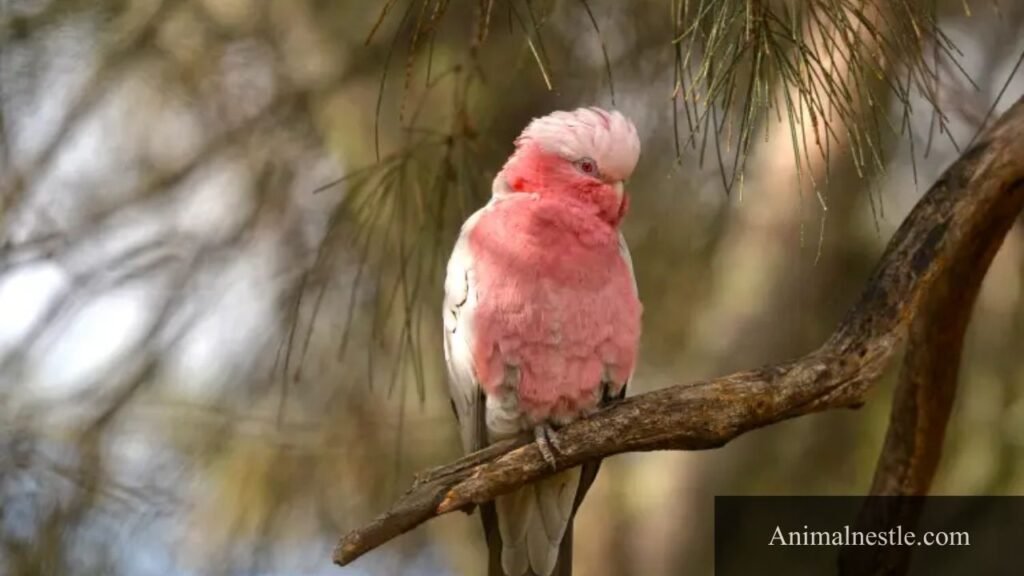
What truly sets Galahs apart is their remarkable vocal ability. They possess an extensive repertoire of sounds, often mimicking other birds and even human speech, which highlights their intelligence and ability to learn. Observing a Galah in the wild can reveal a masterclass in communication and social interaction; their unique call not only conveys information but also strengthens social ties within the group. Moreover, their playful antics, such as hanging upside down or dancing in mid-air, reflect an exuberance that is simply infectious, reminding us of the joy in play. In essence, the Galah is more than just another beautiful bird; it embodies the spirit of resilience and community in the avian world.
Giant Golden-Crowned Flying Fox
Scientific Name: Acerodon jubatus
Class: Mammalia
Diet: Herbivore
The Giant Golden-Crowned Flying Fox, a species of mega-bat native to the Philippines, is a captivating marvel of nature. Sporting a wingspan that can exceed five feet, it gracefully soars amidst the lush canopies of tropical forests. Unlike its more infamous vampiric relatives, this gentle giant primarily survives on a diet of ripe fruit, making it an essential player in seed dispersal and forest regeneration. Its striking golden crown gives it a regal appearance, yet beneath this beauty lies a vulnerability, with habitat loss threatening its survival.
What sets the Giant Golden-Crowned Flying Fox apart is not just its size but its social behavior. These bats are highly social, often roosting in large colonies, which allows them to create a dynamic community. Recent studies suggest that their social structures are more complex than previously thought, revealing intricate communication patterns that help them navigate their forest environment. This intricate social life offers a glimpse into the cognitive capacities of these creatures, inviting us to rethink the way we perceive bats in general. Understanding the plight of the Giant Golden-Crowned Flying Fox not only prompts conservation efforts but also encourages us to appreciate the interconnectedness of ecosystems and the vital roles that even the most unexpected animals play within them.
Gaboon Viper
Scientific Name: Bitis gabonica
Class: Reptilia
Diet: Carnivore
The Gaboon Viper, known for its striking pattern and formidable size, is the largest viper in Africa, reaching lengths of nearly six feet. Its distinct geometric patterns, which blend seamlessly with the forest floor, serve as an effective camouflage. This serpentine master of disguise relies on ambush tactics, striking prey — often small mammals and birds — without warning. Its venom, one of the most potent among snakes, delivers a cocktail of hemotoxins that can cause massive tissue damage, a vivid reminder of nature’s duality — beauty intertwined with danger.
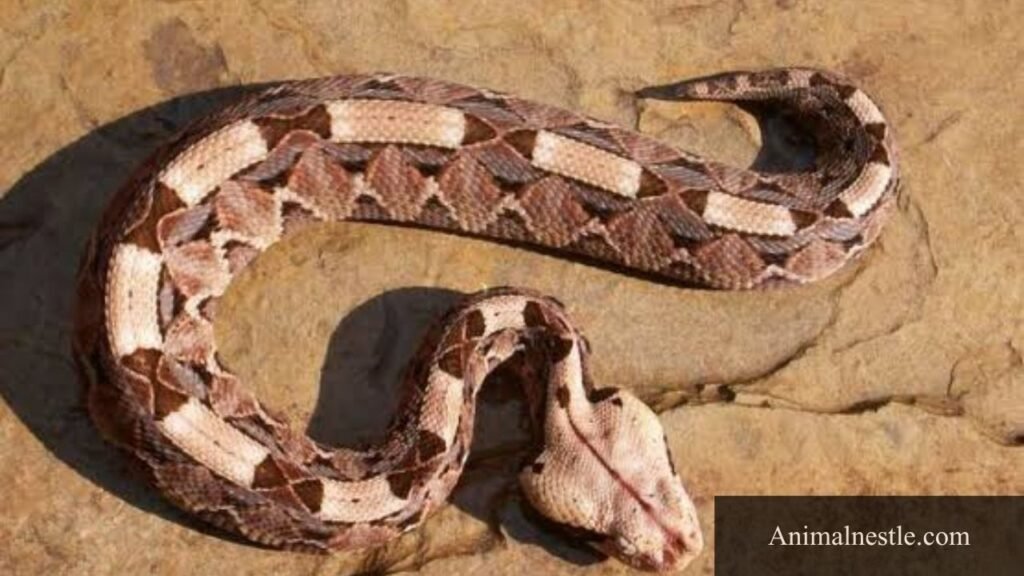
The Gaboon Viper also plays a crucial role in its ecosystem, acting as both predator and prey. While its venomous bite deters many would-be predators, it isn’t immune to threats like birds of prey or large mammals. Furthermore, the Gaboon Viper’s unique ability to regulate its body temperature allows it to thrive in the humid, equatorial regions of Africa, showcasing an extraordinary adaptation to its environment. Not merely a fearsome predator, this species also evokes a sense of fascination, embodying the intricate balance of life that exists within local ecosystems. Understanding the Gaboon Viper helps us appreciate the delicate interplay of danger and beauty in the natural world.
Readmore: Explore Top 33 Animals That Start With F.
Greater Flamingo
Scientific Name: Phoenicopterus roseus
Class: Aves
Diet: Omnivore
The Greater Flamingo, renowned for its vibrant pink hue, is more than just a stunning spectacle in wetlands across Africa, Europe, and Asia. This coloration, stemming primarily from carotenoid pigments found in their diet of algae and crustaceans, serves as a fascinating reminder of the intricate connections within ecosystems. The flamingo’s brilliance is also a signal of its health; brighter feathers indicate a better diet, showcasing nature’s way of balancing survival and beauty.
Social creatures by nature, Greater Flamingos thrive in large colonies that can include thousands of individuals. Their elaborate courtship displays, involving synchronized movements and vocalizations, not only strengthen pair bonds but also exemplify their complex social structures. Interestingly, the birds build their nests as communal efforts, using mud to create elevated platforms that protect their eggs from flooding. As guardians of their environments, these majestic birds play a crucial role in maintaining the health of their aquatic habitats, highlighting the interconnectedness of species and the delicate balance of ecosystems.
Gray Fox
Scientific Name: Urocyon cinereoargenteus
Class: Mammalia
Diet: Omnivore
The gray fox is a fascinating creature that stands out among its canid relatives due to its unique climbing ability. Unlike other fox species, the gray fox possesses flexible ankle joints that allow it to ascend trees with remarkable agility. This adaptation not only helps them evade predators but also opens up a world of opportunities for hunting small mammals, birds, and even fruits higher up in the canopy. Such versatility in habitat use underscores the gray fox’s role as both predator and scavenger in its ecosystem.
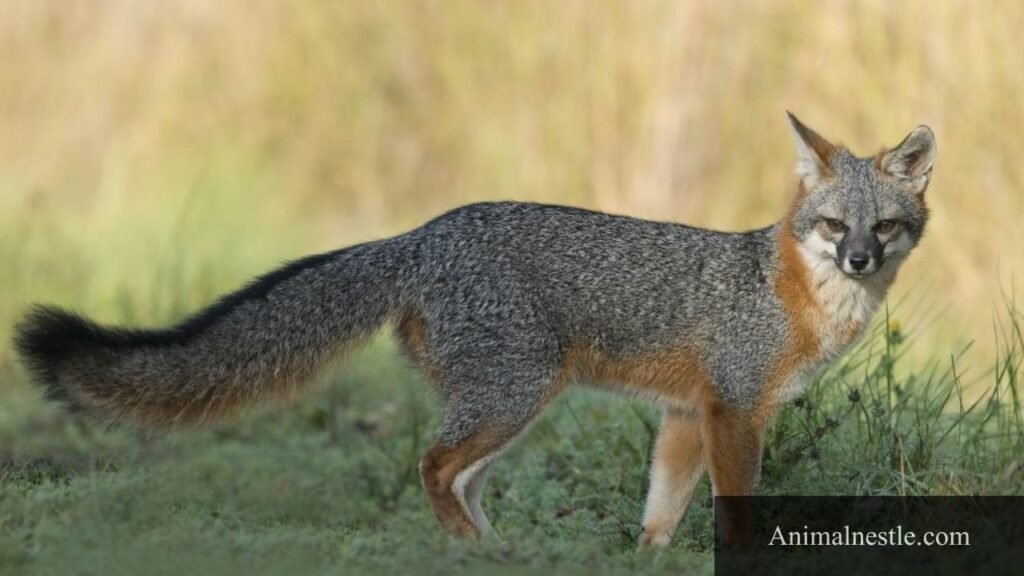
Gray foxes exhibit an intriguing blend of behavior; they are generally solitary but can form pairs during the breeding season. This duality points to a complex social structure that enables them to adapt well to varying environmental conditions. Their distinctive coat — a mix of grays and rusty reds — acts as excellent camouflage, allowing them to blend seamlessly into both forested and urban landscapes. This adaptability to human-dominated environments is particularly noteworthy, as it showcases the resilience of wildlife in the face of urbanization, prompting conservationists to reconsider strategies for preserving habitats that support this elusive fox.
Great Horned Owl
Scientific Name: Bubo virginianus
Class: Aves
Diet: Carnivore
The Great Horned Owl is a master of adaptability, thriving in a variety of habitats from dense forests to urban environments. Its distinctive tufts, resembling horns, serve not only as a striking feature but also play a role in communication and camouflage among branches. With a wingspan of up to five feet, these formidable nocturnal hunters employ silent flight to ambush prey, showcasing their remarkable ability to navigate in darkness with near-perfect precision.
Great Horned Owls are known for their unique vocalizations, which often reverberate through the night. Their deep hoots serve as both territorial calls and a means of communication between mates. Despite their imposing presence, they can be surprisingly nurturing, engaging in fierce protective behavior when it comes to their young. Observing a parent owl fiercely defend its nest adds a captivating layer to these formidable birds, illustrating that beneath their fierce exterior lies a commitment to family and survival.
Golden Snub-Nosed Monkey
Scientific Name: Rhinopithecus roxellana
Class: Mammalia
Diet: Herbivore
The Golden Snub-Nosed Monkey, a striking primate native to the steep mountains of China, captivates not just with its vibrant golden fur, but also with its unique adaptations to high-altitude living. These monkeys thrive in temperate forests, where temperatures can plummet during winter months. Fascinatingly, they possess a thick layer of fur and a distinctive flat, turned-up nose that helps to keep moisture inside, preventing freezing in cold climates.
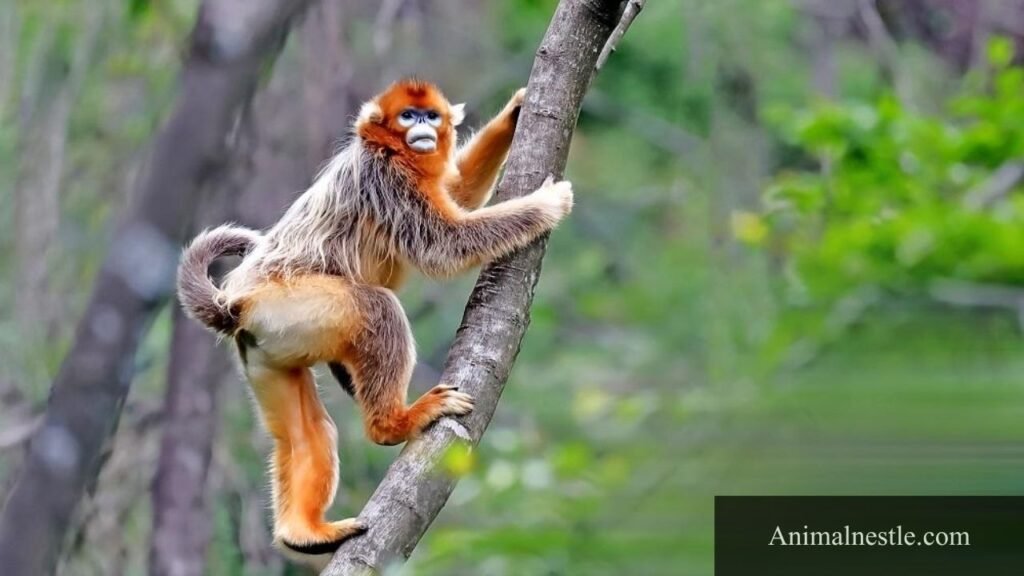
Golden Snub-Nosed Monkeys live in large troops that can number up to 600 individuals. This social structure is not just for protection; it fosters a rich environment for learning and sharing, vital for their survival in the wild. Their vocalizations are equally intriguing; from complex calls to maintain troop cohesion, to specific sounds that warn of predators, their communicative repertoire highlights a remarkable social intelligence. Yet, despite their captivating characteristics, these monkeys face significant threats from habitat loss and poaching, reminding us of the importance of conservation efforts to preserve their enchanting presence for future generations.
Grey Wolf
Scientific Name: Canis lupus
Class: Mammalia
Diet: Carnivore
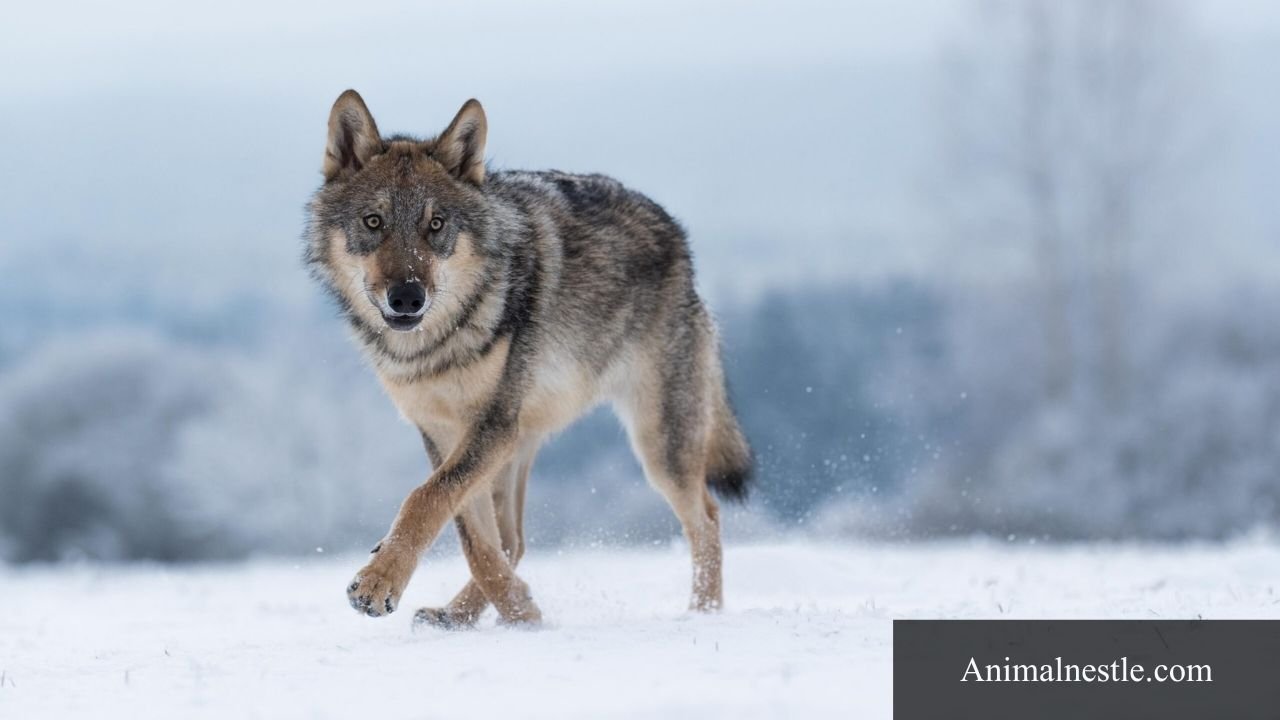
The grey wolf, a majestic predator, plays a pivotal role in maintaining the balance of ecosystems. These intelligent animals are not just solitary hunters; they thrive in packs that showcase complex social structures. Within these groups, communication is key. From howling to body language, wolves convey a wide range of messages, strengthening their bonds and coordinating their hunting strategies. Contrary to popular belief, their social hierarchy isn’t dictated by brute force alone but often revolves around nuanced relationships and cooperative behaviors.
Interesting adaptations also reveal the grey wolf’s acute survival skills. Their keen sense of smell can detect prey from over a mile away, and their stamina enables them to run long distances in pursuit of food. But what truly fascinates is their ability to adapt to various environments, from the icy tundras of the Arctic to the dense forests of North America. This adaptability is a testament to their resilience, proving that even in changing landscapes, the grey wolf remains an emblem of wild beauty and ecological importance. By understanding these creatures, we gain insight into the delicate interdependencies that define our natural world.
Gharial
Scientific Name: Gavialis gangeticus
Class: Reptilia
Diet: Carnivore
The gharial, characterized by its long, thin snout and distinctive, bulbous nose, is a fascinating example of evolutionary adaptation in aquatic environments. Found predominantly in the river systems of the Indian subcontinent, this crocodilian is uniquely equipped for a diet primarily consisting of fish. Its specialized jaw structure allows gharials to isolate and catch slippery prey with remarkable precision, showcasing nature’s engineering prowess.
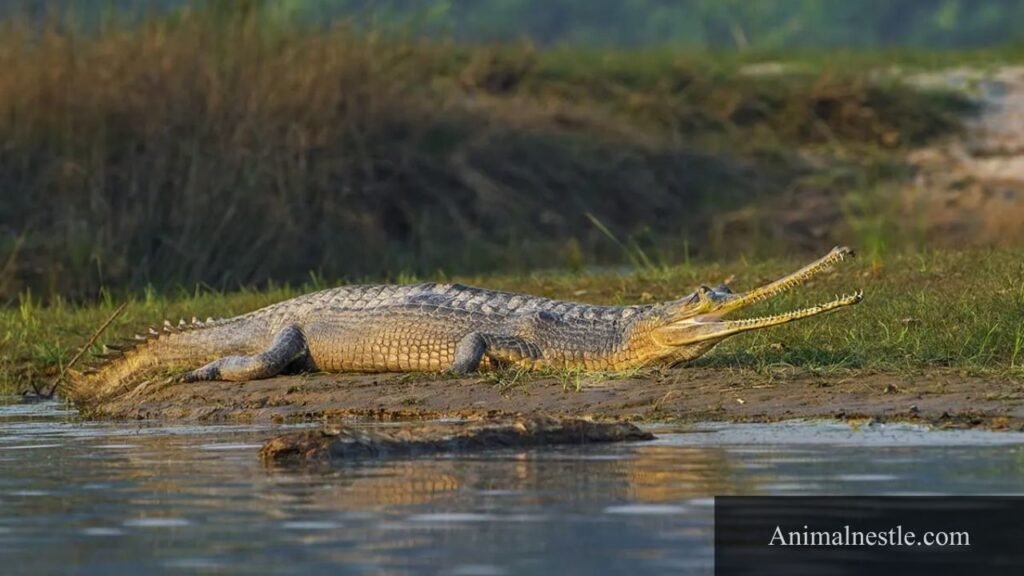
Despite their remarkable adaptations, gharials are facing alarming population declines due to habitat loss, pollution, and fishing practices. Conservation efforts are gaining momentum, with initiatives focusing on habitat restoration and breeding programs. Interestingly, these reptiles play a crucial role in maintaining the health of freshwater ecosystems; their hunting habits help regulate fish populations, contributing to biodiversity. Observing gharials in their natural habitat not only reveals their unique behaviors but also underscores the pressing need to safeguard their future.
Gentoo Penguin
Scientific Name: Pygoscelis papua
Class: Aves
Diet: Carnivore
The Gentoo penguin, identifiable by its distinctive white stripe running across its head and its bright orange bill, is not just a charming face of the Antarctic region; it’s also a remarkable survivor in extreme conditions. These penguins are the fastest swimmers among their relatives, reaching speeds of up to 22 miles per hour, which enables them to evade predators and hunt effectively. Their adaptable hunting strategies, including an impressive ability to dive up to 700 feet, showcase their specialization in catching krill, which forms the bulk of their diet.
Gentoo penguins display strong social structures within their colonies, often forming lifelong bonds with their mates, which can lead to fascinating courtship behaviors. These relationships are not just for reproduction; they also play a crucial role in cooperative parenting, with both partners taking turns to incubate eggs and care for their young. Furthermore, climate change poses significant threats to their habitats, making it crucial to study these birds to understand how shifts in their ecosystem impact their survival and breeding patterns. As researchers delve deeper into their ecology, the Gentoo penguin continues to serve as a vital indicator of the health of the Southern Ocean and a poignant reminder of the delicate balance of our planet’s ecosystems.
Gaur
Scientific Name: Bos gaurus
Class: Mammalia
Diet: Herbivore
The gaur, also known as the Indian bison, stands as one of the largest wild cattle species, commanding attention with its impressive stature and striking appearance. These majestic animals can weigh up to 2,200 pounds and possess robust, muscular bodies blanketed in a rich dark brown to black coat, often accented by lighter patches. Their distinctive, massive horns curve outward and then upward, adding to their formidable presence in the dense forests and grasslands of South and Southeast Asia.
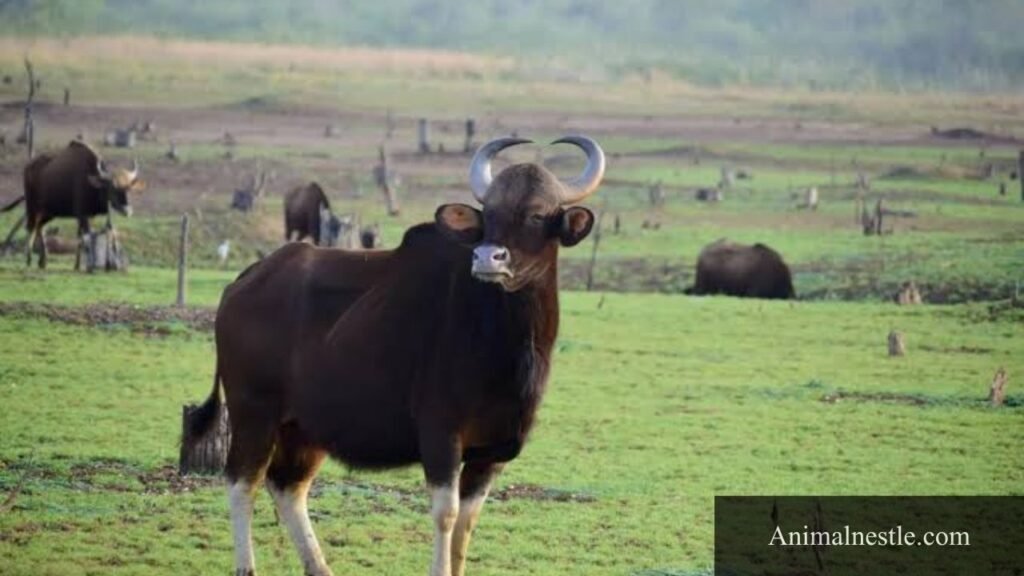
What sets the gaur apart is its ecological role; as a herbivore, it plays a crucial part in shaping its habitat. By grazing on tough vegetation, gaur help maintain the health of grasslands, preventing overgrowth and allowing for a diverse array of plant species to thrive. Moreover, their social structure is intriguing, typically forming small herds led by a dominant male, which creates a dynamic social hierarchy that highlights both cooperation and competition among these powerful animals. Observing their behaviors can offer insights into the complex interplay of survival instincts, territoriality, and social bonding in nature.
Golden Poison Frog
Scientific Name: Phyllobates terribilis
Class: Amphibia
Diet: Carnivore
The Golden Poison Frog, known scientifically as Phyllobates terribilis, is more than just a vibrant splash of color in the rainforests of Colombia — it’s a marvel of evolution and adaptation. These tiny amphibians, rarely exceeding two inches in length, boast a skin toxicity so potent that a single frog can carry enough batrachotoxin to kill ten adult humans. The intricate relationship between their diet and toxicity is particularly fascinating; they derive their lethal compounds from consuming specific insects like ants and termites, showcasing nature’s intricate web of interactions.
But beyond their deadly reputation, the Golden Poison Frog offers a stunning example of chemical ecology. While their vivid coloration serves as a warning to predators — a survival mechanism known as aposematism — this striking hue also captivates human observers and researchers alike. Science is exploring these frogs for potential medical applications, particularly in pain management, which could revolutionize our understanding of analgesics. In the heart of their Colombian habitat, where deforestation poses a significant threat, the Golden Poison Frog emerges as a symbol of conservation efforts, reminding us of the delicate balance needed to sustain biodiversity and protect some of the planet’s most extraordinary creatures.
Giant Squid
Scientific Name: Architeuthis dux
Class: Cephalopoda
Diet: Carnivore
The giant squid, a creature of myth and mystery, can reach lengths of up to 43 feet, making it one of the largest invertebrates on the planet. Despite its massive size, it often eludes human observation, residing in the depths of the ocean, where darkness reigns. The giant squid’s eyes, which can be as large as basketballs, are believed to be the biggest in the animal kingdom, enabling it to detect even the faintest glimmers of light in its deep-sea habitat.
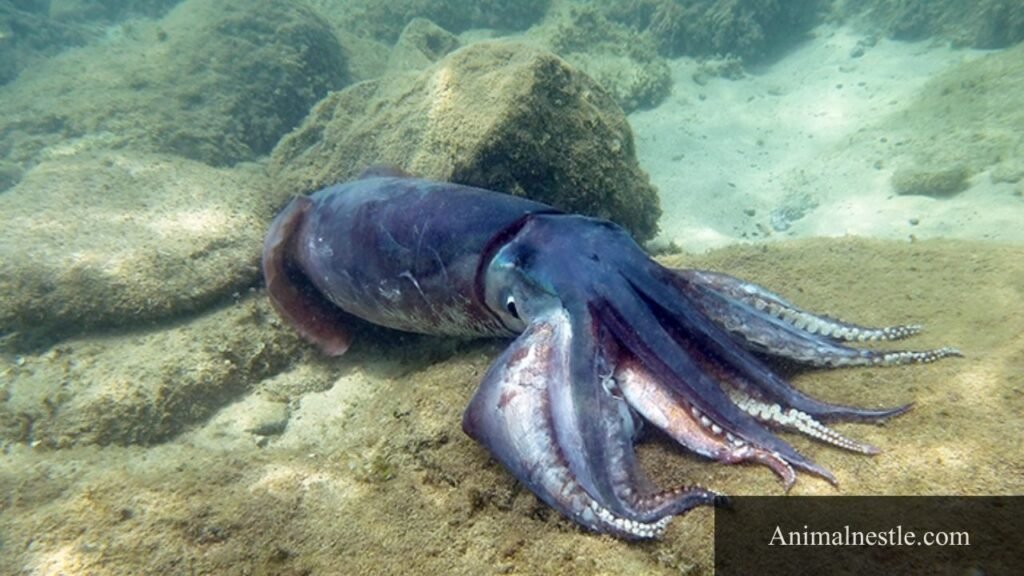
Recent research suggests these enigmatic creatures play a critical role in ocean ecosystems, perhaps acting as indicators of environmental health due to their sensitivity to changes in water temperature and salinity. Notably, scientists have uncovered fascinating details about their feeding habits, showing they primarily hunt other cephalopods and fish, utilizing their long, agile tentacles to capture prey swiftly. With advances in technology, including submersibles and high-resolution imaging, researchers are slowly unraveling the giant squid’s secrets, painting a picture of a complex life driven by survival instincts in one of Earth’s last frontiers.
Great Blue Heron
Scientific Name: Ardea herodias
Class: Aves
Diet: Carnivore
The Great Blue Heron is a striking symbol of wetlands across North America, easily recognized by its impressive wingspan that can reach up to six feet. These elegant birds are not just visually stunning; they play a crucial role in their ecosystems as both predator and scavenger. With their keen eyesight and remarkable patience, they can stand motionless for long periods, waiting for their next meal — typically fish, amphibians, or even small mammals. This hunting technique, resembling a living statue, showcases their adaptability and finesse in a variety of aquatic habitats.
The Great Blue Heron is part of a broader family of wading birds known as Ardeidae, which includes not just herons but also egrets and bitterns. Despite their social nature during breeding seasons, Great Blue Herons often fish alone, showcasing a unique blend of solitude and collaboration that is indicative of their complex behaviors. Observing them in their natural habitat can offer insights into the health of aquatic ecosystems, as their presence often signifies a balanced environment. The heron’s cultural significance, depicted in art and folklore, reflects mankind’s deep connection to nature — an enduring reminder of the beauty and importance of preserving these magnificent wetlands.
Golden Jackal
Scientific Name: Canis aureus
Class: Mammalia
Diet: Omnivore
The golden jackal, often overshadowed by its more famous relatives is a remarkable creature that displays both cunning adaptability and a vibrant social structure. Found across diverse habitats from the grasslands of Africa to the woodlands of Southeast Asia and parts of Europe, this opportunistic omnivore thrives in a variety of environments. Their remarkable adaptability allows them to hunt small mammals and scavenge meals, showcasing their intelligence in meal selection and social cooperation during hunts, often teaming up with family members or even forming loose alliances with other jackals.
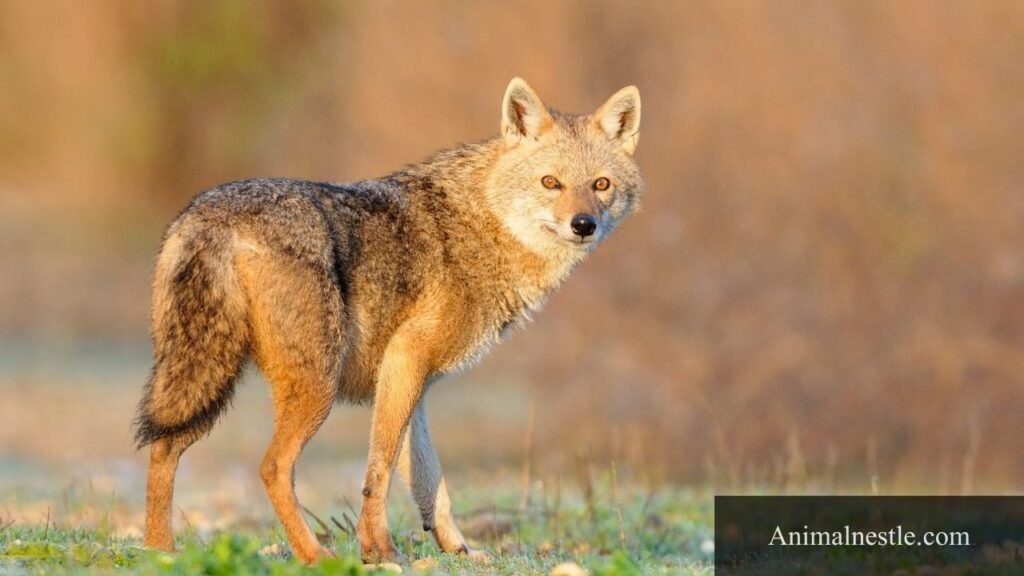
Unlike their solitary relatives, golden jackals are known for their complex social dynamics, often living in small family groups. They communicate through a range of vocalizations, from howls to yips, which not only help them maintain social bonds but also coordinate during hunting. Recent studies suggest that these vocalizations may vary by region, hinting at a rich tapestry of cultural diversity within jackal populations. Furthermore, their striking fur, golden perhaps as a tribute to their resilience and adaptability, not only provides camouflage in their grassy habitats but also plays a role in their social signaling, reinforcing their presence and identity amidst their varied landscapes.
Green Anaconda
Scientific Name: Eunectes murinus
Class: Reptilia
Diet: Carnivore
The green anaconda, a colossal serpent native to South America, is renowned for being one of the heaviest and longest snakes in the world. These formidable reptiles can weigh over 500 pounds and reach lengths of up to 30 feet, although records of larger individuals exist. Unlike many of their snake counterparts, green anacondas are excellent swimmers; they primarily inhabit swamps, marshes, and slow-moving streams, making their watery environments the perfect hunting ground.
What sets the green anaconda apart from other snakes is their unique method of hunting. They are ambush predators, capable of lying in wait for extended periods before striking their prey — ranging from fish to large mammals like capybaras. A lesser-known aspect of their biology is their breeding behavior; during the mating season, males engage in dramatic, competitive “mass breeding balls,” where several males intertwine with a single female, all vying for the chance to mate. This behavior not only demonstrates the fierce competition inherent in their reproduction but also highlights a fascinating aspect of their social interactions.
Great Tit
Scientific Name: Parus major
Class: Aves
Diet: Omnivore
The Great Tit is a small yet striking bird, renowned for its vibrant yellow breast and distinctive black cap. This avian gem is not only a feast for the eyes but also a marvel of adaptability, thriving in a range of environments from dense woodlands to urban gardens. One of its most intriguing traits is its impressive vocal repertoire; the Great Tit possesses over 30 different calls, each serving a specific purpose, from attracting mates to warning of predators. This complex communication system highlights their intelligence and social structure.
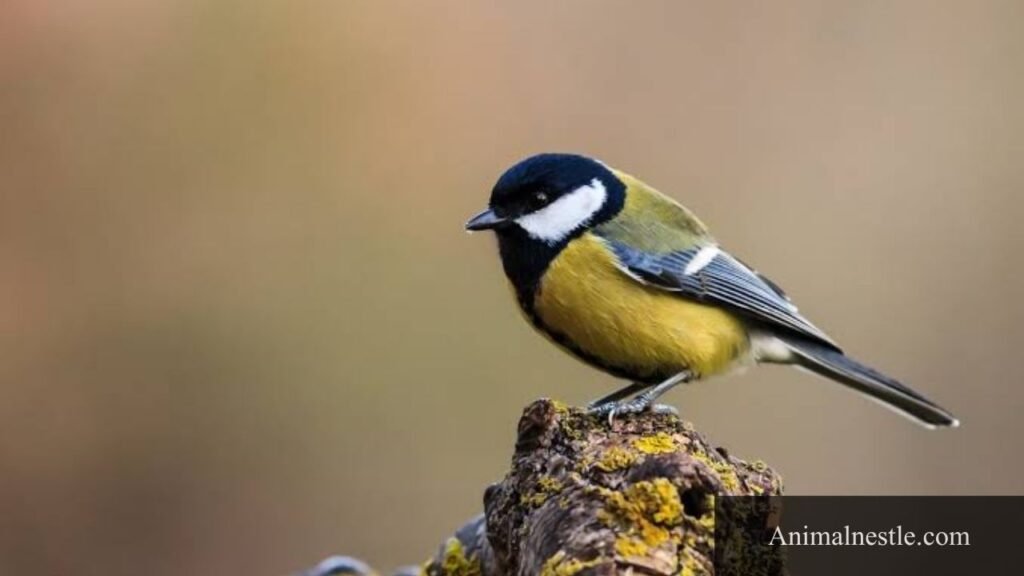
The Great Tit has recently garnered attention in scientific studies for its ability to adjust its behaviors based on local conditions. Observations have shown that these birds can alter their feeding habits during winter months, utilizing seasonal variations in food availability to sustain themselves. This adaptability extends to their nesting strategies as well; in urban areas, they often choose to nest in cavities of buildings rather than traditional tree hollows, reflecting their resilience in the face of changing landscapes. Through these behaviors, the Great Tit serves as a compelling indicator of ecological health and the effects of climate change, making it an essential species for conservationists to monitor.
Giant Anteater
Scientific Name: Myrmecophaga tridactyla
Class: Mammalia
Diet: Carnivore
The giant anteater, with its elongated snout and specialized tongue, is a remarkable creature that thrives in the grasslands and forests of Central and South America. Uniquely adapted to a diet consisting almost entirely of ants and termites, it can consume up to 30,000 insects in a single day, thanks to its impressive sense of smell and formidable claws, which are used to break open mounds. While their diet might seem monotonous, these animals play a crucial role in controlling insect populations, thus maintaining ecological balance.
Despite their often solitary nature, giant anteaters exhibit fascinating behaviors, such as intricate grooming rituals and a surprisingly vocal communication repertoire that includes hissing and grunting. Recent studies indicate that their social interactions, especially between mothers and their young, highlight a nurturing instinct that belies their somewhat intimidating appearance. Unfortunately, habitat destruction and road fatalities threaten their survival, making conservation efforts critical. By fostering awareness and creating protected areas, we can help ensure that these enigmatic creatures continue to roam the landscapes they have inhabited for millions of years.
Galápagos Tortoise
Scientific Name: Chelonoidis niger
Class: Reptilia
Diet: Herbivore
The Galápagos tortoise, one of the most iconic symbols of evolutionary biology, showcases an incredible diversity of forms and adaptative traits. With their massive, dome-shaped shells, these gentle giants are not just remarkable for their size — they also exhibit fascinating behavioral variations depending on their specific island habitat. For example, the tortoises from Española Island sport elongated necks, allowing them to reach high vegetation, while those from Santa Cruz favor a more robust build suited for grazing in lower pastures.
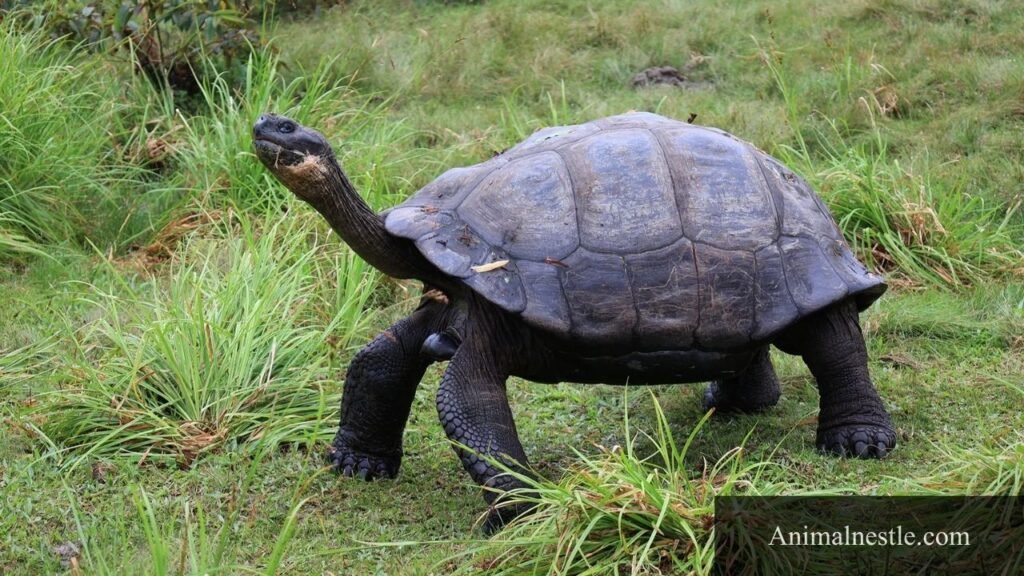
An interesting aspect of their life cycle is their astonishing longevity. Some Galápagos tortoises can live over a century, prompting scientists to explore the genetic and environmental factors that contribute to their remarkable lifespan. Conservation efforts have been pivotal in preserving their populations, as they were once on the brink of extinction due to invasive species and human activities. These efforts now illuminate a broader dialogue about biodiversity, ecosystems, and the vital role each species plays in our planet’s health, reminding us that even the slowest creatures can carry immense significance in the web of life.
Guanaco
Scientific Name: Lama guanicoe
Class: Mammalia
Diet: Herbivore
The guanaco, a wild relative of the llama, roams the windswept steppes of South America, particularly in Argentina, Chile, and Peru. With its graceful appearance and agile frame, the guanaco is perfectly adapted to the rugged terrain, showcasing remarkable endurance in harsh climates. Unlike other camelids, guanacos often form smaller family groups, which can provide fascinating insights into their social structure. They are known for their keen eyesight and acute hearing, an evolutionary advantage that helps them detect predators, such as pumas, from great distances.
One of the most captivating aspects of guanaco behavior is their vocal communication, which includes a variety of sounds from snorts to alarm calls, each serving a specific purpose within their group dynamics. Their thick wool, which is finer and softer than that of their domesticated cousins, plays a crucial role in thermoregulation, maintaining body heat even in frigid temperatures at high altitudes. Interestingly, these animals also play a vital role in their ecosystem, as their grazing habits help maintain the balance of local flora, promoting biodiversity.
Grass Snake
Scientific Name: Natrix natrix
Class: Reptilia
Diet: Carnivore
The grass snake is a fascinating creature commonly found in various wetland habitats across Europe and parts of Asia. Unlike many of its slithering counterparts, this non-venomous snake thrives near water bodies, relying on aquatic environments for hunting. They predominantly feed on amphibians, particularly frogs, making them vital players in maintaining ecological balance in their habitats. With their striking green and yellow patterns, grass snakes are not only adept swimmers but also masters of camouflage in tall grass and reeds.
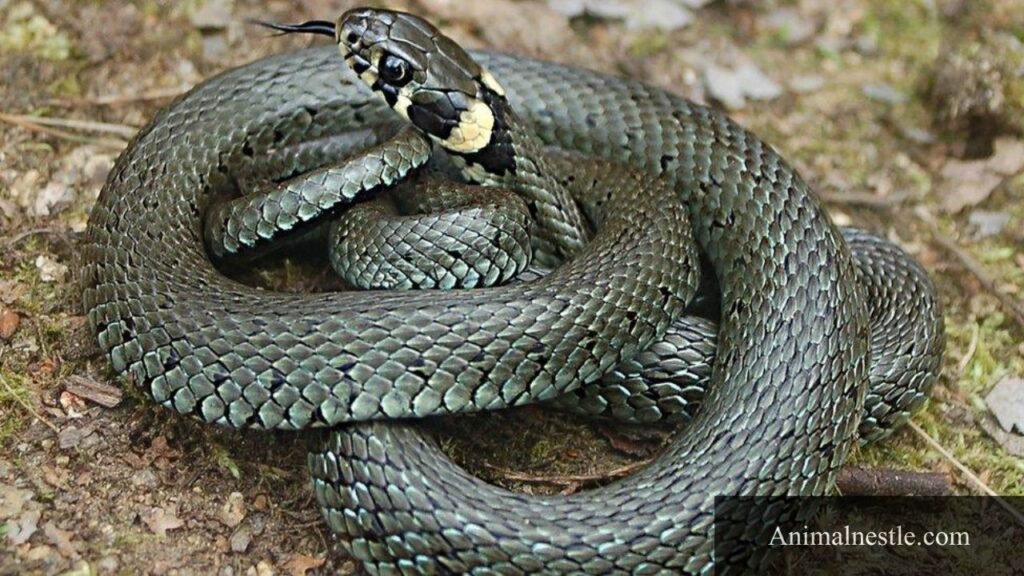
What sets grass snakes apart is their unique defense mechanism: when threatened, they may play dead, emitting a foul odor to deter predators, showcasing an impressive survival strategy. Their reproductive cycle is equally intriguing; females lay clutches of up to 40 eggs in rotting vegetation, where the heat generated during decomposition incubates the young. This adaptive approach to nesting demonstrates their remarkable ability to utilize available resources for the survival of their offspring. As human activities encroach on wetlands, understanding the role of grass snakes in ecosystem health becomes increasingly essential, reminding us of the intricate connections within nature.
Grey Heron
Scientific Name: Ardea cinerea
Class: Aves
Diet: Carnivore
The grey heron is a master of patience and stealth, often seen standing motionless along the banks of ponds and rivers, waiting for its next meal. These elegant birds possess a striking blend of grey and white plumage, complementing their long legs designed for wading in shallow waters. What sets the grey heron apart is not just its towering height, which can reach up to 1.5 meters, but its remarkable adaptability to various habitats, from urban parks to wild wetlands.
Grey herons are highly social during breeding season, forming colonies called heronries. Here, they engage in intricate displays of courtship, showcasing their long necks and powerful wings as part of an elaborate dance. While they primarily feast on fish, their varied diet includes crustaceans, amphibians, and even small mammals, allowing them to thrive in diverse environments. As climate change alters ecosystems, the grey heron’s resilience and ability to adapt to shifting food sources provide valuable insight into the health of their habitats, making them essential indicators of ecological balance.
Giant Panda
Scientific Name: Ailuropoda melanoleuca
Class: Mammalia
Diet: Herbivore
The giant panda possesses a unique diet contrasted by its classification as a carnivorous bear. Remarkably, about 99% of its diet consists of bamboo, but pandas have not evolved the digestive system to effectively process such a fibrous food. To compensate, they consume an astonishing 20 to 40 pounds of bamboo daily, foraging for up to 12 hours. This specialized diet places them in a precarious position, as habitat destruction threatens their bamboo sources, raising concerns about their survival in the wild.
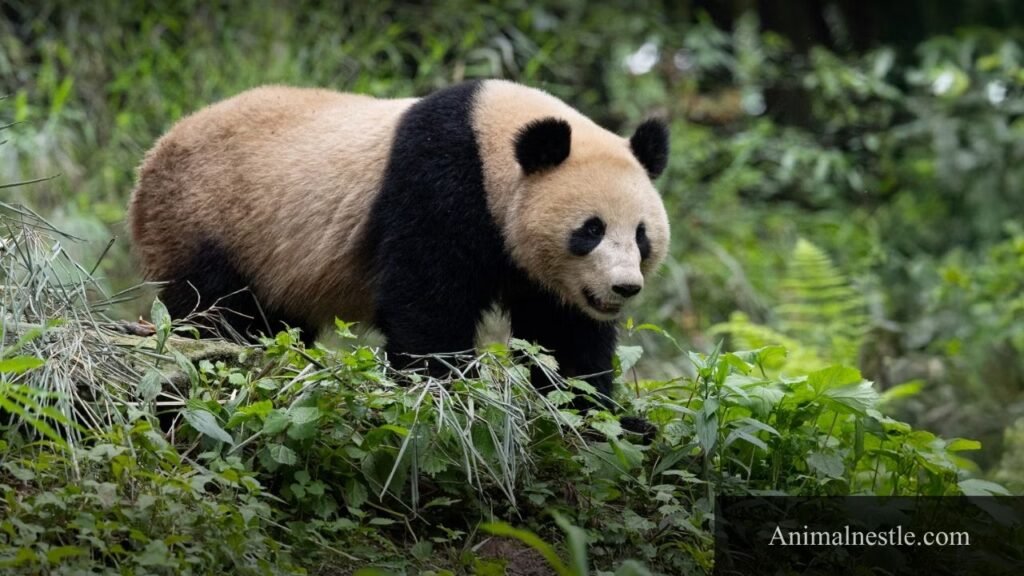
Giant pandas are quite solitary, with adult individuals marking their territory with scent markings and vocalizations. Despite their seemingly gentle nature, these bears can exhibit assertiveness when needed, particularly in protecting their cubs. It’s worth noting that panda cubs are born incredibly small and vulnerable, weighing about as much as a cup of tea. They grow rapidly in the first few months, leaning into their irresistible charm — further enhancing their appeal as conservation icons. Emphasizing the importance of preserving their habitat allows us not only to protect this species but also to safeguard the biodiversity of the ecosystems they inhabit.
Green Sea Turtle
Scientific Name: Chelonia mydas
Class: Reptilia
Diet: Herbivore
The Green Sea Turtle, a magnificent ocean wanderer, is not only known for its vibrant, olive-green shell but also for its remarkable journey through life. These turtles can weigh up to 700 pounds and have a diet primarily consisting of seagrass and algae, which earns them their name. Interestingly, their foraging habits play a crucial role in maintaining the health of seagrass ecosystems, illustrating how interconnected marine life truly is.
One fascinating aspect of the Green Sea Turtle’s life is its long migratory patterns. These turtles often travel thousands of miles between feeding and nesting grounds, showcasing abilities of navigation that still baffle scientists. They utilize Earth’s magnetic fields and the memory of their natal beaches to return to lay their eggs, a poignant reminder of their deep-rooted instinctual connections to their environment. Yet, despite their ancient lineage and adaptability, Green Sea Turtles face numerous threats, including climate change, habitat loss, and poaching, making conservation efforts not just important but urgent for their survival in our increasingly vulnerable oceans.
Gouldian Finch
Scientific Name: Chloebia gouldiae
Class: Aves
Diet: Herbivore
The Gouldian Finch stands out not only for its vibrantly colored plumage but also for its fascinating behavior. Native to the woodlands and savannas of Australia, these small birds exhibit a remarkable range of colors from bright greens to deep reds, making them a favorite among bird enthusiasts and pet owners alike. Their striking appearance, however, is complemented by a social intelligence; these finches thrive in flocks, demonstrating complex social interactions and communications that hint at a rich social structure.
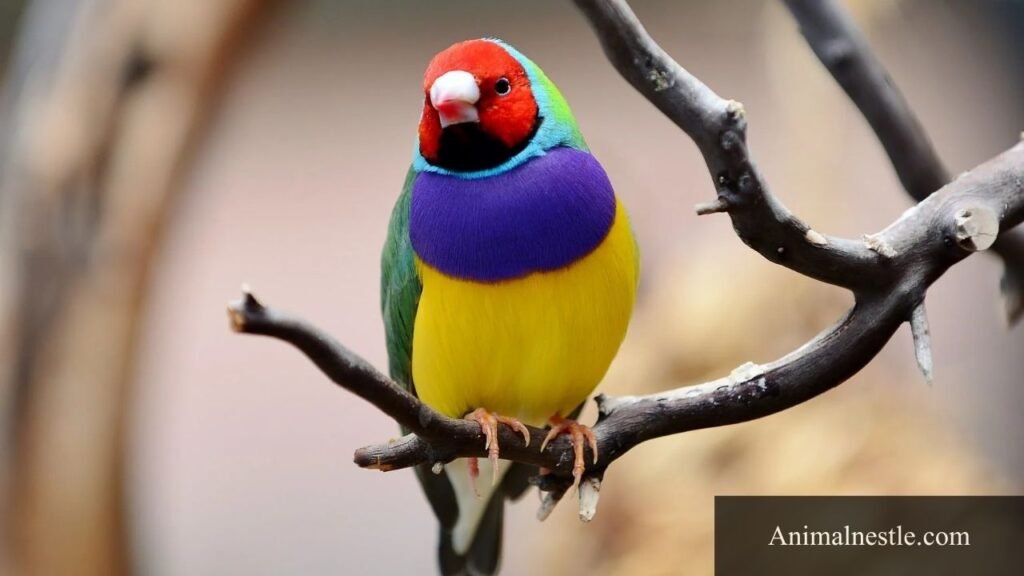
The Gouldian Finch has adapted to its environment in ways that are both clever and necessary for survival. They have a unique ability to differentiate between various food sources, preferring seeds from certain grasses depending on the season. This adaptability extends to their nesting habits as well; while they typically prefer tree hollows, they can also take advantage of man-made structures, showcasing their resilience and flexibility in the face of habitat changes. Unfortunately, due to habitat loss and the pet trade, their populations have been declining, raising concerns for their conservation. Efforts to revive their numbers are underway, with breeding programs aimed at preserving both their genetic diversity and their stunning colors, ensuring that future generations can enjoy these avian marvels.
Goat
Scientific Name: Capra hircus
Class: Mammalia
Diet: Herbivore
Goats are remarkable creatures that exhibit a fascinating blend of intelligence and curiosity. Beyond their quaint appearance, goats possess an innate ability to problem-solve, often testing their environment to discover hidden snacks. This inquisitive nature means they are not just simple farm animals; they can develop complex relationships with humans and other animals, showcasing a surprisingly playful side.
Goats are incredibly versatile in their habitat choices, thriving in environments ranging from rugged mountains to arid deserts. Their unique digestive system allows them to convert tough plant materials into energy, which is why you might spot them nibbling on thorny shrubs or even cardboard in peculiar settings. Some goat breeds, like the Nigerian Dwarf, are renowned for their milk production, which is not only rich in nutrients but also sought after for artisanal cheese making. This adaptability and utility highlight the goat’s role as an unsung hero of agriculture, proving that beneath their charming facade lies a resilient and resourceful being.
Great Egret
Scientific Name: Ardea alba
Class: Aves
Diet: Carnivore
The Great Egret, with its striking white plumage and elegant stature, commands attention in wetland habitats across the globe. This large wading bird primarily feeds on fish, amphibians, and crustaceans, showcasing an impressive hunting technique that involves a combination of patience and precision. With its long, slender neck and sharp bill, the Great Egret can strike with remarkable speed, making it a skilled predator in the shallows.
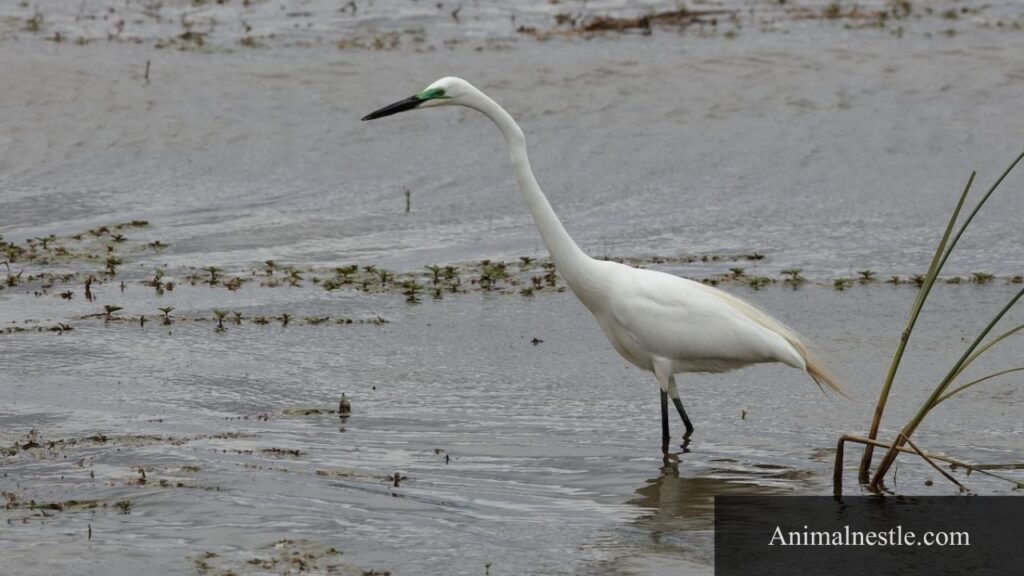
Beyond its stunning appearance, the Great Egret plays a pivotal role in the ecosystems it inhabits. By controlling fish populations and contributing to nutrient cycling in wetland environments, it helps maintain the delicate balance of these biodiverse habitats. Interestingly, during the breeding season, they form strikingly large colonies, creating a cacophony of calls as they engage in elaborate courtship displays. This social behavior contrasts sharply with their solitary hunting habits, revealing a fascinating paradox in their lifestyle that captivates ornithologists and nature enthusiasts alike.
Geoduck
Scientific Name: Panopea generosa
Class: Bivalvia
Diet: Omnivore
The geoduck is a fascinating marine creature native to the coastal waters of the Pacific Northwest. What sets this clam apart is its impressive size; it can grow to over three feet long, with a lifespan that can reach up to 168 years. This makes the geoduck one of the longest-living animals in the ocean, providing a unique glimpse into the underwater world over centuries. Its large, siphon-like neck can extend far into the ocean floor, allowing it to filter feed on microscopic plankton and organic matter.
But the allure of the geoduck extends beyond its size and longevity. The clam’s soft, sweet meat has garnered immense popularity in culinary circles, especially in Asian cuisine, where it’s often served sashimi-style or in stir-fries. Surprisingly, harvesting these delicacies involves diving to depths of 10 feet or more, where divers use specialized tools to extract them without damaging their fragile ecosystems. Beyond their gastronomic appeal, geoducks play a crucial role in their sandy habitats, aerating the seabed and supporting biodiversity, making them an essential component of their marine environment.
Gyrfalcon
Scientific Name: Falco rusticolus
Class: Aves
Diet: Carnivore
The Gyrfalcon, the largest of the falcon species, captures the imagination with its striking plumage and formidable hunting skills. Found mainly in the Arctic and sub-Arctic regions, this raptor exhibits remarkable adaptability, thriving in harsh environments where few other birds can. Its color can range from a pure white to a deep gray or even nearly black, allowing it to blend seamlessly into its snowy surroundings or rocky cliffs, making it a master of camouflage in the wild.
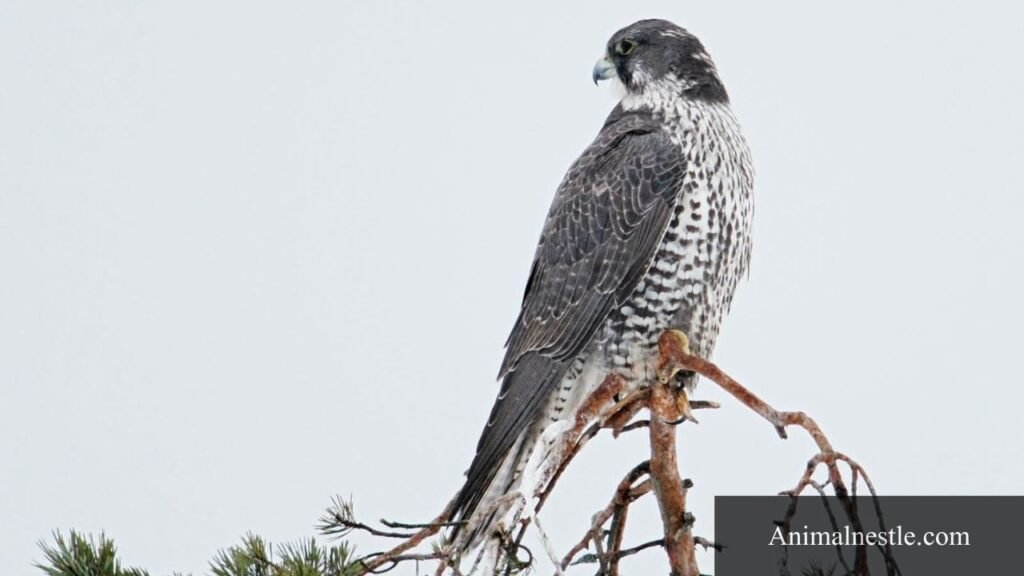
What sets the Gyrfalcon apart is its unparalleled aerial agility and speed, allowing it to dive at incredible velocities to catch prey, primarily ptarmigan and other birds. Observers often marvel at its ability to switch between soaring gracefully and executing rapid, tactical maneuvers mid-air. Despite its prowess, the Gyrfalcon faces threats from habitat loss and climate change, prompting wildlife enthusiasts and conservationists to advocate for protective measures. With ongoing research into its breeding and migration patterns, the Gyrfalcon continues to be a symbol of resilience and the delicate balance of ecosystems, reminding us of the beauty and vulnerability of nature.
Giraffe
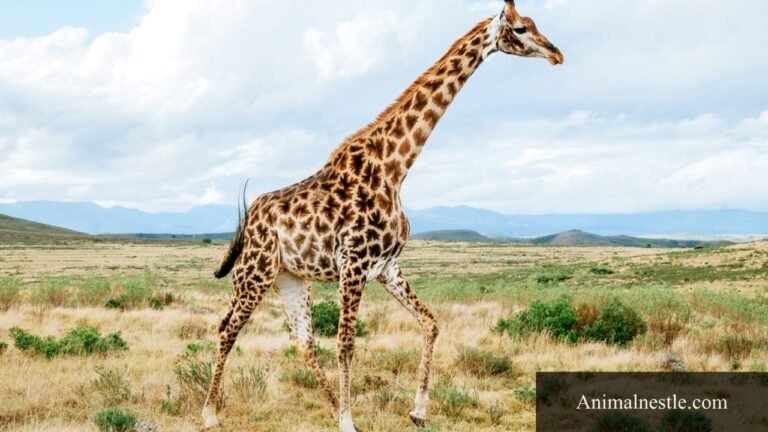
Giraffes, the tallest land animals on Earth, possess a unique anatomy that fascinates scientists and animal lovers alike. Their necks can stretch up to six feet long, yet they have the same number of neck vertebrae as humans — seven. This specialized skeletal structure allows them to reach high foliage, but it also presents a surprising challenge: giraffes require a particularly deep, often awkward stance to drink water. To maintain balance and manage blood flow, they have a specialized heart that can weigh up to 25 pounds, effectively pumping blood to their heads, which can be over 15 feet above ground.
Moreover, giraffes communicate in subtle and intricate ways that often go unnoticed. While their long necks may seem like their most distinguishing feature, they also possess a remarkable ability to produce low-frequency sounds, known as infrasound, which can travel over great distances. This silent communication helps them stay connected in the vast savannas where they roam, allowing them to alert others of potential dangers or locate each other in dense vegetation. These gentle giants offer more than just a visual spectacle; they embody a complex ecosystem of social interactions that highlight the intricate balance of life on Earth.
Gazelle
Gazelles are remarkable creatures, known not only for their striking beauty but also for their incredible speed and agility. These antelopes can reach speeds of up to 60 kilometers per hour and can leap distances of over 10 meters in a single bound. This extraordinary athleticism allows them to evade predators like lions and cheetahs in the vast expanses of their savanna habitats.
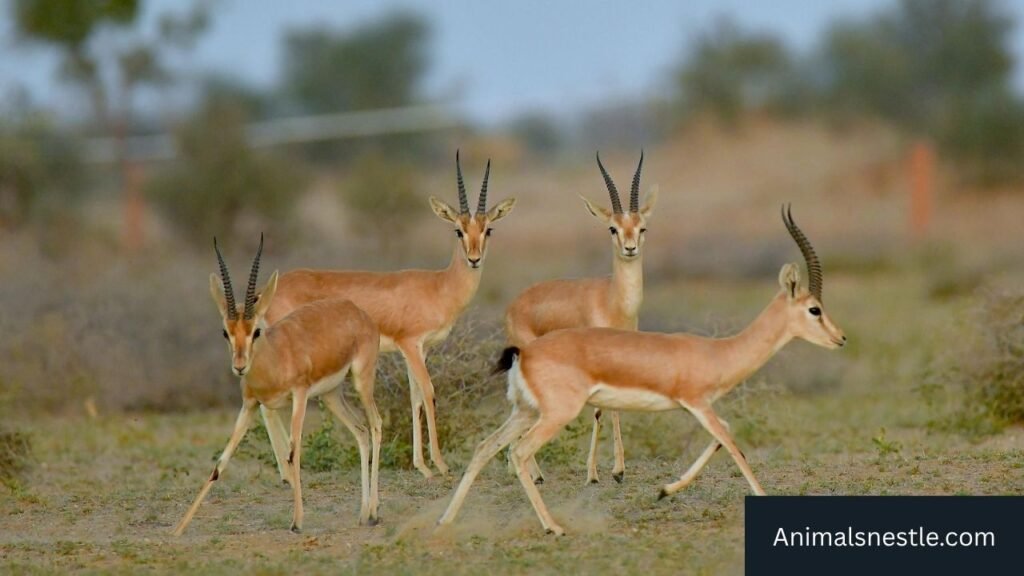
Interestingly, gazelles aren’t just swift; they also exhibit fascinating social behaviors. Living in herds, they communicate through a series of vocalizations, body postures, and even elaborate displays during mating rituals. Certain species, like the Grant’s gazelle, employ a unique “stotting” behavior when threatened — leaping high into the air to signal their fitness and discourage predators.
Readmore: Explore Top 27 Animals That Start With C.
Final Thoughts
The diverse array of animals that start with G demonstrates the complexity and beauty of our natural world. Each species, from the gentle giant panda to the colorful goldfish, adds a layer of intrigue to the tapestry of life on Earth. Their unique traits and behaviors inspire curiosity and a deeper appreciation for wildlife. As we explore these creatures, we are reminded of our responsibility to safeguard their environments and promote their survival. Join us in spreading awareness and taking action to protect these marvelous animals for generations to come!
FAQs
What mammals start with G?
A few notable examples include the gorilla, which is one of our closest relatives in the animal kingdom and known for its impressive social structures, and the giraffe, famous for its long neck and unique patterns. Another interesting member of the “G” club is the gazelle, a graceful herbivore found in various regions of Africa. The golden hamster is a popular pet known for its playful nature. Each of these mammals showcases the incredible diversity within the animal kingdom.
What sea animals start with G?
Notable examples include the grouper, a popular fish known for its delicious taste and chunky body. Another is the giant squid, a fascinating deep-sea creature that can grow to impressive sizes and has captivated human imagination for centuries. There’s the garfish, which has a long, slender body and a beak-like jaw. It’s often found in shallow coastal waters. Lastly, the green sea turtle, a beloved marine reptile, is known for its graceful swimming and long migrations. Each of these animals plays a unique role in their ecosystems.