Top 31 Animals That Start With M (With Pictures)
From majestic mammals like the moose to mysterious marine life, animals that start with M offer a fascinating glimpse into our natural world. In this article, we’ll explore these intriguing species, revealing their unique characteristics and habitats. By the end, you’ll gain a deeper appreciation for the diversity of life that begins with this often-overlooked letter.
List of Animals That Start With M
Below is the list of animals that start with M:
- Manta Ray
- Mountain Goat
- Meerkat
- Maggot
- Mallard
- Massasauga
- Mole
- Macaroni Penguin
- Macaw
- Monkey
- Macaque
- Mountain Lion
- Mussel
- Magpie
- Mule
- Manatee
- Mandrill
- Mongoose
- Milk Snake
- Marmot
- Muskrat
- Mouflon
- Mugger
- Moose
- Moth
- Mississippi Kite
- Mouse
- Mantis Shrimp
- Moray Eel
- Malayan Tapir
- Muskox
Manta Ray
Scientific Name: Mobula birostris
Class: Chondrichthyes
Diet: Carnivore
Manta rays, often referred to as the “gentle giants of the sea,” belong to the family of mobulidae and are renowned for their impressive wingspans, which can reach up to 29 feet. They glide gracefully through the water, showcasing an almost ethereal elegance that captivates both divers and marine enthusiasts alike. Unlike their close relatives, the stingrays, manta rays lack a venomous stinger, embodying a non-aggressive demeanor that allows them to coexist peacefully with various marine species.
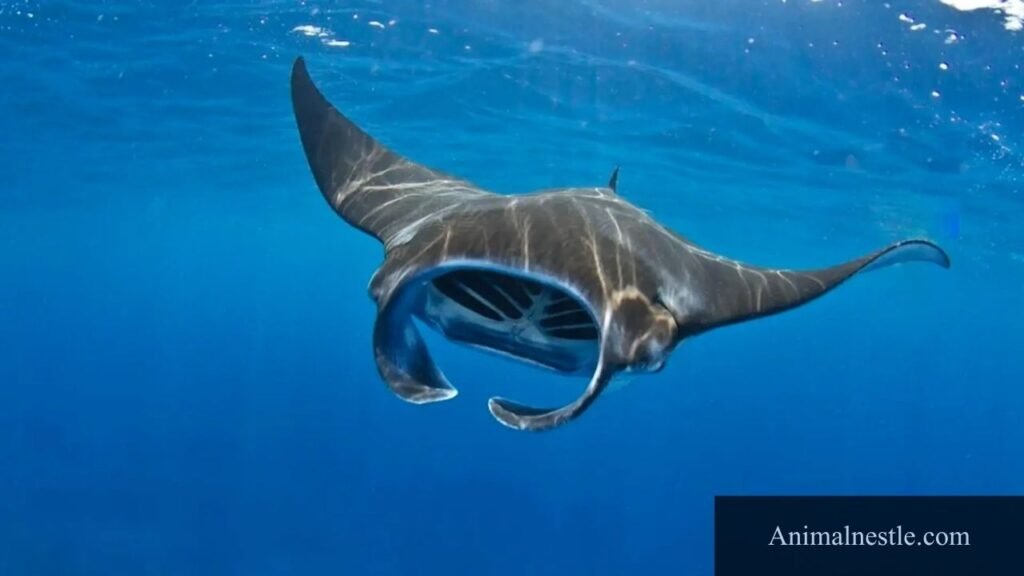
One of the most fascinating aspects of manta rays is their remarkable intelligence. Recent studies suggest that they may possess the ability for problem-solving and social interaction, displaying behaviors akin to those of larger-brained mammals. Furthermore, certain manta ray populations engage in migratory patterns that can span thousands of miles, driven by the seasonal availability of their primary food source — plankton. This migratory behavior highlights not only their adaptability but also the critical interplay between marine ecosystems and climate change, as shifts in oceanic conditions can directly impact their survival and feeding habits.
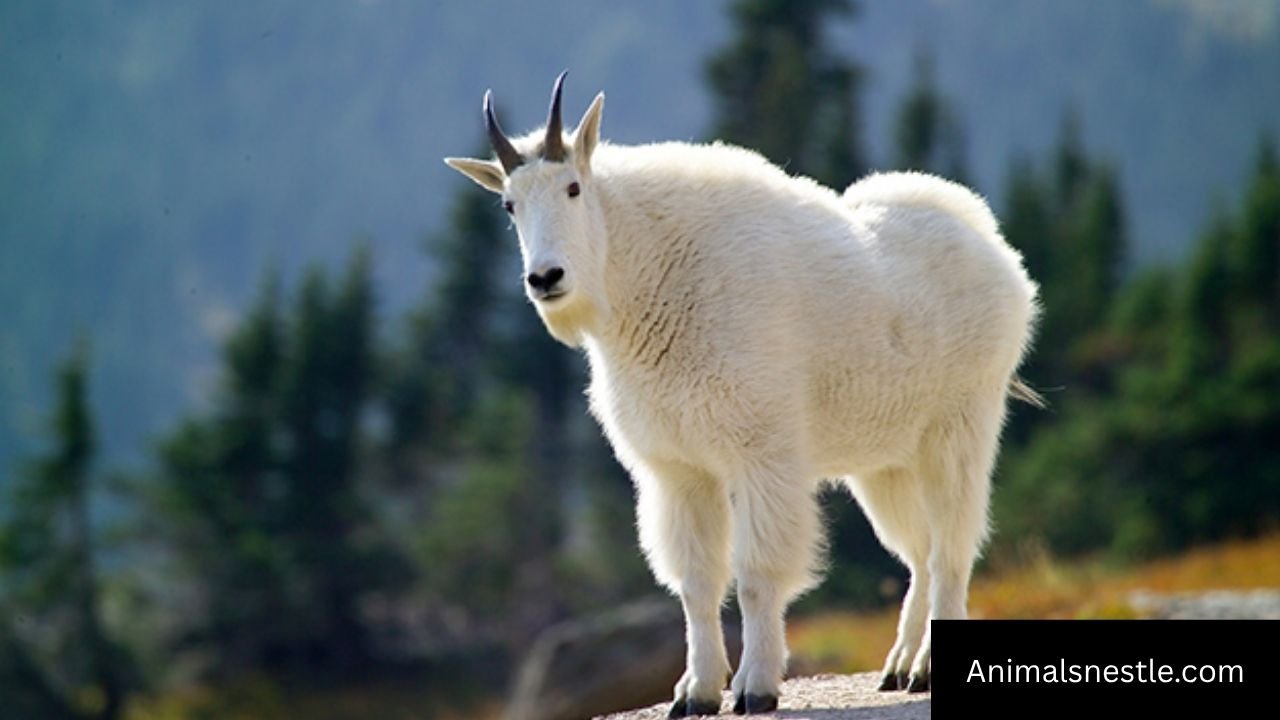
Mountain Goat
Scientific Name: Oreamnos americanus
Class: Mammalia
Diet: Herbivore
Mountain goats, often mistaken for true goats, are fascinating creatures uniquely adapted to their rugged environments. With their impressive balance and agility, they navigate steep, rocky cliffs that would deter most other animals. Their specialized hooves, featuring a hard outer shell and a softer inner pad, provide both grip and stability, allowing them to leap between narrow ledges effortlessly. This remarkable adaptation not only keeps them safe from predators but also gives them access to less competitive feeding grounds high above the forest floor.
Beyond their physical prowess, mountain goats exhibit intriguing social dynamics. They often form tight-knit groups led by matriarchs, particularly during the harsh winters when they need to stay warm and share resources. However, males typically become solitary or form bachelor groups outside of the breeding season, which highlights their fascinating social flexibility. Observing these animals in their natural habitat offers insights into the connections and survival strategies that define not just mountain goats, but many wildlife species thriving in extreme ecosystems. Their resilience serves as a powerful reminder of nature’s ability to adapt and thrive against the odds.
Meerkat
Scientific Name: Suricata suricatta
Class: Mammalia
Diet: Omnivore
Meerkats are more than just adorable desert dwellers. They belong to the mongoose family and primarily inhabit the arid environments of southern Africa. These small animals possess a unique social structure, living in tight-knit family groups known as mobs, which can include up to 40 individuals. This collective lifestyle allows them to thrive in their harsh surroundings, as they share responsibilities like foraging and guarding against predators, creating a fascinating example of cooperation in the animal kingdom.
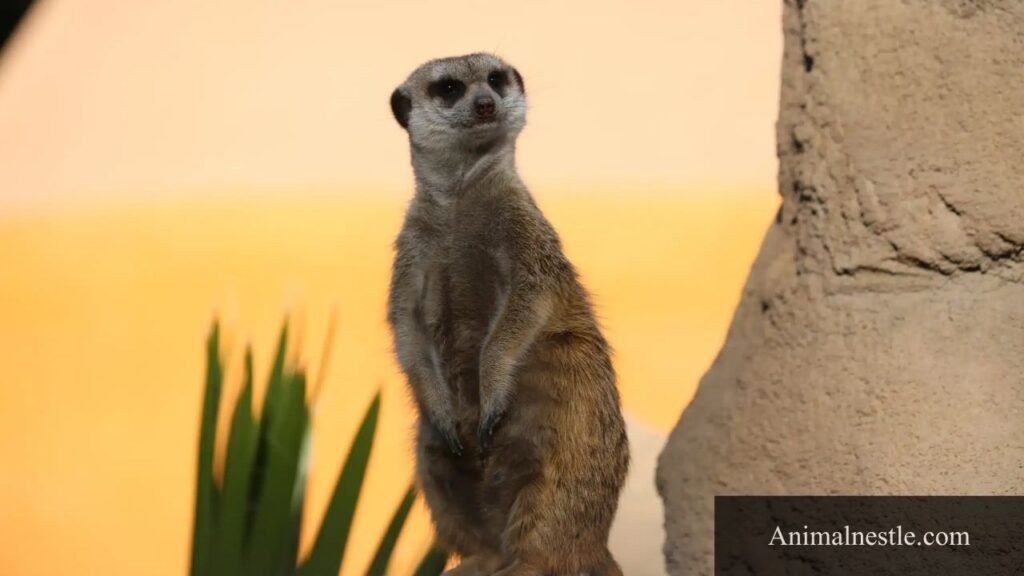
In addition to their communal living, meerkats are exceptionally adept communicators. They employ a repertoire of vocalizations — over 30 distinct sounds — that convey everything from alarm signals to playful chirps. Remarkably, the high-pitched alarm call for a snake differs from that for aerial predators, showcasing their sophisticated understanding of threats. Moreover, their deeply embedded social bonds reveal the emotional intelligence within these creatures; they groom and nurture one another, reinforcing the cohesion that is vital for survival in such a demanding habitat. Observing meerkats offers a tantalizing glimpse into the intricate fabric of social dynamics among animals, blending humor, strategy, and warmth in a unified survival story.
Readmore: Explore Top 33 Animals That Start With F.
Maggot
Scientific Name: Musca domestica
Class: Insecta
Diet: Omnivore
Maggots are often misunderstood creatures that play vital roles in ecosystems. Notably, they act as nature’s clean-up crew, feeding on decaying organic matter and helping to decompose waste. This process is crucial for nutrient cycling, as it enriches the soil and fosters the growth of various plants. Without these industrious little scavengers, decomposition would slow dramatically, leading to a buildup of waste and potential disease.
The physiological makeup of maggots is highly specialized. Equipped with a unique digestive system, they can break down substances that many organisms cannot, including those that are toxic. This adaptation not only aids in waste management but also serves as a rich source of nutrition, making them an attractive option for animal feed and sustainable protein sources in human diets. Furthermore, studies show that some species of maggots can even assist in wound healing, showcasing their potential in medical applications. Engaging with these critters reveals a complex web of life where every creature, no matter how small, contributes to a greater ecological balance.
Mallard
Scientific Name: Anas platyrhynchos
Class: Aves
Diet: Omnivore
The Mallard duck is more than just a common sight in ponds and parks; it holds a pivotal role in ecosystem health. These adaptable birds thrive in a range of habitats, from tranquil marshes to bustling urban waterways, showcasing their remarkable ability to cohabit with various environments. Their migratory patterns are evidence of their instinctual navigation skills; each year, they travel thousands of miles between breeding and wintering grounds, demonstrating a fascinating connection to seasonal changes.
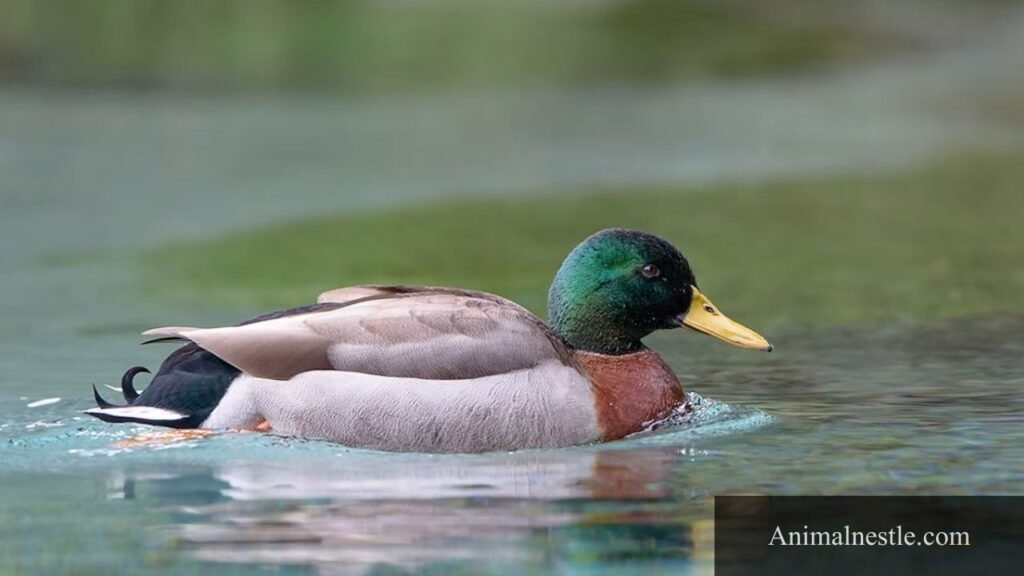
Mallards exhibit complex social behaviors and hierarchies that are often overlooked. While they are famous for their quacking, these ducks communicate through a variety of vocalizations, each serving a unique purpose — from courting to warning of danger. Interestingly, their vivid plumage not only attracts mates but also serves as a crucial element in their survival. The striking females, with their mottled brown feathers, provide perfect camouflage against predators. This duality of beauty and practicality highlights the intricate balance that defines nature’s designs and the vital roles these seemingly simple birds play in their ecosystems.
Massasauga
Scientific Name: Sistrurus catenatus
Class: Reptilia
Diet: Carnivore
The Massasauga rattlesnake, a small but striking reptile, often goes unnoticed in its natural habitat. Found primarily in the Great Lakes region, this snake can be distinguished by its grayish-brown coloration, adorned with dark blotches that provide excellent camouflage in the wetlands and grasslands it inhabits. Unlike many of its larger rattlesnake relatives, the Massasauga is relatively docile, preferring to avoid confrontation rather than strike. This timid nature plays a crucial role in its survival, as habitat loss and human encounters continue to threaten its populations.
One fascinating aspect of the Massasauga is its ability to regulate its body temperature through behavioral adaptations. Typically, they emerge during the day in cooler months to bask in the sun, while in warmer periods, they become crepuscular, hunting primarily at dawn or dusk. Their diet mainly consists of small mammals, amphibians, and birds, which they capture using their lethal venom — a tool that, rather than being a source of aggression, serves to immobilize prey quickly and efficiently. Understanding these unique behaviors highlights the delicate balance of their ecosystems, emphasizing the importance of conservation efforts to protect not only this intriguing species but also the diverse habitats they represent.
Mole
Scientific Name: Talpidae
Class: Mammalia
Diet: Carnivore
Moles are fascinating creatures, primarily known for their unique subterranean lifestyle. These small, furry mammals possess extraordinary adaptations for life underground, such as their cylindrical bodies, powerful front paws, and velvety fur. Interestingly, moles can dig up to 18 feet in an hour, creating elaborate tunnel systems that serve not only as homes but also as hunting grounds for their primary diet of earthworms and insects.
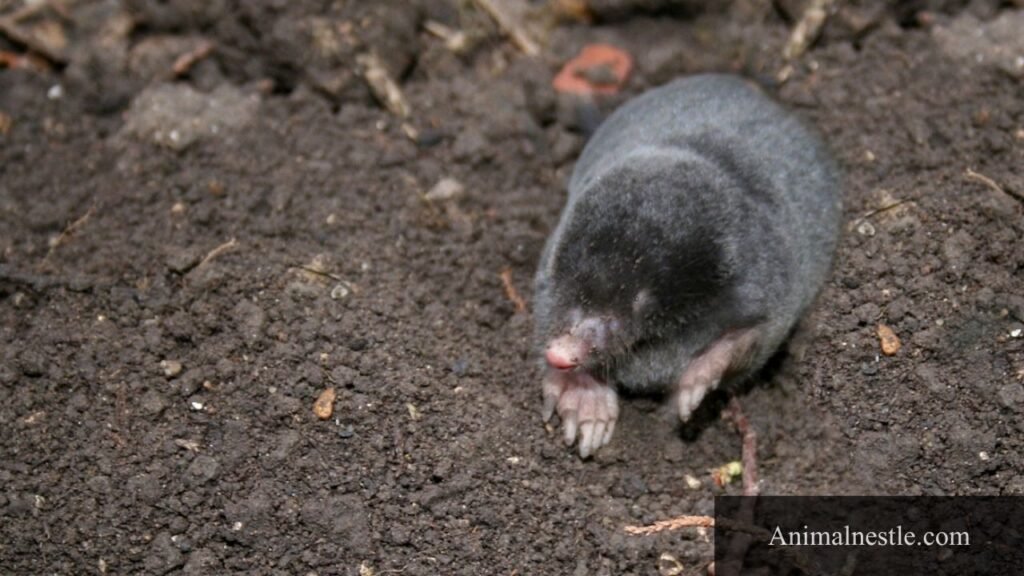
What sets moles apart is their remarkable sensitivity to vibrations and changes in soil pressure. Their tiny eyes, often reduced to mere slits, don’t contribute much to vision but are compensated by their acute sense of touch and smell. Moreover, some species, like the star-nosed mole, have unique sensory organs that resemble a starburst, allowing them to feel their way through the dark, rich earth while foraging. This enchanting evolutionary quirk highlights the diversity of life and how species can thrive in environments we might consider inhospitable.
Macaroni Penguin
Scientific Name: Eudyptes chrysolophus
Class: Aves
Diet: Carnivore
The Macaroni Penguin, with its iconic yellow plume and vibrant orange bill, stands as a striking symbol of the Antarctic’s unique wildlife. These charismatic birds are not just about good looks; they are remarkably social creatures that thrive in large colonies, sometimes numbering in the tens of thousands. Their distinctive call, a loud, braying sound, serves as a crucial means of communication amidst the chaotic din of their bustling communities. Interestingly, their breeding behavior is equally fascinating; they form strong, monogamous pairs that typically reunite each year, showcasing a level of commitment rarely seen in the animal kingdom.
What truly sets the Macaroni Penguin apart is its adaptability in an ever-changing environment. Despite the adverse conditions of their southern habitats, these penguins are skilled foragers, diving to depths of over 100 meters to hunt for krill, fish, and squid. Recent studies have shown that they possess remarkable spatial memory, enabling them to navigate vast oceanic expanses efficiently and return to their nests with food for their chicks. However, as climate change impacts their habitat, researchers are closely monitoring these penguins to understand how their populations respond to shifting ice patterns and decreasing prey availability, highlighting just how interconnected their survival is with the health of the marine ecosystem.
Macaw
Scientific Name: Psittacidae
Class: Aves
Diet: Herbivore
Macaws are not just visually stunning; their intelligence and social behaviors make them fascinating creatures. With their vibrant plumage and strong personalities, these birds are known for their problem-solving skills and capacity for mimicry, often imitating human speech and environmental sounds. This ability reflects not only their high intelligence but also their need for social interaction, as they thrive in flocks in the wild, communicating through a range of vocalizations.
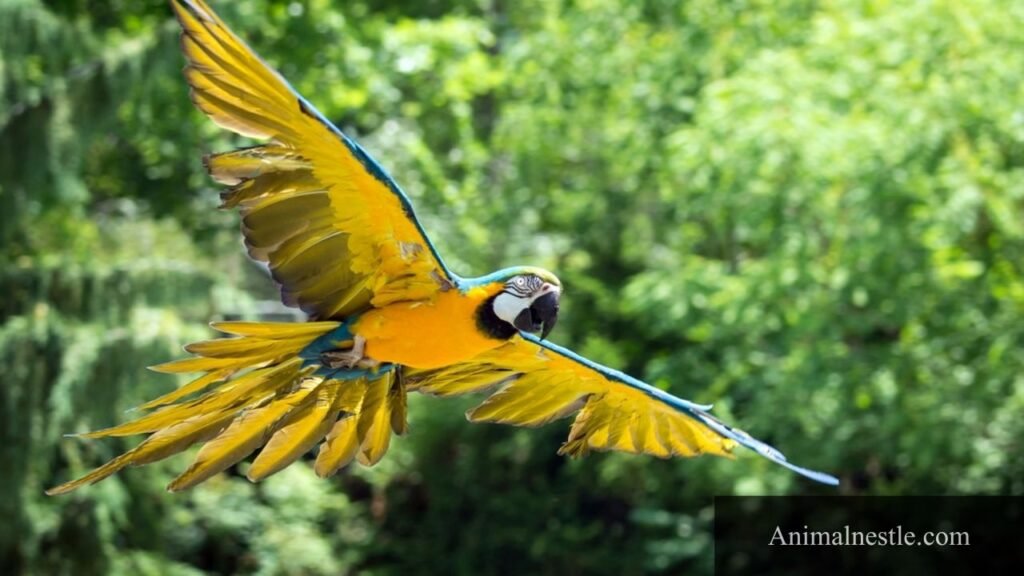
Ecologically, macaws play a crucial role in their habitats, particularly in rainforest ecosystems. As seed dispersers, they facilitate the growth of various tree species, which in turn supports the rich biodiversity of their environment. However, many macaw species are threatened due to habitat loss and the illegal pet trade. Conservation efforts are vital to ensure their survival, emphasizing the need for sustainable practices and awareness of the ecological balance these magnificent birds help maintain. Engaging in conservation initiatives also invites a deeper connection with nature, allowing us to appreciate the symbiotic relationships within our ecosystems.
Mink
Scientific Name: Neogale vison
Class: Mammalia
Diet: Carnivore
Minks, with their sleek fur and agile bodies, are fascinating creatures that belong to the weasel family. Found in both North America and Europe, these semi-aquatic mammals thrive in a variety of habitats, including wetlands, rivers, and forests. Their unique adaptations, such as webbed feet and waterproof fur, make them exceptional swimmers, allowing them to hunt a range of aquatic prey. Unlike many terrestrial predators, minks exhibit an intriguing versatility in their diet, feasting on everything from fish and amphibians to small mammals and birds.
Beyond their hunting prowess, minks are also known for their complex social behaviors. While often solitary, they can form loose family groups, especially during breeding seasons. These relationships are not just for mating; they also engage in playful interactions, showcasing a level of social intelligence that often goes unnoticed in smaller carnivores. However, their captivating presence in the wild has also led to their domestication, resulting in the rise of mink farming for their luxurious fur, which raises ethical questions about animal welfare and conservation. As we continue to explore the lives of minks, it becomes clear that these remarkable animals play a vital role in their ecosystems, highlighting an interconnectedness that deserves greater appreciation.
Macaque
Scientific Name: Macaca
Class: Mammalia
Diet: Omnivore
Macaques, particularly recognizable for their expressive faces and social structures, thrive in diverse environments from snowy mountains to tropical forests. These adaptable primates showcase a fascinating blend of intelligence and behavior, often forming intricate social hierarchies that mirror human communities. They are not just foragers; some species, like the Japanese macaque, are known for their unique cultural habits, such as soaking in hot springs during winter months, highlighting their ability to learn and adapt to their surroundings.
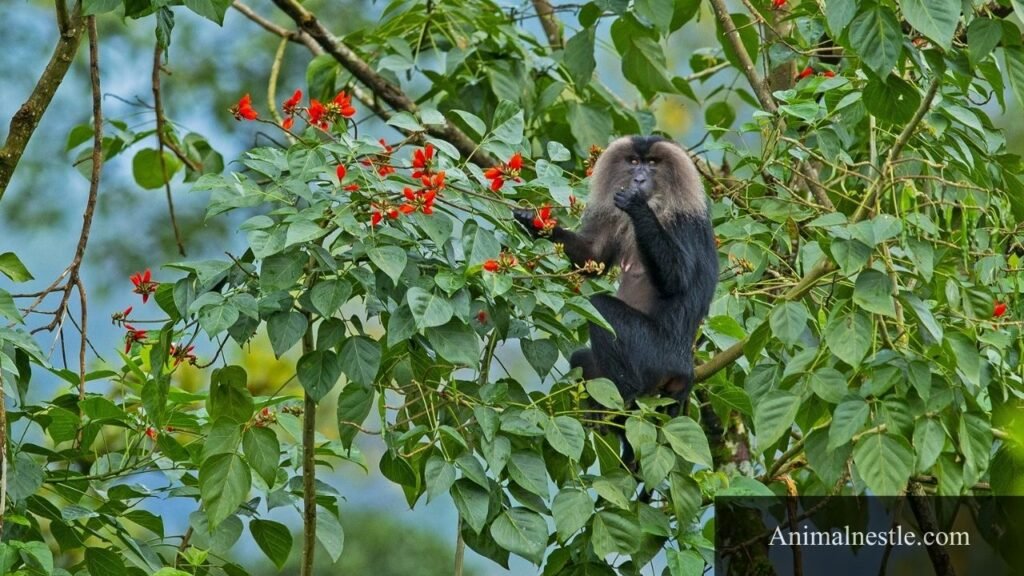
An intriguing aspect of macaque behavior is their use of tools, a trait once thought to be exclusive to hominins. Some groups have been observed using stones to crack open hard-shelled nuts or using sticks to retrieve insects, demonstrating a level of problem-solving that sheds light on primate cognition. Moreover, their vocalizations and body language are sophisticated, enabling them to communicate effectively within their troops. Understanding these dynamics not only enhances our appreciation of macaques but also invites deeper discussions on the evolution of intelligence across species.
Mountain Lion
Scientific Name: Puma concolor
Class: Mammalia
Diet: Carnivore
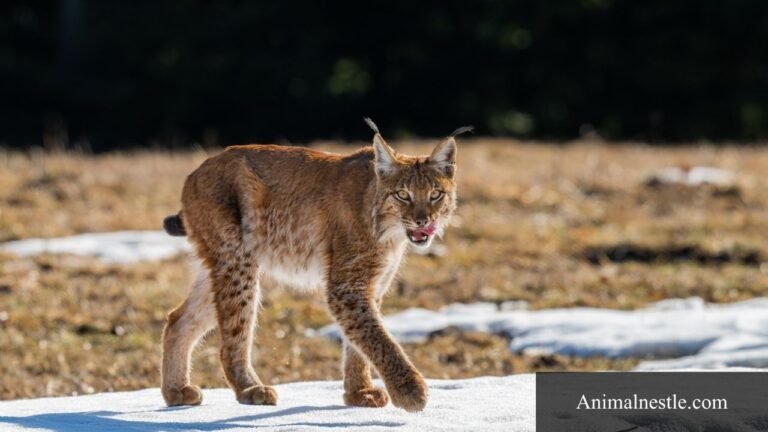
Mountain lions, also known as cougars or pumas, are fascinating creatures that embody both mystery and majesty in the wild. These adaptable felines are found across North and South America, showcasing an impressive range that spans diverse ecosystems, from arid deserts to lush forests. Unlike many other big cats, mountain lions thrive in a variety of habitats but prefer areas with dense, rugged terrain that offers ample cover for their stealthy hunting strategies.
Incredibly agile and powerful, mountain lions are solitary predators, known for their ability to leap up to 40 feet in a single bound. Their diet is primarily composed of deer, but they are opportunistic hunters, showcasing remarkable versatility by preying on smaller animals when necessary. Unlike their louder feline counterparts, mountain lions communicate through a series of low growls, hisses, and even a distinctive “scream,” which can be startling to those unfamiliar. This elusive behavior, combined with their secretive nature, often leaves us wondering about the true extent of their population and habits in the wild.
Mussel
Scientific Name: Mytilidae
Class: Bivalvia
Diet: Omnivore
Mussels are fascinating creatures that play a crucial role in aquatic ecosystems. These bivalve mollusks are filter feeders, meaning they consume microscopic plankton and other particulates from the water, effectively acting as natural water purifiers. A single mussel can filter up to 20 gallons of water a day, removing pollutants and contributing to clearer, healthier habitats for other marine organisms.
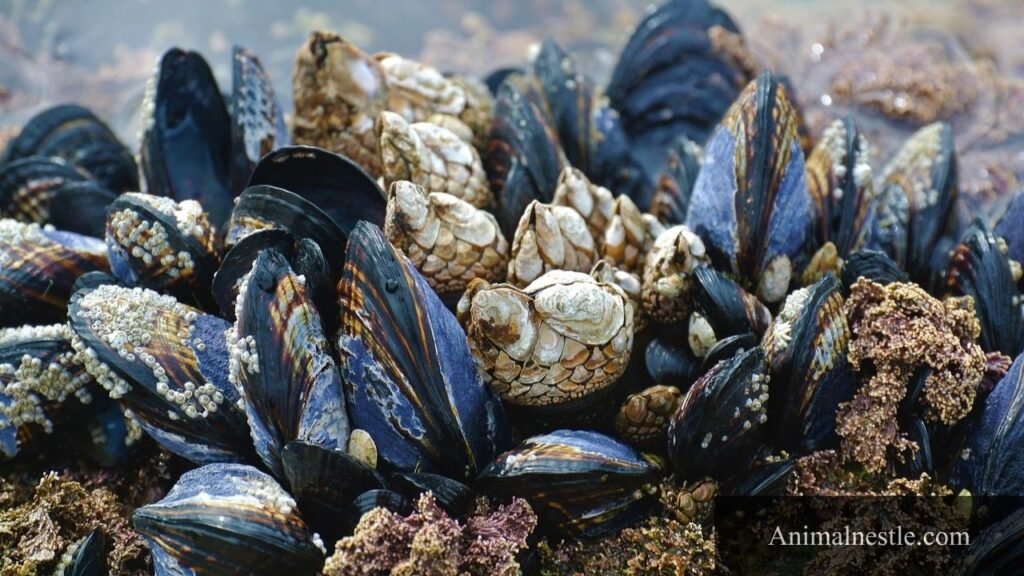
Beyond their ecological importance, mussels exhibit remarkable adaptability and resilience. Found in both freshwater and saltwater environments, they can thrive in diverse conditions, from temperate coastal regions to murky riverbeds. Some species, like the zebra mussel, have even shown an uncanny ability to invade new habitats, albeit with significant ecological consequences. This adaptability begs the question: what lessons can we learn from their tenacity in the face of changing environments? As climate change continues to challenge marine life, understanding the biology and behavior of mussels may reveal critical strategies for conservation and sustainability.
Magpie
Scientific Name: Pica pica
Class: Aves
Diet: Omnivore
The magpie, often overshadowed by its more famous avian relatives, is a remarkable creature with a rich tapestry of behavior and intelligence. Known for their striking black and white plumage, these birds possess a level of cognitive ability that rivals many of the world’s most celebrated animals. Research has shown that magpies can recognize themselves in mirrors, a trait that only a few species, including great apes and dolphins, boast. This self-awareness suggests a complex social structure and intricate personal relationships within their flocks.
Beyond their intelligence, magpies exhibit a fascinating blend of curiosity and playfulness. They’re known to engage in elaborate games, sometimes even using found objects as tools or toys — a refreshing contrast to the archetypal ‘birdbrain’ stereotype. Moreover, their vocalizations are complex, filled with a wide range of sounds that convey different messages, indicating a highly developed form of communication. Interestingly, magpies are also scavengers with a unique appetite for shiny objects, often leading them to collect trinkets, which adds a layer of mystery to their behavior and invites intrigue into how they interact with their environment. As urban landscapes evolve, these adaptable birds are becoming modern-day icons of wildlife resilience, thriving in areas where many other species struggle.
Mule
Scientific Name: Equus mulus
Class: Mammalia
Diet: Herbivore
Mules, the hybrid offspring of a male donkey and a female horse, are remarkably unique animals known for their incredible strength and stamina. One of their most intriguing characteristics is their combination of traits from both parent species, resulting in an animal that often exhibits the size and agility of a horse alongside the sure-footedness and resilience of a donkey. This makes them invaluable in agricultural and mountainous regions, where rugged terrain presents challenges for other livestock.
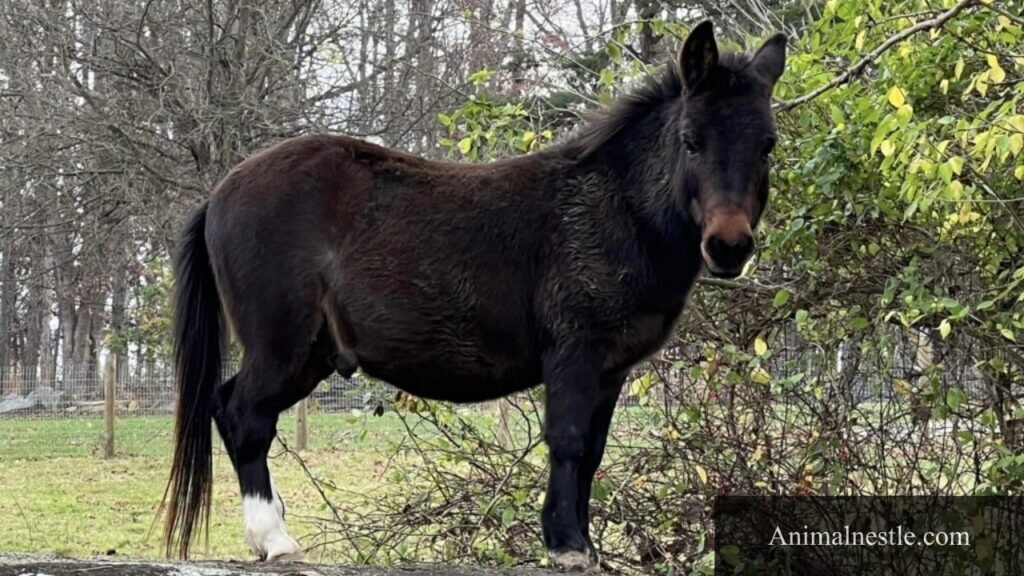
Beyond their impressive physical attributes, mules showcase distinct behavioral traits that set them apart as intelligent and curious animals. Unlike horses, mules possess a cautious nature that often leads them to assess risks before taking action, a trait that has earned them the reputation of being more reliable in difficult conditions. Their longevity — often living longer than horses — coupled with lower health issues, makes them an enduring choice for work and companionship. Whether carrying a heavy load on a rocky trail or simply making a lovely household pet, mules exemplify the power of hybrid vigor, showcasing qualities that transcend their lineage.
Manatee
Scientific Name: Trichechus
Class: Mammalia
Diet: Herbivore
Manatees are gentle giants that inhabit warm coastal waters, estuaries, and rivers. These magnificent creatures can grow up to 13 feet long and weigh over 1,300 pounds, yet their diet primarily consists of aquatic vegetation, making them herbivorous grazers of the sea. Unlike many other marine mammals, manatees have a unique feeding adaptation: their large, flexible lips allow them to deftly maneuver and uproot seagrasses from the ocean floor, showcasing their remarkable ability to thrive in their aquatic habitat.
What truly sets manatees apart is their social and curious nature. Often observed in groups, they display a level of communication that remains a subject of research; underwater vocalizations, gentle nuzzling, and playful interactions suggest deep emotional ties among individuals. Interestingly, manatees possess a keen sense of environmental awareness — often navigating complex waterways with impressive precision. Sadly, the threats they face, especially from habitat destruction and boat collisions, underscore the importance of conservation efforts to ensure these unique marine mammals continue to flourish in their natural surroundings. By understanding and appreciating their role in the ecosystem, we can better advocate for their preservation and the health of aquatic habitats.
Mandrill
Scientific Name: Mandrillus sphinx
Class: Mammalia
Diet: Omnivore
Mandrills are among the most vibrant primates, known for their striking facial coloration that includes cobalt blue and vivid red hues. These colors aren’t just for show; they play a critical role in social interactions and communication within their troops. The intensity of a mandrill’s coloring can reflect its health and status, making it easier for other mandrills to gauge dominance and reproductive fitness during social encounters.
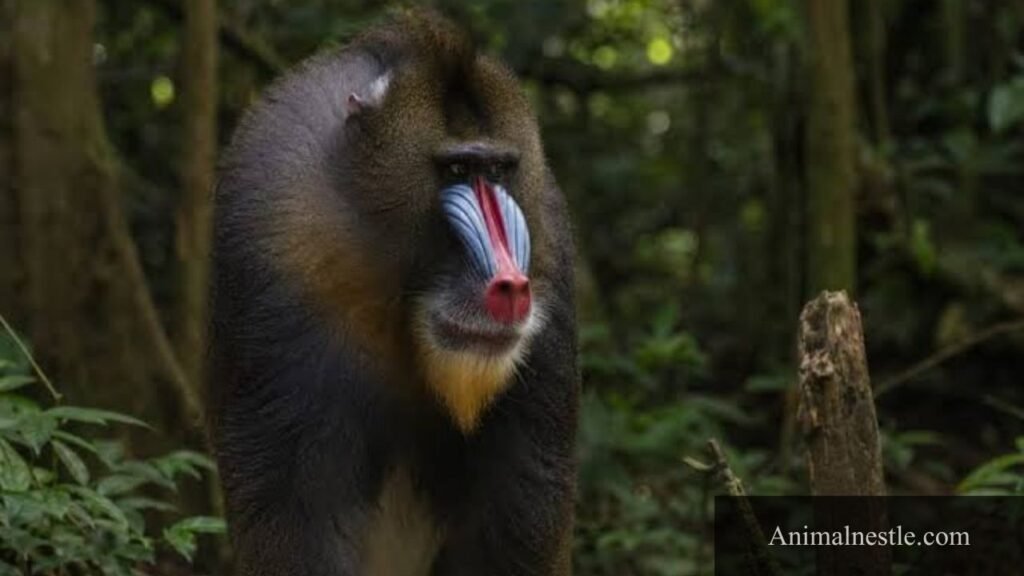
Living in the dense tropical rainforests of Central Africa, mandrills are excellent foragers, primarily feeding on fruits, seeds, and small invertebrates. Their keen sense of smell helps them locate food hidden beneath the foliage. Remarkably, they play a vital role in their ecosystem by dispersing seeds throughout the forest, thereby contributing to the health of their habitat. Despite their social nature, with troops often numbering up to 800 individuals, mandrills can spend considerable time foraging alone, showcasing a fascinating blend of social and solitary behavior. Their complex relationships and vibrant colors make them a unique subject of study in primate behavior and ecology.
Mongoose
Scientific Name: Herpestidae
Class: Mammalia
Diet: Carnivore
The mongoose, often celebrated for its fearless demeanor, is a small but fascinating creature found across Africa, Asia, and some parts of Europe. One of its most remarkable features is its ability to engage in deadly duels with venomous snakes, showcasing not only its agility but also its quick reflexes. This aversion to danger is deeply ingrained in its genetic makeup, allowing the mongoose to absorb the bites of many snakes and still have time to retaliate. Such encounters have made the mongoose a symbol of bravery in various cultures, painting it as a hero in folklore.
Beyond its impressive snake-fighting skills, the mongoose is a highly social animal, frequently forming tight-knit family groups. This social structure enables them to effectively hunt and defend their territory. Interestingly, some species exhibit cooperative breeding behaviors, where individuals contribute to raising the young of others in their group. This social dynamic sheds light on the complex social lives of these animals, revealing an intricate balance between self-preservation and community support. As researchers continue to explore the mongoose’s behavior, they uncover not only survival strategies but also insights into the evolution of social structures in the animal kingdom.
Milk Snake
Scientific Name: Lampropeltis triangulum
Class: Reptilia
Diet: Carnivore
Milk snakes are fascinating creatures, often mistaken for venomous coral snakes due to their striking color patterns. However, these non-venomous members of the colubrid family thrive in diverse habitats, from forests to grasslands across North America. Their distinctive bands of red, black, and yellow or white serve as both camouflage and a warning display against potential predators, embodying nature’s artistry in survival.
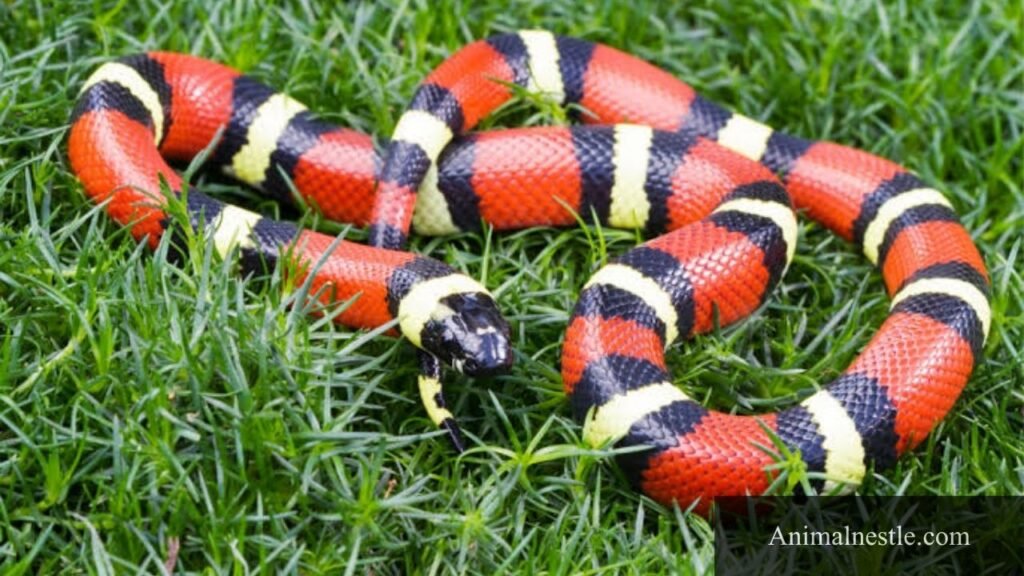
What sets milk snakes apart is their remarkable adaptability. They are skilled climbers and swimmers, often seen basking on sunlit rocks or nestled within crevices. Interestingly, milk snakes exhibit a behavior known as mimicry, which allows them to enhance their chances of survival by imitating the appearance of more dangerous snake species. In addition to this survival tactic, these snakes boast an intriguing diet, primarily consisting of small rodents and even other snakes, which showcases their opportunistic feeding habits.
Marmot
Scientific Name: Marmota
Class: Mammalia
Diet: Herbivore
Marmots are fascinating members of the rodent family, known for their striking social structures and interactions. Living primarily in mountainous regions, these furry creatures thrive in high-altitude habitats, exhibiting a remarkable adaptability to their surroundings. Marmots are often seen basking in the sun, taking advantage of the warmth to regulate their body temperature. They communicate extensively through a series of whistles and chirps, which serve as both warnings and social bonding mechanisms within their colonies.
One intriguing aspect of marmot behavior is their hibernation cycle. As they prepare for winter, these thick-furred animals engage in a complex process of building up fat reserves to sustain them during months of dormancy. Their hibernation is not a simple sleep; rather, it’s a strategic retreat where their metabolic rates plummet, conserving energy. This adaptation exemplifies not only their survival instincts but also their connection to seasonal changes in the environment, showcasing how finely tuned they are to the rhythms of nature. Observing marmots in the wild offers a glimpse into a vibrant social world, where each call and interaction plays a vital role in the community’s well-being.
Muskrat
Scientific Name: Ondatra zibethicus
Class: Mammalia
Diet: Omnivore
Muskrats possess unique adaptations that make them fascinating creatures. These semi-aquatic rodents, typically found in North America, showcase an impressive ability to thrive in diverse environments — from marshes and rivers to lakes and ponds. Their webbed feet enable swift movement through water, while their fur is not just stylish but functional, providing insulation in chilly waters. Interestingly, muskrats also engage in a behavior known as “food caching,” where they stockpile vegetation for winter, illustrating a remarkable foresight in survival.
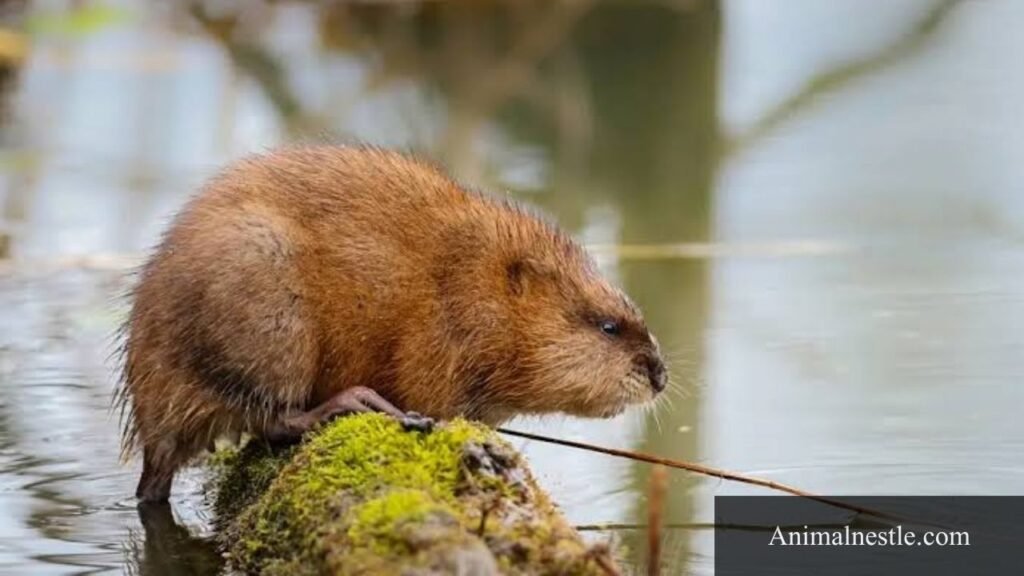
Social creatures at heart, muskrats often live in small family groups, crafting intricate burrows and lodges in the wetlands. These homes, built from vegetation and mud, not only serve as nests but also play a crucial role in maintaining the local ecosystem. By consuming vast quantities of aquatic plants, muskrats contribute to habitat balance, preventing overgrowth and promoting biodiversity. This essential role underscores their importance — a reminder that even the smallest creatures can have a monumental impact on their environment. As climate change continues to affect their habitats, understanding and protecting muskrats becomes vital for maintaining the health of wetlands.
Mouflon
Scientific Name: Ovis gmelini
Class: Mammalia
Diet: Herbivore
Mouflon, a wild sheep native to the mountainous regions of Europe and Asia, embodies resilience and adaptability in the face of changing environments. Known for their striking horns and agile bodies, these animals are often regarded as the ancestors of modern domestic sheep. Their unique social structure is also fascinating; they form small groups or herds, showcasing a dynamic social hierarchy that influences their grazing patterns and mating rituals. Observing a mouflon’s interaction within its herd offers a glimpse into the sophisticated communication methods that underline their survival instincts.
One of the most compelling aspects of mouflon is their adaptability to harsh habitats. These animals are equipped with a specialized digestive system that allows them to thrive on a diet scarce in nutrients. Their foraging behavior is finely tuned to their environment, demonstrating a remarkable relationship between instinct and resourcefulness. As they navigate rocky terrains, mouflon exhibit agility that belies their size, allowing them to escape predators effectively. Conservation efforts are increasingly vital as habitat loss threatens their populations, making it essential to raise awareness about their ecological role and the rich biodiversity they represent.
Mugger
Scientific Name: Crocodylus palustris
Class: Reptilia
Diet: Carnivore
The Mugger crocodile is a fascinating and adaptable reptile primarily found in freshwater habitats across the Indian subcontinent, parts of the Middle East, and Southeast Asia. Unlike its more notorious relatives, the saltwater crocodile, the Mugger thrives in a variety of environments, from rivers and lakes to marshes and wetlands. This adaptability not only aids its survival but also makes it an essential component of its ecosystem, helping to maintain balanced populations of fish and other aquatic life.
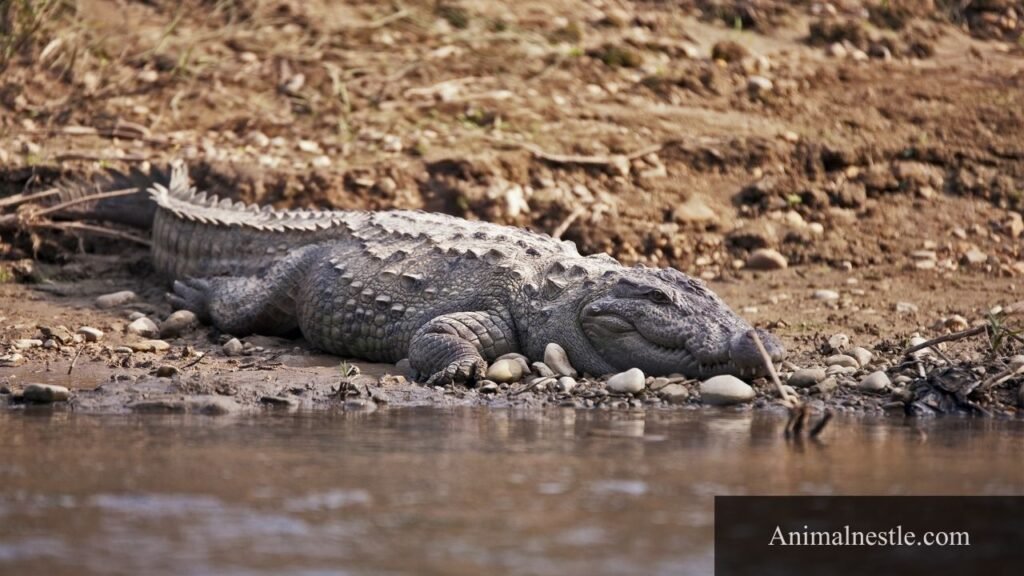
What sets the Mugger apart is its unique hunting strategy. Often seen basking on riverbanks, it exhibits both ambush and active hunting techniques, targeting prey such as fish, birds, and small mammals. Interestingly, Muggers are also known for their social behavior, sometimes forming small groups, unlike many other crocodilian species. Their vocalizations can be quite sophisticated, from the deep growls used for territory marking to softer sounds during courtship, showcasing a level of communication that intrigues researchers.
Moose
Scientific Name: Alces alces
Class: Mammalia
Diet: Herbivore
Moose, the largest members of the deer family, are magnificent creatures that embody the rugged wilderness of North America and parts of Europe and Asia. Standing up to 6.5 feet tall at the shoulder and weighing as much as 1,500 pounds, their imposing size is complemented by long legs and a distinctive broad, palmate antler spread in males. These impressive antlers can span up to six feet, making them a striking feature during mating season, where they are used in displays of dominance and courtship.
Despite their size, moose are surprisingly agile swimmers, often diving into the water to graze on aquatic vegetation. Able to hold their breath for up to 30 seconds, they can plunge to depths of 18 feet, showcasing a unique adaptation that allows them to access a food source that many other land mammals cannot. Their long legs help them maneuver through deep snow during harsh winters, a critical survival trait in their often frigid habitats.
Moth
Scientific Name: Lepidoptera
Class: Insecta
Diet: Herbivore
Moths are often overshadowed by their more glamorous relatives, butterflies, but these nocturnal wonders have unique adaptations that allow them to thrive in diverse environments. One fascinating aspect of moths is their incredible ability to navigate using the Earth’s magnetic field. Studies have revealed that certain species, like the Indian Meal Moth, can detect magnetic variations, guiding them effectively during migrations or nightly foraging, illustrating a complexity in their behavior not often appreciated.
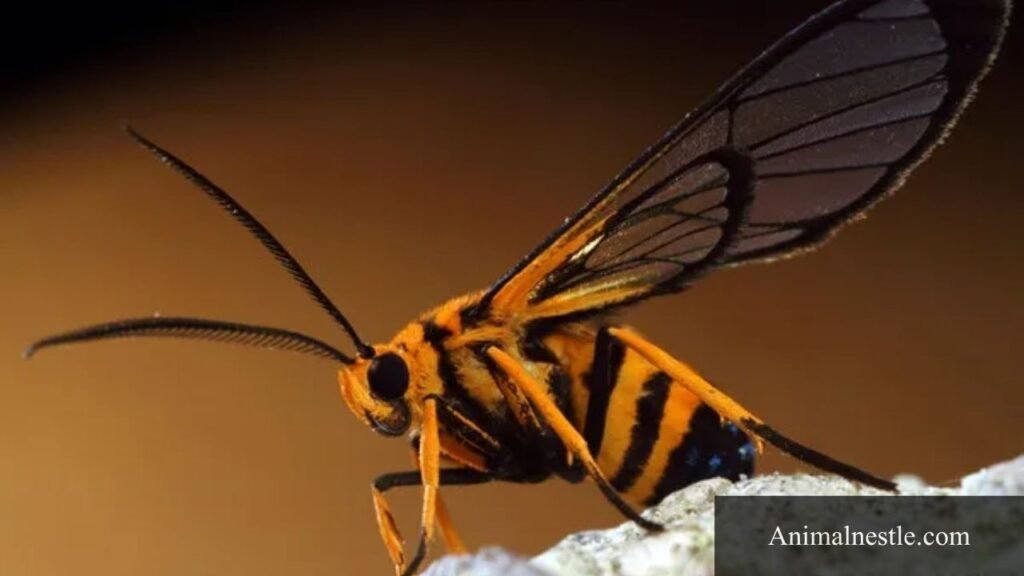
Beyond navigation, moths possess an extraordinary array of camouflage techniques. Many rely on their wing patterns and textures to blend seamlessly into their surroundings, evading predators. Some species, like the Owl Moth, have eye spots on their wings that mimic the eyes of larger animals, deterring potential threats. Moths are not just passive participants in ecosystems; they serve as key pollinators, often visiting flowers at night when most other pollinators are in rest. This nocturnal activity supports the reproduction of various plants, highlighting the essential ecological roles these often-misunderstood insects play.
Mississippi Kite
Scientific Name: Ictinia mississippiensis
Class: Aves
Diet: Carnivore
The Mississippi Kite is a remarkable bird of prey possessing both a graceful flight and a striking appearance. With a wingspan of up to 36 inches, these raptors exhibit a unique, buoyant flying style that resembles an aerial ballet; they are often seen soaring effortlessly on thermals. Their slate-gray plumage, accented by a white belly, makes them easy to identify against the blue sky. What truly sets the Mississippi Kite apart, however, is its diet primarily composed of insects, such as dragonflies and grasshoppers, which they catch mid-flight — showcasing their exceptional agility and keen eyesight.
Nesting behavior offers another fascinating glimpse into their lives. Mississippi Kites typically build their nests in tall trees, using sticks and vegetation that blend seamlessly into their surroundings. The breeding season sees both parents actively participating in caregiving, a rarity in the bird world; they vigilantly protect their young while also teaching them vital hunting skills. This cooperative breeding strategy not only boosts the survival rate of their chicks but also fosters a strong family bond that lasts well beyond fledging. Observing these intelligent birds can offer a deeper appreciation for the delicate balance of ecosystems, as their presence signals a healthy insect population and thriving habitats.
Mouse
Scientific Name: Mus musculus
Class: Mammalia
Diet: Omnivore
Mice, often overlooked in the animal kingdom, are fascinating creatures with much more to offer than just being a source of annoyance in homes. Surprisingly social, these small rodents live in complex family structures, where they communicate through a range of sounds, from high-pitched squeaks to ultrasonic vocalizations. Studies have shown that mice demonstrate intricate social behaviors, like grooming and playing, indicating emotional depth that many would not typically associate with such petite beings.
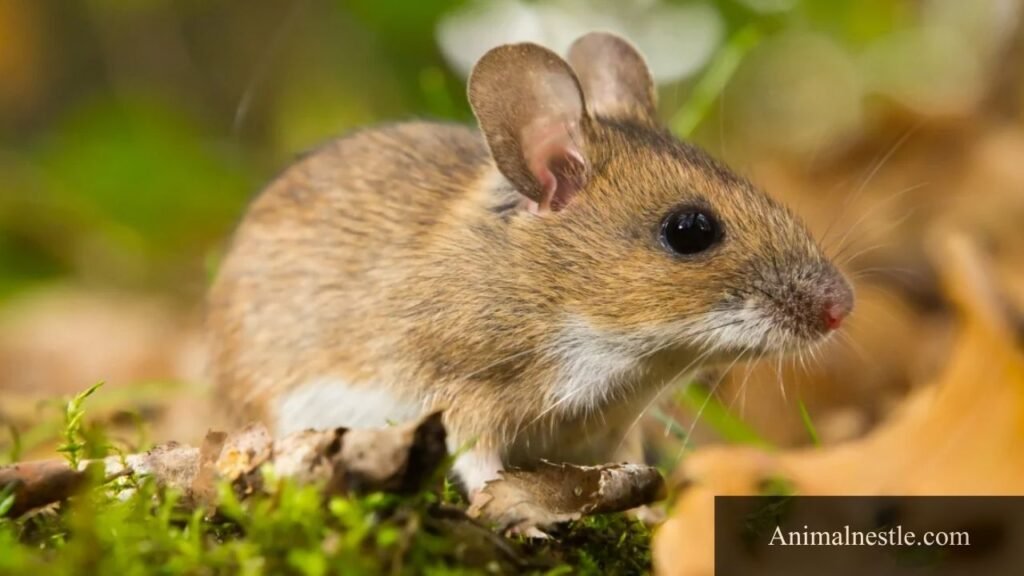
Ecologically, mice play a critical role in various ecosystems as seed dispersers and prey for numerous predators. Their habit of hoarding food not only helps them survive harsh climates but also inadvertently promotes plant growth by scattering seeds. Their voracious appetite for grains and vegetation helps control plant populations, making them indispensable in maintaining balance within their habitats. As we dive deeper into the world of mice, it becomes evident that these small creatures embody an impressive capacity for adaptation and survival, quietly contributing to the vibrant tapestry of life on Earth.
Mantis Shrimp
Scientific Name: Stomatopoda
Class: Malacostraca
Diet: Carnivore
Mantis shrimp are not just remarkable for their vibrant colors; they possess one of the most sophisticated visual systems in the animal kingdom. While humans have three types of color receptors, these extraordinary crustaceans boast up to 16! This incredible array allows them to see ultraviolet light and polarized light, enabling them to detect prey and predators with unmatched precision. Imagine experiencing a world colored in nuances we can’t even fathom, making their underwater realm a dazzling spectacle.
But their superpowers don’t stop at sight. Mantis shrimp are also known for their astonishing punching ability. Some species deliver a blow with the force of a bullet, capable of breaking through shells and even aquarium glass! This strike is not just a simple act of aggression; it represents an intricate evolutionary adaptation for survival. Each punch is a finely-tuned mechanism that employs a spring-loaded limb, showcasing nature’s brilliance in engineering. Watching these creatures in action transcends the ordinary; it’s a theatrical display of strength and strategy in the vibrant universe beneath the waves.
Moray Eel
Scientific Name: Muraenidae
Class: Actinopterygii
Diet: Carnivore
Moray eels with their long, serpentine bodies and sharp teeth, they can seem intimidating, but these fascinating creatures are more than just their looks. Ranging in color from vibrant greens to deep browns, moray eels play a crucial role in their marine ecosystems, helping to maintain the balance by preying on smaller fish and crustaceans. Their natural camouflage allows them to blend seamlessly into their rocky or coral environments, making them adept ambush predators.
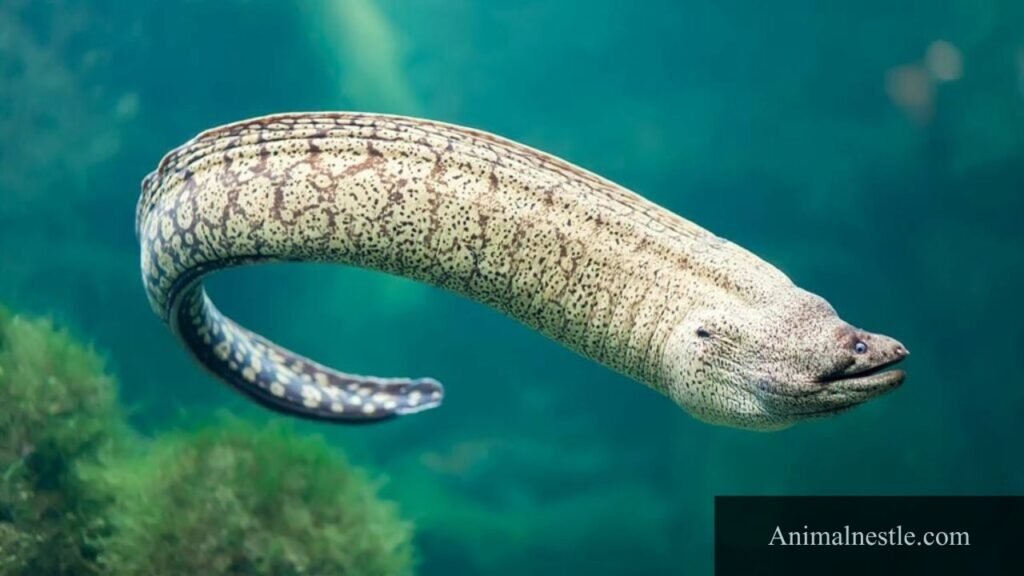
Moray eels possess both a set of retractable jaws and a secondary jaw, known as a pharyngeal jaw, which helps grasp prey with remarkable efficiency. This unique feature is part of their adaptation to hunting in complex underwater terrains. Beyond their hunting prowess, they also exhibit intriguing social behaviors; some species have been observed forming symbiotic relationships with cleaner wrasses, which remove parasites from their skin. This cooperative interaction not only benefits the moray eel’s health, but it also underscores the intricate web of relationships that exist in marine life — a reminder of how interconnected our oceans truly are.
Malayan Tapir
Scientific Name: Tapirus indicus
Class: Mammalia
Diet: Herbivore
The Malayan tapir, a striking herbivore found in the tropical forests of Southeast Asia, sports a unique appearance with its large frame and distinctive black-and-white color pattern. This gentle giant’s coloration serves as an effective camouflage in the dappled sunlight of its forest habitat, allowing it to blend seamlessly into its surroundings. Possessing a prehensile snout, the tapir adeptly navigates through dense vegetation, foraging on leaves, fruits, and aquatic plants. This adaptability not only underscores its evolutionary significance but also highlights its role in seed dispersal, making it an essential contributor to forest regeneration.
Despite its robust physique, the Malayan tapir faces numerous threats, primarily due to habitat loss from logging and agricultural expansion. Conservation efforts are more critical than ever, as this species is classified as endangered. Engaging local communities and raising awareness about the tapir’s ecological importance can foster a sense of stewardship and protection. Remarkably, these solitary animals exhibit nocturnal behavior, leading to intriguing studies about their social structures and interactions, which often remain hidden from the human eye. By appreciating the beauty and significance of the Malayan tapir, we can help ensure that future generations witness this remarkable creature in the wild.
Muskox
Scientific Name: Ovibos moschatus
Class: Mammalia
Diet: Herbivore
Muskoxen, with their long, shaggy coats and impressive curved horns showcases evolutionary resilience. Adapted to the harsh Arctic tundra, these remarkable creatures can withstand temperatures as low as -40 degrees Fahrenheit, thanks to their thick undercoats made of luxurious qiviut, which is eight times warmer than sheep’s wool. This unique adaptation not only protects them from frigid conditions but has also spurred a niche textile industry, attracting sustainable fashion enthusiasts eager for ethically sourced luxury fibers.
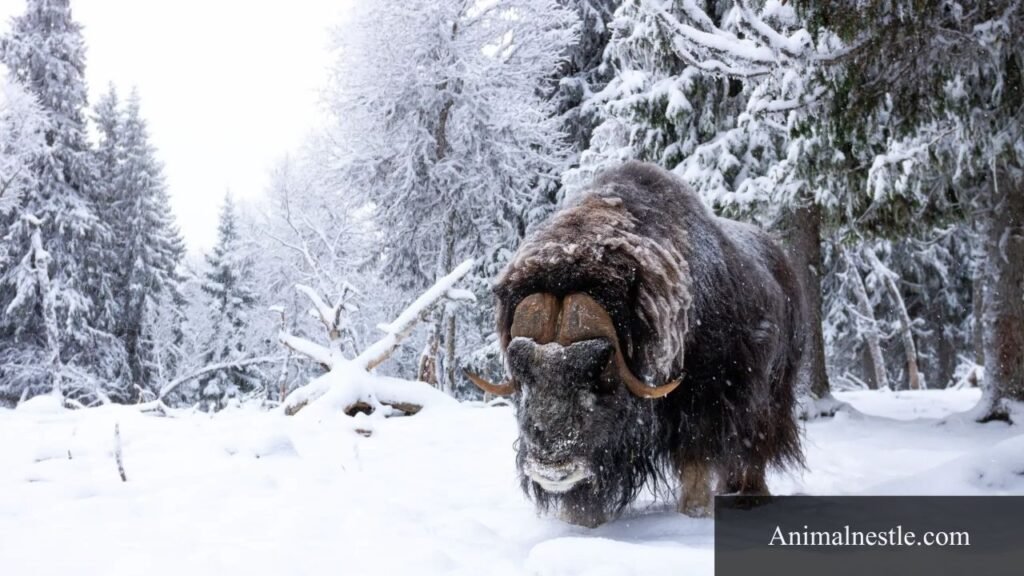
Socially, muskoxen exhibit intriguing behaviors centered around herding and defense. When threatened by predators like wolves, they form a tight circle, with adults protecting the young from the outside. This instinctive behavior highlights their robust social structure and parental dedication. Moreover, research shows that muskoxen communicate through a series of grunts and bellows, which may seem primitive but reveal a complex social network that aids in navigation and group cohesiveness amidst the stark Arctic landscapes. Understanding these behaviors invites a deeper appreciation of their survival strategies and the ecological roles they play in their unique habitats.
Readmore: Explore Top 27 Animals That Start With H.
Final Thoughts
The diverse world of animals that start with the letter M showcases the incredible variety of life on our planet. From majestic mammals like the moose to the mysterious manta ray, each species plays a unique role in its ecosystem. Understanding these animals enhances our appreciation for biodiversity and the importance of conservation efforts. As we explore the characteristics and habitats of these creatures, we remind ourselves of our responsibility to protect their environments. So, let’s take a moment to celebrate these magnificent animals and commit to conserving their natural habitats.
FAQs
What animal starts with an M?
One animal that starts with an “M” is the meerkat. These small, social mammals live in groups called mobs and are known for their playful behavior and upright stance when keeping watch for predators. They’re native to southern Africa and have become popular for their unique, endearing qualities. Another example is the moose. This large deer species is found in North America and northern Eurasia. Moose are recognized for their impressive antlers and long legs, and they often inhabit wooded areas near water sources.
What sea animals start with M?
One notable example is the manta ray, known for its large wingspan and graceful swimming. These gentle giants are filter feeders, often seen gliding through tropical waters. Another interesting sea creature is the moray eel. These eels are typically found hiding in crevices on reefs and are known for their long bodies and sharp teeth. Lastly, you can’t forget about the manatee, often called “sea cows.” These peaceful herbivores inhabit warm coastal waters and rivers, grazing on underwater vegetation.