Top 11 Animals That Eat Their Young (With Pictures)
Did you know that in the animal kingdom, the ultimate act of survival can involve parents consuming their own offspring? “Animals That Eat Their Young” may sound shocking, but this behavior is rooted in instinct and ecological necessity. Understanding this phenomenon not only highlights the harsh realities of nature but also challenges our perceptions of parental care.
In this article, we will explore various species that exhibit this behavior, the reasons behind it, and its implications for survival.
List of Animals That Eat Their Young
Here is the list of animals that eat their young:
- Lion
- Polar Bear
- Chicken
- Chimpanzee
- Sand Tiger Shark
- Blenny Fish
- Prairie Dog
- Hamster
- Sand Goby
- Bullfrog
- Praying Mantis
Lion
Scientific Name: Panthera leo
Class: Mammalia
Diet: Carnivore
In the animal kingdom, the act of a lioness consuming her own cubs may seem brutal, yet it is often a matter of survival. This shocking behavior typically arises in dire circumstances, such as when environmental pressures lead to food scarcity or when a mother senses that her cubs are weak or sickly. By eliminating the weakest members of her litter, the lioness ensures the survival of the fittest — a harsh but pragmatic strategy that allows stronger offspring to thrive.
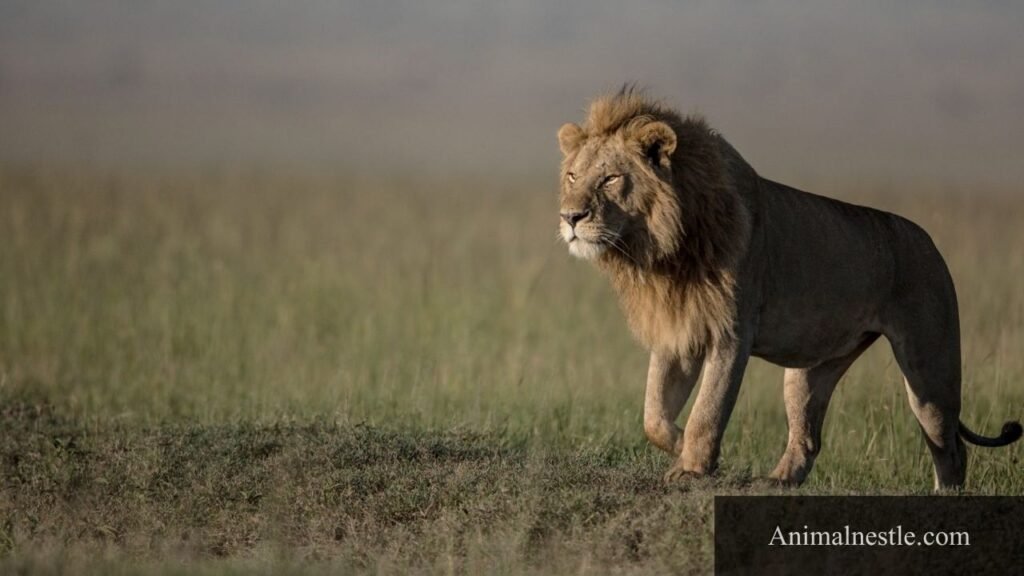
The significance of this behavior extends beyond immediate survival; it influences the genetic strength of future generations. Mothers who adopt this drastic approach may be instinctively investing in a more resilient lineage. Furthermore, in a pride, the presence of vulnerable young can attract unwanted attention from rival males, who may kill cubs to prompt the lioness to come into estrus again. In this light, consuming cubs can also be seen as a means of ensuring a new generation that can better handle the challenges of their environment, encapsulating the relentless cycle of life and nature’s unforgiving edicts.
Polar Bear
Scientific Name: Ursus maritimus
Class: Mammalia
Diet: Carnivore
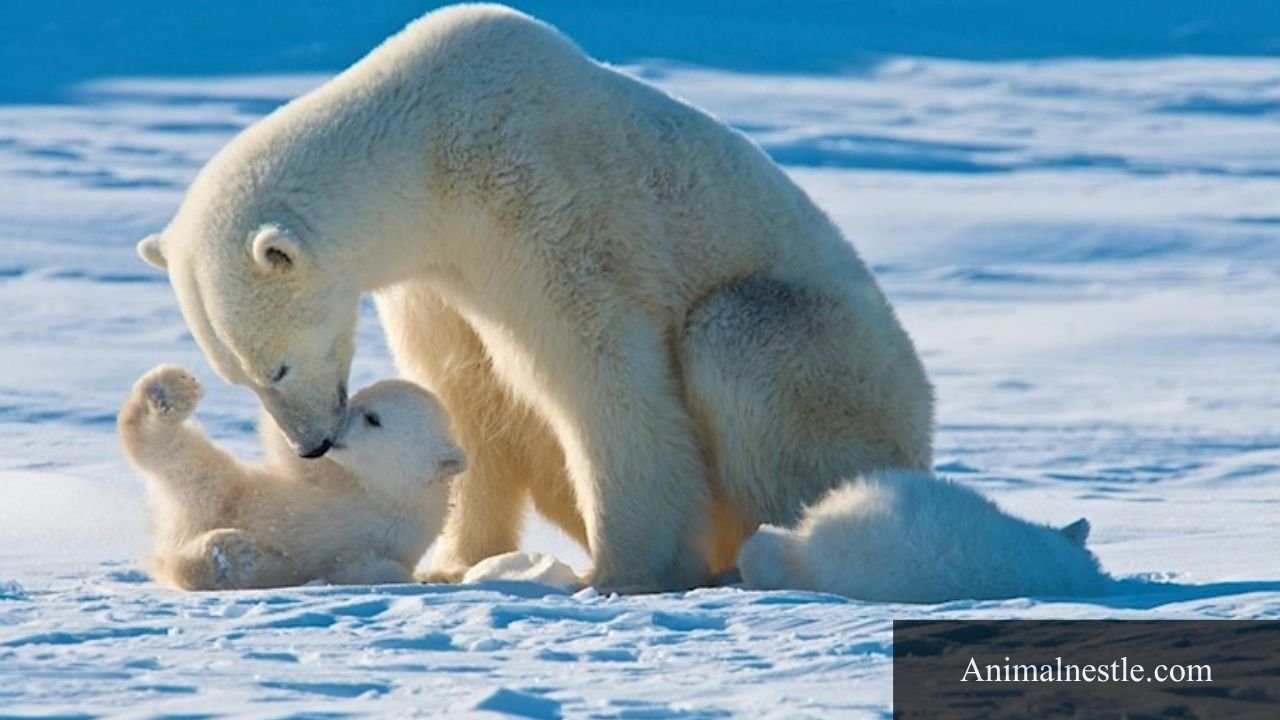
Polar bear mothers also exhibit the often misunderstood behavior of eating their young. This occurs primarily under extreme conditions, such as food scarcity or when a mother is unable to sustain herself and her offspring. The brutal reality of survival in the Arctic means that when resources dwindle, only the strongest individuals have a chance of thriving, prompting the mother to make a heartbreaking decision in hopes of preserving her own life.
Significantly, this act can also be viewed through the lens of evolutionary strategy. In a world where energy conservation is paramount, a mother may choose to eliminate weaker cubs to allocate her limited resources to those with better survival prospects. This behavior underscores the harsh realities of natural selection, illustrating that in the competition for survival, maternal instincts are intrinsically linked to the relentless conditions of their environment. Understanding these dynamics not only sheds light on polar bears’ survival tactics but also highlights the incredible adaptability of wildlife under pressure.
Chicken
Scientific Name: Gallus gallus domesticus
Class: Aves
Diet: Omnivore
Chickens, unlike many animals, typically exhibit a strong maternal instinct, yet there are instances where hens may resort to the shocking behavior of pecking at or consuming their own chicks. This unsettling act often stems from stressors in their environment, such as overcrowding, inadequate nutrition, or a lack of proper nesting opportunities. Under these conditions, a hen might perceive her chicks as a liability rather than a blessing, somehow mistaking their cries for weakness or illness.
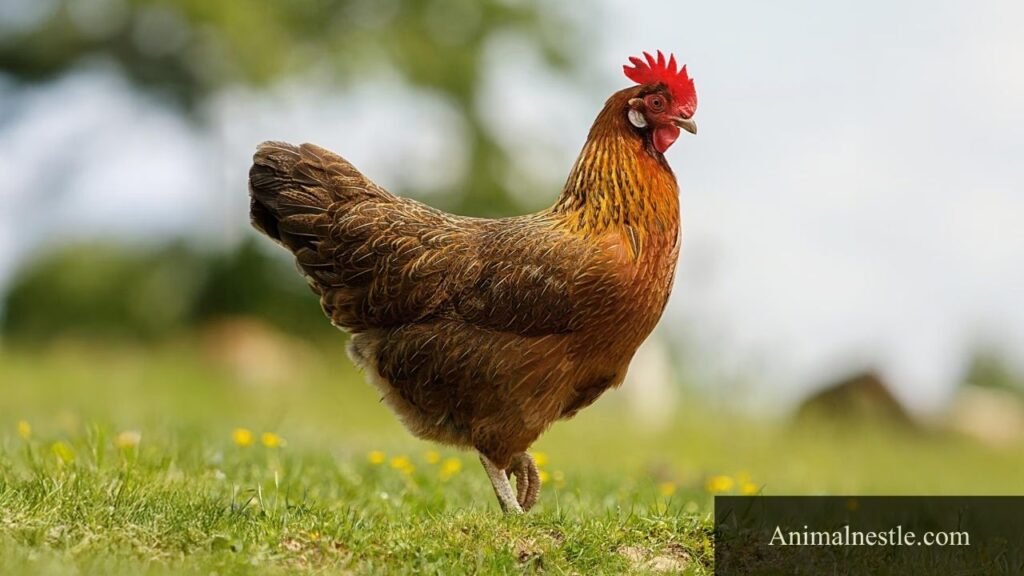
Interestingly, the harsh reality of a crowded coop can push these birds to prioritize their survival instincts above maternal care. Such extreme actions might also occur if a hen feels threatened or anxious, leading to a breakdown in her nurturing behavior. Understanding these dynamics underscores the importance of maintaining a calm, well-structured environment for both hens and their chicks. This insight not only highlights the vulnerabilities of these birds but also calls for better husbandry practices in poultry farming — ensuring that conditions promote healthy behaviors rather than triggering instinctual crisis responses.
Readmore: Explore Top 15 Animals That Eat Celery.
Chimpanzee
Scientific Name: Pan troglodytes
Class: Mammalia
Diet: Omnivore
Chimpanzees, our closest relatives in the animal kingdom, also exhibit this peculiar behavior that can sometimes seem perplexing, particularly when it comes to maternal instincts. In rare instances, maternal chimpanzees may consume their young, primarily due to extreme stress, malnutrition, or an inability to care for their offspring. This behavior, far from being merely a gruesome act, can be viewed as a desperate survival strategy. When resources are scarce, a mother might prioritize her own survival, ensuring that she can find sustenance for herself rather than risk starving alongside a vulnerable infant.
Furthermore, environmental factors such as social instability or the presence of competing females can intensify this behavior. A mother overwhelmed by external pressures may instinctively cull her offspring, particularly if she senses they might not thrive in a harsh setting. This grim act can also serve to restore balance within a community, allowing the mother to reallocate her energy toward surviving and seeking future reproductive opportunities. Understanding this behavior not only sheds light on the complexities of chimpanzee social structures but also invites deeper contemplation about the intricate interplay of nature and nurture in the animal kingdom.
Sand Tiger Shark
Scientific Name: Carcharias taurus
Class: Chondrichthyes
Diet: Carnivore
The sand tiger sharks are also known to perform intrauterine cannibalism. As gestation progresses, the largest embryos feed on their smaller siblings, a gruesome survival tactic that ensures that only the strongest make it to birth. This practice, known as adelphophagy, isn’t just a horrifying quirk; it serves a critical role in the survival of the species in nutrient-scarce environments. By allowing the fittest to thrive, these sharks maximize the chances of their young successfully navigating the perilous underwater world.
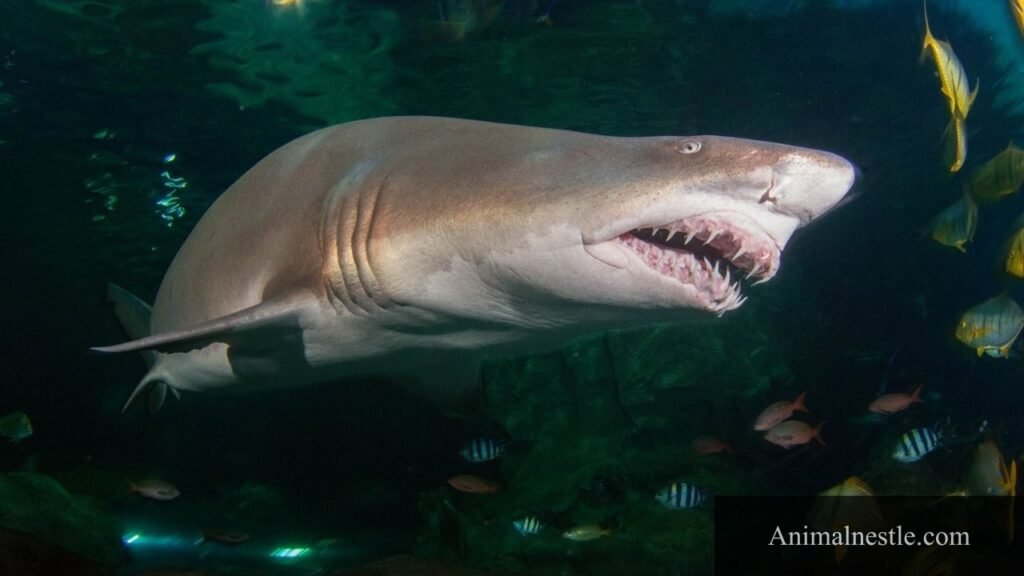
Interestingly, this behavior can also shed light on the unique reproductive adaptations of marine life. Sand tiger sharks typically give birth to just two pups after a lengthy gestation period of 8 to 12 months. Under conditions where food is limited or competition is fierce, this brutal form of natural selection not only reduces the number of offspring but also increases the chances of survival for those that do emerge. Their ability to engage in this competition while still in the womb is a testament to evolution’s intricate strategies for survival amidst harsh oceanic realities. Thus, the sand tiger shark stands as a bizarre yet awe-inspiring example of how life can adapt in the face of adversity.
You can also read: Explore Top 13 Ovoviviparous Animals in The World.
Blenny Fish
Scientific Name: Salaria pavo
Class: Actinopterygii
Diet: Omnivore
The blenny fish, often found in shallow waters and vibrant coral reefs, presents a striking example of maternal complexities in the animal kingdom. These intriguing creatures sometimes consume their own young as a survival strategy, especially in challenging environmental conditions. When food resources dwindle or threats from predators increase, the mother blenny may resort to this drastic measure, nourishing herself while also ensuring that only the fittest offspring survive. This behavior, while shocking, underscores the instinctual drive for survival and resource optimization.
Moreover, the act of filial cannibalism in blennies raises fascinating questions about parental investment. In times of scarcity, mothers weigh the benefits of nurturing offspring versus the need to maintain their own vitality for future breeding opportunities. This phenomenon sheds light on the evolutionary pressures that shape reproductive strategies in diverse species. By understanding such behavior, we gain deeper insights into the complexities of life beneath the waves, where survival often hinges on the ruthless calculus of nature.
Prairie Dog
Scientific Name: Cynomys ludovicianus
Class: Mammalia
Diet: Herbivore
Prairie dogs, known for their social burrows and complex communication, sometimes engage in the shocking behavior of infanticide. While this might seem heartless, several factors contribute to this grim act. During times of stress — such as food scarcity or overcrowding — mother prairie dogs may eat their young to regulate their own energy levels, ensuring their survival. Consuming underweight or sickly pups can be a harsh yet pragmatic decision; it helps the mother conserve resources for healthier offspring or future breeding opportunities.
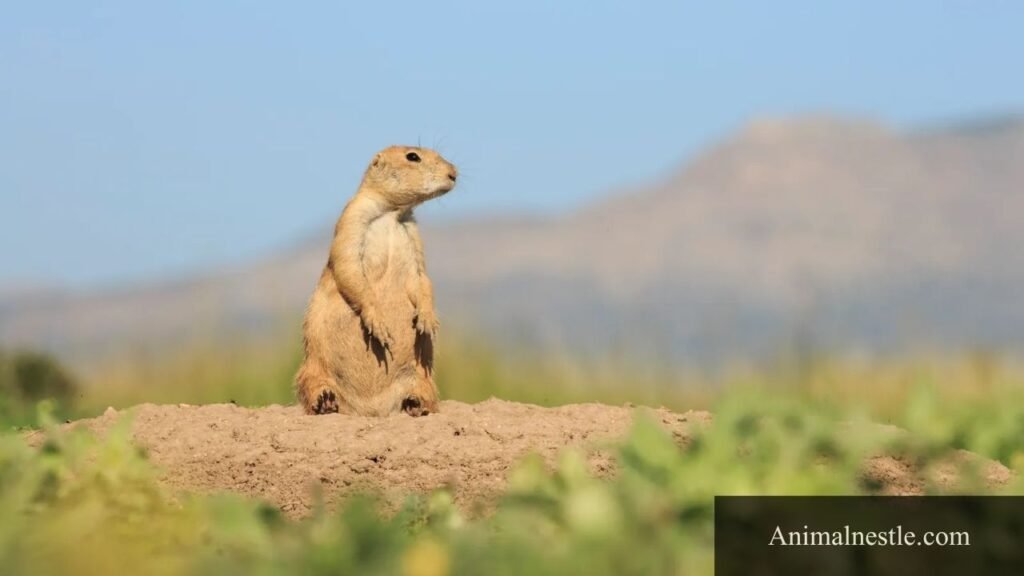
Moreover, prairie dog societies operate under a strict hierarchy, and those at the bottom may be more prone to such behaviors. In overcrowded colonies, weaker individuals may compete fiercely for limited resources, prompting distressed mothers to eliminate vulnerable pups. This behavior can also serve as a population control mechanism; it ensures that the group remains sustainable in the face of environmental pressures. Understanding these dynamics reveals the intriguing complexity of prairie dog social structure and highlights the often-overlooked survival strategies within the animal kingdom.
Also read: Explore Top 18 Jumping Animals.
Hamster
Scientific Name: Mesocricetus auratus
Class: Mammalia
Diet: Omnivore
Hamsters are often adored as delightful pets, but their reproductive behaviors can be startling, particularly the concept of mothers consuming their young. This phenomenon, known as filial cannibalism, is not driven by sheer malice; rather, it’s a survival instinct. In the wild, hamsters face numerous challenges, including limited food resources and environmental stressors. If a mother senses that her litter is too large to sustain or if the young appear weak, she may instinctively eliminate them to increase the chances of survival for the stronger offspring.
Conditions play a critical role in this behavior. A cramped or stressful environment can provoke anxiety in mother hamsters, leading them to view their young more as liabilities than assets. Factors such as inadequate nesting space, insufficient nutrition, or disturbances from other pets or humans can trigger this harsh decision. By understanding these dynamics, pet owners can create optimal habitats that reduce stress, ensuring a nurturing environment for both the mother and her pups. Engaging with your hamster’s needs and providing a calm space can dramatically decrease the likelihood of such distressing behaviors, allowing you to witness the wonder of new life in a more positive light.
Sand Goby
Scientific Name: Pomatoschistus minutus
Class: Actinopterygii
Diet: Carnivore
In the intriguing world of the sand goby, parental cannibalism reveals a complex interplay of survival instincts. These small fish, native to sandy coastal habitats, engage in the shocking behavior of consuming their young primarily as a strategy for resource optimization. When environmental conditions turn harsh, with food scarcity or overcrowding, adult sand gobies may resort to this grim measure to ensure their own survival. By eating their offspring, they can reclaim valuable nutrients, thus enhancing their chances of enduring through tough periods.
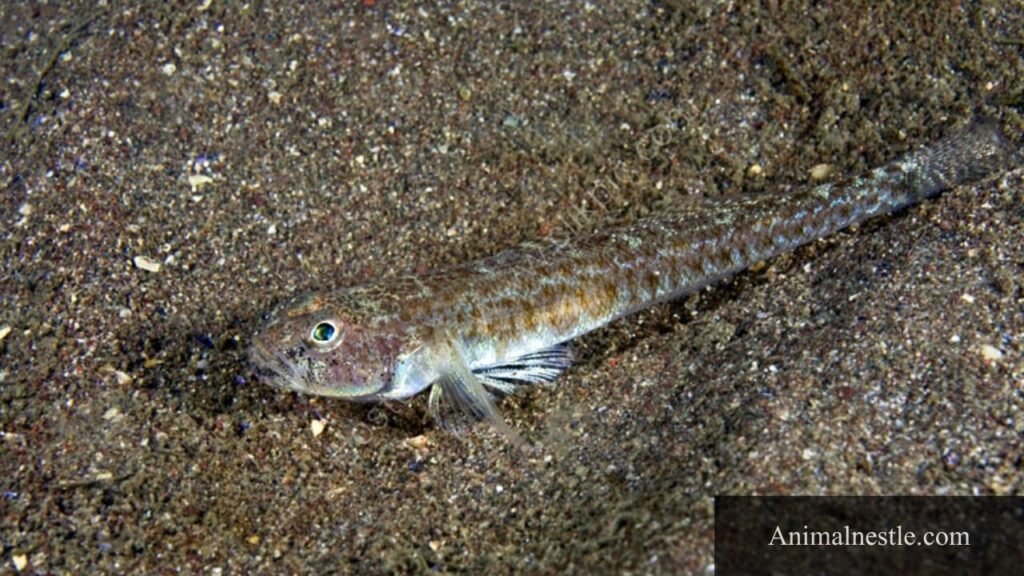
Interestingly, this behavior prompts a deeper understanding of the trade-offs in reproductive strategies among fish. While it may seem brutal, the ritual underscores an evolutionary adaptation that allows for rapid population control in fluctuating ecosystems. In some cases, gobies may selectively consume the weaker fry, ensuring that only the fittest continue to thrive. This highlights a fascinating aspect of natural selection, where even acts of cannibalism can serve a greater purpose in maintaining the health of the species as a whole. The sand goby’s world challenges our perceptions of parenting in the animal kingdom, forcing us to reconsider what it truly means to nurture.
You can also read: Explore Top 19 Animals That Eat Bamboo.
Bullfrog
Scientific Name: Lithobates catesbeianus
Class: Amphibia
Diet: Carnivore
Bullfrog also stands out for its peculiar behavior of occasionally eating its own young. This unsettling practice may seem counterintuitive, but it can be understood through the lens of survival. When resources are scarce, adult bullfrogs may consume their tadpoles to offset nutrient deficiencies, allowing them to replenish their own energy reserves. This harsh reality mirrors nature’s ruthless efficiency, where the drive to survive often supersedes parental affection.
Conditions influencing this behavior include environmental stressors such as limited food sources and high population densities. During times of drought or habitat degradation, the choice to cull offspring becomes a mechanism for population control. Furthermore, the bullfrog’s cannibalistic tendencies can serve as a population management strategy, ensuring that not all offspring compete for dwindling resources. This unsettling aspect of their life cycle highlights the complex and often brutal realities that govern animal behavior, inviting us to reflect on the harsh choices that come with survival in nature.
Praying Mantis
Scientific Name: Mantis religiosa
Class: Insecta
Diet: Carnivore
The phenomenon of the praying mantis eating its young, known as “matriphagy,” is both shocking and fascinating. This behavior often occurs post-mating, where the female, larger and more powerful than her mate, may consume him. After laying her eggs, survival instincts kick in; the mothership prioritizes her own survival and resource acquisition. In a harsh environment, where food is scarce, this gruesome choice becomes a strategy to ensure the success of future generations.
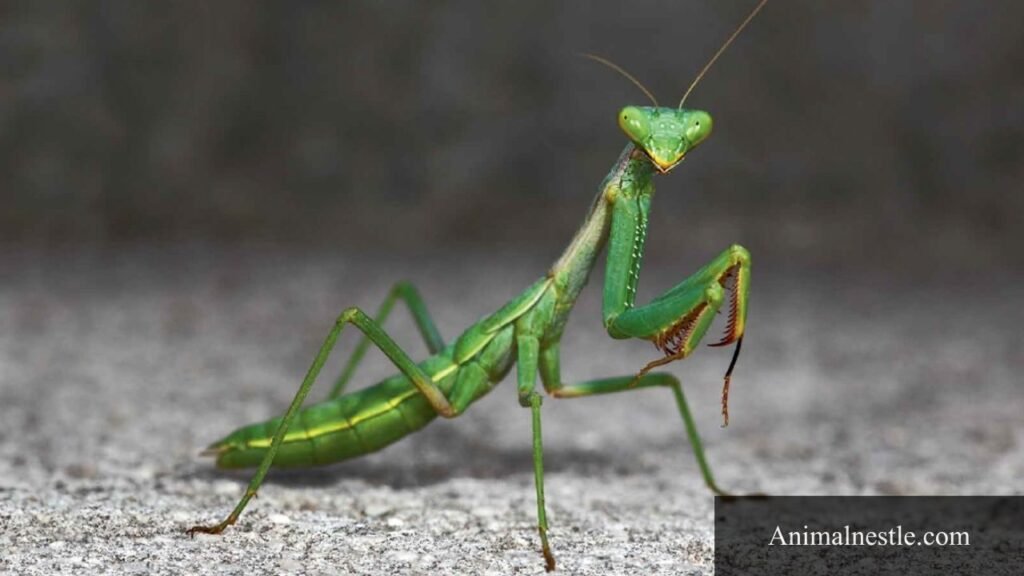
Conditions that drive this behavior include limited food sources and the need for the female to replenish her energy after creating her egg cases. In urban settings, where natural predation is high and competition for resources is fierce, consuming some of her offspring can yield essential nutrients. Moreover, when conditions are less than ideal, this brutal act serves a dual purpose: it eliminates weaker offspring that might drain precious resources and fortifies the survivor’s chances of thriving in an unforgiving world. Thus, while it may appear brutal, it’s a calculated survival strategy that highlights the sophisticated, albeit chilling, tactics employed in the animal kingdom.
Readmore: Explore Top 11 Birds With 3 Letters.
Final Thoughts
The practice of filial cannibalism, which certain animals that eat their young perform, serves various evolutionary purposes, from resource conservation to population control. This behavior, although shocking to many, is a part of a survival strategy that allows species to adapt to their environment. Understanding these practices challenges our anthropocentric views of nature and highlights the complex relationships in the animal kingdom.
By observing these phenomena, we gain insight into not only animal behavior but also the intricate balance of ecosystems. Let us continue to explore and respect the diverse survival tactics of the animal world.
FAQs
Do lions or tigers eat their young?
Yes, both lions and tigers have been known to eat their young under certain circumstances. This behavior can occur if the mother is stressed, lacks resources, or if the cubs are weak or sick.
Which animals eat their own breeds?
Several animals engage in cannibalism, often driven by environmental pressures or instinctual behaviors. For instance, in harsh conditions, some species of rodents, like hamsters, may eat their own pups to conserve resources or due to stress. Similarly, certain reptiles, such as some types of snakes, may consume their young if food is scarce.