Top 27 Animals That Start With P (With Pictures)
Animals that start with P provide a window into diverse habitats and behaviors that are as captivating as they are essential. In this article, we’ll delve into different species starting with the letter P, showcasing their significance and quirks. Join us on this journey to discover what makes these animals truly special!
List of Animals That Start With P
Below is the list of animals that start with P:
- Prairie Dog
- Pangolin
- Penguin
- Pallas’ Cat
- Piranha
- Patas Monkey
- Pig
- Painted Bunting
- Paradise Flying Snake
- Porcupine
- Parrotfish
- Pelican
- Peacock Spider
- Partridge
- Pronghorn
- Pigeon
- Pademelon
- Platypus
- Painted Turtle
- Paddlefish
- Pacific Sleeper Shark
- Peregrine Falcon
- Palm Rat
- Parrot
- Polar Bear
- Praying Mantis
- Patagonian Mara
Prairie Dog
Scientific Name: Cynomys
Class: Mammalia
Diet: Herbivore
Prairie dogs are fascinating social creatures native to the grasslands of North America, known for their intricate burrow systems that can stretch over extensive areas. These small rodents are not just adorable; their elaborate underground networks serve as community hubs, complete with nurseries, sleeping quarters, and lookout points. Living in tight-knit colonies, prairie dogs exhibit remarkable communication skills, using a series of chirps and barks to alert each other about predators, food sources, and even the presence of fellow prairie dogs from neighboring colonies.
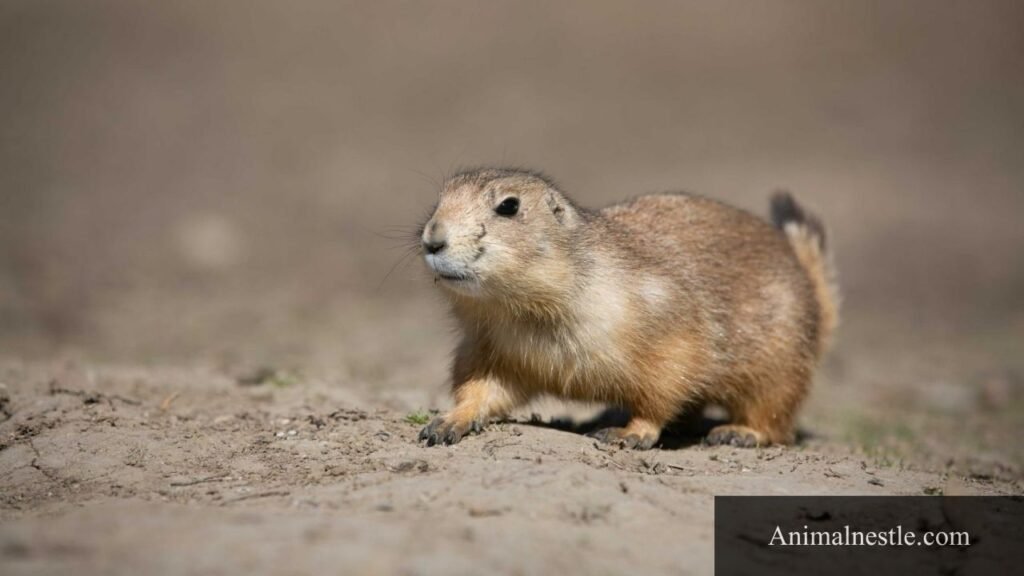
What’s particularly intriguing about prairie dogs is their role in the ecosystem. By aerating the soil and creating pathways for rainwater, their burrowing behaviors benefit many species, from plants to other animals dependent on the grasslands. Furthermore, as prey for various predators, including hawks, coyotes, and badgers, prairie dogs are integral to the food web. As their colonies thrive, they enhance biodiversity, inadvertently supporting a myriad of life forms within their habitats. Their complex social structures and ecological importance offer a vivid reminder of how interconnected life really is in the wild.
Pangolin
Scientific Name: Pholidota
Class: Mammalia
Diet: Insectivore
The pangolin is a unique creature that captivates with its armor-like scales made of keratin — similar to our nails. This fascinating adaptation helps it fend off predators, allowing it to curl into a tight ball when threatened, revealing only its tough exterior. Unlike typical mammals, pangolins are nocturnal and solitary, relying on their acute sense of smell to locate ant nests and termites, which make up their primary diet. Their elongated tongues can extend up to 16 inches, enabling them to extract insects from difficult-to-reach places.
Beyond their intriguing biology, pangolins are embroiled in a complex tale of conservation challenges. Poaching driven by demand for their scales in traditional medicine and culinary uses poses a significant threat, pushing these gentle animals toward extinction. Efforts to protect pangolins are gaining momentum, with organizations working tirelessly to dismantle trafficking networks and promote awareness about their ecological importance. Each pangolin saved is a step toward preserving the delicate balance of our ecosystems, reminding us that even the smallest creatures can play pivotal roles in the web of life.
Penguin
Scientific Name: Spheniscidae
Class: Aves
Diet: Carnivore
Penguins, often characterized by their striking black and white plumage, are remarkable survivors of extreme environments. These flightless birds have evolved unique adaptations that allow them to thrive in harsh conditions, such as using their specialized feathers to trap air for insulation and streamline their bodies for agile swimming. Interestingly, penguins are social creatures that exhibit complex behaviors, including cooperative breeding and communal parenting, showcasing a level of social structure that fascinates researchers.
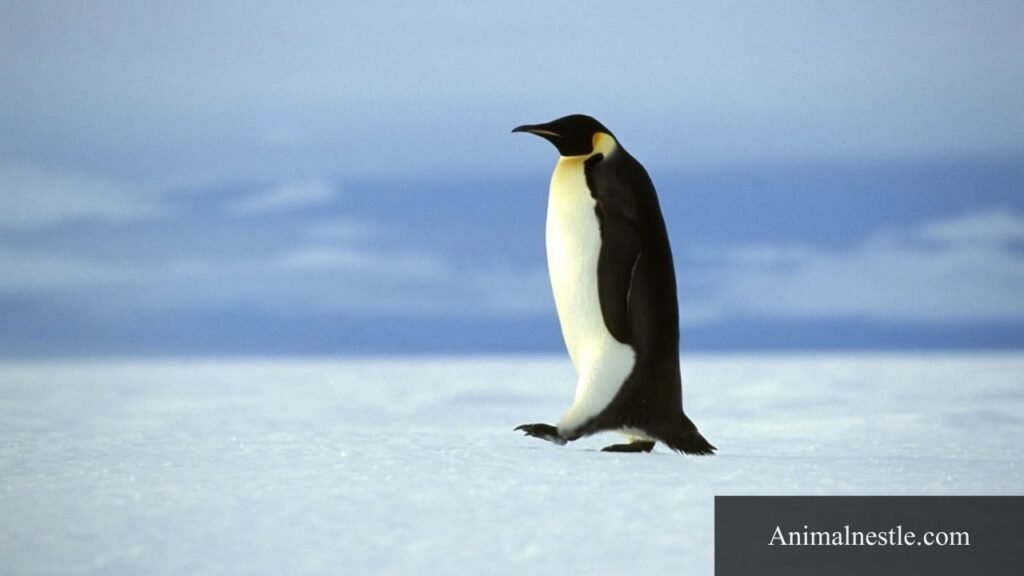
Penguins communicate through a variety of vocalizations and body language, with each species having its own distinct call. This adaptability extends to their foraging habits, as some species can dive over 500 feet to catch fish and krill, showcasing impressive physical prowess. Interestingly, penguin colonies can serve as indicators of environmental health, reflecting changes in ocean temperatures and marine biodiversity. As climate change continues to threaten their habitats, studying these charismatic birds offers valuable insights into broader ecological shifts, reminding us of the interconnectedness of all species on our planet.
Readmore: Explore Top 33 Animals That Start With F.
Pallas’ Cat
Scientific Name: Otocolobus manul
Class: Mammalia
Diet: Carnivore
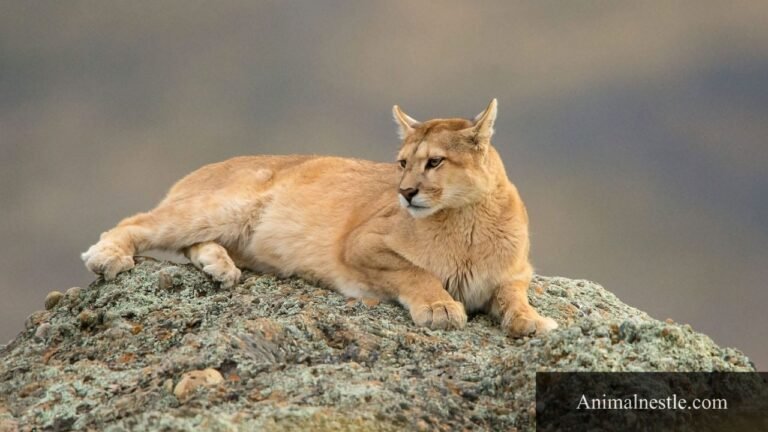
Pallas’ cat is a fascinating creature that thrives in the harsh landscapes of Central Asia. With its distinctive flat face and lush, thick fur, this adept hunter has adapted remarkably to the cold steppe environment. What sets Pallas’ cat apart is its unique hunting strategy; instead of sprinting after prey like most felines, it employs a stealthy ambush technique, lying in wait for unsuspecting rodents and birds. This approach reflects a deep-seated survival instinct, allowing them to conserve energy in an arid habitat where food may be scarce.
Their elusive nature sparks intrigue; Pallas’ cats are often more active at dawn and dusk, showcasing a distinct behavior that resonates with the rhythms of their ecosystem. Observing them in the wild can feel like stumbling upon a well-kept secret of nature, as they blend seamlessly into the rocky terrain. Moreover, the conservation status of Pallas’ cats raises important discussions about habitat preservation, as they face threats from livestock grazing and habitat fragmentation. By understanding and protecting these enigmatic cats, we not only safeguard a vital part of the biodiversity in their region but also reinforce the interconnectedness of species and ecosystems worldwide.
Piranha
Scientific Name: Serrasalmidae
Class: Actinopterygii
Diet: Omnivore
Piranhas are far more complex than their fearsome reputation suggests. Found primarily in the freshwater rivers and lakes of South America, these fish exhibit a fascinating range of behaviors. While most people associate piranhas with aggression and hunger, studies reveal that they can be quite social creatures. In fact, many species live in schools that display intricate social dynamics, allowing them to collaborate effectively while scavenging for food.
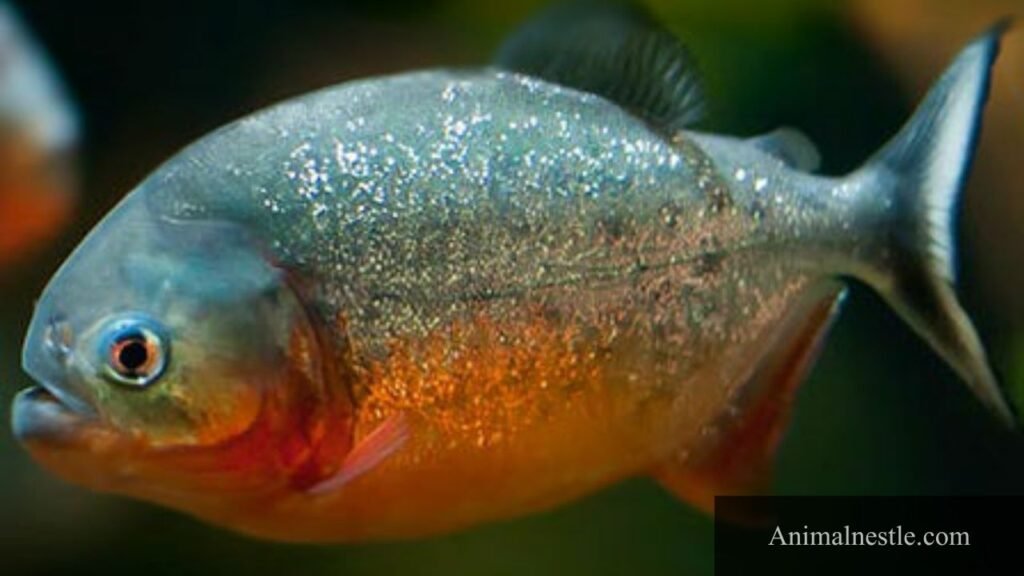
One of the most intriguing aspects of piranha behavior is their capacity for communication. Through a series of clicks and grunts, they convey messages about food sources or potential threats. Their sharp teeth, designed for a diet that consists largely of plant material, insects, and even other fish, reveal an evolutionary adaptation that emphasizes resilience over sheer aggression. To understand piranhas more deeply is to recognize their role in the ecosystem: they act as both predators and prey, crucial in maintaining the balance within their aquatic habitats.
Patas Monkey
Scientific Name: Erythrocebus patas
Class: Mammalia
Diet: Omnivore
The Patas monkey, known for its distinctive reddish-brown fur and elongated limbs, is a fascinating arboreal creature found primarily in the savannas and grasslands of West and Central Africa. Unlike many of its primate relatives, the Patas monkey boasts remarkable speed, enabling it to reach impressive sprinting speeds of up to 34 miles per hour. This agility not only helps it evade predators but also allows it to navigate the open terrain with ease, giving it an edge in a habitat where thick foliage is sparse.
Social structure plays a crucial role in the life of Patas monkeys. They live in large troops, often led by a dominant male. These troops have a unique dynamic; they communicate through a series of barks and grunts that not only serve as warnings but also help maintain group cohesion. Such vocalizations reveal a complexity of social interactions rarely seen in other monkey species, showcasing their adaptability in a challenging environment where cooperation is key to survival. Observing these intriguing interactions in the wild offers a vivid glimpse into the lives of these extraordinary primates, highlighting their essential role in the ecosystems they inhabit.
Pig
Scientific Name: Sus domesticus
Class: Mammalia
Diet: Omnivore
Pigs are often unfairly stereotyped as dirty creatures; however, they are among the most intelligent animals on the planet. These highly social animals thrive in groups, displaying complex social behaviors and even forming close bonds with one another. Their ability to communicate through a variety of grunts and squeals showcases their nuanced social structure. In fact, pigs can learn commands and tricks as quickly as dogs, often surprising those who underestimate their cognitive abilities.
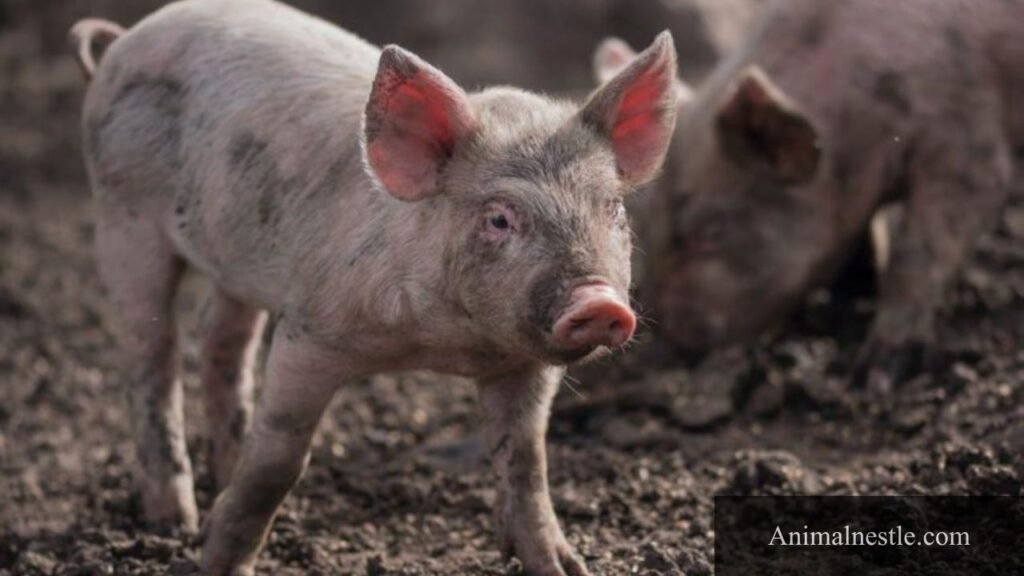
Beyond their intelligence, pigs play a significant role in various cultures and ecosystems. They are natural foragers, capable of rooting through soil to uncover roots, tubers, and insects, which aids in soil health and biodiversity. Moreover, many cultures revere pigs as symbols of prosperity and abundance, weaving them into folklore and traditional celebrations. This multifaceted role not only highlights their ecological importance but also opens doors to a deeper appreciation of these misunderstood creatures. By understanding pigs beyond the farm, we can foster a connection that embodies respect for their complexity and significance in both nature and humanity.
Painted Bunting
Scientific Name: Passerina ciris
Class: Aves
Diet: Omnivore
The Painted Bunting is often hailed as one of North America’s most vibrantly colored songbirds, captivating birdwatchers and nature enthusiasts alike. This small avian gem flaunts an extravagant palette of blue, green, and red that rivals even the most skilled artists. Males, especially during the breeding season, exhibit a striking brilliance, unlike anything else in the avian world. As they flit through the brush and open woodlands, their colors can almost appear to shimmer, blending seamlessly with the dappled light of their habitats.
In addition to their stunning appearance, Painted Buntings possess a delightful and intricate song that adds to their allure. Their melodic whistles, often described as soft and tinkling, resonate through their environments, creating a symphony of sound that echoes the beauty of the landscape. Although they are primarily seed eaters, their dietary habits extend to insects during the breeding season, showcasing their adaptability. Nesting typically occurs in dense shrubbery, where the females weave intricate structures that provide shelter for their young. Observing these birds not only offers a visual treat but also a reminder of nature’s delicate balance and the fascinating lives of its inhabitants.
Paradise Flying Snake
Scientific Name: Chrysopelea paradisi
Class: Reptilia
Diet: Carnivore
The Paradise Flying Snake showcases an extraordinary blend of beauty and functionality. Native to the lush canopies of Southeast Asia, this reptile boasts a striking iridescent coloration that allows it to blend seamlessly into its rainforest habitat. But it’s not just the vivid colors that capture attention; this snake exhibits a remarkable ability to glide through the air. When threatened, it launches itself from tree branches, flattening its body to catch air currents, gliding distances of up to 100 meters.
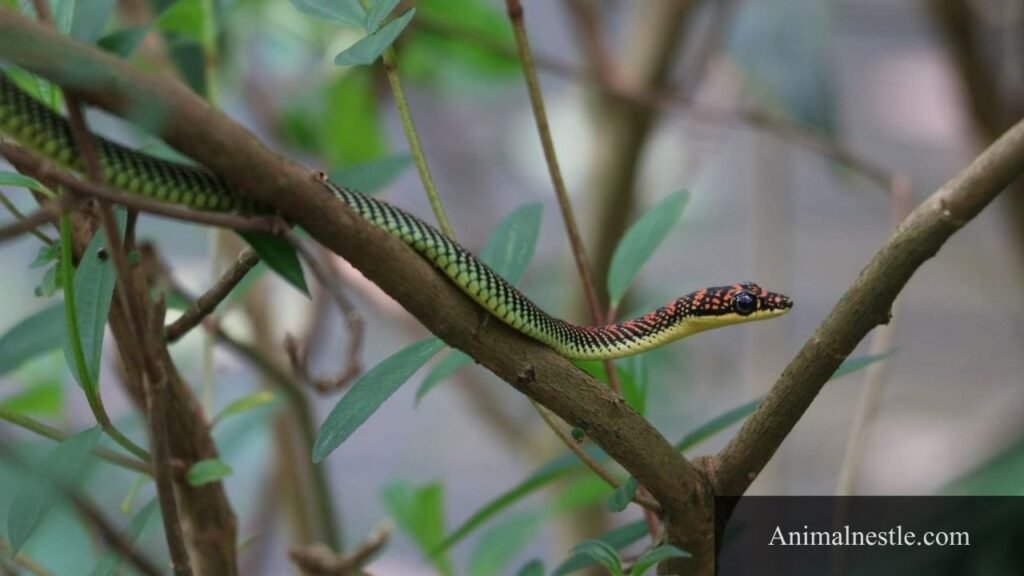
What sets the Paradise Flying Snake apart is its unique locomotion. Unlike traditional gliding animals, it utilizes a sophisticated undulating motion, akin to a rhythmic dance, enabling it to maneuver skillfully through the air. This adaptation not only aids in escaping predators but also allows it to scout for food, primarily consisting of small prey like lizards. As the climate continues to change, understanding the behaviors and habitats of these fascinating creatures becomes crucial for conservation efforts, highlighting their role as indicators of the health of tropical ecosystems. Exploring their world offers a glimpse into the intricate web of life that thrives in the shadows of towering trees.
Porcupine
Scientific Name: Hystricidae
Class: Mammalia
Diet: Herbivore
Porcupines, often misunderstood for their prickly appearance, are fascinating creatures that deserve a closer look beyond their sharp quills. These nocturnal herbivores are primarily found in North and South America, thriving in a range of habitats from forests to grasslands. Their quills, which can number in the thousands, serve as an effective defense mechanism; when threatened, they can easily detach and embed in predators, making a clear statement that this animal is not to be trifled with.
What makes porcupines particularly intriguing is their surprisingly social nature. Often solitary, they can also form small groups, especially during mating season or when sharing a tree. These creatures communicate through a variety of sounds, including grunts, whines, and even tooth clacking, which often goes unnoticed. Moreover, their diet consists not just of leaves and bark, but also the soft inner wood of trees, showcasing their adaptability and resourcefulness in extracting nutrients from their environment. Observing a porcupine in the wild reveals a playful side — these animals are known to climb trees, sometimes engaging in a charming form of play that highlights their more curious and inquisitive traits.
Parrotfish
Scientific Name: Scaridae
Class: Actinopterygii
Diet: Omnivore
Parrotfish are extraordinary marine creatures that capture attention with their dazzling colors and unique behaviors. Often recognized for their beak-like teeth, which resemble a parrot’s bill, these fish play a crucial role in the health of coral reef ecosystems. They graze on algae, helping to keep the reefs clean and promoting coral growth by preventing algal overgrowth. Fascinatingly, parrotfish also produce a sand-like substance through their digestion, contributing to sandy beaches in tropical locales.
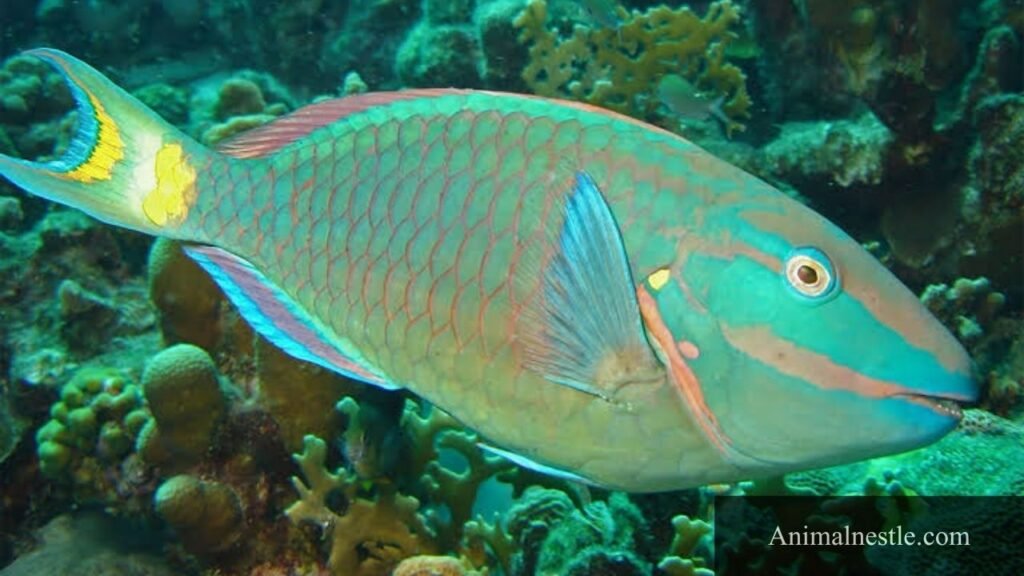
Beyond their ecological significance, parrotfish exhibit remarkable social structures and behaviors. Many species are known to change sex as they mature — a phenomenon that intrigues marine biologists and highlights the complexity of their reproductive strategies. Their vibrant colors and patterns serve not just for beauty but also as a means of communication, facilitating social interactions during mating rituals or territorial disputes. Observing these dynamic creatures can inspire deeper appreciation for the intricate connections between marine life and their environments.
Pelican
Scientific Name: Pelecanus
Class: Aves
Diet: Carnivore
Pelicans are fascinating creatures known for their distinctive large beaks and impressive fishing techniques. With a wingspan that can exceed 10 feet, these birds are not just a marvel of nature; they are also perfectly adapted to their aquatic environments. Their unique pouch allows them to scoop up fish with a swift motion, showcasing a level of precision and efficiency that is captivating to observe. Watching a pelican glide gracefully above the water, then suddenly dive for dinner, reveals a dynamic aspect of wildlife that many might overlook.
Social by nature, pelicans often gather in large flocks, enhancing their hunting strategies through teamwork. This communal behavior provides valuable lessons in cooperation and efficiency that can resonate beyond the animal kingdom. Interestingly, their nesting habits also reflect their adaptability; they often build nests close to water sources, taking advantage of the plentiful resources while remaining vigilant against predators. As climate change poses threats to their habitats, witnessing the resilience and ingenuity of pelicans inspires a deeper appreciation for the delicate balance of our ecosystems and the importance of conservation efforts.
Peacock Spider
Scientific Name: Maratus
Class: Arachnida
Diet: Carnivore
The Peacock Spider, a tiny marvel of the arachnid world, is known for its stunning courtship dance and vibrant coloration. Native to Australia, these spiders are only a few millimeters long, yet their beauty is larger than life. Males display vivid patterns on their flaps, reminiscent of a peacock’s extravagant plumage, to attract potential mates. The intricate dance, complete with nuanced movements and vibrant colors, showcases not just their beauty but also their evolution, highlighting what nature can accomplish in a small package.
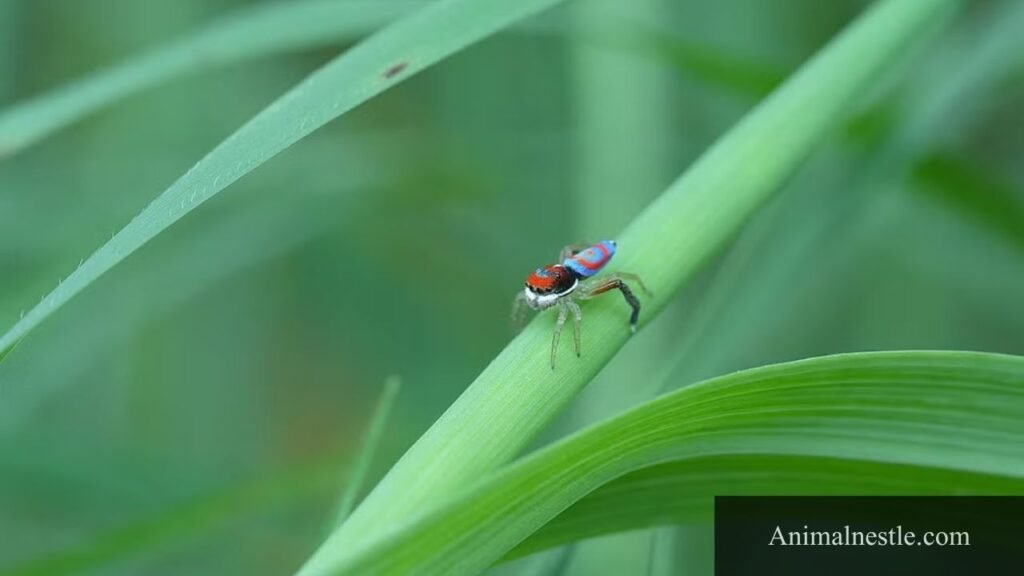
What sets the Peacock Spider apart is not just its looks but its remarkable ability to communicate through movement and color. Research has revealed that these dances are fine-tuned to the preferences of female spiders, who have evolved to appreciate specific visual cues. As they flick their colorful flaps and perform their intricate routines, the males are engaging in a delicate interplay of signal and response, a dance of survival driven by the instinct to reproduce. Observing these performances can be likened to watching a vibrant display of nature’s artistry, reminding us how beauty intertwines with biology in the animal kingdom.
Partridge
Scientific Name: Phasianidae
Class: Aves
Diet: Omnivore
The partridge has much more to offer than just seasonal charm. In the wild, these ground-dwelling birds are primarily found in Europe, Asia, and North Africa, thriving in a variety of habitats that range from cultivated fields to open woodlands. Their camouflage plumage, typically a mix of browns and grays, allows them to blend seamlessly into their environment, evading predators while foraging for seeds and insects.
Partridges are known for their strong family bonds. They often live in small groups, staying closely knit during the breeding season to protect their young. This social structure highlights a remarkable aspect of their behavior: when danger approaches, partridges utilize a unique escape strategy. Instead of taking to the skies immediately, they rely on their ability to run swiftly and seek cover, demonstrating an adaptive survival tactic that showcases their intelligence and resourcefulness in the face of threats. By understanding the nuanced lives of these captivating birds, we gain not only appreciation for their role in the ecosystem but also a deeper respect for the complexities of animal behavior.
Pronghorn
Scientific Name: Antilocapra americana
Class: Mammalia
Diet: Herbivore
The pronghorn, often mistakenly called an antelope, boasts a unique place in North American wildlife. Found primarily in the open plains and grasslands of the western United States, this remarkable creature is renowned for its astonishing speed, reaching up to 60 miles per hour. This incredible velocity allows pronghorns to evade predators like coyotes and mountain lions, an evolutionary adaptation that makes them the fastest land animal in the Western Hemisphere.
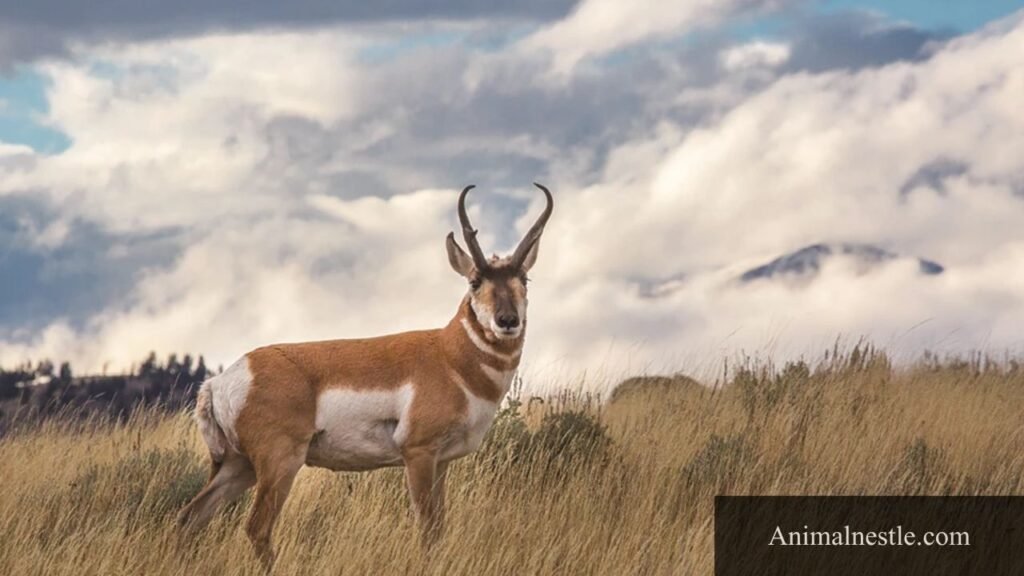
What sets the pronghorn apart is not just its speed but its remarkable adaptations for survival. Unlike true antelopes, pronghorns have a distinct pair of horns, which are shed and regrown annually. These horns, combined with their keen eyesight, enable pronghorns to spot threats from miles away, making them masters of their arid habitats. Furthermore, their unique digestive system allows them to thrive on a diverse diet of grasses and shrubs, showcasing their adaptability in an ever-changing ecosystem. Observing these swift animals in their natural environment is a reminder of the wild’s intricate beauty and resilience.
Pigeon
Scientific Name: Columbidae
Class: Aves
Diet: Omnivore
Pigeons, often overlooked as common urban dwellers, hold a fascinating place in the natural world and human history. These birds are more than just city birds; they have a remarkable ability to navigate and have been used throughout history for messenger services, particularly in times of war. Their homing instinct is so refined that they can return to their lofts from distances exceeding 1,000 miles. This capacity highlights their impressive cognitive abilities, which continue to intrigue scientists and bird enthusiasts alike.
Beyond their historical significance, pigeons exhibit a complex social structure and diverse communication methods. They maintain strong pair bonds, often mating for life, and their cooing sounds are a form of social interaction that transcends mere mating calls. Interestingly, the wide variety of color patterns and sizes among domesticated pigeons reveals a spectrum of genetic diversity, which can be traced back to their wild ancestors. Observing these birds isn’t just about watching them flap about for crumbs; it’s an opportunity to glimpse an intricate world where instinct and attachment intertwine in the urban backdrop.
Pademelon
Scientific Name: Thylogale
Class: Mammalia
Diet: Herbivore
The pademelon is one of nature’s quieter wonders, often overshadowed by its larger kangaroo relatives. These small marsupials, native to Australia and nearby islands, offer a unique glimpse into the diverse world of wildlife. With their compact size — typically weighing around 10 to 25 pounds — pademelons are well-adapted to their forest habitats, skillfully maneuvering through dense underbrush. Their preference for thickets means they often go unnoticed, but a keen observer might catch a glimpse of their distinctive hopping gait as they navigate their leafy domain.
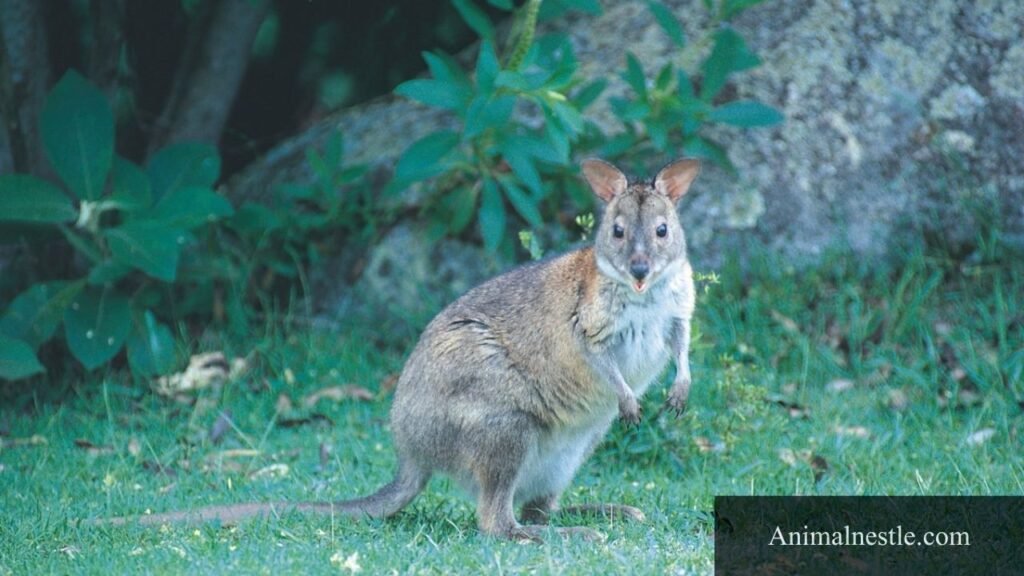
What truly sets pademelons apart is their remarkable adaptability to their environment. Unlike many other marsupials, they thrive in a range of habitats from coastal scrub to dense rainforests. This versatility extends to their diet as well; they primarily feed on grasses, leaves, and fruits, showcasing their opportunistic nature. Pademelons play a vital role in their ecosystems, aiding in seed dispersal and maintaining plant diversity. Observing these shy creatures reveals not only their unique charm but also the intricate connections between species in fragile habitats that are all too often overlooked.
Platypus
Scientific Name: Ornithorhynchus anatinus
Class: Mammalia
Diet: Carnivore
The platypus is a fascinating marvel of evolution, embodying traits from several animal groups. Its duck-like bill and webbed feet hint at its aquatic lifestyle, while its furry body sends out signals of its mammalian roots. What truly sets the platypus apart, however, is its unique reproductive method; as one of the few monotremes, it lays eggs rather than giving birth to live young. This exceptional characteristic challenges our conventional understanding of mammals and fuels scientific curiosity.
In addition to its unusual biology, the platypus is also a master of adaptation. It uses electroreception — the ability to detect electric fields created by the movements of its prey — an extraordinary feature not commonly seen in mammals. This skill helps the platypus hunt in murky waters where visibility is low. Observing a platypus in its natural habitat is like glimpsing a living mosaic of traits, reflecting the intricate tapestry of life that evolution has woven over millions of years. Engaging with this enigmatic creature offers not just a glimpse into nature’s ingenuity but also prompts us to reflect on the diversity and adaptability of life on Earth.
Painted Turtle
Scientific Name: Chrysemys picta
Class: Reptilia
Diet: Omnivore
The painted turtle, a vibrant marvel of the freshwater habitat, truly earns its name with striking patterns that resemble a work of art. With their shiny shells adorned in hues of red, orange, and yellow, these turtles become living reminders of nature’s creativity. Their colorful markings, particularly along the edges of their shells, not only serve an aesthetic purpose but also play a role in camouflage amid the lush aquatic vegetation where they reside.
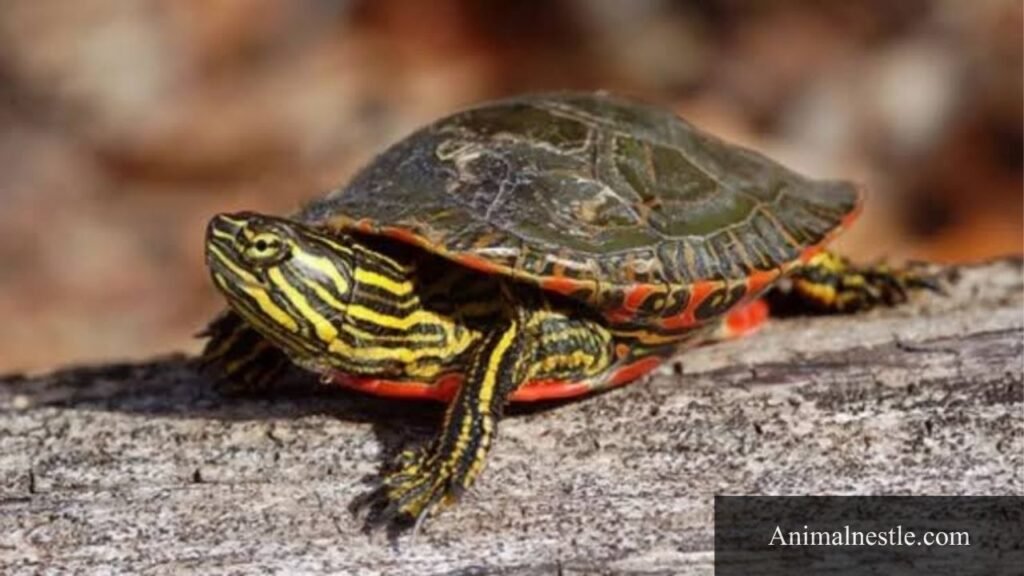
Beyond their stunning appearances, painted turtles exhibit fascinating behaviors that captivate observers. They bask in the sun to regulate their body temperature, often seen stacked upon one another on logs or rocks. This communal sunbathing not only strengthens social bonds but also showcases their hierarchical structures within groups. Engaging in this behavior highlights their adaptability to changing environments and reinforces their role in the ecosystem as both prey and predator, adding layers of complexity to their survival strategies.
Paddlefish
Scientific Name: Polyodontidae
Class: Actinopterygii
Diet: Carnivore
The paddlefish glides through the murky waters of North America’s rivers and lakes, wielding a unique rostrum that resembles a paddle. This elongated snout is not merely for show; it plays a vital role in their echolocation, helping them navigate and forage for plankton in their often turbid habitats. With a lineage dating back over 300 million years, these fish are living artifacts, shedding light on the evolutionary adaptations that have allowed some species to survive significant environmental changes.
Beyond their physical attributes, paddlefish also present an intriguing glimpse into conservation efforts. As many populations face threats from habitat loss and pollution, dedicated initiatives aim to restore their numbers and educate the public about this remarkable species. These initiatives highlight the delicate balance of aquatic ecosystems, reminding us that every creature, no matter how unassuming, plays a critical role in the tapestry of life. Observing paddlefish in their natural environment serves as a poignant reminder that preserving biodiversity is essential for maintaining the health of our planet.
Pacific Sleeper Shark
Scientific Name: Somniosus pacificus
Class: Chondrichthyes
Diet: Carnivore
The Pacific sleeper shark, glides through the deep, dark waters of the North Pacific. Unlike its more notorious relatives, this elusive predator isn’t as well-known, often flying under the radar in discussions about marine life. With a sleek, torpedo-shaped body and a distinctively broad snout, it boasts a unique blend of adaptability and intrigue. Its ability to live in extreme depths — often inhabiting cold waters of up to 2,200 meters — sets the Pacific sleeper shark apart, showcasing evolution’s remarkable ingenuity.
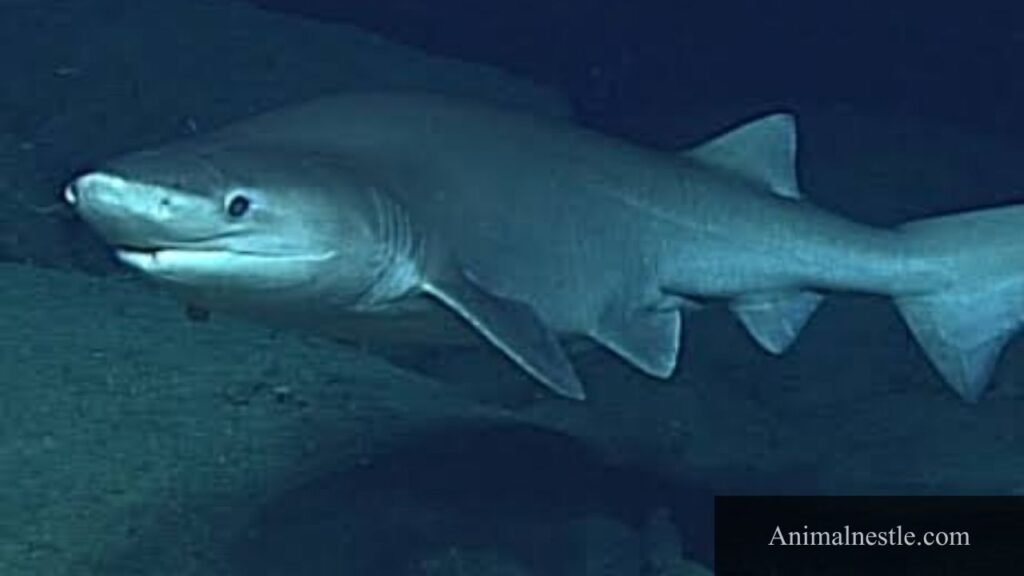
What makes this shark even more fascinating is its diet, which primarily consists of fish and squid, yet it’s also known to scavenge on carrion when food is scarce. This opportunistic feeding strategy illustrates its resilience in an environment where resources can be unpredictable. Researchers are beginning to uncover its role in maintaining the balance of marine ecosystems, as it preys on various species and cleans up organic matter from the ocean floor. As we further explore the depths of our oceans, understanding the Pacific sleeper shark will not only enhance our knowledge of marine biodiversity but may also reveal potential insights into the impacts of climate change on deep-sea habitats.
Peregrine Falcon
Scientific Name: Falco peregrinus
Class: Aves
Diet: Carnivore
The Peregrine Falcon, renowned for being the fastest animal on the planet, can reach astonishing speeds of over 240 miles per hour during its characteristic hunting dive, or stoop. This breathtaking speed is not merely for show; it’s a tool of survival. With keen eyesight that allows it to spot prey from miles away, the Peregrine Falcon combines speed and precision in a way that few creatures can match. Its aerodynamic body and pointed wings are perfectly evolved for minimizing drag, making each dive a masterclass in aerial agility.
Beyond its physical prowess, the Peregrine Falcon showcases extraordinary adaptability. Found on every continent except Antarctica, these birds thrive in diverse environments, from urban skyscrapers to rugged cliffs. Surprisingly, urban settings provide ideal nesting sites, as the tall buildings mimic the natural cliffs they often favor. This adaptability has led to fascinating studies where researchers analyze how urban-dwelling falcons navigate city landscapes — skillfully dodging traffic while scoping out pigeons as potential prey. Indeed, the Peregrine Falcon not only represents the pinnacle of avian speed but also stands as a testament to nature’s remarkable ability to adapt and thrive in a changing world.
Palm Rat
Scientific Name: Rattus palmarum
Class: Mammalia
Diet: Omnivore
The palm rat is a fascinating creature that thrives in the tropical environments of Central and South America. These agile little mammals have adapted remarkably to their arboreal habitats, spending much of their time climbing palm trees and other vegetation. This unique lifestyle not only aids in foraging for fruits, seeds, and flowers but also provides an escape from terrestrial predators, showcasing their remarkable evolutionary advantages.
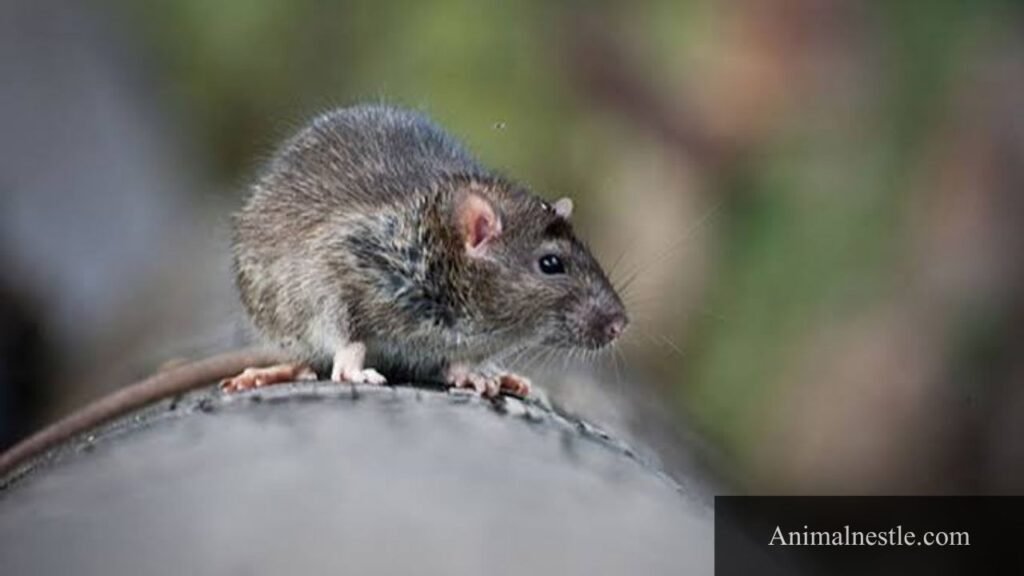
One of the palm rat’s most intriguing traits is its social structure. Unlike many solitary rodents, palm rats often live in small family groups, exhibiting complex social behaviors such as grooming and communal nesting. This added layer of social interaction not only fosters stronger bonds among members but also enhances survival rates through cooperative vigilance against threats. Their ability to communicate through a variety of vocalizations further demonstrates the depth of their social intelligence, inviting curiosity about their relationships and interactions within their ecosystem.
Parrot
Scientific Name: Psittaciformes
Class: Aves
Diet: Omnivore
Parrots are not only known for their vibrant colors and playful personalities but also for their remarkable intelligence. Many species have been observed using tools, showcasing cognitive abilities that rival those of some primates. This intellectual prowess allows them to solve problems, interact meaningfully with their environment, and even engage in social dynamics within their flocks. Parrots can mimic human speech and other sounds, which serves not only as a form of communication but also as a way to bond with their human caretakers.
The social structure of parrot communities mirrors that of human societies. They thrive on companionship and display a range of emotions from joy to jealousy, often forming deep, lifelong connections with their partners. In the wild, parrot species often engage in intricate courtship rituals that include synchronized flying and vocal displays. This complexity reflects their need for social interaction, making them not only delightful pets but also fascinating creatures that remind us of our own relational tendencies. Appreciating the depth of these animals can transform the way we view companionship in the animal kingdom.
Polar Bear
Scientific Name: Ursus maritimus
Class: Mammalia
Diet: Carnivore
The polar bear, a majestic creature of the Arctic, embodies the harsh beauty of its icy habitat. With a thick layer of blubber and a seemingly endless coat of white fur, this apex predator has adapted perfectly to withstand frigid temperatures, making it an extraordinary symbol of resilience. Their keen sense of smell allows them to detect seals nearly a mile away, showcasing an impressive hunting prowess that few other animals can rival.
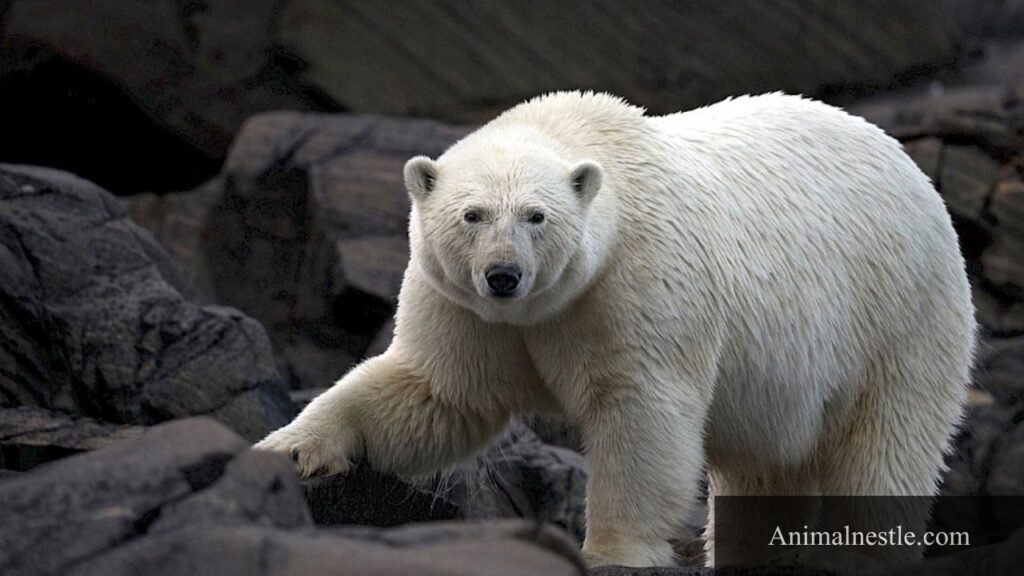
However, the polar bear’s existence is increasingly threatened as climate change accelerates the melting of their sea ice habitat. This transformation forces them to travel greater distances for food, leading to greater energy expenditure and an alarming decline in their population. Conservation efforts are crucial, not just for the survival of these magnificent animals, but for the entire ecosystem they inhabit. By understanding the polar bear’s role in the Arctic, we can appreciate the delicate balance of nature that drives environmental health and resilience.
Praying Mantis
Scientific Name: Mantodea
Class: Insecta
Diet: Carnivore
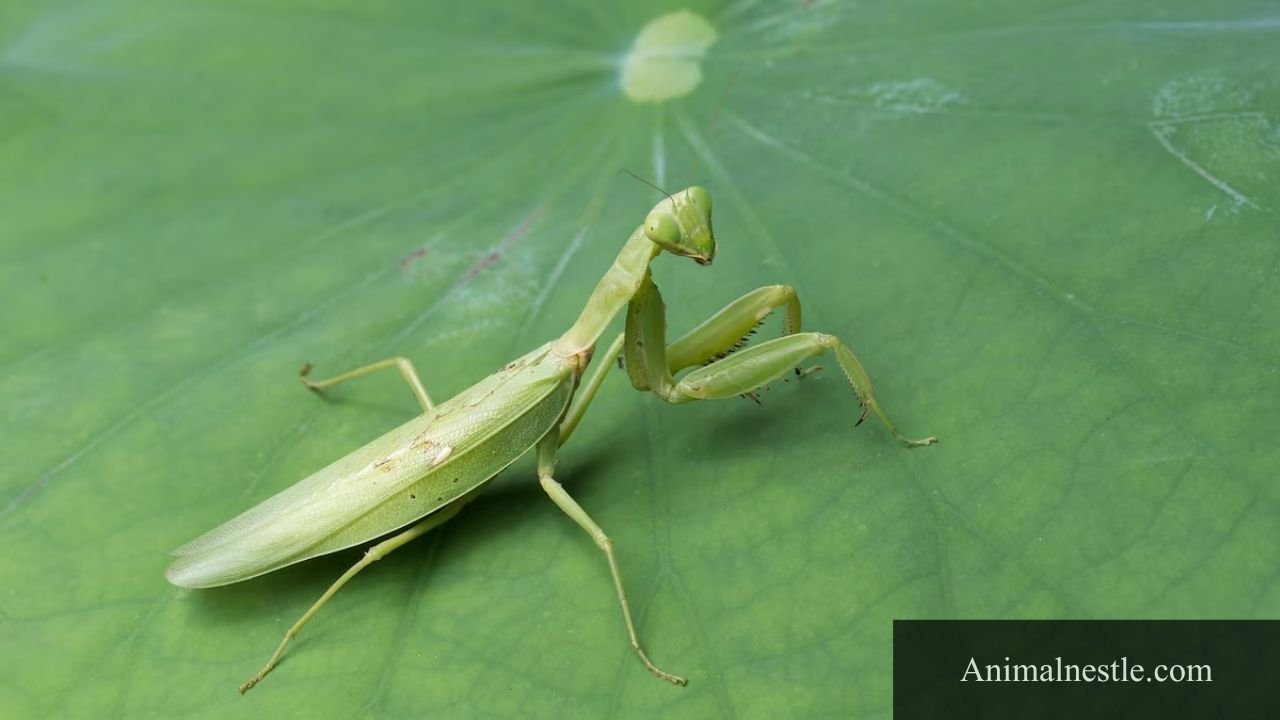
The praying mantis is a marvel of predatory design, showcasing nature’s ingenuity with its unique triangular head and large, bulging eyes that offer nearly 360-degree vision. Known for its distinctive posture — forelegs raised as though in prayer — this insect is not just a captivating sight but also a skilled hunter. Its incredible ability to camouflage itself makes it a master of stealth; in gardens or forests, it can blend seamlessly with leaves, waiting patiently for unsuspecting prey.
Equally fascinating is the mantis’s complex mating ritual, which can lead to dramatic consequences. In some species, the female consumes her partner after mating, a behavior that promotes reproductive success by providing nourishment. This act has fueled a myriad of myths and misconceptions, often casting the praying mantis in a web of intrigue. Beyond its predatory habits, the mantis also plays a vital role in pest control, making it a natural ally for organic gardeners, illustrating how interconnected our ecosystems truly are.
Patagonian Mara
Scientific Name: Dolichotis patagonum
Class: Mammalia
Diet: Herbivore
The Patagonian mara, a unique rodent native to Argentina, captures attention with its striking resemblance to a small deer. This fascinating creature stands out with its slender legs, elongated body, and remarkable blue-gray fur, making it one of nature’s most intriguing adaptations to the Patagonian landscape. Unlike many rodents, the mara practices monogamous pairing, forming strong bonds with a mate that can last for life; a testament to the complexities of animal relationships that often go unnoticed in the wild.
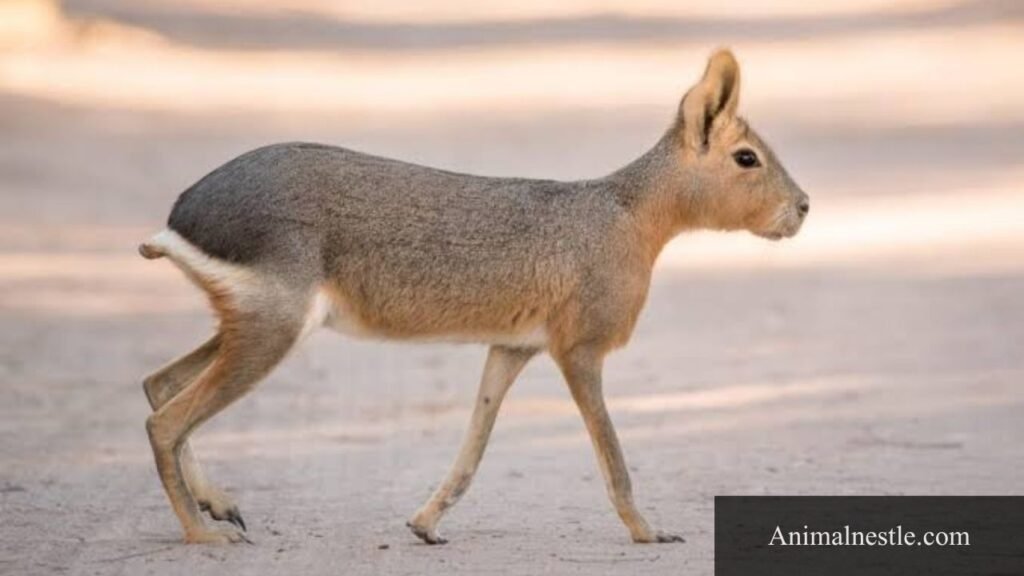
Moreover, maras are social creatures, often found in small groups that create intricate burrows as shelters from predators. Their foraging habits demonstrate an essential role in their ecosystem, as they help disperse seeds and maintain the balance of their environment. However, as their habitats face threats from human encroachment, these charismatic animals highlight the urgent need for conservation efforts in the region. Observing the Patagonian mara offers a glimpse into the rich tapestry of life in South America while underscoring the delicate harmony between wildlife and their ecosystems.
Readmore: Explore Top 27 Animals That Start With H.
Final Thoughts
Exploring animals that start with the P reveals a captivating array of species, each with its own distinct characteristics and ecological significance. Whether it’s the powerful privet hawk moth fluttering through our gardens, or the unlikely penguin waddling its way across icy landscapes, these animals ignite our curiosity and admiration. They remind us of the intricate connections within ecosystems and the critical roles each species plays.
As we continue to learn about and engage with these fascinating creatures, let us also rally for their protection and the preservation of their environments. Join the movement to protect wildlife and ensure that future generations can enjoy the wonders of our planet’s animal kingdom.
FAQs
What animal starts with p?
One animal that starts with P is the panda. These gentle giants are known for their distinctive black-and-white fur and primarily eat bamboo. They’re native to China and are often seen as a symbol of wildlife conservation. Another example is the peacock. Known for their vibrant, colorful feathers, especially the males, peacocks are a type of bird found in various parts of the world. Their stunning displays make them a popular attraction in parks and gardens.
What is the largest animal that starts with P?
The largest animal that starts with “P” is the polar bear. These magnificent creatures can weigh up to 1,500 pounds and measure around 10 feet in length. They are primarily found in the Arctic region, relying heavily on sea ice for hunting seals, their main food source.