Top 13 Ovoviviparous Animals in The World (With Images)
Welcome to the intriguing realm of ovoviviparous animals in the world, where fascinating adaptations blur the lines between egg-laying and live-bearing species. Understanding these unique reproductive strategies can illuminate broader themes of evolution and survival in nature.
In this article, we will explore various ovoviviparous species, their remarkable life cycles, and what these adaptations reveal about the environments they inhabit.
What are Ovoviviparous Animals?
Ovoviviparous animals are those that give birth to live young, but the embryos develop inside eggs that remain within the mother’s body until they hatch. This means that rather than laying eggs in the environment, the female retains the eggs internally. It’s a fascinating adaptation found in various species, particularly among certain fish, reptiles, and amphibians.
Examples include certain types of sharks, like the hammerhead, and some species of snakes. In these animals, the embryos receive nourishment from the yolk of the egg, providing a protective environment until they are ready to be born. This method of reproduction combines aspects of both oviparity (egg-laying) and viviparity (live birth) and showcases the diversity of reproductive strategies in the animal kingdom.
List of Ovoviviparous Animals in The World
Below is the list of Ovoviviparous Animals:
- Garter Snakes
- Seahorses
- Guppies
- Coelacanth
- Vipers
- Flies
- Anacondas
- Frogs
- Chameleons
- Aphids
- Rays
- Sharks
- Slow Worms
Garter Snakes
Scientific Name: Thamnophis
Class: Reptilia
Diet: Carnivore
Garter snakes, renowned for their striking coloration and diverse habitats, exhibit fascinating ovoviviparous reproductive strategies. Unlike many reptiles that lay eggs, garter snakes give birth to live young, a trait that allows them to thrive in colder environments where egg incubation might fail. This method of reproduction ensures that the young are born ready to navigate the perils of their surroundings immediately, increasing their chances of survival.
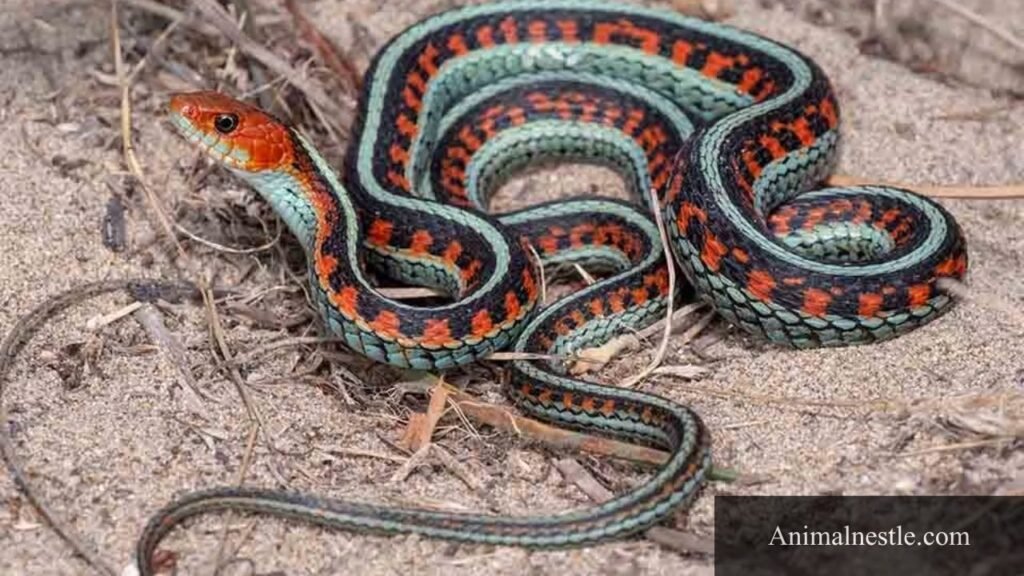
Interestingly, female garter snakes can store sperm from males for several months, allowing them to fertilize their eggs at optimal times. This adaptability gives them a unique edge in fluctuating climates, as they can time births to coincide with the availability of prey, such as amphibians and small mammals. As if that weren’t enough, the young snakes are often born in large litters, making the sheer volume of offspring a strategy in itself — ensuring that at least a few will evade predators and thrive. Garter snakes not only embody ecological resilience but also challenge our traditional views of reptilian reproduction, showcasing the remarkable complexity of nature’s strategies.
Seahorses
Scientific Name: Hippocampus
Class: Actinopterygii
Diet: Carnivore
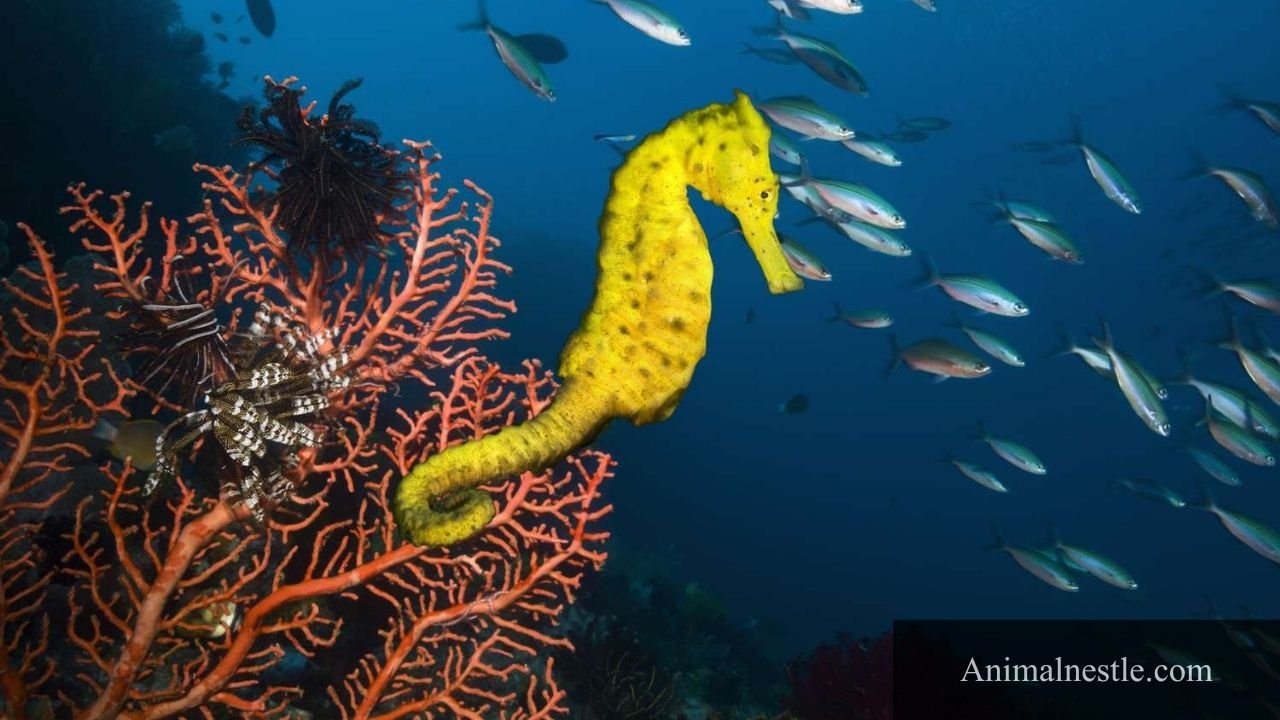
Seahorses are a fascinating example of ovoviviparity, a reproductive strategy that defies common expectations in the animal kingdom. Unlike many species where females lay eggs that are left to fend for themselves, male seahorses take on the crucial role of pregnancy. The female transfers her eggs into a specialized pouch on the male’s body, where he fertilizes and nurtures them until they are fully developed. This unique adaptation not only showcases the intricacies of marine life but also redefines traditional gender roles in reproduction.
The seahorse pouch functions much like a womb, providing a safe, nutrient-rich environment. As the male incubates the embryos, he can even regulate the salinity and temperature within the pouch, tailoring conditions for optimal development. When the time comes for the young to be born, they emerge from the pouch as miniature versions of adults, ready to face the ocean’s challenges. This extraordinary process highlights the remarkable adaptability of life and invites us to rethink our perceptions of masculinity and parenting in the animal world.
Guppies
Scientific Name: Poecilia reticulata
Class: Actinopterygii
Diet: Omnivore
Guppies, those lively little fish often found in home aquariums, showcase the fascinating phenomenon of ovoviviparity, where embryos develop inside eggs that remain within the mother until they hatch. This unique reproductive strategy offers distinct advantages in the wild; it provides protection from predators during a vulnerable developmental stage. While many fish lay their eggs in open water, guppies ensure that their young are born alive and ready to swim, maximizing the chances of survival in a competitive environment.
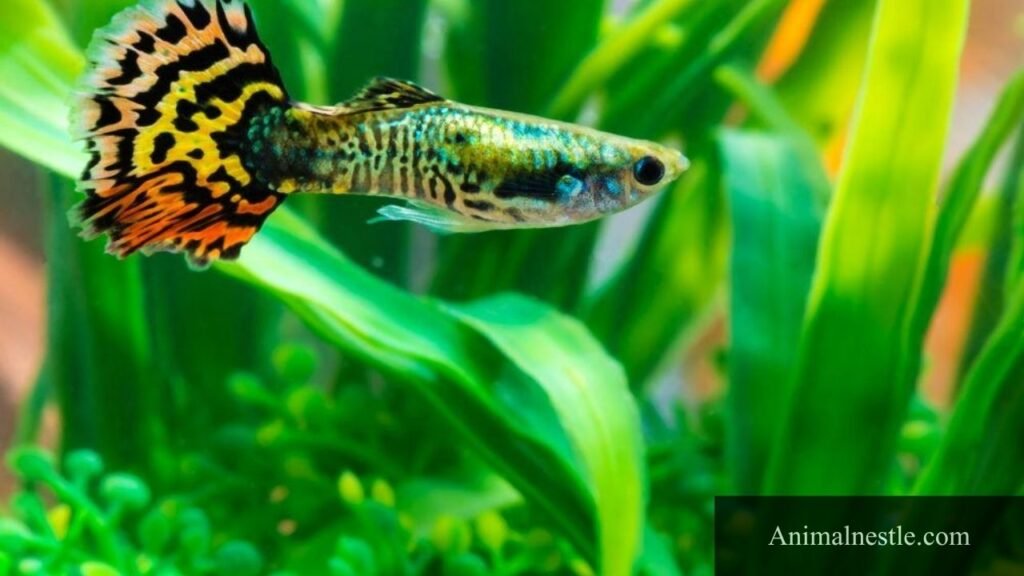
Interestingly, guppies exhibit a remarkable capacity for adaptation in various habitats, leading to diverse coloration and size among species. This adaptability also extends to their reproductive strategies — females can selectively retain sperm from multiple males, allowing them to influence the genetic traits of their offspring based on environmental conditions. As a result, guppies serve not only as an engaging addition to aquarium life but also as an important model in studies of evolutionary biology, demonstrating how reproductive strategies can shape the dynamics of species in different ecosystems.
Readmore: Explore Top 6 Animals With Tusks.
Coelacanth
Scientific Name: Latimeria
Class: Sarcopterygii
Diet: Carnivore
The coelacanth defies modern expectations of fish reproduction by exhibiting ovoviviparity, where eggs develop inside the female’s body and hatch into live young. This ancient species is often referred to as a “living fossil,” having existed for over 400 million years, showcasing a remarkable evolutionary endurance. What sets the coelacanth apart is not just its unique birthing method, but also its intricate anatomy and behavioral adaptations that seem almost tailored for survival in the deep-sea environment.
Recent studies have revealed that the coelacanth also possesses a unique respiratory system, relying on both lungs and gills, allowing it to thrive in the low-oxygen environments of the ocean’s depths. This adaptability contributes to its reproductive strategy, as the sheltered internal development of embryos gives them a greater chance of survival in a world teeming with predators. As we explore the mysteries of this enigmatic fish, we uncover new insights into evolutionary biology and the resilience of life in extreme habitats, illustrating the intertwined tapestry of adaptation and survival that characterizes our planet’s diverse ecosystems.
Vipers
Scientific Name: Viperidae
Class: Reptilia
Diet: Carnivore
Vipers, a fascinating group of snakes, exemplify the intriguing reproductive strategy of ovoviviparity. Unlike oviparous species that lay eggs, these serpents retain their fertilized eggs within their bodies until the young are ready to be born. For the female viper, this adaptation provides the advantage of protecting her developing offspring from harsh environmental conditions and predation, increasing their chances of survival right from birth.
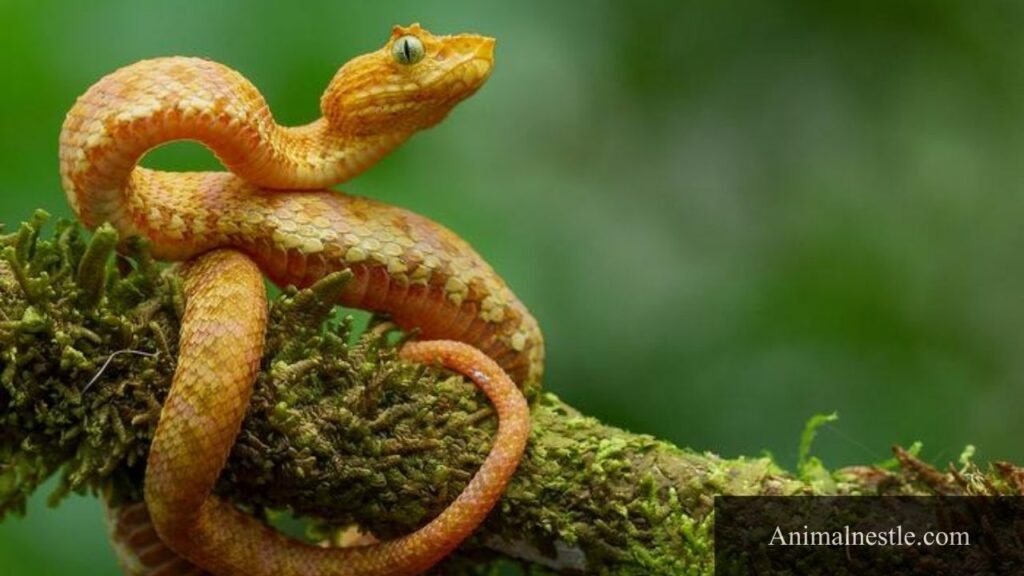
Moreover, the varying temperatures of their habitats influence how long the embryos develop, showcasing a remarkable interplay between environment and biology. This flexibility allows vipers to thrive in diverse ecosystems, from arid deserts to lush forests. Interestingly, some species even exhibit a degree of parental care, basking in the sun to regulate the temperature around their neonates post-birth, highlighting a significant departure from the traditional view of reptiles as detached parents. The adaptability and survival strategies of vipers in their reproductive approach continue to challenge our understanding of reptilian behavior and evolution.
You can also read: Explore Top 17 Animals That Have Manes.
Flies
Scientific Name: Diptera
Class: Insecta
Diet: Omnivore
Ovoviviparous animals, those that give birth to live young from eggs retained inside the body, often challenge our perceptions of reproduction in the animal kingdom. Flies, specifically certain species within the Diptera order, provide an intriguing glimpse into this biological strategy. For instance, some species like the Brachycera can hold their fertilized eggs within until conditions are optimal for hatching, allowing the larvae to emerge fully developed in a world rife with competition and environmental hazards.
This strategy serves as an evolutionary advantage, particularly in ephemeral habitats. By delaying the moment of birth, ovoviviparous flies can ensure that their young hatch in a rich, resource-abundant environment, enhancing their chances of survival. This adaptability allows these flies to exploit niches in various ecosystems, from decaying matter to moist environments, demonstrating an impressive versatility that has led them to thrive in numerous ecological contexts. Observing these remarkable creatures reveals the intricacies of nature’s design, reminding us that life finds myriad ways to persist and flourish.
Anacondas
Scientific Name: Eunectes
Class: Reptilia
Diet: Carnivore
Anacondas are also fascinating for their ovoviviparous mode of reproduction. Unlike typical egg-laying reptiles, female anacondas retain their fertilized eggs inside their bodies until they are ready to hatch. This unique adaptation not only shields the developing young from environmental threats but also provides them with a head start in the perilous world outside. It’s a survival strategy that transforms the lush, often dangerous habitats of the Amazon into a nurturing environment where newborns emerge fully formed, ready to slither off into the wild.
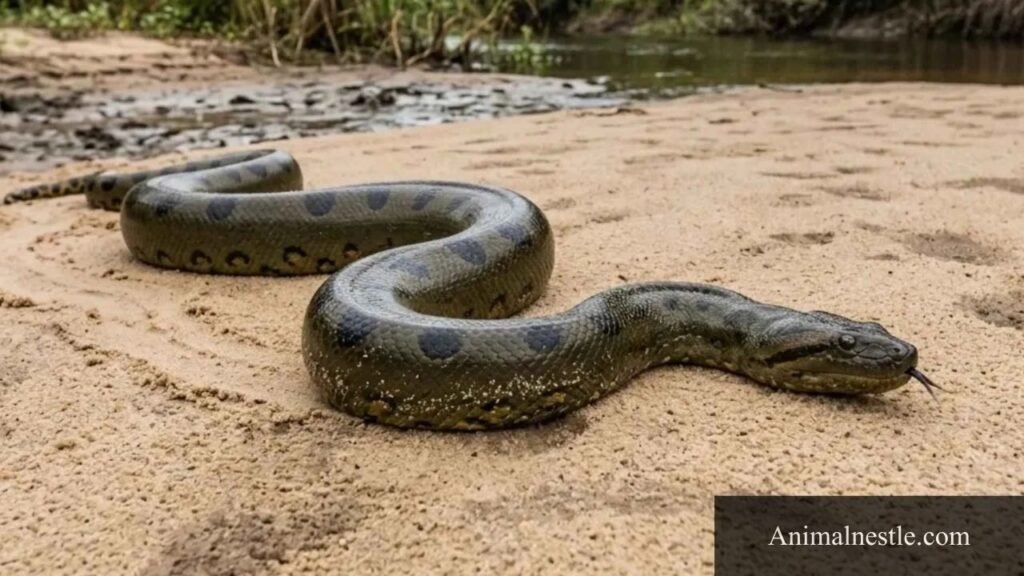
What’s even more intriguing is the social dynamics surrounding their mating behavior. During the breeding season, males will often engage in a remarkable ritual known as the “breeding ball,” where multiple males entwine themselves around a single female. This competitive display not only highlights their prowess but also leads to a genetic lottery, ensuring that the most robust genes are passed on to the next generation. This interplay of size, strength, and reproductive strategy speaks volumes about the evolutionary adaptations that have enabled anacondas to thrive in some of the most challenging ecosystems on Earth. Each offspring represents not just a new life, but an intricate balance of nature’s design and survival instinct.
Also read: Explore Top 13 Animals That Live in Fields.
Frogs
Scientific Name: Anura
Class: Amphibia
Diet: Carnivore
Frogs are also a fascinating example of ovoviviparous animals. Unlike their more common amphibious relatives who lay eggs externally, certain frog species, such as the Surinam toad and the gastric-brooding frog, retain their fertilized eggs within their bodies. This adaptation provides a unique survival advantage, safeguarding the developing embryos from environmental threats like predators and harsh weather.
Within their gestating environments, these frogs exhibit remarkable parental care. For instance, the gastric-brooding frog takes maternal behavior to an extraordinary level by literally incubating its young in its stomach; once fully developed, the young are ejected from the mother’s mouth, a dramatic exit that highlights the incredible evolutionary niche these creatures occupy. The complexities of such reproductive methods challenge the traditional views on amphibian life cycles, emphasizing the innovative ways animals can adapt to their ecosystems. This fascinating reproductive strategy not only showcases the diversity of life but also raises questions about the future of species that rely on such intricate breeding mechanisms in an era of rapid environmental change.
Chameleons
Scientific Name: Chamaeleonidae
Class: Reptilia
Diet: Carnivore
Chameleons are often celebrated for their vibrant colors and impressive camouflage, but their reproductive methods add another layer of intrigue to these fascinating creatures. While many assume all reptiles lay eggs, some chameleon species adopt an ovoviviparous approach, where eggs develop inside the mother’s body and hatch just before or during birth. This strategy not only protects the developing embryos from environmental hazards but also allows the mother to select optimal conditions for their emergence, ensuring the young are better equipped to survive in their natural habitat.
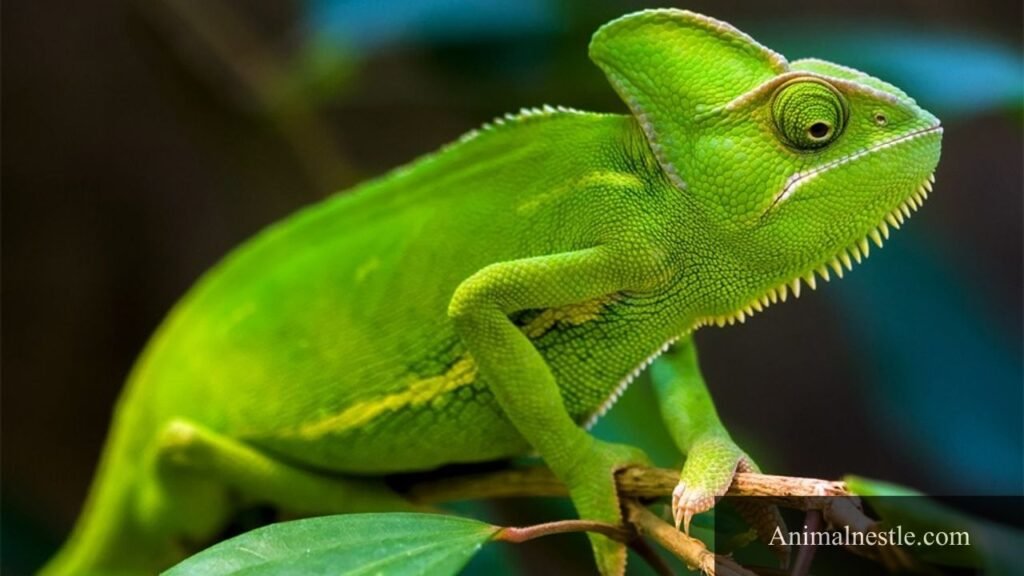
The bonding between a chameleon mother and her babies is a remarkable yet subtle dance of instinct and necessity. After a gestation period, the mother may find a warm, secluded spot to give birth, where her offspring can quickly adapt to their surroundings. Unlike many reptiles, chameleon hatchlings are independent from day one, showcasing a remarkable transformation from protected embryos to self-sufficient young. This shifts the focus from parental investment to survival skills, as each tiny chameleon must navigate its habitat with agility, color-changing abilities, and keen hunting instincts. It’s a vivid reminder of nature’s ingenuity, where even the means of reproduction reflects a species’ adaptation to its unique ecological niche.
Readmore: Explore Top 27 Examples of Reptiles.
Aphids
Scientific Name: Aphidoidea
Class: Insecta
Diet: Herbivore
Among the remarkable realms of the natural world, the reproductive strategies of aphids stand out, particularly their ovoviviparous nature. This fascinating aspect of their life cycle allows aphids to give birth to live young that develop within eggs retained inside the mother’s body. Unlike more traditional egg-laying species, this method provides a strategic advantage, enabling the young nymphs to emerge ready to thrive in fluctuating environments. By avoiding the vulnerable stage of hatching in potentially harsh outside conditions, aphids ensure a higher survival rate.
Moreover, aphids are capable of rapid population growth due to their unique reproductive flexibility. In favorable conditions, a single female can generate dozens of offspring in just a few weeks, often giving rise to multiple generations within a single growing season. This remarkable capability not only boosts their numbers dramatically but also facilitates the rapid spread of beneficial traits throughout populations. Their adaptability makes them resilient pests in agriculture, often outpacing control measures. Understanding the ovoviviparous nature of aphids highlights the intricate balance of nature, where survival strategies often challenge human endeavors in pest management.
Rays
Scientific Name: Batoidea
Class: Chondrichthyes
Diet: Carnivore
Rays, alongside their relatives exemplify the fascinating diversity of ovoviviparous reproduction. In this unique reproductive strategy, embryos develop inside eggs that remain within the mother’s body until they are ready to hatch, offering a more nurturing environment compared to traditional egg-laying. This method not only safeguards the young from predators but also allows mothers to give birth to fully formed juveniles, enabling a higher survival rate in their often hostile aquatic habitats.
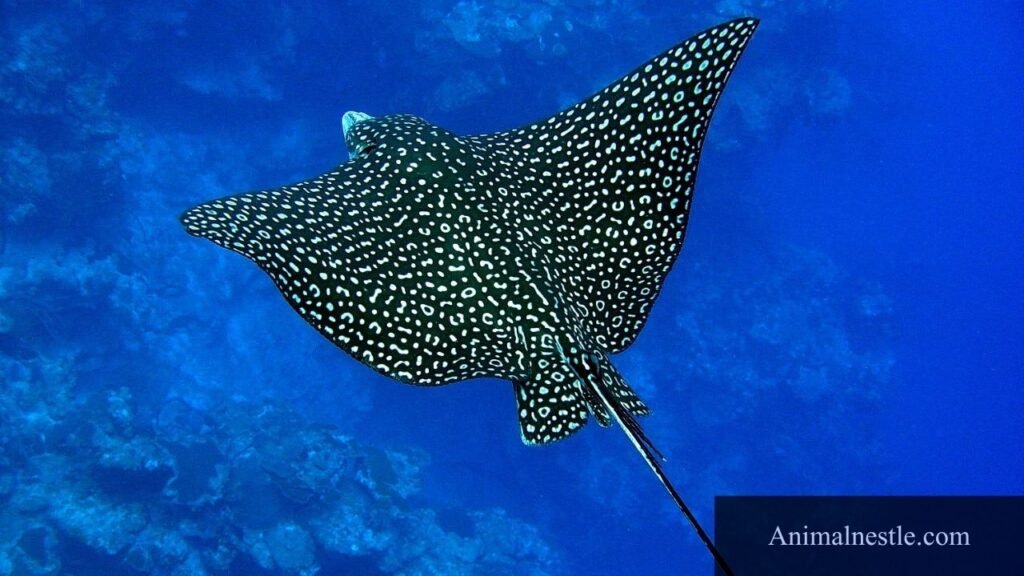
What’s particularly striking about rays is their adaptability to various environments — from the shallow waters of coastal regions to the depths of the ocean. Some species, like the spotted eagle ray, have intricate social behaviors during their mating rituals, showcasing an unexpected complexity beneath the surface. Moreover, their ability to bear live young gives rise to intriguing questions about the evolutionary advantages this strategy confers in terms of longevity and reproductive success, especially as they navigate the challenges posed by environmental changes and habitat loss. By understanding rays’ reproductive strategies, we gain deeper insights not just into their biology, but also into the broader narratives of life’s resilience in our oceans.
You can also read: Explore Top 19 Animals That Eat Bamboo.
Sharks
Scientific Name: Selachii
Class: Chondrichthyes
Diet: Carnivore
Sharks are fascinating examples of ovoviviparous reproduction, a process where embryos develop inside eggs that hatch within the mother’s body. This unique approach provides the growing pups with immediate access to maternal nourishment through the yolk, allowing them to fully develop before entering the world. Unlike many fish that simply spawn their eggs into the ocean, female sharks protect their young by carrying them to term, ensuring a higher survival rate in the treacherous marine environment.
One intriguing aspect of ovoviviparity in sharks is the phenomenon of intrauterine cannibalism. Some species, like the sand tiger shark, engage in a ruthless survival strategy where the strongest embryos consume their weaker siblings while still in the womb. This natural selection not only culls the less fit but also gives the surviving pups a head start upon birth. Imagine these pups emerging into the ocean with not just instinct but also an innate competitive edge after a bout of fierce prenatal rivalry, setting the stage for their own adventures in the wild sea.
Slow Worms
Scientific Name: Anguis fragilis
Class: Reptilia
Diet: Carnivore
Slow worms, often mistaken for snakes due to their elongated bodies and lack of limbs, showcase the fascinating adaptability of ovoviviparous animals. Unlike the traditional egg-laying species, slow worms give birth to live young that develop inside the mother’s body, a remarkable adaptation for survival in temperate climates. This method not only protects the embryos from environmental threats but also allows for greater mobility as the mother can stay hidden from predators while nurturing her offspring.
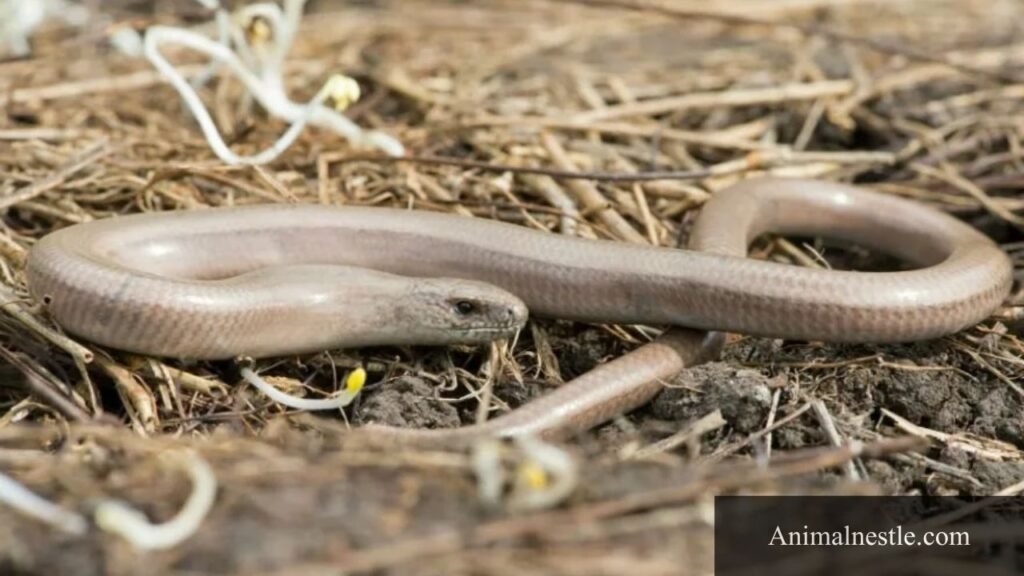
What’s particularly intriguing is the slow worm’s unique reproductive strategy. In certain populations, females engage in a form of reproductive cycling that allows them to produce multiple litters in a single season. Their offspring are born fully formed, ready to navigate their environment almost immediately, which heightens their chances of survival in the wild. By emerging from the shelter of their mother’s body, young slow worms can quickly find refuge in leaf litter or under stones, showcasing an impressive blend of maternal investment and independence. This intriguing blend of life strategies highlights the slow worm’s role not just as a solitary expert in camouflage but as a resilient survivor in a world full of challenges.
Readmore: Explore Top 17 Most Ambitious Animals.
Final Thoughts
Ovoviviparous animals showcase a fascinating reproductive strategy that blends the characteristics of both oviparity and viviparity. This unique method allows these species to adapt to various environmental conditions, offering greater chances of survival for their young in complex habitats. From sharks to certain reptiles, their ability to retain eggs within their bodies until they are ready to hatch adds a remarkable dimension to their life cycles.
As we continue to explore the intricacies of the animal kingdom, understanding these diverse reproductive strategies will help us appreciate the evolutionary adaptations that enhance survival. Let us honor these incredible creatures and advocate for their conservation to ensure future generations can marvel at their unique biological traits.
FAQs
What animals are ovoviviparous?
Some well-known examples include certain species of sharks, such as the hammerhead and the bull shark. These fish showcase this reproductive strategy effectively, combining the benefits of live birth with the protection of an egg environment. In addition to sharks, many reptiles exhibit ovoviviparity. Species like the common garter snake and the New Mexico whiptail lizard also reproduce this way.
Is a crocodile ovoviviparous?
Crocodiles are not ovoviviparous; they are primarily oviparous. This means they lay eggs, which then incubate outside of their bodies until hatching. The female typically builds a nest, lays her eggs, and guards them until the hatchlings emerge.