Top 19 Animals That Eat Carrots (With Pictures)
Did you know that not only rabbits love munching on carrots? In fact, a surprising array of animals enjoy this crunchy snack, showcasing the diversity of nature’s palates. This article will explore the fascinating world of animals that eat carrots, highlighting which species indulge in this vibrant vegetable and why it’s an important part of their diets. By the end, you’ll gain insight into the dietary habits of these creatures and the role carrots play in their health.
List of Animals That Eat Carrots
Here is the list of animals that eat carrots:
- Guinea Pig
- Deer
- Rabbit
- Raccoon
- Common Iguana
- Squirrel
- Parrot
- Black Bear
- Horse
- Cow
- Groundhog
- Hamster
- Sheep
- Pocket Gopher
- Pig
- House Mouse
- Goat
- Tortoise
- Brown Rat
Guinea Pig
Scientific Name: Cavia porcellus
Class: Mammalia
Diet: Herbivore
Guinea pigs harbor a notable love for carrots, often treating them as a delightful snack rather than a daily staple. These little herbivores are primarily grazers, relying on a diet rich in hay, vegetables, and high-quality pellets. While carrots supply a burst of sweetness and crunch, they should only be given occasionally due to their higher sugar content. Instead of viewing carrots as a mainstay, they should be seen as a treat that can brighten up a guinea pig’s day, providing both nutrition and joy.
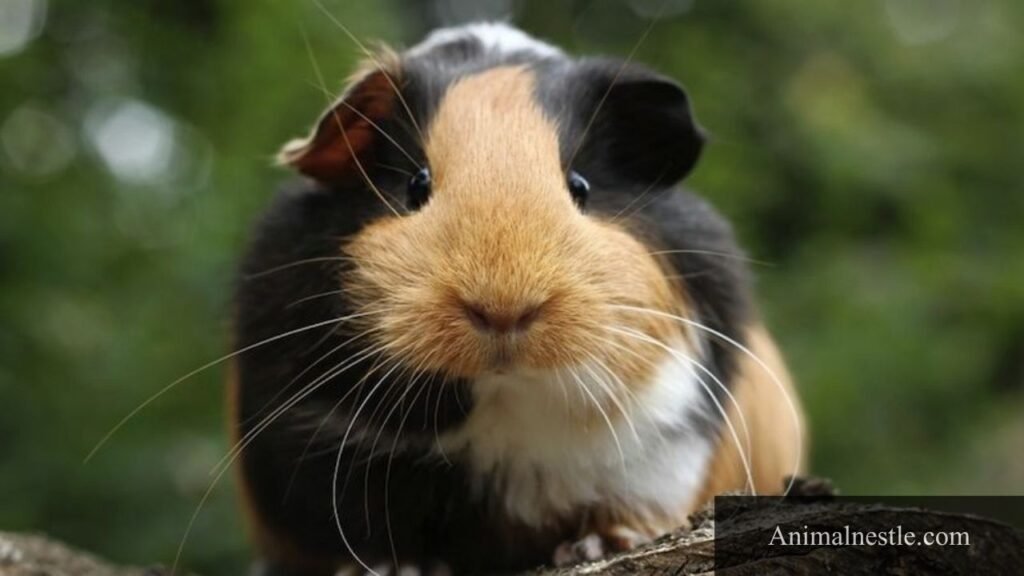
Incorporating carrots into your guinea pig’s diet can elevate their meals while ensuring their health remains a priority. A small slice or two, perhaps once or twice a week, can provide the vitamin A they need for healthy eyesight, skin, and immune function. When introducing any new food, including carrots, it’s crucial to observe their reaction and monitor for any digestive issues, as guinea pigs can be sensitive to sudden dietary changes. Embracing this aspect of their diet not only nurtures their bodies but also fosters a bond between pet and owner, turning mealtime into an engaging experience.
Deer
Scientific Name: Odocoileus virginianus
Class: Mammalia
Diet: Herbivore
Deer have a well-documented love for carrots, often viewing these crunchy treats as irresistible snacks. In the wild, their diet primarily consists of leaves, fruits, and naturally occurring veggies, but carrots add a delightful twist to their menu — especially in environments where they might be less accessible. Feeding deer carrots can draw them closer to suburban areas, where they are often seen nibbling on garden plots, highlighting their adaptability to human-influenced landscapes.
In terms of diet, carrots are rich in nutrients that can contribute positively to a deer’s overall health. The natural sugars and fiber in carrots provide a quick energy source, making them a great treat during the leaner winter months. However, moderation is key; while deer may indulge in carrots when offered, it’s essential they don’t rely solely on these root vegetables as their primary food source. Too many carrots can lead to digestive issues or nutritional imbalances, so it’s best to think of them as an occasional snack rather than a staple, ensuring that these graceful creatures maintain their natural foraging habits amidst all the carrot-loving excitement.
Rabbit
Scientific Name: Oryctolagus cuniculus
Class: Mammalia
Diet: Herbivore
Rabbits have an undeniable love for carrots, often making these vibrant orange vegetables a symbol of their diet. However, while carrots are a delightful treat, they should only constitute a small portion of a rabbit’s overall nutrition. Given their natural herbivorous tendencies, rabbits thrive on a diet rich in hay, fresh greens, and limited fruits. Carrots, being high in sugar, are best offered in moderation — perhaps a few small slices a few times a week.
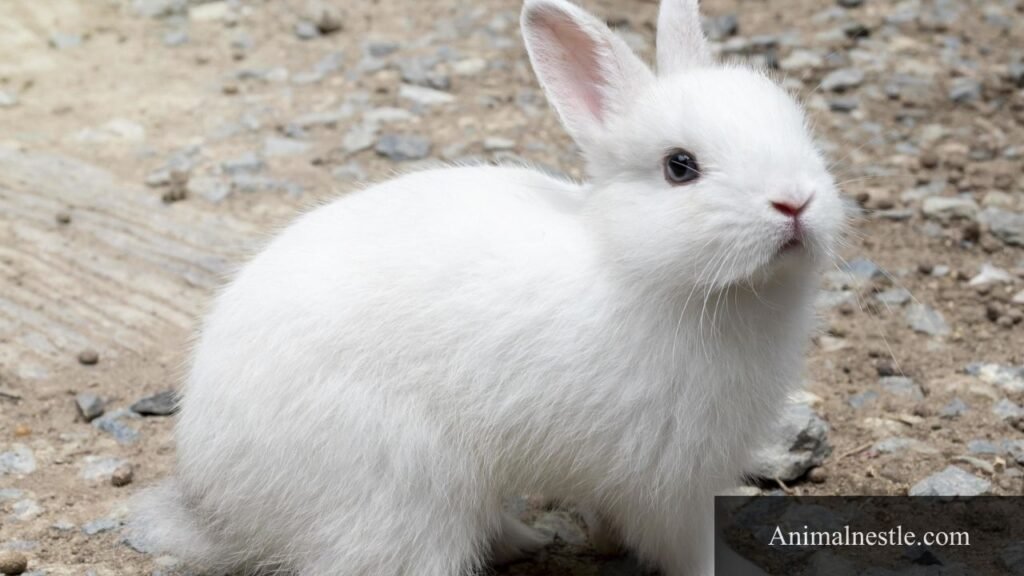
Interestingly, the role of carrots in a rabbit’s diet goes beyond mere taste; these crunchy vegetables are a source of beta-carotene, which converts into vitamin A and supports their vision and skin health. This nutrient richness makes the occasional carrot not just a snack, but a beneficial addition when balanced with other foods. Understanding this can enhance how pet owners view their rabbits’ dietary needs, promoting a healthy lifestyle while still indulging their furry companions’ love for carrots.
Read More: Explore Top 15 Animals That Eat Celery.
Raccoon
Scientific Name: Procyon lotor
Class: Mammalia
Diet: Omnivore
Raccoons are often considered opportunistic eaters, thriving in a diverse diet that includes fruits, insects, and even human leftovers. Surprisingly, they have developed a unique affection for carrots, showcasing their adaptability and palate. Carrots offer not just a crunchy texture but also essential nutrients; the vibrant orange hue indicates a wealth of beta-carotene, crucial for their eye health and general vitality. Observing a raccoon nibble on a carrot is a delightful sight, as they deftly manipulate the vegetable with their agile paws, showcasing their intelligence and dexterity.
In the wild, carrots are not a primary food source for raccoons, but they will consume them when they stumble upon gardens or cultivated patches. This occasional indulgence can be particularly beneficial during spring and summer when many leafy snacks are less available. While raccoons may not feast on carrots daily, their love for this vegetable highlights their opportunistic nature. By incorporating carrots into their diet, raccoons exemplify nature’s creativity in food selection, demonstrating how adaptable these creatures truly are. Whether rummaging through a garden or exploring urban landscapes, raccoons and their whimsical fondness for carrots reveal the beauty of wildlife’s relationship with food.
Common Iguana
Scientific Name: Iguana iguana
Class: Reptilia
Diet: Herbivore
Common iguanas have a unique relationship with carrots in their diet. While they primarily thrive on a plant-based regimen rich in leafy greens, these reptiles can occasionally enjoy carrots as a crunchy snack. The role of carrots in their diet is not just about taste; these root vegetables provide essential vitamins and hydration, contributing to the iguana’s overall health.
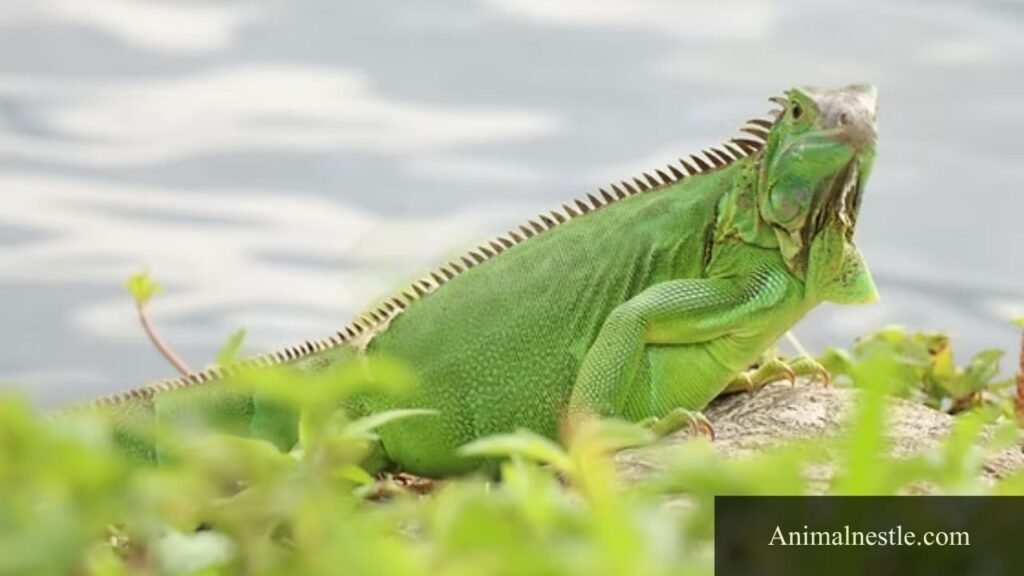
In terms of frequency, iguanas may indulge in carrots once or twice a week, ensuring that their diet remains balanced without over-relying on these sugary roots. The benefits of incorporating carrots include improved vision and skin health, thanks to the beta-carotene they contain. This nutrient transforms into vitamin A in the iguana’s body, which is vital for bodily function. As fascinating herbivores, common iguanas reveal the vibrant spectrum of dietary needs across the animal kingdom, showcasing how even small dietary additions can play a pivotal role in their well-being.
Squirrel
Scientific Name: Sciuridae
Class: Mammalia
Diet: Omnivore
Squirrels are avid foragers, and their love for carrots showcases their adaptability in urban and suburban environments. While nuts often dominate their diet, carrots provide a crunchy, nutritious alternative that squirrels eagerly seek out. These orange delights are not only a tasty snack but also complement their regular intake of grains, fruits, and vegetables, ensuring a balanced diet rich in vitamins and minerals.
Interestingly, squirrels don’t just nibble on raw carrots; they often bury pieces for later consumption, demonstrating their resourcefulness and foresight. This caching behavior plays a crucial role in their survival during harsher seasons when food is scarce. With their keen sense of smell, squirrels can relocate these hidden treats, ensuring they have nutrient-dense snacks available even in winter months. So, the next time you spot a squirrel savoring a carrot in your backyard, remember that it’s more than just a whimsical sight; it’s a testament to their cleverness and adaptability in finding sustenance in a changing world.
You Can Also Read: Explore Top 19 Animals That Eat Bamboo.
Parrot
Scientific Name: Psittaciformes
Class: Aves
Diet: Omnivore
Parrots are fascinating creatures, known for their vibrant colors and lively personalities, but their dietary preferences often surprise many. Among their favorite treats is the humble carrot, a crunchy and nutritious snack that these birds adore. Carrots are not just a colorful addition to their diet; they provide essential vitamins and minerals that contribute to a parrot’s overall health, including vitamin A, which supports their vision and immune system.

Incorporating carrots into a parrot’s diet can be an enriching experience. These intelligent birds love to play with their food, and the texture of carrots encourages natural foraging behavior. Feeding them carrots a few times a week — either raw or steamed — can add variety to their meals, keeping mealtime engaging. Moreover, the bright orange hue of carrots captures a parrot’s attention and can stimulate their curiosity, making snack time a fun bonding activity for pet owners and their feathery companions. Embracing the love for carrots not only enriches a parrot’s diet but also enhances their overall well-being.
Black Bear
Scientific Name: Ursus americanus
Class: Mammalia
Diet: Omnivore
Black bears are often associated with forest foraging, but their love for carrots might surprise many. While these majestic creatures primarily feast on berries, nuts, and other plant matter, they have a particular penchant for the crunchy, sweet taste of carrots. In the wild, bears will occasionally encounter these delights, especially in areas where agriculture and natural habitats intersect, providing them with an unexpected treat that adds diversity to their diet.
The role of carrots in a black bear’s diet is more than just a delightful snack; it enhances their nutritional intake, contributing fiber and essential vitamins. They typically enjoy these root vegetables during the warmer months, particularly when searching for food becomes crucial in preparation for hibernation. While not a staple, carrots serve as an important supplement that can help bears pack on the necessary weight for a long winter’s sleep. Their unique ability to adapt their tastes and diets showcases the black bear’s resourcefulness in seeking out nourishing foods in varying environments.
Horse
Scientific Name: Equus ferus caballus
Class: Mammalia
Diet: Herbivore
Horses have an undeniable love for carrots, viewing these crunchy treats as not just snacks, but delightful rewards. Rich in vitamins and fiber, carrots play a significant role in a horse’s diet, contributing essential nutrients to their overall health. While hay and grains form the backbone of their nutrition, the occasional carrot offers a tasty boost that equestrians often use to reinforce good behavior during training sessions.

When feeding carrots to horses, it’s important to serve them in moderation, as too many can upset their digestive balance. Slicing the carrots into bite-sized pieces makes them easier to consume and reduces the risk of choking. Many horse owners find that offering carrots not only nurtures physical health but also strengthens the bond between horse and handler, turning ordinary feeding routines into joyful moments of connection. So, the next time you reach for that bag of carrots, remember — it’s more than just a treat; it’s a gesture of love and nurturing for these magnificent animals.
Also Read: Explore Top 17 Birds With 7 Letters.
Cow
Scientific Name: Bos taurus
Class: Mammalia
Diet: Herbivore
Cows are often associated with grassy pastures, but their unexpected love for carrots adds a colorful twist to their diet. While hay and grass form the backbone of their nutritional needs, carrots serve as a delightful treat that can enhance their overall health. These vibrant vegetables are rich in vitamins A and K, which contribute to better vision and immune function, making them a nourishing addition when offered in moderation.
Farmers and caretakers can sprinkle carrots into a cow’s diet a few times a week, transforming meal times into delightful experiences. Not only do cows enjoy the sweet crunch of a fresh carrot, but this tasty snack can also promote digestive health, especially when introduced gradually to prevent any digestive upset. The next time you pass by a pasture, consider that those gentle giants might just be reveling in the joy of a carrot snack, showcasing that their diet can be both functional and fun.
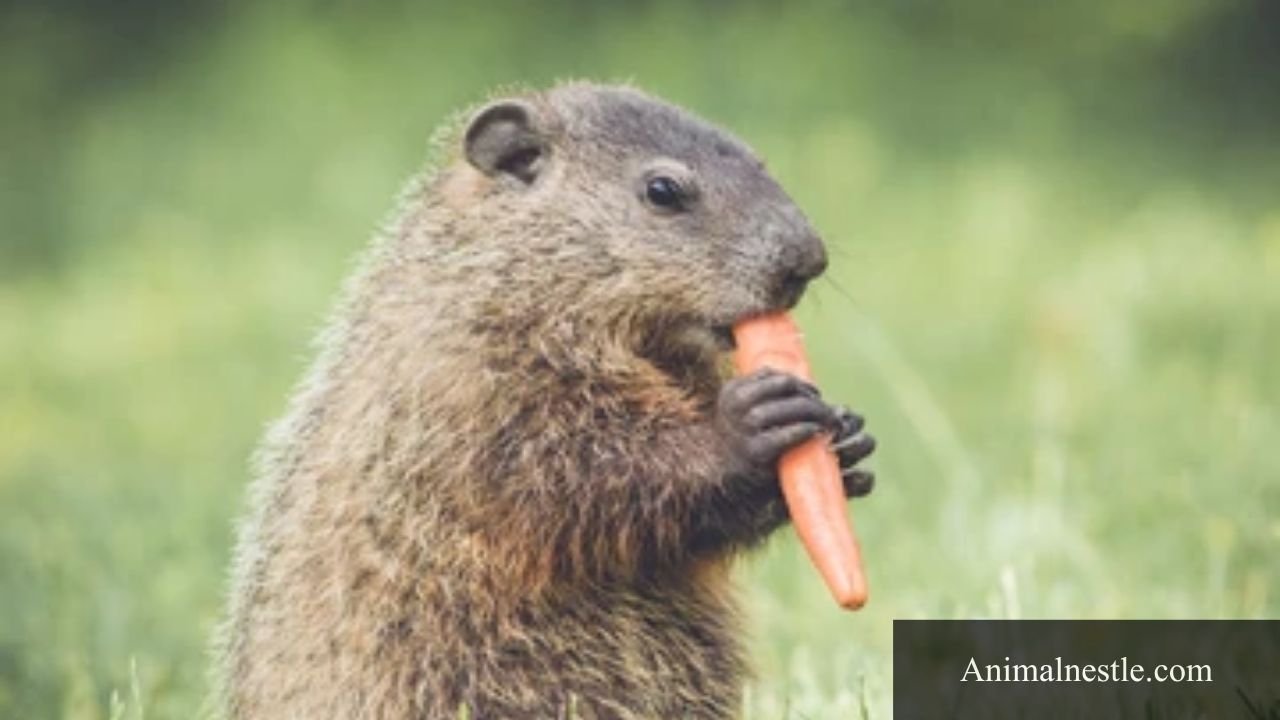
Groundhog
Scientific Name: Marmota monax
Class: Mammalia
Diet: Herbivore
Groundhogs, also known as woodchucks, are surprisingly fond of carrots. These chunky little rodents showcase a remarkable affinity for the vibrant orange root, relishing every crunchy bite. Carrots not only satisfy their taste buds but also provide essential nutrients, making them a staple in a groundhog’s diet. In fact, these playful foragers incorporate carrots into their meals quite frequently, especially in late spring and summer when backyard gardens are bursting with fresh produce.
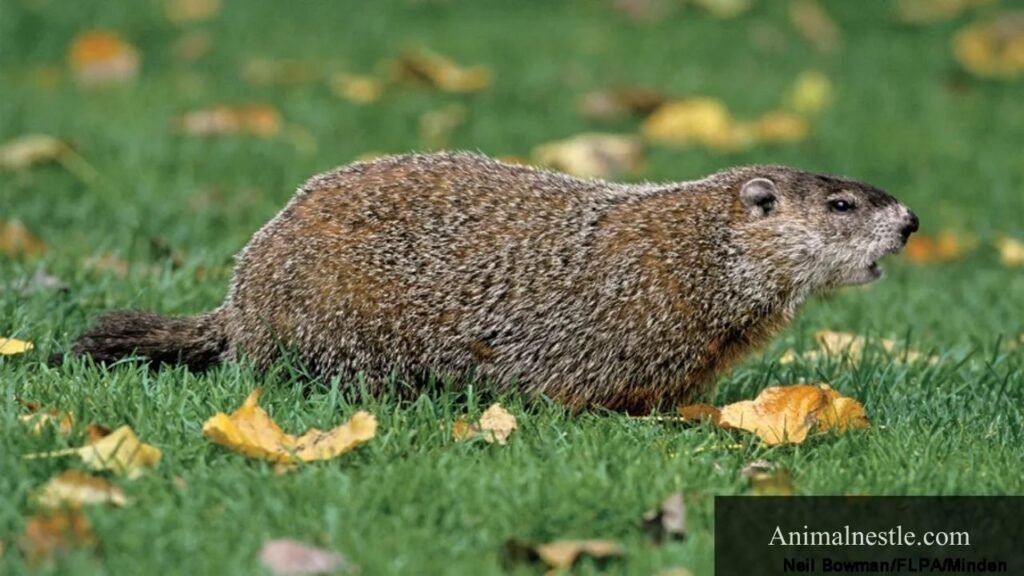
Beyond mere munching, groundhogs strategically consume carrots to support their energetic lifestyles. The high fiber content facilitates digestion, while the vitamins and minerals found in carrots help maintain their robust health for the rigors of burrowing and foraging. Interestingly, groundhogs’ enjoyment of carrots can also lead to clashes with gardeners, as their love for this vegetable can result in sudden, uninvited visits to vegetable patches. However, these encounters offer a fascinating glimpse into the delicate balance of urban wildlife and cultivated landscapes, reminding us of the intricate relationships between nature and humanity.
Hamster
Scientific Name: Cricetinae
Class: Mammalia
Diet: Herbivore
Hamsters have a well-deserved reputation as adorable pets, and their love for carrots only adds to their endearing nature. While these tiny creatures are primarily herbivores, carrots play a delightful role in their diet, offering both nutritional benefits and culinary variety. Rich in vitamins and fiber, carrots can help promote healthy digestion and provide essential nutrients, contributing to overall well-being. However, moderation is key; too many carrots can lead to weight gain and an imbalance in their diet.
Feeding your hamster fresh, chopped carrots a few times a week can be a rewarding experience. Not only do they enjoy the crunch, but the sweetness of the carrot also makes it a favorite treat, enhancing your bond with your furry friend. Beyond just a snack, carrots can engage a hamster’s natural foraging instincts, stimulating their mental activity. When offering carrots, always ensure they are fresh and free of pesticides, choosing organic options when possible to safeguard your pet’s health. By incorporating carrots wisely into their diet, you’re not just feeding them; you’re enriching their life and making mealtime an event to look forward to!
Read More: Explore Top 39 Animals With 4 Letters.
Sheep
Scientific Name: Ovis aries
Class: Mammalia
Diet: Herbivore
Sheep are surprisingly enthusiastic about carrots, often treating them as a delightful snack rather than a staple food. Their love for this crunchy vegetable adds a playful element to their diet, providing not just nutritional benefits but also mental stimulation. While grass and hay form the cornerstone of their everyday meals, carrots serve as a vibrant complement, offering essential vitamins and minerals that support overall health.
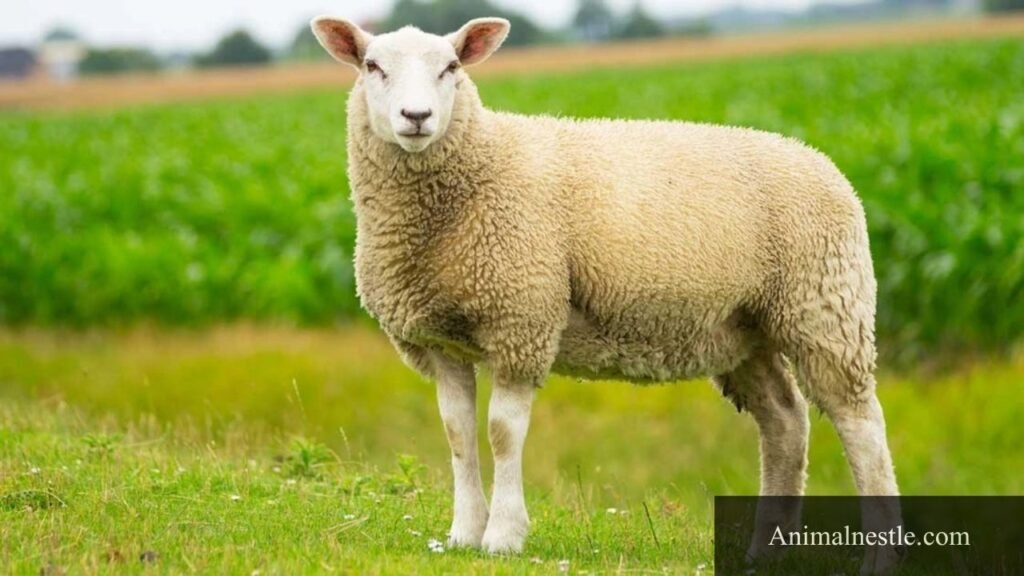
Incorporating carrots into a sheep’s diet can also boost their fiber intake, which is crucial for proper digestion. Farmers often use this colorful treat as a reward during training or health checks, reinforcing positive behavior and building trust. However, moderation is key; frequent carrot treats can lead to digestive upset if overindulged. Striking the right balance allows sheep to enjoy the crunch of carrots while maintaining their dietary health, making mealtimes a joyous occasion for these fluffy creatures.
Pocket Gopher
Scientific Name: Geomyidae
Class: Mammalia
Diet: Herbivore
Pocket gophers have a surprising affection for carrots, which play an essential role in their diet. These burrowing mammals primarily consume a variety of roots and tubers, but they showcase a particular penchant for the crunchy sweetness of carrots. With their keen sense of smell, pocket gophers can detect carrots underground, often using them as a reliable food source during the harsher months when other vegetation is scarce.
What’s truly fascinating is how their love for carrots shapes their behavior and habitat. Pocket gophers maintain a complex network of tunnels that facilitate quick access to their favorite snacks, minimizing the time spent above ground where predators lurk. On average, these creatures can consume a couple of carrots each week, making them adept at both foraging and hoarding food for later. This affinity not only supports their nutritional needs but also plays a vital role in aerating the soil and influencing the ecosystem around them.
Pig
Scientific Name: Sus scrofa domesticus
Class: Mammalia
Diet: Omnivore
Pigs are surprisingly enthusiastic about carrots, making them a delightful addition to their diet. These intelligent animals not only savor the crunch but also benefit from the nutritional value that carrots offer. Rich in vitamins A and C, carrots support a pig’s overall well-being while providing a sweet treat that helps alleviate boredom. This love for carrots can be observed in pet pigs and farm animals alike, showcasing how these crunchy snacks can enhance their daily routine.
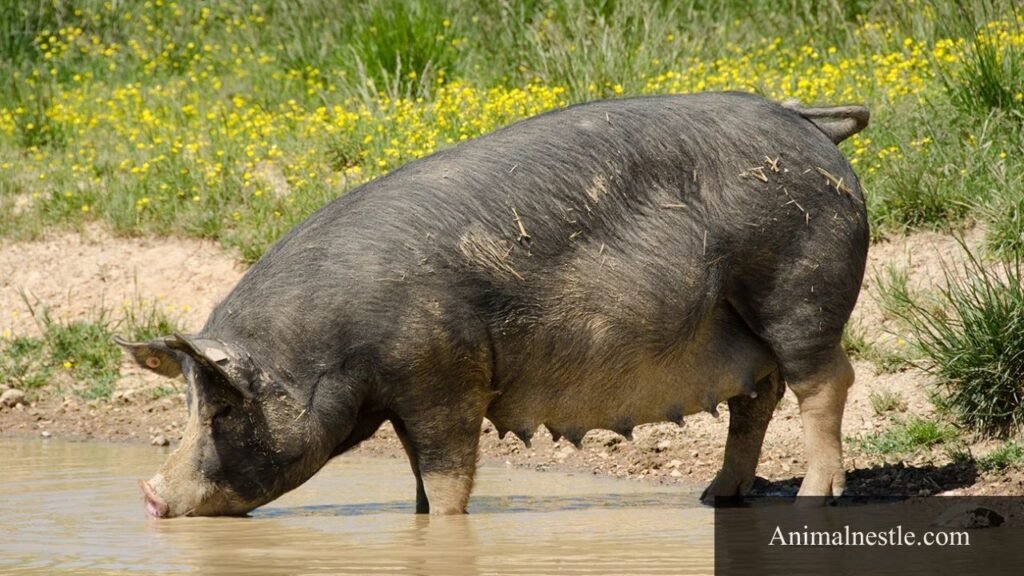
In terms of frequency, carrots should be offered as an occasional treat rather than a staple food. A well-balanced diet that primarily consists of grains and greens is essential for pigs, with carrots serving as a tasty supplement. When introduced properly, carrots can stimulate a pig’s foraging instincts and encourage natural behaviors, making them an enriching component of their environment. It’s fascinating to see how something as simple as a carrot can play a role in not just nutrition, but also in promoting mental stimulation and happiness in these lively creatures.
You Can Also Read: Explore Top 27 Animals With 3 Letters.
House Mouse
Scientific Name: Mus musculus
Class: Mammalia
Diet: Omnivore
House mice, with their curious nature and adaptable diets, have a surprising affinity for carrots. These small rodents often scavenge for food scraps, and carrots serve as a colorful and nutritious option. Their love for carrots isn’t merely a quirky trait; these crunchy vegetables provide essential vitamins, particularly beta-carotene, which supports their vision and immune system. Incorporating carrots into their diet can also help in maintaining dental health, as the act of gnawing on this fibrous vegetable naturally wears down their ever-growing teeth.
In urban environments, house mice might not have carrot patches readily available, but their keen sense of smell leads them to gardens and kitchens alike. It’s fascinating to note that while they enjoy this vibrant snack, carrots should only make up a small portion of their overall diet. A balanced mix of grains, seeds, and other vegetables ensures that these little creatures get the nutrients they need. Whether indulging in a carrot feast or nibbling on other foods found in their habitat, house mice showcase the delightful adaptability of wildlife in urban settings.
Goat
Scientific Name: Capra aegagrus hircus
Class: Mammalia
Diet: Herbivore
Goats have a surprisingly diverse palate, and their love for carrots is a delightful facet of their diet. While these animals are primarily herbivores, their enthusiasm for carrots showcases their herbaceous cravings. Carrots not only add a rewarding crunch to their meals but also provide essential nutrients. Rich in beta-carotene, these vibrant roots support their eye health and immune function — key factors for overall vitality in goats.
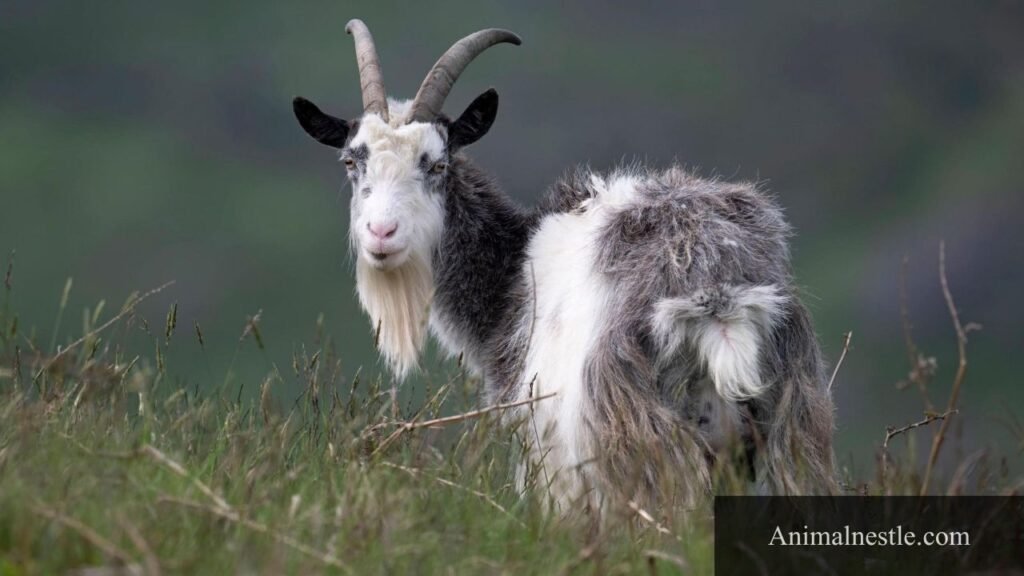
Incorporating carrots into a goat’s diet should be balanced; they are most beneficial as occasional treats rather than daily staples. Offering carrots once or twice a week can keep these curious creatures engaged while ensuring they don’t overindulge in sugars found in the orange crunch. The interactive experience of munching on carrots can also foster trust and affection, enriching the bond between goats and their caretakers. By understanding their love for this crunchy snack, we can cater to their needs while ensuring a nutritious and varied diet.
Also Read: Explore Top 13 Animals That Live in Fields.
Tortoise
Scientific Name: Testudinidae
Class: Reptilia
Diet: Herbivore
Tortoises have a special fondness for carrots, a treat that not only delights them but also contributes to their well-being. While carrots are often seen as a staple snack, they should be offered in moderation due to their high sugar content. A well-balanced diet for a tortoise primarily consists of leafy greens, but the occasional carrot can serve as a nutritious reward. This colorful root vegetable is rich in beta-carotene, which plays a crucial role in maintaining their vibrant shell and robust immune system.
When it comes to incorporating carrots into a tortoise’s diet, variety is key. A small portion, chopped into bite-sized pieces, sprinkled among their usual greens, can encourage foraging behavior — an essential aspect of their natural eating habits. Tortoises can enjoy carrots a few times a week, allowing them to indulge in this crunchy treat without compromising their health. Ultimately, the love for carrots can enrich a tortoise’s diet while also adding a playful element to their feeding routine.
Brown Rat
Scientific Name: Rattus norvegicus
Class: Mammalia
Diet: Omnivore
The brown rat has a surprisingly diverse palate that includes an undeniable love for carrots. These resourceful rodents play a pivotal role in their ecosystems by foraging for various foods, and carrots, with their crisp texture and sweet flavor, make for an appealing treat. In urban environments, brown rats often turn to gardens, scavenging leftover produce, with carrots frequently topping their list of favorites.
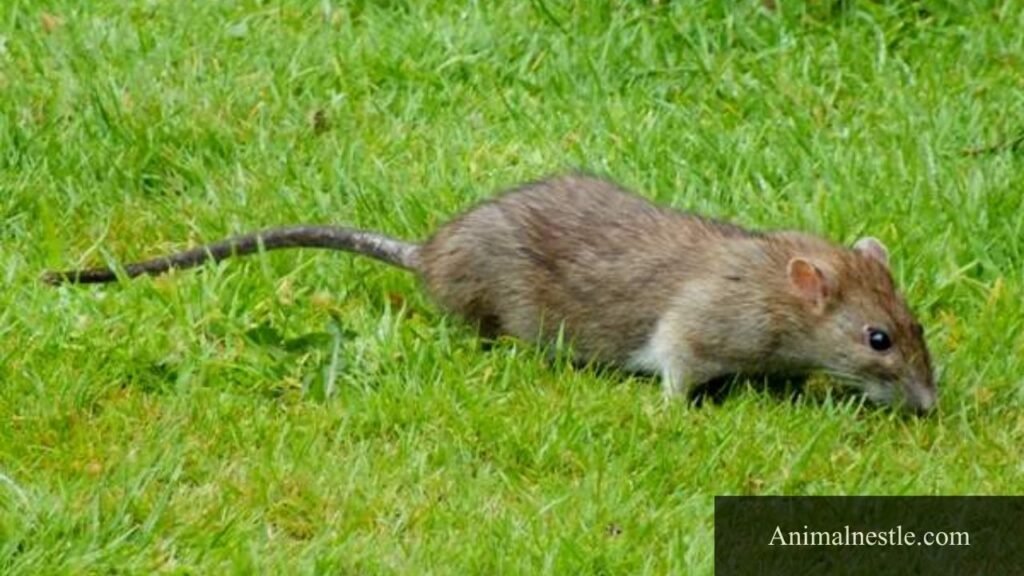
While they may not rely on carrots exclusively, these crunchy vegetables provide essential nutrients and hydration, enriching their foraging diet. Observations show that brown rats may nibble on carrots every few days, especially when access is plentiful. This behavior echoes their adaptability, showcasing how even the most overlooked animals contribute to the health of their environments. Their carrot-crunching habits also remind us of the interconnectedness of urban wildlife and the ecosystems we often ignore, where every bite plays a role in the larger narrative of survival and biodiversity.
Read More: Explore Top 11 Animals That Eat Their Young.
Final Thoughts
The variety of animals that enjoy carrots is a testament to the versatility and nutritional benefits of this vibrant vegetable. From rabbits and guinea pigs to deer and various birds, many creatures find carrots not only a tasty treat but also an essential part of their diet. Each animal has its unique way of foraging for and consuming this crunchy snack, showcasing the diverse relationships between wildlife and plant life. By understanding these dietary habits, we can better appreciate the ecosystem balance and the role fruits and vegetables play in animal health.
FAQs
Which animal likes to eat carrots?
Rabbits are perhaps the most famous animals known for munching on carrots. Their diet mainly consists of grasses and leafy greens, but they definitely enjoy the crunchy sweetness of carrots. Just remember, while rabbits love them, carrots should be given in moderation due to their sugar content. Other animals, like guinea pigs and some types of deer, also eat carrots.
Can wild animals eat carrots?
Yes, many wild animals can eat carrots. While carrots are not a primary food source for most, they can be enjoyed as an occasional snack. Animals like rabbits, deer, and groundhogs are particularly known for munching on them. Even some birds, such as crows and parrots, may go for carrots if they’re available.