Top 27 Animals With 3 Letters (Images Included)
In this article, we’ll explore a fascinating array of animals with 3 letters in their names, uncovering their unique characteristics and roles in the ecosystem. Understanding these creatures not only enhances our knowledge of biodiversity but also deepens our appreciation for nature. Join us as we dive into the world of compact animal names and discover what they teach us about the animal kingdom.
List of Animals With 3 Letters
Here is the list of animals with 3 letters:
- Gnu
- Pig
- Jay
- Boa
- Bee
- Koi
- Doe
- Eel
- Ant
- Ape
- Ram
- Owl
- Fox
- Yak
- Cat
- Emu
- Dog
- Hen
- Elk
- Gar
- Auk
- Bat
- Cod
- Cow
- Goa
- Rat
- Fly
Gnu
Scientific Name: Connochaetes
Class: Mammalia
Diet: Herbivore
The gnu is a fascinating creature that occupies the vast grasslands of Africa. Known for their impressive migrations, these animals travel thousands of miles in search of food and water, showcasing a remarkable adaptation to the rhythm of the seasons. With their distinctive curved horns and gruff appearance, gnus are a testament to nature’s creativity in form and function.
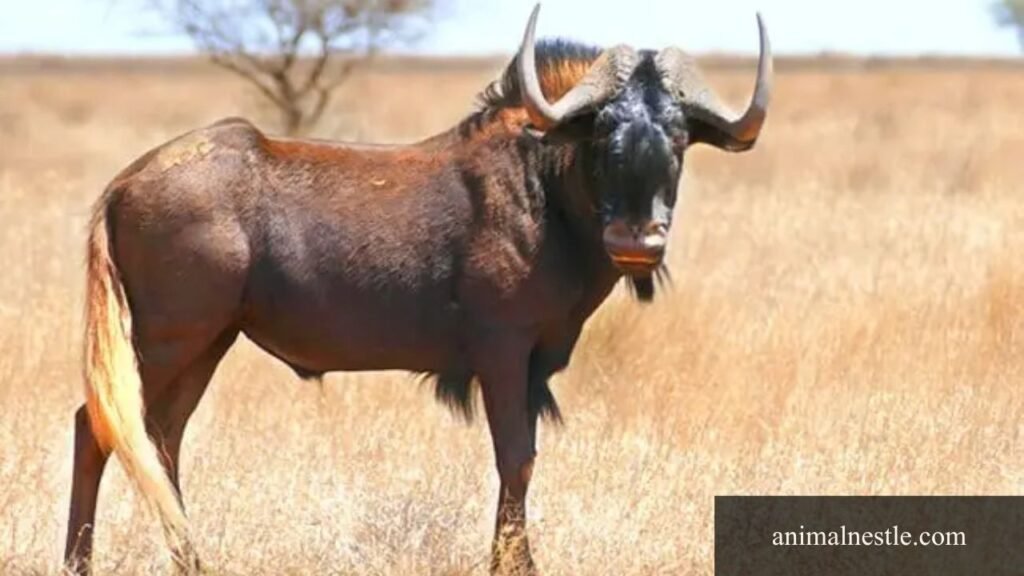
Among the wildebeests, the gnu stands out not only for its resilience but also for its social behavior. Living in large herds, they rely on collective strength for protection against predators, fostering intricate social bonds within their groups. Observing these animals reveals a complex web of interactions, from grooming rituals to the chaos of a stampede, reflecting the raw beauty of life in the wild. Their presence is crucial to the ecosystem, as they play a vital role in maintaining the balance of their habitats, influencing the flora and fauna that share their environment.
Pig
Scientific Name: Sus scrofa scrofa
Class: Mammalia
Diet: Omnivore
Pigs are often misunderstood creatures, frequently portrayed as dirty or gluttonous in popular culture. In reality, they are incredibly intelligent animals, showcasing remarkable cognitive abilities that rival those of some primates. Studies have demonstrated that pigs can learn tricks, play video games, and even guide each other through mazes, proving their capacity for problem-solving and social interaction.
Beyond their intelligence, pigs play a crucial role in various ecosystems and agricultural practices. Their natural rooting behavior aerates soil, promoting healthier plant growth and contributing to sustainable farming. Moreover, pigs have become central figures in discussions about ethics in agriculture, as their sentience challenges traditional notions of livestock treatment. Understanding pigs in this light can foster a deeper appreciation for them as sentient beings with complex lives, rather than mere sources of food.
Jay
Scientific Name: Garrulus glandarius
Class: Aves
Diet: Omnivore
The jay, a member of the Corvidae family, is a remarkable bird known for its vibrant plumage and intelligence. With striking blue feathers accented by black and white markings, jays are not only beautiful but also highly adaptable creatures. Their ability to mimic sounds and even human voices often leaves observers in awe, revealing a level of intelligence that resonates with their close relatives, such as crows and ravens.
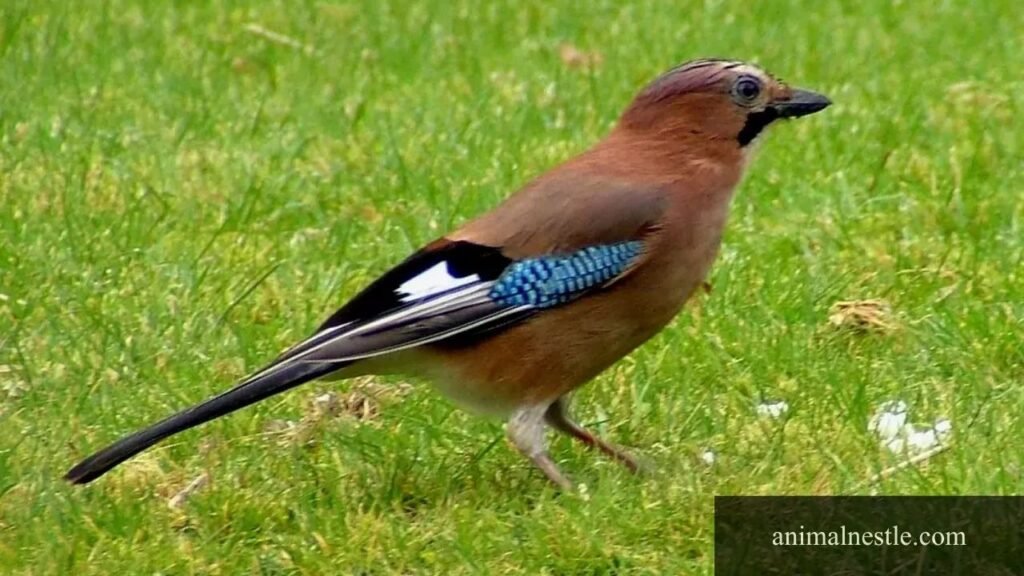
Beyond their aesthetic appeal, jays play a crucial role in their ecosystems. They are natural seed dispersers, particularly for acorns, helping to facilitate forest regeneration. This not only aids in maintaining biodiversity but also underscores the interconnectedness of nature, where even a small bird can have a significant impact on its environment. Observing a jay in its natural habitat invites deeper contemplation about these connections and the vital roles that seemingly simple creatures play in our world.
Readmore: Explore Top 31 Animals With 6 Letters.
Boa
Class: Reptilia
Diet: Carnivore
The boa is a fascinating marvel of the animal kingdom. Known for their impressive size, which can exceed ten feet in length, these snakes are not just about sheer scale; their unique hunting strategy sets them apart. Unlike quick-striking species, boas rely on their impressive sense of smell, using heat-sensing pits along their jaw to detect warm-blooded prey in dimly lit environments. This adaptation allows them to thrive in their habitat, whether it be the dense rainforests of South America or arid desert regions.
Social structures within boa species also offer intriguing insights into their behavior. While generally solitary creatures, some research suggests that boas may form loose social groups, especially in areas with abundant food resources. These aggregations can lead to fascinating interactions, including communal basking in the sun, which enhances their body temperature and digestion efficiency. Such dynamics challenge the conventional view of these reptiles as purely solitary hunters, providing a glimpse into their more complex social lives. This blend of adaptability and intrigue in the boa constrictor showcases nature’s ability to continually surprise us.
Bee
Scientific Name: Anthophila
Class: Insecta
Diet: Herbivore
Bees play an integral role in our ecosystem, acting as unsung heroes in the art of pollination. Beyond their well-known function of transferring pollen, these industrious insects contribute to the growth of over a third of the food we consume, including fruits, vegetables, and nuts. Their complex social structure showcases remarkable efficiency, with worker bees tirelessly foraging for nectar and pollen while the queen focuses on reproduction. Each bee has a specific role, demonstrating an intricate division of labor that ensures the colony’s survival.
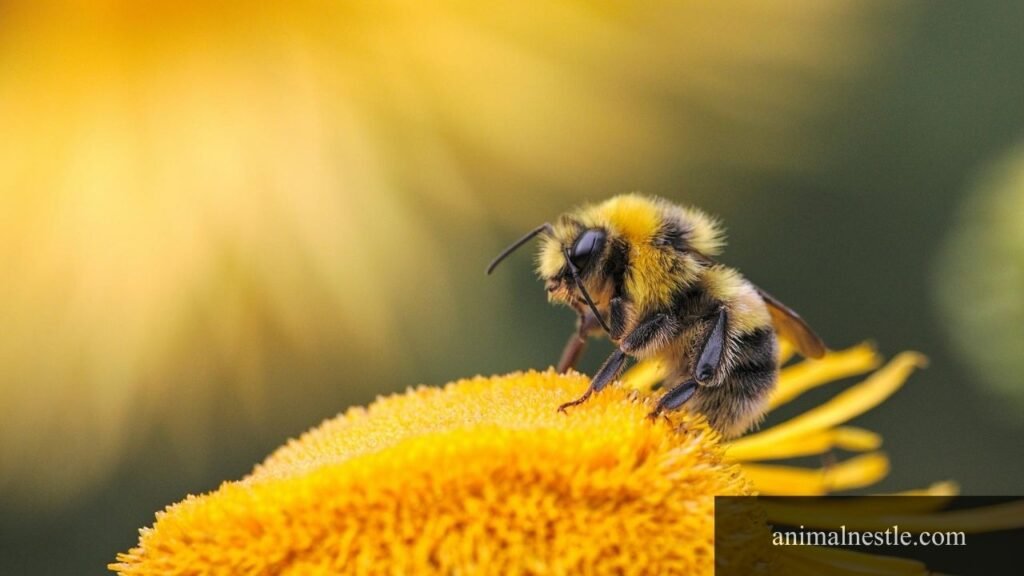
Interestingly, bees communicate through a fascinating dance known as the “waggle dance.” This behavior reveals not just the location of food sources but also provides critical information about distance and direction relative to the sun. Moreover, recent studies suggest that bees possess an impressive ability to recognize human faces and even learn from experience, hinting at a level of cognition that many overlook. As we grapple with the challenges of declining bee populations due to habitat loss, pesticides, and climate change, understanding their essential role prompts a call to action to protect these remarkable pollinators and preserve the delicate balance of our ecosystem.
Koi
Scientific Name: Cyprinus rubrofuscus
Class: Actinopterygii
Diet: Omnivore
Koi are not just beautiful fish; they are remarkable creatures known for their impressive memory and social behavior. Unlike many other fish, Koi can recognize their owners and even respond to them, exhibiting playful interactions such as following them around the pond or eagerly swimming up for feedings. This affinity for human interaction highlights their intelligent nature, making them captivating companions in backyard gardens.
Additionally, Koi have a fascinating ability to adapt to their environment. They can withstand a range of water temperatures and conditions, which is part of why they thrive in domestic ponds around the world. Their distinct colors and patterns come from selective breeding, with variations that can take years to develop. This careful cultivation not only enhances their aesthetic appeal but also reflects a commitment to advancing aquaculture practices. Ultimately, these aquatic wonders offer more than mere beauty; they invite an exploration of ecosystems and a deeper appreciation for the intricate dynamics of life beneath the water’s surface.
Doe
Scientific Name: Cervinae
Class: Mammalia
Diet: Herbivore
The doe, a female deer, is not only a symbol of grace and gentleness but also a fascinating creature with some remarkable adaptations. These animals have evolved to thrive in various environments, from dense forests to open grasslands. Their keen sense of smell and acute hearing enable them to detect predators swiftly, making them incredibly elusive despite their size.
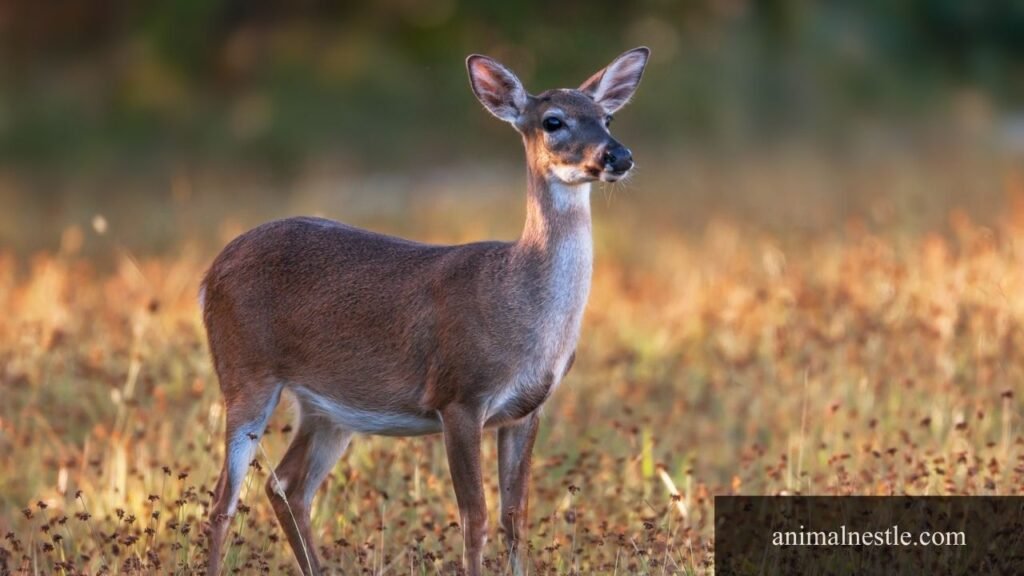
Interestingly, does exhibit a strong sense of social bonding, often forming matriarchal groups with their offspring. This social structure plays a crucial role in their survival as they share information about food sources and potential dangers. Furthermore, the seasonal behaviors of does, especially during mating season, highlight their complex reproductive strategies. They usually give birth in secluded areas to protect their fawns, showcasing their instinctual understanding of predator-prey dynamics.
You can also read: Explore Top 11 Birds With 3 Letters.
Eel
Scientific Name: Anguilliformes
Class: Actinopterygii
Diet: Carnivore
Eels are fascinating creatures that have intrigued scientists for centuries, primarily due to their mysterious life cycle. They are remarkable for their ability to migrate thousands of miles; for instance, the European eel travels from freshwater habitats across Europe to the Sargasso Sea to spawn. This journey can cover distances of over 6,000 kilometers, showcasing their extraordinary navigation skills and resilience. What’s even more astonishing is that the exact spawning locations remain somewhat elusive, adding to the allure of these slippery fish.
In addition to their migratory prowess, eels exhibit unique physiological adaptations. They possess a special ability to breathe through their skin, allowing them to survive in low-oxygen environments, such as stagnant ponds. This feature, combined with their elongated, serpentine bodies, makes them exceptional ambush predators. Eels use their keen sense of smell to locate prey in murky waters, hunting a variety of small fish and invertebrates. As apex predators in their ecosystems, they play a critical role in maintaining the balance of aquatic life, making them essential to the health of their habitats.
Ant
Scientific Name: Formicidae
Class: Insecta
Diet: Omnivore
Ants are not just tiny creatures scurrying about; they are incredible social organisms displaying complex behaviors and advanced communication skills. Living in colonies that can range from a few dozen to millions, ants operate with a division of labor reminiscent of a bustling city. Roles within the colony, such as worker, soldier, or queen, are often determined by environmental factors and genetic predisposition, showcasing nature’s adaptive strategies.
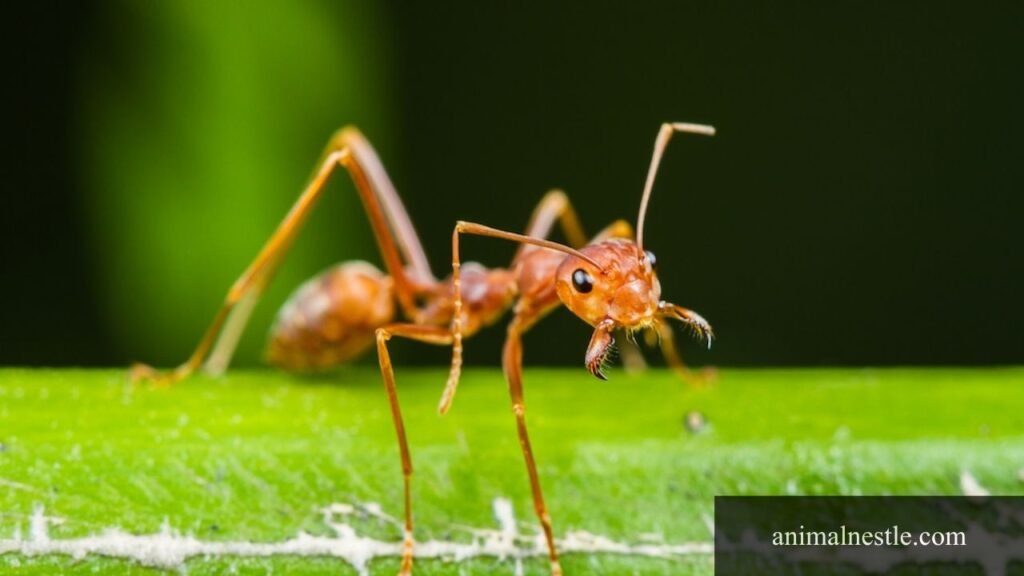
A remarkable aspect of ants is their ability to engage in sophisticated farming practices. For instance, leafcutter ants meticulously cultivate fungus as their primary food source, cutting leaves, and transporting them back to their nests to serve as a substrate for their fungal gardens. This symbiotic relationship not only sustains their colonies but also illustrates how even the smallest creatures can influence ecosystems profoundly. By recycling nutrients and aerating the soil, ants play crucial roles in maintaining the health of their habitats.
Ape
Scientific Name: Hominoidea
Class: Mammalia
Diet: Omnivore
Ape intelligence is remarkable, often rivaling that of young human children. They exhibit complex problem-solving skills and can use tools in innovative ways, displaying a level of adaptability that fascinates researchers. For instance, chimpanzees have been observed using sticks to extract termites from mounds, a behavior that showcases their ability to manipulate their environment for sustenance.
Social structures among apes are intricate and dynamic, with relationships often characterized by deep emotional bonds. These bonds can influence group dynamics, such as cooperation in hunting or caring for young. Notably, gorillas display a profound sense of empathy; they have been seen comforting one another during distress, which raises questions about the emotional capacities of animals in comparison to humans. As ongoing studies reveal more about these creatures, it becomes increasingly clear that their social interactions and cognitive abilities provide vital insights into the evolution of intelligence and community living.
Ram
Scientific Name: Ovis aries
Class: Mammalia
Diet: Herbivore
Rams, the male counterparts of sheep, are fascinating creatures known for their impressive horns and robust physiques. These animals are not only built for endurance on rugged terrain but are also equipped with keen intelligence. Studies have shown that rams can remember past social interactions, showcasing an intricate understanding of social hierarchies within their flocks.
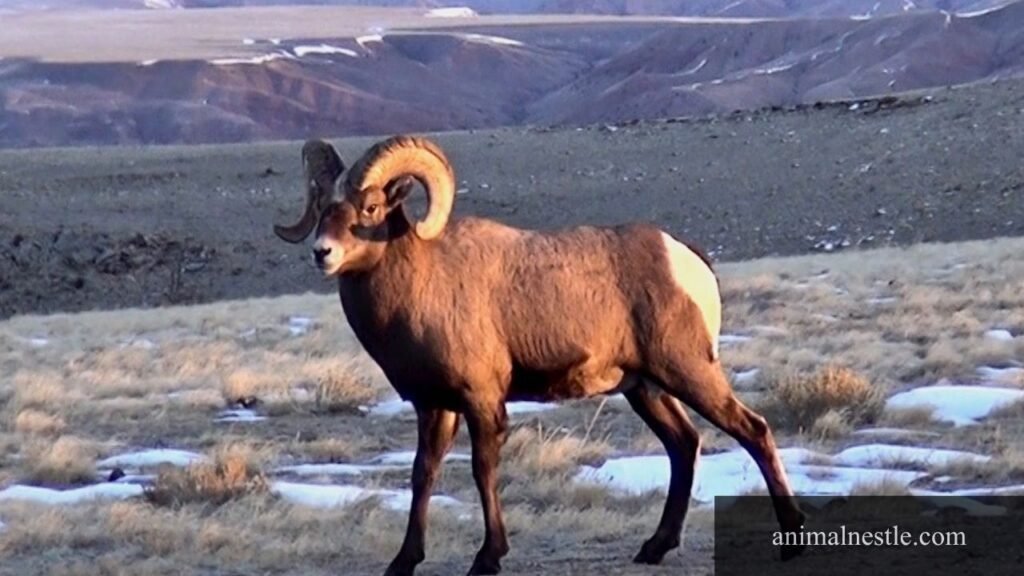
Their horns, which can grow up to three feet long, are not just striking features; they serve multiple purposes. Rams use them in displays of dominance during mating season, showcasing their physical prowess to attract ewes. Interestingly, these horns continue to grow throughout the ram’s life, revealing their age and health status. Rams have a remarkable sense of smell, allowing them to detect predators and locate food sources over considerable distances, enhancing their survival skills in the wild.
Also read: Explore Top 31 Animals With 5 Letters.
Owl
Scientific Name: Strigiformes
Class: Aves
Diet: Carnivore
Owls, often characterized by their wide eyes and distinct calls, are fascinating creatures that possess unique adaptations for survival. With the ability to rotate their heads an impressive 270 degrees, these birds can easily scan their environment without moving their bodies, making them adept hunters. Their exceptional hearing, aided by asymmetrical ear placement, allows them to pinpoint prey in complete darkness, showcasing a remarkable evolution for nocturnal living.
Beyond their impressive physical traits, owls exhibit a diverse range of species, each adapted to specific habitats — from the small, elusive Elf Owl in desert scrub to the formidable Great Horned Owl, which thrives in varied landscapes. Their feathers, designed for silent flight, provide a tactical advantage in hunting, enabling them to approach prey stealthily without disturbing the air around them.
Fox
Scientific Name: Vulpes vulpes
Class: Mammalia
Diet: Omnivore
Foxes are fascinating creatures known for their cunning intelligence and adaptability. With over 37 species globally, the most recognized is the red fox, distinguished by its vibrant orange fur and bushy tail. Unlike their reputation for trickery, foxes exhibit remarkable social structures, often forming family groups to rear their kits. This highlights a cooperative aspect of their behavior that tends to be overlooked.
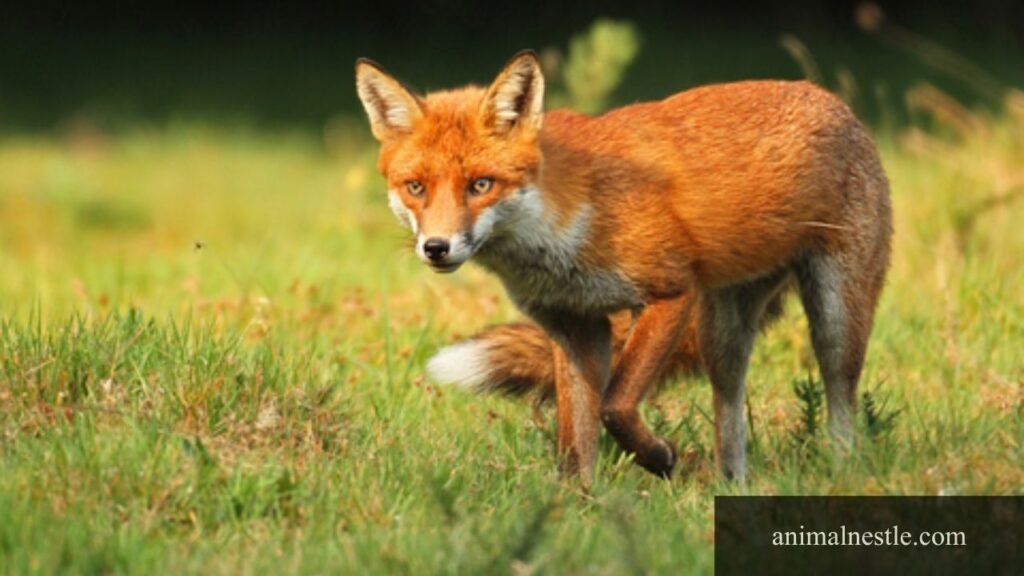
Their diet is incredibly diverse, allowing them to thrive in various habitats, from urban areas to dense forests. Foxes are opportunistic eaters, consuming everything from small mammals and birds to fruits and insects. This versatility not only showcases their survival skills but also plays a crucial role in their ecosystems, helping to control pest populations. Furthermore, their unique communication methods, including a range of barks, howls, and screams, reveal a complex social life that intrigues researchers and wildlife enthusiasts alike.
Yak
Scientific Name: Bos grunniens
Class: Mammalia
Diet: Herbivore
The yak, a sturdy and resilient animal, thrives in the harsh conditions of the Himalayan region. Adapted to high altitudes, these magnificent creatures possess a unique respiratory system that allows them to efficiently absorb oxygen in thin air. Their thick, long fur is not just for show; it serves as insulation against frigid temperatures and harsh winds, showcasing nature’s ingenuity in survival strategies.
Interestingly, yaks play a vital ecological role in their habitat. By grazing on tough grasses, they help maintain the delicate balance of the alpine ecosystem. Their grazing habits promote biodiversity, allowing various plant species to flourish. Furthermore, yaks are social animals, often forming strong bonds within their herds, which enhances their ability to adapt and thrive in challenging environments. This social structure not only aids in protection against predators but also fosters cooperation in foraging and nurturing their young.
Cat
Scientific Name: Felis catus
Class: Mammalia
Diet: Carnivore
Cats are fascinating creatures, exhibiting an array of behavioral traits that both mystify and charm their human counterparts. With their keen senses, cats can detect sounds at frequencies as high as 65,000 Hz, allowing them to hear even the faintest rustle of prey. Their incredible agility is a product of a unique skeletal structure; they possess a flexible spine and lack a collarbone, enabling them to twist and leap with remarkable grace.
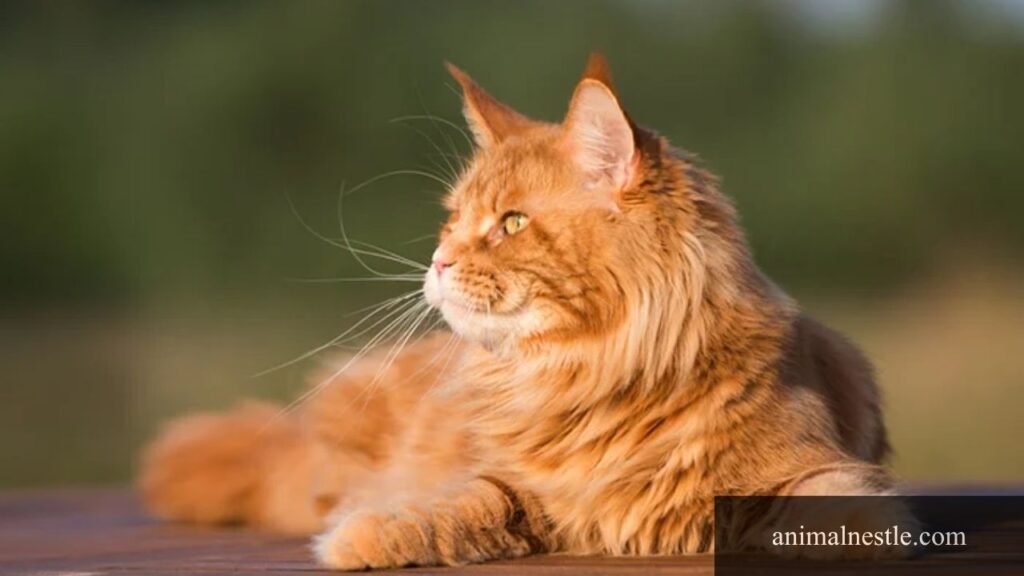
One of the cat’s most intriguing characteristics is their social structure. Unlike the solitary nature often ascribed to them, recent studies reveal that domesticated cats can form complex relationships with both humans and other animals. They exhibit nuanced communication through vocalizations and body language, often blinking slowly at their favorite humans, a gesture indicative of trust and affection.
Readmore: Explore Top 37 Birds With 4 Letters.
Emu
Scientific Name: Dromaius novaehollandiae
Class: Aves
Diet: Omnivore
The emu, native to Australia, is the world’s second-largest bird, standing up to 6.6 feet tall and weighing over 100 pounds. Unlike many flightless birds, emus are remarkably agile and can sprint at speeds of up to 30 miles per hour. Their long legs are not just for speed; they also feature a unique three-toed foot structure that helps them navigate diverse terrains, from open grasslands to dense forests.
With a diet primarily consisting of fruits, seeds, and insects, emus play a crucial ecological role as seed dispersers. Their digestive systems are finely tuned, allowing them to handle tough plant materials, which aids in plant propagation. Interestingly, emus are also known for their distinct vocalizations, ranging from booming calls to various chirps, which add to the vibrant sounds of the Australian outback. Moreover, unlike many bird species that exhibit parental care, male emus take on the primary responsibility of incubating eggs and raising the chicks, showcasing a fascinating twist on traditional roles in the animal kingdom.
Dog
Scientific Name: Canis lupus familiaris
Class: Mammalia
Diet: Omnivore
Dogs possess an incredible ability to understand human emotions, making them unparalleled companions in our lives. Research has shown that dogs can detect subtle changes in human behavior and even respond to our feelings, whether it’s through wagging tails or comforting gestures. This emotional intelligence, combined with their loyalty, creates a bond that transcends mere pet ownership; it becomes a unique partnership.

Moreover, the diversity among dog breeds showcases remarkable adaptations that highlight their versatility. From the tiny Chihuahua to the robust Great Dane, each breed has distinct traits that cater to different lifestyles and needs. For example, Border Collies are renowned for their intelligence and agility, making them exceptional working dogs, while the gentle nature of Golden Retrievers often makes them ideal therapy animals. This wide array of characteristics allows individuals to choose a canine companion that not only fits their lifestyle but also enriches their daily experiences in multifaceted ways.
Hen
Scientific Name: Gallus gallus domesticus
Class: Aves
Diet: Omnivore
Hens are fascinating creatures that often get overshadowed by their more glamorous counterparts in the animal kingdom. Females of the species Gallus gallus domesticus, hens are not just egg-laying machines — they exhibit complex social behaviors and impressive intelligence. For instance, studies reveal that these birds can develop strong social bonds, often forming hierarchies within their flocks, much like primates. They can even communicate through a variety of vocalizations, each serving a distinct purpose, from warning about predators to signaling the presence of food.
Moreover, hens possess remarkable cognitive abilities; they can recognize and remember over 100 different faces, both human and avian. This cognitive prowess extends to problem-solving skills, where hens can navigate obstacles to reach food or safety. Their diet is also quite varied, including grains, greens, and even insects, showcasing their adaptability. As versatile omnivores within diverse habitats, hens provide insights into the interconnectedness of nature and the importance of biodiversity in maintaining healthy ecosystems.
Elk
Scientific Name: Cervus canadensis
Class: Mammalia
Diet: Herbivore
Elk, one of North America’s largest cervids, are not only majestic creatures but also play a crucial role in their ecosystems. Known for their impressive antlers, which can span up to four feet in width, mature males shed these annually, only to grow them back each season larger and more elaborate. This regrowth is a prime example of nature’s resilience and adaptability, fueled by an abundant diet of grasses and shrubs during the warmer months.
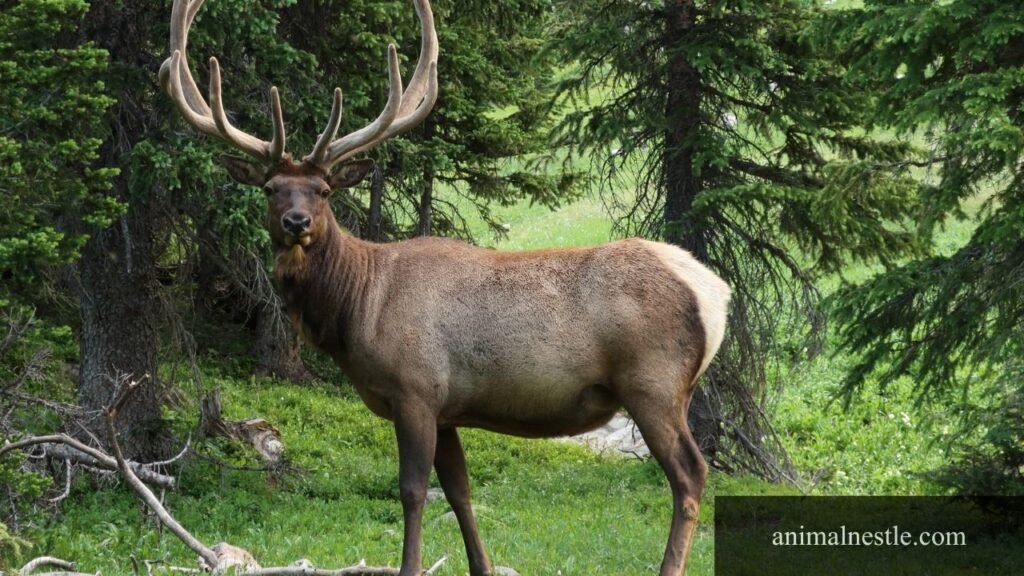
Beyond their impressive size and antlers, elk exhibit fascinating social structures. They often form large herds, which can number in the hundreds, particularly during migration or the mating season, known as the rut. This social behavior not only enhances survival through protection from predators but also fosters complex interactions among individuals. Elk communicate through a series of vocalizations, with cow calls and bugles serving as essential tools for maintaining herd cohesion and attracting mates. Engaging with these magnificent animals highlights the intricate balance of nature and the vital role they play in their habitats.
You can also read: Explore Top 31 Animals With 9 Letters.
Gar
Scientific Name: Lepisosteidae
Class: Actinopterygii
Diet: Carnivore
The gar, an ancient fish dating back over 100 million years, is often overlooked despite its fascinating adaptations. Characterized by its elongated body and armored scales, the gar has developed a unique method of breathing that sets it apart from many other fish. Rather than relying solely on gills, it possesses a swim bladder that functions like a lung, allowing it to gulp oxygen from the surface of the water. This adaptation enables gars to thrive in low-oxygen environments, making them resilient survivors even in challenging aquatic ecosystems.
Another remarkable aspect of the gar is its role in the food web. As a carnivorous predator, it helps control populations of smaller fish, contributing to the ecological balance. Gars possess a formidable set of teeth that are as formidable as their predatory nature suggests, allowing them to capture and dispatch prey with impressive efficiency. Beyond their ecological role, ongoing research into their unique physiology may offer insights into evolutionary biology and environmental adaptation, making them an essential subject of study for both ecologists and biologists.
Auk
Scientific Name: Alcidae
Class: Aves
Diet: Carnivore
The auk, a fascinating bird found predominantly in the cold waters of the North Atlantic, showcases a remarkable adaptation to its harsh environment. With its robust body and unique elongated bill, the auk is both a capable swimmer and diver, adept at hunting fish and crustaceans. Unlike many other birds, auks have a rather endearing, clumsy appearance on land, often waddling as they navigate rocky coastal terrains.
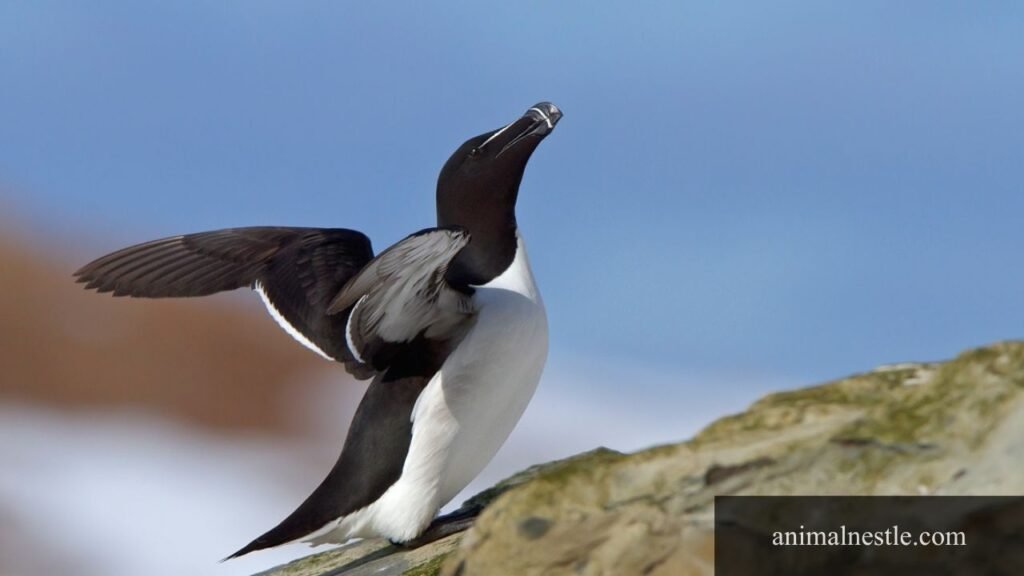
Interestingly, auks exhibit a rich social behavior, often nesting in large colonies on cliffs to enhance their chances of survival against predators. Their vocalizations, a series of grunts and whistles, not only echo across the rugged coastlines but also play a crucial role in maintaining strong pair bonds during the breeding season. Current conservation efforts are focusing on preserving their habitats, as climate change and overfishing threaten these captivating seabirds’ food sources and breeding grounds. Understanding the auk’s ecological role is essential, as they serve as indicators of marine health, reflecting the conditions of their oceanic home.
Bat
Scientific Name: Chiroptera
Class: Mammalia
Diet: Omnivore
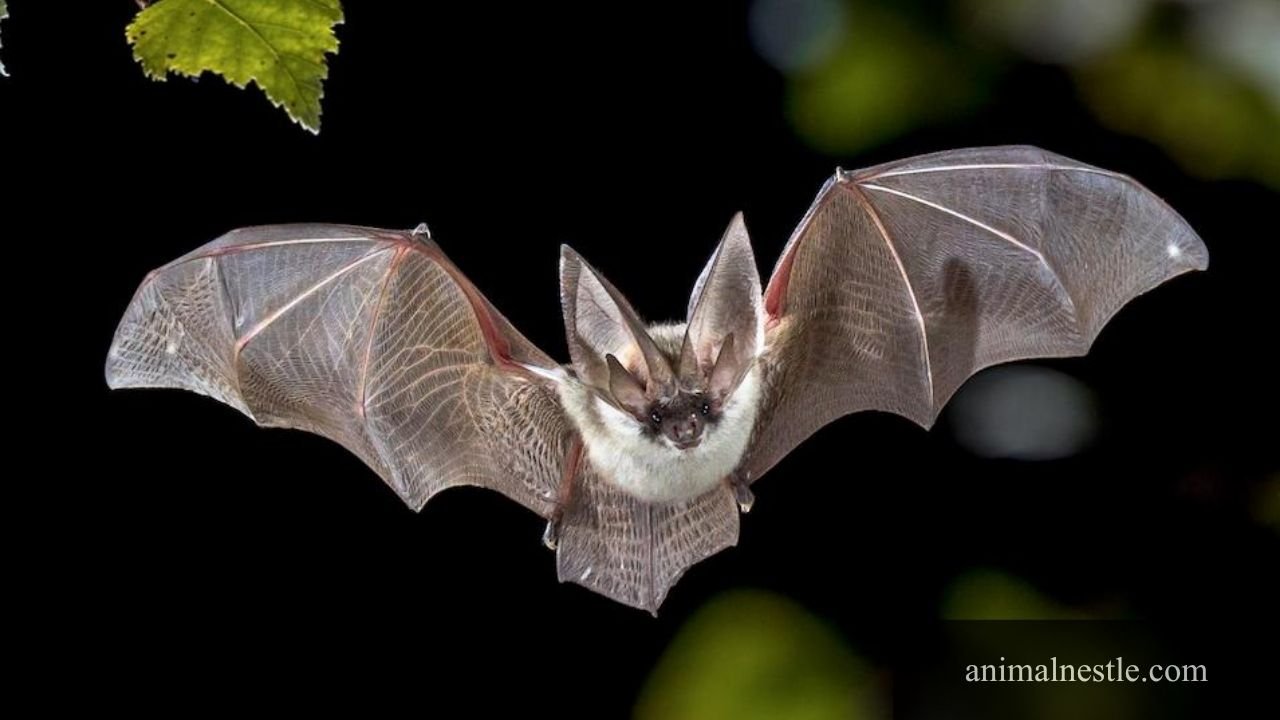
Bats are one of nature’s most remarkable creatures, showcasing an incredible array of adaptations that allow them to thrive in diverse environments. With over 1,400 species, bats play a crucial role in ecosystems, serving as pollinators, seed dispersers, and natural pest controllers. For instance, some tropical bats feast on ripe fruits and nectar, aiding in the pollination of plants like bananas and agave, which benefits both agriculture and biodiversity.
Surprisingly, bats also possess sophisticated echolocation abilities, enabling them to navigate and hunt in complete darkness. By emitting high-frequency sounds that bounce off objects, they can determine the size, shape, and distance of obstacles and prey. Recent studies have unveiled that certain species can even adjust their calls based on environmental conditions, demonstrating a remarkable level of intelligence and adaptability.
Cod
Scientific Name: Gadus morhua
Class: Actinopterygii
Diet: Carnivore
Cod, a fascinating fish found primarily in the cold waters of the North Atlantic, plays a critical role in marine ecosystems. Their undeniable adaptability allows them to thrive in various habitats, from shallow coastal waters to the deep sea. Known for their striking appearance, with a streamlined body and distinct three dorsal fins, cod can grow up to 6.5 feet in length, though most caught are significantly smaller. The cod’s exceptional sensory capabilities, including a keen sense of smell and vibrant lateral line system, make them skilled hunters, preying on smaller fish and crustaceans.
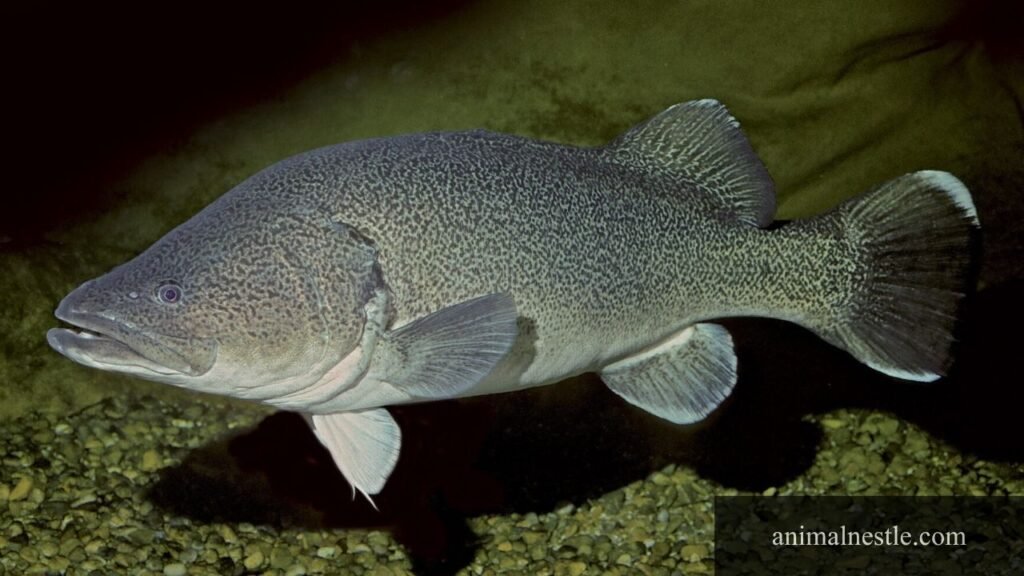
Beyond their physical traits, cod exhibit complex behaviors that reveal their intelligence. They are known to engage in social structures, demonstrating schooling behavior that enhances their protection from predators. Moreover, cod are capable of changing their feeding patterns based on environmental conditions, showcasing remarkable adaptability. With their life cycle marked by fascinating migratory patterns, these fish travel vast distances to spawn, often returning to their natal spawning grounds — a journey that underscores their instinctual wisdom in the vast, often unpredictable ocean.
Also read: Explore Top 23 Birds With 6 Letters.
Cow
Scientific Name: Bos taurus
Class: Mammalia
Diet: Herbivore
Cows possess an impressive ability to forge strong social bonds, exhibiting clear friendship dynamics within their herds. Research indicates that they can recognize individual companions, forming attachments that enhance their overall well-being. These social connections directly influence their behavior; for example, cows often display signs of excitement when reunited with friends after a period of separation.
Moreover, cows are known for their remarkable cognitive abilities. They can solve problems and exhibit a level of empathy not often associated with livestock. Studies show that when one cow experiences distress, others may respond by approaching the upset individual, showcasing an emotional depth that challenges our traditional views of these animals. The brain of a cow is highly developed, allowing them to learn from experience, remember past interactions, and even forge strategies for foraging and navigating their environments. In this light, cows become a window into the intricate emotional and social lives of animals we often overlook.
Goa
Scientific Name: Procapra picticaudata
Class: Mammalia
Diet: Herbivore
The Goa, often overlooked in discussions about diverse wildlife, presents an intriguing case of adaptability and resilience in the face of habitat loss. Native to the grasslands and scrub forests of India, these graceful creatures have developed unique foraging habits, preferring to graze on a variety of grasses while also thriving on shrubs and young trees. Their remarkable ability to navigate different terrains makes them a keystone species in their ecosystem, helping to maintain the health of their habitats.
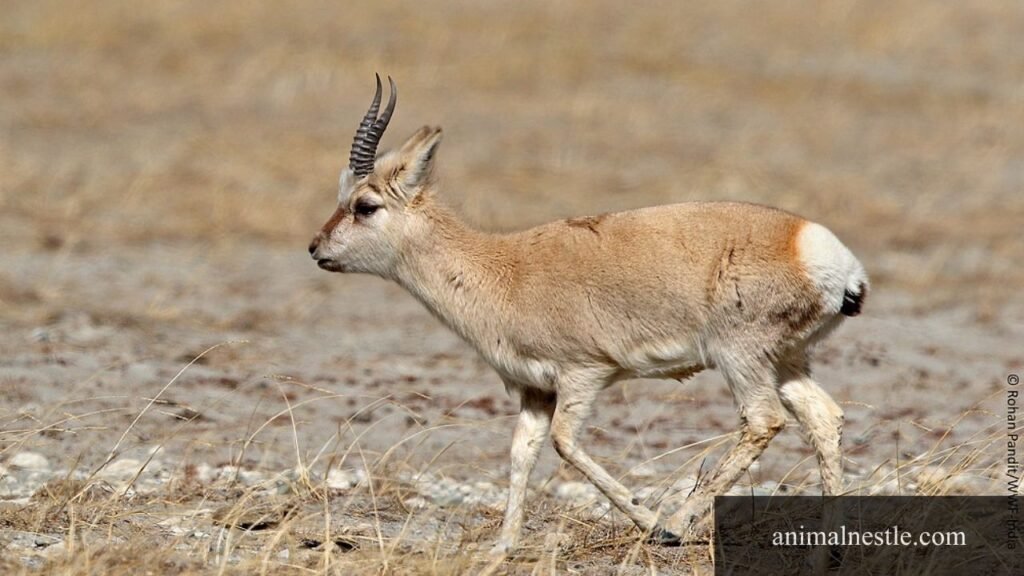
Interestingly, Goa antelopes exhibit fascinating social structures, often forming small herds led by dominant females. These herds not only offer protection against predators but also foster strong social bonds, crucial for survival in challenging environments. Their vocalizations, ranging from snorts to soft whistles, communicate everything from warnings to mating calls, revealing a complex social dynamic that is often missed by casual observers. As their populations fluctuate due to factors like habitat fragmentation and poaching, understanding the Goa antelope’s behavior and ecology becomes vital for conservation efforts aimed at preserving these elegant inhabitants of India’s wild spaces.
Rat
Scientific Name: Rattus
Class: Mammalia
Diet: Omnivore
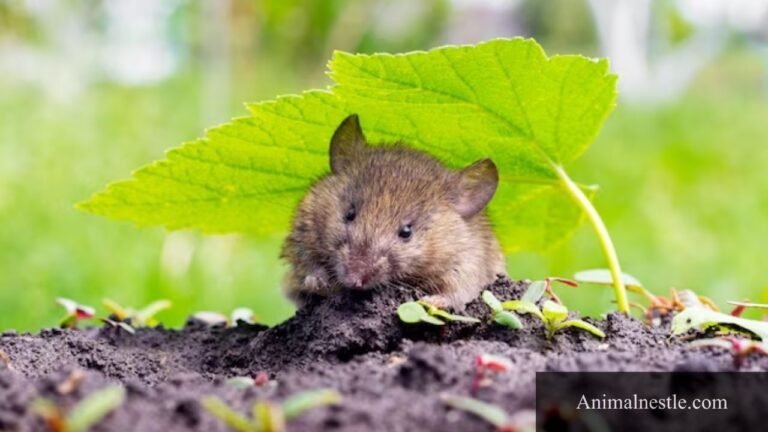
Rats are often misunderstood creatures, playing crucial roles in ecosystems and scientific research. Highly adaptable, they thrive in diverse environments, from urban landscapes to rural fields. With an impressive ability to reproduce — one female can produce up to 2,000 descendants in a year — rats can quickly alter local ecosystems when introduced to new areas. Beyond their reputation as pests, they possess remarkable problem-solving skills, utilizing complex social structures to navigate and manipulate their surroundings effectively.
Intriguingly, rats exhibit emotional intelligence, forming close bonds with each other and even displaying altruistic behavior towards fellow companions. Laboratory studies have shown that rats can empathize, indicating a level of emotional depth that challenges our traditional perceptions of animal intelligence. Their advanced communication skills are equally fascinating; through a series of vocalizations, they convey complex messages and warnings, showcasing their social dynamics. As research continues to unfold, rats emerge not only as resilient survivors but also as intelligent animals capable of surprising emotional and cognitive feats.
Fly
Scientific Name: Diptera
Class: Insecta
Diet: Omnivore
The incredible world of flies extends far beyond their quick, buzzing movements. These tiny creatures are remarkable architects of their ecosystems. For instance, certain fly species play a crucial role in decomposition, breaking down organic matter and recycling nutrients back into the soil. This process not only aids in maintaining ecological balance but also supports plant growth and soil health.
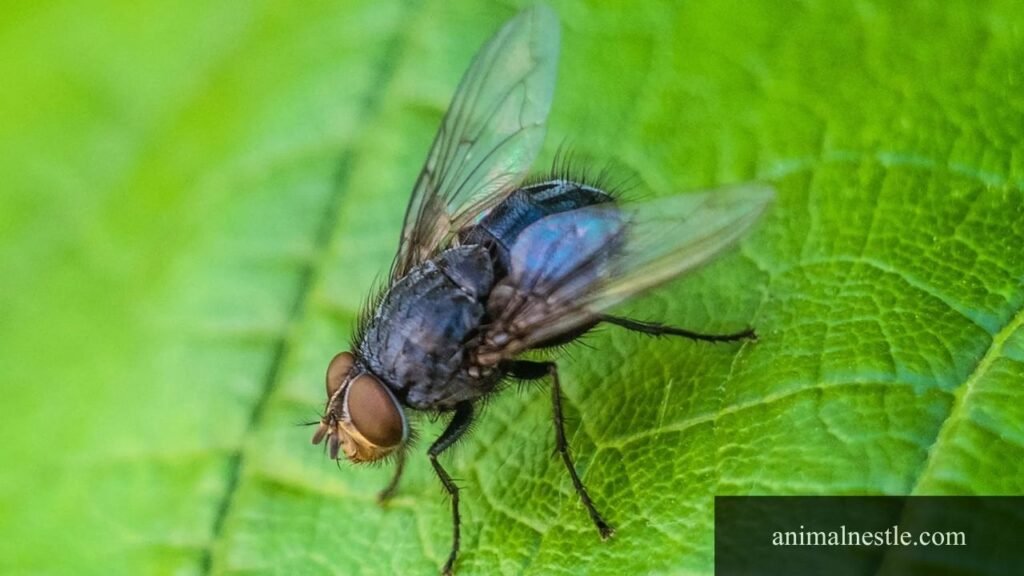
Moreover, flies exhibit astonishing diversity, with over 120,000 identified species worldwide. From the vibrant, iridescent colors of certain fruit flies to the fascinating behavior of carrion flies, each species provides unique insights into evolutionary adaptations. Fascinatingly, some flies have developed intricate relationships with other organisms, participating in mutualistic partnerships that highlight the interconnectedness of life. Understanding these relationships opens a window into the complexities of our natural environment and showcases the vital yet often overlooked roles that these small creatures play in sustaining biodiversity.
Readmore: Explore Top 17 Birds With 7 Letters.
Final Thoughts
Three-letter animals offer a glimpse into the rich tapestry of wildlife that surrounds us. Their varying characteristics and behaviors remind us of the incredible adaptability of nature. From the playful cat to the loyal dog, these animals play crucial roles in our lives and ecosystems. By learning about them, we foster a deeper connection to the natural world and its inhabitants. Let’s advocate for their protection and inspire others to appreciate the wonders of these fascinating creatures.
FAQs
What are animals that have three letters?
Several animals have three-letter names. Common examples include cat, dog, and rat. These animals are often seen as pets or in various environments, showcasing their adaptability and companionship with humans. Other three-letter animals include fox, bat, and eel. Each of these creatures plays a unique role in their ecosystems, contributing to biodiversity.