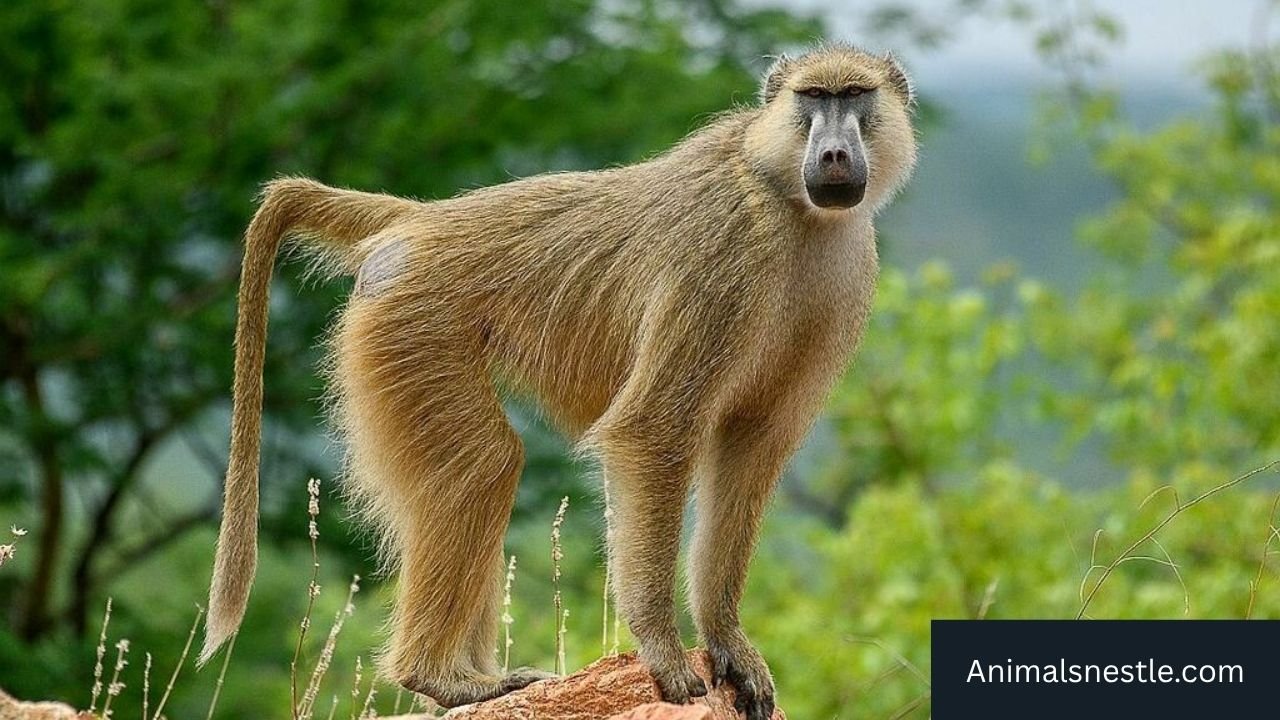
Interesting Facts: How Strong Are Baboons?
Understanding “How Strong Are Baboons?” offers a fascinating glimpse into the physical capabilities of these incredible animals, shedding light on their adaptability in the wild. This article will take you through the anatomy and behavioral traits that contribute to their power, as well as the implications for their survival strategy. Prepare to be amazed by the strength of baboons — it’s more than just muscle; it’s a vital aspect of their existence.
How Strong Are Baboons?
Scientific Name: Papio
Class: Mammalia
Diet: Omnivore
Baboons are not only fascinating for their social structures and behaviors but also remarkable for their physical strength. With powerful jaws that can exert a bite force significantly greater than that of an average human, these primates can easily crack nuts or defend themselves against predators. Their upper body strength is particularly impressive; large baboons can leap impressively across distances while climbing trees, showcasing a blend of agility and muscle power that is vital for both foraging and evading danger.
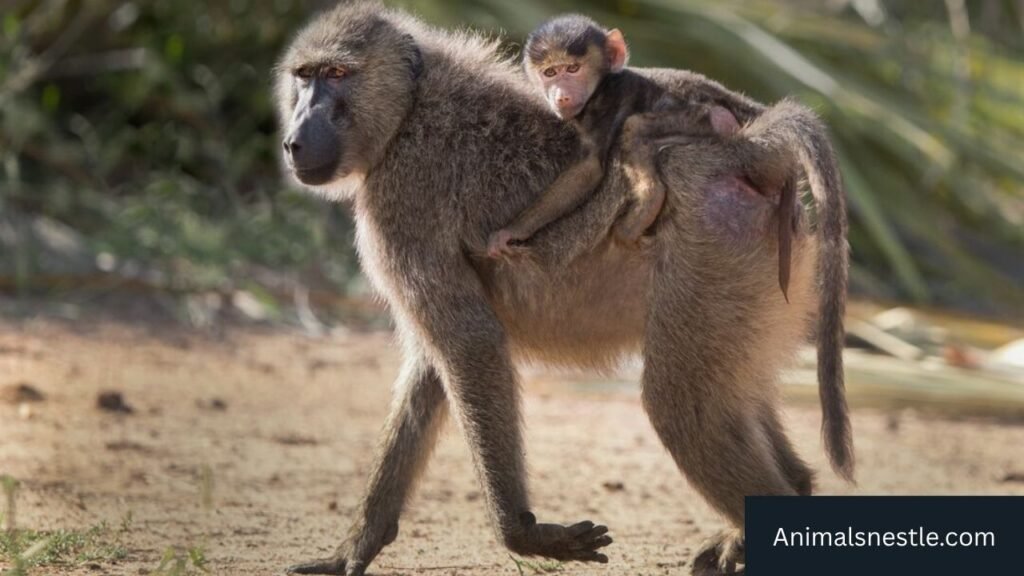
Moreover, the social dynamics within baboon troops highlight their strength in numbers. They engage in cooperative defense strategies against threats like lions or hyenas, utilizing their collective power to intimidate potential attackers. This reliance on teamwork not only enhances their survival but also showcases an intriguing aspect of strength — it’s not just physical might but strategic prowess that enhances their sense of security. Understanding baboons’ strength reveals the intricate balance between their physical capabilities and social intelligence, making them a compelling subject in the study of wildlife behavior.
How Strong Is a Baboon Bite?
The bite force of a baboon is a fascinating testament to their evolutionary adaptations. Research suggests that the strength of a baboon’s bite can reach upwards of 400 psi (pounds per square inch), which is significantly greater than that of most domestic dogs. This power is a crucial asset for these primates, enabling them to crack open tough nuts and defend their troops against potential threats. The remarkable structure of their jaws, combined with sharp canine teeth, allows them to exert this force with precision, making them formidable opponents in the wild.
Interestingly, the strength of a baboon’s bite is not just a tool for survival; it also reflects their social dynamics. In troop hierarchies, a strong bite can underscore an individual’s status, influencing mating opportunities and access to resources. Moreover, baboons have been observed using vocalizations and gestures to communicate before escalating to physical confrontations, which suggests an intricate social structure where aggression is often a last resort. Understanding the mechanics behind their bite sheds light on not only their physical capabilities but also their complex behavioral patterns, inviting deeper contemplation of the fascinating world of primate intelligence and interaction.
You Can Also Read: How Strong Are Elephants?
Are baboons stronger than humans?
Baboons are often hailed for their remarkable strength and agility, possessing a muscular build that far exceeds that of an average human. This physical prowess, combined with their adept social structures, allows them to thrive in the diverse environments of Africa. Interestingly, while a baboon can lift weights that may leave a human struggling, strength isn’t merely about brute force. It also encompasses endurance, dexterity, and adaptive skills, areas where humans excel through unique evolutionary advantages.
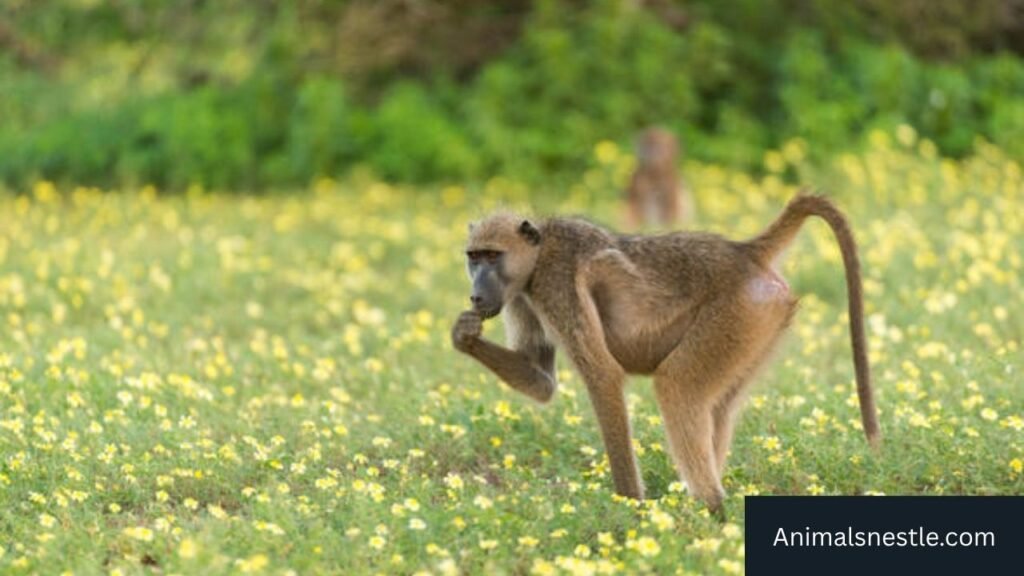
Moreover, the social dynamics of baboons add another layer to this comparison. They rely on complex hierarchies and teamwork for protection and resources, demonstrating a different kind of strength that emphasizes collaboration over sheer power. Humans, on the other hand, have harnessed cognitive abilities to innovate tools and technologies that amplify our physical capabilities, allowing us to extend our influence beyond mere muscle. Ultimately, while baboons may outperform us in raw strength, the interplay of intelligence, adaptability, and social cohesion paints a more intricate picture of what it means to be “strong.”
Is a Baboon Stronger Than a Chimpanzee?
When comparing the strength of baboons and chimpanzees, it’s essential to consider not only raw physical power but also their evolutionary adaptations. Baboons, with their powerful jaws and robust builds, are formidable in their own right. They use their strength primarily for foraging, territorial defense, and social hierarchies within troops. An adult male baboon can weigh upwards of 100 pounds, and their muscular structure is built for endurance, making them adept climbers and agile on the ground.
On the other hand, chimpanzees, who share over 98% of our DNA, exhibit a different type of strength rooted in their social behaviors and agility. They possess significantly stronger upper body strength compared to their lower body, enabling them to swing through trees with astonishing ease. This upper body prowess allows them not just to escape predators but also to engage in complex social behaviors and tool use, giving them a cognitive edge. While a baboon’s strength is impressive, a chimpanzee’s combination of intelligence and physical capability often positions them as the dominant species in their specific contexts, showcasing that strength can manifest in myriad forms beyond sheer muscle.
Readmore: Explore Top 17 Most Ambitious Animals.
Final Thoughts
Baboons are remarkable primates, exhibiting not only considerable physical strength but also impressive social structures that aid in their survival. Their powerful limbs and strong jaws allow them to thrive in harsh environments, making them resilient animals. Furthermore, their ability to work together within troops highlights the importance of social cohesion in their strength. Understanding the strength of baboons provides valuable insights into their behavior and conservation. As we continue to study these fascinating creatures, let’s commit to protecting their habitats and ensuring their survival for future generations.
FAQs
Are baboons strong?
Yes, baboons are quite strong for their size. They possess a robust and muscular build, especially in their arms and shoulders, which gives them impressive physical power. This strength allows them to climb trees efficiently, defend themselves, and compete with rivals.
Are baboons stronger than lions?
Baboons are not stronger than lions. While they are muscular and can display aggression, lions are apex predators with powerful physiques designed for hunting and taking down large prey. A lion’s strength, size, and hunting skills far surpass those of baboons. In a direct confrontation, a lion would typically dominate due to its sheer power and predatory instincts.