Top 31 Animals That Start With A (With Pictures)
In this article, we delve into the surprising world of animals that start with A, showcasing both the common and the obscure. Understanding these unique species not only broadens your knowledge of wildlife but also highlights the diversity in our ecosystem. By the end, you’ll gain insights into their habitats, behaviors, and importance in nature.
List of Animals That Start With A
Below is the list of animals that start with A:
- Arctic Fox
- Antelope
- Alpaca
- American Alligator
- Ape
- Angelfish
- Armadillo
- Anteater
- African Elephant
- Aardvark
- Albatross
- American Robin
- Asian Elephant
- Anaconda
- Axolotl
- African Penguin
- Atlantic Salmon
- American Toad
- Ant
- Anglerfish
- African Grey Parrot
- Arctic Hare
- Arctic Wolf
- Adélie Penguin
- Asiatic Black Bear
- American Bulldog
- Akita
- African Wild Dog
- Atlantic Cod
- American Cocker Spaniel
- Aye-aye
Arctic Fox
Scientific Name: Vulpes lagopus
Class: Mammalia
Diet: Omnivore
The Arctic fox is a master of survival in one of Earth’s harshest climates. With its thick, fluffy coat that changes color from brown in summer to pure white in winter, this small predator is not just a visual wonder; it’s also a symbol of adaptability. Its compact body minimizes heat loss, making it incredibly well-suited for life in frigid temperatures.
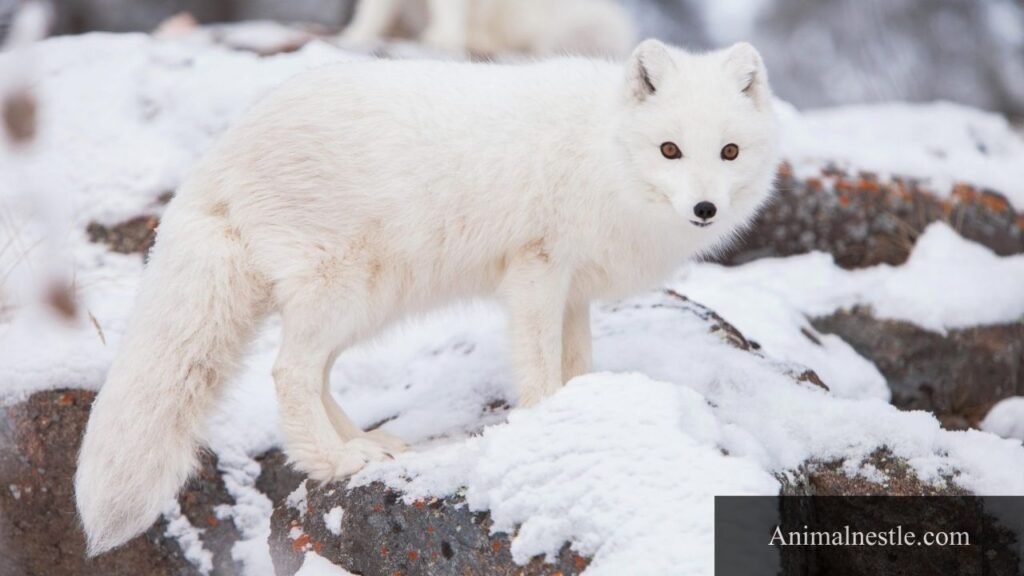
Beyond their resilience, Arctic foxes exhibit fascinating social behavior. They often form monogamous pairs and can be seen raising their young together in elaborate dens dug into the permafrost. Their diet is opportunistic, taking advantage of whatever is available — reburying leftovers from larger predators, fishing, or scavenging for berries. This versatility is vital as climate change threatens their habitat, urging us to reflect on how interconnected and fragile these ecosystems truly are.
Antelope
Scientific Name: Antilopinae
Class: Mammalia
Diet: Herbivore
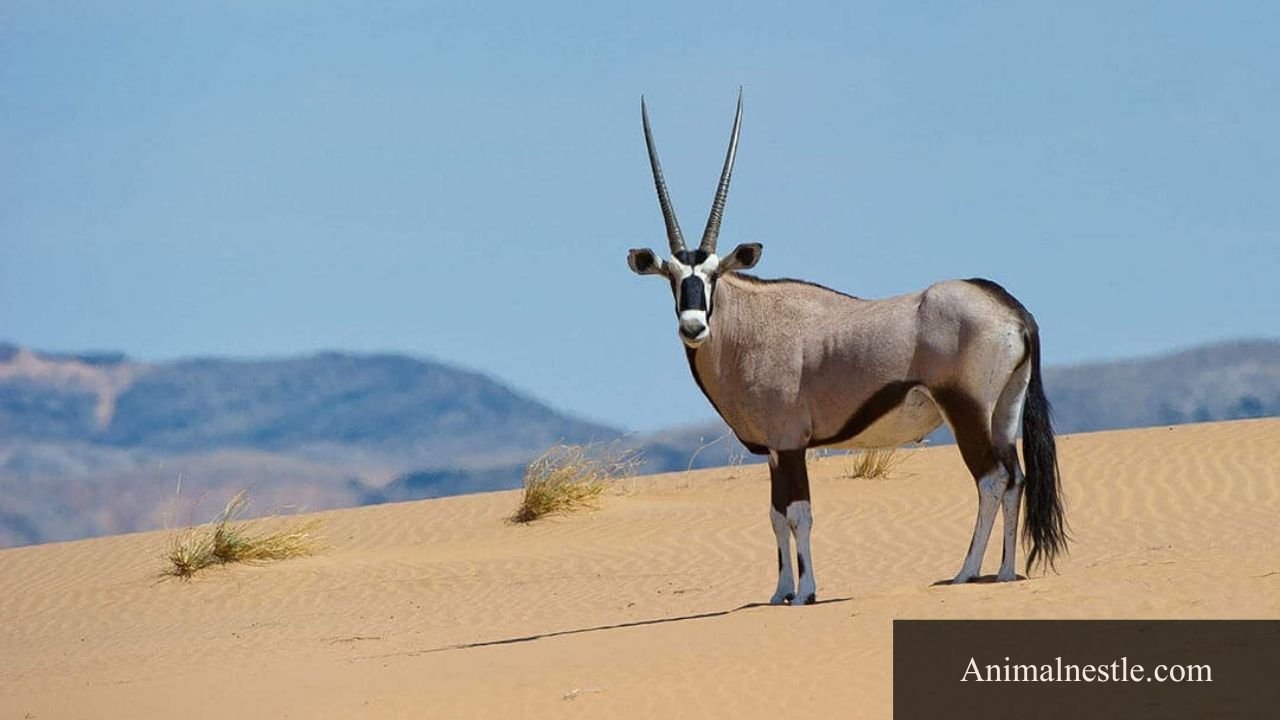
Antelopes are a fascinating group of herbivorous mammals found primarily in Africa and parts of Asia. What sets them apart is not just their graceful build but their remarkable adaptability. Species like the springbok can leap impressively high, reaching up to 10 feet in the air to evade predators. This acrobatic display isn’t just for show; it serves as an early warning system, helping warn the herd of lurking dangers.
Social structures among antelope species are equally intriguing. Some, like the topi, exhibit a fluid hierarchy, where dominance can shift based on age and strength rather than rigid ranks. This dynamic fosters cooperation and impressive herd cohesion, crucial for survival in environments teeming with predators. Beyond their physical prowess, antelopes play a critical role in their ecosystems; their grazing habits help maintain the health of grasslands, promoting biodiversity. Watching them in the wild is a reminder of the delicate balance of nature, where each species contributes to a larger narrative.
Alpaca
Scientific Name: Vicugna pacos
Class: Mammalia
Diet: Herbivore
Alpacas are fascinating creatures known not just for their fluffy appearance, but also for their distinct personalities. Unlike their close relatives, llamas, alpacas are shy and gentle, making them popular companions on farms and in therapeutic settings. They communicate through a series of soft hums and body gestures, showcasing an emotional intelligence that often surprises those who interact with them.
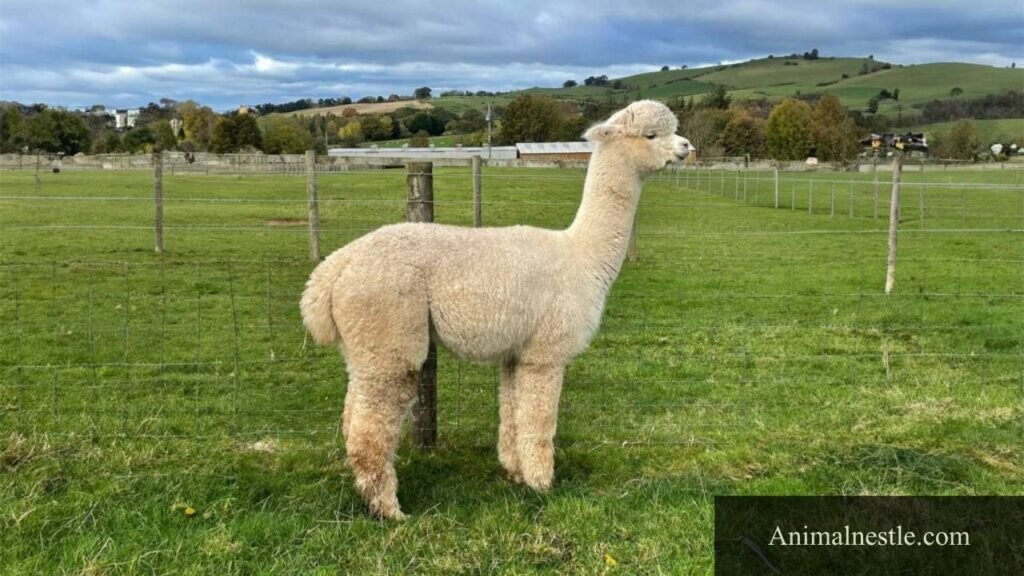
One intriguing aspect of alpacas is their fiber, which rivals cashmere in softness and warmth. This luxurious material comes in an array of natural colors, ranging from white to deep browns, allowing for unique textile creations. Interestingly, alpacas have a minimal environmental footprint; they graze gently on pastures without tearing up the roots of grass, making them sustainable livestock choices. Beyond their ecological contributions, engaging with alpacas can offer profound mental health benefits, promoting relaxation and reducing stress levels — proof that nature’s gifts often come wrapped in cozy fur.
Readmore: Explore Top 31 Animals With 6 Letters.
American Alligator
Scientific Name: Alligator mississippiensis
Class: Reptilia
Diet: Carnivore
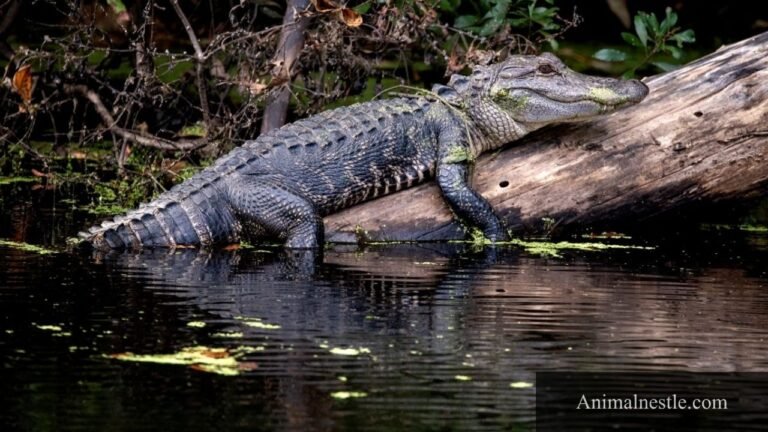
The American alligator, a symbol of the southeastern U.S., is more than just a prehistoric predator; it plays a pivotal role in its ecosystem. These reptiles create “alligator holes,” shallow waters that support diverse plant and animal life during dry spells. By maintaining these aquatic habitats, they help sustain fish populations and aquatic vegetation, showcasing their vital ecological role.
Unlike their fearsome reputation, alligators possess complex social behaviors. During the breeding season, males perform elaborate courtship displays, including growling and creating water splashes, to attract females. Their vocalizations can reveal much about their mood and territory, as they communicate through a remarkable range of sounds, from bellows to hisses, demonstrating a sophisticated social structure. Understanding these nuances enriches our appreciation of their intelligence and adaptability in the face of environmental change.
Ape
Scientific Name: Hominoidea
Class: Mammalia
Diet: Omnivore
Ape behavior showcases remarkable cognitive abilities, often rivaling those of young human children. They communicate through a sophisticated range of vocalizations and gestures, forming complex social bonds within their troops. Interestingly, some species, like the chimpanzee, exhibit tool-use behavior — crafting and utilizing sticks to extract termites from mounds and even using leaves as sponges for soaking up water.
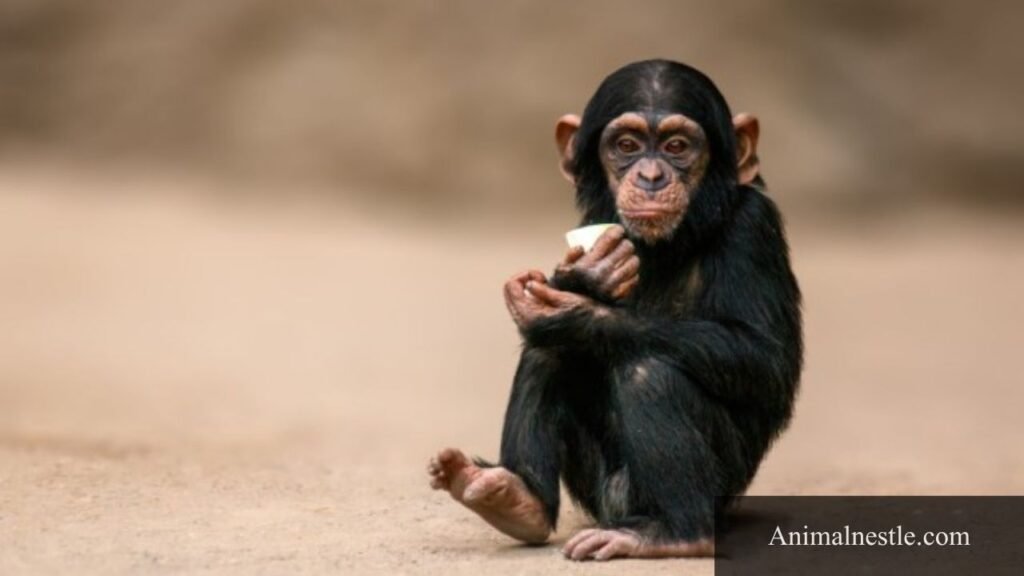
Recent studies reveal that apes possess a sense of self-awareness, demonstrated through mirror tests where they recognize their reflections. This trait highlights a deeper layer of their intelligence, raising questions about their emotional depth. Moreover, researchers are uncovering the nuances of how apes solve problems collaboratively, showcasing the power of teamwork in the wild. Such insights allow us to reconsider our relationship with these intelligent creatures, reminding us that empathy and understanding are essential in both human and ape societies.
Angelfish
Scientific Name: Pterophyllum scalare
Class: Actinopterygii
Diet: Omnivore
Angelfish are not just stunning with their vibrant colors and elegant fins; they also exhibit fascinating behaviors that can captivate any aquarium enthusiast. Known for their unique triangular shape, these freshwater fish boast a variety of species, each with its own distinct personality. They’re often social creatures, forming intricate hierarchies in their aquatic communities. Observe them carefully, and you might witness courtship displays that involve synchronized swimming and gentle nips — a dance of love in the underwater realm.
What truly sets angelfish apart is their adaptability. Whether you place them in a community tank or a specialized setup, these fish thrive in environments rich with plants and hiding spots. They are also known for their intelligence, as many owners report them recognizing their caretakers and even responding to feeding routines. However, don’t underestimate their territorial nature; they can be surprisingly assertive, especially when breeding. Understanding their behaviors can enhance your aquarium experience, making it not just a habitat but a vibrant living canvas.
Armadillo
Scientific Name: Dasypodidae
Class: Mammalia
Diet: Omnivore
The armadillo possesses a remarkable adaptability that sets it apart in the animal kingdom. These creatures, with their unique armor-like shells, aren’t just cute; they are a perfect example of evolutionary ingenuity. Over 20 species exist, each with its own special quirks, but the nine-banded armadillo is perhaps the most recognized. This little armored mammal can roll into a ball, a defensive posture that surprises many, but they’re also excellent diggers, using their sharp claws to burrow for insects and grubs.
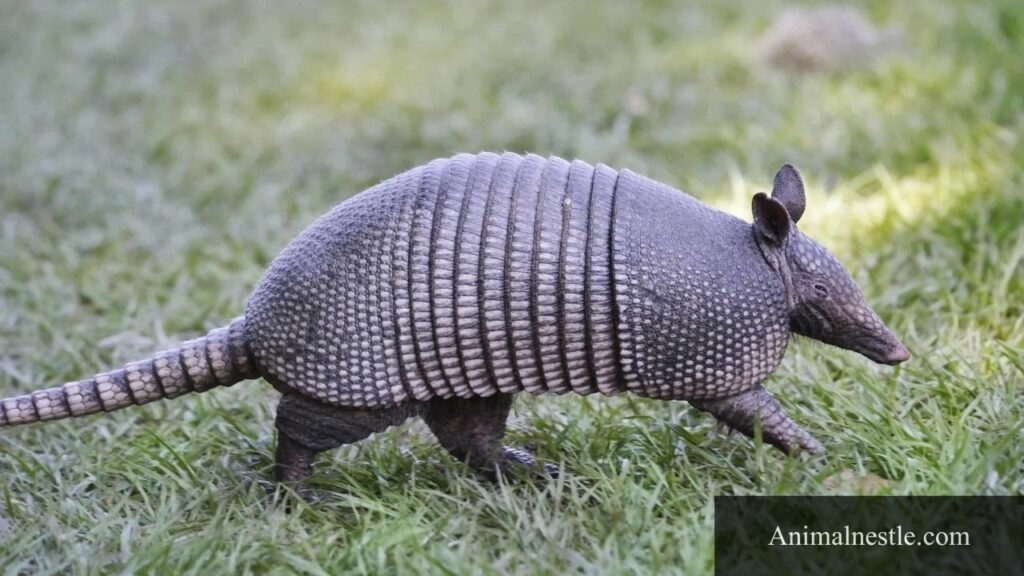
Armadillos are among the few mammals known to carry leprosy. While this fact often raises concerns, it’s crucial to understand that they don’t pose a significant threat to humans; transmission is exceedingly rare. In a fascinating twist of nature, armadillos can also produce identical quadruplets, a rarity among mammals. This unique reproductive strategy not only enhances their genetic propagation but also highlights their resilience in various habitats. Engaging with an armadillo opens a window to the intricate balance of ecology, reminding us of the diverse marvels present in our world.
Anteater
Scientific Name: Vermilingua
Class: Mammalia
Diet: Carnivore
The anteater is a fascinating creature, known for its elongated snout and remarkable tongue that can extend up to 16 inches. This unique adaptation allows anteaters to feast on ants and termites with impressive precision. Their diet consists almost entirely of these insects, but they play a vital role in controlling insect populations, making them unsung heroes in their ecosystems.
Anteaters are more closely related to sloths and armadillos than to other mammals. Their thick fur, a mix of yellow and black stripes, not only provides camouflage but also protects them from the bites of their prey. They possess powerful front claws, designed for tearing apart ant mounds, yet are surprisingly gentle in their movements, a stark contrast to their fierce feeding methods. Despite their size, anteaters are solitary animals, often preferring the quiet of the forest floor to social interactions.
African Elephant
Scientific Name: Loxodonta africana
Class: Mammalia
Diet: Herbivore
The African elephant, the largest land mammal, exceeds others not just in size but in sheer emotional depth. Their complex social structures reflect intricate family bonds, where matriarchs lead herds with wisdom accumulated over decades. This intelligence manifests in their remarkable problem-solving abilities, akin to those seen in primates, challenging the notion that cognitive skills are exclusive to smaller-brained species.
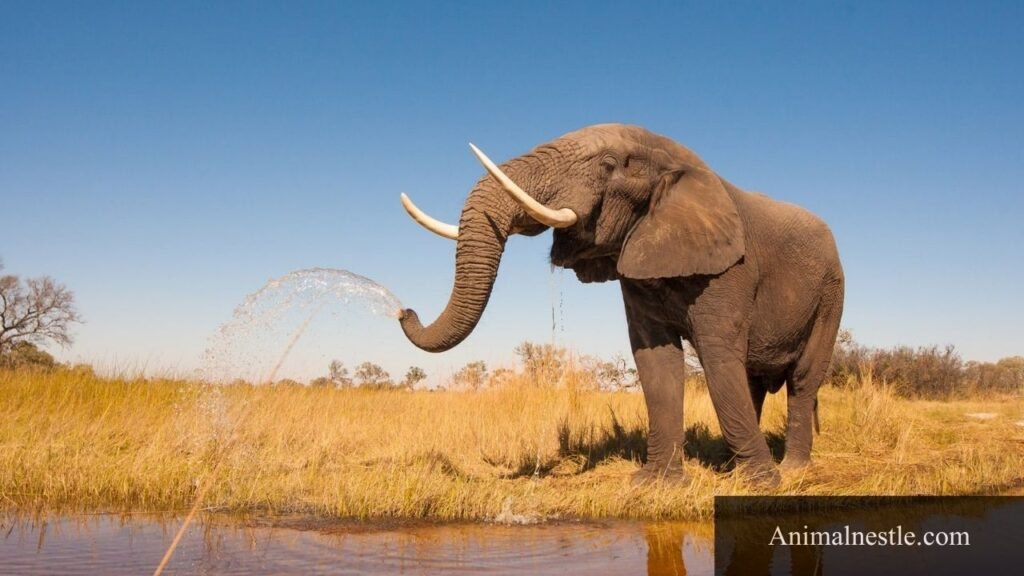
With skin that can sense vibrations, elephants navigate their environment in extraordinary ways. They communicate through low-frequency rumbles that travel over vast distances, allowing them to stay connected even when separated. Interestingly, this means that elephants can detect rainstorms from miles away, guiding their migratory patterns toward vital water sources. Unfortunately, these majestic beings face dire threats from poaching and habitat loss, emphasizing the urgent need for conservation efforts to protect not just their existence, but also the ecosystems dependent on them.
Aardvark
Scientific Name: Orycteropus afer
Class: Mammalia
Diet: Carnivore
The aardvark, often overlooked in the animal kingdom, is a fascinating creature that thrives in the savannas and grasslands of Africa. With its pig-like snout and robust body, it’s expertly adapted for one primary task: digging. This nocturnal forager uses its powerful claws to excavate termite mounds and ant colonies, showcasing a unique talent for unearthing hidden delicacies. Imagine the sheer determination of this solitary mammal as it works tirelessly through the night, guided by an extraordinary sense of smell.
While the aardvark may not boast the flamboyant colors of a parrot or the grace of a gazelle, it plays a crucial role in its ecosystem. By controlling insect populations, it helps maintain a balance that benefits other wildlife. Aardvark burrows provide habitats for a variety of creatures, illustrating a fascinating ripple effect in their environment. In a world increasingly focused on the charismatic megafauna, the hidden heroics of the aardvark remind us that every creature, no matter how unassuming, contributes to the intricate web of life.
Albatross
Scientific Name: Diomedeidae
Class: Aves
Diet: Carnivore
The albatross, a master of the skies, boasts one of the largest wingspan of any bird, reaching up to 12 feet. This remarkable adaptation allows them to glide effortlessly over vast oceanic expanses, covering thousands of miles in search of food. Their wings are not just impressive for size; they exhibit a unique dynamic, enabling them to ride the wind currents with minimal energy expenditure, a behavior that speaks to their efficiency as seabirds.
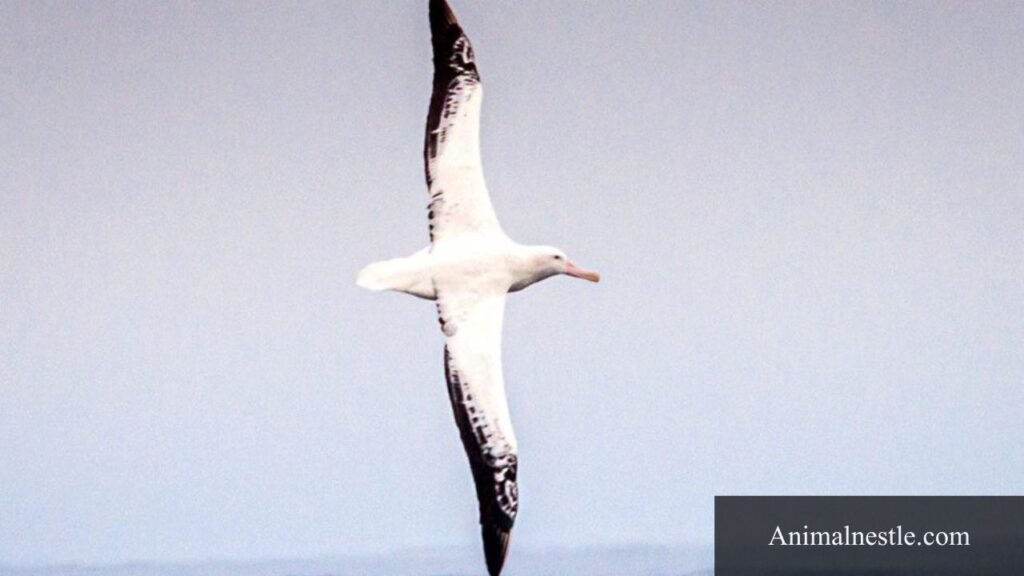
Interestingly, albatrosses are highly monogamous, often forming lifelong bonds with their mates. Their elaborate courtship displays include synchronized aerial maneuvers that showcase their agility and grace. Once a pair has formed a bond, they work together to rear their offspring, demonstrating a level of teamwork that is as captivating as their flight.
American Robin
Scientific Name: Turdus migratorius
Class: Aves
Diet: Omnivore
The American Robin, a beloved songbird, is more than just a common sight in backyards. With its vibrant orange-red breast and melodious song, this resilient bird heralds the arrival of spring across North America. Intriguingly, robins are often considered harbingers of change; their return signals a shift in seasons and a renewal of life, awakening both nature and the human spirit.
These birds are remarkably adaptive, thriving in diverse habitats from urban parks to rural landscapes. Their diet reflects this versatility, shifting from juicy earthworms in warmer months to an array of berries and fruits in the fall. This flexibility not only aids their survival but also influences local ecosystems, as they play a crucial role in seed dispersal. Observing American Robins can offer a unique lens into the interconnectedness of wildlife and the health of our environment.
Asian Elephant
Scientific Name: Elephas maximus
Class: Mammalia
Diet: Herbivore
The Asian elephant, distinct from its African counterpart, showcases a fascinating blend of intelligence and sensitivity. Known for their distinctive smaller, rounded ears and a more arched back, these majestic creatures exhibit an incredible range of emotions and social bonds. Their matriarchal society thrives in tightly knit family groups, where females lead their herds with wisdom passed down through generations.
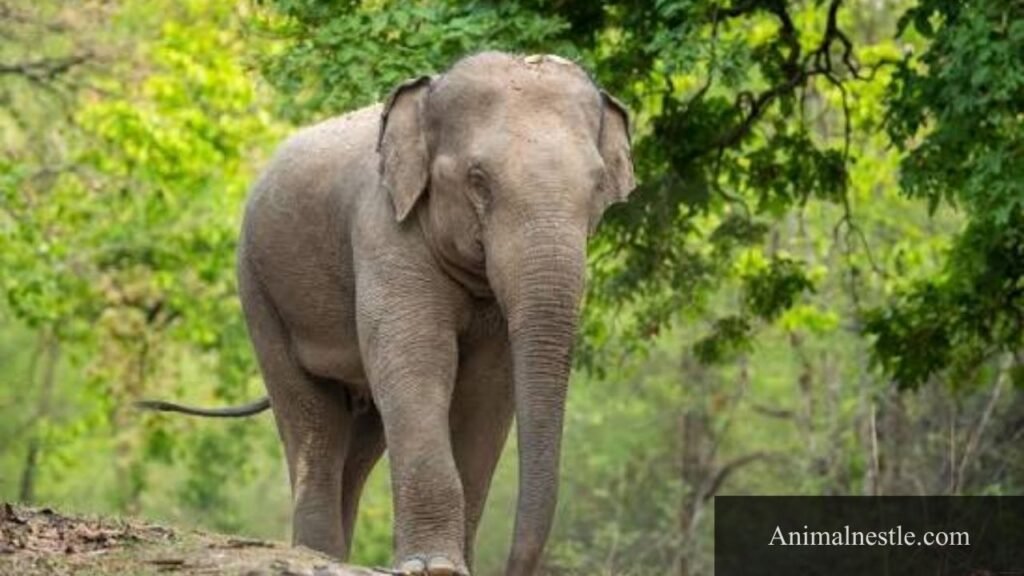
What’s particularly fascinating is their ability to communicate through infrasound — low-frequency sounds that can travel miles. This uncanny skill allows them to convey messages to distant herds or alert one another to potential threats. Furthermore, Asian elephants demonstrate remarkable intelligence; they can use tools, remember intricate routes, and even paint! Such behaviors not only highlight their cognitive abilities but also pose questions about our understanding of animal intellect.
Anaconda
Scientific Name: Eunectes murinus
Class: Reptilia
Diet: Carnivore
Anacondas, often shrouded in mystery, are among the largest snakes in the world, primarily residing in the swamps and rivers of the Amazon Basin. Unlike most snakes that rely on camouflage, anacondas are semi-aquatic hunters, using their powerful bodies to ambush prey. Their impressive girth can reach lengths of over 29 feet, with females being significantly larger than males, a unique trait known as sexual dimorphism. This size allows them to dominate their ecosystem, preying on everything from fish to deer, and even caimans.
What truly sets anacondas apart is their ability to hold their breath underwater for up to ten minutes. This adaptation, combined with a highly flexible jaw, enables them to launch surprise attacks. Their reproductive habits are equally fascinating; they engage in a surprising social behavior during mating season, forming “breeding balls” where multiple males vie for a single female. This fascinating complexity adds depth to the anaconda’s role in their habitat, showcasing a blend of raw power and intriguing social dynamics.
Axolotl
Scientific Name: Ambystoma mexicanum
Class: Amphibia
Diet: Carnivore
Axolotls, often dubbed “Mexican walking fish,” are fascinating amphibians that boast an impressive ability to regenerate lost limbs, spinal cord, and even parts of their heart and brain. Native to the ancient lakes of Mexico, they possess external gills that dangle like feathery plumage, giving them a whimsical appearance. This stunning feature also points to their unique evolution, as they remain in their larval form throughout their lives — a phenomenon known as neoteny.
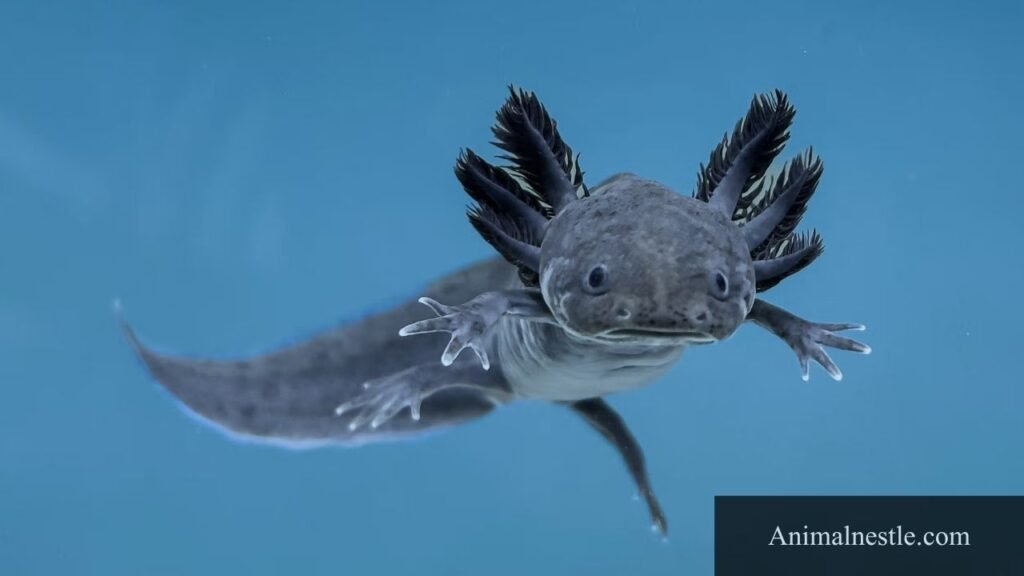
What sets axolotls apart is not just their regenerative prowess but their potential in scientific research. Researchers are harnessing their incredible healing capabilities to unlock secrets about regeneration, which could one day lead to breakthroughs in medicine for humans. However, despite their resilience, they face threats in the wild due to habitat loss and pollution, reminding us of the delicate balance between nature and human impact. Protecting these enchanting creatures is crucial, not just for biodiversity but for the future of scientific discovery.
African Penguin
Scientific Name: Spheniscus demersus
Class: Aves
Diet: Carnivore
The African penguin, often dubbed the “jackass penguin” for its distinctive braying call, is a remarkable sight along the southwestern coast of Africa. Unlike their colder-climate cousins, these penguins thrive in warmer environments, making their presence even more fascinating. Their unique adaptive strategies help them keep cool: they shade themselves with their flippers and can often be seen panting to dissipate heat.
These engaging birds have a rich social life, often forming tight-knit colonies that can number in the thousands. Their monogamous mating habits reveal a deep commitment, as pairs frequently engage in elaborate courtship displays. However, the African penguin faces significant threats today, from climate change to overfishing, which impacts their food supply. Understanding and protecting their ecosystems is crucial, as losing these penguins would not only diminish biodiversity but also disrupt the intricate balance of their marine habitats.
Atlantic Salmon
Scientific Name: Salmo salar
Class: Actinopterygii
Diet: Carnivore
Atlantic salmon are fascinating not just for their culinary value but also for their remarkable life cycle. These fish begin their journey in freshwater rivers, where they hatch and spend a few years before migrating to the ocean. This migration is a grueling trek that can span hundreds of miles, showcasing their endurance and adaptability. Once in saltwater, they can grow to impressive sizes, reaching up to 30 inches or more.
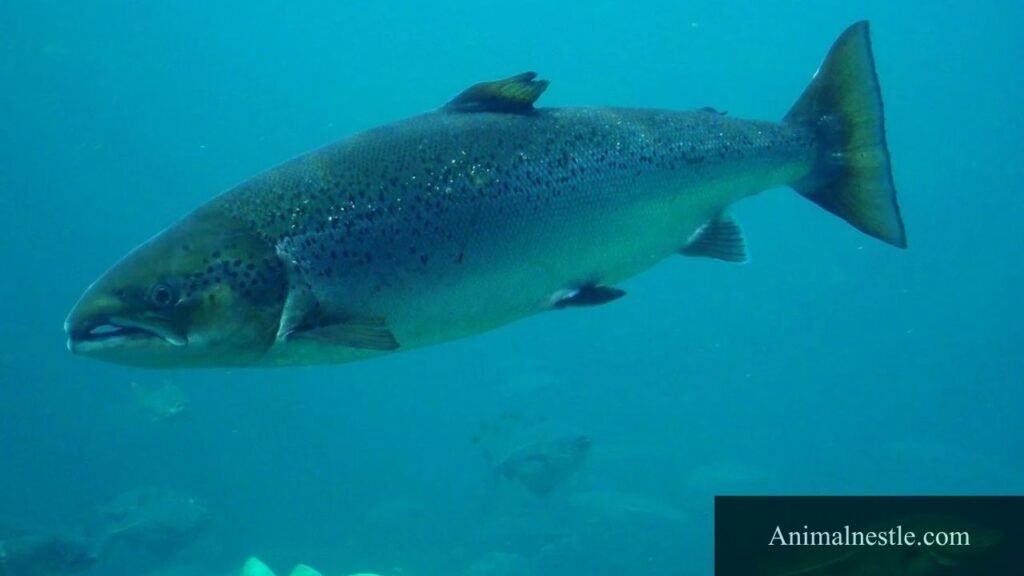
What’s particularly captivating is their instinct to return to their birthplace to spawn. This reproductive strategy ensures that the next generation has the best chance of survival in familiar waters. Unfortunately, human activities, such as overfishing and habitat destruction, threaten their populations. By understanding the intricate behaviors and needs of Atlantic salmon, we can better appreciate the delicate balance of aquatic ecosystems and the importance of conservation efforts to protect these iconic fish.
American Toad
Scientific Name: Anaxyrus americanus
Class: Amphibia
Diet: Carnivore
The American Toad, with its warty skin and captivating call, is a prime example of nature’s resilience. Often blending seamlessly into its surroundings, this amphibian boasts a remarkable ability to adapt to urban environments. While many may see a plain toad crossing the road, each specimen contributes to its ecosystem, controlling insect populations and serving as prey for various predators.
The toad’s skin secretes substances that deter predators, showcasing a clever survival strategy. Beyond its defensive tactics, the American Toad also plays a vital role in a broader environmental narrative. As an indicator species, its health reflects and impacts the ecosystem’s well-being, providing insights into habitat quality. Observing these resilient creatures reminds us of the delicate balance within our natural world — each croak a call to appreciate the often-overlooked wonders surrounding us.
Ant
Scientific Name: Formicidae
Class: Insecta
Diet: Omnivore
Ants may be small, but they wield an extraordinary level of social organization and intelligence that rivals even some larger animals. Living in colonies that can range from a mere dozen to millions, ants operate with a complex division of labor. Each ant has a role, whether foraging for food, caring for the young, or protecting the queen. This cooperative behavior allows them to achieve feats that seem possible only in science fiction, such as forming living bridges to cross gaps or creating rafts to survive floods.
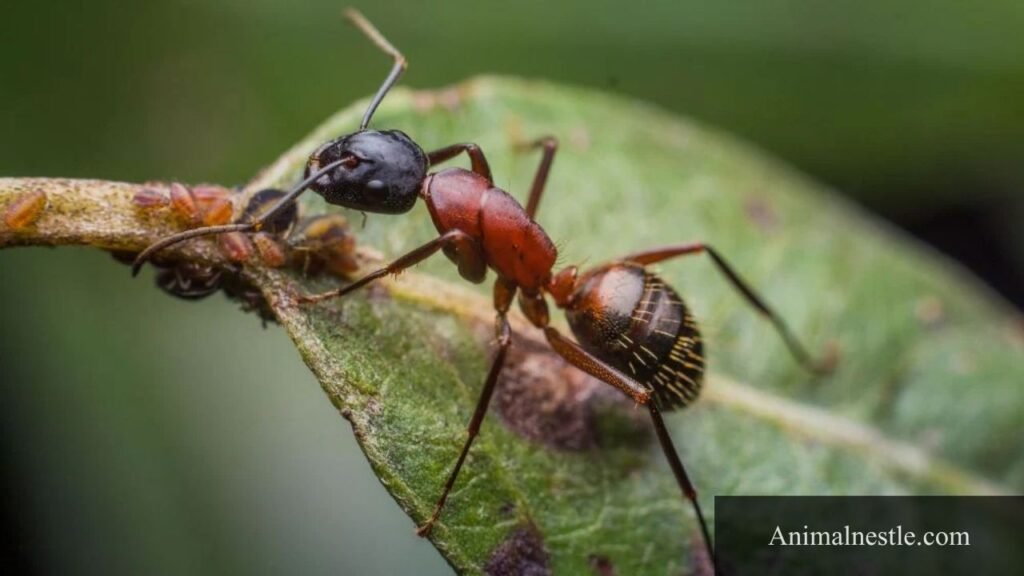
Interestingly, ants communicate through pheromones, releasing specific chemicals that convey messages about food and danger. This form of chemical signaling not only keeps the colony alert but also plays a crucial role in their foraging strategies. For instance, when a scout ant finds food, it will return to the colony, laying a pheromone trail for others to follow, creating a trail of sweet success that can lead to a feast for the entire colony. This remarkable ability highlights their intricate societal structure and the importance of teamwork in the animal kingdom. In observing ants, we can glean valuable lessons about cooperation and resilience, reminding us that even the smallest creatures have a significant role in the ecosystem.
Anglerfish
Scientific Name: Lophiiformes
Class: Actinopterygii
Diet: Carnivore
The anglerfish, often regarded as one of the ocean’s most peculiar creatures, showcases an extraordinary adaptation that highlights its evolution. Found primarily in the deep sea regions, these fish possess a bioluminescent lure that emanates from a modified spine. This light, which resembles a glowing bait, is pivotal in attracting unsuspecting prey in the dark abyss of the ocean. Yet, this is not the only remarkable aspect of the anglerfish; their dramatic mating rituals are equally fascinating. In some species, males are diminutive and cling to females, merging their bodies and allowing them to share nutrients — a striking example of extreme sexual dimorphism.
Anglerfish have unique feeding strategies that reveal their predatory prowess. Their wide mouths are lined with sharp teeth and can even expand to swallow prey larger than themselves. This adaptability allows them to thrive in an ecosystem where food is scarce, showcasing a survival mechanism that is both brutal and ingenious. Beneath the surface, the anglerfish serves as a reminder of the ocean’s mysteries, where bizarre forms and strategies hint at the vast unknown that lies beyond our exploration.
African Grey Parrot
Scientific Name: Psittacus erithacus
Class: Aves
Diet: Herbivore
The African Grey Parrot, renowned for its impressive cognitive abilities, is often regarded as one of the most intelligent avian species. These parrots can mimic human speech with remarkable clarity, but their communication skills extend beyond mere imitation; they possess an understanding of context and can use words in appropriate situations. Recent studies indicate that their problem-solving skills may rival those of a four-year-old child, showcasing their ability to engage with complex tasks and even display emotional intelligence.
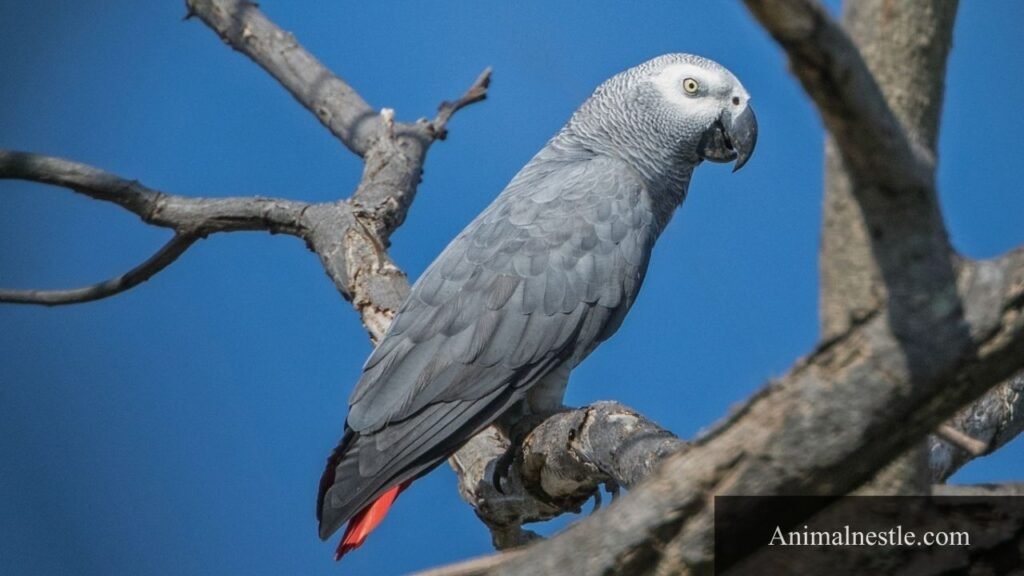
In the wild, African Grey Parrots are more than charming talkers; they play vital roles in their ecosystems. Foraging for fruit and seeds, they help in seed dispersal, ensuring the regeneration of their rainforest habitats. However, their declining populations due to habitat loss and the illegal pet trade highlight a pressing need for conservation efforts. Understanding these majestic birds not only enriches our connection to them but also emphasizes the role we can play in preserving their future. Engaging with these creatures invites a deeper appreciation of the intricate relationships between species and the environments they inhabit.
Arctic Hare
Scientific Name: Lepus arcticus
Class: Mammalia
Diet: Herbivore
The Arctic hare, a remarkable resident of the frigid tundra, showcases nature’s incredible adaptability. With its thick, white fur that changes to mottled gray-brown in summer, this creature is a master of concealment against its snowy landscape. But it’s not just their coloration that captivates; their large, powerful hind legs can propel them over three meters in a single bound, allowing them to escape predators with breathtaking speed.
Social behaviors among Arctic hares offer fascinating insights into their survival strategies. They often gather in groups, providing safety in numbers, and engage in a unique form of play that sharpens their agility and reflexes. Moreover, during the harsh Arctic winters, these hares dig intricate burrows under the snow where they can huddle together for warmth, demonstrating a communal spirit that further enhances their survival rate. Their diet, primarily consisting of tough Arctic vegetation, shifts seasonally, showcasing their keen adaptability in a rapidly changing environment. This remarkable combination of physical prowess and social cohesion makes the Arctic hare a striking symbol of resilience in one of the planet’s most extreme habitats.
Arctic Wolf
Scientific Name: Canis lupus arctos
Class: Mammalia
Diet: Carnivore
The Arctic wolf, a subspecies of the grey wolf, thrives in one of the harshest environments on Earth. Adapted to the inhospitable Arctic tundra, these wolves have a thick, insulating coat that varies in color from pure white to a mottled grey or brown, providing excellent camouflage amid the shifting snows and rocky terrains. Their keen senses are finely tuned to detect prey such as caribou, Arctic hares, and even seal carcasses, allowing them to survive in an ecosystem where food can be scarce during the long winter months.
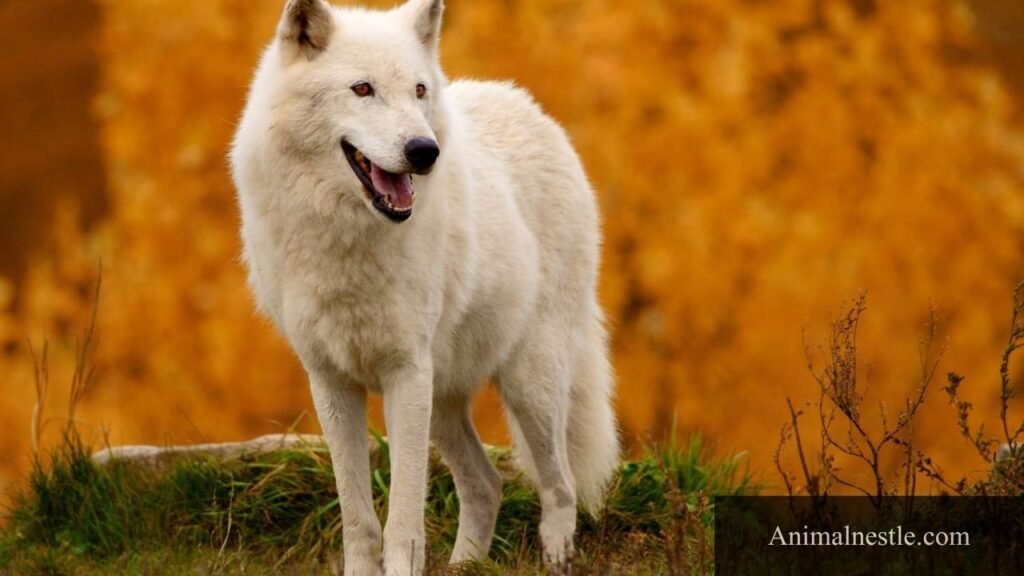
What sets the Arctic wolf apart from its southern relatives is not just its physical adaptations, but also its social structure. Unlike the often larger packs of grey wolves found in more temperate regions, Arctic wolves tend to hunt in smaller family groups, usually consisting of a breeding pair and their pups. This intimate social unit fosters a strong bond, enabling them to collaborate efficiently when hunting or defending their territory. Furthermore, their relatively isolated habitat has allowed them to maintain a distinct genetic lineage, making them a fascinating subject for studies on adaptation and resilience in the face of climate change. The Arctic wolf embodies the fierce beauty and intricate social dynamics of life in the frozen north, reminding us of the delicate balance that sustains this remote wilderness.
Adélie Penguin
Scientific Name: Pygoscelis adeliae
Class: Aves
Diet: Carnivore
The Adélie penguin, distinguished by its tuxedo-like appearance and striking white ring around the eye, is a true wonder of the frigid Antarctic landscape. These agile navigators of icy waters are known for their remarkable swimming abilities, reaching speeds of up to 15 miles per hour when pursuing krill and other marine prey. Interestingly, their social structures reflect a complex society; they often engage in synchronized group movements to evade predators, showcasing a level of coordination that hints at advanced communication skills.
Breeding season unveils a fascinating aspect of Adélie penguin behavior. These creatures are deeply devoted parents, often sharing incubation duties in pairs, with both males and females taking turns to keep their precious eggs warm. Another compelling element is their reliance on specific nesting sites — once a location has been used, it’s often returned to year after year, allowing them to form a nostalgic link to their breeding past. This loyalty to their territory not only impacts their reproductive success but also highlights the intricate relationship these penguins have with their environment as climate change poses new challenges to their icy homes.
Asiatic Black Bear
Scientific Name: Ursus thibetanus
Class: Mammalia
Diet: Omnivore
The Asiatic Black Bear, also known as the moon bear due to its distinctive crescent-shaped white marking on its chest, is a fascinating specimen native to the mountainous forests of Asia. Unlike many of its bear relatives, it showcases remarkable agility, often residing in trees where it skillfully forages for fruits and insects. This arboreal lifestyle not only aids in their diet but also provides a refuge from potential predators.
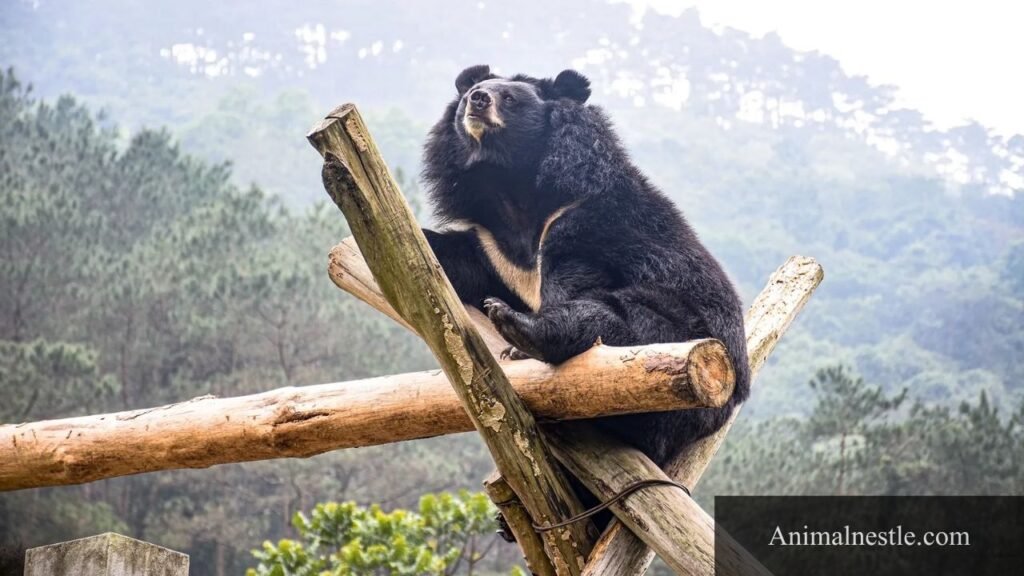
A striking aspect of the Asiatic Black Bear is its complex social behavior. While typically solitary, these bears have been observed engaging in playful interactions, particularly during the summer months when food is abundant. Their vocalizations range from gentle grunts to complex growls, adding depth to their social interactions and suggesting a level of communication that remains largely understudied. Furthermore, the bear’s role in seed dispersion within its habitat underscores its ecological importance, illustrating how a seemingly harmless animal can be a critical player in maintaining forest health.
Aoudad Sheep
Scientific Name: Ammotragus lervia
Class: Mammalia
Diet: Herbivore
Aoudad sheep, or Barbary sheep, are a testament to survival in harsh conditions. Found in the rocky deserts and mountainous terrains of North Africa, these remarkable creatures have adapted to arid climates with a remarkable efficiency. Their unique ability to thrive on sparse vegetation demonstrates a fascinating facet of evolution, allowing them to extract moisture and nutrients from the most challenging environments. This adaptability is further enhanced by their strong social structures, living in herds that provide protection and support against predators.
What sets aoudads apart from other sheep species is their impressive physical characteristics, particularly the males, who sport long, curved horns that can reach up to 40 inches in length. These horns not only serve as a display of dominance during mating season but also play a crucial role in defense against threats. Their keen eyesight and hearing make them adept at detecting potential dangers, giving them the edge in staying one step ahead of predators such as wolves and leopards. As these animals continue to navigate their rugged home, they remind us of the incredible resilience found in the animal kingdom, leaving us to ponder the intricate relationships between species and their environments.
Arapaima
Scientific Name: Arapaima gigas
Class: Actinopterygii
Diet: Carnivore
The Arapaima gigas, a remarkable freshwater fish native to the Amazon Basin, holds the title of one of the largest fish species in the world, reaching lengths of up to 15 feet and weighing over 485 pounds. This prehistoric creature is often referred to as a “living fossil,” boasting a lineage that dates back over 200 million years. What makes the Arapaima particularly fascinating is its ability to breathe air; equipped with a specialized swim bladder, it can gulp oxygen directly from the surface, allowing it to thrive in low-oxygen environments where other fish might struggle.
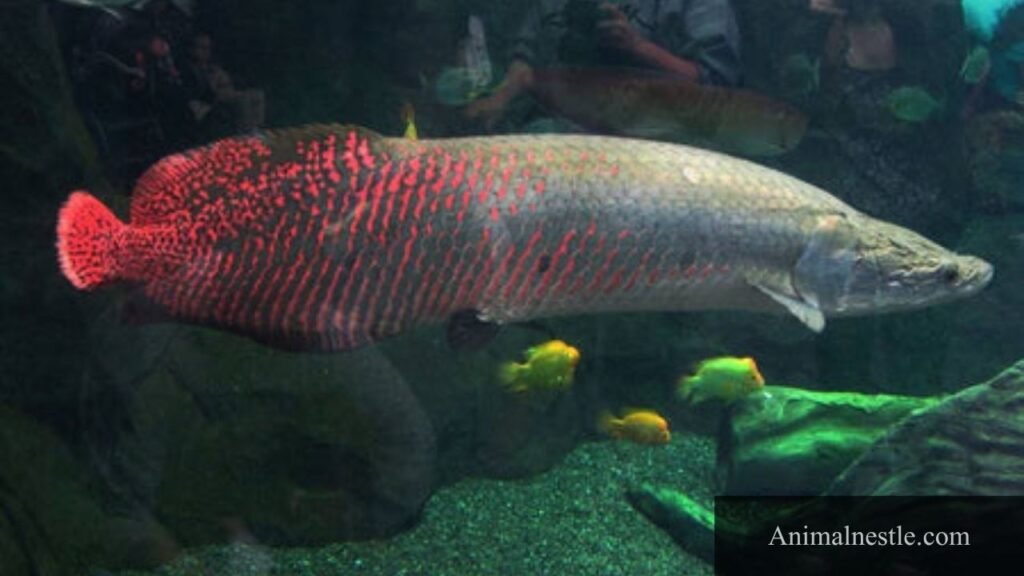
More than just its sheer size, the Arapaima plays a crucial role in its ecosystem. Acting as a keystone species, it helps maintain the health of river habitats by controlling the populations of smaller fish and contributing to nutrient cycling through its feed-based behavior. However, the majestic Arapaima faces threats from overfishing and habitat loss, pushing it closer to extinction in the wild. Conservation efforts are underway, including sustainable breeding programs and fishery management, emphasizing the need for awareness and protection of this unique species. Engaging with the local communities about the ecological value of the Arapaima can foster a mutual respect and drive conservation efforts that benefit both the fish and the people who depend on the Amazon’s waterways.
African Wild Dog
Scientific Name: Lycaon pictus
Class: Mammalia
Diet: Carnivore
The African wild dog, also known as the painted wolf, stands out not just for its unique coat patterns but also for its incredible social structure. Unlike many canids, these animals exhibit a remarkable level of cooperation and communication within their packs, often referred to as “clans.” Each member plays a crucial role, from hunting strategists to caregivers for the young. Their vocalizations, which include high-pitched twittering and whooping sounds, facilitate coordination during hunts and reinforce social bonds, showcasing a level of social intelligence that few canines possess.
The African wild dog’s hunting strategy is a blend of endurance and collaboration. They can run up to 44 miles per hour, but it’s their stamina and teamwork that truly sets them apart; they often chase prey over long distances, wearing it down before making the final strike. This method not only demonstrates their exceptional physical abilities but also emphasizes their evolutionary advantage as a pack species. Despite their prowess, however, these majestic creatures face significant threats from habitat loss and conflict with human activities, raising questions about conservation efforts and what the future holds for these charismatic predators. Saving the African wild dog is not just about preserving a species; it’s about protecting an intricate web of life that depends on their survival.
Atlantic Cod
Scientific Name: Gadus morhua
Class: Actinopterygii
Diet: Carnivore
The Atlantic cod, a staple of both commercial and recreational fishing, boasts not only a rich history but also an intriguing biology. Renowned for its voracious appetite, this fish can consume prey that is up to half its own length, including smaller fish, crustaceans, and even the occasional squid. Remarkably adaptable, Atlantic cod thrive in a range of temperatures and depths, from shallow coastal waters to the depths of the continental shelf, allowing them to inhabit diverse marine ecosystems.
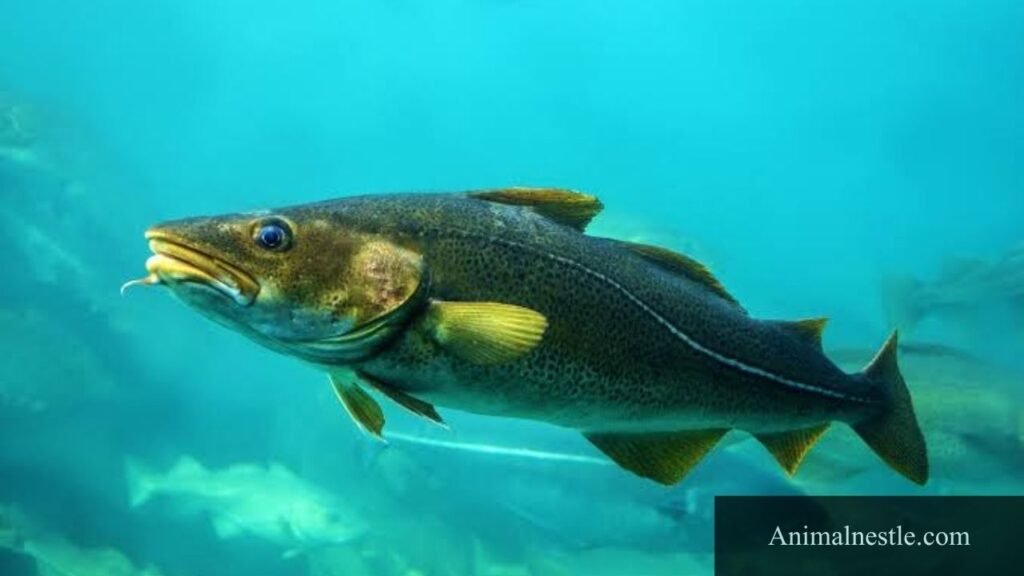
Atlantic cod play a crucial ecological role in their environments. They serve as a keystone species, maintaining the balance of marine life in their habitats. However, their populations have faced significant challenges due to overfishing and changing ocean conditions, which highlights the importance of sustainable practices. Recent efforts in fishery management and conservation are focused on restoring their numbers and ensuring the resilience of this iconic species for future generations. Engaging with the nuances of Atlantic cod not only enriches our understanding but also underscores the delicate interconnections within our oceans.
Avocet
Scientific Name: Recurvirostra avosetta
Class: Aves
Diet: Carnivore
The Avocet, a striking wading bird, captures attention with its elegant long legs and distinctive upturned bill. These fascinating creatures are skilled foragers, using their unique bills to sift through mud and shallow waters for invertebrates and aquatic insects. Interestingly, their foraging style varies with habitat; at times, they sweep their bills side-to-side, while in other instances, they engage in a more delicate pecking motion, showcasing their adaptability to different environments.
The Avocet’s striking black and white plumage serves more than just aesthetic appeal; it plays a critical role in camouflage, blending seamlessly into the coastal landscapes and marshes they inhabit. During the breeding season, these social birds form monogamous pairs, often nesting in colonies that can provide protection against predators. The communal breeding behavior is fascinating; by banding together, they not only increase their chances of survival but also create dynamic, noisy gatherings that echo the lively pulse of the wetlands. Watching a flock of Avocets take flight, their synchronized movements and elaborate aerial displays, reminds us of the beauty and complexity of avian life.
Aye-aye
Scientific Name: Daubentonia madagascariensis
Class: Mammalia
Diet: Omnivore
The aye-aye, a unique nocturnal lemur native to Madagascar, challenges conventional perceptions of primates with its distinctive features and behaviors. This fascinating creature, with its large eyes and oversized middle finger, has evolved a specialized tool for extracting insects from tree bark. Known as “percussive foraging,” the aye-aye taps on wood to locate hollow areas before using its elongated digit to reach into these cavities and snag tasty larvae. This extraordinary adaptation not only showcases nature’s ingenuity but also highlights the intricate relationships between species and their habitats.
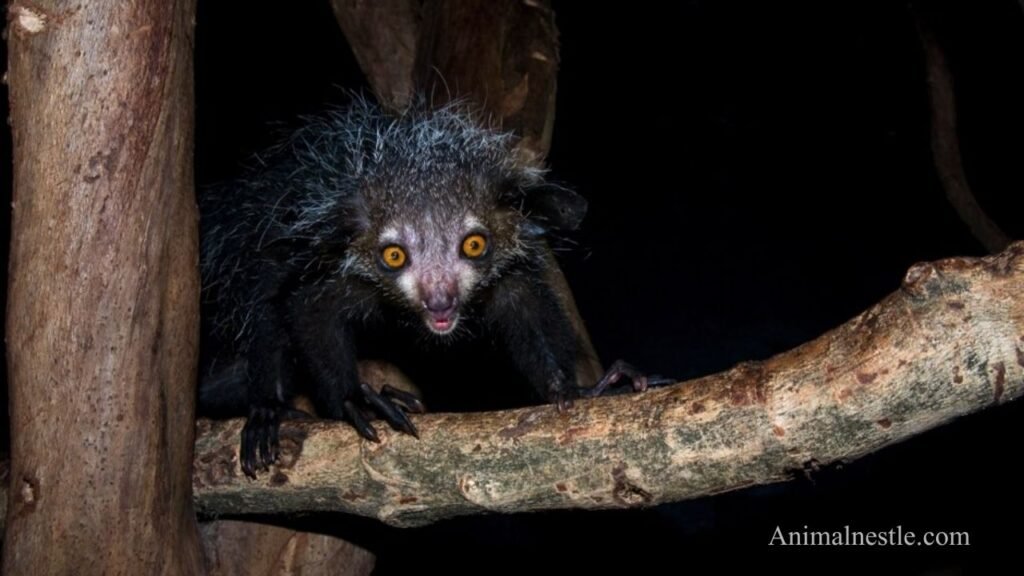
The aye-aye is often misunderstood and unfairly stigmatized. In some Malagasy cultures, its unusual appearance leads to superstitions, with many believing it brings bad luck. This belief has put the aye-aye at risk, as communities sometimes view it as a pest that threatens their crops. Conservation efforts strive to educate locals about the aye-aye’s ecological role, emphasizing its importance in maintaining the health of Madagascar’s forests. By fostering a deeper appreciation for this remarkable primate, we can help ensure its survival for generations to come, allowing future generations to marvel at one of nature’s most intriguing creations.
Readmore: Explore 21 Animals With 8 Letters.
Final Thoughts
The fascinating world of animals that begin with the letter “A” showcases the incredible diversity of nature. From the agile Antelope to the astonishing Axolotl, these creatures are just a glimpse into the rich tapestry of life on our planet. Each of these animals plays a vital role in their ecosystems, highlighting the interconnectedness of all living beings. As we learn more about them, we uncover not only interesting facts but also the importance of conservation efforts to protect their habitats. Let’s continue to explore and appreciate the wonders of the animal kingdom, and together, we can make a difference in preserving these amazing species for future generations.
FAQs
What animals start with a?
There are plenty of animals that start with the letter “A.” Some common ones include the alligator, antelope, and aardvark. Each of these animals has unique traits; for example, alligators are known for their powerful jaws and aquatic habitats, while aardvarks are nocturnal mammals that primarily eat ants and termites. Beyond those, you’ll find animals like the albatross, a large seabird, and the anaconda, one of the world’s largest snakes.
What are cute animals that start with a?
One of the most adorable is the axolotl. This unique amphibian has a friendly smile and feathery gills that make it look extra charming. Plus, they come in various colors, making them even more delightful! Another charming choice is the alpaca. Known for their fluffy coats and gentle demeanor, these animals are often seen in herds, prancing around in fields. They’re not just cute but also super sociable, which adds to their appeal!