Top 27 Animals That Start With H (With Pictures)
In this article, we will explore a range of Animals That Start With H, revealing their unique characteristics and the interesting facts you probably never knew. Understanding these creatures helps foster a greater appreciation for biodiversity and the importance of wildlife conservation. Join us as we uncover these remarkable animals and enrich your knowledge of the natural world!
List of Animals That Start With H
Below is the list of animals that start with H:
- Honey Badger
- Harbor Seal
- Howler Monkey
- Hermit Crab
- Hoopoe
- Haddock
- Humpback Whale
- Hare
- Husky
- Halibut
- Horn Shark
- Hoary Bat
- Harpy Eagle
- Housefly
- Hippopotamus
- Hamster
- Honey Bee
- Hammerhead Shark
- Hedgehog
- Habu Snake
- Hyena
- Hawk
- Herring
- Hairy Frogfish
- Horse
- Heron
- Hornet
Honey Badger
Scientific Name: Mellivora capensis
Class: Mammalia
Diet: Omnivore
The honey badger is an astonishing creature that embodies fearlessness in the animal kingdom. Found predominantly in Africa, the Middle East, and the Indian subcontinent, this small but mighty mammal is renowned for its audacious demeanor. Defying its relatively modest size, the honey badger takes on challenges that would send other animals scurrying for safety. Whether it’s a venomous snake or a swarm of bees, this little warrior exhibits an uncanny resilience, often showcased in viral videos that highlight its incredible tenacity.
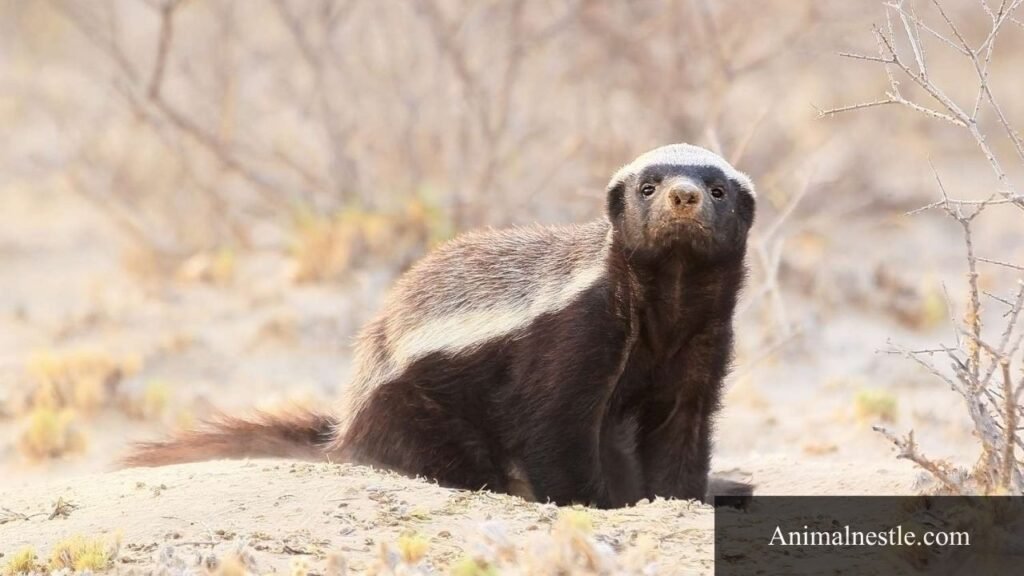
The honey badger’s diet extends far beyond honey, which might lead some to assume that its name is a misnomer. These adaptable omnivores feast on everything from insects and rodents to scavenged carrion, demonstrating a culinary versatility that proves essential for survival. Beyond their foraging prowess, honey badgers possess a layer of skin that is remarkably loose, allowing them to twist and turn in tight situations — a practical trait that makes them formidable opponents against predators. Their bold character serves not only as a survival tactic but also positions them as a symbol of resilience in nature, teaching us the value of fearlessness and adaptability in the face of adversity.
Harbor Seal
Scientific Name: Phoca vitulina
Class: Mammalia
Diet: Carnivore
The harbor seal is a fascinating marine mammal known for its playful nature and adaptability to coastal environments. Found in the colder waters of the Northern Hemisphere, these seals are often spotted lounging on rocky shores or bobbing in the surf. Their spotted coats, which range from gray to brown, serve as both camouflage and a form of individual identity, as no two seals have the same pattern.
These intriguing creatures are also remarkable communicators, using a series of barks and whistles to communicate with one another. They are often seen in social groups, displaying behaviors that suggest strong social bonds, especially among mothers and their pups. Interestingly, harbor seals are known to dive deep — up to 600 feet! — in search of diverse prey, including fish and crustaceans, showcasing their impressive hunting skills. By understanding their behavior and habitats, we can appreciate the delicate balance they maintain in marine ecosystems, reminding us of the interconnectedness of life beneath the waves.
Howler Monkey
Scientific Name: Alouatta
Class: Mammalia
Diet: Herbivore
Howler monkeys are known for their incredible vocalizations that can echo through the dense rainforests of Central and South America. What sets these primates apart isn’t just their distinctive howls but also their unique social structures and behaviors. Living in family groups, they engage in vocal duels with neighboring troops, showcasing both territorial claims and social cohesion. This sonic display isn’t merely about noise; it serves to communicate their presence and deter potential threats, illustrating a remarkable blend of social intelligence and environmental adaptation.
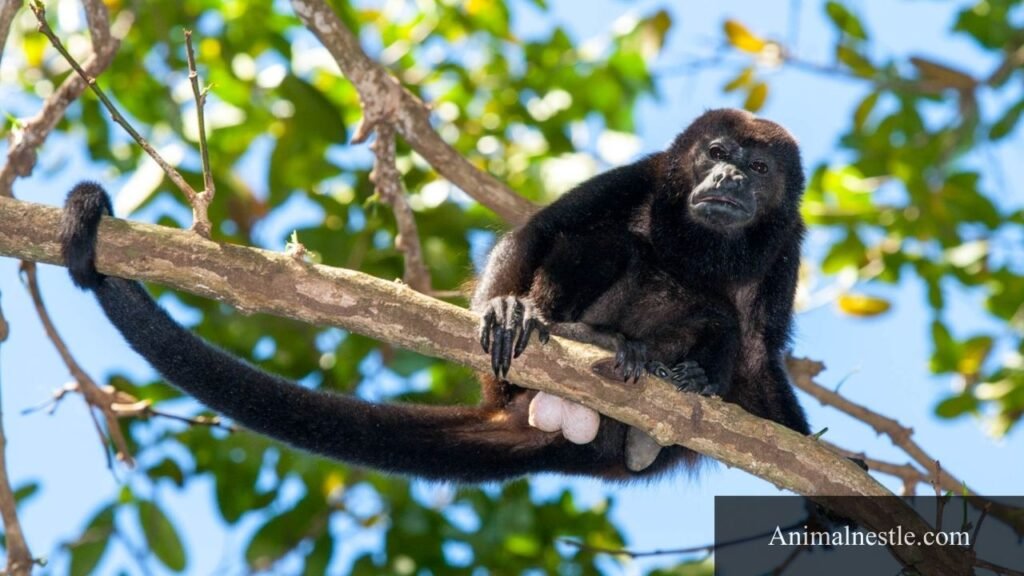
The physical adaptations of howler monkeys are equally intriguing. With prehensile tails that function almost like an extra limb, they are adept at navigating the treetops in search of leaves and fruits, their primary diet. This arboreal lifestyle has influenced their anatomy; their strong, long limbs and flexible joints allow for agile movements in the canopy. Yet, it’s their pronounced vocal sac that truly captivates. Males possess these large sacs, enabling them to produce those hauntingly deep howls that can be heard for miles. This adaptation not only enhances their communication but also reflects their role within the ecosystem, marking their territory and enhancing group dynamics.
Readmore: Explore Top 31 Animals With 6 Letters.
Hermit Crab
Scientific Name: Paguroidea
Class: Malacostraca
Diet: Omnivore
Hermit crabs are fascinating creatures known for their unique homes — abandoned shells. Unlike their crab counterparts that grow a hard exoskeleton, hermit crabs must constantly search for new, larger shells to accommodate their growing bodies. This quest for the perfect shell is not just a survival tactic; it’s a social activity, too. When a group of hermit crabs discovers a selection of shells, they engage in a sort of shell exchange, a communal gathering where each crab evaluates potential new homes.
Beyond their intriguing behavior, hermit crabs play a vital role in their ecosystems. By scavenging for food, they contribute to the breakdown of organic matter, ultimately enhancing the health of their sandy habitats. Their presence indicates a balanced environment, as they thrive in clean, pollution-free waters. Moreover, hermit crabs exhibit remarkable adaptability, demonstrating resilience in changing environments, which highlights the impact of conservation efforts on marine life. Witnessing their interactions and habitat dynamics can inspire a newfound appreciation for these often-overlooked creatures, reminding us of the complexities that underpin coastal ecosystems.
Hoopoe
Scientific Name: Upupa epops
Class: Aves
Diet: Carnivore
The hoopoe, a striking bird found across Europe, Africa, and parts of Asia, captivates with its unique appearance and delightful behaviors. With its distinctive crown of feathers resembling an elegant plume, the hoopoe is not just a visual marvel; its call, a rhythmic “hoop-hoop,” often echoes through woodlands and farmlands, adding an enchanting auditory backdrop to its habitat. This beautiful bird has deep cultural significance, often symbolizing wisdom and protection in various folklore, from ancient Egypt to modern tales.
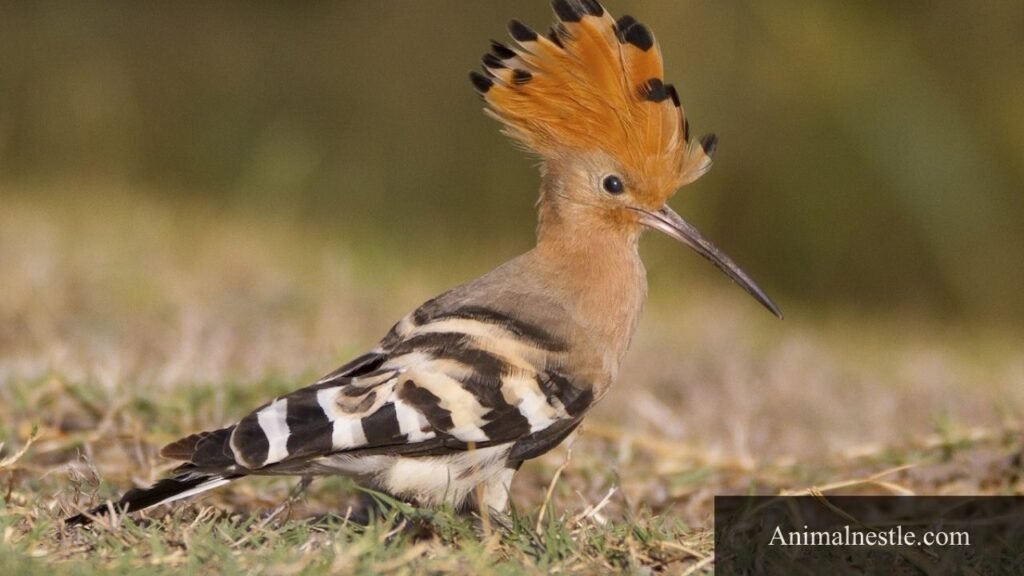
Known for its unique feeding habits, the hoopoe primarily forages for insects, particularly enjoying beetles and larvae, which it uncovers by probing the ground with its long, curved bill. Its method of probing not only highlights its adaptability but also underscores the delicate balance in ecosystems, reminding us of the importance of every creature in maintaining nature’s harmony. While the hoopoe is currently classified as least concern, habitat loss poses a significant threat, urging us to appreciate these distinct emissaries of biodiversity while we still can. Their presence is not merely a stroke of luck for birdwatchers; it’s a reminder of nature’s intricate tapestry and the stories waiting to be discovered in our own backyards.
Haddock
Scientific Name: Melanogrammus aeglefinus
Class: Actinopterygii
Diet: Carnivore
Haddock, a member of the cod family, is often overshadowed by its more famous counterpart, the cod itself. With its distinctive dark lateral line and tender, flaky flesh, haddock has carved out its own niche in culinary delights, particularly in the coastal regions of Europe and North America. Known for its versatile uses, it shines in classic dishes such as fish and chips and can be elegantly smoked or baked, showcasing a subtle flavor profile that many seafood lovers cherish.
Haddock also plays a crucial ecological role in marine ecosystems. As a mid-level predator, it helps maintain the balance of the oceanic food web, preying on smaller fish and crustaceans while being a staple for larger predators like seals and seabirds. Interestingly, haddock also has a fascinating reproductive strategy; they engage in spawning migration, traveling significant distances to find the optimal breeding grounds, which highlights their adaptability in response to environmental changes. This ability not only ensures the continuation of their species but also reflects the intricate interconnectedness of marine life, where every organism, big or small, plays its part.
Humpback Whale
Scientific Name: Megaptera novaeangliae
Class: Mammalia
Diet: Carnivore
The humpback whale, a true marvel of the ocean, captivates with its acrobatic breaches and unique melodies. These gentle giants are known for their long pectoral fins and distinctive humpbacked appearance, making them easily recognizable in the vast seas. What truly sets them apart, however, is their complex communication system, which includes intricate songs that can last for up to half an hour. These songs, thought to play a role in mating rituals and navigation, demonstrate a form of social structure and intelligence that continues to intrigue researchers.

Beyond their striking presence, humpback whales also play a crucial role in marine ecosystems. As they feed on small fish and krill, their movements contribute to the mixing of ocean waters, promoting nutrient cycling that sustains diverse marine life. Moreover, their annual migrations — some traveling over 3,000 miles between breeding and feeding grounds — showcase not only their endurance but the interconnectedness of oceanic environments. Observing these magnificent creatures in their natural habitat sparks a deeper appreciation for the wonders of marine biodiversity and underscores the importance of conservation efforts to protect their habitats.
Hare
Scientific Name: Lepus
Class: Mammalia
Diet: Herbivore
Hares, often mistaken for rabbits, boast unique adaptations that set them apart in the animal kingdom. With their long, powerful hind legs, these creatures are built for speed, allowing them to escape predators with remarkable agility. Unlike their more social rabbit cousins, hares tend to be solitary; they thrive in open grasslands and usually conceal their nests in shallow depressions, known as forms, to protect their young from threats.
Their remarkable reproductive strategies add another layer of intrigue. Hares possess the ability to give birth to precocial young — kittens that are born fully furred with their eyes open, ready to hop around shortly after birth. This adaptation is crucial for survival in their often unpredictable habitats, where the stakes are high. Furthermore, hares exhibit fascinating behavioral patterns during courtship, showcasing elaborate leaps and speed duels that not only attract mates but also enhance their physical prowess. Observing these creatures offers a glimpse into the intricate dance of survival, showcasing the delicate balance of freedom, speed, and the instinct to thrive in the wild.
Husky
Scientific Name: Canis lupus familiaris
Class: Mammalia
Diet: Omnivore
The Husky, celebrated for its striking appearance and spirited personality, traces its roots back to the Arctic, where it served as a loyal sled dog for Indigenous people. With their piercing blue or multicolored eyes and thick double coat, these dogs are not just visually stunning; they exude an incredible resilience and adaptability to harsh climates. But don’t be fooled by their rugged exterior; Huskies are known for their playful and affectionate nature, often forming strong bonds with their human companions.

One of the most fascinating traits of Huskies is their vocal communication. Unlike many dog breeds, they tend to “talk” using a variety of sounds — howls, whines, and even what can be described as “talking.” This expressive nature reflects their strong pack mentality, reminiscent of their ancestors, who thrived in close-knit groups. Moreover, these dogs are notorious escape artists, showcasing a fierce independence that can leave owners both amused and exasperated. For those considering bringing a Husky into their home, understanding their need for physical exercise and mental stimulation is crucial, as a bored Husky can easily turn into a mischievous one!
Halibut
Scientific Name: Hippoglossus hippoglossus
Class: Actinopterygii
Diet: Carnivore
Halibut, with its distinctive diamond-shaped body and camouflaged coloration, is a fascinating marvel of the underwater world. These flatfish are born with eyes on either side of their heads, but as they mature, one eye migrates to the other side, allowing them to blend seamlessly into the ocean floor. This adaptation not only aids in their hunting strategy but also provides an effective means of eluding predators, showcasing nature’s ingenuity in survival.
Beyond their physical traits, halibut are known for their impressive size, with some individuals reaching weights of over 400 pounds. This makes them not only a prized catch for fishermen but also a crucial component of the marine ecosystem. Their diet primarily consists of smaller fish and invertebrates, highlighting their role as both predator and prey. Sustainable fishing practices are essential to maintaining halibut populations, as their vulnerability to overfishing can disrupt the balance within their habitats and the larger oceanic food web.
Horn Shark
Scientific Name: Heterodontus francisci
Class: Chondrichthyes
Diet: Carnivore
The horn shark, a unique member of the bullhead shark family, captivates watchers with its distinctive appearance and intriguing behavior. Recognizable by its robust body and two prominent horns above its eyes, this bottom-dwelling predator is an elusive sight in the coastal waters of the Pacific, primarily along the shores of California and Mexico. Unlike most sharks that glide gracefully through the open ocean, horn sharks tend to inhabit rocky reefs and kelp forests, where they use their specialized snouts to forage for prey such as crustaceans and mollusks nestled in crevices.
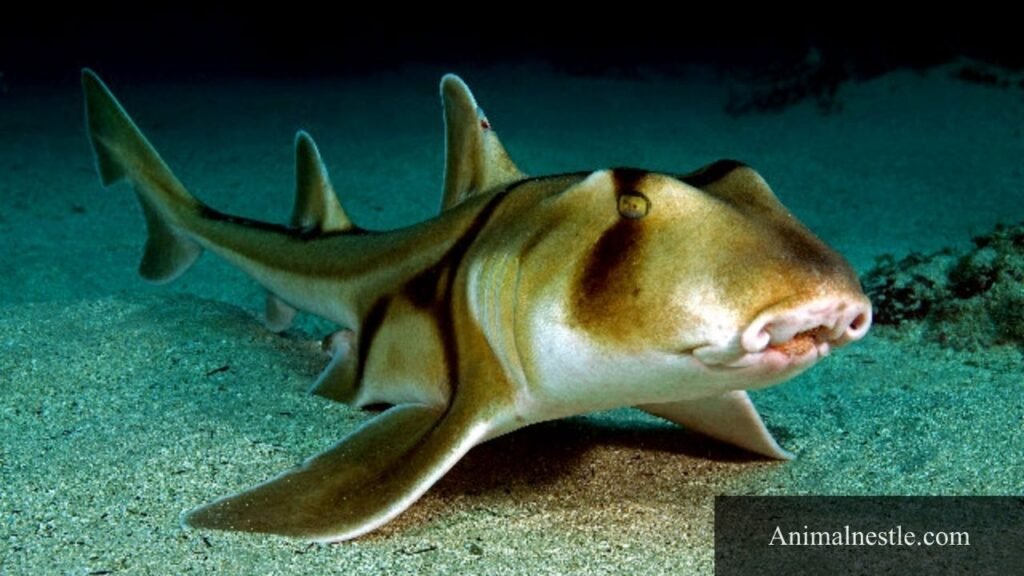
What sets the horn shark apart is its fascinating reproductive strategy. They are oviparous, laying eggs that resemble firm, spiral-shaped capsules often referred to as “mermaid’s purses.” These eggs can be found hidden among rocks, providing a protective environment for the developing embryos as they await hatching. Observing the horn shark’s nocturnal behaviors adds another layer of intrigue; they often become active at night, venturing out to hunt under the cover of darkness, which allows them to surprise their unsuspecting prey. This adaptation not only showcases their cunning but also highlights the intricate relationships within their ecosystem, revealing the delicate balance of predator and prey in the underwater world.
Hoary Bat
Scientific Name: Lasiurus cinereus
Class: Mammalia
Diet: Carnivore
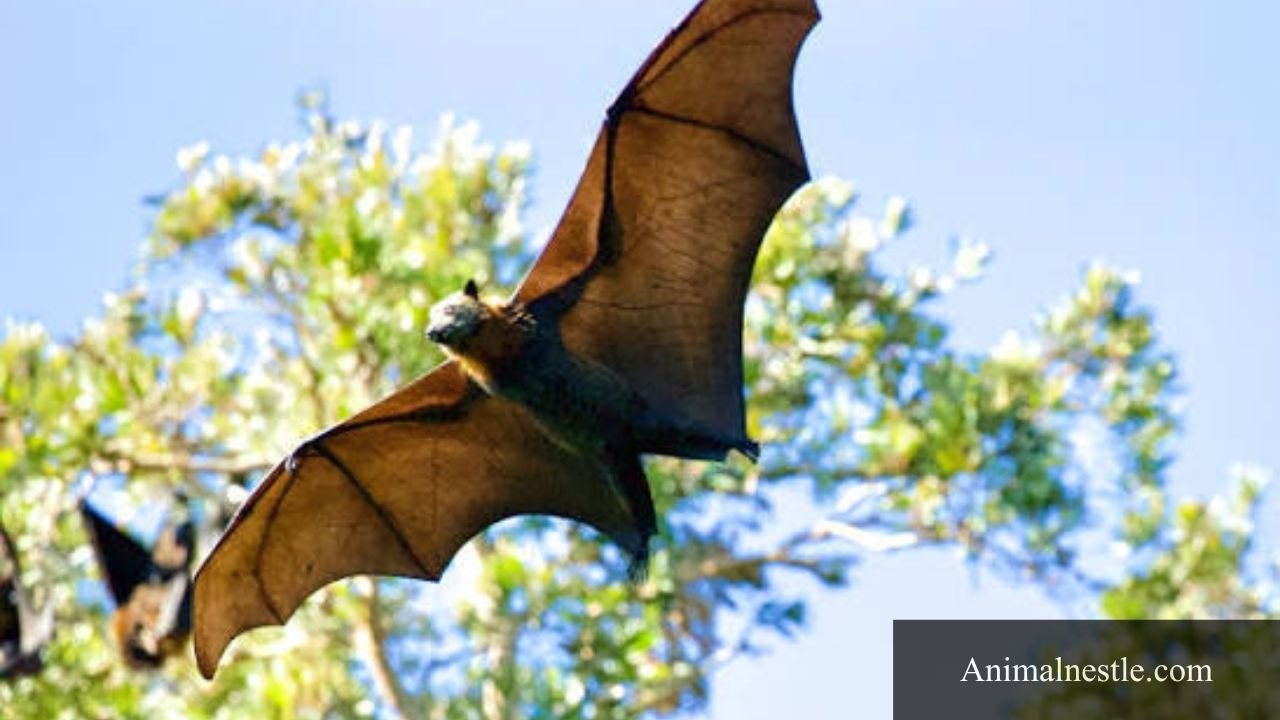
The Hoary Bat boasts a unique blend of beauty and ecological importance. With its striking fur that shimmers in shades of gray and brown, it often resembles a miniature cloak of the forest. These bats are among the largest in North America, with wings that span nearly 16 inches, allowing them to glide gracefully through the twilight sky. Their distinctive long, furred ears and white-tipped fur give them an almost ethereal appearance, making them a favorite among wildlife enthusiasts.
What sets the Hoary Bat apart is not just its striking looks but its fascinating behavior. Unlike many of its counterparts, this species prefers to roost alone in the canopies of trees, allowing it to evade predators while enjoying a breakfast of juicy moths and insects. Their migratory patterns reveal a surprising adaptability; they often travel long distances, sometimes over 1,000 miles, seeking warmer climates during the colder months. This resilience underscores their role in maintaining the delicate balance of our ecosystems, as their presence helps control insect populations. As we confront challenges like habitat loss, the Hoary Bat serves as a poignant reminder of the intricate connections within our natural world.
Harpy Eagle
Scientific Name: Harpia harpyja
Class: Aves
Diet: Carnivore
The Harpy Eagle, a magnificent raptor found mainly in the tropical rainforests of Central and South America, stands out as one of the largest and most powerful eagles in the world. Sporting a striking black and white plumage, it showcases a unique feature: a crown of feathers that gives it an almost regal appearance. This remarkable predator is not just about looks; it has a formidable wingspan, measuring up to seven feet, which allows it to maneuver through dense forest canopies with surprising grace.
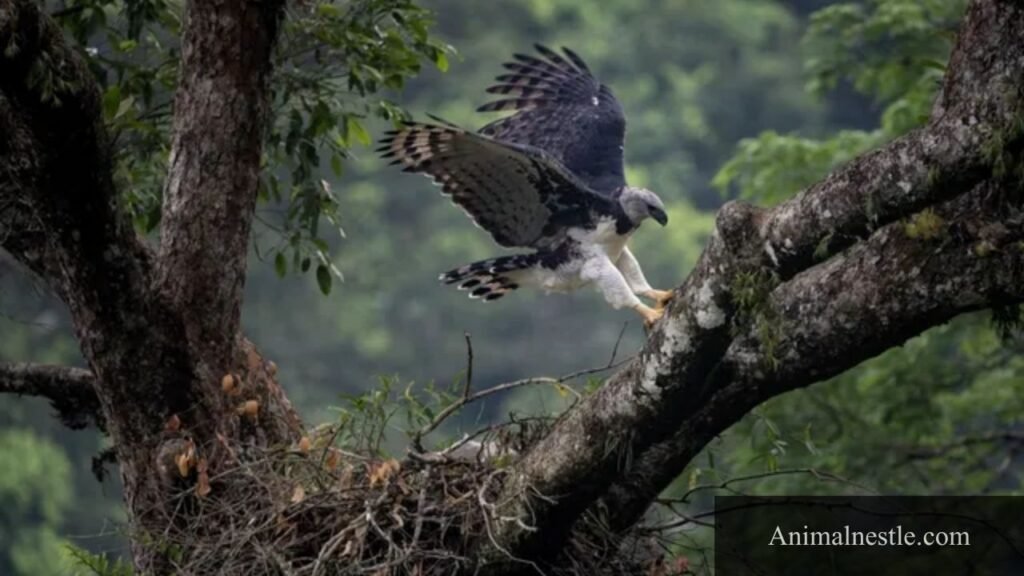
What makes the Harpy Eagle particularly captivating is its hunting prowess. Unlike many other birds of prey that rely on open landscapes, this eagle preys on arboreal animals, particularly sloths and monkeys, using its long, powerful talons to snatch them from branches. Researchers have discovered that these eagles often require large territories, emphasizing their role in maintaining balanced ecosystems by controlling prey populations. This highlights how conservation efforts are essential for their survival, as deforestation threatens both their habitat and their future. As we learn more about these incredible birds, it becomes clear that preserving their environment is vital not only for their existence but also for the biodiversity of the regions they inhabit.
Housefly
Scientific Name: Musca domestica
Class: Insecta
Diet: Omnivore
The housefly, often dismissed as a mere nuisance, possesses remarkable attributes that reveal the complexities of its existence. These insects, belonging to the family Muscidae, have an incredible capacity for survival, thriving in various environments from urban spaces to rural areas. Their rapid lifecycle, capable of metamorphosing from egg to adult within a mere week under optimal conditions, underscores their adaptability and resilience in the face of environmental challenges.
Beyond their persistence, houseflies play a crucial role in our ecosystems as vital decomposers. By feeding on organic waste, they contribute to nutrient cycling, breaking down materials that would otherwise accumulate. Furthermore, their unique set of sensory organs, including thousands of taste receptors on their feet, allows them to detect potential food sources quickly. This astonishing adaptation not only makes them adept foragers but also intriguing subjects for studying sensory biology and ecology. Embracing the multifaceted nature of houseflies can transform our perception of these ubiquitous insects from mere pests to vital components of our world.
Hippopotamus
Scientific Name: Hippopotamus amphibius
Class: Mammalia
Diet: Herbivore
The hippopotamus, often considered one of the most formidable animals in sub-Saharan Africa, presents a fascinating blend of grace and brute strength. With their massive bodies and surprisingly agile movements, hippos can glide seamlessly through water, holding their breath for up to five minutes while submerged. Their skin, thick and hairless, secretes a natural sunscreen-like substance that keeps them hydrated and protected from the harsh sun. This unique adaptation is just one of the many ways hippos thrive in their aquatic environments.
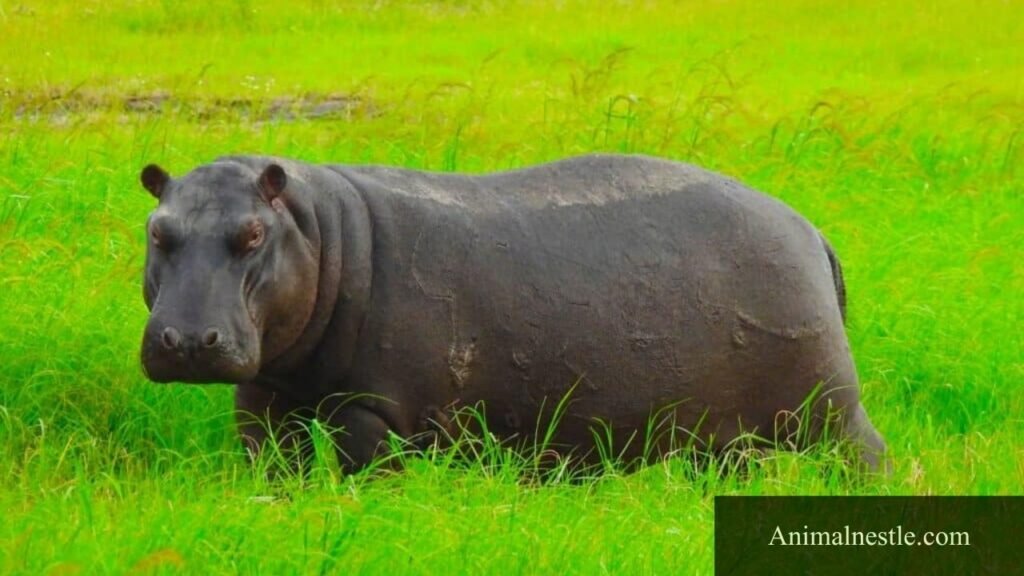
Despite their bulky appearance, hippos exhibit strong social behaviors, often found in groups called pods. These pods, which can consist of 10 to 30 individuals, provide both safety and companionship in the wild. Interestingly, hippos are also known for their territorial nature; male hippos will engage in fierce battles to establish dominance over their aquatic ranges. This fierce competitive spirit, paired with their endearing antics — like playfully yawning or splashing in the water — reveals a complex social structure that’s not as often highlighted as their sheer size and power. Observing these gentle giants both in the wild and in conservation programs offers a glimpse into a nuanced world where beauty and danger coexist.
Hamster
Scientific Name: Cricetinae
Class: Mammalia
Diet: Omnivore
Hamsters, often seen as cute, furry companions, possess a fascinating mix of traits that make them much more than just pets. These small rodents are not only adorable but also exhibit complex behaviors and social dynamics that can surprise even seasoned pet owners. For instance, hamsters are nocturnal creatures, which means they are most active when most of us are winding down for the day. Observing their burst of energy during the night can offer a unique opportunity to witness their playful antics, from running in wheels to burrowing into bedding.
Hamsters display a range of personality types, making each one a unique companion. Some may be social and curious, while others lean towards being shy and reserved. This variability allows owners to form deeper bonds, as understanding each hamster’s individual temperament can lead to a more enriching relationship. Did you know that Syrian hamsters, known for their larger size, can even exhibit territorial behavior when kept with others? This makes creating a harmonious home for your furry friend essential, shedding light on the importance of proper care and habitat design.
Honey Bee
Scientific Name: Apis mellifera
Class: Insecta
Diet: Herbivore
Honey bees are fascinating creatures that play a crucial role in maintaining the balance of our ecosystems. As prolific pollinators, they facilitate the reproduction of over 70% of the world’s flowering plants, including many fruits, vegetables, and nuts that make up a significant portion of our diets. Their intricate dance, known as the waggle dance, not only helps communicate the location of flowers to their hive mates but also showcases their remarkable understanding of spatial navigation.
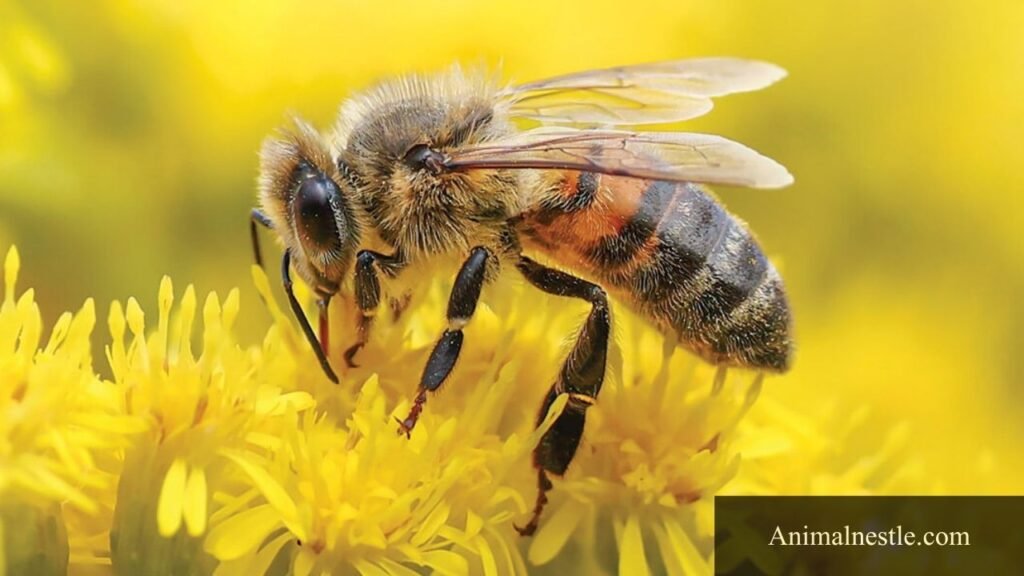
Moreover, honey bees produce honey, a sweet substance crafted from nectar through a process of enzymatic transformation and evaporation. This golden elixir is not just a culinary delight; it also holds medicinal properties, offering natural remedies for ailments ranging from sore throats to allergies. As social insects, honey bees exhibit collaborative behaviors, demonstrating a complex social structure that includes a queen, worker bees, and drones, each playing specialized roles within the hive.
Hammerhead Shark
Scientific Name: Sphyrnidae
Class: Chondrichthyes
Diet: Carnivore
The hammerhead shark, with its iconic T-shaped head, stands out as one of the ocean’s most fascinating predators. This unique cranial structure isn’t just for show; it enhances their sensory perception, allowing them to locate prey with impressive precision. The specialized arrangement of their eyes also provides a greater field of vision, giving them a tactical advantage while hunting in the open sea.
Beyond their remarkable anatomy, hammerheads exhibit intriguing social behaviors. Certain species, like the great hammerhead, are known to form schools during the day, often gathered in groups of up to 50. This communal living not only offers protection from larger predators but also enhances their hunting efficiency. As apex predators, these sharks play a vital role in maintaining the balance of marine ecosystems. Their presence signifies healthy ocean habitats, making their conservation crucial in the face of increasing threats such as overfishing and habitat loss.
Hedgehog
Scientific Name: Erinaceinae
Class: Mammalia
Diet: Omnivore
The hedgehog, with its spiny exterior and endearing face, often captures the hearts of animal lovers around the world. These nocturnal creatures are masters of navigating their environments in the dark, showcasing their incredible sense of smell and hearing. Unlike many small mammals, hedgehogs possess a unique ability to curl into a tight ball when threatened, providing them with an effective defense against predators. This behavior not only protects them but also highlights an intriguing aspect of their evolutionary adaptation.
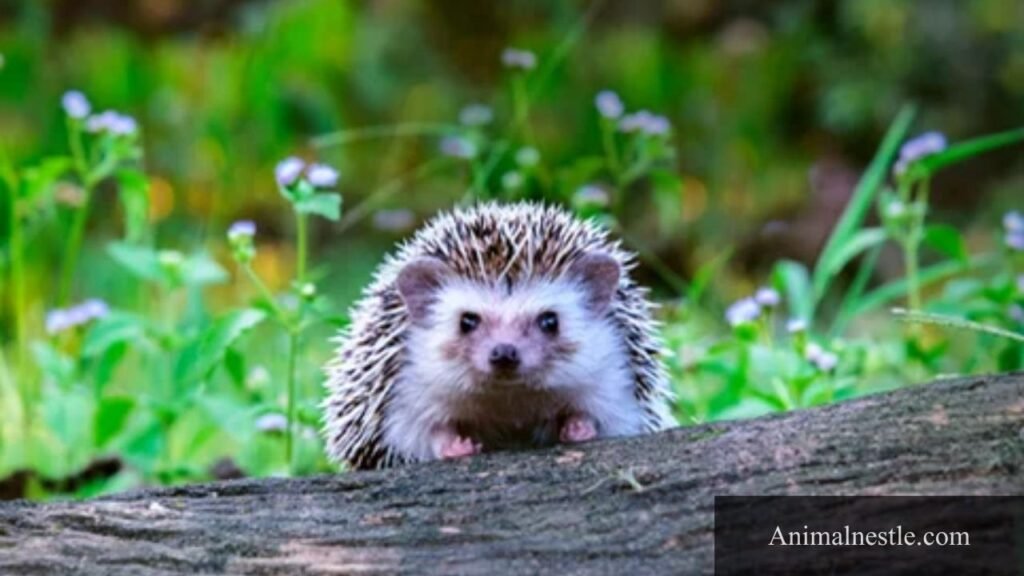
What truly sets hedgehogs apart is their diet, which is predominantly insectivorous. They play a vital role in controlling pests within gardens and ecosystems, making them invaluable allies for gardeners and farmers alike. Hedgehogs exhibit fascinating social behaviors, often forming small, transient communities during the warmer months. Unfortunately, their habitats are threatened by urbanization and habitat loss, urging us to consider conservation efforts to ensure these charming creatures continue to thrive alongside us.
Habu Snake
Scientific Name: Protobothrops flavoviridis
Class: Reptilia
Diet: Carnivore
The Habu snake, a member of the pit viper family, stands out for its striking appearance and intriguing behavior. Found primarily in Japan and the Ryukyu Islands, this snake is often recognized for its vibrant coloration, which can range from a rich brown to an olive green, allowing it to blend seamlessly into its natural habitat. Its adaptations not only make it a master of disguise but also a formidable predator. The Habu employs its heat-sensing pits to hunt warm-blooded prey, showcasing a remarkable evolutionary advantage that enhances its hunting efficiency.
Despite its fearsome reputation, the Habu snake plays a crucial role in maintaining the balance within its ecosystem. By controlling populations of rodents and other small mammals, it helps to prevent overpopulation, which can lead to significant ecological disruption. Interestingly, the Habu’s venom is potent but often misunderstood; while it poses a risk to humans, bites are fairly rare, as these snakes typically avoid confrontation. This nuanced relationship with their environment highlights the importance of understanding these creatures beyond their fearsome image, revealing their integral place in the web of life.
Hyena
Scientific Name: Hyaenidae
Class: Mammalia
Diet: Carnivore
Hyenas are often misunderstood creatures, frequently overshadowed by their scavenging reputation. However, these fascinating animals play a pivotal role in their ecosystems. Unlike the common perception that they are merely opportunistic scavengers, hyenas are skilled hunters with complex social structures. Their pack-oriented lifestyle facilitates strategic hunting, allowing them to take down prey much larger than themselves, showcasing their incredible intelligence and adaptability.
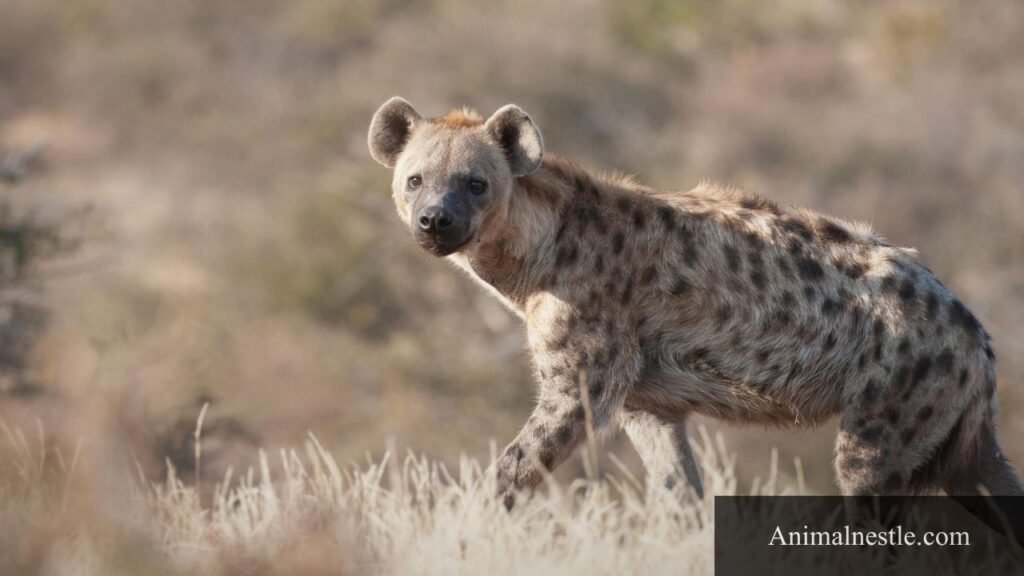
One of the most intriguing aspects of hyena behavior is their vocal communication. Their haunting laugh — often misconstrued as sinister — serves as a means of social interaction, helping to reinforce pack bonds and coordinate group activities. This vocal versatility extends to a range of sounds, including whoops, growls, and squeaks, each serving distinct social purposes. Their keen social dynamics and cooperative behaviors highlight a level of sophistication often overlooked in these remarkable animals.
Hawk
Scientific Name: Accipitridae
Class: Aves
Diet: Carnivore
Hawks are remarkable raptors, showcasing extraordinary adaptations for hunting. With keen eyesight that allows them to spot prey from great distances, these birds embody the pinnacle of aerial mastery. Their sharp talons and hooked beaks are perfectly designed for capturing and consuming a variety of meals, from small mammals to other birds.
What sets hawks apart is not just their remarkable hunting prowess but also their diverse habitats. They can thrive in urban environments as readily as in dense forests or expansive grasslands. This adaptability contributes to their resilience, allowing them to adjust their hunting strategies according to the available resources. Observing a hawk in flight is a breathtaking experience, highlighting the effortless way they glide on thermals, showcasing both grace and power in the sky. Whether you’re a birdwatcher or a casual nature lover, witnessing the majesty of hawks can inspire a deeper appreciation for the intricacies of the natural world.
Herring
Scientific Name: Clupea
Class: Actinopterygii
Diet: Carnivore
Herring, a small but mighty fish, plays a crucial role in the marine ecosystem and the global food web. Found predominantly in the North Atlantic and North Pacific oceans, these fish are known for their silvery sheen and ability to form massive schools. This behavior not only serves as a defense mechanism against predators but also enhances their chances of successful spawning, allowing entire populations to thrive in diverse marine environments.
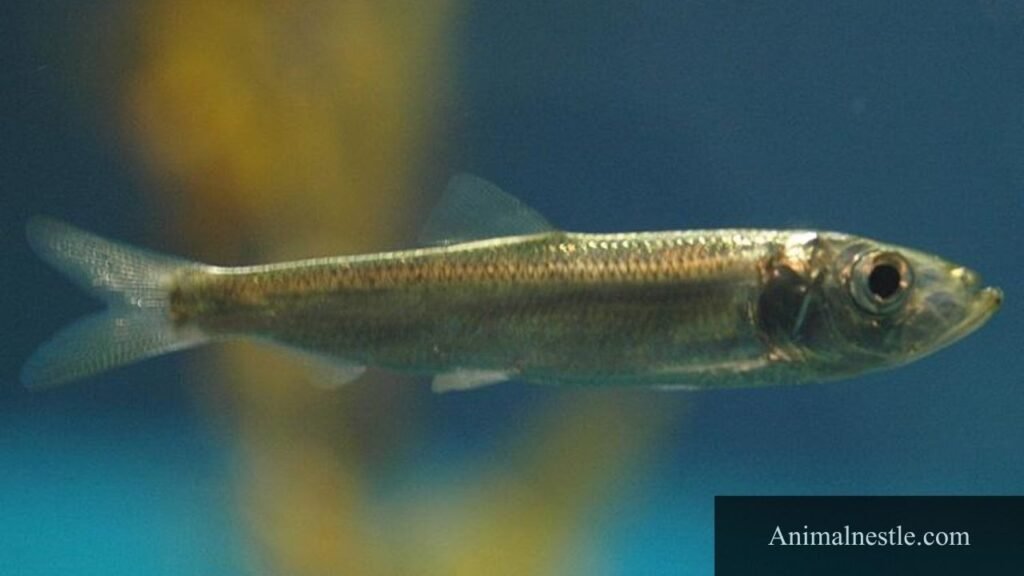
Nutritionally, herring is a powerhouse, rich in omega-3 fatty acids, vitamins D and B12, and selenium. These nutrients make herring a prized catch among fishermen and a staple in many diets worldwide. Beyond their culinary appeal, herring also contributes significantly to the economy of coastal communities, supporting both commercial and artisanal fisheries. As climate change and overfishing threaten their populations, sustainable practices become increasingly vital, ensuring that future generations can appreciate the ecological and gastronomic value of this remarkable fish.
Hairy Frogfish
Scientific Name: Antennarius striatus
Class: Actinopterygii
Diet: Carnivore
The Hairy Frogfish, adorned with a striking and unique appearance, makes a fascinating subject for marine enthusiasts. With its trademark hairy appendages, which are actually modified dorsal spines, this amphibious wonder seamlessly blends into its surroundings, granting it the ultimate disguise against predators. This camouflage isn’t just for show; it allows the Hairy Frogfish to ambush unsuspecting prey, primarily small fish and invertebrates that wander too close.
One of the most intriguing aspects of the Hairy Frogfish is its remarkable ability to walk on the ocean floor. Utilizing its pectoral fins, this creature can navigate its environment in a way that resembles walking, showcasing an adaptation not commonly seen in fish. Moreover, their ability to change colors to enhance camouflage adds another layer of wonder to their hunting strategy, enabling them to thrive in various marine ecosystems. With a lifespan that can extend up to several years and a remarkable level of intelligence for a fish, the Hairy Frogfish continues to captivate marine biologists and casual observers alike, revealing the intricate complexities of underwater life.
Horse
Scientific Name: Equus caballus
Class: Mammalia
Diet: Herbivore
The horse, a magnificent creature known for its grace and power, has held a pivotal role in human history. Beyond their utility in transportation and work, these animals exhibit a remarkable range of behaviors and emotions, making them more than mere companions. Their keen instincts enable them to sense human emotions, forming deep bonds with riders and caretakers alike.

Horses also display unique social structures, often forming tight-knit herds. Within these groups, they communicate through a complex system of vocalizations and body language, showcasing their intelligence and emotional depth. Moreover, their ability to learn various disciplines — be it dressage, racing, or therapy — demonstrates their versatility and adaptability. As we explore the world of horses, it’s clear they are not only stunning athletes but also sensitive beings that enrich the lives of those who understand them.
Heron
Scientific Name: Ardeidae
Class: Aves
Diet: Carnivore
The heron, a stunning wader bird, showcases incredible adaptability across diverse habitats, from freshwater lakes to coastal marshes. Known for their long legs and sharp beaks, herons are skilled hunters, often utilizing a patient strategy to catch fish and amphibians. Their stealthy approach and remarkable precision make them one of nature’s most fascinating predators.
What truly sets herons apart is their intricate mating rituals, characterized by captivating displays that include elaborate dance moves and synchronized flying. These interactions not only strengthen pair bonds but also highlight the birds’ remarkable communication skills. With various species such as the Great Blue Heron and the Little Egret, each brings its own unique flair to the ecosystem, contributing to a balanced food web. Observing a heron’s expert fishing technique reveals nature’s artistry and the delicate interplay of survival in the wild.
Hornet
Scientific Name: Vespa
Class: Insecta
Diet: Omnivore
Hornets, often overshadowed by their more notorious relatives, the wasps and bees, are fascinating creatures that play crucial roles in their ecosystems. These social insects thrive in colonies and can be found in a variety of habitats, from woodlands to urban areas. Unlike honeybees, hornets primarily build their nests high in trees or under eaves, showcasing their architectural ingenuity. Their nests, made from chewed wood and plant fibers, resemble papery balloons — a testament to their resourcefulness in constructing safe havens.
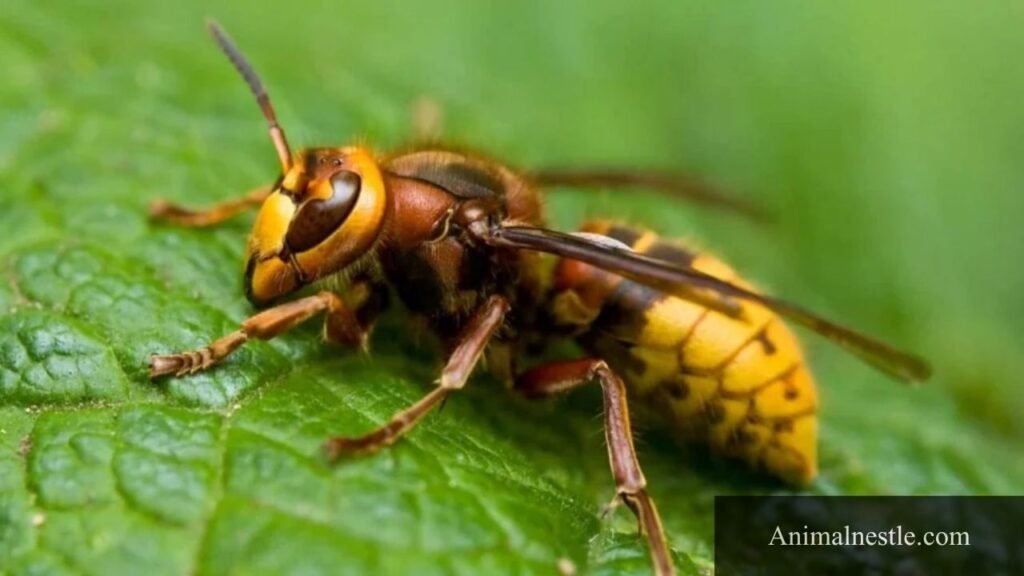
Though hornets can be seen as fearsome due to their size and potent sting, they are also incredibly beneficial. They serve as natural pest controllers, feeding on other insects like caterpillars that might threaten local flora. This predatory behavior not only helps maintain ecological balance but also highlights the intricate web of relationships within nature. Observing a hornet in action can be an eye-opening reminder of the underrated complexities of the insect world — a world where every species, big or small, has a vital role to play.
Readmore: Explore Top 33 Animals That Start With F.
Final Thoughts
Exploring animals that start with ‘H’ opens a window into the richness of nature’s offerings. Each of these animals, from the graceful horse to the resilient hawk, contributes to the intricate balance of our ecosystems. By recognizing their beauty and significance, we foster a deeper connection with wildlife. This awareness can drive conservation efforts, ensuring that future generations can enjoy the wonders of these remarkable creatures. Let’s take action together — educate ourselves, advocate for animal protection, and cherish the incredible diversity that surrounds us!
FAQs
What predator starts with H?
One predator that starts with the letter “H” is the hawk. Hawks are birds of prey known for their sharp talons and keen eyesight, allowing them to spot and catch small mammals, birds, and reptiles from high in the sky. They are skilled hunters, often using a strategy of surprise and speed to capture their prey. Another example is the hyena. While often misunderstood, hyenas are efficient predators and scavengers. They have powerful jaws that allow them to crush bones, and they often hunt in packs, making them formidable hunters in their habitats.
What sea animal starts with H?
One sea animal that starts with H is the hammerhead shark. Known for its distinctive, flattened head, the hammerhead is a fascinating predator. It can be found in warm waters around the world and is known for its schooling behavior, especially during mating season. Another example is the hermit crab. While not a true crab, these creatures are often found scuttling along sandy beaches and rocky shores. They’re unique because they use empty shells for protection, frequently switching shells as they grow.