Top 27 Examples of Reptiles (With Images)
From the majestic sea turtle to the elusive chameleon, reptiles are a diverse group that captivates our imagination and plays crucial roles in their ecosystems. In this article, we’ll explore various examples of reptiles, shedding light on their unique adaptations and behaviors. By the end, you’ll have a deeper appreciation for these fascinating creatures and their significance in our world.
List of Examples of Reptiles
Below is the list of examples of reptiles:
- Leatherback sea turtle
- Gopher tortoise
- Burmese python
- King Cobra
- Nile crocodile
- Corn snake
- Galápagos tortoise
- Eastern coral snake
- Gila monster
- Alligator snapping turtle
- Leopard gecko
- Eastern box turtle
- Black mamba
- Blue tongued skink
- Green iguana
- Horned Lizards
- California kingsnake
- Copperhead
- Red-eared slider
- Veiled chameleon
- American alligator
- Komodo dragon
- Ball python
- Bearded dragon
- Western Diamondback Rattlesnake
- Green anole
- Painted turtle
Leatherback sea turtle
Scientific Name: Dermochelys coriacea
Class: Reptilia
Diet: Carnivore
The leatherback sea turtle, the largest of all sea turtles, is a marvel of evolutionary adaptation, with its distinctive leathery shell setting it apart from its hard-shelled cousins. Unlike traditional turtle shells, this unique structure allows for greater flexibility and buoyancy, facilitating deep dives that can reach depths of over 4,000 feet. Remarkably, these turtles are capable of regulating their body temperature in cold waters, making them true oceanic wanderers, found in both tropical and temperate regions around the globe.
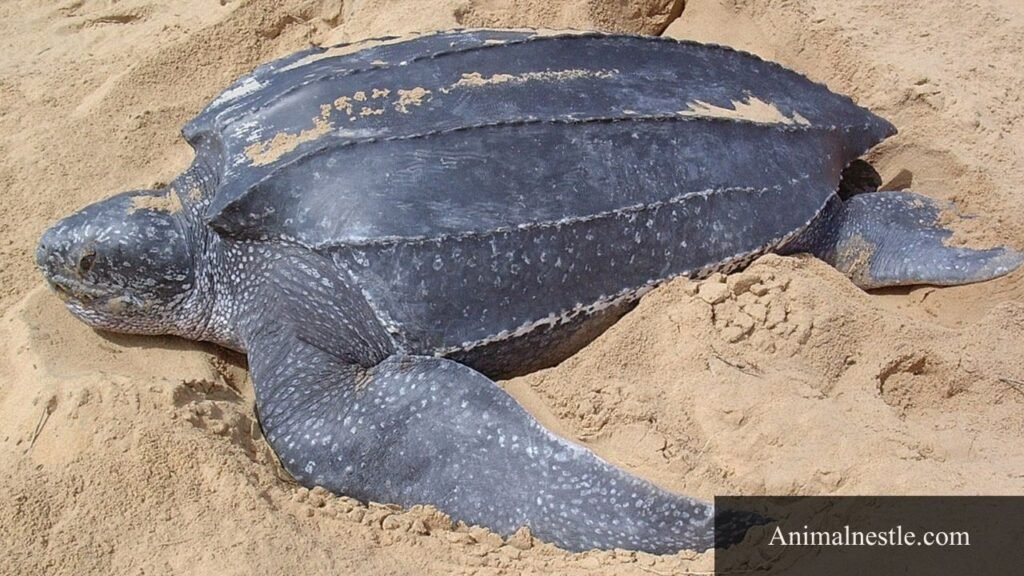
Leatherbacks play a critical role in marine ecosystems as they feed primarily on jellyfish, helping to control jellyfish populations and maintain a healthy balance in the ocean food web. Unfortunately, they face numerous threats, from climate change and habitat loss to fishing bycatch and plastic pollution, which often confound their migratory pathways. Conservation efforts are crucial, as their numbers continue to dwindle, and understanding their habits and migration patterns can provide vital insights into preserving the delicate maritime ecosystems they inhabit. By fostering a deeper connection with these gentle giants, we can advocate for meaningful change to ensure their survival for generations to come.
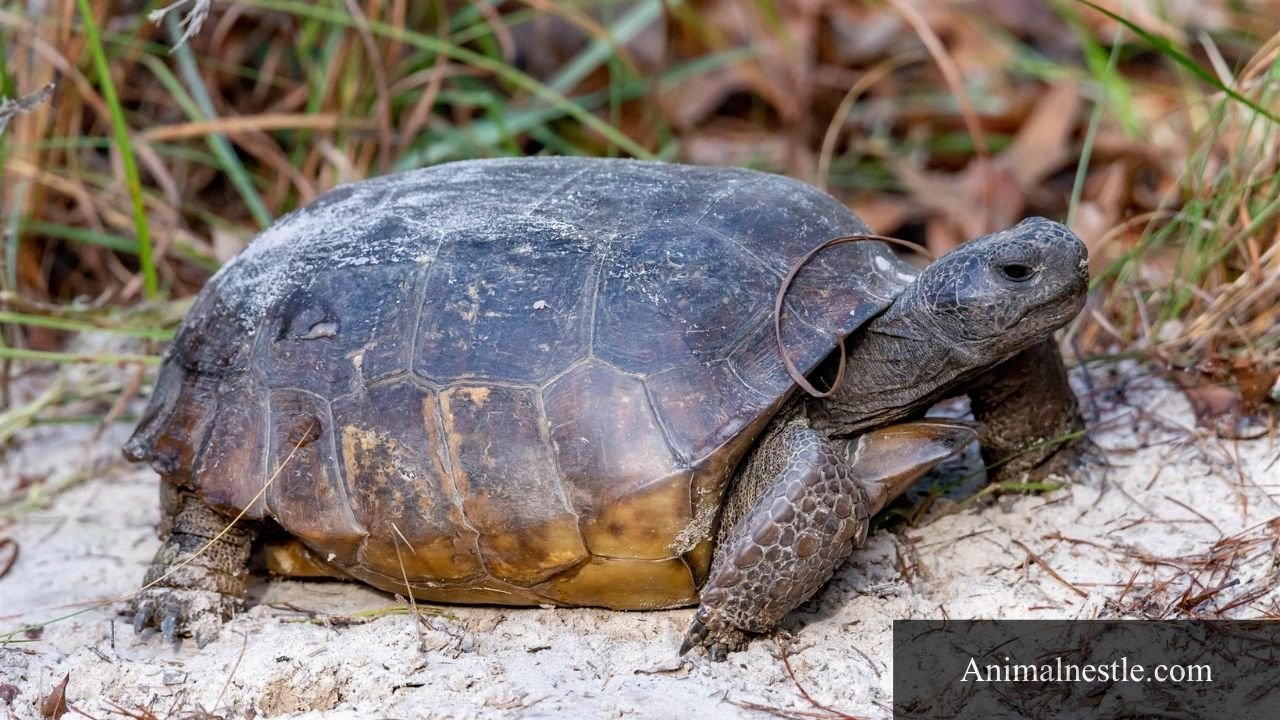
Gopher tortoise
Scientific Name: Gopherus polyphemus
Class: Reptilia
Diet: Herbivore
The gopher tortoise, a remarkable creature native to the southeastern United States, plays a vital role in its ecosystem as a keystone species. These tortoises are known for their impressive burrowing abilities, creating extensive underground homes that provide refuge for over 350 other species, including snakes, insects, and even small mammals. This underground network not only serves as a shelter but also as a crucial resource in the harsh, dry habitats they inhabit, highlighting the gopher tortoise’s profound environmental impact.
These tortoises are also an integral part of the landscape’s health; their burrowing helps aerate the soil and allows water to permeate deeper, promoting plant growth. With a lifespan that can exceed 60 years, gopher tortoises experience a slow maturation process, making conservation efforts vital as their habitats face threats from development and urbanization. As advocates for their survival work tirelessly to establish protected areas, the gopher tortoise reminds us of the interconnectedness of life and the importance of preserving unique species that support diverse ecosystems.
Burmese python
Scientific Name: Python bivittatus
Class: Reptilia
Diet: Carnivore
The Burmese python, one of the largest snake species in the world, embodies both beauty and complexity within its scales. Native to Southeast Asia, this magnificent serpent can reach lengths of over 20 feet, captivating reptile enthusiasts and researchers alike. Its captivating coloration, with striking patterns of gold and brown, serves as both a camouflage in the wild and a visual allure for the exotic pet trade. However, their increasing popularity is a double-edged sword, as many individuals overlook the extensive care and commitment required for these majestic creatures.
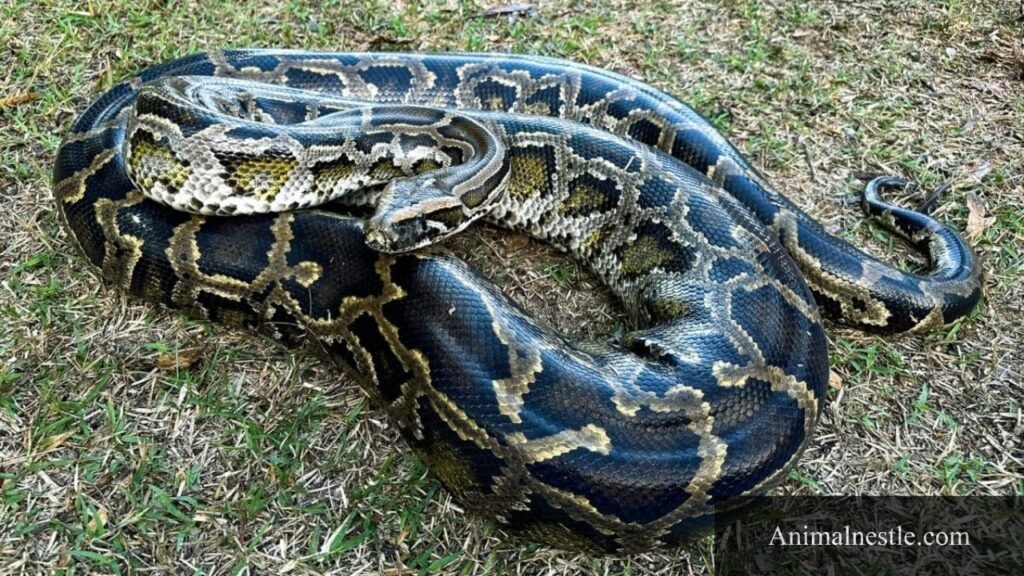
Burmese pythons play a crucial role as both predator and prey in their native habitats. They have a fascinating hunting technique, using their acute sense of smell to track down larger mammals, which they then ensnare using constriction. Unfortunately, their adaptability has allowed them to thrive in non-native environments, such as the Florida Everglades, where they have become an invasive species, profoundly affecting local ecosystems. This duality of their existence — being both a stunning natural marvel and a formidable ecological challenge — serves as a reminder of the delicate balance within nature that can be disrupted by human actions. Understanding these dynamics encourages a more responsible approach to pet ownership and biodiversity conservation.
Readmore: Explore Top 31 Animals With 9 Letters.
King Cobra
Scientific Name: Ophiophagus hannah
Class: Reptilia
Diet: Carnivore
The King Cobra, a mesmerizing creature and the longest venomous snake in the world, embodies both beauty and danger. Slithering through the forests of Southeast Asia, this majestic snake reaches lengths of up to 18 feet, making it a formidable presence. Unlike other snakes, the King Cobra doesn’t just rely on its size; its venom is highly neurotoxic, capable of paralyzing its prey — typically other snakes — almost instantaneously. This striking ability showcases a remarkable evolutionary adaptation that has enabled it to dominate its ecological niche.
The social behavior of the King Cobra sets it apart from many of its reptilian relatives. During mating season, these snakes engage in elaborate courtship displays, which can involve wrestling and displays of strength between males. Female King Cobras exhibit an unusual nurturing instinct by building a nest for their eggs and guarding them fiercely, a rare trait among snakes. This fascinating blend of aggression and maternal care adds an intriguing layer to their behavior, revealing a complexity often overlooked in reptiles. As researchers continue to study the King Cobra, they uncover not only the intricacies of its survival tactics but also the pivotal role it plays in maintaining the balance of its ecosystem.
Nile crocodile
Scientific Name: Crocodylus niloticus
Class: Reptilia
Diet: Carnivore
The Nile crocodile, a formidable predator found across Africa, is a marvel of evolutionary adaptation. These ancient reptiles can grow over 16 feet in length, boasting powerful jaws that exert one of the strongest bites in the animal kingdom. What sets them apart isn’t just their size or strength, but their complex social behaviors and sophisticated hunting strategies. While often seen basking on riverbanks, they are surprisingly agile in water, capable of launching quick ambushes on unsuspecting prey, which includes fish, birds, and even larger mammals.
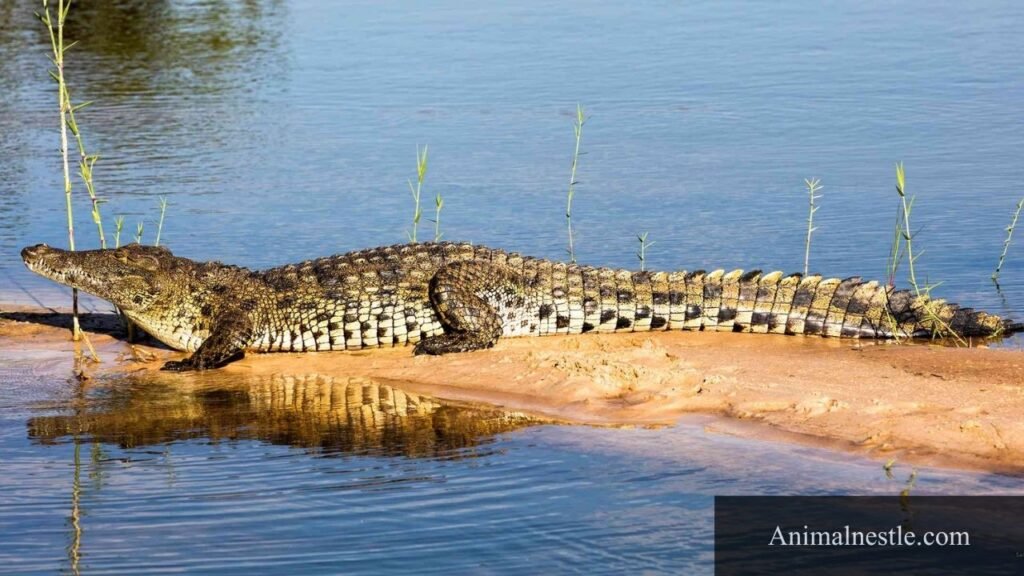
Nile crocodiles exhibit a high degree of parental care, contrary to the typical perception of reptiles as indifferent mothers. Females will construct elaborate nests to protect their eggs and can even be protective of their young for months after hatching. This nurturing behavior offers a fresh look at the social dynamics within reptile species, challenging the notion that only mammals exhibit such behaviors. Plus, their role in the ecosystem is crucial; by preying on the weak and sick within prey populations, they maintain a balance in their environments. Thus, the Nile crocodile not only embodies raw power but also intricate social and ecological significance.
Corn snake
Scientific Name: Pantherophis guttatus
Class: Reptilia
Diet: Carnivore
Corn snakes, often overlooked in the realm of reptiles, are a fascinating species that thrive both in captivity and their natural habitats of the southeastern United States. Known for their striking patterns and gentle demeanor, these snakes possess a natural beauty that appeals to both seasoned herpetologists and novice pet owners alike. Their coloration, ranging from vibrant oranges and yellows to stunning browns and grays, provides a stunning visual feast, making them popular choices for reptile enthusiasts seeking to add a splash of color to their collection.
What sets corn snakes apart is not just their appearance but their behavior. They are renowned for their docile nature, often exhibiting inquisitive personalities that make handling effortless. Unlike many other snake species that can be skittish, corn snakes often enjoy exploration, curling around their owners with a sense of curiosity rather than fear. Their relatively simple care requirements make them a pragmatic choice for first-time keepers, who can enjoy the experience of reptile ownership without the steep learning curve associated with more delicate species.
You can also read: Explore Top 17 Animals That Have Manes.
Galápagos tortoise
Scientific Name: Chelonoidis niger
Class: Reptilia
Diet: Herbivore
The Galápagos tortoise are one of the world’s most iconic reptiles. Found exclusively on the Galápagos Islands, these giants can weigh over 500 pounds and live well over a century, showcasing nature’s capacity for longevity. Each subspecies has adapted uniquely to its specific island, with varying shell shapes and sizes evolving in response to different environmental conditions and food availability. This remarkable adaptability underscores a crucial lesson in biodiversity: the importance of preserving unique habitats to sustain distinctive species.
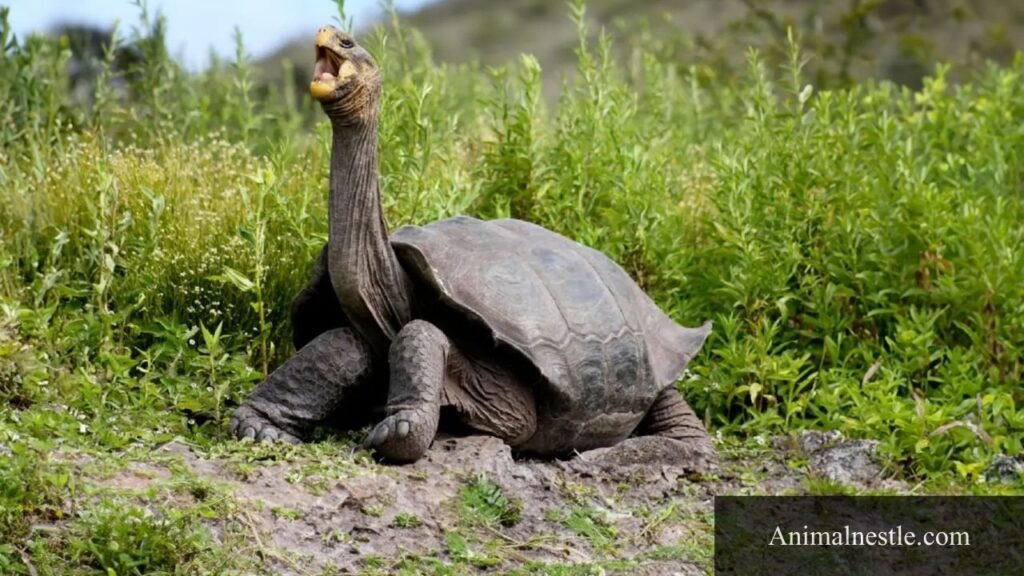
Beyond their impressive physical attributes, Galápagos tortoises are crucial players in their ecosystems. As herbivores, they influence plant communities, helping maintain the balance of their environment. Their grazing habits promote the growth of certain grasses and prevent the overgrowth of other vegetation. However, the survival of these magnificent creatures is jeopardized by invasive species, habitat destruction, and climate change. Current conservation efforts are pivotal — not only in protecting the tortoises themselves but in safeguarding the intricate web of life within their unique habitats. By understanding and supporting these initiatives, we help ensure that future generations can continue to marvel at the grandeur of the Galápagos tortoise.
Eastern coral snake
Scientific Name: Micrurus fulvius
Class: Reptilia
Diet: Carnivore
The Eastern coral snake is a fascinating creature, not just for its striking appearance but also for its intriguing behaviors. With a vibrant pattern of red, yellow, and black bands, this snake stands out in its southeastern U.S. habitat, yet its vivid colors serve a dual purpose: they not only attract attention but also warn potential predators of its venomous nature. Interestingly, while many assume all colorful snakes are dangerous, the Eastern coral snake employs a unique defensive strategy — burying itself in leaf litter or sand to avoid detection.
Unlike some of its more aggressive counterparts, the Eastern coral snake is typically shy and prefers to retreat rather than striking unless cornered. Its venom is among the most potent of all North American snakes, primarily affecting the nervous system, which is a stark reminder of nature’s delicate balance. Despite its fearsome capability, the snake plays an essential role in its ecosystem, helping to control populations of small reptiles and invertebrates. Observing these snakes in the wild, with their graceful movements and vibrant colors, can foster a newfound appreciation for the complexities of reptilian life, reminding us just how vital every creature is to the tapestry of its environment.
Gila monster
Scientific Name: Heloderma suspectum
Class: Reptilia
Diet: Carnivore
The Gila monster, a remarkable creature native to the arid deserts of the southwestern United States and northwestern Mexico, stands out not only for its striking appearance but also for its intriguing biological traits. With its robust body adorned in a mosaic of black and orange or pink, this venomous lizard is often misunderstood. Contrary to what many might think, its venom is primarily used for defense rather than for hunting, as Gila monsters are known to be slow-moving and rely on their keen sense of smell to find carrion or eggs, often scavenging rather than actively hunting prey.
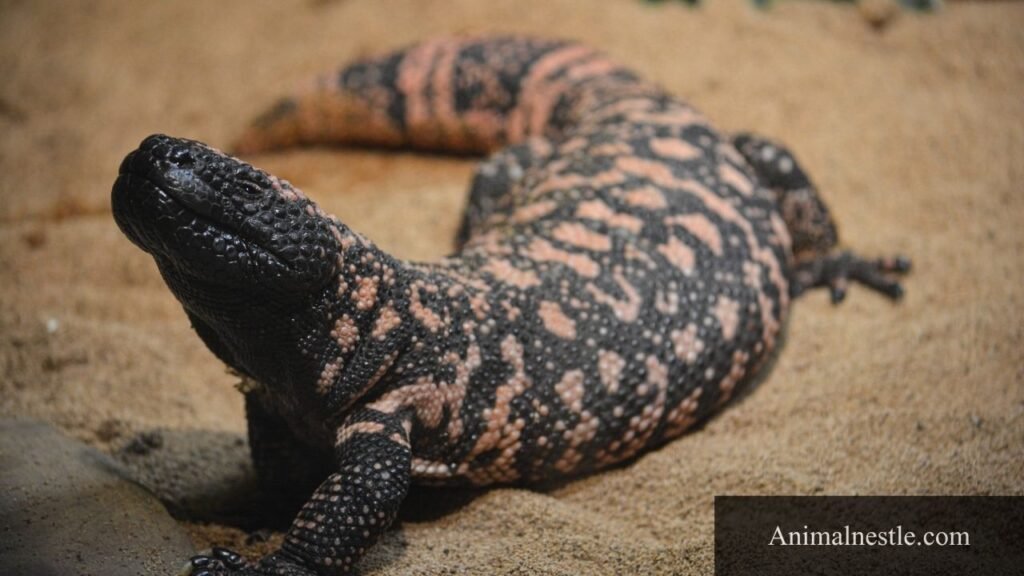
Gila monster also exhibit a unique reproductive behavior; it practices a form of parental care rarely seen in reptiles. Females sometimes stay with their young for a short period after hatching, offering protection from predators in their harsh desert environment. Moreover, Gila monsters possess a fascinating adaptation to their ecological niche: their ability to store fat in their tails allows them to survive extended periods without food, a crucial trait in a habitat where meals may be scarce. As human encroachment continues to threaten their natural habitats, understanding and appreciating the Gila monster’s role in the ecosystem becomes imperative, highlighting the need for conservation efforts to protect these unique reptiles.
Also read: Explore Top 23 Animals With 10 Letters.
Alligator snapping turtle
Scientific Name: Macrochelys temminckii
Class: Reptilia
Diet: Carnivore
The alligator snapping turtle, often called a living fossil, resides primarily in the freshwater systems of the southeastern United States. Weighing up to 200 pounds, this formidable creature possesses a unique adaptation: its tongue resembles a worm, which it uses as bait to lure unsuspecting fish. With its powerful jaws, it can deliver a bite strong enough to break through bone, underscoring its role as a top predator in its habitat.
Beyond their impressive hunting skills, these turtles serve as vital indicators of ecosystem health, primarily in rivers and lakes across the southeastern United States. Their presence indicates a balanced aquatic environment; however, their populations face significant threats from habitat loss and poaching. Conservation efforts are crucial, not only for the survival of these ancient creatures but also for maintaining the ecological balance in their habitats. As we deepen our understanding of the alligator snapping turtle, we uncover not just a captivating species, but a key player in preserving aquatic biodiversity, prompting us to rethink our role in safeguarding the environments they inhabit.
Leopard gecko
Scientific Name: Eublepharis macularius
Class: Reptilia
Diet: Carnivore
Leopard geckos, with their striking patterns and docile nature, are becoming increasingly popular among both novice and seasoned reptile enthusiasts. Originating from the arid regions of Afghanistan, Pakistan, and India, these nocturnal lizards possess unique adaptations like retractable claws and excellent night vision, allowing them to thrive in their natural habitats. Their vibrant colorations, ranging from golden yellows to deep oranges with bold black spots, are not just visually appealing but also serve as a form of camouflage against predators in the wild.
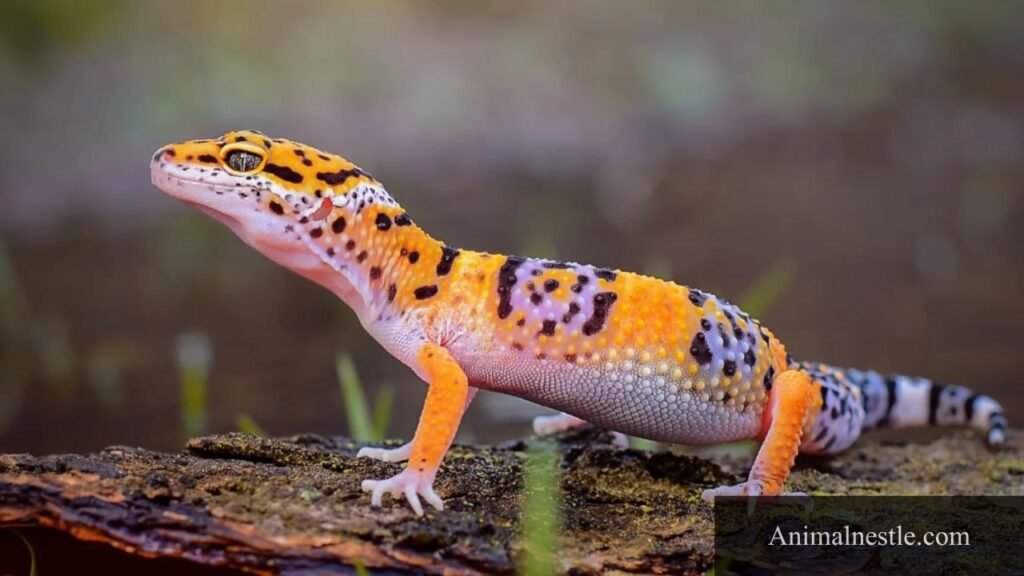
One of the most interesting aspects of leopard geckos is their remarkable tail regeneration. If threatened, they can shed their tail as a defense mechanism, with the ability to regrow a new one over time. This new tail, however, often has a different coloration and texture, adding an intriguing biological twist. Leopard geckos exhibit fascinating behavior when it comes to temperature regulation; they actively seek out specific thermal environments in their enclosure to optimize digestion and overall health, making proper habitat setup essential for their well-being. As more pet owners explore these charismatic creatures, understanding their biology and needs strengthens the bond between human and reptile, paving the way for more informed care and appreciation.
Eastern box turtle
Scientific Name: Terrapene carolina carolina
Class: Reptilia
Diet: Omnivore
The Eastern box turtle, known for its distinctive high-domed shell and vibrant patterns, is a marvel of adaptation. This species is unique in its ability to fully retract its head and limbs into its shell, effectively sealing itself from predators. Unlike many reptiles, Eastern box turtles have a fascinating capability to age slowly, with some individuals living beyond 100 years. They thrive in a variety of habitats, favoring moist woodlands and grassy areas, which makes them quite accessible for wildlife enthusiasts keen to observe.
What truly sets the Eastern box turtle apart is its complex diet, which includes fruits, mushrooms, and even insects. This omnivorous palate aids in maintaining ecosystem balance, as they help disperse seeds while foraging. However, their populations have been declining due to habitat loss and road mortality. Understanding the Eastern box turtle’s role in the environment is crucial for conservation efforts. By advocating for their natural habitats and promoting awareness, we can ensure that future generations enjoy the charm of these resilient reptiles.
Readmore: Explore Top 17 Viviparous Animals.
Black mamba
Scientific Name: Dendroaspis polylepis
Class: Reptilia
Diet: Carnivore
The black mamba stands out not only for its fearsome reputation but also for its incredible agility and speed. Often considered one of the world’s most venomous snakes, these reptiles can move at speeds up to 12 miles per hour, making it one of the fastest snakes in the world. Its venom, a potent neurotoxin, can take effect in as little as 20 minutes, but what many don’t realize is that the black mamba is not inherently aggressive. Often, it will retreat rather than confront a threat, displaying a fascinating balance between lethality and caution.
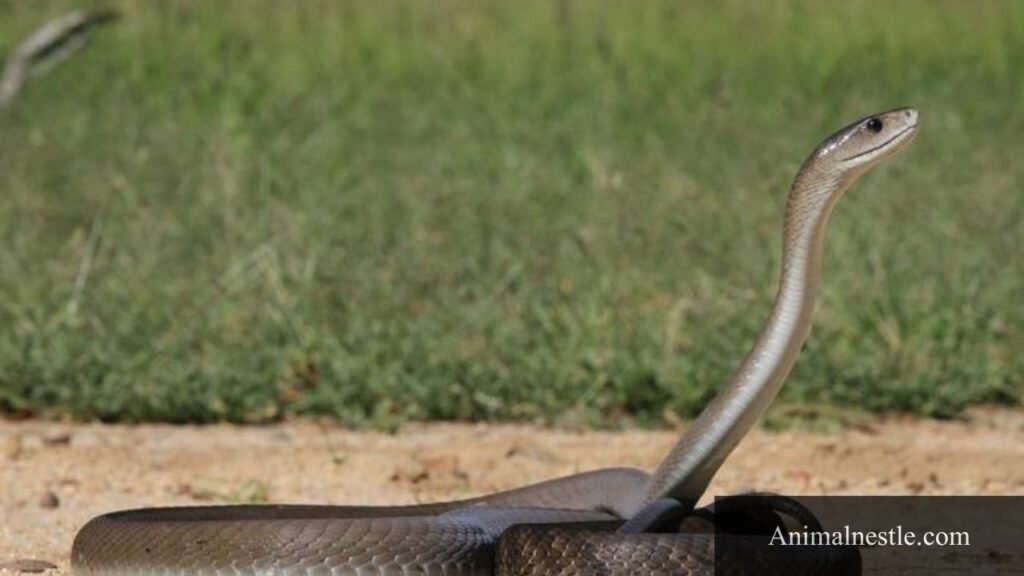
Intriguingly, the black mamba’s vibrant coloration evolves with its surroundings. While their name suggests they are entirely black, their underbellies are typically a lighter shade, camouflaging them against the dense foliage of their African habitats. Behavioral patterns also add layers to their mystique: black mambas can be surprisingly social, often seen basking in groups, which contrasts sharply with the solitary nature of many snake species. Understanding these nuances not only deepens our respect for this species but also highlights the importance of venomous snakes in maintaining ecological balance.
Blue tongued skink
Scientific Name: Tiliqua scincoides
Class: Reptilia
Diet: Omnivore
The blue-tongued skink is a mesmerizing lizard native to Australia and New Guinea that stands out not just for its striking deep blue tongue but also for its unique adaptations. This species showcases a remarkable defense mechanism; when threatened, it flashes its vibrant tongue, startling predators and making them reconsider their choices. It’s a reminder of nature’s ingenious ways to turn a vulnerable moment into a strategic advantage.
In addition to their fascinating behavior, their diet highlights another layer of their adaptability. Blue-tongued skinks are omnivorous, feeding on a varied diet that includes fruits, vegetables, and insects. This flexibility ensures they thrive in different environments, making them a resilient species in a world of ecological change. How they navigate their habitat while balancing dietary needs invites us to consider the intricate interplay between biology and environment.
Green iguana
Scientific Name: Iguana iguana
Class: Reptilia
Diet: Herbivore
The green iguana, a stunning example of reptilian beauty, is a fascinating creature with unique traits. With vibrant green skin that can shimmer in hues of turquoise under the sunlight, these iguanas are masters of camouflage in their natural rainforest habitats. They possess a prehensile tail, a remarkable adaptation that aids in climbing and navigating the treetops where they spend most of their time, surveying the world from above.
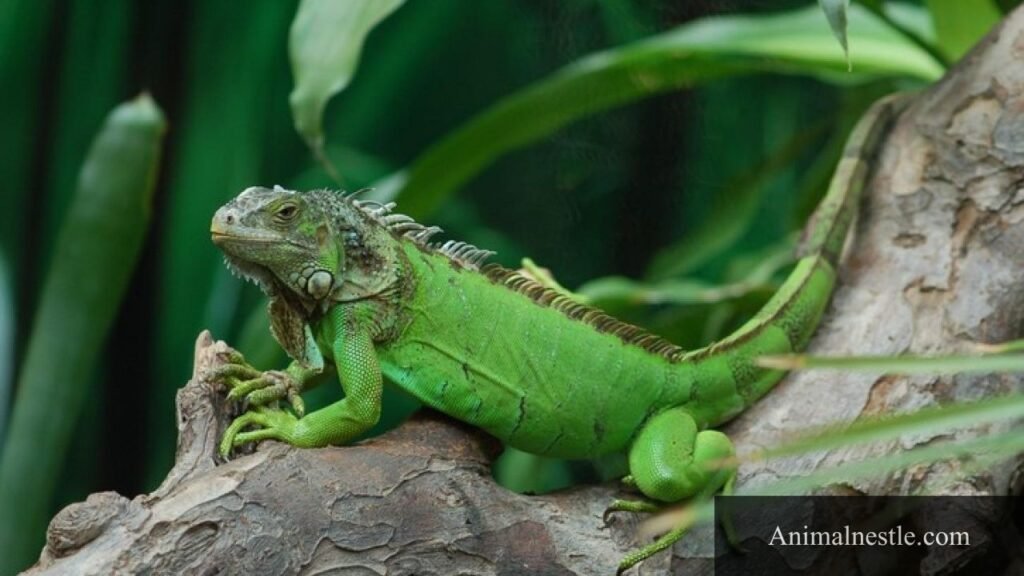
Green iguanas exhibit intriguing social behaviors. They communicate through body language and vocalizations, showcasing a complex social hierarchy within their groups. Surprisingly, they are herbivores, thriving on a diet primarily of leafy greens, flowers, and fruits. This choice of diet makes them crucial for their ecosystems, as they help regulate plant growth and serve as prey for larger predators. As more people turn to them as pets, understanding their needs and natural behaviors is vital for their well-being, emphasizing the balance between admiration and ethical responsibility in reptile care.
You can also read: Explore Top 31 Animals With 5 Letters.
Horned lizard
Scientific Name: Phrynosoma platyrhinos
Class: Reptilia
Diet: Carnivore
The horned lizard is a remarkable inhabitant of North America’s deserts and arid regions. With its distinctive flat body and impressive array of horns, this lizard has evolved some fascinating defense mechanisms against predators. When threatened, it can inflate its body and even squirt blood from its eyes, a shock tactic that bewilderingly deters attackers. This unexpected defense seems to baffle not just potential predators, but also captivates herpetology enthusiasts exploring the incredible adaptability of these creatures.
Horned lizards play a critical role in their ecosystems as both predators and prey. They primarily feed on ants, showcasing a niche dietary specialization that surprisingly helps control ant populations in their habitats. This predatory behavior, however, puts them at risk, especially as environmental changes and habitat loss threaten their food sources. In light of this, conserving these unique reptiles not only fosters biodiversity but also enhances the health of the ecosystems they inhabit, making the horned lizard a vital indicator species for environmental sustainability.
California kingsnake
Scientific Name: Lampropeltis californiae
Class: Reptilia
Diet: Carnivore
The California kingsnake, a striking species native to the western United States, is renowned not only for its beautiful banding but also for its fascinating behavioral traits. With a range of color patterns from bold stripes to intricate speckles, these snakes captivate both hobbyists and ecologists alike. One of their most intriguing characteristics is their immunity to certain types of venom, allowing them to prey on other snakes, including rattlesnakes, without fear. This unique adaptation emphasizes their role as both predator and prey within the ecosystem.
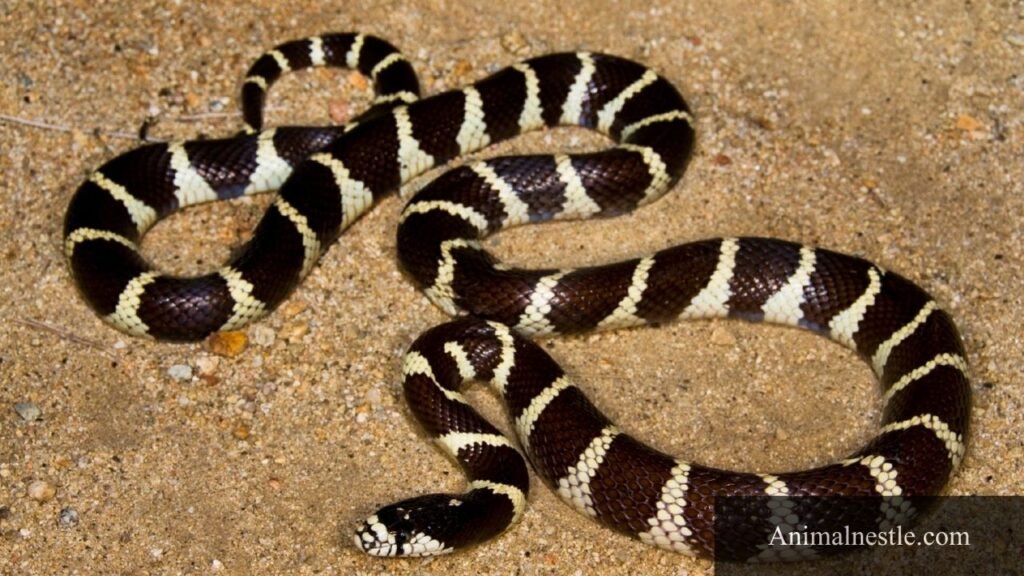
California kingsnakes exhibit remarkable intelligence and adaptability. They are known for their problem-solving skills, often escaping enclosures by manipulating locks or creating routes not typically associated with snakes. This adaptability extends to their habitat preferences; they thrive in diverse environments, from arid deserts to lush forests, effectively tapping into a wide range of ecological niches. As both an important natural pest controller and a popular pet, the California kingsnake exemplifies the complex relationships that reptiles maintain within their ecosystems, reminding us of the delicate balance of nature.
Copperhead
Scientific Name: Agkistrodon contortrix
Class: Reptilia
Diet: Carnivore
The Copperhead, a striking pit viper found primarily in the eastern and central United States, showcases a remarkable blend of beauty and adaptability. With their distinctive coppery-brown triangular heads and intricate patterning, these snakes are masters of camouflage, often blending seamlessly into their leaf-littered environments. This cryptic coloration not only aids in hunting small mammals and birds but also serves as a protective mechanism against potential predators.
Copperheads possess an intriguing behavior known as “thermoregulation.” As ectothermic creatures, they rely on external temperatures to regulate their body heat, often basking in the sun during cool mornings to energize themselves. Interestingly, Copperheads can also display a unique defensive behavior called “playing dead.” When threatened, they may freeze and flatten their bodies to mimic fallen leaves, an effective strategy to evade their adversaries. These fascinating traits not only shed light on their survival tactics but also underscore the intricate balance of ecosystems where Copperheads play pivotal roles as both predator and prey.
Also read: Explore Top 17 Most Ambitious Animals.
Red-eared slider
Scientific Name: Trachemys scripta elegans
Class: Reptilia
Diet: Omnivore
The red-eared slider is captivating for its striking appearance and engaging personality. These aquatic turtles can often be spotted basking under the sun, their bright red markings contrasting vividly against the green hues of their shells. Beyond their charm, these reptiles possess remarkable adaptability, thriving in both natural and man-made habitats. Found primarily in the United States but also spreading to other continents, they have become a quintessential symbol of resilience in the face of environmental change.
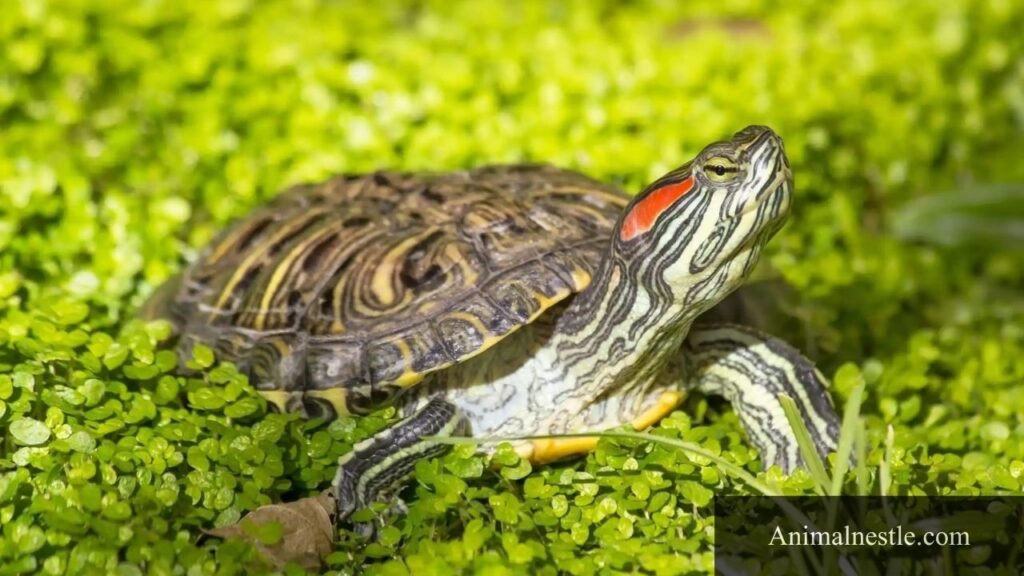
What sets red-eared sliders apart is their complex social behavior. While many assume turtles lead solitary lives, these creatures exhibit fascinating social interactions, sometimes forming hierarchies within their groups. They communicate through a series of vocalizations and body language, often engaging in playful splashing, which showcases their intelligence and adaptability. As caretakers delve into their care — balancing diet, temperature, and social environments — they uncover not just pet ownership, but the rich tapestry of life that red-eared sliders represent in the wild.
Veiled chameleon
Scientific Name: Chamaeleo calyptratus
Class: Reptilia
Diet: Omnivore
The veiled chameleon, native to the Arabian Peninsula, possesses stunning color shifts but also for its unique personality. Unlike many reptiles, these creatures often exhibit a level of curiosity and interaction that captivates both novice pet owners and experienced herpetologists alike. Their ability to change color is not merely for camouflage; it’s a complex response to mood, temperature, and even social signaling, which provides insights into their emotional world.
Veiled chameleons have a fascinating method of hunting and communication. Their sticky, lightning-fast tongues can extend up to twice their body length, allowing them to snatch prey with incredible precision. This feeding strategy highlights their exceptional adaptation to the environment. However, what truly sets them apart is how they express themselves — through head bobbing and arm waving, they communicate dominance, submission, and even curiosity, making them more socially engaged than most reptiles. Understanding these nuances not only enriches the care of a veiled chameleon but also enhances our appreciation of reptilian intelligence and behavior.
American alligator
Scientific Name: Alligator mississippiensis
Class: Reptilia
Diet: Carnivore
The American alligator (Alligator mississippiensis) is an iconic species that plays a vital role in its ecosystem, often referred to as a “keystone” species. Found primarily in the wetlands of the southeastern United States, these formidable reptiles create and maintain ponds and marshlands through their nesting habits. When they dig their nests, they inadvertently shape their environment, promoting biodiversity by creating habitats for other wildlife, from fish to birds. This behavior also highlights their importance in ecological engineering, showcasing how their presence supports a myriad of life forms.
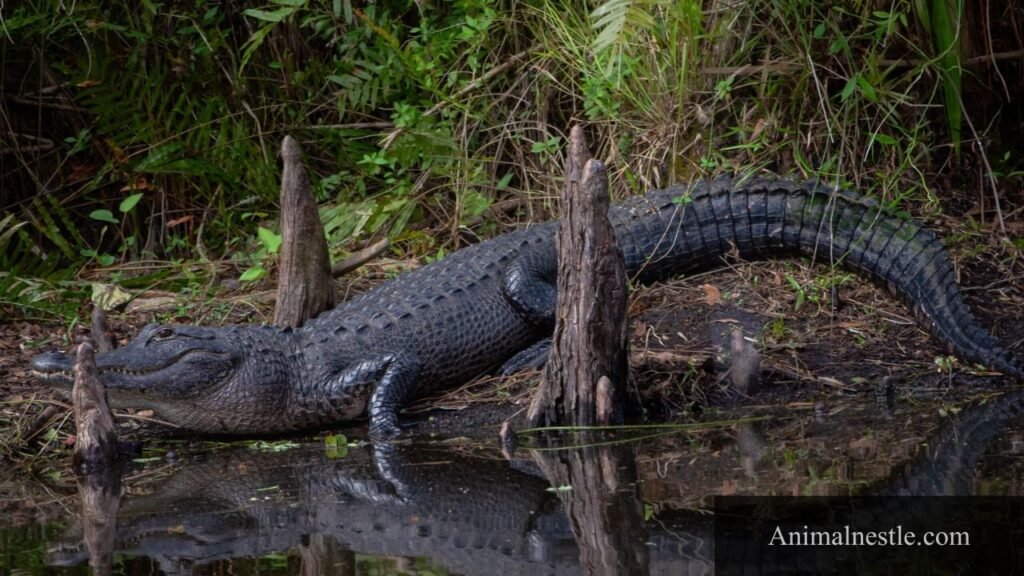
What sets the American alligator apart is not just its impressive size, capable of reaching lengths over 13 feet, but also its complex social behaviors. Unlike many reptiles, alligators exhibit a form of parental care that’s quite remarkable; females will fiercely guard their nests and even guide their young to water after hatching. This nurturing instinct contrasts sharply with the solitary reputation reptiles often carry, shedding light on a more communal aspect of their lives. Moreover, studies show that their vocalizations, ranging from growls to bellows, play a critical role in communication, especially during mating season, emphasizing the depth of their social interactions.
You can also read: Explore Top 27 Animals With 3 Letters.
Komodo dragon
Scientific Name: Varanus komodoensis
Class: Reptilia
Diet: Carnivore
The Komodo dragon, the largest living lizard species, is both fascinating and fearsome. Weighing up to 200 pounds and stretching over 10 feet, these reptiles are apex predators in their natural habitats of Indonesia’s Komodo, Rinca, Flores, and Gili Motang islands. What captivates scientists and enthusiasts alike is not just their size but their incredible hunting strategies. These dragons utilize a combination of stealth, impressive speed, and a bite laced with bacteria that can lead to infection in prey, turning each encounter into a high-stakes game of survival.
Komodo dragons exhibit intriguing social behavior, often forming hierarchies based on size and strength. They communicate through body language, showcasing dominance through displays such as puffing their throats or altering their stance. Their unique reproductive strategy also adds layers to their life cycle; females can reproduce via parthenogenesis, meaning they can lay viable eggs without mating — a remarkable adaptation in isolated environments. This survival mechanism underscores the Komodo dragon’s resilience, making them not just key players in their ecosystem but also symbols of evolutionary ingenuity.
Ball python
Scientific Name: Python regius
Class: Reptilia
Diet: Carnivore
The ball python, scientifically known as Python regius, is one of the most popular pet snakes and for good reason. Native to the grasslands and savannas of West and Central Africa, these constrictors have a fascinating adaptability, capable of thriving in various habitats. Their name comes from their behavior of curling into a ball when threatened, a captivating survival strategy that showcases their gentle temperament. Unlike more aggressive snake species, ball pythons tend to exhibit calmness, making them an ideal choice for first-time snake owners.
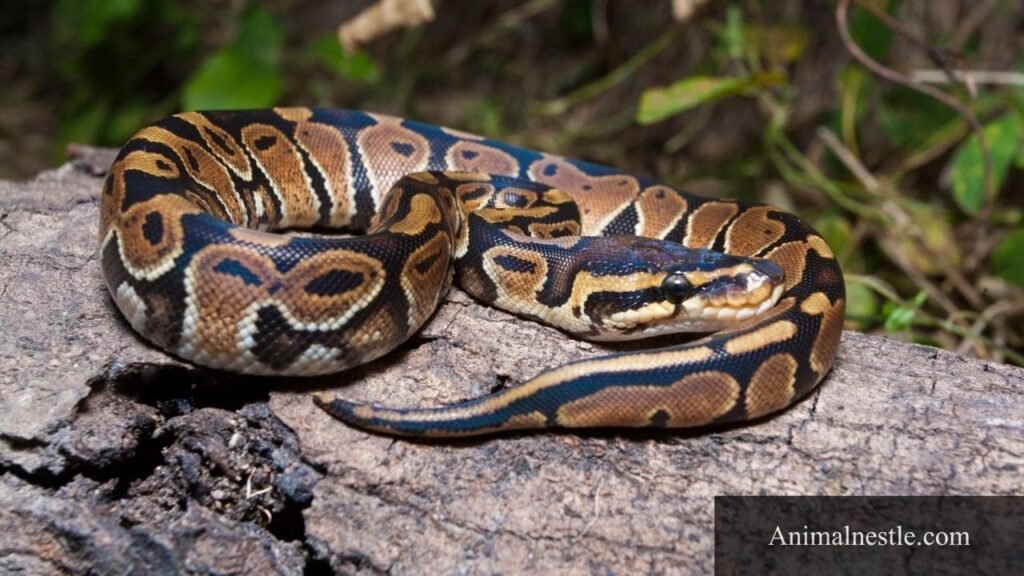
One of the most remarkable aspects of ball pythons is their incredible diversity. With over 60 different morphs available in the pet trade, including striking color combinations and unique patterns, each ball python can be a work of art. This diversity doesn’t just appeal visually; it also sparks enthusiasm among breeders and enthusiasts alike, as they experiment with creating new variations. Furthermore, these reptiles have a relatively long lifespan — often living 20 to 30 years in captivity — which means they can become long-term companions, developing a bond with their owners that is both rewarding and enriching. This longevity, paired with their manageable size and gentle nature, makes the ball python a fascinating subject for both casual admirers and dedicated herpetologists.
Bearded dragon
Scientific Name: Pogona vitticeps
Class: Reptilia
Diet: Omnivore
Bearded dragons, or Pogona, are extraordinary reptiles known for their gentle temperament and striking appearance. Originating from the arid regions of Australia, these lizards have adapted remarkably to their dry environment. Their iconic “beard,” which can darken in response to stress or during mating displays, serves as a fascinating form of communication. This behavior, combined with their inquisitive nature, makes them one of the most popular pets among reptile enthusiasts.
Bearded dragons exhibit unique dietary needs not commonly seen in other reptiles. They thrive on a varied diet of leafy greens, vegetables, and various insects, which allows pet owners to explore different feeding techniques. Their basking habits showcase their preference for UVB light, essential for synthesizing vitamin D3, critical for bone health. This necessity for specific environmental conditions offers insights into the broader challenges of reptile care and conservation, prompting discussions about habitat preservation and responsible ownership.
Also read: Explore Top 31 Animals That Start With M.
Western Diamondback Rattlesnake
Scientific Name: Crotalus atrox
Class: Reptilia
Diet: Carnivore
The Western Diamondback Rattlesnake, identifiable by its striking diamond-patterned skin, is a marvel of adaptation in arid ecosystems. Found primarily in the southwestern United States and parts of Mexico, this snake’s coloration allows it to blend seamlessly into its surroundings, providing effective camouflage against predators and prey alike. Its distinctive rattle, made of keratin, is not just a warning signal; it has evolved as a crucial survival tool, letting potential threats know they’re encroaching on territorial grounds.
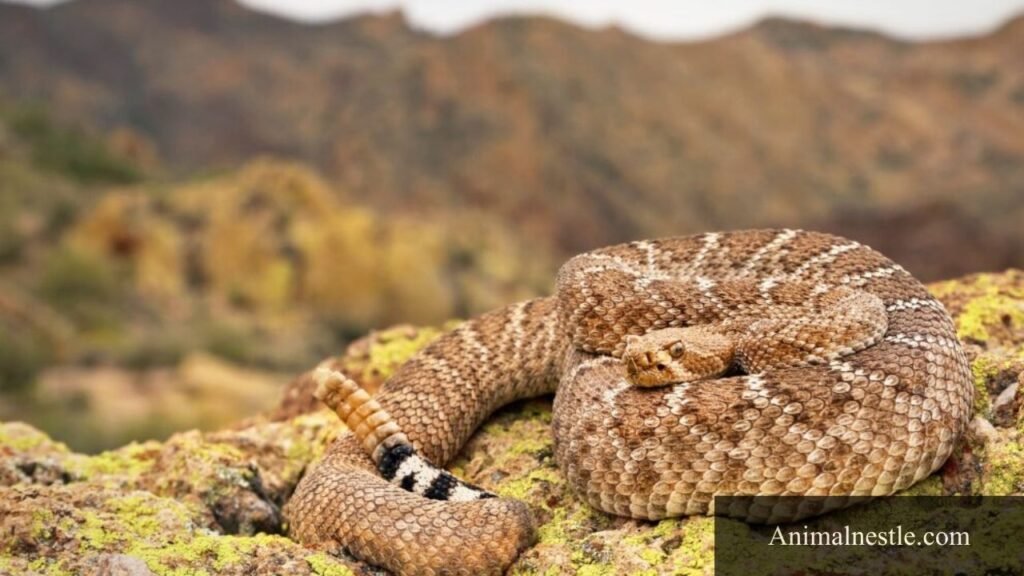
The Western Diamondback plays an essential role in its ecosystem as both predator and prey. It helps control rodent populations, maintaining the balance of its environment. Interestingly, while its venom can be potent, the snake often prefers to avoid confrontation. Studies show that a majority of bites occur when humans inadvertently step too close, underscoring the importance of respecting its habitat. By understanding the behaviors and ecological contributions of this iconic reptile, we can foster greater appreciation and awareness, dispelling myths that shroud these fascinating creatures in fear.
Green anole
Scientific Name: Anolis carolinensis
Class: Reptilia
Diet: Carnivore
The green anole is a fascinating lizard that offers more than just vibrant green hues. Often mistaken for chameleons, these little reptiles exhibit remarkable adaptability, allowing them to change shades based on temperature, mood, and surroundings. This color-changing ability is not only a defense mechanism but also plays a role in their social interactions, with males often displaying brighter colors during mating rituals or territorial disputes.
What sets green anoles apart in the reptile world is their impressive climbing ability. Their specialized toe pads, equipped with tiny hair-like structures called setae, enable them to cling to surfaces effortlessly, showcasing agility that captivates observers. This quality makes them adept at navigating their tree-dense habitats in the southeastern U.S., where they thrive both in urban and natural settings. Interestingly, despite their small size, green anoles are formidable hunters, preying on a diet of insects and even engaging in the classic “tongue flick” to assess their surroundings.
Painted turtle
Scientific Name: Chrysemys picta
Class: Reptilia
Diet: Omnivore
The painted turtle is a captivating inhabitant of freshwater ecosystems, easily identifiable by its strikingly vivid shell and intricate patterns. Native to North America, these turtles showcase a delightful array of colors, from vibrant reds and oranges to subtle yellows. This chromatic display serves not only for aesthetic appreciation but also as a form of camouflage, helping them blend into the dappled light of their aquatic environments.
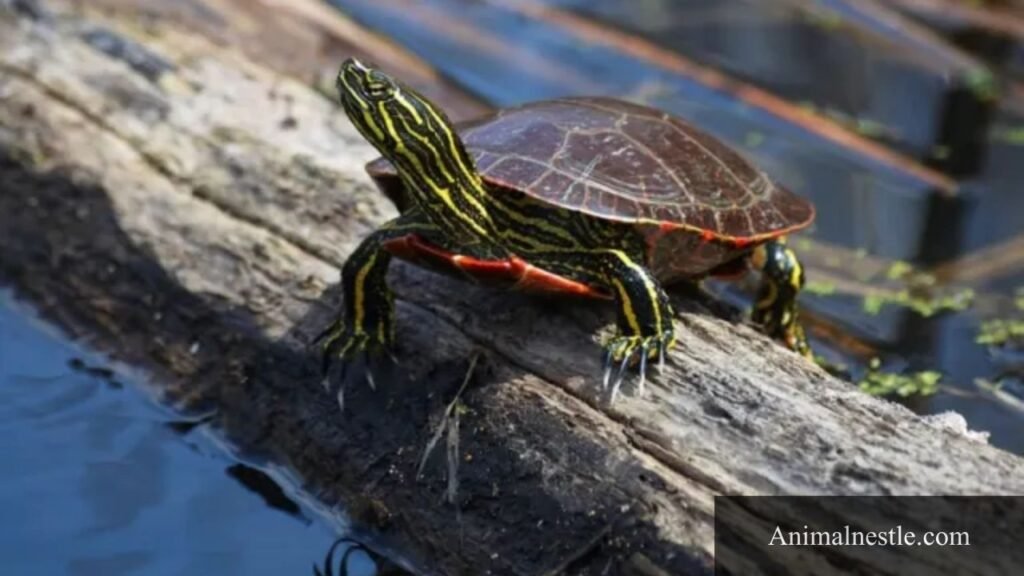
One fascinating aspect of painted turtles is their remarkable adaptability. They thrive in a variety of habitats, from serene ponds to bustling rivers, demonstrating a surprising resilience in the face of habitat loss due to urbanization. Painted turtles are ectothermic, relying on external heat sources for thermoregulation; this behavior leads them to bask on logs in the sun for extended periods, allowing us to observe their social interactions and basking hierarchies. As these turtles navigate the challenges of climate change and habitat alteration, they remind us of the delicate balance of their ecosystems and the urgent need for conservation efforts.
Readmore: Explore 21 Animals With 8 Letters.
Final Thoughts
The examples of reptiles showcase the incredible adaptations and varieties within this ancient group of animals. Whether it’s the agile gecko scaling walls or the majestic sea turtle navigating oceans, each reptile contributes to the richness of our planet’s wildlife. Their behaviors and characteristics remind us of the captivating complexity of life on Earth. As we learn more about these creatures, it becomes increasingly important to support initiatives that protect their habitats from destruction and climate change. Join the conversation and take action to safeguard the future of reptiles for generations to come.
FAQs
What are 5 examples of reptiles?
Reptiles are a diverse group, and here are five well-known examples. Leopard gecko, a popular pet known for its vibrant colors and friendly nature. Green iguana, often found basking in sunlight in tropical regions.
Another example is the king cobra, the world’s longest venomous snake, famous for its impressive size and distinctive hood. The American alligator is also noteworthy, thriving in freshwater habitats and there’s the box turtle, which is easily recognized by its dome-shaped shell and can be found in various environments across North America.
What are the common reptiles?
Common reptiles include snakes, lizards, turtles, and crocodilians. Snakes are diverse and can be found in various habitats, from deserts to forests. Lizards, like iguanas and geckos, also come in many shapes and sizes, adapting well to their environments. Turtles, both land and aquatic, are known for their hard shells and slow movement. Crocodilians include alligators and crocodiles, which are often found in wetlands and are known for their powerful jaws.
What are reptiles?
Reptiles are a class of cold-blooded vertebrates that typically have scales or scutes covering their bodies. This group includes snakes, lizards, turtles, crocodilians, and the extinct dinosaurs. They breathe air through lungs, and most lay eggs, although some give birth to live young.
Are snakes reptiles?
Yes, snakes are reptiles. They belong to the class Reptilia, which also includes lizards, turtles, and crocodiles. Like other reptiles, snakes are cold-blooded, have scales, and typically lay eggs, although some give live birth.
Snakes share key characteristics with other reptiles, such as a backbone and a respiratory system that relies on lungs. Their unique adaptations, like a flexible jaw and specialized scales, help them thrive in various environments, but fundamentally, they fit within the reptilian family.