Top 25 Animals That Start With D (With Pictures)
From the graceful dolphin to the elusive dingo, each of these creatures adds richness to our planet’s biodiversity. In this article, we will explore various fascinating animals that start with D, highlighting their habitats, behaviors, and significance within their ecosystems. Prepare to be amazed by the diversity and wonder of the animal kingdom!
List of Animals That Start With D
Below is the list of animals that start with D:
- Dingo
- Dumeril’s Boa
- Dragonfly
- Dik-Dik
- Death Adder
- Dusky Dolphin
- Dorking Chicken
- Deer Tick
- Decorator Crab
- Devon Rex
- Desert Rain Frog
- Donkey
- Dugong
- Dogue De Bordeaux
- Diving Bell Spider
- Darwin’s Frog
- Dwarf Hamster
- Disco Clam
- Dalmatian
- Dormouse
- Duck
- Dobsonfly
- Downy Woodpecker
- Dung Beetle
- Dwarf Crocodile
Dingo
Scientific Name: Canis lupus dingo
Class: Mammalia
Diet: Carnivore
Dingoes, often mistaken for domestic dogs, are a wild species native to Australia, showcasing a remarkable adaptability that allows them to thrive in diverse habitats — from arid deserts to lush woodlands. Their striking amber eyes and slender frames hint at their evolutionary lineage, which is believed to trace back to ancient Asian wolves. Unlike traditional pets, dingoes play a crucial role in the ecosystem as apex predators, helping to regulate the populations of other wildlife and maintain ecological balance.
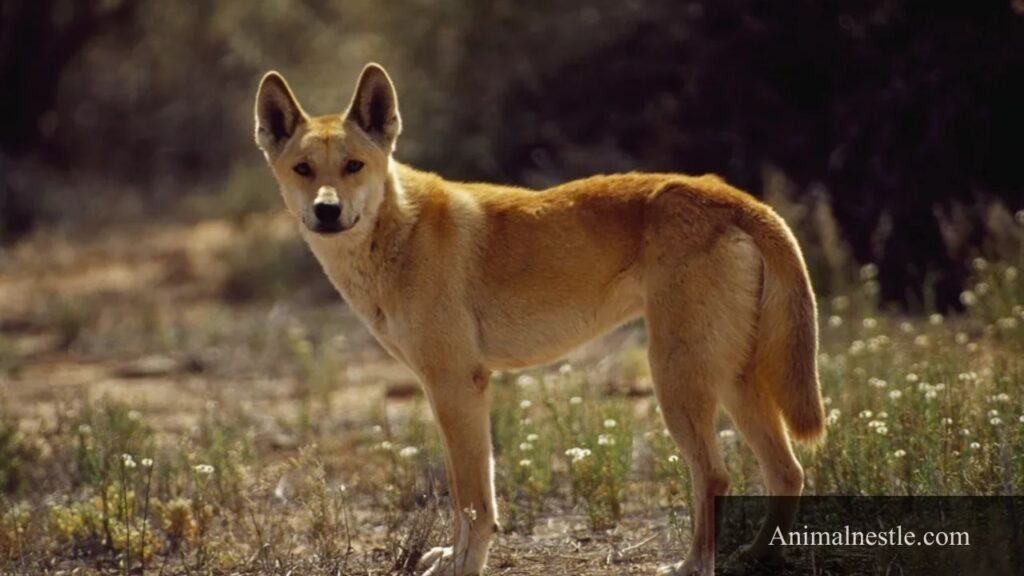
An intriguing aspect of dingo behavior is their social structure. They often live in family groups, displaying a unique blend of cooperative hunting and nurturing. With vocalizations that range from haunting howls to sharp barks, they communicate effectively within these groups, fostering strong social bonds. Moreover, studies suggest that dingoes possess an impressive level of intelligence and problem-solving skills, raising the question of how their wild nature compares to that of domesticated dogs.
Dumeril’s Boa
Scientific Name: Acrantophis dumerili
Class: Reptilia
Diet: Carnivore
Dumeril’s boa, a striking species native to Madagascar, captivates with its rich patterns and unique behaviors. Unlike many other boids, these snakes can grow up to eight feet long and possess distinctive dorsal coloration that ranges from brown to reddish, adorned with intricate dark markings. This eye-catching design not only serves a purpose in camouflage among the island’s lush undergrowth but also highlights their adaptations to a diverse habitat, from humid forests to dry scrublands.
One of the most fascinating aspects of Dumeril’s boa is its relatively docile nature. Known for being one of the gentler constrictor species, they often thrive in captivity, making them popular among reptile enthusiasts. However, what truly sets them apart is their unique hunting strategy. Instead of relying solely on heat-sensing pits like some of their relatives, Dumeril’s boas utilize a sense of touch and their keen eyesight to locate prey, which typically includes birds and small mammals. This adaptability showcases their intriguing evolution and provides insight into the diverse ecological niches they fill in their native habitat.
Dragonfly
Scientific Name: Anisoptera
Class: Insecta
Diet: Carnivore
Dragonflies are remarkable creatures, both in terms of their biology and their ecological contributions. With their iridescent wings spanning several inches, these insects are not only visual marvels but also masters of aerial agility. They can fly forwards, backwards, and even hover like helicopters — thanks to their two pairs of wings working independently. This unique flying ability allows them to catch prey mid-air, which includes not just other insects, but also the occasional unfortunate hummingbird!
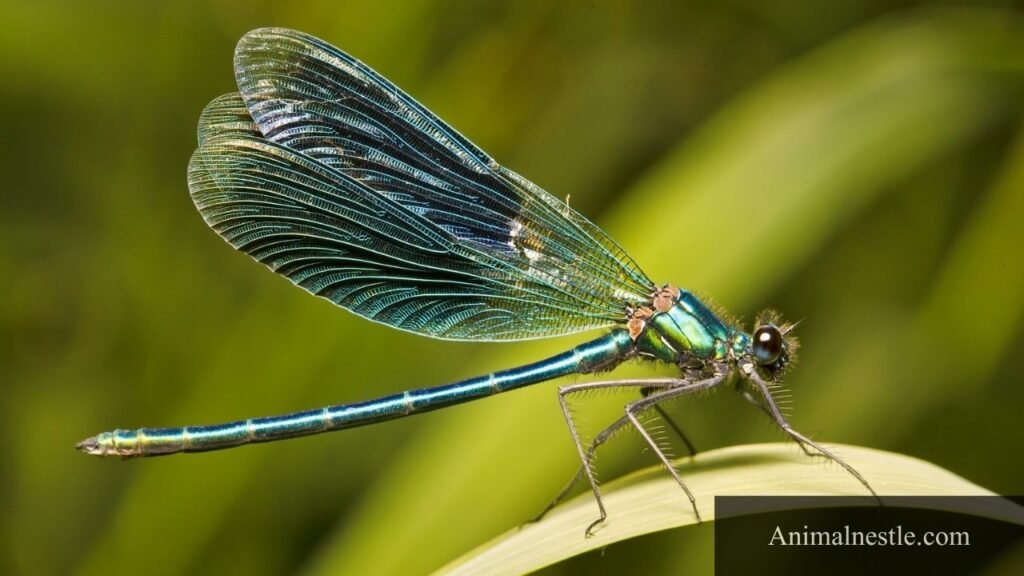
Beyond their impressive flight skills, dragonflies serve as crucial bioindicators of environmental health. Their presence often signals good water quality, as their larvae spend a significant part of their lives underwater, thriving only in clean aquatic ecosystems. This makes them invaluable scouts in freshwater environments, helping researchers assess ecosystem health and biodiversity. Observing an abundance of dragonflies can indicate a thriving pond, while their decline may hint at larger ecological issues that require attention.
Readmore: Explore Top 31 Animals With 6 Letters.
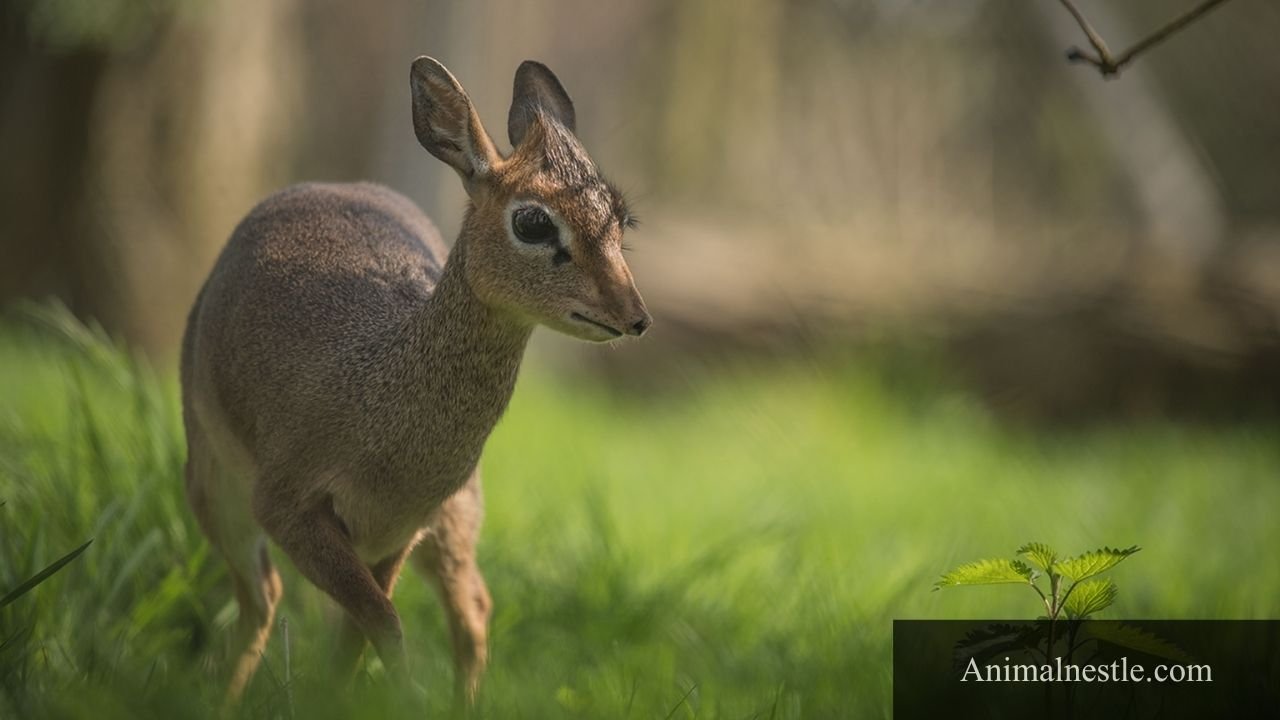
Dik-Dik
Scientific Name: Madoqua
Class: Mammalia
Diet: Herbivore
The dik-dik, a tiny antelope native to the savannas and scrublands of Eastern Africa, is a marvel of adaptation. Standing no taller than a foot at the shoulder, these dainty creatures possess a unique charm that captures the hearts of wildlife enthusiasts. Their name, derived from the distinctive alarm call they emit when startled, reflects their elusive nature. Often viewed as a symbol of vulnerability, dik-diks have evolved remarkable survival skills. Their large eyes and keen senses allow them to detect predators from a distance, while their habit of freezing in place makes them nearly invisible in their natural habitat.
Dik-diks form monogamous pairs that maintain small territories, creating a fascinating dynamic in animal relationships. They communicate with subtle body language and gentle vocalizations, showcasing a level of emotional complexity often overlooked in smaller species. Beyond their social lives, dik-diks are also crucial players in their ecosystem. By browsing on leaves and shrubs, they help maintain the health and diversity of the vegetation, ensuring that their habitats thrive. This balance of beauty, intelligence, and ecological importance underscores why these petite antelopes deserve more attention in the discussions of wildlife conservation.
Death Adder
Scientific Name: Acanthophis
Class: Reptilia
Diet: Carnivore
The Death Adder, native to Australia and New Guinea, is a master of deception in the animal kingdom. With its remarkably camouflaged body, it can blend seamlessly into its environment, often resembling dead leaves or twigs. This striking adaptation not only makes it a skilled ambush predator but also serves to protect it from potential threats, showcasing nature’s incredible ingenuity.
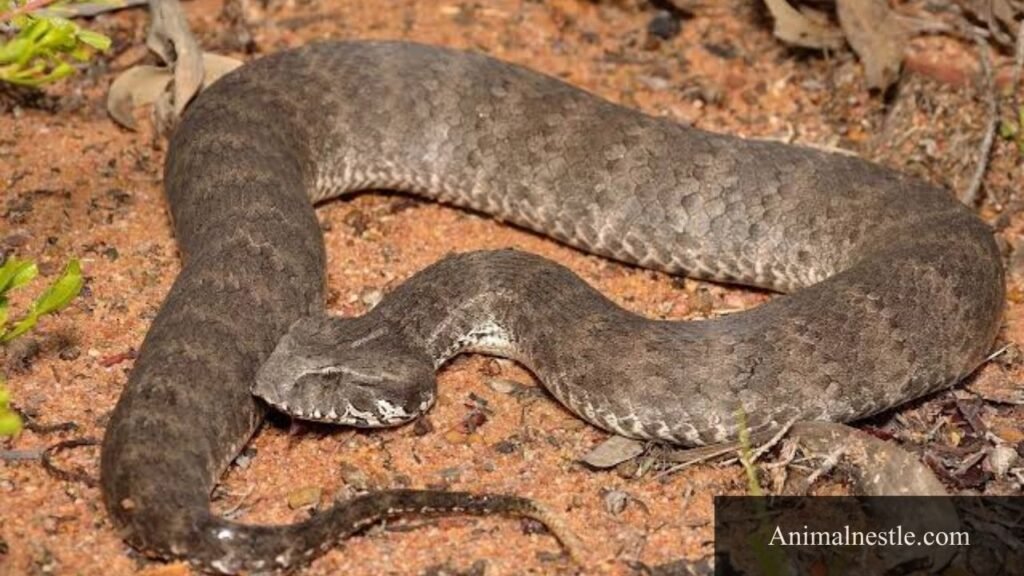
What makes the Death Adder particularly fascinating is its unique hunting technique. Unlike many snakes that rely on constriction or chasing down their prey, this reptile uses a quick, lethal strike, delivering potent venom that can incapacitate animals many times its size. This venom contains neurotoxins that affect the nervous system, allowing it to subdue prey swiftly. However, in a surprising twist of nature, the Death Adder is also a somewhat misunderstood creature; despite its fearsome reputation, it plays a vital ecological role in controlling rodent populations, thus maintaining the balance in its habitat.
Dusky Dolphin
Scientific Name: Lagenorhynchus obscurus
Class: Mammalia
Diet: Carnivore
The dusky dolphin is a remarkable marine mammal celebrated for its acrobatic prowess and striking beauty. Found in the temperate and subantarctic waters of the Southern Hemisphere, these dolphins showcase a stunning combination of dark gray skin and lighter underbellies that shimmer as they leap and spin through the waves. They often perform breathtaking aerial displays, which not only serve as a means of communication but also play a crucial role in establishing social bonds within pods that can range from just a few individuals to over a hundred.
One fascinating aspect of dusky dolphins is their intelligence and playful nature. They frequently engage in cooperative hunting techniques, using intricate strategies to corral schools of fish. This level of social coordination highlights their cognitive abilities and suggests a complex social structure not just based on hierarchy but on mutual reliance and resource sharing. Observing their interactions allows researchers to gain insight into the social dynamics of cetaceans, and their playful antics, such as surfing in the wake of boats or leaping alongside swimmers, continue to endear them to marine enthusiasts around the globe.
Dorking Chicken
Scientific Name: Gallus gallus domesticus
Class: Aves
Diet: Omnivore
The Dorking chicken is a fascinating breed that traces its roots back to ancient Rome, making it one of the oldest domesticated chicken varieties. Known for their distinctively five-toed feet, Dorkings are not just a marvel to observe but also exhibit a remarkable adaptability to various environments. Their calm demeanor and friendly nature make them an ideal choice for family farms and backyard coops. They display a unique feather structure that allows them to withstand different climates more effectively than many other breeds.
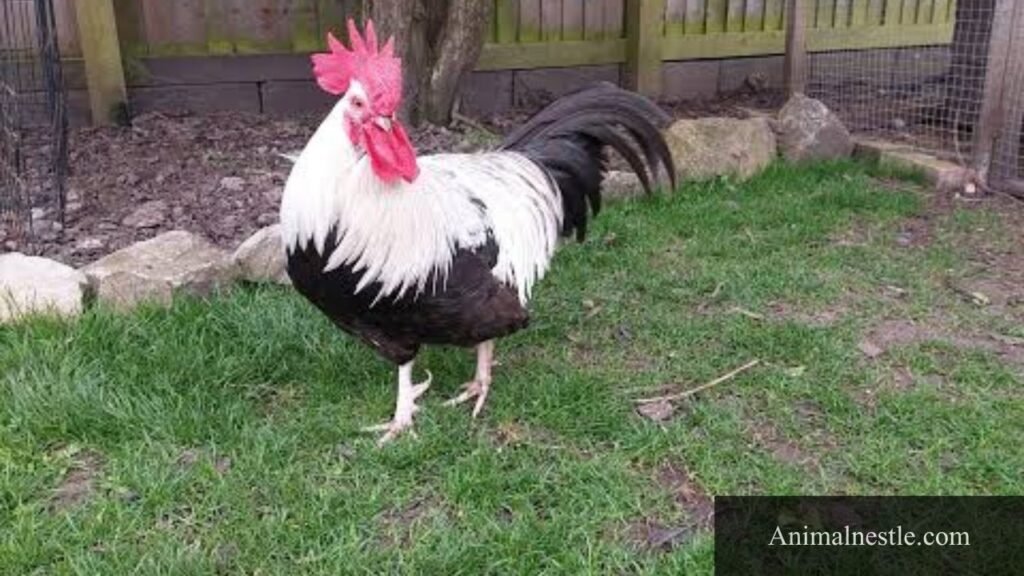
What sets Dorking chickens apart is their extraordinary genetic diversity. This breed comes in several color variations, including white, red, and gray, each showcasing its own charm. Beyond aesthetics, they have a reputation for being excellent foragers, which contributes to their overall hardiness and health. As backyard poultry enthusiasts look for sustainable and resilient breeds, the Dorking’s ability to thrive with minimal intervention is invaluable. Raising these chickens not only adds beauty to your homestead but also helps preserve a piece of avian history that is important in discussions of biodiversity and heritage breeds.
Deer Tick
Scientific Name: Ixodes scapularis
Class: Arachnida
Diet: Parasite
The deer tick, often called the black-legged tick, showcases a fascinating lifecycle that captivates biologists and nature enthusiasts alike. These small arachnids begin their journey in the larval stage, often feeding on small mammals and birds, before maturing into nymphs and eventually adult ticks. Each life stage plays a pivotal role in their adaptability, showcasing an impressive ability to thrive in various environments, from dense forests to suburban backyards.
Their habitat choices illuminate more than just their survival strategies; they also highlight the intricate relationships within ecosystems. Deer ticks rely heavily on the presence of their host animals, particularly deer, which are essential for transporting the ticks and enabling their reproduction. This complex interplay raises questions about how changes in wildlife populations and land usage impact tick dynamics and their ecological roles. As our landscapes evolve, understanding the deer tick’s behavior offers insights into broader environmental trends and the importance of biodiversity.
Decorator Crab
Scientific Name: Majoidea
Class: Malacostraca
Diet: Omnivore
The Decorator Crab is a master of disguise, blending seamlessly into its environment with the help of various materials it collects from its surroundings. These crabs use bits of algae, sponges, and even shells to create a living cloak that not only provides camouflage but also offers protection from predators. This artful practice showcases the Decorator Crab’s unique adaptation, revealing the complex relationship between marine creatures and their habitats.
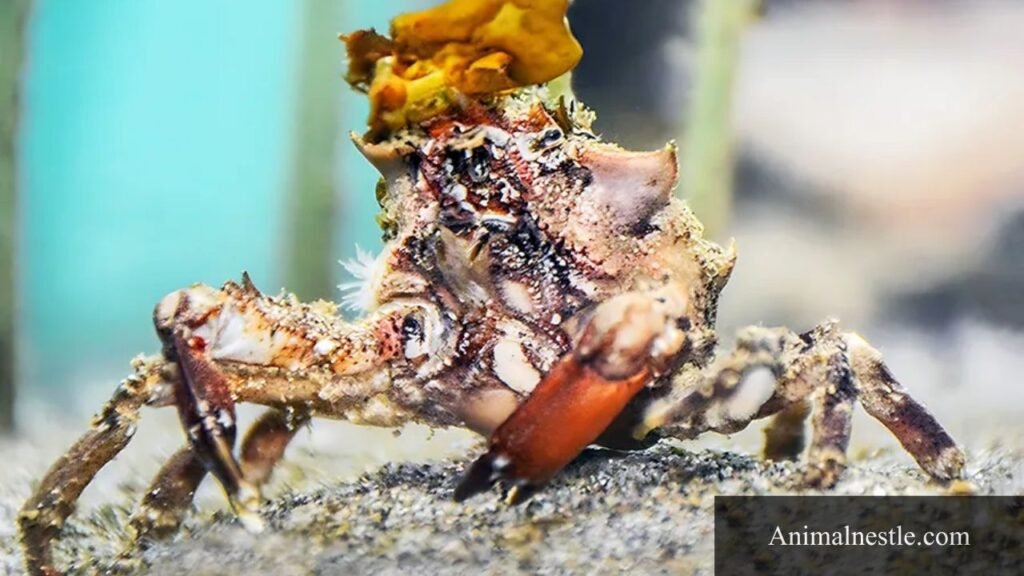
What’s fascinating is the crabs’ selective decorating strategy; they often choose items that carry a scent to mask their presence further, tricking unsuspecting foes and potential prey. Some species have been observed attaching colorful materials to enhance their disguise, which underscores a keen sense of awareness and innovation in their behavior. Far more than just a survival tactic, this practice raises intriguing questions about the cognitive abilities of crustaceans and their interaction with the ecosystem around them. In each reef, the Decorator Crab is not just a creature of beauty but also a testament to the intricate tapestry of life beneath the waves.
Devon Rex
Scientific Name: Felis catus
Class: Mammalia
Diet: Carnivore
The Devon Rex is often described as the “pixie of the cat world,” not just for its playful demeanor but also due to its unique appearance. With its short, curly coat and large, expressive ears, this breed stands out in any room. Originating in the 1960s in Devonshire, England, the breed was a delightful accident, born from a spontaneous mutation. Their fur, which is often soft as velvet, offers a striking contrast to their athletic build, making the Devon Rex not only a heart-stealer but also a remarkable marvel of nature.
What truly sets the Devon Rex apart, however, goes beyond looks. This breed is known for its dog-like personality, often following their owners around the house and engaging in interactive play. Their high intelligence and curiosity make them avid learners, able to pick up tricks and commands with surprising ease. It’s not uncommon for these cats to enjoy a game of fetch or to form strong bonds with other pets in the household, blending seamlessly into a family dynamic. Their social nature ensures they thrive in environments where they receive plenty of attention and stimulation, making them ideal companions for those who can match their energetic spirit.
Desert Rain Frog
Scientific Name: Breviceps macrops
Class: Amphibia
Diet: Carnivore
The Desert Rain Frog is a tiny marvel of nature often overlooked amidst the vibrant tapestry of the Namib Desert. These frogs, measuring barely two inches in length, have a unique adaptation to their arid environment — an ability to thrive in extremely low moisture conditions. They possess a semi-permeable skin that is slightly wrinkled, aiding them in retaining moisture while burrowed in the sandy terrain during the day. As night falls, they emerge to forage for insects, exploiting the cooler temperatures and higher humidity to prevent dehydration.
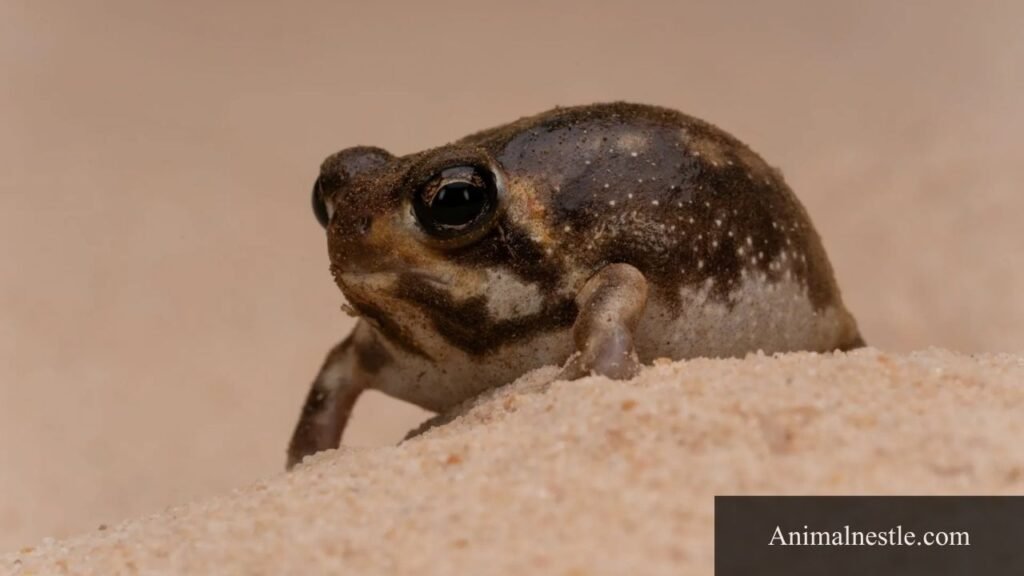
What truly sets the Desert Rain Frog apart is its unusual vocalization, often described as a comical, high-pitched squeak reminiscent of a rubber duck. This charming call serves as an important element of their mating rituals, captivating both potential mates and curious onlookers alike. Interestingly, these frogs have evolved to be surprisingly resilient, facing challenges from climate change and habitat loss. Their survival is a poignant reminder of the intricate balance of ecosystems and the importance of preserving such unique species, which embody the delicate interplay between adaptation and survival in one of the world’s most inhospitable landscapes.
Donkey
Scientific Name: Equus africanus asinus
Class: Mammalia
Diet: Herbivore
Donkeys are remarkable creatures with unique traits that deserve appreciation. Known for their strong work ethic and exceptional resilience, these animals have been invaluable partners to humans throughout history, especially in agriculture and transport. Their keen intelligence often surprises those who underestimate them; donkeys are not only capable of problem-solving but also exhibit distinct personalities, ranging from playful to affectionate.
Donkeys have an innate instinct for self-preservation, sometimes leading to what many perceive as stubbornness. This behavior is actually a survival mechanism; they are highly attuned to their environment and skeptical of new situations, which can safeguard them against potential dangers. Moreover, their vocalizations — a characteristic bray — serve both as a form of communication among their peers and a means to express emotions, from excitement to distress. By fostering deeper connections with these animals, we can unlock insights into their complex social structures, showcasing the rich tapestry of life and relationships within the donkey community.
Dugong
Scientific Name: Dugong dugon
Class: Mammalia
Diet: Herbivore
Dugongs are fascinating marine mammals primarily found in warm coastal waters of the Indian and western Pacific Oceans. Unlike their close relatives, manatees, dugongs have a unique, dolphin-like tail that enables powerful swimming, making them agile grazers of seagrass meadows. These gentle herbivores have a remarkable ability to dive to depths of up to 30 meters, using their keen sense of smell to forage for seagrasses, which make up the bulk of their diet.
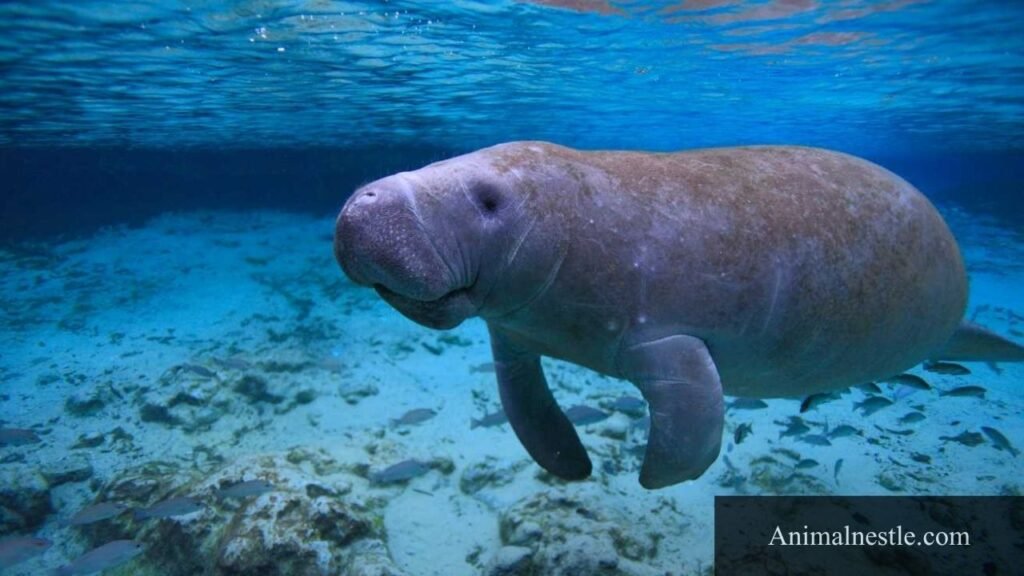
One captivating aspect of dugongs is their role in maintaining vibrant underwater ecosystems. By grazing on seagrasses, they encourage growth and diversely structured habitats that support various marine life, from fish to crustaceans. Dugongs possess a social behavior that is intriguing; they often form small family groups and are known to display affectionate interactions, including caring for their young. With their populations facing threats from habitat loss and hunting, conservation efforts increasingly emphasize the dugong’s ecological importance, reminding us that every creature plays a vital role in the balance of our planet’s marine environments.
Dogue De Bordeaux
Scientific Name: Canis lupus familiaris
Class: Mammalia
Diet: Omnivore
The Dogue de Bordeaux is a remarkable testament to the power of loyalty and intelligence wrapped in a muscular frame. Known for their imposing presence, these dogs embody a gentle giant spirit. With their distinctive wrinkled face and powerful jaw, they evoke both awe and affection, being the embodiment of both a protector and a loving companion. Their calm demeanor belies their strength, making them an ideal family pet who forms deep bonds with children, often becoming their protective shadow.
The Dogue de Bordeaux has played numerous roles, from guarding livestock to serving as a war dog in medieval France. This rich heritage has gifted them an innate sense of duty and vigilance. Interestingly, despite their robust physique, they have a surprisingly sensitive temperament. They thrive on human interaction and respond positively to training methods that emphasize kindness, which helps unlock their potential as eager learners. With proper socialization and training, this breed can be remarkably adaptable, thriving in various living environments, from urban apartments to sprawling homes.
Diving Bell Spider
Scientific Name: Argyroneta aquatica
Class: Arachnida
Diet: Carnivore
The Diving Bell Spider, an intriguing inhabitant of freshwater ponds and marshes, is unique for its ability to spend almost its entire life underwater. This remarkable arachnid constructs a silk “diving bell” — a web-like structure that traps air bubbles, effectively creating a gill where it can breathe. This adaptation not only allows the spider to hunt aquatic insects but also serves as a refuge from aerial predators. Unlike most spiders, the Diving Bell Spider displays an impressive array of swimming and diving abilities, propelling itself gracefully through the water.
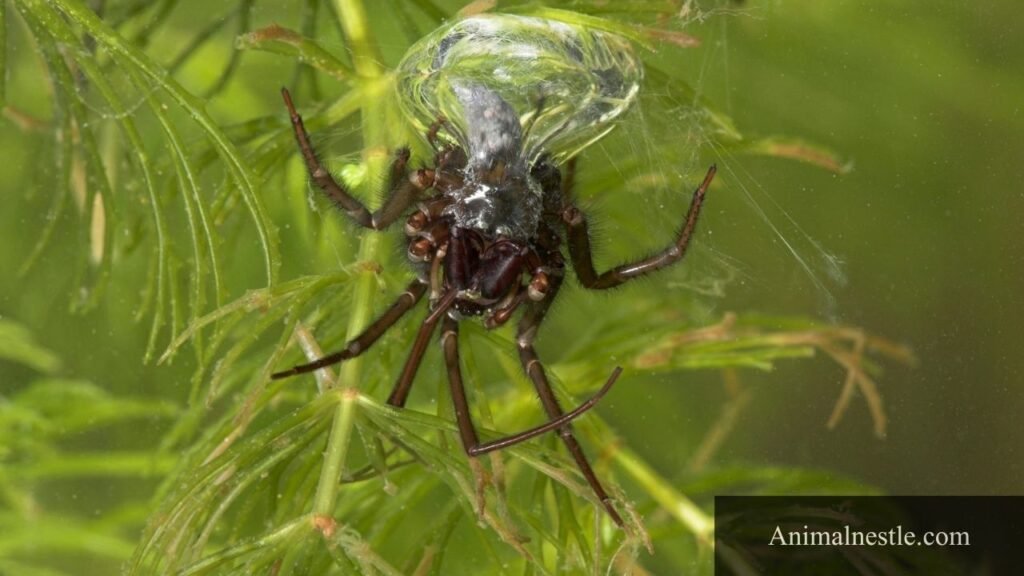
This spider relies heavily on its keen eyesight, which is crucial for locating prey beneath the water’s surface. Its hydraulic legs extend and retract, enabling agile movement, while it uses its sensory hairs to detect vibrations in the water. The Diving Bell Spider’s lifestyle raises fascinating questions about adaptation; it thrives in environments where other spiders would struggle. This unique blend of behavior and biology underscores the incredible diversity of life on Earth and reminds us of the often-overlooked wonders that exist in our ecosystems.
Darwin’s Frog
Scientific Name: Rhinoderma darwinii
Class: Amphibia
Diet: Carnivore
Darwin’s Frog, a fascinating amphibian native to Chile and Argentina, offers a truly unique glimpse into the wonders of evolution and parental care. Unlike most frogs, where the tadpoles are left to fend for themselves, Darwin’s male takes on a remarkable nurturing role. After the female lays her eggs, the male fertilizes them and then swallows the developing tadpoles, keeping them safe in his vocal sac. This astonishing adaptation not only protects the young but also showcases the lengths to which some species go to ensure their progeny’s survival.
The Darwin’s Frog is striking not only for its caring behavior but also for its incredible vocal abilities. The males produce a variety of vocalizations that serve to communicate with potential mates and ward off other males, but the real magic happens when they sing to their hatchlings. Researchers believe these calls may create a soothing effect, calming the tadpoles while they develop nestled safely within their father’s throat. Unfortunately, this extraordinary species faces significant threats from habitat loss and chytridiomycosis, a devastating fungal disease affecting amphibians worldwide. As conservationists work tirelessly to protect these remarkable frogs, they remind us of the intricate connections within ecosystems and the delicate balance of life.
Dwarf Hamster
Scientific Name: Phodopus
Class: Mammalia
Diet: Omnivore
Dwarf hamsters, often overlooked in favor of their larger counterparts, bring a unique charm to the world of small pets. Native to the arid regions of Central Asia, these pint-sized companions have evolved remarkable adaptations to thrive in harsh environments. For instance, their ability to store food in cheek pouches not only aids in their survival but also provides endless entertainment as they scurry about, cheeks bulging comically.
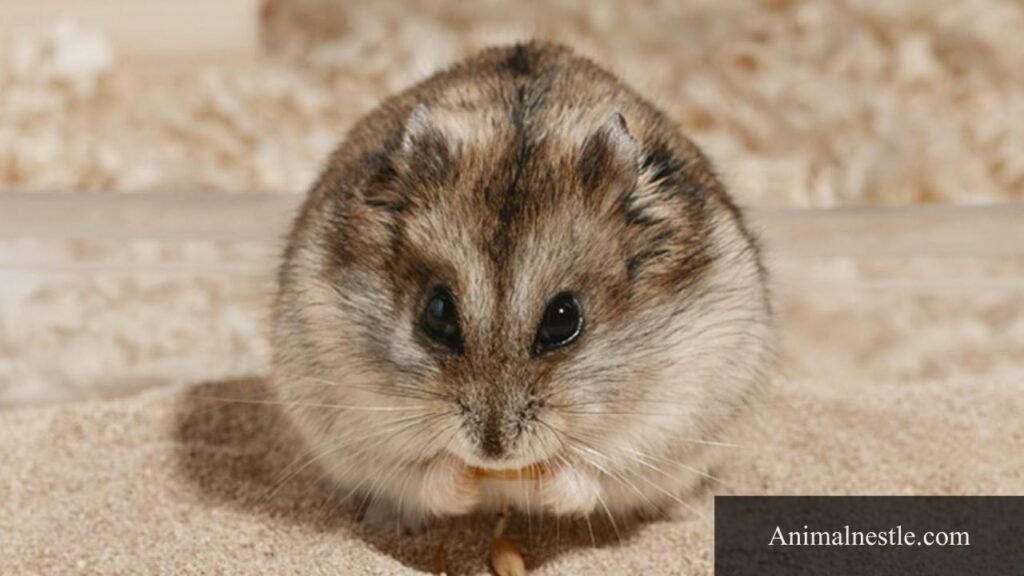
Their distinct social structures can vary significantly among different species. While Roborovski dwarf hamsters tend to be more sociable and thrive in pairs, the Campbell’s dwarf hamster may exhibit more territorial behavior. This variability highlights the importance of understanding an individual hamster’s temperament before introducing them to potential companions. Engaging with these clever little creatures through playful interaction and environmental enrichment can lead to fascinating discoveries, making each encounter with them feel like a new adventure.
Disco Clam
Scientific Name: Ctenoides ales
Class: Bivalvia
Diet: Omnivore
The Disco Clam is a marvel of the marine world, celebrated for its vibrant, bioluminescent display. Found primarily in the waters of the Pacific Ocean, predominantly around the Philippines and the Solomon Islands, this bivalve mollusk is often mistaken for coral due to its striking coloration and pulsating light patterns. The clam emits a dazzling array of colors, creating an enchanting spectacle that not only captivates divers but also serves a crucial role in its survival.
What makes the Disco Clam particularly fascinating is its intricate relationship with the surrounding ecosystem. The light emitted by the clam lures in tiny microscopic organisms, which the clam then filters out for nourishment. This behavior showcases an extraordinary adaptation; it’s not just a flashy display but an essential survival strategy that highlights the interdependence of marine life. Moreover, the clam’s unique ability to emit light is utilized in scientific research as well, potentially inspiring advancements in bioengineering and bioluminescence.
Dalmatian
Scientific Name: Canis lupus familiaris
Class: Mammalia
Diet: Omnivore
The Dalmatian, renowned for its iconic black or liver-spotted coat, is more than just a pretty face in the dog world. Originating in the historical region of Dalmatia, Croatia, these dogs were once used as carriage dogs and firehouse mascots, known for their endurance and ability to run alongside horse-drawn vehicles. This unique background not only explains their athleticism but also highlights their innate desire for companionship and activity.
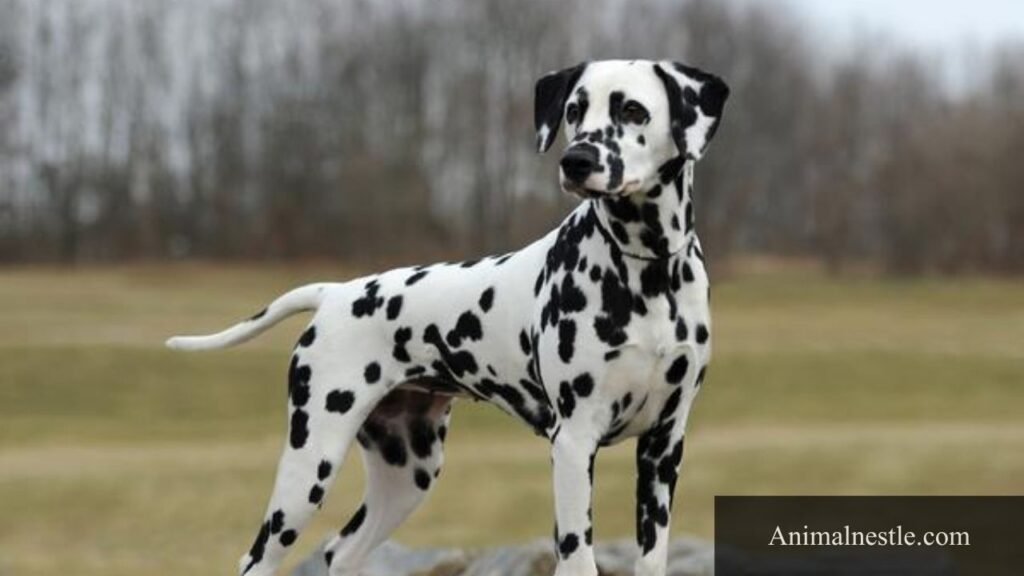
Interestingly, Dalmatians have a fascinating relationship with firetrucks, sparking interest in their role as protectors of horses and firefighters in the 1800s. Their distinctive bark helped alert the fire brigade to danger, and their presence often calmed the horses amidst chaotic scenes. Moreover, the breed’s spotted coat isn’t just for show — it serves a practical purpose by blending into the lively scenes of nature, aiding their historical lineage as hunters and guardians.
Dormouse
Scientific Name: Gliridae
Class: Mammalia
Diet: Omnivore
Dormice, often overshadowed by their more famous rodent relatives, are fascinating creatures that possess unique traits setting them apart. Found primarily in Europe, these small mammals are known for their remarkable hibernation abilities, which enable them to survive harsh winters. Unlike many other rodents, some species can enter a state of torpor that lasts for several months, significantly slowing down their metabolism and allowing them to conserve energy when food resources are scarce. This extraordinary biological adaptation not only showcases their resilience but also emphasizes the importance of habitat preservation in supporting these species.
Beyond their hibernation skills, dormice have an intriguing social structure. They often form colonies, engaging in social grooming and vocalizations that strengthen their bonds. Their nocturnal habits reveal a world that thrives under the moonlight, as they are primarily tree dwellers, leaping gracefully from branch to branch. Conservation efforts are increasingly important for dormice, particularly the Hazel dormouse, which has seen its population decline due to habitat loss. By understanding their ecological role and unique behaviors, we can better appreciate these enchanting creatures and the diverse ecosystems they inhabit.
Duck
Scientific Name: Anatidae
Class: Aves
Diet: Omnivore
Ducks are fascinating creatures that inhabit a diverse range of environments, from tranquil lakes to bustling city parks. Their adaptability is exemplified by the variety of habitats they can thrive in, including freshwater, saltwater, and even urban settings, showcasing their resilience and versatility. Notably, ducks possess a unique feature known as a “preen gland” located near their tails, which secretes oil that they distribute across their feathers. This oil not only waterproofs their plumage but also helps maintain buoyancy, allowing them to glide seamlessly over water.
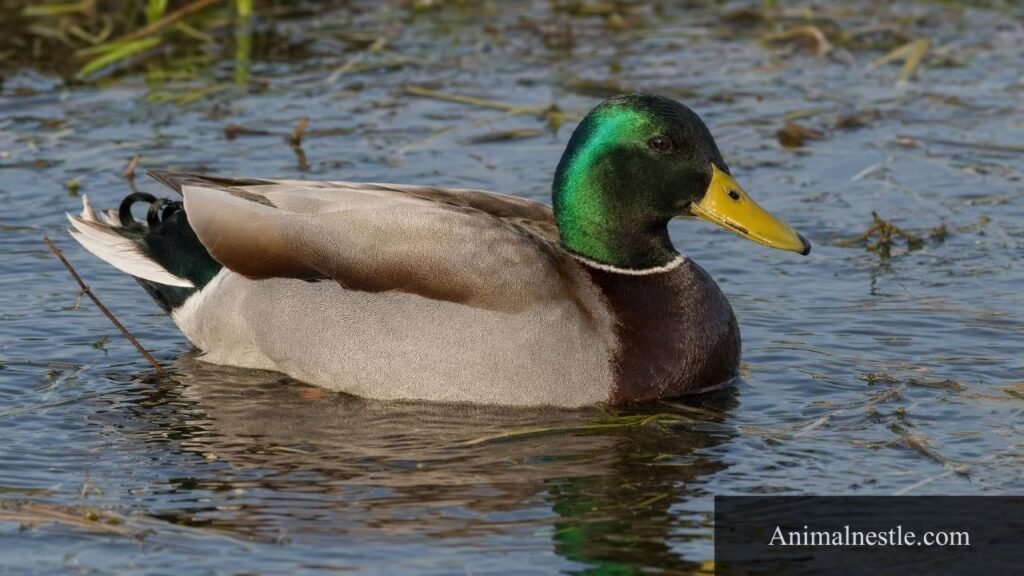
Duck communication is intricate and nuanced. Beyond the familiar quack, ducks utilize a range of vocalizations, body movements, and even elaborate mating displays to convey emotions and intentions. Socially, ducks exhibit fascinating group dynamics, often forming lifelong bonds with partners and remaining within flocks for safety and social interaction. Their foraging behavior is equally intriguing; ducks possess specialized bills that allow them to filter food from water and mud, making them adept foragers of both plants and small aquatic creatures. Observing these behaviors offers a deeper appreciation for the intelligence and social structure of these seemingly simple birds.
Dobsonfly
Scientific Name: Corydalinae
Class: Insecta
Diet: Carnivore
The Dobsonfly, a striking insect belonging to the family Corydalidae, boasts a unique blend of beauty and intimidation. With their elongated bodies and impressive wingspans, Dobsonflies can span up to five inches, making them one of the largest insects in North America. Their vivid, membranous wings can display daunting patterns, which serve as both a warning to predators and a stunning spectacle for nature enthusiasts. Interestingly, it’s the males that possess formidable, curved mandibles that can appear threatening but are primarily used for mating displays rather than defense.
What sets Dobsonflies apart is not just their impressive appearance but their fascinating life cycle. The larvae, known as hellgrammites, dwell in freshwater environments and play a vital role in aquatic ecosystems as both predator and prey. These larvae can breathe underwater and are equipped with a unique set of adaptations that allow them to thrive in various aquatic conditions. As they metamorphose into adults, they emerge from their aquatic habitats, undergo a remarkable transformation, and become integral in terrestrial food webs, often serving as a food source for birds and other predators. This dual life cycle reflects an intriguing balance within ecosystems, highlighting how interconnected both aquatic and terrestrial environments truly are.
Downy Woodpecker
Scientific Name: Dryobates pubescens
Class: Aves
Diet: Omnivore
The Downy Woodpecker, one of North America’s smallest woodpeckers, is not just a master of drumming but also a fascinating behaviorist. Known for its striking black-and-white plumage, this agile bird displays an extraordinary adaptability to various habitats, from dense forests to backyard feeders. Unlike its larger cousin, the Hairy Woodpecker, the Downy’s smaller size and shorter bill give it a unique advantage in foraging for insects and larvae hidden beneath bark and leaves.
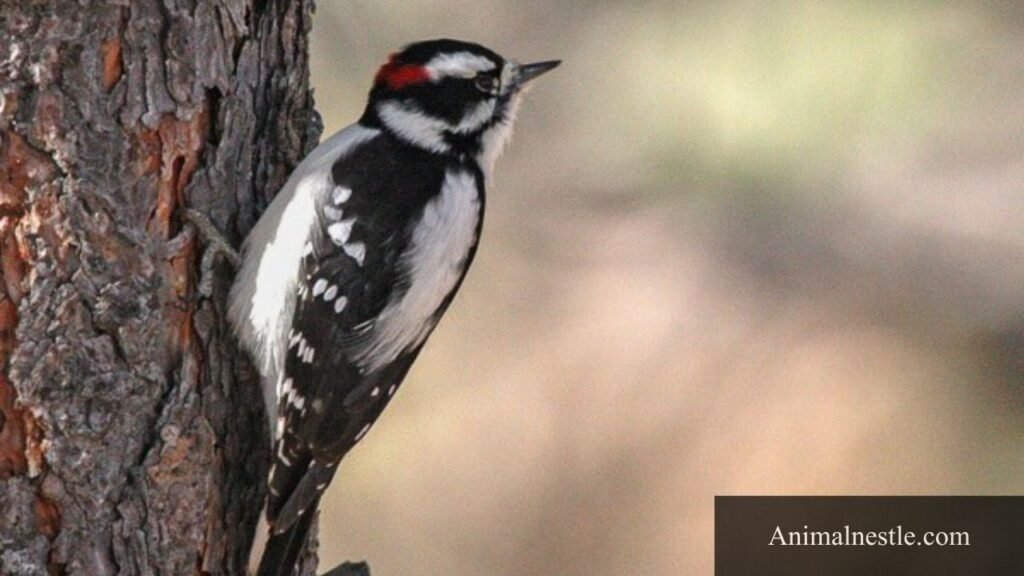
What truly sets the Downy Woodpecker apart is its intricate relationship with the ecosystem. These birds play a crucial role in pest control, helping to regulate insect populations. Their distinctive method of tapping creates a rhythmic symphony echoing through the woods, but they also engage in softer calls that serve as methods of communication with their mates. Observing a Downy gracefully cling to a tree trunk, it becomes evident that its persistent nature and keen intelligence make it a remarkable example of evolution in action.
Dung Beetle
Scientific Name: Scarabaeidae
Class: Insecta
Diet: Detritivore
Dung beetles are nature’s unsung heroes, playing a pivotal role in nutrient recycling and soil health. These industrious insects consume and bury animal waste, which not only cleans up the environment but also enriches the soil with essential nutrients. Remarkably, they can roll up to 50 times their body weight in dung, showcasing both their strength and determination. The act of burying dung also aerates the soil, promoting plant growth and benefitting entire ecosystems.
In addition to their ecological contributions, dung beetles exhibit astonishing navigational skills. Some species use the Milky Way to guide their path at night, a rare trait that underscores their sophistication. Their relationships with other organisms are equally intriguing — certain birds and mammals rely on dung beetles to break down waste, creating a symbiotic bond that enhances biodiversity. Each little beetle encapsulates a story of survival and ingenuity, reminding us of the intricate connections that sustain life on Earth.
Dwarf Crocodile
Scientific Name: Osteolaemus tetraspis
Class: Reptilia
Diet: Carnivore
The Dwarf Crocodile is a diminutive marvel of the reptilian world, measuring only about 4 to 6.5 feet in length. Found in the humid forests and swamps of West Africa, this species thrives in places where larger crocodiles would struggle, showcasing its adaptability. Unlike its more fearsome relatives, the Dwarf Crocodile boasts a unique, dark, and often mottled skin, providing excellent camouflage among the shadows of its aquatic habitat.
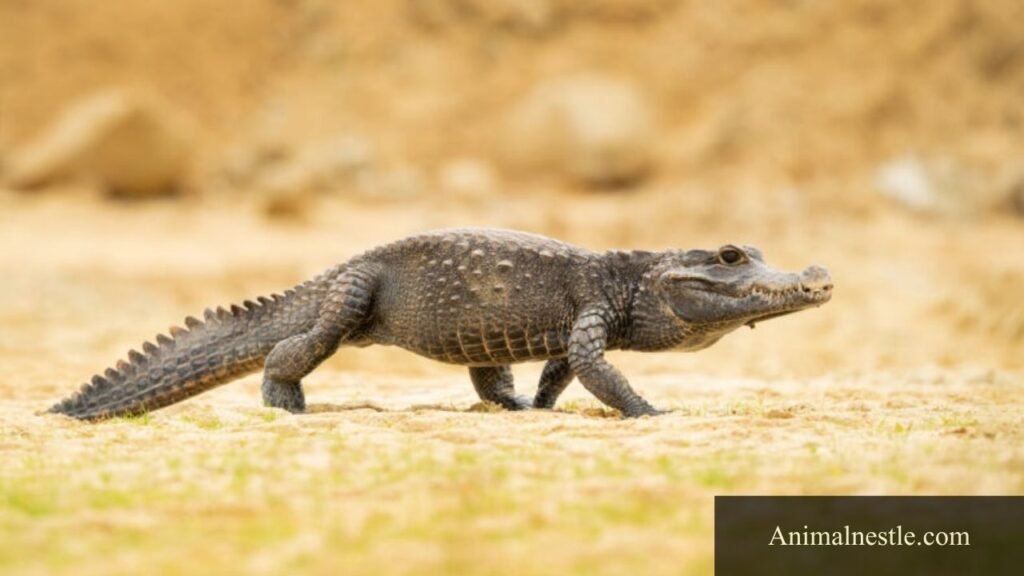
What sets the Dwarf Crocodile apart is not just its size but its intriguing behavioral traits. These creatures are primarily nocturnal, hunting at night for small fish, amphibians, and invertebrates, which gives them a distinct hunting edge. Their social structure is also fascinating; they often engage in low-key displays of dominance or courtship through subtle body language and vocalizations rather than aggressive posturing. As they bask in the sun or slide silently into the water, they remind us that even the smallest reptiles can play significant roles in their ecosystems, controlling prey populations and maintaining the health of their freshwater habitats.
Readmore: Explore Top 23 Animals That Start With E.
Final Thoughts
The diverse array of animals that begin with the letter ‘D’ showcases the incredible variety of life on our planet. From the majestic dolphin gliding through the ocean to the intriguing dragonfly darting through the air, each creature plays a unique role in its ecosystem. These fascinating animals not only capture our imagination but also remind us of the importance of biodiversity. By learning about these species, we can foster a deeper appreciation for wildlife and its conservation.
FAQs
What sea animals start with D?
Several fascinating sea animals start with the letter “D.” One notable example is the dolphin, known for its intelligence and playful nature. Dolphins are often seen riding the waves and are social creatures that live in pods. Another intriguing example is the deep-sea fish like the dogfish, a type of shark. Dogfish are known for their slender bodies and sharp teeth. They inhabit various ocean depths and play a role in the marine ecosystem.
What desert animal starts with D?
One desert animal that starts with “D” is the Desert Tortoise. These reptiles are well-adapted to arid environments, capable of surviving long periods without water. They burrow into the ground to escape the heat and can be found in the Mojave and Sonoran deserts. Another desert-dweller is the Dromedary Camel. Known for its single hump, this camel is a vital resource for people in desert regions, providing transportation and milk.