Top 17 Animals That Have Manes (With Pictures)
In this article, “Animals That Have Manes,” we will explore the fascinating world of these unique creatures, highlighting their impressive manes and the roles they play in their lives. Understanding these animals helps us appreciate the diversity of nature and the adaptations that make them special. By the end, you’ll discover intriguing facts that may even challenge your perception of what a mane truly represents in the animal kingdom.
List of Animals That Have Manes
Here is the list of animals with manes in the world:
- Wildebeest
- Lion
- Sable Antelope
- Bison
- Golden Lion Tamarin
- Gelada Baboon
- Yak
- Zebra
- Maned Sloth
- Horse
- Hyena
- Lion-tailed Macaque
- Bactrian Camel
- Giraffe
- Maned Wolf
- Maned Duck
- Barbary Sheep
Wildebeest
Scientific Name: Connochaetes taurinus
Class: Mammalia
Diet: Herbivore
Wildebeests, often dubbed the “gnu,” are fascinating creatures not just for their impressive migrations but also for their distinctive manes. While one might expect a mane to signify strength or dominance, in wildebeests, it serves multifaceted purposes. The shaggy mane, resembling a wild mane of hair, acts as a visual marker for identifying individuals within the herd, enhancing social cohesion and communication. This feature reflects a blend of function and form, allowing them to stand out amidst the vast African landscapes where they roam.
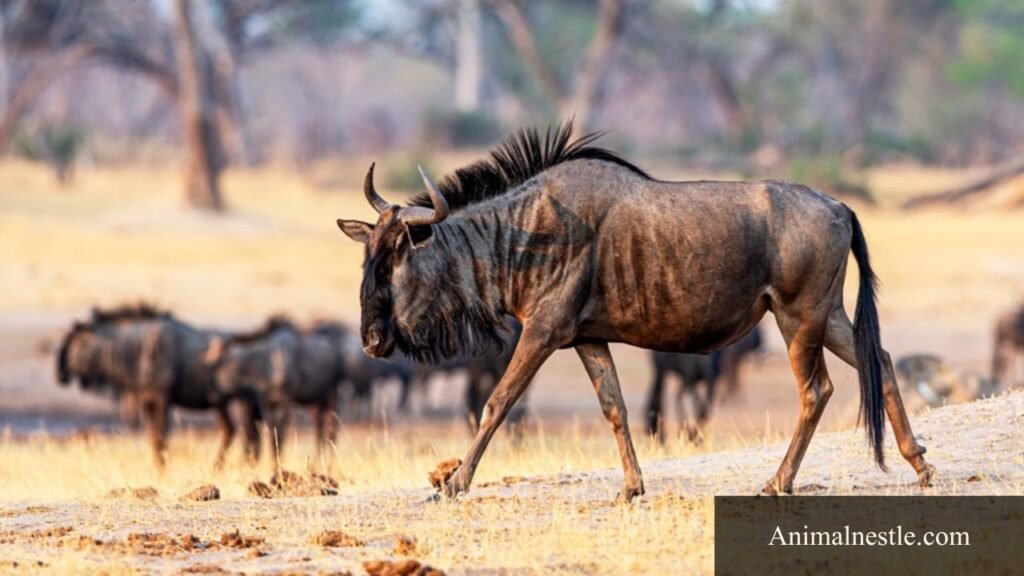
These manes play a practical role in thermoregulation. The tufts of hair can help dissipate heat during the sweltering days on the savanna. As they graze and navigate their extensive migratory paths, the mane becomes a critical adaptation, helping them cope with the challenges of their environment. Observing wildebeests in their natural habitat, one can appreciate how even seemingly simple traits like a mane contribute to the complex tapestry of survival, social interaction, and adaptation in the wild. Such insights remind us that nature, in its boundless ingenuity, crafts features that go beyond mere aesthetics, weaving functionality into the very fabric of an animal’s existence.
Lion
Scientific Name: Panthera leo
Class: Mammalia
Diet: Carnivore
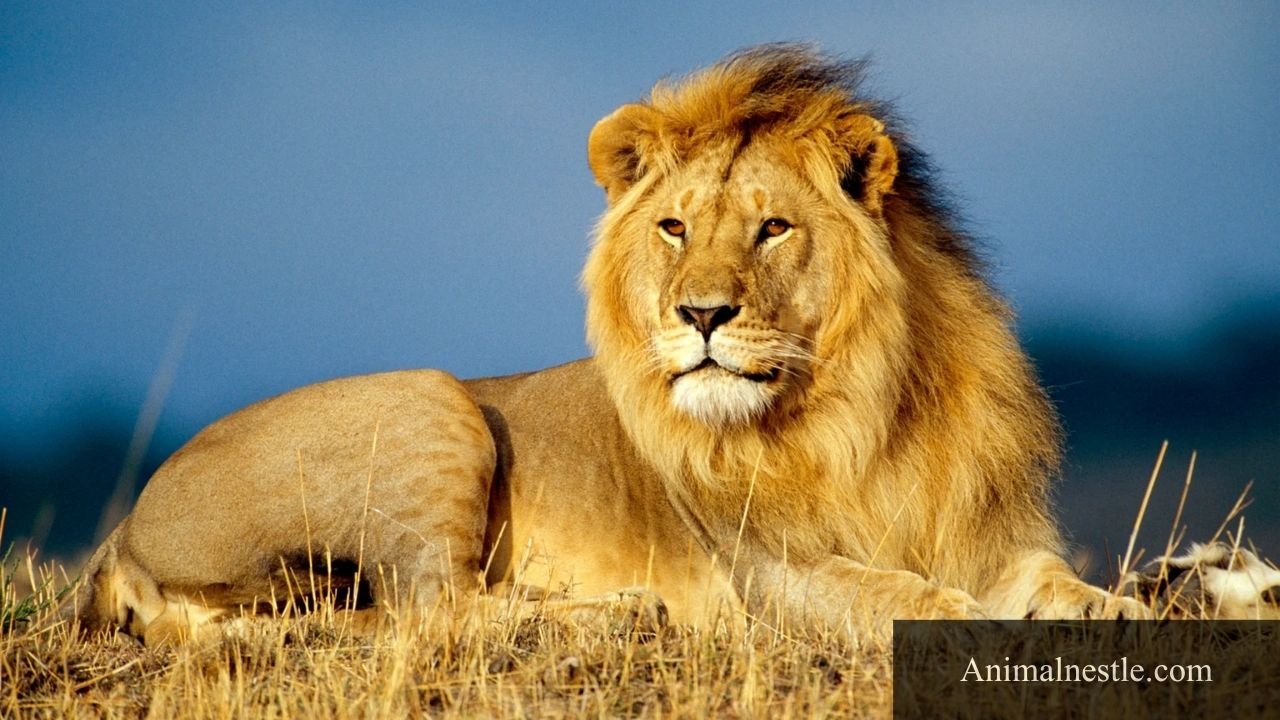
The lion’s mane is not just a stunning display of fur; it’s a sign of health, age, and genetic prowess. The richness of a lion’s mane can dramatically influence social dynamics within a pride. Dark, full manes often indicate a lion’s maturity and virility, attracting females while also serving as a deterrent to rival males. Interestingly, environmental factors like climate and habitat can affect mane growth; for instance, lions in cooler, wooded areas tend to boast thicker, darker manes compared to their savanna counterparts.
The mane plays a crucial role in the lion’s survival. It provides protection during fights, acting as a shield for sensitive areas like the throat. Furthermore, researchers are uncovering fascinating truths about how manes can signal a lion’s fitness to potential mates. Studies show that females preferentially select mates with more prominent manes, believing they possess superior genes, thus perpetuating the traits that define this majestic species. In this way, the lion’s mane is both a symbol of strength and an evolutionary tool, intricately intertwined with the lion’s identity and societal standing within the animal kingdom.
Sable Antelope
Scientific Name: Hippotragus niger
Class: Mammalia
Diet: Herbivore
The sable antelope, with its striking, dark coat and impressive horns, is a creature that commands attention in the African savanna. The males, adorned with a luxurious mane that sweeps back from their foreheads, not only exhibit beauty but also serve a vital purpose in their social dynamics. This mane enhances their presence, signaling dominance and health to potential rivals and mates.
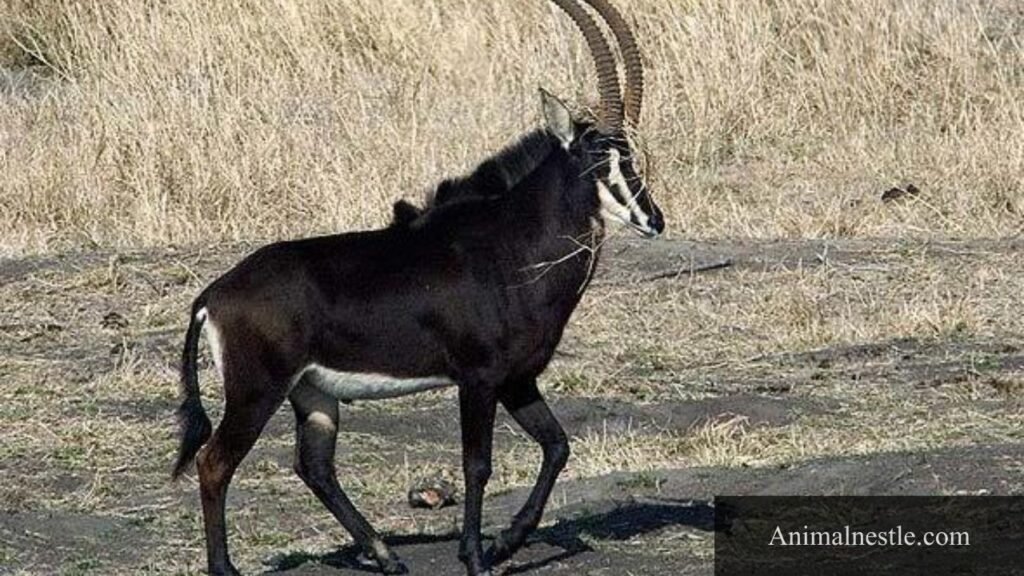
What sets the sable antelope apart from other species is its remarkable adaptability. While they thrive in grasslands, they also navigate dense bush thanks to their sharp senses and agility. This adaptability has allowed them to maintain stable populations despite habitat pressures. Their majestic presence, along with their ability to blend elegance and strength, embodies the spirit of the wild — a reminder of nature’s artistry in creating forms that are both functional and breathtaking.
Readmore: Explore Top 11 Animals That Eat Their Young.
Bison
Scientific Name: Bison bison
Class: Mammalia
Diet: Herbivore
Bison, often celebrated for their imposing size and strength, possess a wild beauty enhanced by their incredible manes. The thick, shaggy fur around their heads not only serves a practical purpose in protecting them from harsh weather conditions but also adds a dramatic flair to their robust profile. This mane is particularly pronounced in males, creating a striking contrast with their powerful shoulders as they move gracefully across the plains.
What’s fascinating is how this mane plays a role in social dynamics. During mating season, the bison’s mane becomes a visual display of vitality and health, giving potential mates a glimpse of genetic fitness. The mane can signify an individual’s age and battle experience, as older bison tend to have more developed fur, showcasing the scars and stories of their rugged life on the rugged terrain. Watching a bison in the wild, manes flowing in the breeze, invites a deeper appreciation for these majestic creatures and their place in maintaining the balance of their ecosystems.
Golden Lion Tamarin
Scientific Name: Leontopithecus rosalia
Class: Mammalia
Diet: Omnivore
The Golden Lion Tamarin, a small primate native to the Atlantic coastal forests of Brazil, captivates with its vibrant orange-gold mane, resembling a regal crown. This striking fur not only serves as a distinctive identifier but also plays a crucial role in social interactions within its tight-knit family groups. When the sunlight catches its mane just right, it creates a shimmering halo that seems almost otherworldly, drawing observers to appreciate the beauty and complexity of this endangered species.
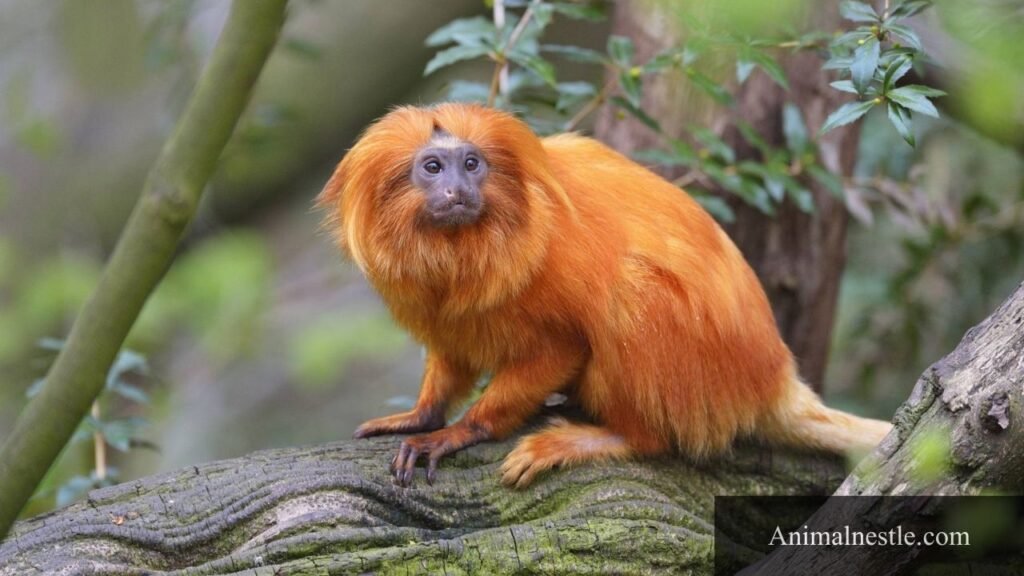
Golden Lion Tamarins are remarkable for their ecology and behavior. These social creatures live in family units of up to 12 individuals, where they engage in cooperative breeding, taking turns caring for the young. Their vocalizations, ranging from sharp calls to chattering, facilitate communication within the dense canopies they inhabit, enabling them to navigate their environment and maintain social bonds despite the challenges posed by habitat loss. By embracing the majestic presence of the Golden Lion Tamarin, we not only celebrate its splendor but also highlight the urgent need for conservation efforts to preserve the rich biodiversity of its dwindling rainforest home.
Gelada Baboon
Scientific Name: Theropithecus gelada
Class: Mammalia
Diet: Herbivore
The Gelada baboon, often referred to as the “braided monkey,” boasts a striking mane that sets it apart in the animal kingdom. This unique feature isn’t merely for show; it plays a significant role in social dynamics within their large troops. The male Geladas flaunt a thick, shaggy mane that not only enhances their physical presence but also signifies health and genetic fitness. This natural adornment can convey vital information about an individual’s status, attracting mates and signaling dominance without a single vocalization.
Beyond their impressive appearances, Geladas are fascinating for their complex social structures. They live in multi-level societies, where the mane symbolizes not just masculinity but also the bonds of kinship and cooperation. In their rocky, high-altitude habitats of Ethiopia, these animals exhibit remarkable adaptability, often foraging for grass and seeds while navigating steep terrains. Observing their behaviors provides a captivating glimpse into how physical traits and intricate social systems coalesce in the wild, turning the Gelada into a living testament to evolution’s artistry.
Yak
Scientific Name: Bos mutus
Class: Mammalia
Diet: Herbivore
The yak, a majestic creature of the high Himalayas, boasts a dense, flowing mane that not only enhances its beauty but serves practical purposes. These shaggy beasts are perfectly adapted to their cold, mountainous habitats. Their manes act as a natural insulation, protecting them against biting winds and freezing temperatures. This protective layer also plays a crucial role in sustaining their health, as it helps fend off moisture and keeps their skin dry.
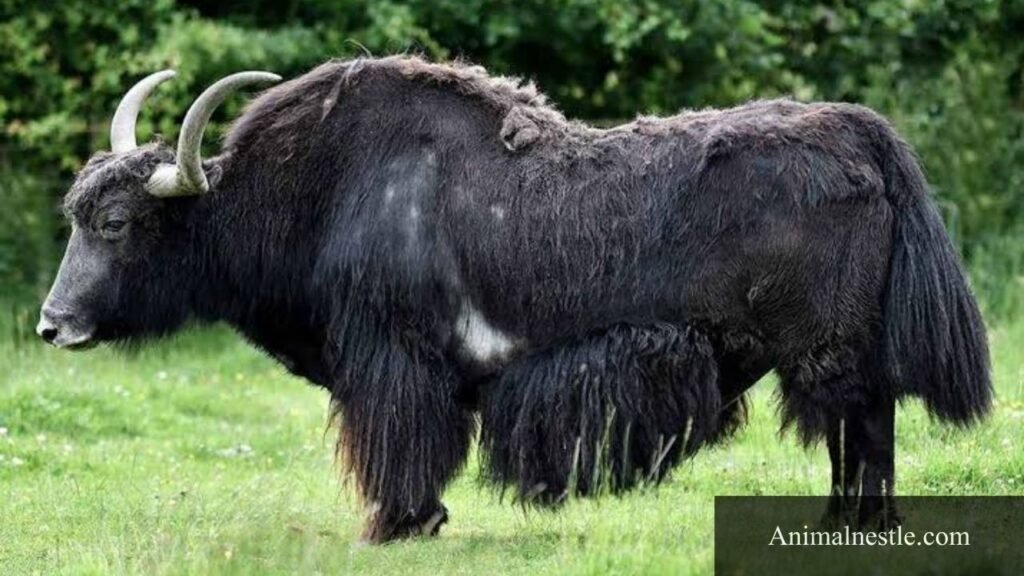
Moreover, yaks hold a special place in their ecosystems and in the cultures of the people who rely on them. Their grazing patterns help maintain the delicate balance of alpine meadows, and their manure is a vital resource for fertilizing crops.
Zebra
Scientific Name: Equus quagga
Class: Mammalia
Diet: Herbivore
Zebras, often recognized for their striking black-and-white stripes, sport unique manes that add to their charismatic appearance. These manes, which stand upright and are short, serve a practical purpose beyond mere aesthetics. When faced with predators, a zebra’s mane can enhance its visual confusion, making it harder for a predator to single out one zebra from the herd. This collective defense mechanism combined with their agility helps them evade danger in the wild.
The mane of a zebra plays a role in social interactions among the tightly-knit herds. It can convey health and vitality, signaling to potential mates and rivals alike. The mane’s flexibility — changing with the angle of light — creates mesmerizing patterns that reflect the sun, reminiscent of a flickering flame. This dynamic characteristic ties into the zebra’s identity, deepening their connection to their environment and to each other, creating a stunning tapestry of movement and communication that is both functional and beautiful.
Maned Sloth
Scientific Name: Bradypus torquatus
Class: Mammalia
Diet: Herbivore
The maned sloth, a unique inhabitant of Central and South American forests, often captures attention for its striking mane, which sets it apart in the animal kingdom. This unusual feature, made up of long, coarse hair running along its back, serves a dual purpose: it not only enhances its distinctive appearance but also provides camouflage among the treetops. This adaptation allows the maned sloth to blend seamlessly into its leafy environment, making it a master of stealth in a world filled with vibrant predators.
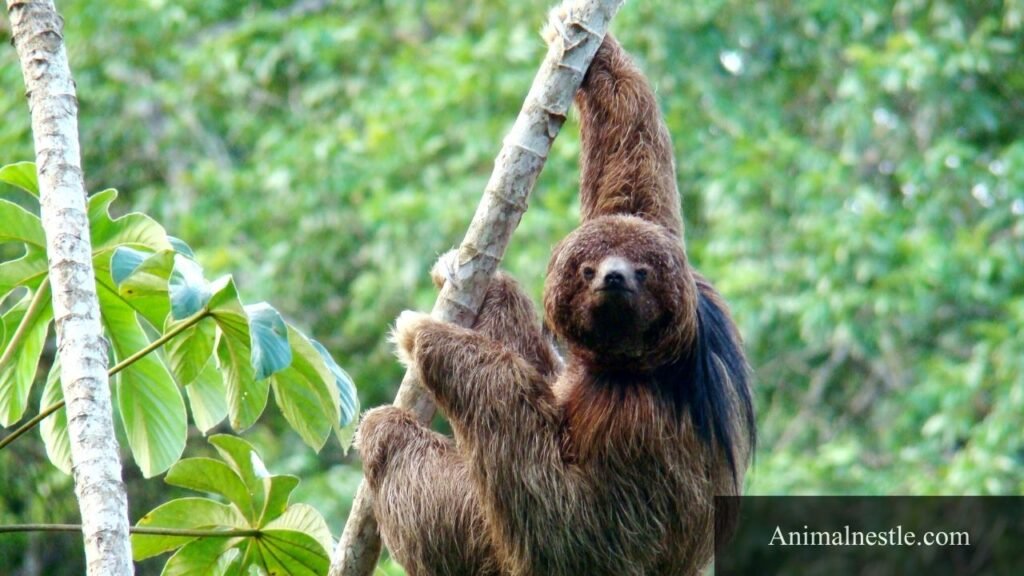
The mane is thought to play a role in social interactions as well. Male maned sloths often exhibit more pronounced mane development, potentially indicating dominance or health, which can influence mating opportunities. While they may appear solitary creatures, the intricate dynamics of their interactions hint at a rich social life that goes unnoticed by most observers. By understanding the maned sloth’s unique traits, we gain deeper insights into how even the slowest of creatures navigate the complexities of survival and reproduction in their lush habitats.
Horse
Scientific Name: Equus caballus
Class: Mammalia
Diet: Herbivore
Horses, often celebrated for their grace and strength, possess manes that serve more than just aesthetic purposes. These flowing cascades of hair act as a natural form of protection, shielding their necks from insects and harsh environmental conditions. Imagine a wild stallion galloping across the plains, its mane billowing in the wind — a visual reminder of freedom and vitality, evoking a sense of untamed spirit deeply rooted in equine evolution.
Beyond their practical benefits, manes play a pivotal role in social interactions among horses. The thickness, length, and grooming of a mane can signal health, vitality, and vitality to potential mates or rivals. In the realm of competitive sports, horse care routines often include intricate braiding or styling of the mane, a testimony to the bond between horse and rider and the artistry of equestrian culture. As we delve into the world of horses, it becomes evident that these manes are not merely hair; they are a narrative of strength, beauty, and identity, weaving together the stories of both horse and human across generations.
Hyena
Scientific Name: Crocuta crocuta
Class: Mammalia
Diet: Carnivore
Hyenas boast a unique adaptation that mirrors the iconic mane of better-known predators. The thick ridge of hair along their backs serves a dual purpose: it not only provides insulation but also amplifies their imposing presence, particularly during confrontations. When threatened, a hyena can raise these bristles, making it appear larger and fiercer, an evolutionary trait that reinforces their reputation as tenacious scavengers and formidable hunters.
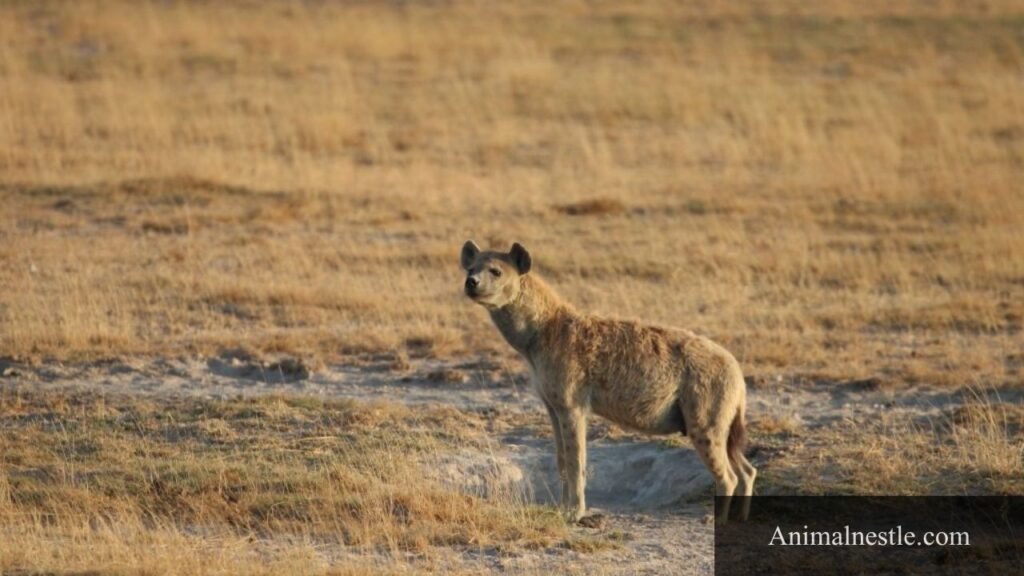
The spotted hyena is more than just its mane; it possesses a complex social structure and advanced communication skills that rival those of primates. These animals frequently engage in social grooming, reinforcing bonds within their matriarchal clans, which are primarily led by females. This social intelligence enhances their foraging success and allows them to outcompete larger carnivores, illuminating the critical role these animals play in their ecosystems. By embracing both their mane and their impressive intellect, hyenas reveal the multifaceted nature of survival in the wild.
Lion-tailed Macaque
Scientific Name: Macaca silenus
Class: Mammalia
Diet: Omnivore
The lion-tailed macaque, a stunning primate native to the lush forests of India, showcases an unmistakable mane that adds to its majestic appearance. Unlike traditional manes associated with lions, these thick, silvery-gray fringes frame the face of the macaque, enhancing its expressive features. This unique adaptation not only serves a communicative purpose but also contributes to its social hierarchy within the troop. The striking contrast between its dark body and silvery mane creates a captivating image, inviting observers to appreciate its elegance and character.
Beyond their aesthetic appeal, lion-tailed macaques play a vital role in their ecosystem. Their foraging behaviors promote seed dispersal, helping to maintain the health of the forest they inhabit. Yet, these fascinating creatures are facing critical threats from habitat destruction and human encroachment. Understanding their ecological significance fosters a deeper appreciation for their preservation, highlighting the interconnectedness of species within their delicate environment. Observing the lion-tailed macaque serves as a reminder of the wonders of biodiversity and the urgent need to protect these remarkable animals.
Bactrian Camel
Scientific Name: Camelus bactrianus
Class: Mammalia
Diet: Herbivore
The Bactrian camel, with its distinctive two humps, is a captivating creature in its own right. What truly sets the Bactrian camel apart is its impressive mane, which serves not only as a striking visual feature but also as a hallmark of its adaptation to harsh environments. This long, shaggy hair insulates the animal against extreme temperatures, from the bitter cold of the Gobi Desert winters to the sweltering summer heat.
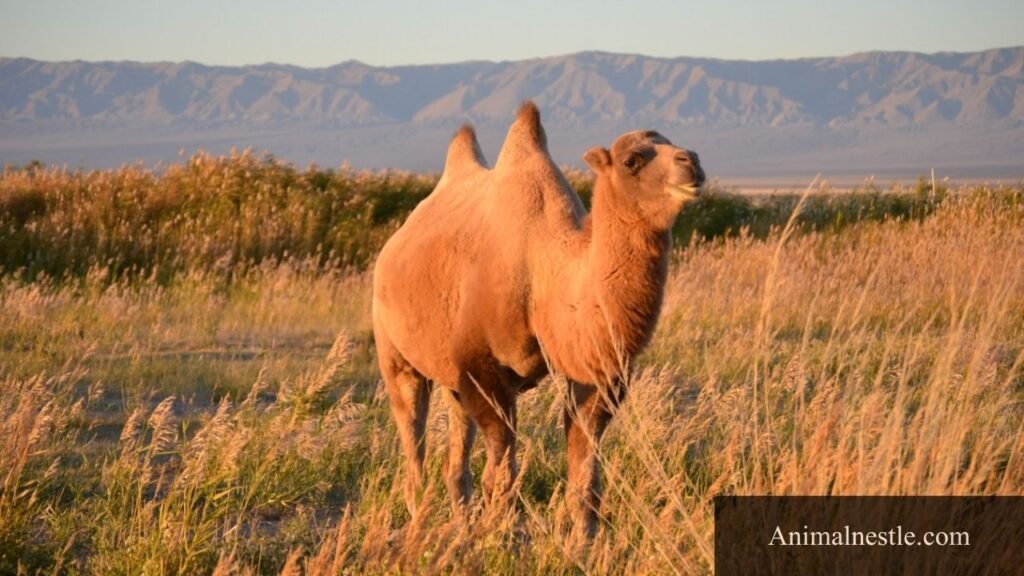
More than a mere physical trait, the mane also plays a role in social dynamics among these camels. It’s a sign of health and virility, with well-groomed manes often indicating that an animal is in good condition, thus making it more appealing for potential mates. The mane can serve as a protective feature during fights for dominance within herds, acting as a buffer against bites and scratches. Understanding these aspects of the Bactrian camel not only highlights its unique adaptations but also invites a deeper appreciation for how animal characteristics evolve to enhance survival and social structure in the wild.
Giraffe
Scientific Name: Giraffa camelopardalis
Class: Mammalia
Diet: Herbivore
The giraffe, known for its towering height and unique appearance, boasts a mane that is as distinctive as the creature itself. This tuft of coarse, upright hair runs along the back of its neck and serves not only an aesthetic purpose but also plays a significant role in social interactions. During the mating season, male giraffes often engage in a ritual known as “necking,” where they swing their necks and use their heads to strike one another. The mane enhances this impressive display, providing visual grandeur and signaling strength, a vital factor in attracting mates.
The giraffe’s mane also highlights the adaptability of this remarkable species. While primarily a herbivore, feeding on leaves high in trees, the mane offers some protection against predators. It acts as a physical barrier against insects and harsh environmental conditions, helping to shield the skin from the sun and potential irritation. As you observe these gentle giants roaming the African savannas, the mane becomes a symbol of resilience — a reminder of how even the most unconventional attributes serve essential survival functions in the wild.
Maned Wolf
Scientific Name: Chrysocyon brachyurus
Class: Mammalia
Diet: Omnivore
The maned wolf, a striking species native to South America, stands out not only for its impressive stature but also for its unique mane, which can be especially pronounced during displays of aggression or courtship. This tall, slender canine, often mistaken for a fox due to its long legs and distinctive coloration, carries an air of elegance and mystery. Unlike traditional wolves, maned wolves are more solitary and have a curious herbivorous inclination, making them an anomaly among their carnivorous relatives. They primarily feed on fruits, with the wolf apple being a favorite, showcasing their adaptability in a fluctuating ecosystem.
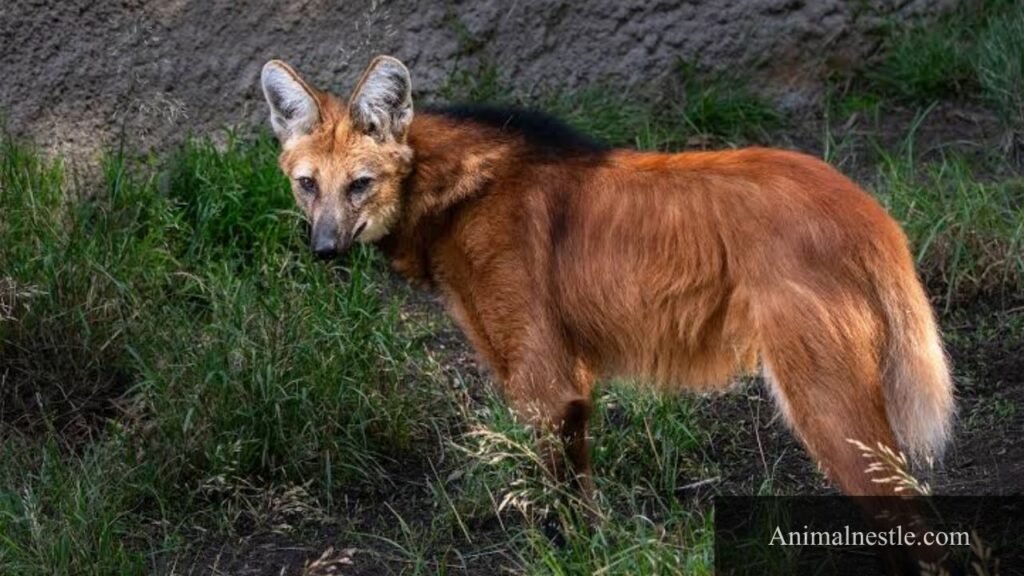
Their vocalizations, a mix of howls, growls, and a peculiar “roar-bark,” contribute to their enigmatic presence in the wild, allowing them to communicate over long distances across their sprawling grasslands and savannas. Interestingly, the maned wolf’s mane serves as both a defense mechanism and a form of communication; it erects its fur to appear larger when threatened. As human encroachment continues to impact their habitat, understanding the maned wolf’s role in its ecosystem becomes even more crucial. By conserving their environments, we not only protect this unique creature but also the delicate balance of the ecosystems they inhabit.
Maned Duck
Scientific Name: Chenonetta jubata
Class: Aves
Diet: Herbivore
The Maned Duck, often overshadowed by its more flamboyant avian cousins, is unique in the animal kingdom with its distinctive mane-like feathers. Found primarily in Australia and New Zealand, this duck showcases a striking blend of colors — deep greens, rich browns, and crisp whites — that create an almost artistic display when seen gliding across calm waters. The mane itself, which is more prominent in males, serves not only as a captivating feature but also plays a role in courtship rituals, making these ducks a living canvas of natural selection.
Maned Ducks exhibit fascinating behaviors that make them particularly intriguing. Known for their ability to both swim elegantly and take to the skies with surprising agility, these ducks are true versatile flyers. Their thick, webbed feet enable them to navigate quickly through water, while their powerful wings allow for impressive aerial displays. Interestingly, their social structures are quite complex; they often form bonds in pairs but are also seen engaging in larger groups, showcasing a communal nature that enhances their survival strategies in the wild. Observing their interactions reveals a remarkable layer of social intelligence that warrants further exploration in avian studies.
Barbary Sheep
Scientific Name: Ammotragus lervia
Class: Mammalia
Diet: Herbivore
Barbary sheep, often overshadowed by their more glamorous counterparts, possess a rugged elegance that is hard to overlook. These majestic creatures, native to the rocky mountains of North Africa, sport impressive mane-like tufts that cascade down the sides of their necks, giving them an air of regality. This mane not only serves as a display of dominance among males but also acts as protection, as it can absorb blows during fights with rivals.
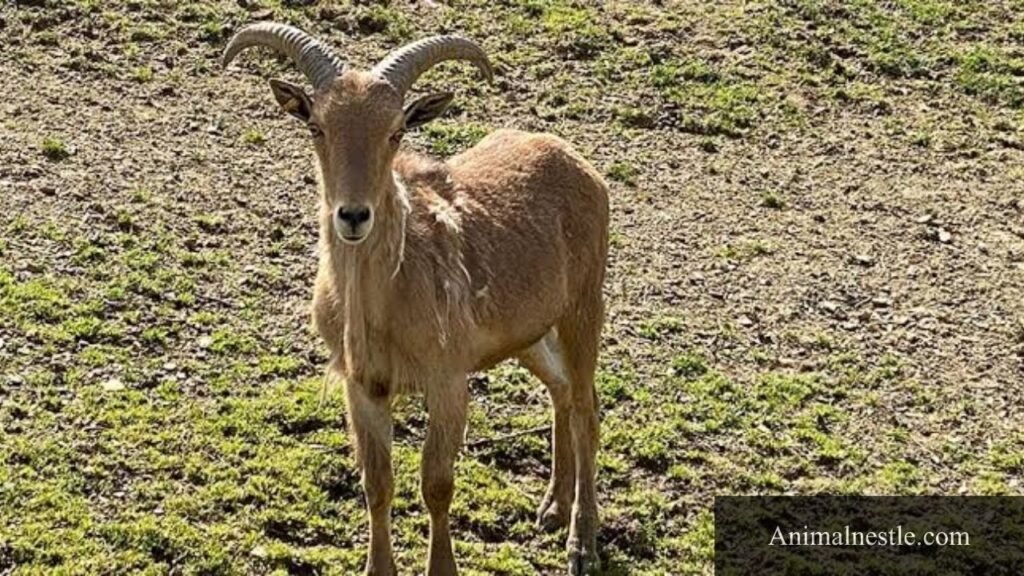
Observing a Barbary sheep in its natural habitat reveals a fascinating social structure. These animals are known for their strong group dynamics, often living in small herds that exhibit cooperative behaviors. Their manes play a crucial role in social interactions, emphasizing the hierarchy within the group. A closer look at these herds reveals how the males flaunt their impressive manes to gain favor among females, highlighting a unique form of evolutionary adaptation where physical traits are closely linked to reproductive success.
Interestingly, the Barbary sheep’s resilience in harsh environments speaks to their adaptability. Their mane isn’t just for show; it provides insulation against the cold mountain air and camouflage against rocky terrains. This blend of beauty and functionality underscores the complexity of their evolution, inviting us to appreciate how every feature, including the mane, contributes to their survival in such a demanding ecosystem.
Readmore: Explore Top 6 Animals With Tusks.
Final Thoughts
Animals with manes, such as lions, horses, and certain primates, not only captivate our attention with their majestic appearance but also play significant roles in their ecosystems. The mane serves various purposes, from attracting mates to providing protection in combat. By understanding the functions and adaptations of these animals, we gain deeper insight into their behaviors and social structures. Preserving their habitats is crucial for ensuring these magnificent creatures thrive in the wild. Let us commit to protecting these unique species so that future generations can appreciate their splendor.
FAQs
What animals have manes?
Several animals sport manes, the most notable being lions. The majestic male lion’s mane is a striking feature that serves both to attract mates and to signal his strength to rivals. Horses also have manes, varying in length and thickness depending on the breed. These manes can play a role in communication and signaling among horses.
Do giraffes have manes?
Giraffes don’t have manes. Instead, they have a tuft of short hair along the top of their necks called “ossicones.” These are bony structures covered in skin and fur that give giraffes their unique look.