Top 33 Animals That Start With F (With Pictures)
From the majestic falcon soaring across the skies to the playful ferret darting through your home, animals that start with F are as diverse as they are captivating. In this article, we will explore various members of this unique group, uncover interesting facts about their habitats, behaviors, and importance in their ecosystems. Whether you’re an animal lover or simply curious, you’ll discover why these “F” animals deserve a spotlight.
List of Animals That Start With F
Below is the list of animals that start with F:
- Falcon
- Fire Eel
- Frilled Shark
- Fox Terrier
- Fancy Mouse
- Fire-Bellied Toad
- Flea
- Freshwater Crocodile
- Fruit Bat
- Flying Lemur
- False Killer Whale
- Ferret
- Flying Squirrel
- Fiddler Crab
- Fossa
- Fritillary Butterfly
- Flycatcher
- Flamingo
- Formosan Mountain Dog
- Flounder
- Fishing Cat
- Fallow Deer
- Freshwater Jellyfish
- Fairy-Wren
- Flathead Catfish
- Firefly
- French Bulldog
- Fennec Fox
- Fur Seal
- Florida Panther
- Fox
- Frog
- Finch
Falcon
Scientific Name: Falco
Class: Aves
Diet: Carnivore
Falcons are remarkable creatures, known for their incredible speed and agility. These birds belong to the family Falconidae and exhibit a unique hunting style that sets them apart from other raptors. With their pointed wings and streamlined bodies, some species, like the peregrine falcon, can reach speeds over 240 miles per hour during a stoop — making them the fastest animals on the planet. This breathtaking velocity not only aids them in securing prey but also showcases the evolutionary adaptations that have positioned them as apex predators in their habitats.
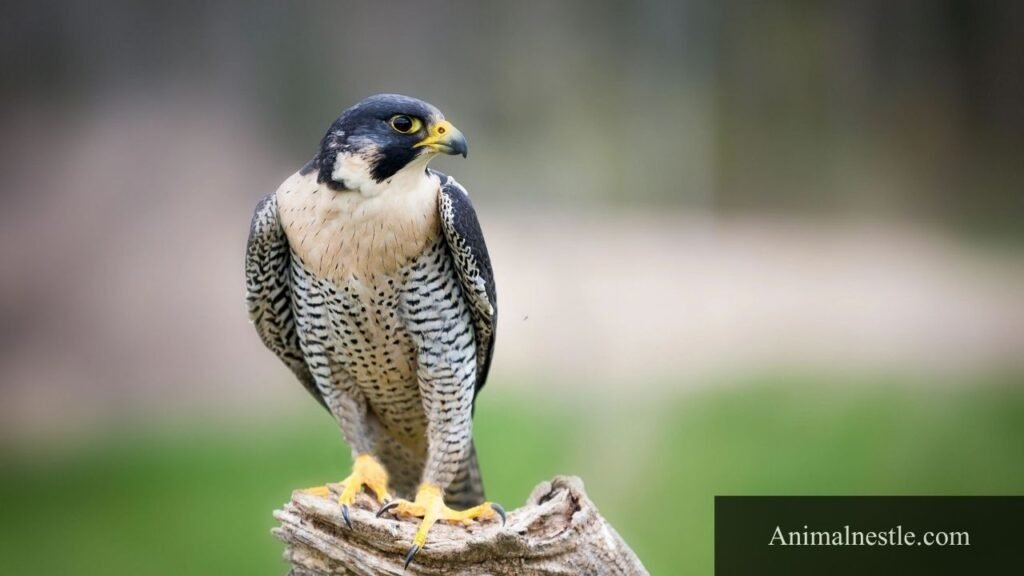
Beyond their athletic prowess, falcons possess keen eyesight, allowing them to spot prey from great distances — a feat that underscores their role as vital players in maintaining ecological balance. Their diverse range includes both urban and rural environments, showcasing their remarkable adaptability. In cities, for instance, peregrine falcons have successfully nested on skyscrapers, demonstrating a fascinating blend of nature and urbanization. This adaptability serves as a testament to their resilience and ability to thrive in changing landscapes, reminding us of the intricate connections between wildlife and human habitation.
Fire Eel
Scientific Name: Mastacembelus erythrotaenia
Class: Actinopterygii
Diet: Carnivore
The Fire Eel is an intriguing freshwater fish native to the rivers of Southeast Asia. Notably, its vibrant colors and elongated body resemble a striking serpent more than a typical eel. Unlike many fish, Fire Eels possess a remarkable ability to breathe air through a specialized swim bladder, allowing them to thrive in oxygen-poor waters — a fascinating adaptation that sets them apart in the aquatic world.
Fire Eels display a curious and interactive personality, often forming bonds with their caretakers. Their nocturnal nature means they’re usually on the move during the night, displaying their stunning hues most vibrantly under the dim glow of a tank light. Interestingly, these eels can reach lengths of up to three feet, requiring spacious habitats to accommodate their needs, which makes them a rewarding challenge for dedicated fish keepers. As these creatures grow, they offer a captivating glimpse into the complexities of freshwater ecosystems, reminding us of the diverse strategies life has evolved in various environments.
Frilled Shark
Scientific Name: Chlamydoselachus anguineus
Class: Chondrichthyes
Diet: Carnivore
Frilled sharks inhabit the deep-sea trenches of the world’s oceans, typically at depths of 200 to 1,200 feet. Their elusive nature makes encounters rare, but their striking appearance is unforgettable. With a long, slender body that can reach up to 6.5 feet, they sport a mouth lined with 300 needle-like teeth, allowing them to grasp slippery prey like squid and fish with ease. Their frilled gills, which resemble a frilly collar, not only give them their name but also showcase their unique adaptation for survival in low-oxygen environments.
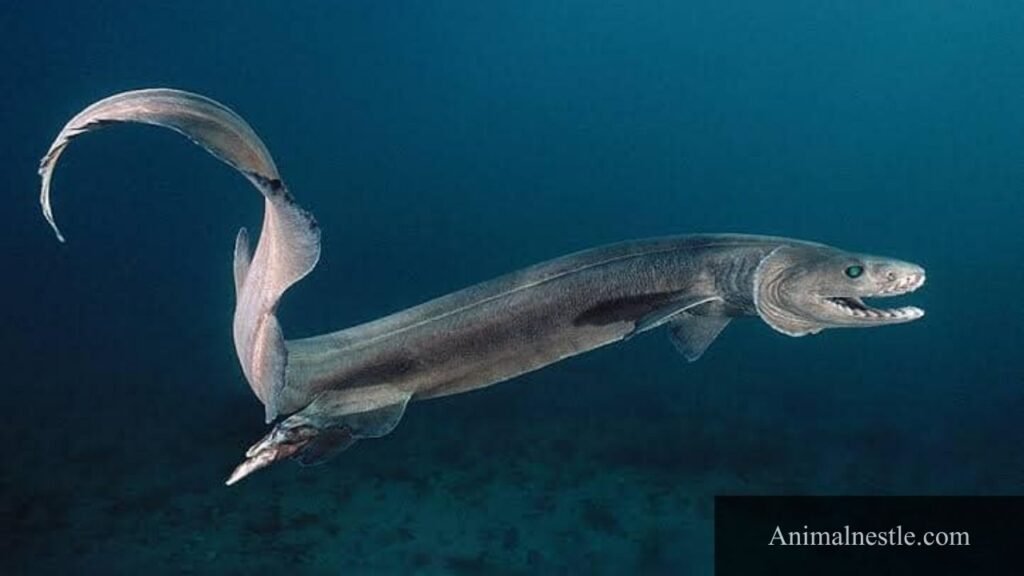
One of the most fascinating aspects of the frilled shark is its reproductive strategy. Unlike most sharks, frilled sharks are ovoviviparous; they carry their eggs internally until they hatch, giving birth to live young. This method allows them to nurture their offspring in the deep, dark depths of the ocean, where predatory threats are minimized. Moreover, the frilled shark’s ancient lineage — as they trace their origins back over 80 million years — provides researchers with insights into the evolutionary adaptations of marine life. Their largely unexplored habitat and unique biology make them a beacon for marine researchers aiming to unravel the mysteries of deep-sea ecosystems.
Readmore: Explore Top 31 Animals That Start With A.
Fox Terrier
Scientific Name: Canis lupus familiaris
Class: Mammalia
Diet: Omnivore
The Fox Terrier, with its energetic spirit and distinctive appearance, is a breed that has captivated dog lovers for generations. Originating in England during the 19th century, these terriers were bred primarily for hunting foxes, showcasing their impressive agility and tenacity. Their wiry coat, often seen in a blend of black, white, or tan, not only protects them from the elements but also adds to their rugged charm, making them easily distinguishable in a crowd.
What sets Fox Terriers apart is their vibrant personality; they are known for their intelligence and playful nature. This breed thrives in active environments, requiring ample physical and mental stimulation. Engaging in agility training or sport can unleash their competitive side, while also strengthening the bond between pet and owner. Interestingly, they maintain a strong instinct for digging and burrowing, a trait inherited from their hunting ancestry, which often leads to some painfully amusing mischief around the garden.
Despite their fearless nature, Fox Terriers are incredibly affectionate and loyal companions. They bond closely with their families, often developing a playful rapport with children, making them ideal family pets. However, their spirited disposition demands consistent training and socialization, ensuring they grow into well-behaved adults. With the right mix of companionship, care, and challenge, a Fox Terrier can bring an endless supply of joy and excitement to your home.
Fancy Mouse
Scientific Name: Mus musculus
Class: Mammalia
Diet: Omnivore
Fancy mice possess a fascinating blend of personality traits and social behaviors that make them intriguing companions. Unlike their wild counterparts, which typically live solitary lives, fancy mice thrive in social settings. They are known for their playful curiosity and can often be found engaging with their environment — from climbing and exploring to snuggling with their cage mates. This social nature means they do best when kept in pairs or small groups, allowing their vibrant personalities to shine.
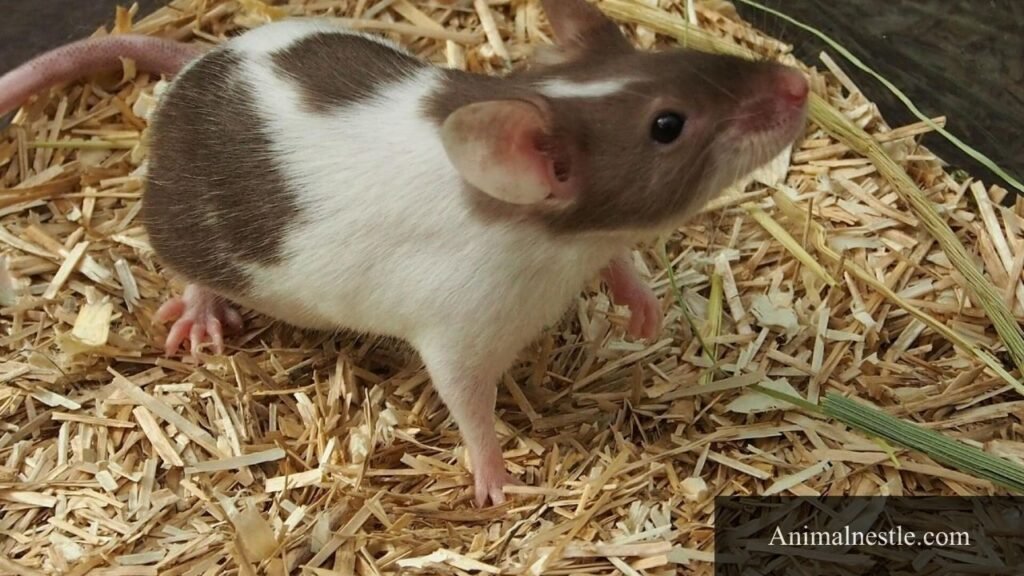
A remarkable aspect of fancy mice is their incredible variety in color and coat patterns. From sleek black and white patches to stunning agouti or even lilac, each mouse brings its own unique flair. This diversity has made them a popular choice among breeders and pet enthusiasts alike, who often focus on developing new traits and colors within the breed. Fancy mice are surprisingly intelligent; they can learn tricks, navigate mazes, and respond to their owners’ voices, creating a bond that goes beyond simple companionship. Their playful antics and varied appearances make them not just a pet but a source of endless delight and fascination for those willing to look beyond the surface.
Fire-Bellied Toad
Scientific Name: Bombina
Class: Amphibia
Diet: Carnivore
The Fire-Bellied Toad, with its striking emerald-green back and vibrant orange or red belly, is a marvel of evolutionary adaptation. Found primarily in the wetlands and forests of East Asia, these toads exhibit an extraordinary defense mechanism known as aposematism. Their bright coloration serves as a warning to potential predators that they carry toxins in their skin — a clever strategy that allows them to thrive in their habitats despite their small size.
Fire-Bellied Toads often engage in fascinating communal behaviors. During the breeding season, males produce a series of melodious calls to attract females, forming a symphony of croaks that echo through their watery environments. Observing these social interactions can reveal the complex dynamics of their mating rituals and territorial claims. Moreover, their remarkable ability to adapt to varying aquatic environments makes them a poignant symbol of ecological resilience, yet they are susceptible to habitat loss and pollution, highlighting the importance of conservation efforts. Protecting these enchanting amphibians may just inspire a deeper connection to the delicate balance of our planet’s ecosystems.
Flea
Scientific Name: Siphonaptera
Class: Insecta
Diet: Carnivore
Fleas possess a fascinating biology that belies their small size. These agile insects can leap up to 200 times their body length, making them one of the most acrobatic creatures in the animal kingdom. This incredible ability is facilitated by a unique protein in their legs that acts like a spring, allowing them to swiftly navigate the fur of their hosts in search of a meal. Interestingly, the flea’s life cycle is equally fascinating; it includes egg, larval, pupal, and adult stages, with the larval phase taking place in the environment rather than on the host, which makes controlling flea populations a complex endeavor.
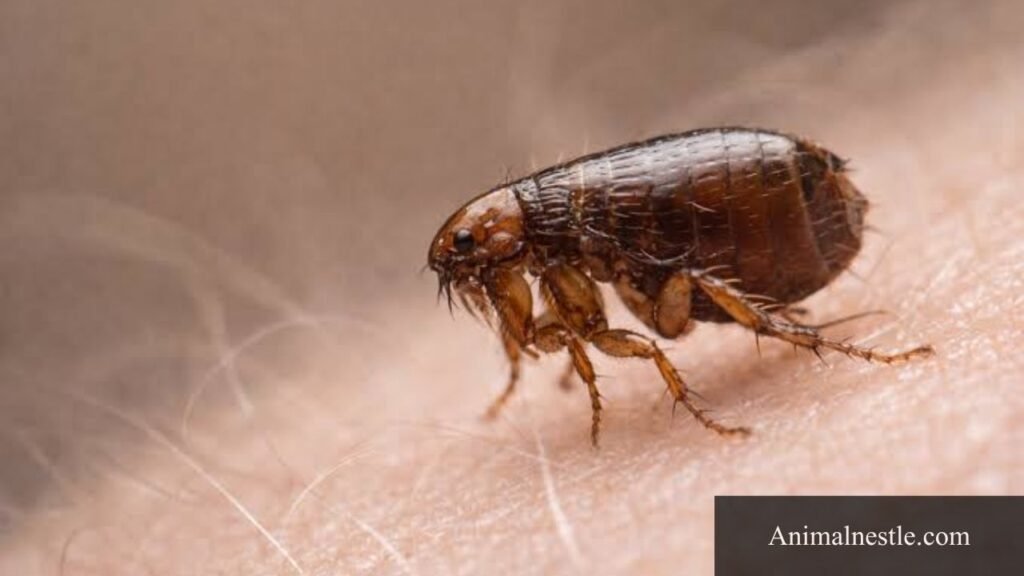
From a broader ecological perspective, fleas play a significant role in their ecosystems. They serve as both host and prey within the food chain, supporting a variety of wildlife. Many birds and mammals rely on fleas as a food source, demonstrating that these tiny pests can have big implications for biodiversity. Moreover, fleas have adapted over millions of years to thrive in various environments, showcasing their resilience and ability to survive despite the relentless efforts of pet owners and pest control specialists to eradicate them. Understanding the complexities of flea ecology not only promotes better pest management but also highlights the intricate dance of life that exists even at the smallest scales.
Freshwater Crocodile
Scientific Name: Crocodylus johnstoni
Class: Reptilia
Diet: Carnivore
Freshwater crocodiles, often found in the waterways of Australia and New Guinea, exhibit a remarkable adaptability that sets them apart from their more famous saltwater cousins. These reptiles thrive in diverse freshwater environments, from river systems to lakes, demonstrating a preference for habitats that provide ample cover and prey. Their diet primarily consists of fish, amphibians, and sometimes small mammals, unveiling a fascinating aspect of their role in the ecosystem as both predator and prey.
One of the most captivating behaviors of freshwater crocodiles is their unique method of hunting. Rather than relying solely on ambush tactics, they display a surprising level of intelligence, employing stealthy swimming techniques to approach unsuspecting prey. The crocodile’s social structure is intriguing; they are known to exhibit complex interactions, especially during the breeding season when males engage in vocalizations and displays to attract females. This level of social engagement hints at a sophisticated communication system, suggesting that there is much more to these reptiles than meets the eye. Observing their interactions adds depth to our understanding of their behavior and the ecological balance they help maintain in their native habitats.
Fruit Bat
Scientific Name: Pteropodidae
Class: Mammalia
Diet: Herbivore
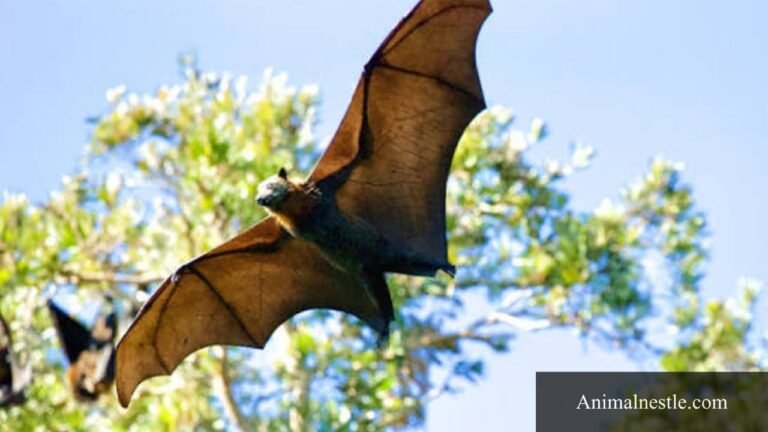
Fruit bats, also known as flying foxes, are fascinating creatures that play a crucial role in their ecosystems. Unlike typical bats that have a reputation for being nocturnal predators of insects, fruit bats primarily feast on nectar, fruits, and flowers. This diet not only sustains them but also makes them vital pollinators and seed dispersers, contributing to the health of tropical and subtropical forests. By spreading seeds over vast distances, they help maintain biodiversity and ensure that various plant species thrive.
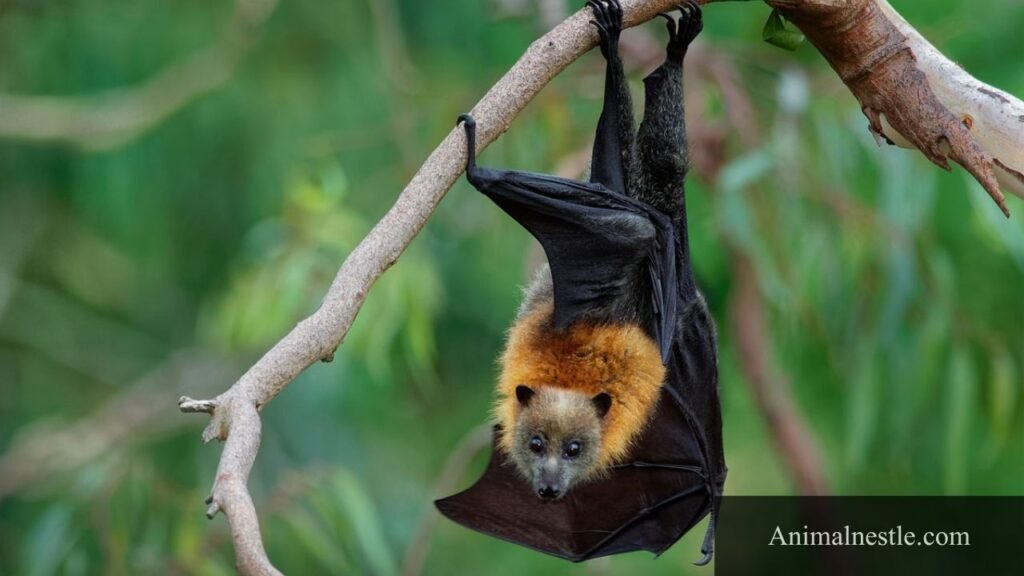
Fruit bats have impressive wingspans, some exceeding six feet! These large wings allow for graceful flight, often soaring high in the sky while navigating through dense canopies. Unlike their insectivorous relatives, fruit bats rely heavily on their keen sense of sight rather than echolocation, which gives them the ability to spot ripe fruits even from a distance. Their unique social structures, often seen roosting in large colonies, lead to intriguing behaviors and communication methods that scientists are still exploring. Moreover, as climate change and habitat destruction threaten their populations, understanding and protecting these remarkable animals becomes increasingly urgent for global ecological balance.
Flying Lemur
Scientific Name: Cynocephalidae
Class: Mammalia
Diet: Herbivore
The flying lemur, unlike true flying animals, glide gracefully through the forest canopy using a vast web of skin that stretches from their necks to the tips of their fingers and toes, as well as between their limbs and tail. This remarkable adaptation allows them to cover impressive distances between trees, making their nightly forays for food not only agile but also a spectacle in aerial movement.
Although often mistaken for a lemur, colugos belong to their own distinct order, Dermoptera. Found primarily in Southeast Asia, these creatures possess unusually large eyes adapted for nocturnal life, emphasizing their reliance on vision in the dense, dimly lit forests. Their diet, primarily consisting of leaves, fruit, and flowers, aligns them closely with the trees they inhabit, making them masters of conservation in their ecosystems. As deforestation threatens their habitat, understanding and protecting colugos is vital — not just for their survival, but for the intricate web of life that thrives within their arboreal realm.
False Killer Whale
Scientific Name: Pseudorca crassidens
Class: Mammalia
Diet: Carnivore
The False Killer Whale, despite its name, is not a whale at all but rather a member of the dolphin family. These sleek cetaceans, which can grow up to 20 feet long, are known for their striking black and gray coloration and social behavior. Often found in pods of 10 to 50 individuals, these highly intelligent creatures exhibit complex social structures that rival those of their more famous relatives, like orcas. Their cooperative hunting techniques are remarkable, involving intricate teamwork that showcases their ability to communicate effectively with one another.

One of the most fascinating aspects of False Killer Whales is their capacity for empathy and social bonding. They are known to assist sick or injured companions, an attribute that demonstrates a depth of emotional intelligence rarely observed in the animal kingdom. Moreover, these dolphins frequently engage in playful behaviors and can be spotted riding the bow waves of boats, revealing a curious and spirited nature that captivates marine enthusiasts. However, as with many marine species, False Killer Whales face challenges from human activities, including fishing operations and habitat degradation, making conservation efforts critical to ensure their survival. Understanding their role in marine ecosystems not only enriches our knowledge but also emphasizes the importance of protecting these remarkable creatures.
Ferret
Scientific Name: Mustela putorius furo
Class: Mammalia
Diet: Carnivore
Ferrets are fascinating creatures brimming with personality and curiosity. As members of the weasel family, these small mammals are known for their playful antics and boundless energy. They possess a natural instinct to explore, making them adept at finding their way into tight spaces and creating mischief, much to the amusement of their owners. This exploratory nature not only keeps them entertained but also challenges their human companions to enrich their environments, fostering a dynamic and engaging relationship.
Beyond their playful demeanor, ferrets have unique social structures. In the wild, they live in groups, which means they thrive on social interaction. Ferrets often form strong bonds with both their human families and other pets, displaying affection through playful nibbles and cuddles. This sociable characteristic makes them require regular playtime, and potential owners should consider their need for companionship before welcoming one into their home. Understanding these hidden depths to their behavior can forge strong, lasting connections, turning these small creatures into cherished family members.
Flying Squirrel
Scientific Name: Pteromyini
Class: Mammalia
Diet: Omnivore
Flying squirrels, with their enchanting ability to glide between trees, are nature’s acrobats. Unlike their namesake, these remarkable rodents do not truly fly; instead, they utilize a special membrane called the patagium, which stretches from their wrists to their ankles. This adaptation enables them to soar effortlessly across distances of up to 150 feet, allowing them to evade predators and access otherwise unreachable food sources. As nocturnal creatures, flying squirrels take advantage of their large eyes, which are finely tuned for low-light environments, making them adept foragers during twilight hours.
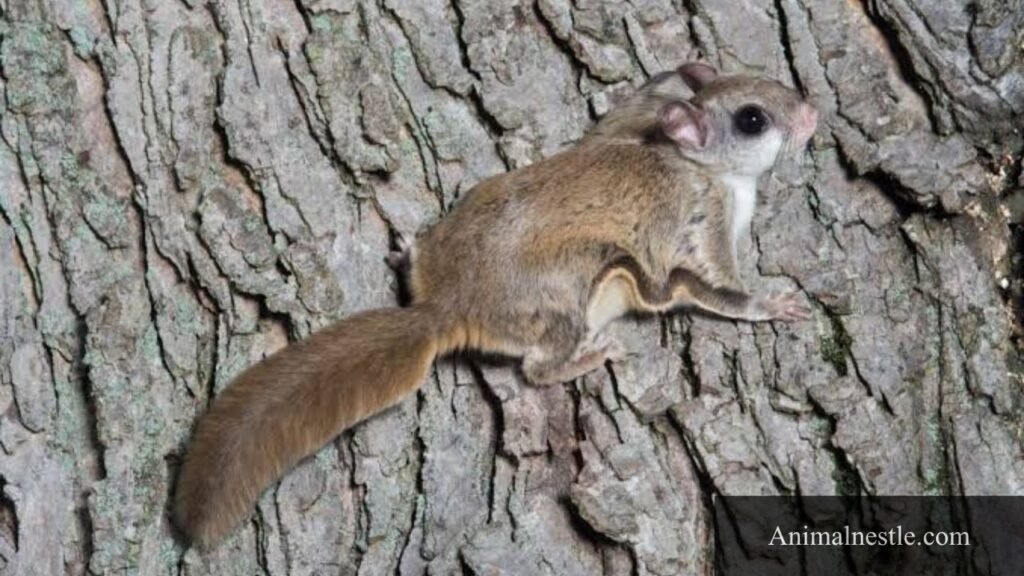
These squirrels are fascinating social animals, often living in small groups and fostering strong bonds with their companions. Their vocalizations — ranging from soft chirps to loud barks — facilitate communication, especially when navigating the complexities of their arboreal homes. Moreover, they exhibit curious behaviors such as “sunbathing” by spreading their limbs in the sun, which is believed to help regulate body temperature and possibly even ward off parasites. As urban environments encroach upon their habitats, understanding and protecting flying squirrels becomes essential, showcasing the delicate balance between human development and wildlife conservation.
Fiddler Crab
Scientific Name: Uca
Class: Malacostraca
Diet: Omnivore
Fiddler crabs, with their remarkable asymmetrical claws, are a fascinating study in adaptation and behavior. Males showcase an exaggerated claw, often larger than their body, which they wave to attract females and assert dominance over rivals. This claw-waving dance is not just a display; it’s a crucial part of their communication, effectively broadcasting their health and vigor in a competitive coastal ecosystem. Observing this behavior can be likened to watching a vibrant performance, where each gesture has meaning and purpose.
Fiddler crabs also play a vital role in their habitats. They aerate sandy burrows as they dig and feed, which contributes to the overall health of the coastal ecosystem. These crabs help break down organic materials, creating a richer environment for other marine life. Furthermore, their interactions within their tightly-knit communities provide insight into social structures and survival strategies. Watching them scuttle about, one can’t help but appreciate the intricate balancing act they perform, navigating both the treacherous tides of their environment and the complexities of their social lives.
Fossa
Scientific Name: Cryptoprocta ferox
Class: Mammalia
Diet: Carnivore
The fossa, often mistaken for a feline, is a unique predator native to Madagascar, showcasing its mesmerizing blend of mongoose and cat traits. With a body resembling that of a small cougar and a long, flexible tail that aids in its agile climbing, this creature is a master of its forested realm. Unlike many other carnivores, fossas are predominantly nocturnal, using their keen senses to navigate the dense rainforest and hunt lemurs, their primary prey.
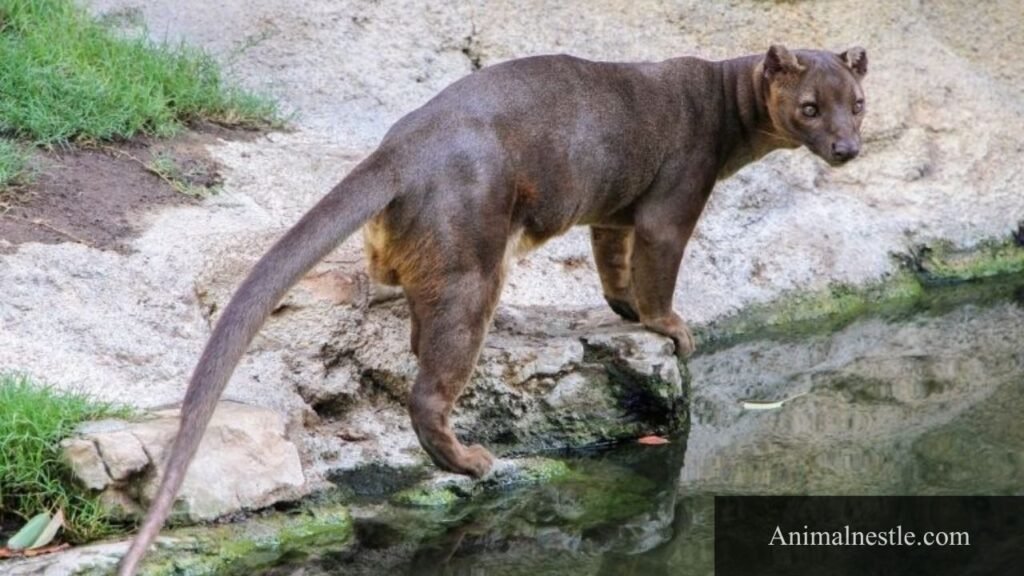
What makes the fossa particularly fascinating is its social structure. Unlike solitary predators, fossas can be somewhat communal, engaging in vocalizations and scent marking to establish territories and communicate. This behavior hints at a more complex social life that contrasts with our typical perception of solitary hunters. As Madagascar faces increasing deforestation and habitat loss, conservationists are striving to raise awareness about this enigmatic creature, underlining its pivotal role in maintaining the ecological balance of its unique habitat. The fossa stands as both a symbol of Madagascar’s biodiversity and a reminder of the fragility of its ecosystems.
Fritillary Butterfly
Scientific Name: Argynnini
Class: Insecta
Diet: Herbivore
The Fritillary butterfly is a marvel of nature, renowned not just for its striking orange and black patterns but also for its fascinating life cycle. These butterflies belong to the family Nymphalidae and are found in various regions around the world, including Europe, North America, and Asia. What sets the Fritillary apart is its reliance on specific host plants, particularly violets, during the larval stage. This relationship highlights a delicate ecological balance; the decline in violet habitats can directly impact Fritillary populations, emphasizing the importance of conserving these plants.
Fritillary butterflies also possess remarkable navigation skills. They showcase the ability to migrate long distances, following certain environmental cues. This migration is not merely instinctive; it also indicates a sophisticated understanding of seasonal changes and habitat availability. Their flight is an intricate dance of elegance and strategy, allowing them to seek out blooms where they can feed and reproduce. The Fritillary serves as a vivid reminder of how interconnected ecosystems can be, demonstrating that the loss of one species can ripple through an entire habitat.
Flycatcher
Scientific Name: Muscicapidae
Class: Aves
Diet: Carnivore
The flycatcher family, encompassing a diverse range of species, is a fascinating example of nature’s adaptability and ingenuity. With their agile flight and astounding precision, these birds capture insects mid-air, making them a vital component of their ecosystems. Their varied plumage, ranging from vibrant colors to subtle earth tones, serves not only aesthetic purposes but also plays a role in camouflage, helping them blend into their surroundings while they wait for unsuspecting prey.
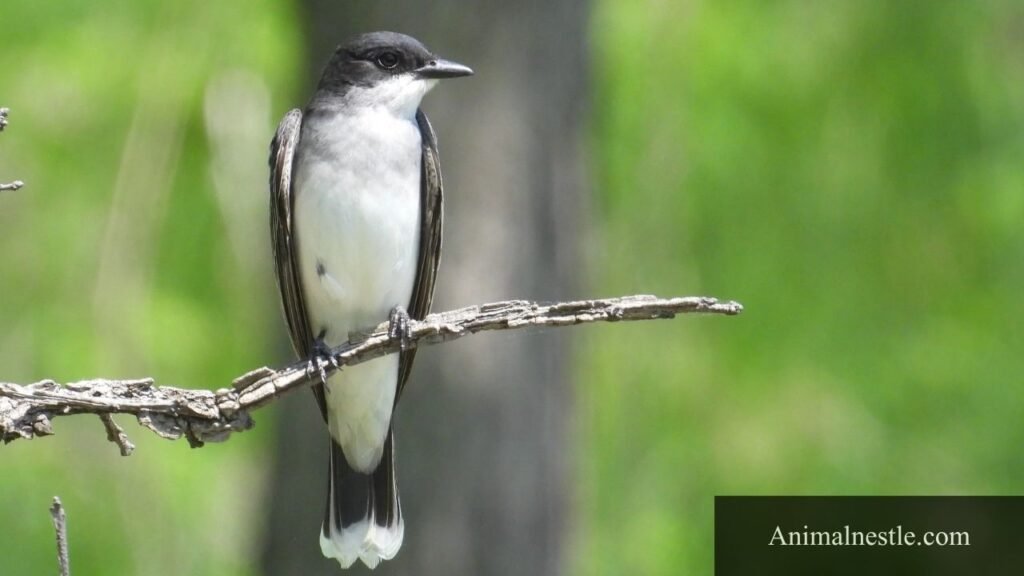
What sets flycatchers apart is their unique vocalizations; many species possess elaborate songs and calls that serve as territorial markers or mating displays. These vocal talents reflect their strong social structures, where communication is key to survival and reproduction. Moreover, some species exhibit remarkable migratory behaviors, traveling thousands of miles each year, showcasing an extraordinary navigational skill that piques the curiosity of ornithologists and nature enthusiasts alike. Observing these birds in their natural habitats offers a glimpse into the intricate web of relationships that sustain ecosystems and highlights the delicate balance that exists within nature.
Flamingo
Scientific Name: Phoenicopteridae
Class: Aves
Diet: Omnivore
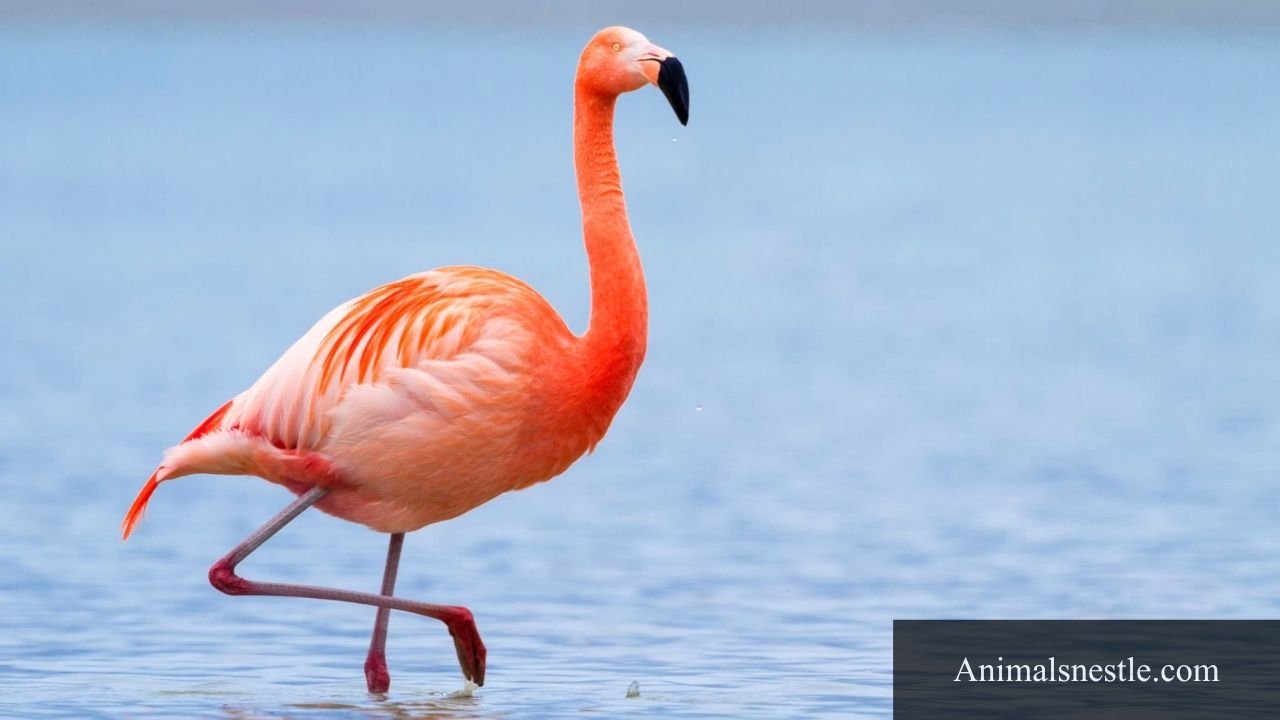
Flamingos, with their striking pink plumage, are among the most recognizable birds in the world, yet their vibrant color is a fascinating testament to their diet. These remarkable creatures obtain their hue from carotenoid pigments found in the algae and crustaceans they consume. This dietary influence not only shapes their appearance but also plays a role in their social dynamics; brighter flamingos often attract more mates. Interestingly, their vivid color is not innate; chicks are born gray and gradually develop their iconic pink as they mature.
Flamingos also exhibit intriguing social behaviors. They are highly social birds, often found in large colonies that can number in the thousands. This social structure serves a practical purpose — cooperative nesting and feeding enhance survival rates against predators. Interestingly, flamingos are known for their synchronized behavior; they often feed and move in unison, a phenomenon believed to strengthen social bonds within the flock. Observing these captivating rituals reveals not only their beauty but also the complex interplay of survival, community, and communication in the animal kingdom.
Formosan Mountain Dog
Scientific Name: Canis lupus familiaris
Class: Mammalia
Diet: Omnivore
The Formosan Mountain Dog, an indigenous breed from Taiwan, is often celebrated for its striking agility and intelligence. Known for its keen senses and strong protective instincts, this breed has been a loyal companion to the indigenous tribes of the island for centuries, often serving as a hunting partner. Interestingly, they are regarded as a national treasure, embodying the spirit and history of Taiwan. Their unique appearance, marked by a well-muscled body and a distinctive coat that comes in various colors, makes them easily recognizable and admired.

What sets the Formosan Mountain Dog apart is not merely its physicality but its adaptability and emotional depth. These dogs thrive in environments where they can interact closely with their families, showcasing an endearing playfulness and loyalty that resonates deeply with their owners. Moreover, their relatively rare presence in the global dog community creates an opportunity for enthusiasts to support conservation efforts aimed at preserving this culturally significant breed. By fostering a greater appreciation for the Formosan Mountain Dog, we can help ensure that their remarkable legacy continues to enrich the lives of future generations.
Flounder
Scientific Name: Pleuronectoidei
Class: Actinopterygii
Diet: Carnivore
Flounders are fascinating flatfish that exhibit a unique form of camouflage, allowing them to blend seamlessly into sandy or muddy ocean bottoms. Their bodies are asymmetrical, with both eyes migrating to one side as they mature, enabling them to lie flat and evade predators while ambushing prey. This remarkable adaptation not only helps in hunting but also in avoiding danger, making flounders masters of disguise in the underwater world.
What sets flounders apart is their ability to change color and texture to match their surroundings, bringing a dynamic element to their camouflage that few other species can achieve. Beyond their physical adaptations, flounders play a crucial role in maintaining marine ecosystems as both predator and prey. They consume small fish and crustaceans, controlling population balances, while also serving as a food source for larger marine animals, thus threading a vital connection in the oceanic food web. Their inherent agility and adaptability make them not just survivors, but key players in the underwater drama unfolding beneath the waves.
Fishing Cat
Scientific Name: Prionailurus viverrinus
Class: Mammalia
Diet: Carnivore
The Fishing Cat, a remarkable small wildcat native to the wetlands of South and Southeast Asia, has evolved into a fascinating aquatic hunter. Unlike most felines, these cats possess partially webbed feet, which enhance their swimming capabilities, allowing them to chase fish and crustaceans with remarkable agility. Their diet predominantly consists of fish, but they are also known to hunt birds and small mammals, showcasing their adaptability to various habitats.
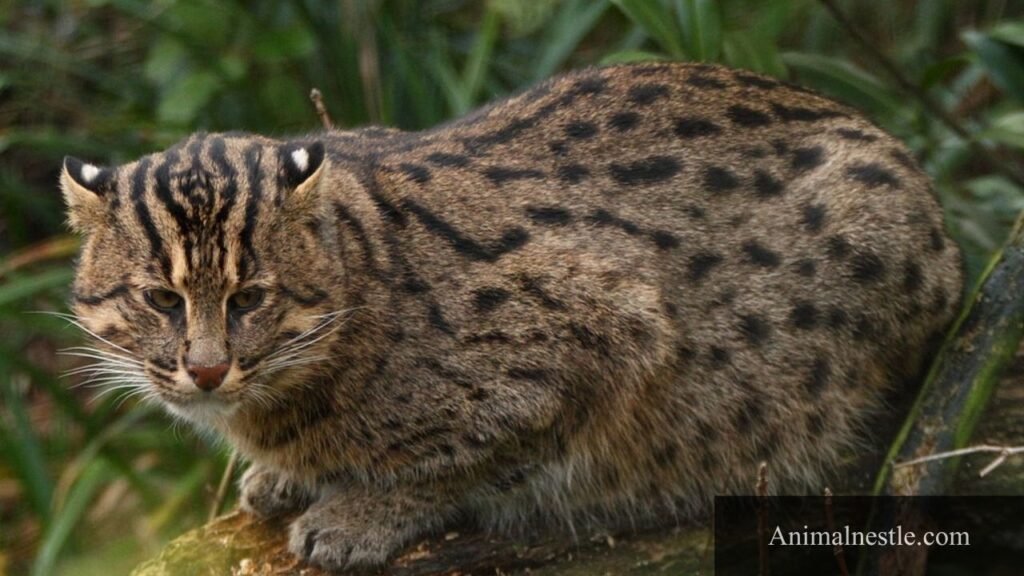
What makes the Fishing Cat particularly intriguing is its unique method of hunting. They often wade into shallow waters, using their keen eyesight to detect movement beneath the surface. With a swift paw strike, they can scoop up fish with astonishing precision. This behavior not only highlights their specialized skills but also emphasizes the importance of wetland ecosystems where they thrive, warning us of the fragility of these habitats amidst increasing urbanization and climate change. The Fishing Cat is not just a predator; it symbolizes the delicate balance of nature, reminding us of the intricate connections between species and their environments.
Fallow Deer
Scientific Name: Dama dama
Class: Mammalia
Diet: Herbivore
The fallow deer, distinguished by its striking coat patterns that vary from fawn to dark brown, is more than just a beautiful inhabitant of the woodlands. Known for their unique palmate antlers, which resemble the shape of a hand, these deer can regenerate their antlers each year, showcasing nature’s incredible engineering. Interestingly, fallow deer exhibit a fascinating social structure, often forming groups that reflect a matriarchal hierarchy. This social dynamic not only fosters strong bonds within the herd but also plays a crucial role in their survival, as older females often lead the group to water and food sources.
Their ability to thrive in different environments, from dense forests to open grasslands, highlights their adaptability. Unlike many other deer species, fallow deer are also known for their curious and bold demeanor, which can lead them to venture closer to human habitats. This characteristic not only makes them a subject of fascination for wildlife enthusiasts but also poses challenges in certain regions where they may overgraze or disrupt local ecosystems. Through conservation efforts and responsible wildlife management, we can ensure that these charismatic creatures continue to grace our landscapes while maintaining ecological balance.
Freshwater Jellyfish
Scientific Name: Craspedacusta sowerbii
Class: Hydrozoa
Diet: Carnivore
Freshwater jellyfish, primarily found in lakes and ponds, are fascinating creatures that often evade the public’s attention. These jellyfish are notable for their delicate, translucent bodies that can appear almost ghostly in the water. Their life cycle includes a unique transformation from a sedentary polyp stage to a free-swimming medusa, showcasing a remarkable adaptability that allows them to thrive in varying environments.
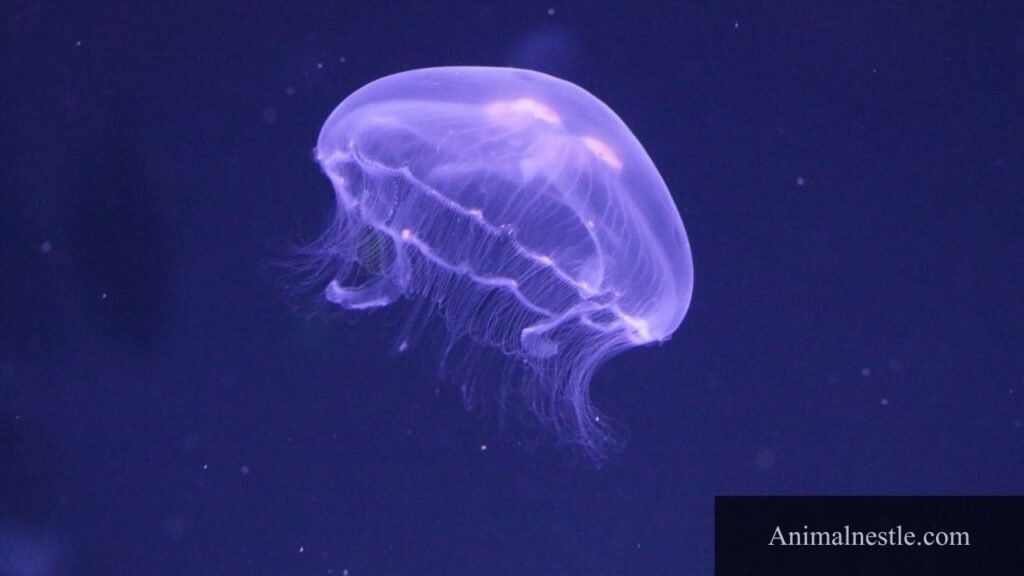
One intriguing aspect of freshwater jellyfish is their feeding habits; they primarily consume small zooplankton, which they capture with their tentacles laden with specialized cells called cnidocytes. What’s particularly captivating is the role of these jellyfish in freshwater ecosystems — acting as both predator and prey, they help maintain ecological balance. As climate change and human activity alter habitats, observing the resilience of freshwater jellyfish can provide vital insights into the health of aquatic ecosystems, signaling shifts in water quality and biodiversity.
Fairy-Wren
Scientific Name: Maluridae
Class: Aves
Diet: Carnivore
The Fairy-Wren, a small and vibrant bird native to Australia, is a marvel of nature not only for its stunning plumage but also for its complex social behaviors. Males display iridescent blue and black feathers during the breeding season, captivating not only potential mates but also observers in their habitat. Intriguingly, these birds exhibit remarkable sexual dimorphism; females are often a dull brown, ensuring they remain inconspicuous while nesting — an essential strategy for their survival amidst predators.
Socially, Fairy-Wrens are fascinating. They live in family groups and have been observed engaging in cooperative breeding, where non-breeding individuals help raise the young. This communal approach not only strengthens familial bonds but also increases the survival chances of their offspring. The species also showcases a unique reproductive strategy where females may mate with multiple males, enhancing genetic diversity and giving rise to intriguing dynamics within these groups. The subtle interactions and the vibrant courtship displays of the Fairy-Wren remind us of the intricate tapestry of life that flourishes in Australia’s diverse ecosystems.
Flathead Catfish
Scientific Name: Pylodictis olivaris
Class: Actinopterygii
Diet: Carnivore
The Flathead Catfish is a true marvel of freshwater ecosystems. This species boasts a striking appearance with its broad, flattened head and tapered, elongated body, often reaching lengths of over four feet. What sets it apart is not just its size but also its predatory behavior; unlike many catfish species that scavenge, Flatheads are active hunters, primarily feeding on other fish. This unique hunting strategy places them at the top of the food chain in their habitat, making them essential for maintaining the balance within their ecosystems.
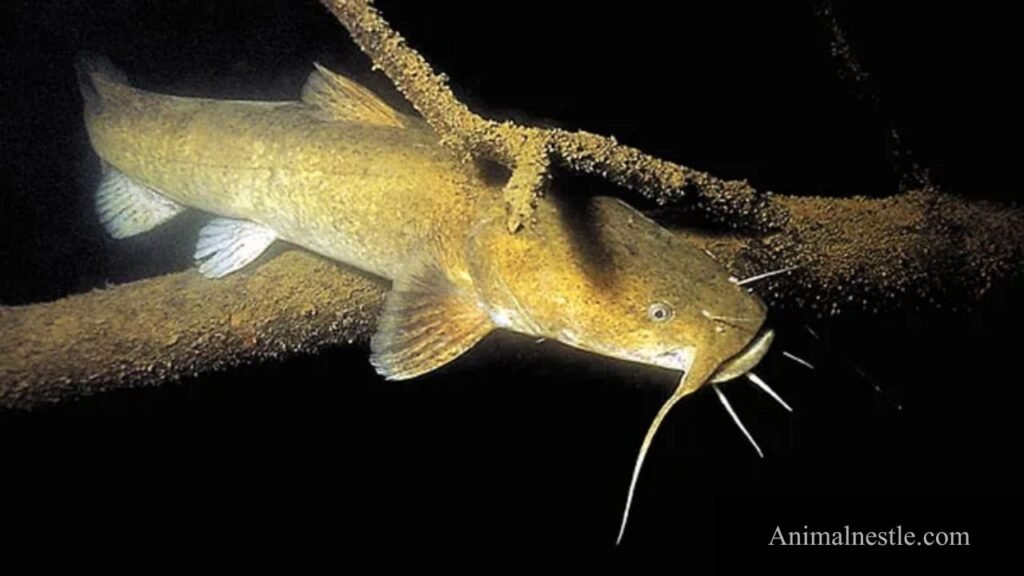
Flathead Catfish exhibit remarkable adaptability, thriving in a variety of freshwater environments, from slow-moving rivers to larger lakes. They prefer areas with abundant cover, such as submerged logs and rock formations, which provide both shelter and hunting grounds. These catfish have keen sensory systems, using their taste buds and lateral line to detect vibrations and scents in the water, making them formidable nocturnal predators. Anglers cherish Flathead Catfish for their challenging catch and for the thrill they bring to nighttime fishing excursions, often embarking on moonlit adventures to target these powerful fish. As they navigate through their underwater realms, Flathead Catfish play a crucial role in shaping the dynamics of freshwater habitats, reminding us of the intricate web of life that connects us all.
Firefly
Scientific Name: Lampyridae
Class: Insecta
Diet: Carnivore
Fireflies are more than just beautiful creatures lighting up the dark. These bioluminescent beetles possess a remarkable system that allows them to emit light through a chemical reaction in their bodies, primarily involving luciferin. This ability not only captivates humans but serves vital ecological functions, such as attracting mates and warding off predators. Interestingly, the patterns and colors of their flashes are species-specific, creating a dazzling display that transforms the night into a communication hub.
The life cycle of a firefly is equally intriguing. After mating, females often exhibit a unique behavior; they will respond to male flashes with a sophisticated language of light to ensure mate selection is optimal. The larvae, which are often referred to as “lightning bugs,” spend their early years underground, feeding on snails and slugs, showcasing a different facet of life far from the twinkling sky. As urbanization and pollution threaten their habitats, understanding their role in the ecosystem becomes essential. Protecting fireflies goes beyond mere nostalgia; it underscores the interconnectedness of species and the health of our environment, reminding us of the fleeting yet vital beauty that exists in nature.
French Bulldog
Scientific Name: Canis lupus familiaris
Class: Mammalia
Diet: Omnivore
The French Bulldog, with its charming bat-like ears and distinctive squished face, is a breed that exudes both personality and allure. Originating in the early 19th century as a smaller companion to English Bulldogs, these dogs have found their place not only as loyal companions but also as trendsetters in modern city life. Their compact size makes them ideal for apartment living, and their playful, affectionate nature endears them to families and singles alike.

What truly sets the French Bulldog apart is its expressive charm. These dogs are known for their unique vocalizations — often resembling a mix between a snort and a snore — which only adds to their endearing character. They thrive on human interaction and are surprisingly adaptable, often forming strong bonds with their owners. However, they do require some care due to their brachycephalic (flat-faced) structure, which can lead to breathing issues in hotter climates. Understanding their needs, including regular vet check-ups and tailored exercise routines, will ensure these delightful companions lead happy, healthy lives.
Fennec Fox
Scientific Name: Vulpes zerda
Class: Mammalia
Diet: Omnivore
The fennec fox, a small nocturnal creature native to the Sahara Desert, captivates observers with its strikingly large ears, which can measure up to six inches long. These oversized appendages are not just for show; they assist in dissipating heat and enhancing the fox’s hearing, enabling it to detect even the faintest movements of prey beneath the sand. Adapted to a life of extreme temperatures, the fennec’s unique fur reflects sunlight during the day and insulates against the cold nights, showcasing nature’s design brilliance.
Beyond their remarkable physical adaptations, fennec foxes exhibit intriguing social behavior. They live in small family groups, often sharing burrows that can extend up to 30 feet underground. This communal living creates a strong bond among family members, allowing them to work together for foraging and defense against predators. Fascinatingly, they communicate with each other through a series of barks and purrs, reflecting a social complexity often overlooked in smaller animal species. Their playful nature, coupled with an impressive ability to adapt to harsh conditions, makes the fennec fox not just a symbol of desert life, but an embodiment of resilience in the face of adversity.
Fur Seal
Scientific Name: Otariinae
Class: Mammalia
Diet: Carnivore
Fur seals, particularly the Antarctic fur seal and the northern fur seal, showcase remarkable adaptability in their oceanic habitats. These marine mammals are distinguished by their thick layer of fur, which not only provides insulation in frigid waters but also plays a crucial role in their mating rituals. Males can weigh over 600 pounds, sporting a notable mane that enhances their regal appearance during the breeding season, while females, smaller and more agile, return to land to nurse their pups.
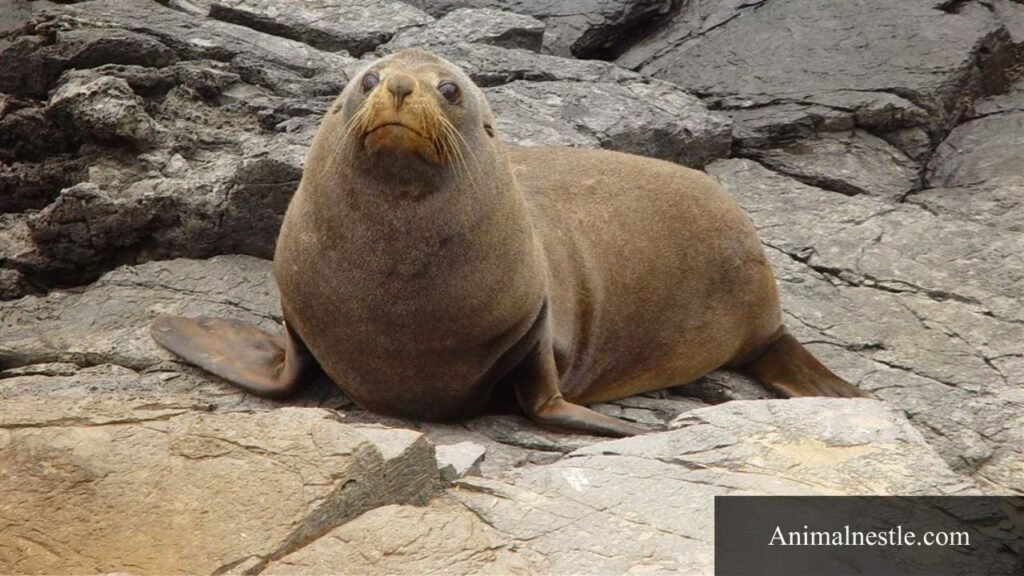
One fascinating aspect of fur seals is their social behavior. They often gather in large colonies, demonstrating complex social structures where dominant males assert their territory. Mothers display a strong bond with their pups, utilizing vocalizations and scents to recognize each other amidst the chaos of the colony. Their impressive agility enables them to dive up to 600 feet in search of food, primarily fish and squid, showcasing their role in maintaining the balance of marine ecosystems. As climate change continues to affect their habitats, understanding these unique creatures becomes crucial for conservation efforts and the health of our oceans.
Florida Panther
Scientific Name: Puma concolor coryi
Class: Mammalia
Diet: Carnivore
The Florida panther, a subspecies of the cougar, serves as a vital emblem of the delicate balance of Florida’s ecosystems. Known for its slender, muscular build and distinctive tawny coat, this feline not only captivates with its beauty but also plays a crucial role in maintaining biodiversity. As apex predators, Florida panthers help regulate the populations of other species, ensuring a healthy ecosystem. Their remarkable adaptability allows them to thrive in various environments, from the lush subtropical landscapes of the Everglades to the pine flatwoods.
What sets the Florida panther apart is its incredible lineage — it possesses unique genetic traits that underscore its status as a symbol of conservation efforts. Programs focused on genetic diversity have successfully contributed to the health of the population, illustrating the power of human intervention in wildlife management. Recent studies have highlighted the panther’s remarkable navigational skills, enabling it to traverse vast distances in search of food and mates. This instinctual prowess not only showcases the animal’s resilience but also emphasizes the importance of maintaining wildlife corridors to facilitate safe movement across their territory.
Fox
Scientific Name: Vulpes
Class: Mammalia
Diet: Omnivore
Foxes are remarkably adaptable creatures, thriving in diverse environments from urban landscapes to dense forests. Unlike many canids, they exhibit a unique level of curiosity, often venturing into human spaces with surprising boldness. Their acute sense of hearing allows them to detect the faintest rustle of prey, such as rodents beneath the snow, leading to the fascinating hunting technique known as “mousing.” As they pounce, their remarkable agility and coordination shine, showcasing their prowess as skilled predators.
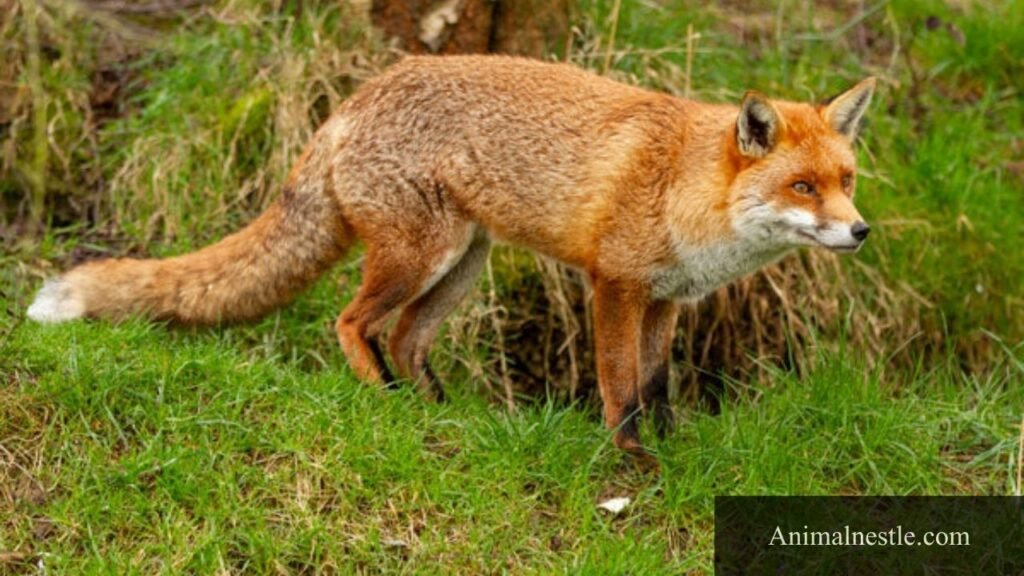
Foxes often challenge the stereotype of solitary hunters; they live in small family units called “skulks” or “leashes,” where they exhibit strong familial bonds. Their playful behavior not only aids in social bonding but also sharpens their hunting skills. Their vocalizations range from barks to high-pitched screams, conveying a rich tapestry of emotions and alerts to their kin. In folklore, foxes symbolize cunning and intelligence, reflecting humanity’s complex relationship with these enigmatic animals that have captured imaginations for centuries.
Frog
Scientific Name: Anura
Class: Amphibia
Diet: Carnivore
Frogs have an extraordinary talent for adaptation, allowing them to thrive in diverse environments from lush rainforests to arid deserts. One fascinating aspect of their biology is their skin, which serves not only for respiration but also for hydration — a crucial feature for many amphibious species. Depending on their habitat, some frogs can absorb moisture directly from the ground, while others have developed remarkable methods to conserve water, enabling them to endure in challenging circumstances.
Their vocalizations are a captivating aspect of their behavior. Male frogs employ intricate calls during the breeding season to attract mates, each species boasting its unique repertoire. These calls are not merely charming; they also serve as an essential communication tool, conveying information about territory and fitness. The variety in these vocalizations showcases the rich tapestry of life among frogs, reflecting not just their biological diversity but also the intriguing dynamics of their ecosystems. With their remarkable abilities and enchanting presence, frogs remind us of the intricate connections that sustain the natural world.
Finch
Scientific Name: Fringillidae
Class: Aves
Diet: Omnivore
Finches are captivating little birds that showcase a remarkable variety of colors and forms, embodying the diversity of nature itself. With over 200 species spread across the globe, these tiny avians span environments from urban backyards to remote islands, each localized species exhibiting unique adaptations. The finch family, particularly famous due to Charles Darwin’s studies in the Galápagos Islands, reveals fascinating insights into evolution, highlighting how geographical isolation can spark extraordinary variations in beak size and shape based on food availability.
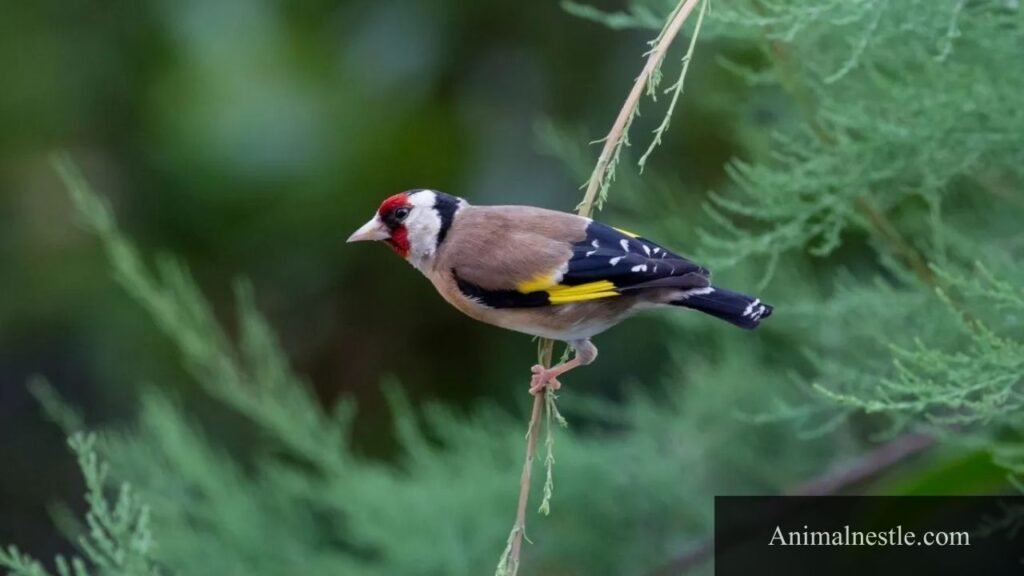
What’s truly remarkable about finches is their social behavior. While they are often seen flitting about in small groups, many species engage in intricate courtship rituals that involve melodious songs or vibrant displays of plumage. Their ability to intermingle with other bird species showcases an intriguing aspect of avian adaptability. The House Finch, for example, thrives in urban settings, successfully scavenging and nesting in human-made structures. This resilience in a changing environment begs the question: how do these charming birds continue to evolve amidst urban challenges, and what can they teach us about adaptability in a rapidly changing world?
Readmore: Explore Top 27 Animals That Start With C.
Final Thoughts
The fascinating world of animals that start with the letter “F” showcases the incredible diversity and adaptability of life on our planet. From the majestic falcon soaring above to the playful ferret exploring its surroundings, each creature plays a unique role in its ecosystem. Understanding these animals not only enhances our appreciation for wildlife but also emphasizes the importance of conservation efforts. By protecting their habitats, we ensure that future generations can enjoy the wonders of these remarkable beings. Let’s commit to learning more about our planet’s wildlife and support initiatives that aim to safeguard their existence.
FAQs
What mammals start with F?
One of the most notable is the ferret, a playful and curious pet that belongs to the weasel family. They are known for their long, slender bodies and high energy levels, making them fun companions for those who enjoy an active pet. Another interesting example is the fossa, native to Madagascar. This feline-like carnivore is the island’s largest predator and has unique adaptations for climbing trees. Lastly, you have the fox, a clever and adaptable mammal found in various habitats worldwide.
What birds start with F?
There are several birds that start with the letter “F.” One of the most well-known is the falcon, a fast and skilled predator found in various environments around the world. Falcons are known for their sharp eyesight and impressive aerial abilities. Another example is the frigatebird, recognizable by its large wingspan and striking red throat pouch. These birds are often seen soaring overhead in tropical regions. Lastly, the finch is a common bird, with various species that vary in color and song, making them popular among birdwatchers.