Top 17 Viviparous Animals (With Pictures)
Did you know that about 95% of mammals give birth to live young rather than laying eggs? This unique reproductive strategy is known as viviparity, and it plays a crucial role in the survival and adaptability of many species. Understanding viviparous animals unveils fascinating insights into evolution, maternal care, and ecological balance. Join us as we explore the intricacies of viviparous reproduction and its significance in the animal kingdom.
List of viviparous Animals
Below is the list of viviparous animals:
- Aphids
- Seals
- Dogs
- Elephants
- Monkeys
- Sharks
- Cats
- Giraffes
- Rabbits
- Horses
- Rats
- Dolphins
- Apes
- Green Anaconda
- Cows
- Viviparous Lizards
- Deer
Aphids
Scientific Name: Aphidoidea
Class: Insecta
Diet: Herbivore
Aphids, often overlooked in the vast tapestry of viviparous life, are fascinating creatures that challenge traditional notions of reproduction. Instead of laying eggs, many aphid species give birth to live young, a process known as viviparity. This unique reproductive strategy allows them to rapidly colonize environments, especially during optimal conditions, since their offspring are born ready to feed and grow without the delay of egg hatching.
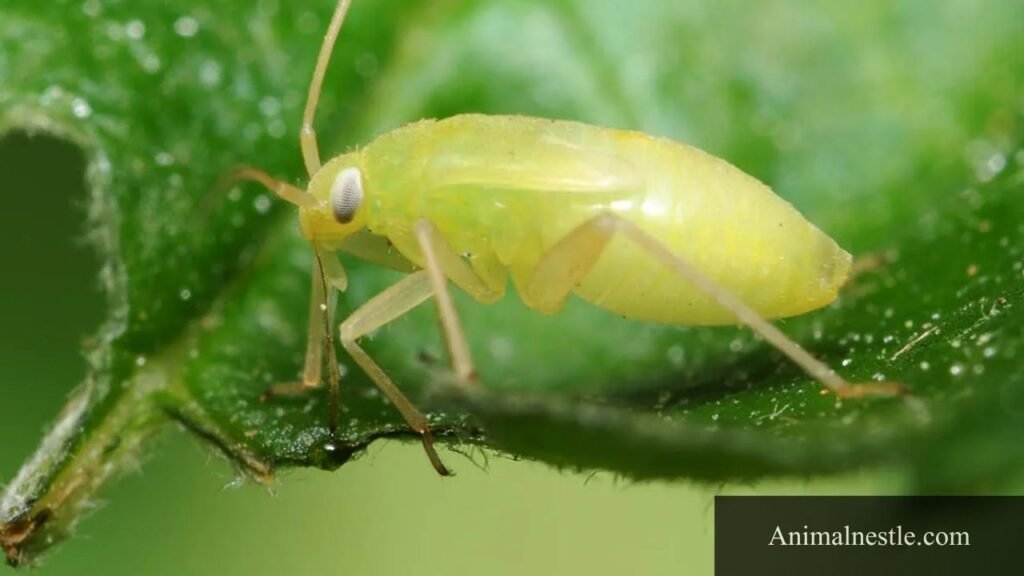
What makes aphids particularly intriguing is their ability to reproduce both viviparously and via traditional egg-laying, depending on the environmental circumstances. During times of abundance, they can produce multiple generations of live young in a matter of days, creating a veritable swarm that can overwhelm plants. Conversely, when faced with harsh conditions, such as drought or predation, they can revert to laying eggs that can withstand the elements, ensuring the survival of the species. This adaptability underscores the resilience of aphids, making them not just pests but an evolutionary marvel in the natural world.
Seals
Scientific Name: Pinnipedia
Class: Mammalia
Diet: Carnivore
Seals, as viviparous animals, showcase a fascinating blend of terrestrial and aquatic life that inspires awe. Unlike many marine animals that lay eggs, seals give birth to live young, nurturing their pups in the frigid waters and rugged shores. This unique reproductive strategy allows the mother to provide complete nourishment and protection during the vulnerable early stages of life. Observing a seal mother cradling her pup, instinctively guiding it to the surface for its first breath, unveils the tender side of nature often overshadowed by their robust exterior.
What truly sets seals apart is their ability to adapt their behavior both in their breeding and hunting practices. While some species, like the harbor seal, prefer to socialize in large groups for protection and warmth, others, such as the solitary leopard seal, thrive as lone hunters in pursuit of penguins and fish. Their remarkable agility in water, combined with a social structure that varies drastically among species, invites us to reexamine our perceptions of marine life. Each leap and playful twist not only emphasizes their physical prowess but also their adaptability — reminding us that the ocean is not just a habitat, but a dynamic theater of survival and nurture.
Dogs
Scientific Name: Canis lupus familiaris
Class: Mammalia
Diet: Omnivore
Dogs, as viviparous animals, exhibit remarkable reproductive adaptations that further enhance their connection with their companions. Unlike many species that lay eggs, dogs give birth to live young, a process that allows for a more nurturing environment during gestation. This viviparous strategy not only ensures a higher survival rate for the puppies but also deepens the bond between the mother and her offspring, as the puppies are born with a natural instinct for attachment and socialization.
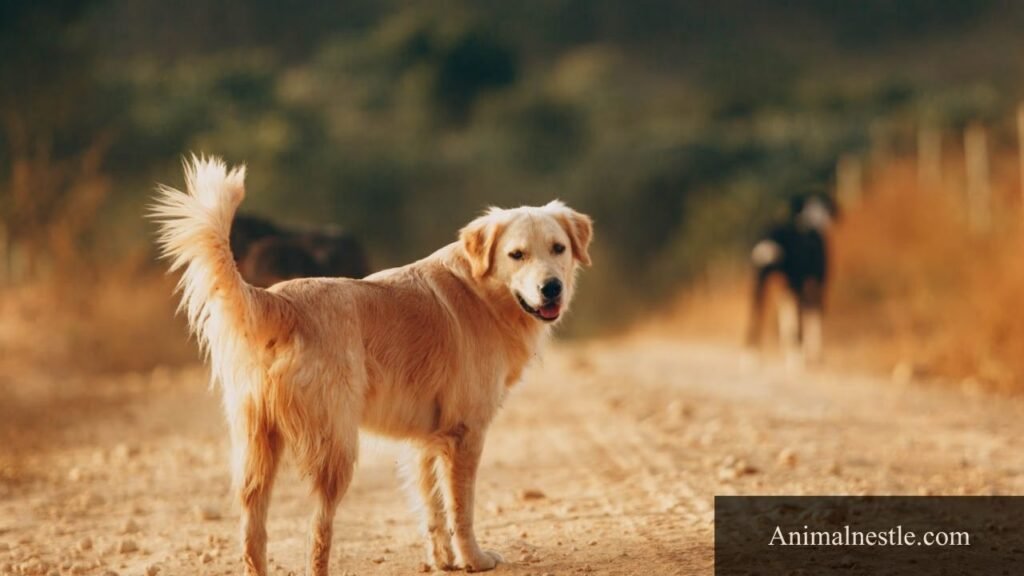
Moreover, the gestation period of about 63 days offers unique insights into canine development. During this time, the mother dog experiences profound physiological changes, nurturing her growing pups with nutrients and oxygen through the placenta. Each stage of this development reflects the intricate balance of genetic and environmental factors that shape a dog’s personality and behavior. In essence, the viviparous nature of dogs is not just a biological characteristic; it’s a cornerstone of their emotional richness and adaptability, making them truly unique companions in our lives.
Readmore: Explore Top 17 Most Ambitious Animals.
Elephants
Scientific Name: Elephantidae
Class: Mammalia
Diet: Herbivore
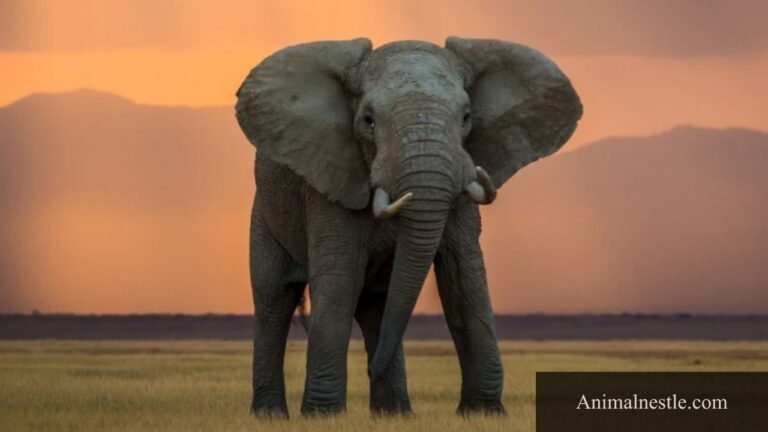
Elephants showcase a compelling interplay between gestation and maternal care that is both complex and fascinating. Elephants have one of the longest gestation periods in the animal kingdom, lasting almost two years. This extended development allows for the growth of highly intelligent calves, primed to thrive in the intricate social structure of their herds. The close bond between mother and offspring is palpable; mothers nurture their young not only physically but also socially, teaching them about survival and the rich cultural tapestry of their communities.
What truly sets elephants apart in the viviparous realm is their incredible empathy and emotional depth. When a calf is born, the entire herd often participates in its upbringing, reflecting a powerful network of support and collective responsibility. This matriarchal society emphasizes the importance of shared knowledge, as older females guide the younger ones, passing down critical lessons about food sources, water locations, and even migration routes. Such dynamics reveal not just a survival strategy but an intricate system of social learning, illuminating how empathy and cooperation shine through in the evolution of these magnificent creatures.
Monkeys
Scientific Name: Simiiformes
Class: Mammalia
Diet: Omnivore
Monkeys showcase a fascinating blend of maternal care and social complexity that exemplifies the intricacies of evolution. Unlike many other mammals, some primate species exhibit unique birthing practices, such as communal care within troops, where mothers are not alone in nurturing their young. This not only enhances the survival rate of infants but also fosters a rich social fabric, creating bonds that extend beyond immediate family ties.
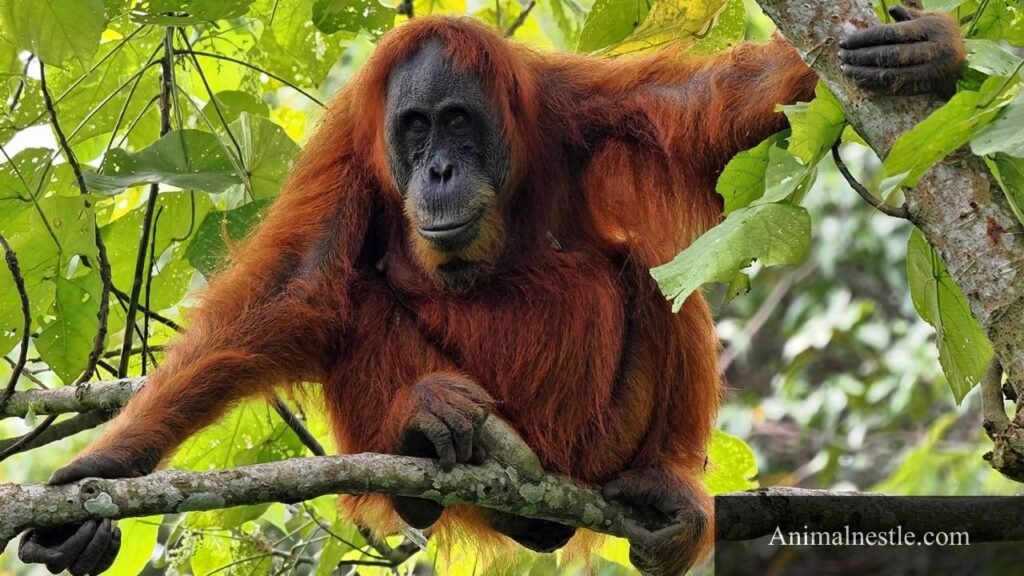
One of the most intriguing aspects of monkey reproduction is the intelligence required for successful rearing. Mothers often employ problem-solving skills to safeguard their offspring, from choosing safe foraging spots to teaching them vital survival skills. For example, spider monkeys demonstrate remarkable adaptability, as they equip their young with techniques for navigating their arboreal habitat — a testament to the transfer of knowledge across generations. Engaging in this symbiotic relationship, the young learn quickly through observation, showcasing a level of cognitive development that speaks to the evolutionary advantages of viviparity in the primate world.
Sharks
Scientific Name: Selachimorpha
Class: Chondrichthyes
Diet: Carnivore
Viviparous sharks are a fascinating category within the diverse world of elasmobranchs, where live birth challenges our conventional understanding of reproduction in fish. Unlike their egg-laying counterparts, such as many bony fish, these remarkable predators nurture their young internally, offering a glimpse into a complex reproductive strategy. In species like the great white and hammerhead, embryos develop in the safety of their mother, feeding primarily on yolk and eventually transitioning to a more developed state before birth. This form of reproduction not only enhances the survival rate of the pups but also allows for adaptive strategies in fluctuating environments.
Moreover, the development of a placental-like structure in certain viviparous sharks, such as the bull shark, adds a layer of intrigue to their biology. This structure enables the transfer of nutrients directly from the mother, akin to mammals, underscoring evolutionary parallels across species barriers. The survival skills of the pups are honed even before birth, as they engage in a kind of in-utero competition, often consuming their weaker siblings. As we delve deeper into the reproductive strategies of these ancient creatures, we uncover both the resilience of life in harsh marine environments and the evolutionary ingenuity that defines the shark lineage.
Cats
Scientific Name: Felis catus
Class: Mammalia
Diet: Carnivore
Cats, as viviparous animals, uniquely manifest the wonders of live birth, a trait they share with many mammals but express in fascinating ways. Mother cats, or queens, typically undergo a gestation period of about 64 to 67 days, nurturing their developing kittens with remarkable instinct. Each litter can comprise anywhere from two to six offspring, and during this time, the mother’s body undergoes transformative changes, preparing to deliver not just life, but also the tools for survival.
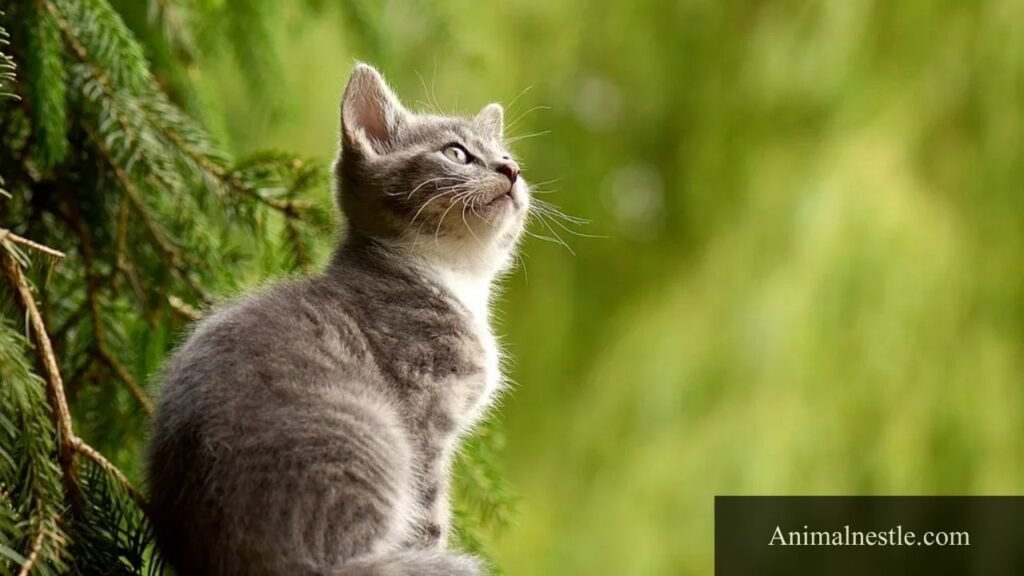
Interestingly, the bonding process between a mother cat and her kittens is profound and intricate. After birth, the queen communicates with her litter through subtle vocalizations and pheromones, fostering a connection that guides the kittens toward her warmth and nourishment. This early interaction is crucial, as it lays the foundation for their social behaviors and future independence. Observing this nurturing, instinct-driven behavior showcases the depth of connection not just in felines, but in the broader tapestry of viviparous life, highlighting how the act of giving birth is not only about reproduction but also about fostering relationships that enable survival.
You can also read: Explore Top 13 Ovoviviparous Animals in The World.
Giraffes
Scientific Name: Giraffa camelopardalis
Class: Mammalia
Diet: Herbivore
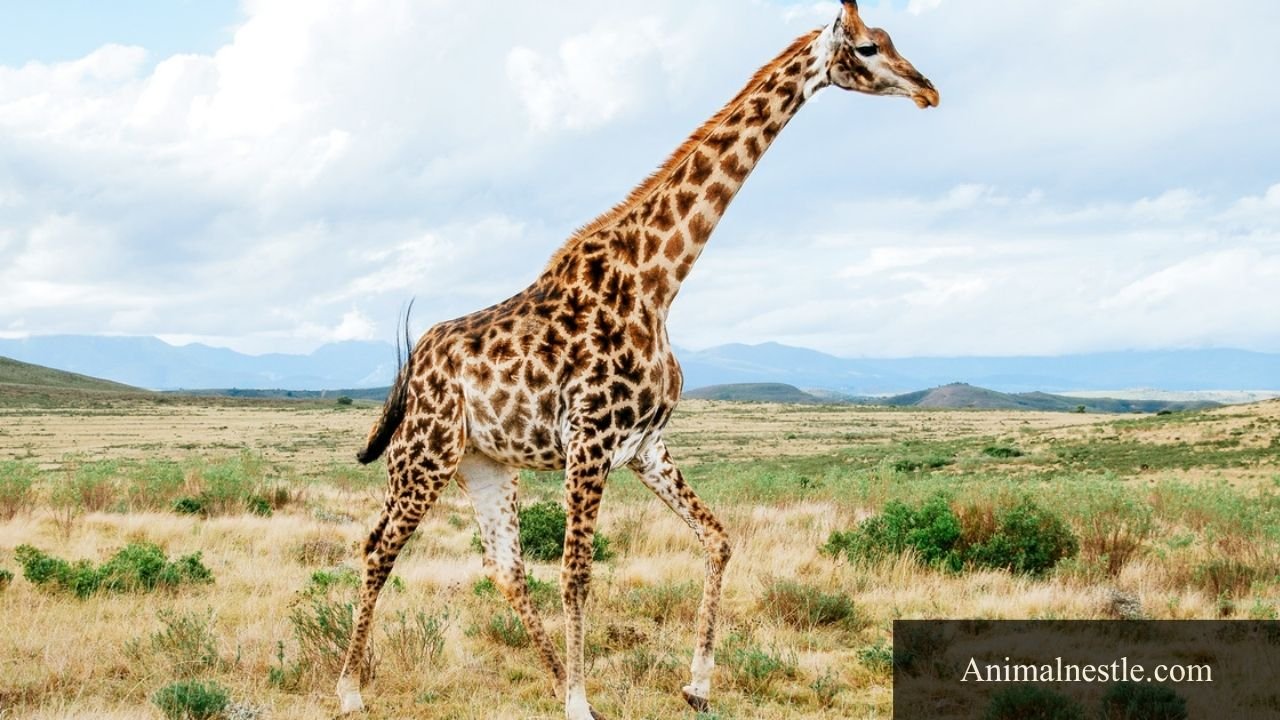
Giraffes, the towering giants of the savanna, exhibit unique viviparous traits that reflect their adaptation to a specific environment. Unlike many mammals, giraffe calves can stand and walk within hours of birth, an evolutionary feat that enhances their survival in the wild. This rapid development is crucial, as predators such as lions are always lurking, making mobility a key factor in evading danger.
Moreover, the nurturing process of giraffes is fascinating. Mothers tend to isolate themselves while giving birth, a strategy that minimizes the neonate’s exposure to danger during those vulnerable first moments. Interestingly, giraffe parenting is cooperative; mothers often form loose bonds with other females, allowing for communal assistance in rearing calves. This social structure not only provides protection but also enriches the young giraffes’ learning experiences, as they observe interactions and behaviors that are vital for their survival. Their viviparous nature, combined with this nuanced social behavior, highlights the delicate balance between nurturing and instinct in the animal kingdom.
Rabbits
Scientific Name: Leporidae
Class: Mammalia
Diet: Herbivore
Rabbits are fascinating examples of viviparous animals, showcasing the beauty of life unfolding in the most nurturing of environments. Unlike many other species, they possess an extraordinary ability to thrive in diverse habitats, ranging from lush meadows to urban gardens. Their viviparity allows for parental investment that extends beyond mere gestation; the doe creates a safe burrow, lined with her fur, where she nurtures her young until they are ready to face the world.
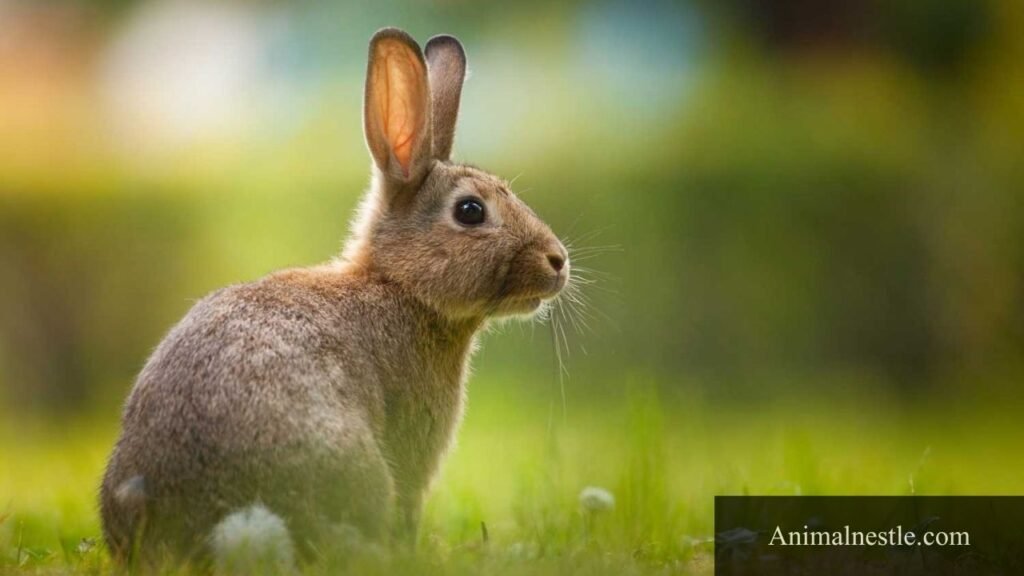
One intriguing aspect of rabbit reproduction is the phenomenon of “delayed implantation.” This remarkable strategy enables the doe to control the timing of her young’s development, ensuring that the kits are born at an optimal time for survival. With a gestation period of about 30 days, a well-adapted rabbit can produce multiple litters in a year, allowing for quick population recovery in times of abundance. As keen social animals, these bunnies exhibit maternal behaviors that can be surprisingly complex — the doe selectively nurses her young only a few times a day, promoting independence while still ensuring they receive vital nutrients.
Horses
Scientific Name: Equus caballus
Class: Mammalia
Diet: Herbivore
Horses, as viviparous animals, showcase the intimate bond between mother and offspring during gestation, which lasts around 11 months. This extended period allows for the development of the foal, preparing it for the rigors of life outside the womb. What’s particularly fascinating is the foal’s ability to stand and run within just a few hours of birth, a critical adaptation for survival in the wild. Such rapid maturation is a testament to both evolutionary necessity and the intricate parental care exhibited by mare.
Furthermore, the social structures of equine herds play a vital role in the nurturing process. Unlike many solitary species, horses thrive in community, often sharing the responsibility of protecting and teaching young foals. This social dynamic not only aids in the foal’s physical development but also enhances its emotional resilience. Observing this interplay reveals a rich tapestry of relationships, underscoring the equine ability to nurture both individually and collectively, advancing the species while creating a vibrant ecosystem of support. In this way, horses transcend mere survival; they embody a complex community that thrives on connection and cooperation.
Rats
Scientific Name: Rattus norvegicus
Class: Mammalia
Diet: Omnivore
Rats reveal a fascinating aspect of adaptability and social complexity that challenges common perceptions. Viviparous by nature, these remarkable creatures give birth to live young, a trait that enhances their survival in diverse environments. The nurturing instincts of mother rats are profound; they exhibit strong maternal care, meticulously grooming and tending to their pups, which fosters a tight-knit family structure. This social aspect not only helps in the rearing of offspring but also in learning survival skills, showcasing their sophisticated approach to life.
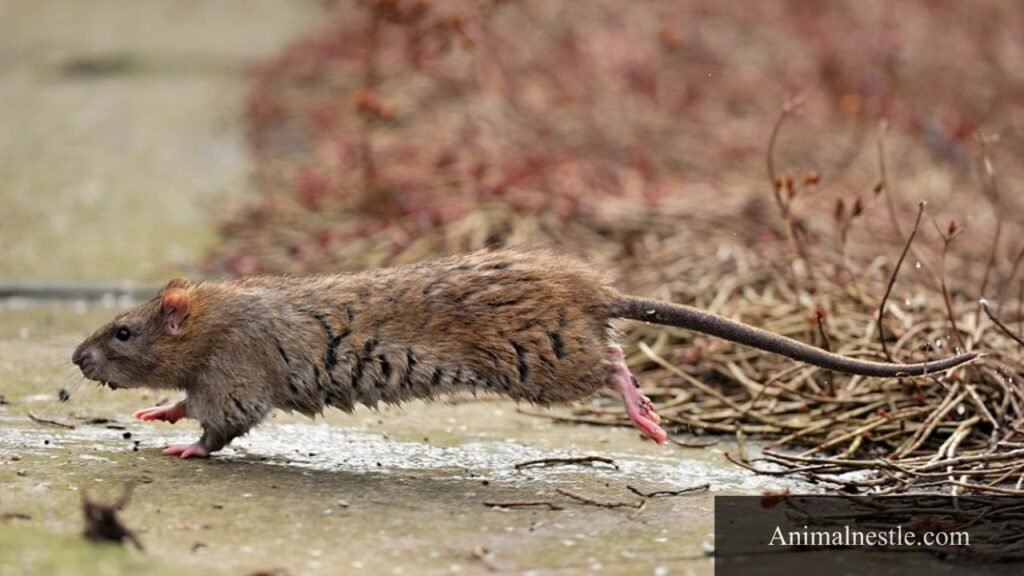
The intelligence of rats is often underestimated. With abilities akin to those of primates, they can navigate mazes and solve intricate puzzles, displaying remarkable problem-solving skills. This intelligence, coupled with their rapid reproductive rates, allows them to thrive in various habitats, from urban jungles to rural landscapes. Their adaptability extends to social behaviors, as studies show that they form bonds with each other, exhibit empathy, and even engage in play, offering a profound glimpse into their emotional lives. By understanding rats as vibrant members of our ecosystem, we can foster a deeper appreciation for these viviparous mammals, recognizing their critical role in both nature and human settlements.
Readmore: Explore Top 27 Examples of Reptiles.
Dolphins
Scientific Name: Delphinidae
Class: Mammalia
Diet: Carnivore
Dolphins are among the most fascinating examples of viviparous animals, giving birth to live young rather than laying eggs. This reproductive strategy not only enhances the survival rates of their calves but also allows for an intimate bond between mother and offspring, characterized by nurturing behaviors. The gestation period for dolphins can last around 12 months, after which a single calf is usually born. During this critical time, the mother prepares for the calf’s arrival by finding safe environments, often seeking the calm waters of coastal areas where the newborn can thrive.
Interestingly, dolphin calves are born with the ability to swim almost immediately, a remarkable adaptation that helps them evade potential predators. The mother will guide her calf to the surface for its first breath — a delicate yet awe-inspiring moment that showcases the intelligence and awareness of these marine mammals. Furthermore, social structures in dolphin pods significantly influence the upbringing of calves. Close-knit family groups often engage in cooperative parenting, where older siblings or kin contribute to the calf’s care, creating a rich tapestry of social interaction that extends beyond mere survival to complex emotional connections.
Apes
Scientific Name: Hominoidea
Class: Mammalia
Diet: Omnivore
Viviparous apes stand out not just for their reproductive strategy but for the profound emotional and social complexities they exhibit during parenting. Unlike many other mammals, apes engage in extensive nurturing behaviors that extend beyond mere survival needs. For instance, a mother chimpanzee will often carry her infant close, fostering a bond that is crucial for both emotional development and lifelong social skills. This close-knit relationship demonstrates a remarkable level of intelligence and empathy, as the young are taught not just how to navigate their environment but also how to engage within their social groups.
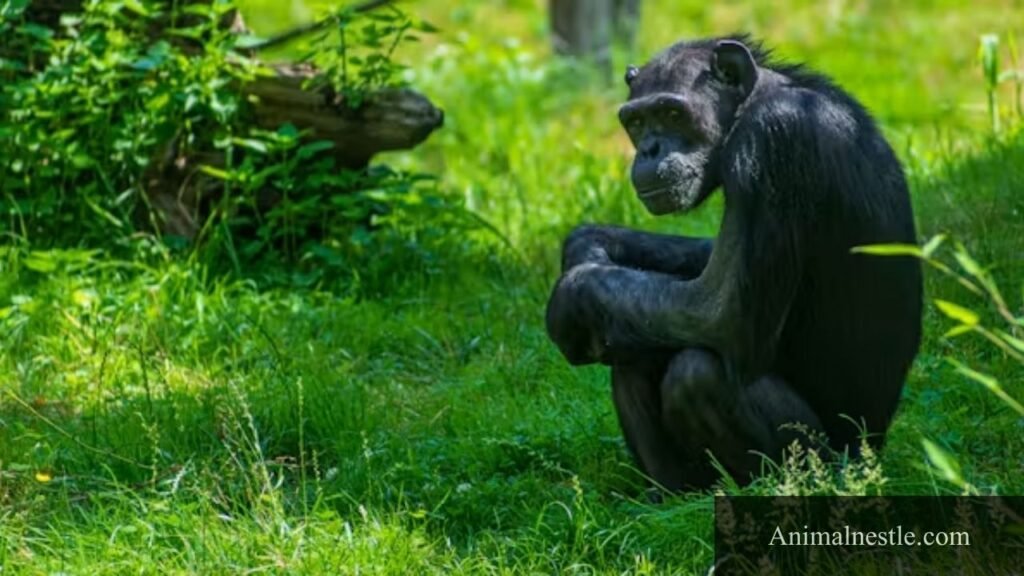
Moreover, the impact of viviparity in apes invites fascinating discussions about evolution and adaptation. The gestation periods among great apes can last from about 7.5 months to over 9 months, ensuring that offspring are born with the cognitive tools they need to thrive in their complex social structures. This longer developmental phase allows for enhanced learning, allowing young apes to observe and mimic intricate behaviors from their parents, ranging from tool use to intricate grooming rituals. As these young apes grow, the intricate interactions they witness mold them into socially adept individuals who can contribute meaningfully to their communities.
Green Anaconda
Scientific Name: Eunectes murinus
Class: Reptilia
Diet: Carnivore
The green anaconda, one of the largest and most formidable snakes in the world, showcases a unique blend of elegance and power in its aquatic habitat. Unlike many other reptiles, this species exhibits a fascinating form of viviparity, giving birth to live young rather than laying eggs. This trait is not just an adaptation but a marvel of evolutionary strategy, allowing the young anacondas to thrive in the wetter, more dangerous environments where they are born.
What’s particularly intriguing is the anaconda’s reproductive process. A female can give birth to up to 40 offspring in a single litter, each measuring around two feet at birth. This number contributes to the survival of the species, as numbers can easily dwindle in their challenging ecosystem filled with predators. The female often uses her size and camouflage to ward off threats while keeping her neonate brood safe, demonstrating an intricate balance of maternal instinct and survival tactics that amplifies the green anaconda’s role in its ecosystem.
Cows
Scientific Name: Bos taurus
Class: Mammalia
Diet: Herbivore
Cows, as viviparous mammals, showcase a fascinating reproductive strategy that profoundly influences their behavior and social structures. Unlike many other species, cows have a strong maternal instinct, forming deep bonds with their calves. This nurturing connection is vital not just for the calf’s survival but also for establishing a stable hierarchy within the herd. A mother’s attentive care can shape a calf’s personality and social skills, ultimately affecting its integration and role within the group.
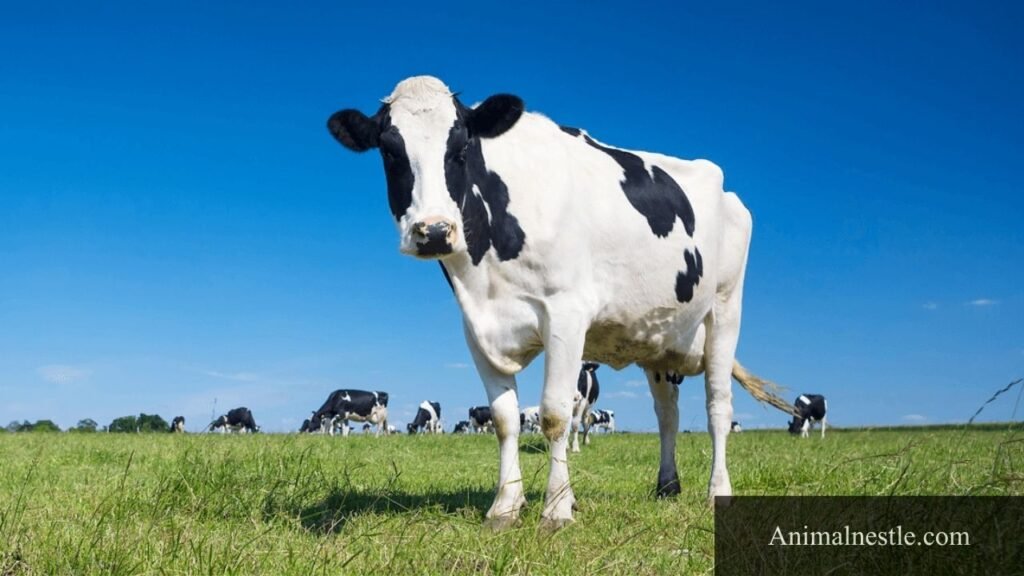
What’s particularly intriguing is how cows communicate their emotional states, both to their young and fellow herd members. Through vocalizations, body language, and even subtle changes in posture, cows convey messages of comfort, danger, or social bonding. Such complex communicative abilities highlight their social intelligence, challenging the conventional view of bovines as merely docile farm animals. By observing these interactions, we gain a richer understanding of their social fabric and the vital role each individual plays in the vibrant ecosystem of the herd.
You can also read: Explore Top 18 Jumping Animals.
Viviparous Lizards
Scientific Name: Zootoca vivipara
Class: Reptilia
Diet: Carnivore
Viviparous lizards, a fascinating subgroup within the diverse world of reptiles, defy traditional reproductive norms. Unlike their egg-laying counterparts, these remarkable creatures nurture their young internally, showcasing an intriguing evolutionary adaptation to their environments. A notable example is the common lizard (Zootoca vivipara), which thrives in cooler climates where laying eggs could spell doom for future generations. By giving birth to live young, these lizards enhance the survival rate of their offspring, allowing them to emerge ready to thrive in the often harsh conditions of their habitats.
This adaptation of viviparity not only provides immediate advantages, like better thermoregulation for developing embryos, but also paves the way for innovative behaviors in parental care. Some viviparous species even exhibit forms of maternal investment, with mothers providing their developing young with nutrients through specialized placental structures. This shift from oviparity to viviparity hints at a fascinating evolutionary trend, urging us to reconsider conventional boundaries in reptilian reproduction and inviting future exploration into their ecological significance.
Deer
Scientific Name: Cervidae
Class: Mammalia
Diet: Herbivore
Deer, being a fascinating example of viviparous animals, showcase a fascinating aspect of reproductive evolution. Deer give birth to live young after a gestation period that typically lasts around 7 to 8 months. This live bearing not only enhances the chances of offspring survival but also allows mothers to nurture their fawns in a protective womb, significantly increasing their chances of thriving in the wild.
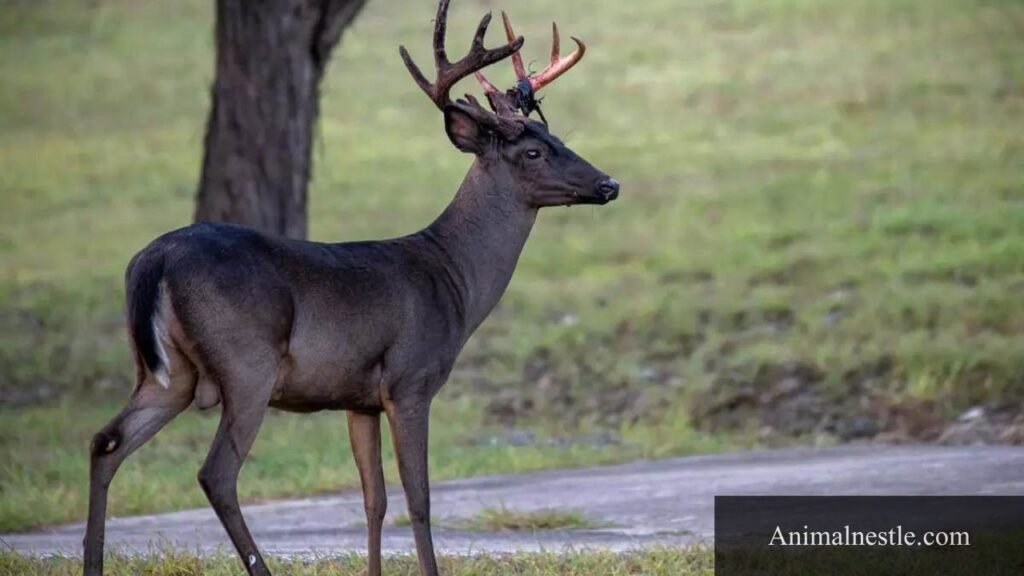
Deer exhibit remarkable maternal instincts, often hiding their newborns in tall grass or dense cover to shield them from predators. This instinctual behavior is a testament to their adaptability. The bond between doe and fawn is also critical; it possesses a keen ability to recognize their young through scent, ensuring that they reunite after foraging. Interestingly, fawns are born with spots that serve as camouflage, further enhancing their survival in their natural habitats. This intricate interplay of behavior and biological advantages makes deer not just fascinating subjects of study but also vital players in their ecosystems.
Readmore: Explore Top 17 Birds With 7 Letters.
Final Thoughts
Viviparous animals play a crucial role in the balance of ecosystems by nurturing their young within their bodies until they are fully developed. This reproductive strategy offers several advantages, including increased survival rates for the offspring and greater adaptability to changing environments. Species ranging from mammals to certain reptiles demonstrate the diverse ways in which viviparity can manifest in nature. By studying these fascinating creatures, we can gain deeper insights into evolutionary biology and conservation efforts. Let us appreciate and protect these remarkable animals, ensuring they thrive in their natural habitats for generations to come.
FAQs
What is a viviparous animal?
A viviparous animal is one that gives birth to live young instead of laying eggs. In these species, embryos develop inside the mother’s body, receiving nutrients and oxygen through a placental connection or directly from the mother. This reproductive strategy provides several advantages, including increased protection for the developing offspring and a greater likelihood of survival in varying environmental conditions.
What animals are viviparous?
Viviparous animals give birth to live young instead of laying eggs. This reproductive strategy is common among mammals, including humans, dogs, and whales. Some reptiles, like certain species of snakes and lizards, also exhibit viviparity. A few fish, like the guppy and some sharks, are viviparous as well. These animals typically provide their developing young with nutrients through a placental structure or similar adaptations, allowing for more advanced development before birth.