Top 27 Animals That Start With N (With Pictures)
From the majestic narwhal to the tiny numbat, these creatures are not just fascinating but also play crucial roles in their ecosystems. In this article, we’ll dive into the world of Animals That Start With N, exploring their unique characteristics and the importance of biodiversity. By the end, you’ll have a newfound appreciation for these often-overlooked animals and how they contribute to our planet.
List of Animals That Start With N
Below is the list of animals that start with N:
- Nene
- North Island Brown Kiwi
- Nile Crocodile
- Narwhal
- Noolbenger
- Northern Alligator Lizard
- Northern Inuit Dog
- Netherland Dwarf Rabbit
- New Guinea Singing Dog
- Nurse Shark
- Numbat
- Napu
- Northern Cardinal
- Naked Mole Rat
- Nutria
- Northern Right Whale Dolphin
- Northern Water Snake
- Nudibranch
- Northern Pintail
- Narbelek
- Nautilus
- Nilgai
- Numbray
- Northern Brownbul
- Northern Lapwing
- Northern Fur Seal
- Newt
Nene
Scientific Name: Branta sandvicensis
Class: Aves
Diet: Herbivore
The Nene, or Hawaiian goose, is a remarkable species that exemplifies adaptation to its isolated island ecosystem. This bird is unique not only due to its geographic location but also because of its striking evolutionary traits; it has evolved to thrive in the volcanic terrain of Hawaii. Unlike many other geese, which are strong fliers, the Nene has developed a relatively short wingspan and often prefers walking to flying. This adaptation allows it to conserve energy in an environment where food sources can be sporadic.
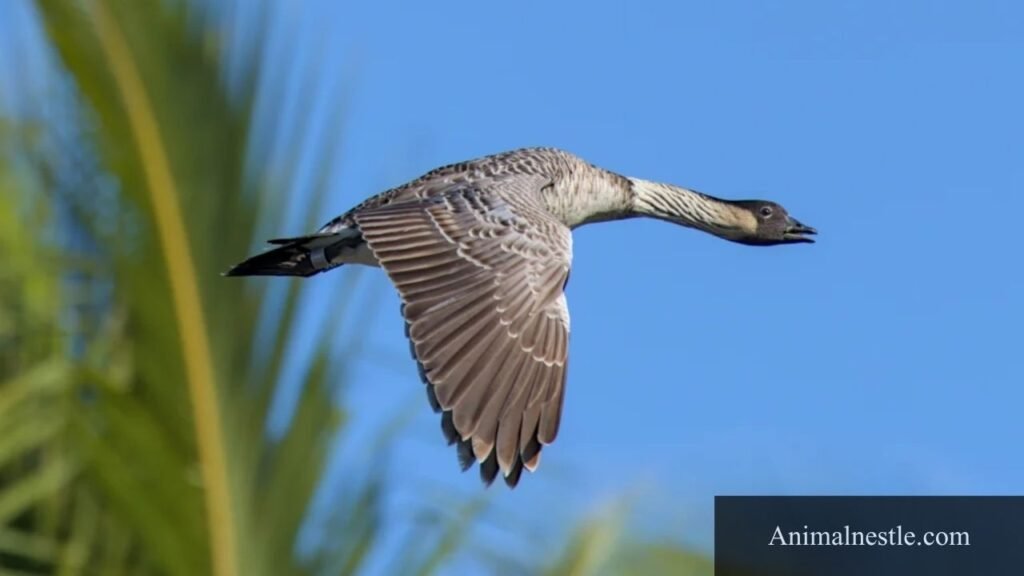
What makes the Nene even more fascinating is its role in Hawaiian culture and its significance to local ecosystems. Historically revered by native Hawaiians, these birds symbolize resilience and are often featured in traditional stories and practices. Moreover, their grazing habits play a crucial part in maintaining the health of native vegetation, as they help control invasive plant species while promoting the growth of native flora. Unfortunately, the Nene’s population has dwindled due to habitat loss and predation, making conservation efforts all the more vital. These endeavors not only aim to protect the Nene but also to restore the delicate balance of Hawaii’s unique ecosystems.
North Island Brown Kiwi
Scientific Name: Apteryx mantelli
Class: Aves
Diet: Omnivore
The North Island brown kiwi, a flightless bird native to New Zealand, is a fascinating creature that defies many conventional notions of avian life. Unlike their feathered counterparts, these nocturnal birds possess a highly developed sense of smell, allowing them to forage for insects, worms, and fruit hidden beneath the forest floor. Their long, slender bills are specialized for probing into the earth, making the kiwi a unique example of adaptation in an isolated ecosystem.
What’s particularly captivating is the kiwi’s nurturing nature. Monogamous by nature, these birds are dedicated parents, with males taking on the responsibility of incubating the eggs — a role reversal that showcases a rare dimension of avian behavior. The eggs themselves are enormous in proportion to the bird’s size, accounting for about a quarter of the female’s body weight. Once the chicks hatch, they are precocial, leaving the nest shortly after, armed with a mature set of feathers, which is a remarkable evolutionary strategy to enhance survival in a predator-rich environment.
Nile Crocodile
Scientific Name: Crocodylus niloticus
Class: Reptilia
Diet: Carnivore
The Nile crocodile, an ancient predator that has existed for over 200 million years, reveals fascinating aspects of both its biology and behavior. Typically residing in the rivers, lakes, and wetlands of Africa, this impressive reptile can grow up to 16 feet long and weigh over 1,600 pounds. Not just muscular giants, they possess a complex social structure, often seen basking in groups, which plays a role in territorial display and temperature regulation. Their vocalizations encompass a surprising range of sounds, including grunts and bellows, indicating social interaction or signaling to potential mates.
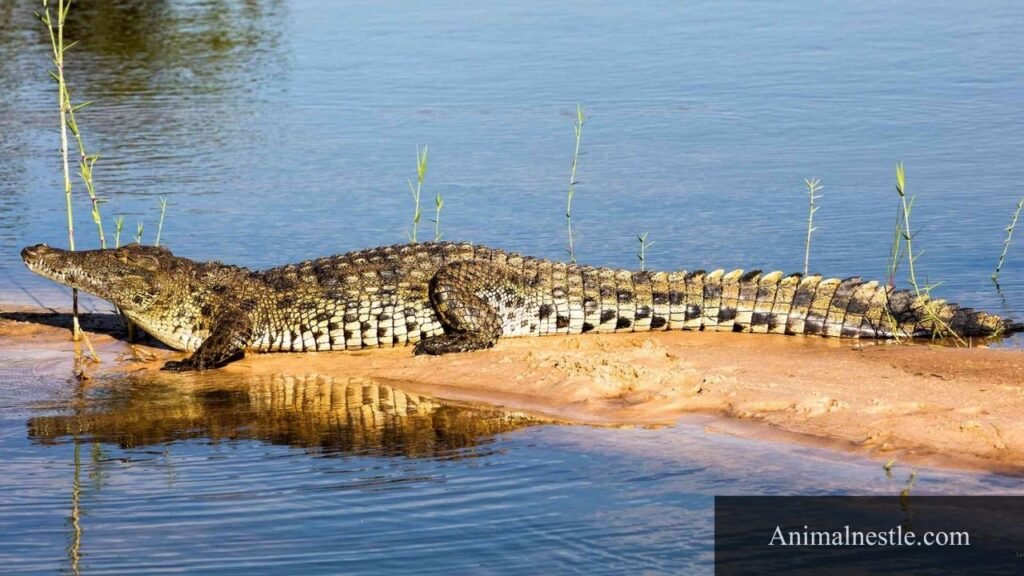
Moreover, Nile crocodiles have a unique hunting strategy that sets them apart from other predators. Known for their stealth and patience, they can stay submerged for hours, with only their nostrils above the water’s surface, allowing them to ambush unsuspecting prey seamlessly. This ambush tactic isn’t just limited to fish; they are opportunistic feeders and will take down larger animals, including wildebeest and zebras, that venture too close to the water’s edge. Their role in the ecosystem extends beyond being apex predators; by controlling prey populations and contributing to nutrient cycling, they sustain the very habitats they inhabit, making them vital players in their ecological landscape.
Readmore: Explore Top 27 Animals That Start With C.
Narwhal
Scientific Name: Monodon monoceros
Class: Mammalia
Diet: Carnivore
The narwhal captivates imaginations with its long, spiral tusk that can grow up to ten feet long. This tusk is actually an elongated tooth, and while its purpose has sparked considerable debate — ranging from a sensory organ to a weapon in mating rituals — new research suggests it may also play a role in social interactions among narwhals. These sleek, whale-like creatures use echolocation not just to navigate their icy Arctic habitat but also to communicate and locate food, including their favorite delicacy, the Arctic cod.
Narwhals are well-adapted to their frigid homes, with a unique layer of blubber that helps them withstand extreme temperatures and dive deep into the ocean depths, sometimes over a mile beneath the surface. This remarkable ability to dive has made them elusive, presenting challenges for researchers trying to study their behaviors and migrations. Interestingly, narwhals demonstrate a complex social structure, often forming small pods, where they engage in playful behavior and intricate vocalizations. Observing these majestic creatures in their natural habitat offers a glimpse not just into their world but also a profound commentary on the interwoven relationships between species in an ever-changing climate.
Noolbenger
Scientific Name: Tarsipes rostratus
Class: Mammalia
Diet: Herbivore
The Noolbenger, more commonly known as the Southern Brown Bandicoot, showcases a fascinating blend of adaptability and uniqueness in its nocturnal lifestyle. Found primarily in Australia and Tasmania, this small marsupial plays a crucial role in its ecosystem by acting as a seed disperser and pest controller, foraging through leaf litter and soil in search of insects, worms, and even fungi. Interestingly, their digging habits aerate the ground, promoting healthier plant growth, which benefits the broader environment.
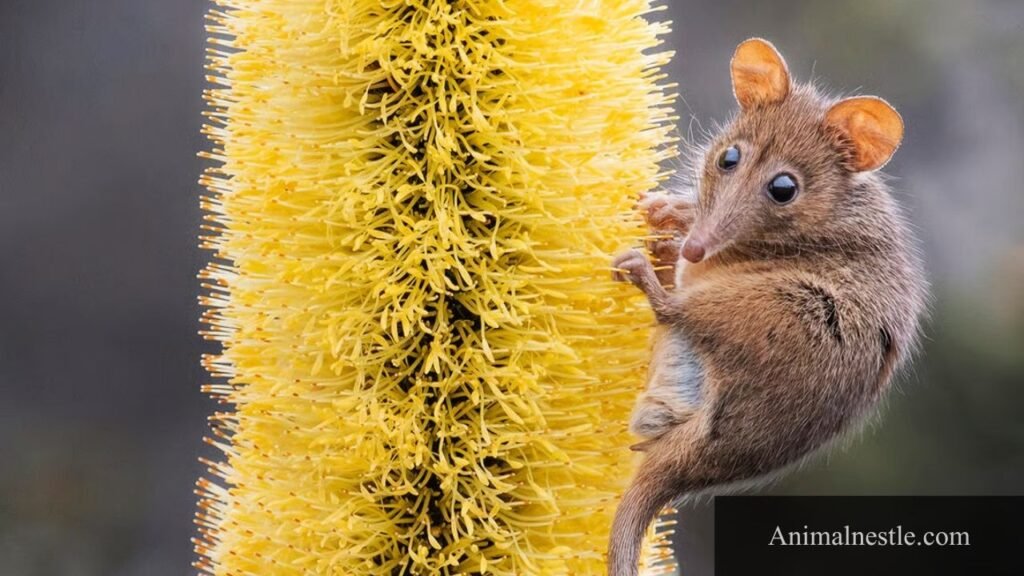
Despite their resilience, Noolbengers face significant threats from habitat loss and predation by introduced species, such as foxes and cats. Conservation efforts, however, are gaining traction as awareness about their ecological importance rises. Interestingly, bandicoots possess a unique anti-predator strategy: when threatened, they can quickly change directions, making them elusive escape artists in the wild. Observing these remarkable behaviors gives insight into the delicate balance of ecosystems and the vital roles played by even the smallest of creatures.
Northern Alligator Lizard
Scientific Name: Elgaria coerulea
Class: Reptilia
Diet: Carnivore
The Noolbenger, more commonly known as the Southern Brown Bandicoot, showcases a fascinating blend of adaptability and uniqueness in its nocturnal lifestyle. Found primarily in Australia and Tasmania, this small marsupial plays a crucial role in its ecosystem by acting as a seed disperser and pest controller, foraging through leaf litter and soil in search of insects, worms, and even fungi. Interestingly, their digging habits aerate the ground, promoting healthier plant growth, which benefits the broader environment.
Despite their resilience, Noolbengers face significant threats from habitat loss and predation by introduced species, such as foxes and cats. Conservation efforts, however, are gaining traction as awareness about their ecological importance rises. Interestingly, bandicoots possess a unique anti-predator strategy: when threatened, they can quickly change directions, making them elusive escape artists in the wild. Observing these remarkable behaviors gives insight into the delicate balance of ecosystems and the vital roles played by even the smallest of creatures.
Northern Inuit Dog
Scientific Name: Canis lupus familiaris
Class: Mammalia
Diet: Omnivore
The Northern Inuit Dog, originally bred in the 1980s in UK, embodies a unique blend of wolf-like appearance and affectionate temperament. Often mistaken for wolves due to their striking looks, these dogs possess a friendly demeanor that belies their fierce appearance. Their lineage includes a mix of Siberian Husky, Alaskan Malamute, and German Shepherd, which gives them not only physical prowess but also a remarkable adaptability to various environments.
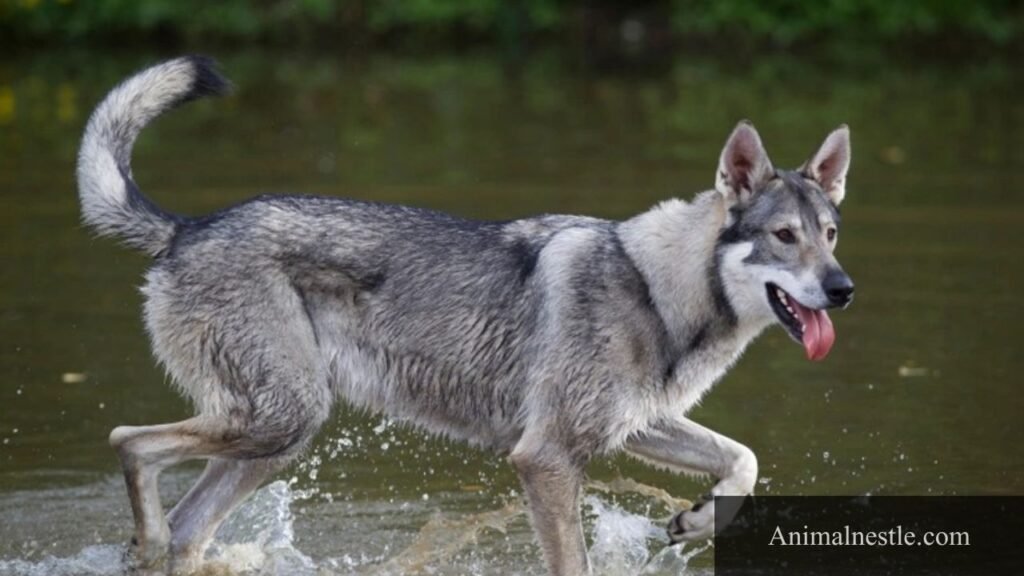
What sets the Northern Inuit Dog apart is its strong working instinct coupled with a gentle disposition. These dogs thrive in active households, as they require regular exercise and mental stimulation to prevent boredom. Engaging them in activities such as agility training or hiking can bring out their playful and intelligent nature. Interestingly, they have gained popularity in popular media, further enhancing their mystique and charm, thanks in part to their major roles in fantasy TV series that often showcase their striking appearance and loyalty.
Netherland Dwarf Rabbit
Scientific Name: Oryctolagus cuniculus domesticus
Class: Mammalia
Diet: Herbivore
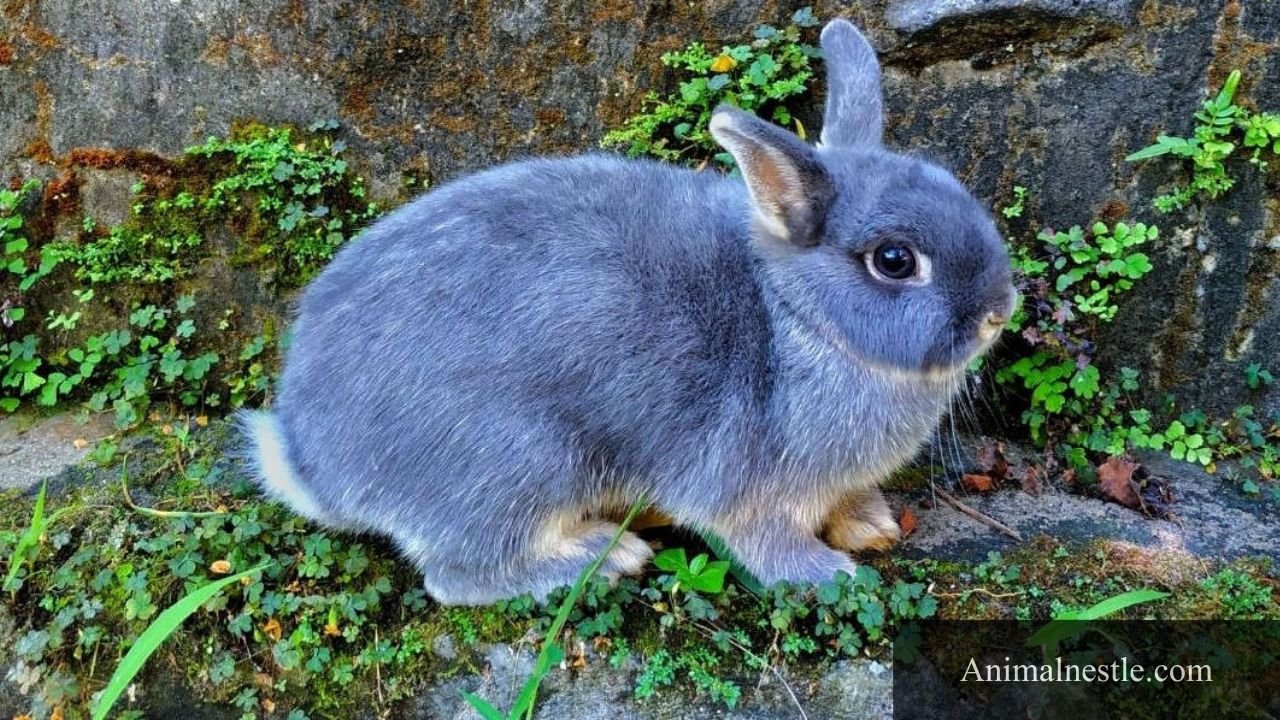
The Netherland Dwarf rabbit stands out not only for its petite size but also for its vibrant personality and striking appearance. With a weight that typically ranges from 2 to 3 pounds, these bunnies are among the tiniest domestic breeds. Their compact bodies and large, expressive eyes create an almost irresistible charm, making them popular pets for families and individuals alike. However, beneath their cute exterior lies an energetic and curious spirit that requires ample interaction and a stimulating environment to thrive.
Social by nature, Netherland Dwarfs can form deep bonds with their owners, often displaying affectionate behaviors such as gentle nudging or cuddling. Regular handling from a young age is crucial, as it helps them develop a trusting relationship with humans. Enriching their environment — through tunnels, toys, and safe, supervised exploration — keeps their inquisitive minds engaged. Interestingly, these rabbits also display unique personalities, with some being playful and adventurous, while others may be a bit more reserved. Understanding these nuances can lead to a more fulfilling companionship, revealing the layers of character that make each Netherland Dwarf a unique little companion.
New Guinea Singing Dog
Scientific Name: Canis lupus hallstromi
Class: Mammalia
Diet: Omnivore
The New Guinea Singing Dog is an extraordinary breed that captivates both researchers and animal lovers with its unique vocalizations and behaviors. Originating from the rugged highlands of Papua New Guinea, these dogs are known for their remarkable ability to produce a range of harmonic sounds, almost musical in nature. This vocal talent isn’t just for show; it serves as a form of communication within their packs, and in the wild, their songs can echo for miles across the mountainous terrain.
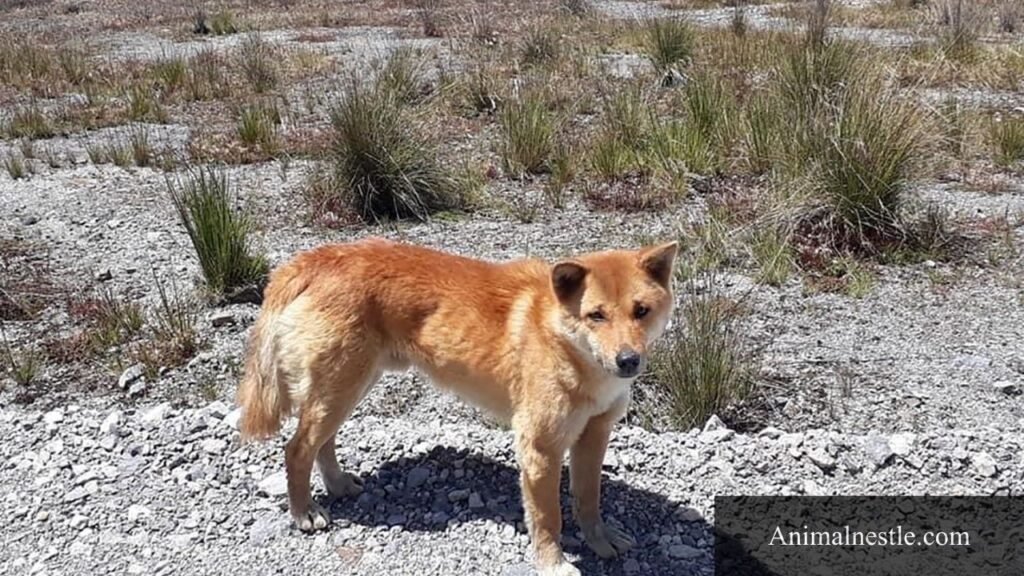
Beyond their enchanting voices, New Guinea Singing Dogs exhibit fascinating social behaviors that mirror those of wolves. They are known for their complex pack dynamics, exhibiting strong bonds and cooperative hunting strategies. Unlike many domesticated dogs, these canines retain many of their wild instincts, making them agile and adept at navigating their natural environment. Remarkably, their genetic lineage reveals a close connection to the ancient ancestors of domestic dogs, showcasing one of the most intriguing examples of canine evolution that still exists today. For those fortunate enough to encounter them, the New Guinea Singing Dog offers a glimpse into the untamed heart of the animal kingdom.
Nurse Shark
Scientific Name: Ginglymostoma cirratum
Class: Chondrichthyes
Diet: Carnivore
Nurse sharks are fascinating creatures that often go overlooked in the world of marine life. Distinctively slow-moving and mostly nocturnal, these sharks are a testament to the idea that not all sharks are merciless predators. Their unique, almost cat-like behavior includes resting on the ocean floor during the day, often seen in groups or cuddled up against coral formations. This tendency to lounge reveals their surprising social nature, as they form bonds with one another, which is quite rare among other shark species.
What sets nurse sharks apart even further is their remarkable suction feeding technique. Unlike most sharks that rely on speed and ambush tactics, nurse sharks use their specialized mouths to suck in prey, which can include mollusks, crustaceans, and small fish. Their flexible bodies allow them to navigate tight spaces in reefs, showcasing an adaptability that makes them efficient foragers. While they are mostly harmless to humans, they possess a powerful bite, and their docile demeanor can quickly change if threatened, reminding us of the untamed spirit that still lies within these gentle giants of the sea.
Numbat
Scientific Name: Myrmecobius fasciatus
Class: Mammalia
Diet: Carnivore
The numbat, a small marsupial native to Australia, is a prime example of nature’s unique adaptations. With its distinctive striped back and long, sticky tongue, the numbat has evolved to thrive primarily on ants and termites, consuming up to 20,000 insects per day. This remarkable diet allows them to play a crucial role in their ecosystem, controlling insect populations and contributing to soil health through their foraging behaviors.
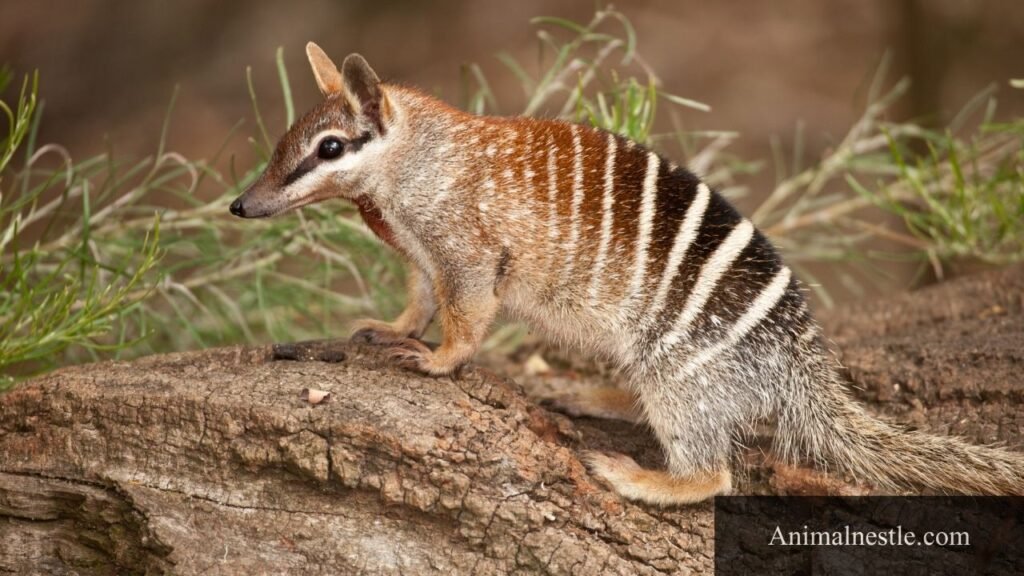
What sets the numbat apart is not just its diet but its intriguing social structure. Unlike many marsupials, numbats are diurnal, meaning they are active during the day, which grants them a rare visibility among their nocturnal cousins. Their keen sense of smell helps them locate food while their solitary nature means they often wander through the forests of Western Australia alone, showcasing a unique blend of independence and adaptation. Unfortunately, due to habitat loss and predation by introduced species, the numbat is listed as endangered, prompting conservation efforts that highlight the importance of protecting this whimsical creature and its habitat for future generations.
Napu
Scientific Name: Tragulus napu
Class: Mammalia
Diet: Herbivore
The Napu, also known as the babirusa or deer pig, is a fascinating creature native to the lush forests of Indonesia. It captivates with its unique appearance — males display elongated canine teeth that can curl backward, resembling tusks. This striking feature isn’t just for show; it plays a significant role in mating displays and helps establish dominance within their social structures. Observing a Napu in its natural habitat reveals its curious nature, as it often forages for fruits, roots, and leaves, showcasing its adaptability to the dense undergrowth.
Interestingly, the Napu’s evolutionary lineage suggests a rich tapestry of adaptation, connecting it to both swine and deer. This crossover isn’t merely biological; it also influences its behavior. While they share traits with pigs, like rooting and foraging, they exhibit more social species behaviors akin to deer, such as forming small herds for protection. The Napu is also a critical player in maintaining the forest ecosystem, as its foraging habits help disperse seeds, fostering biodiversity in its habitat. Observing the Napu challenges us to rethink our definitions of animal kinship and adaptability, reminding us that nature often blurs the lines we draw between categories.
Northern Cardinal
Scientific Name: Cardinalis cardinalis
Class: Aves
Diet: Omnivore
The Northern Cardinal possesses rich tapestry of behavior and adaptability that captivates birdwatchers and casual observers alike. Males are particularly striking with their bright red plumage, contrasted by their distinctive black masks, while females exhibit more subdued tones, displaying warm browns and hints of red. This sexual dimorphism not only serves a practical purpose for camouflage but also plays a role in their complex social structures. During mating season, males sing melodious tunes, using their songs to establish territory and attract potential mates, creating an enchanting soundtrack to spring mornings.
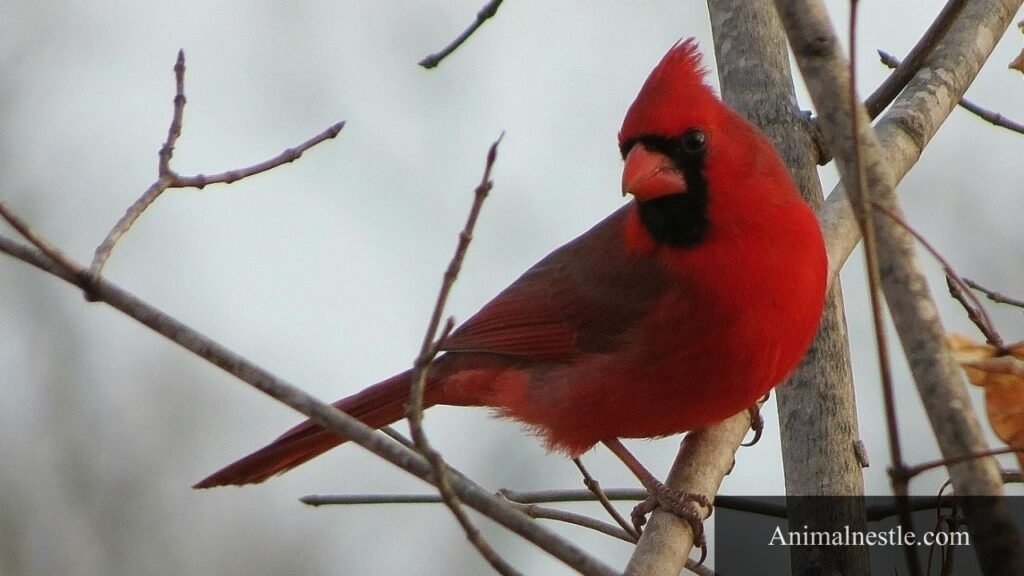
Northern Cardinals are also remarkable in their adaptability to diverse environments. Found as far north as Canada and as far south as Argentina, these birds thrive in various habitats, from dense forests to suburban gardens. Their omnivorous diet, consisting of seeds, fruits, and insects, allows them to flourish in changing ecosystems. Interestingly, researchers have also documented their ability to recognize individual human caregivers who regularly fill feeders, highlighting a unique bond that can develop between people and wildlife. Such behavior illustrates not just their intelligence but also the intricate connections we share with the natural world.
Naked Mole Rat
Scientific Name: Heterocephalus glaber
Class: Mammalia
Diet: Herbivore
The naked mole rat, a curious creature native to the arid regions of East Africa, defies many biological norms that we typically associate with mammals. Dismissed by some as merely an oddity, these hairless rodents boast an impressive set of adaptations that make them exceptional survivors. Living in underground colonies, they exhibit a fascinating social structure, resembling that of bees or ants, with a single queen at the helm, much like a sovereign in her vast empire. The cooperative nature of their communities aids in their survival, allowing them to thrive in harsh environments devoid of oxygen and nutrients.
One of the most striking aspects of the naked mole rat is its resistance to cancer, a trait that has attracted the attention of scientists searching for breakthroughs in medical research. Their cells seem to possess unique properties that inhibit tumor growth, providing new avenues for understanding aging and disease in humans. Furthermore, these resilient little mammals can survive in low-oxygen conditions and maintain a stable body temperature, showcasing their remarkable physiological mechanisms. Observing naked mole rats not only challenges our perceptions of what makes a mammal but also invites us to explore the intricate tapestry of life and survival strategies present in the animal kingdom.
Nutria
Scientific Name: Myocastor coypus
Class: Mammalia
Diet: Herbivore
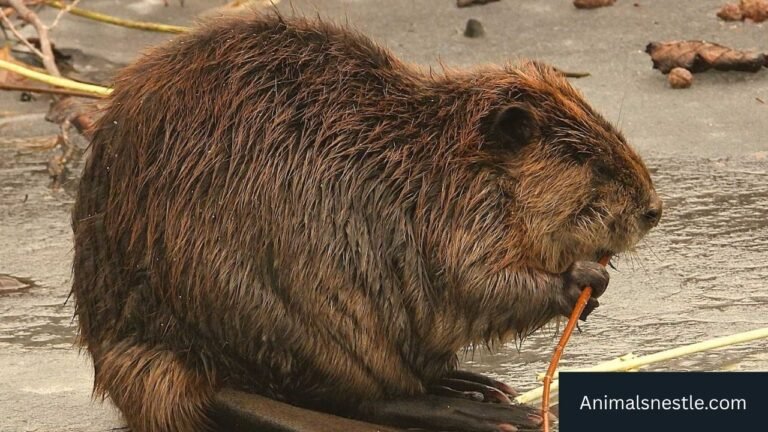
Nutria, also known as coypu, are semi-aquatic rodents native to South America, yet they’ve established populations in various other regions, particularly in North America and Europe. These fascinating creatures can weigh up to 20 pounds and possess a unique adaptability to wetland environments, thriving in marshes, rivers, and ponds. With their coarse brown fur and distinctive orange incisors, nutria are often mistaken for beavers or large rats, but their social behavior and eating habits set them apart. Unlike many rodents that primarily consume grains, nutria have a herbivorous diet focused on aquatic plants, which can lead to significant ecological impacts in non-native areas.
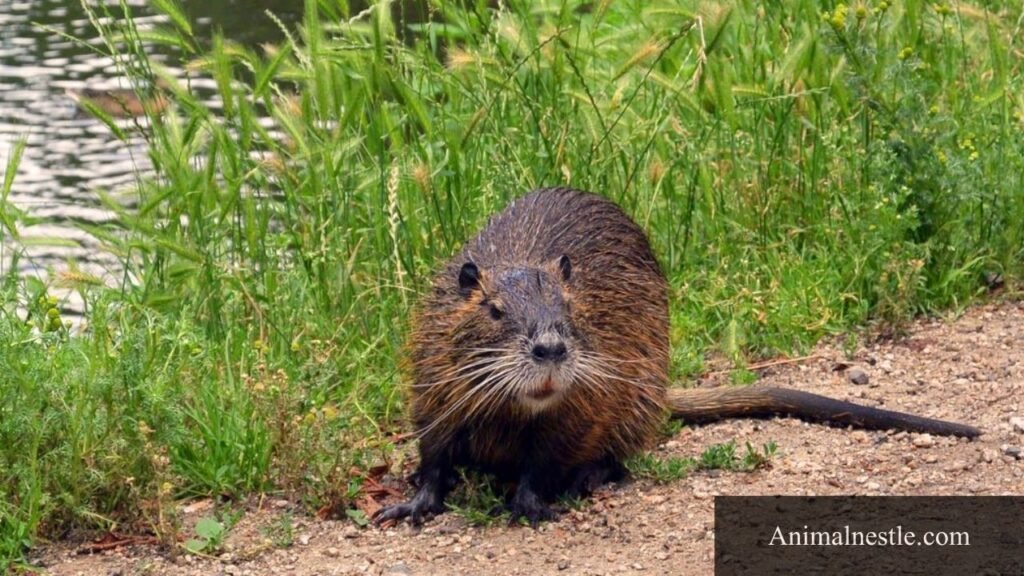
Nutria are not just a nuisance; they play a curious role in their ecosystems. Their foraging habits can help maintain healthy wetland habitats by controlling overgrown plant life. However, this can also create a double-edged sword, as their excessive grazing may damage native vegetation and contribute to soil erosion. In some regions, this has prompted innovative management strategies, including their use in sustainable farming practices to protect crops while controlling their populations. Understanding the delicate balance of their presence in various ecosystems is essential, making nutria a captivating example of how non-native species can influence their surroundings in both positive and negative ways.
Northern Right Whale Dolphin
Scientific Name: Lissodelphis borealis
Class: Mammalia
Diet: Carnivore
The Northern Right Whale Dolphin, with its striking black and white coloration, captivates both scientists and enthusiasts alike. Unlike many of its dolphin cousins, this species is unusual due to its lack of a dorsal fin, which contributes to its streamlined appearance and the ability to slice effortlessly through the water. Adapted to the colder, deeper waters of the North Pacific, this dolphin is often seen leaping and riding the bow waves of boats, showcasing its playful nature.
Northern Right Whale Dolphins travel in pods that can range from a few to over 100 individuals, creating a complex social structure rich in communication and cooperation. Their intricate echolocation skills enable them to hunt effectively for squid and fish in the depths of their oceanic habitat. However, human activity poses a significant threat, from entanglements in fishing gear to the impacts of climate change on their food sources. Understanding and protecting these magnificent dolphins not only contributes to marine biodiversity but also enriches our connection to the ocean’s mysterious inhabitants.
Northern Water Snake
Scientific Name: Nerodia sipedon
Class: Reptilia
Diet: Carnivore
The Northern Water Snake is an often-misunderstood inhabitant of North America’s freshwater ecosystems. At first glance, its hefty, patterned body may evoke fear, yet these non-venomous serpents play a crucial role in maintaining the health of their aquatic habitats. Their diet primarily consists of fish, amphibians, and even small mammals, showcasing their adaptability and skill as subaquatic predators.
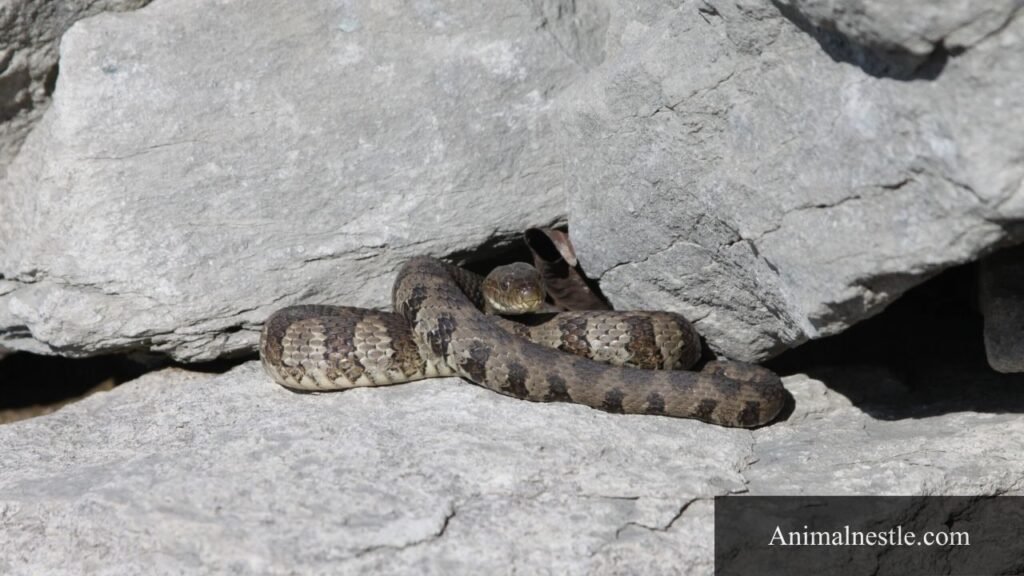
One intriguing aspect of the Northern Water Snake is its remarkable behavioral repertoire. When threatened, this snake won’t hesitate to demonstrate its feisty nature — often hissing, striking, or releasing a foul-smelling musk to deter would-be predators. This defensive strategy highlights its energetic personality, contradicting the misconception that all snakes are passive and timid. By understanding these behaviors, enthusiasts can appreciate the intricate dynamics of the ecosystem they inhabit, reinforcing the idea that every creature has a role and a story that adds richness to our natural world.
Nudibranch
Scientific Name: Nudibranchia
Class: Gastropoda
Diet: Carnivore
Nudibranchs are among the ocean’s most vibrant inhabitants, showcasing a kaleidoscope of colors and patterns that serve as both camouflage and warning signals. These fascinating mollusks can be found in marine environments ranging from shallow waters to the deep sea. Their striking appearance is not just for show; many nudibranchs are toxic, using their vivid hues to deter potential predators. Interestingly, they can absorb toxins from their prey, such as certain types of sponges, and repurpose these chemicals as a defense mechanism.
Another remarkable aspect of nudibranchs is their remarkable regeneration capabilities. If threatened, they can autotomize, shedding a part of their body to escape predators, which is not only intriguing but highlights an evolutionary strategy that allows them to thrive in competitive underwater ecosystems. Furthermore, their mating rituals are equally captivating; nudibranchs are simultaneous hermaphrodites, meaning they possess both male and female reproductive organs. This adaptability in reproduction allows them to maximize their chances of finding a mate in the vast expanse of the ocean. With their captivating colors, defensive strategies, and unique reproductive traits, nudibranchs exemplify the incredible diversity and ingenuity found in marine life.
Northern Pintail
Scientific Name: Anas acuta
Class: Aves
Diet: Omnivore
The Northern Pintail is truly one of the most elegant waterfowl, recognized by its slender neck and long, tapered tail. This medium-sized duck is often celebrated for its striking appearance, featuring a graceful blend of rich chestnut and creamy beige plumage. What sets the Northern Pintail apart is not just its beauty, but also its fascinating migratory behavior. Every winter, they embark on impressive journeys, traveling thousands of miles from their breeding grounds in North America to warmer habitats in Central America and even beyond.
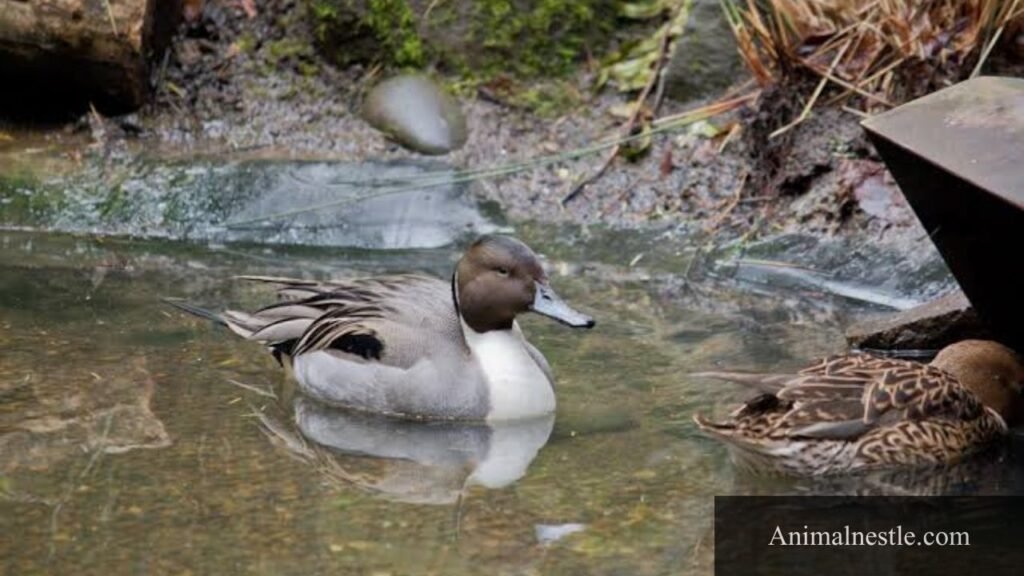
Northern Pintails exhibit intriguing social dynamics. During breeding season, males engage in elaborate courtship displays, showcasing their unique vocalizations and distinctive postures to attract females. These interactions serve not only to solidify pair bonds but also to establish dominance within the flock. What many may not realize is their adaptability; Northern Pintails thrive in a variety of wetland habitats, from freshwater marshes to coastal estuaries, showcasing their resilience in ever-changing environments. As climate change impacts migratory patterns and habitats, understanding and protecting these beautiful ducks becomes essential for maintaining the delicate balance of our ecosystems.
Narbelek
Scientific Name: Petrogale concinna
Class: Mammalia
Diet: Herbivore
The Narbelek presents a fascinating case study of adaptation and behavior. This elusive mammal thrives in the dense forests of Central Asia, showcasing remarkable camouflage techniques that help it blend seamlessly with its surroundings. Its fur, a patchwork of browns and greens, not only serves as protection from predators but also as a strategic advantage for ambushing prey. Observers have noted that the Narbelek engages in a unique hunting method, using its agile limbs to scale trees and pounce on unsuspecting birds or small rodents below.
Social structures within Narbelek populations are equally intriguing. Unlike many solitary mammals, Narbeleks exhibit semi-social behavior, often forming small family groups that communicate through a range of vocalizations. These sounds, akin to a melody, enhance social bonding and assist in coordinating hunts. Each family group has developed distinct communication patterns; understanding these can provide insights into their social dynamics and intelligence. As environmental pressures increase, studying the Narbelek could offer critical clues about resilience and adaptation in changing ecosystems. As we delve deeper into their world, we might uncover secrets that challenge our perceptions of mammalian behaviors and relationships.
Nautilus
Scientific Name: Nautilidae
Class: Cephalopoda
Diet: Carnivore
The nautilus, often dubbed the “living fossil,” offers a mesmerizing glimpse into ancient marine life. With its elegantly spiraled shell, it has existed largely unchanged for over 500 million years, making it one of the oldest surviving species on Earth. This remarkable creature possesses a buoyant shell, allowing it to navigate the ocean depths with grace. But it’s not just its appearance that fascinates; the nautilus is equipped with over 90 tentacles, which are not armed with suckers like those of its cephalopod relatives. Instead, these tentacles are lined with sensitive receptors, enabling the nautilus to detect food and navigate its dark, pelagic environment.
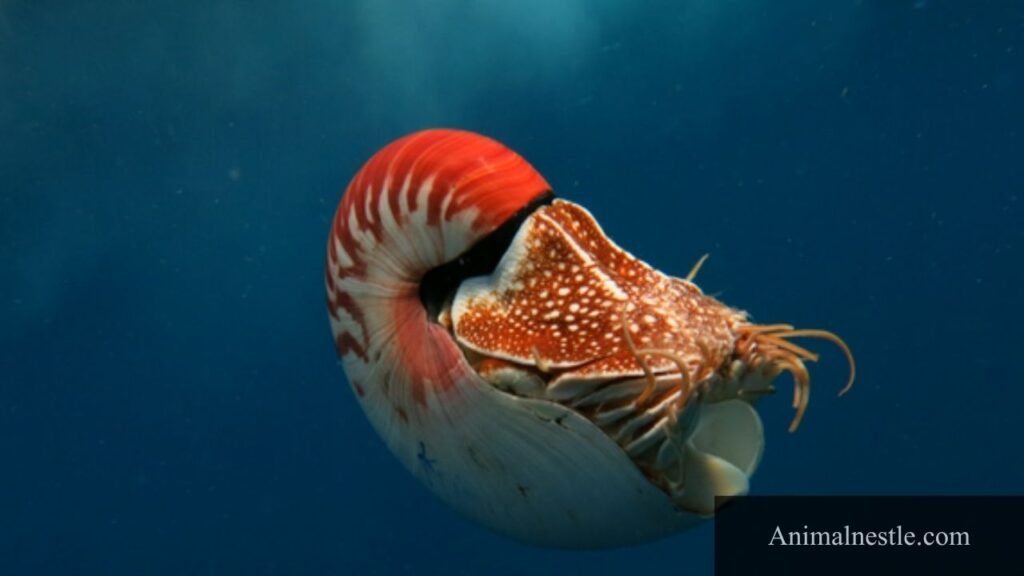
Unlike most marine creatures, the nautilus doesn’t rely on speed or aggression for survival. Its calm demeanor and slow movements are strategic, relying on its shell for protection against predators. In a world constantly changing due to climate shifts and ocean acidification, the nautilus represents a unique window into resilience. Scientists are studying its adaptations to better understand evolutionary processes, questioning what these time-tested strategies mean for our rapidly evolving ecosystem. As we unravel the mysteries of this ancient cephalopod, we find ourselves reflecting on not just survival, but the delicate balance of life in our oceans.
Nilgai
Scientific Name: Boselaphus tragocamelus
Class: Mammalia
Diet: Herbivore
The Nilgai, also known as the blue bull, is the largest antelope species in India and is known for its striking bluish-gray coat. These magnificent creatures possess a unique blend of elegance and strength, standing up to 4.5 feet tall at the shoulder and weighing between 250 to 600 pounds. Unlike many other antelopes, Nilgais exhibit sexual dimorphism; males sport a robust build with a pronounced hump at the shoulders, while females are slender and lighter, often featuring a reddish-brown hue that camouflages them in their grassland habitats.
Nilgais also possess have an intricate societal structure. They are typically found in small herds dominated by a dominant male, fostering a protective environment for females and their young. Interestingly, they are not solely herbivorous; while their diet mainly consists of grasses and leaves, they have been observed engaging in occasional fruit consumption, showcasing a surprising adaptability in their feeding habits. Their role in the ecosystem extends beyond their grazings; as they trample the underbrush, they help promote fresh growth, thus enriching their environment and benefiting countless other species.
Numbray
Scientific Name: Narke dipterygia
Class: Chondrichthyes
Diet: Carnivore
The numbray, a lesser-known species within the ray family, offers a unique glimpse into marine life. Found mostly in sandy or muddy seabeds along the coasts of Australia, these flat-bodied creatures possess an intriguing blend of adaptations that make them exceptionally suited for their environment. With their wing-like pectoral fins, numbrays can glide gracefully through the water, often burying themselves in sediment to evade predators, showcasing nature’s remarkable strategies for survival.
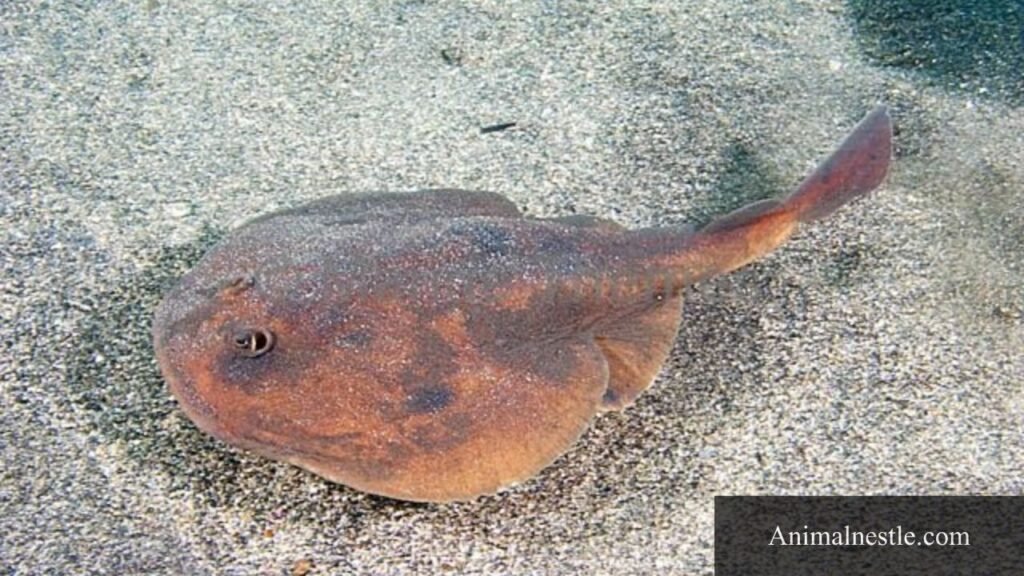
What truly sets the numbray apart is its remarkable sensory system. Equipped with electroreceptors, these rays can detect the subtle electrical fields generated by their prey, which include crustaceans and small fish. This ability transforms hunting into an almost stealthy endeavor, allowing them to navigate and thrive in often murky waters. Moreover, the numbray’s gentle disposition and unique behavior patterns make it a fascinating subject for marine researchers aspiring to understand the ecological roles of lesser-known species and their importance in maintaining healthy ocean ecosystems.
Northern Brownbul
Scientific Name: Phyllastrephus strepitans
Class: Aves
Diet: Omnivore
The Northern Brownbul is a captivating avian species found across various habitats in Central and East Africa. This bird typically thrives in dense undergrowth and the lower canopy of tropical forests, where its secretive nature can make it quite elusive. What sets the Northern Brownbul apart is its distinct vocal repertoire, characterized by a series of bubbling calls that resonate through the foliage, often giving it away before it’s ever spotted.
Beyond its auditory allure, the Northern Brownbul plays a significant ecological role. It primarily feeds on insects and fruits, making it a vital player in seed dispersal within its forest habitat. Interestingly, its foraging habits also highlight the connection between animal behavior and ecosystem health; the presence of flourishing Northern Brownbul populations often indicates a robust and diverse forest. Observing these birds can be a rewarding endeavor for birdwatchers, as their well-camouflaged plumage allows for a game of hide-and-seek within the vibrant tapestry of their environment.
Northern Lapwing
Scientific Name: Vanellus vanellus
Class: Aves
Diet: Carnivore
The Northern Lapwing, with its striking green and purple plumage and iconic crown of feathers, is more than just a visual marvel. Known for its acrobatic flight displays, this bird engages in elaborate aerial performances that not only attract mates but also reinforce territory. As it soars above meadows and farmland, its distinctive call — often described as a plaintive “peewit” — echoes the fragility of its habitat, calling attention to the pressures of agricultural expansion and climate change.
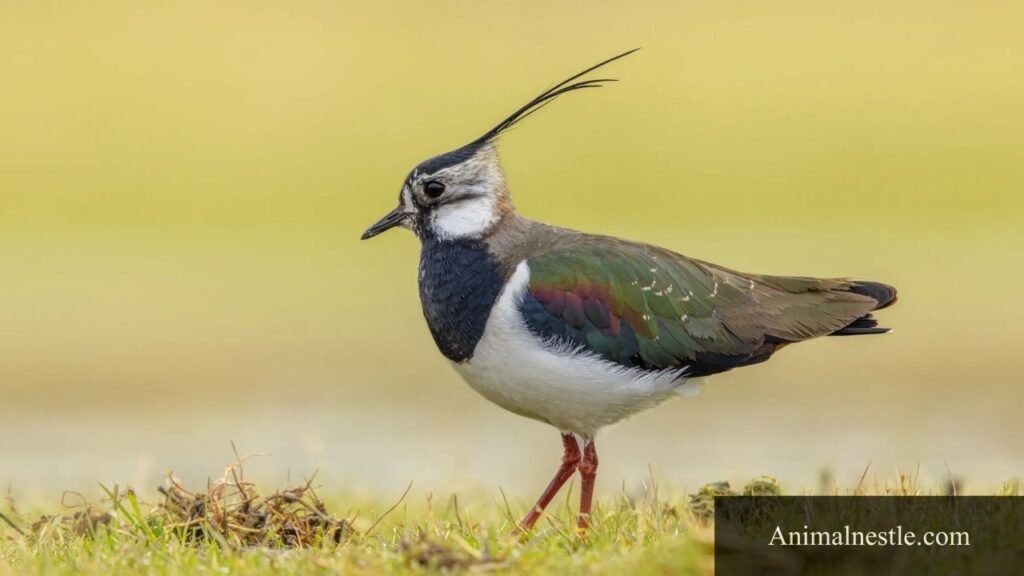
Observing the Northern Lapwing during the breeding season reveals their fascinating parental behaviors. Mated pairs work collaboratively, feigning injury to distract potential predators from their vulnerable nests. This clever ruse showcases their strong bond and commitment to one another, highlighting the sophisticated survival strategies birds employ in the wild. Although these striking creatures are adaptable, their population has seen a dramatic decline over the last few decades, prompting conservation efforts that emphasize habitat preservation and sustainable farming practices. The Northern Lapwing serves as a poignant reminder of our interconnectedness with nature, urging us to protect the delicate balance that supports not just one species, but entire ecosystems.
Northern Fur Seal
Scientific Name: Callorhinus ursinus
Class: Mammalia
Diet: Carnivore
The Northern Fur Seal, with its luxurious, thick coat and playful demeanor, is a striking inhabitant of the North Pacific Ocean. Unlike many other pinnipeds, these seals have an astonishing ability to dive deep, reaching depths of up to 600 feet in search of squid and fish. Their agility in the water is matched only by their acrobatics on land, where males can weigh up to 600 pounds and display impressive territorial behaviors during breeding season.
A lesser-known fact about Northern Fur Seals is their elaborate social structure. Males often establish harems, comprising dozens of females, and display a complex hierarchy determined by size and aggression. However, beyond their social dynamics, these seals have an interesting adaptation to their environment: their fur is not only insulating but also water-repellent, allowing them to stay warm in frigid waters while remaining buoyant. As climate change and overfishing threaten their habitat, understanding the unique traits and behaviors of Northern Fur Seals becomes imperative for their conservation and the health of marine ecosystems they inhabit.
Newt
Scientific Name: Pleurodelinae
Class: Amphibia
Diet: Carnivore
Newts are fascinating creatures that belong to the family Salamandridae and are often overlooked in discussions about amphibians. These small, often brightly colored animals have a unique life cycle that includes an aquatic larval stage before they metamorphose into their adult forms. Newts are known for their remarkable ability to regenerate lost limbs and even parts of their hearts and eyes, a skill that holds immense potential for scientific research in regenerative medicine.
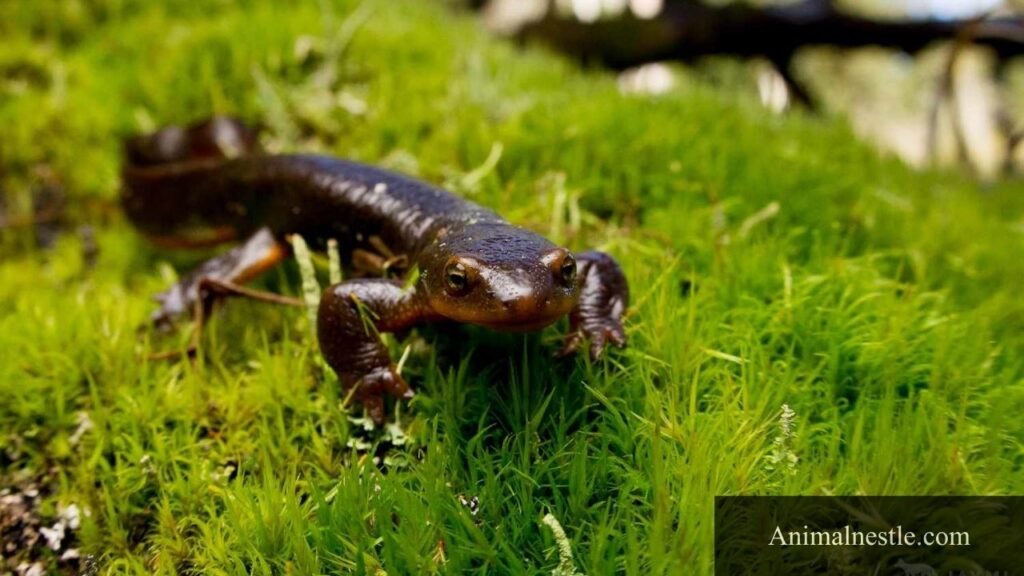
Beyond their regenerative abilities, newts exhibit exceptional adaptations to their environments. Many species possess a toxic skin secretion that serves as a defense mechanism against predators, making them a vibrant example of nature’s colorful warning signals. They also play a crucial role in their ecosystems by serving both as prey and as pest control, feeding on insects and other small invertebrates. This dual role underscores their importance not only as a part of the food web but also in maintaining the health of their habitats.
Readmore: Explore Top 31 Animals That Start With G.
Final Thoughts
Animals beginning with the letter N showcase nature’s impressive variety and complexity. Whether it’s the nocturnal nutrias that thrive in wetlands or the vibrant Nile crocodiles found in Africa’s rivers, each species plays an essential part in its habitat. This exploration highlights the importance of understanding and respecting wildlife, as every animal has a story and purpose in the grand tapestry of life. As we continue to explore and learn about these remarkable animals, we must also prioritize their conservation for future generations. Let’s take a moment to appreciate these marvelous beings and advocate for their protection.
FAQs
What sea animal starts with an N?
One sea animal that starts with an “N” is the Nautilus. This fascinating creature is a cephalopod, related to squid and octopuses. Nautiluses have a distinctive, coiled shell that provides buoyancy and protection. They often inhabit deep waters in the Pacific and Indian Oceans. Another example is the Nurse Shark, a slow-moving species found in warm coastal waters. These sharks are known for their docile nature and are often seen resting on the ocean floor.
What mammals start with N?
One of the most notable is the “Narwhal.” This unique whale is known for its long, spiral tusk, which is actually an elongated tooth. Narwhals inhabit Arctic waters and are often referred to as the “unicorns of the sea.”
Another example is the “Numbat,” a small marsupial native to Australia. Known for its distinctive stripes and long tongue, the numbat primarily feeds on termites and is a nocturnal creature.